

















































































































































































































































































































































































































































































































































































































































































































































































































































































































































































































































































Friday, 09 October 2026
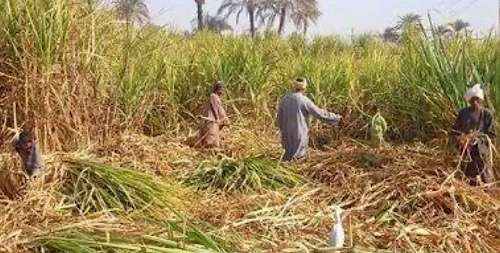
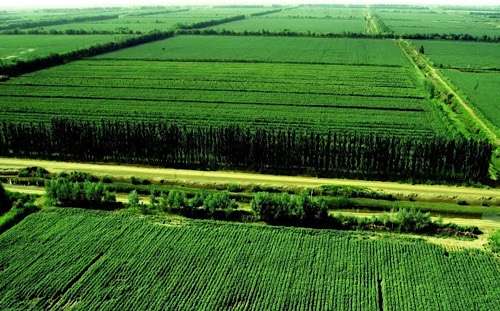
In the lush green expanses of Egypt’s countryside, a quiet transformation is taking root—one that is set to sweeten the nation’s future for generations to come.
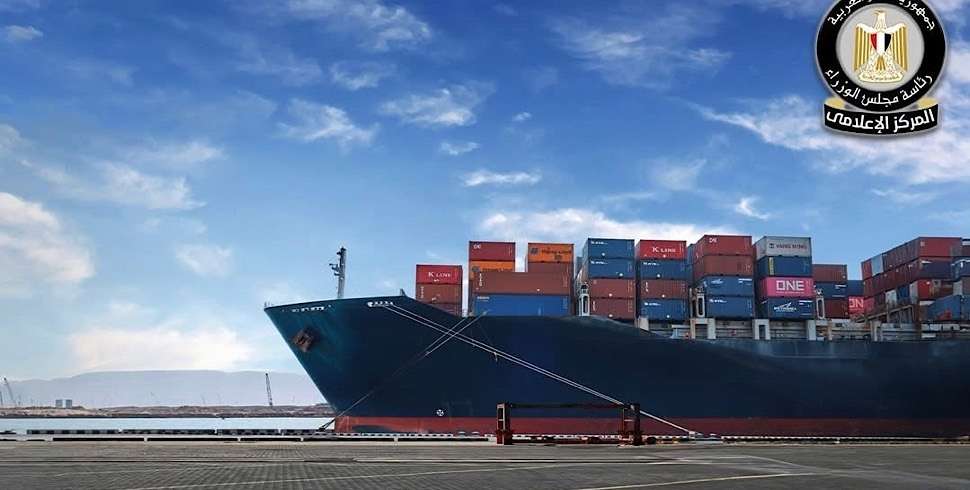
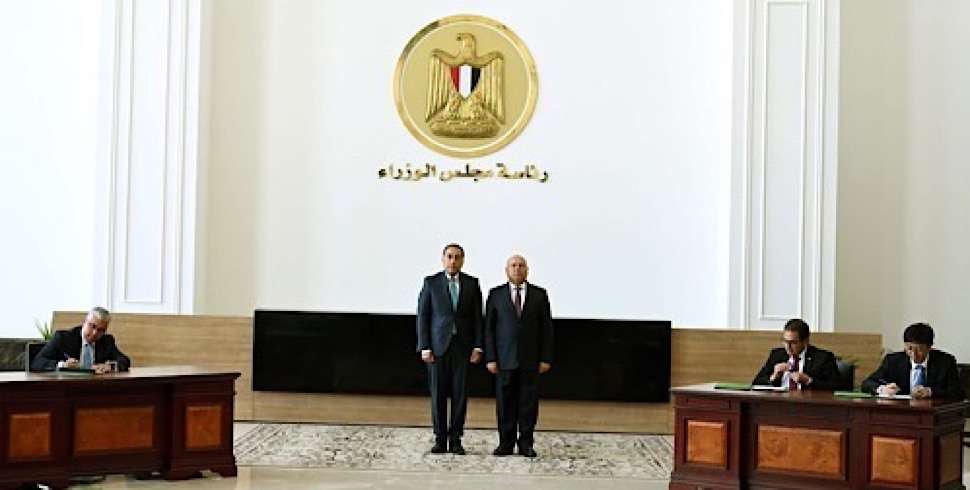
By the beginning of 2026, Egypt will no longer need to import sugar, according to a recent announcement from the Cabinet. For farmers and families alike, this isn’t just about sugar—it’s about national resilience, food security, and the proud revival of a time-honored industry.
From dependence to independence
For years, Egypt, like many countries, relied heavily on sugar imports to satisfy the demands of its tea-loving, dessert-appreciating population. Fluctuating prices and global supply challenges often stoked worries about food security—a situation made all the more pressing given sugar’s central place at the Egyptian table.
But a strategic shift has blossomed over the past decade, driven by government support and the dedication of farmers from the Delta to Upper Egypt. Through a combination of expanded crop cultivation, industrial modernization, and carefully designed incentives, Egypt is now on the threshold of complete self-sufficiency.
A bumper harvest’s roots
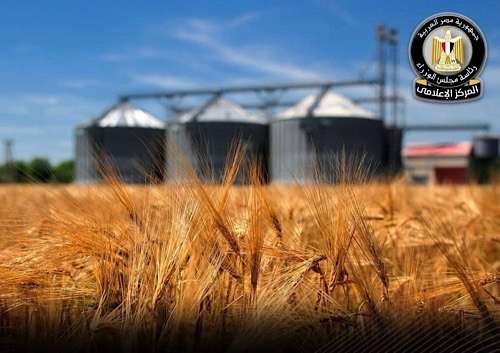
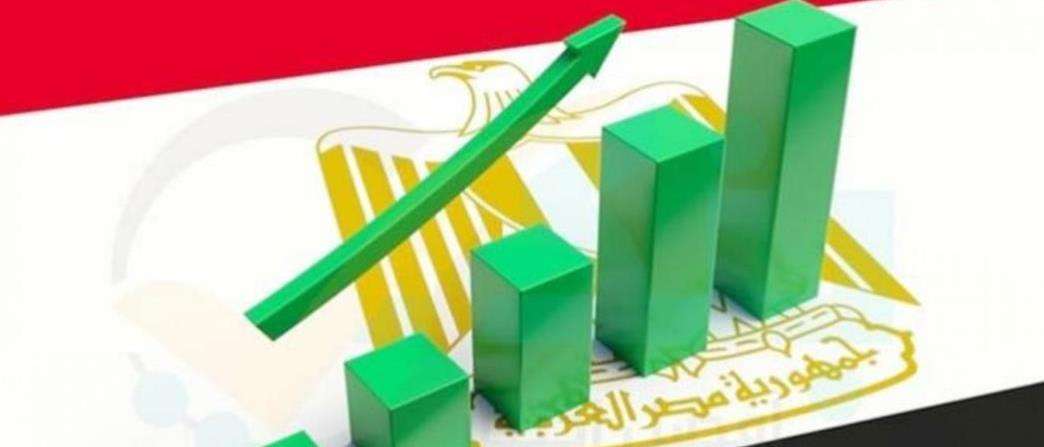
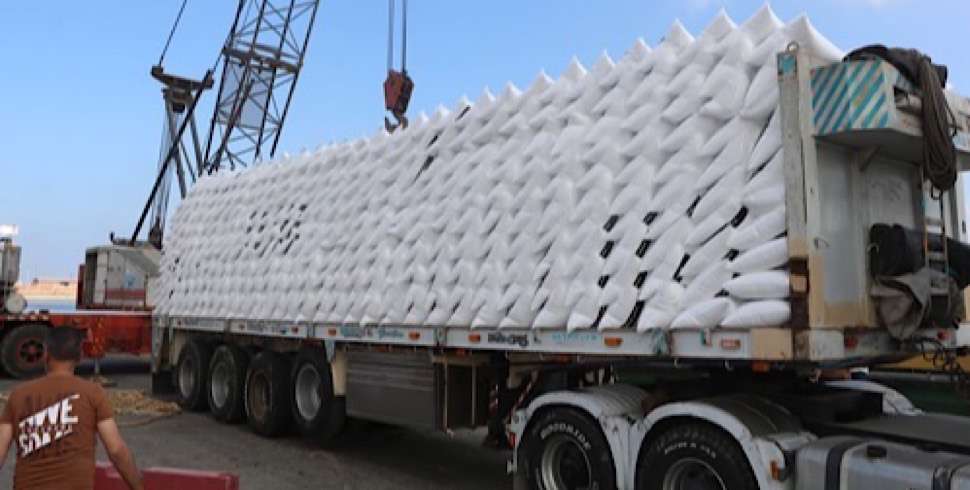
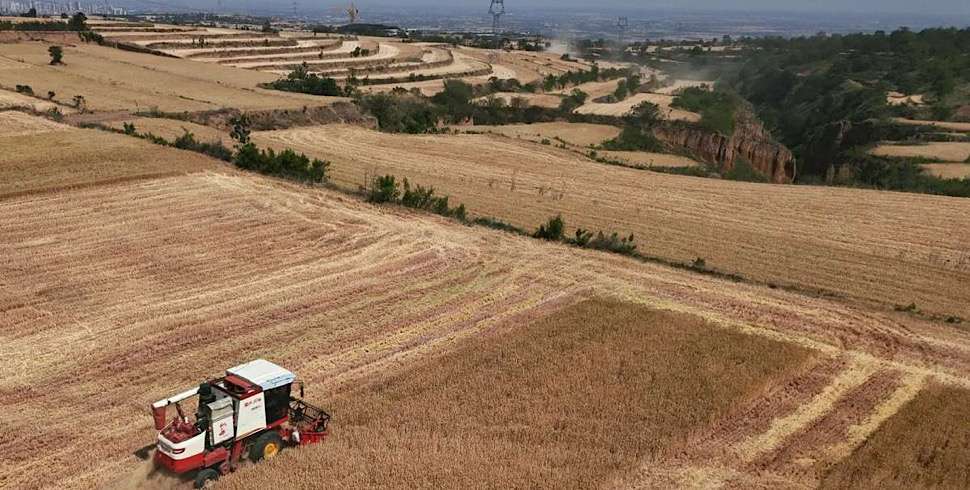
At the heart of this transformation are remarkable increases in crop yields and cultivated land. Take sugar beet, for example: once a smaller player, the crop’s cultivation area has now risen by 25% in just a year, reaching 750,000 feddans for the 2024/2025 growing season. That’s projected to yield 2.5 million tons of sugar—enough to help push Egypt’s total production to a historic high of 2.6 million tons this year, and nearly 3 million tons next.
Farmers, supported by EGP 16 billion in government crop purchases and an additional EGP 7 billion for improved manufacturing, are seeing the direct benefits of prioritizing Egyptian-grown sugarcane and sugar beet. Price guarantees and early-delivery bonuses have made it worthwhile to bring in hearty harvests—and for those who exceed production targets, sweet bonuses await.
Innovation on the assembly line
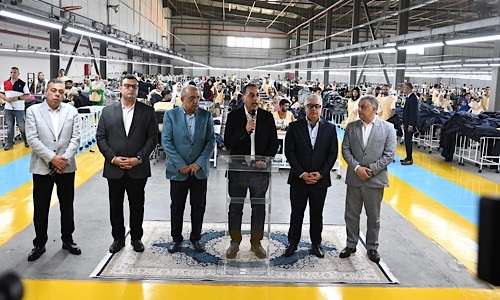
Egypt’s sugar factories are blooming alongside its fields. In New Salhia, the Sharkia plant can process 240,000 tons of refined sugar annually, while the Delta Sugar factory’s upgrades mean it can crush up to 21,000 tons of beet daily.
The crown jewel, perhaps, is the Canal Sugar Factory. Already the world’s largest single-line plant, it produces 350,000 tons every year—with plans to balloon to 750,000 tons by 2026. Together, these modern plants help ensure that from the cane fields of Aswan to the beet tracts of Kafr El-Sheikh, every hard-won crop can be turned into household staples in record time.
Seeds of the future
It’s not just about today’s yield, but tomorrow’s, too. Investments in seedling stations at Wadi Al-Sa’ida and Kom Ombo mean up to 200 million healthy sugarcane seedlings can be raised each year, promising even greater productivity down the line.
Thanks to smart policies and the spirit of Egyptian agriculture, the country’s sugar stocks now comfortably cover over a year of subsidized demand, cushioning against shortages and keeping prices stable for consumers.
A national celebration
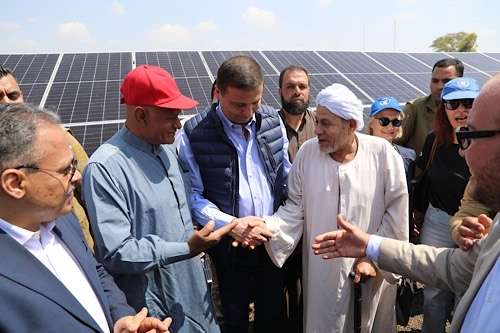
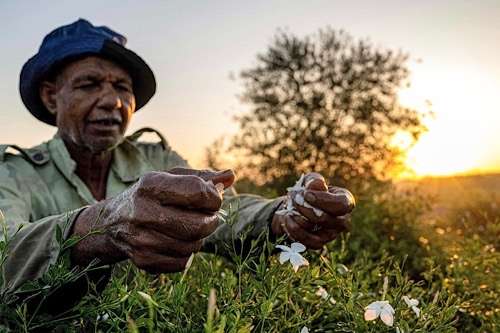
For the families whose livelihoods depend on the land, these changes are more than numbers and tons. “It gives us hope, and pride, to know Egypt can now depend on our work,” Ahmed, a third-generation sugarcane farmer from Qena, told The Nile Observer. Neighbours gather over cups of tea with two spoons of local sugar, and smiles are a little brighter knowing the sweetness comes from their own soil.
As Egypt prepares to close the door on sugar imports in 2026, it’s a testament to what can be accomplished with vision, persistence, and community support. In every crystal and cube, there is a story of hard-won growth and national pride—a reminder that, with care and patience, even the smallest seed can yield the sweetest reward.