






















































































































































































































































































































































































































































































































































































































































































































































































































































































































































































































Friday, 09 October 2026
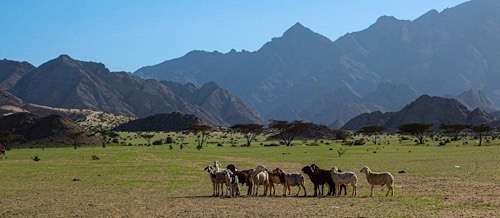
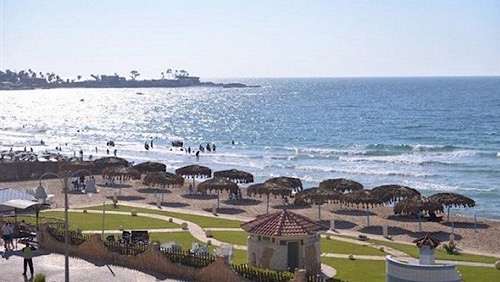
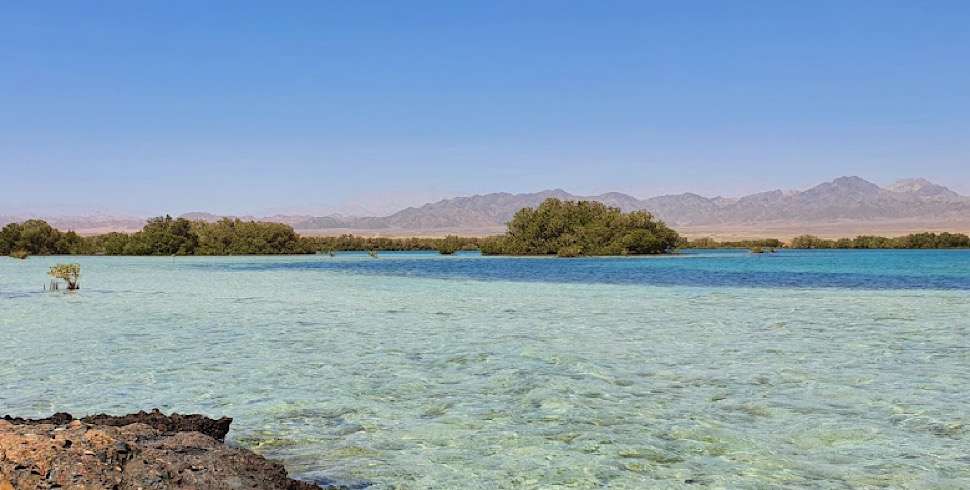
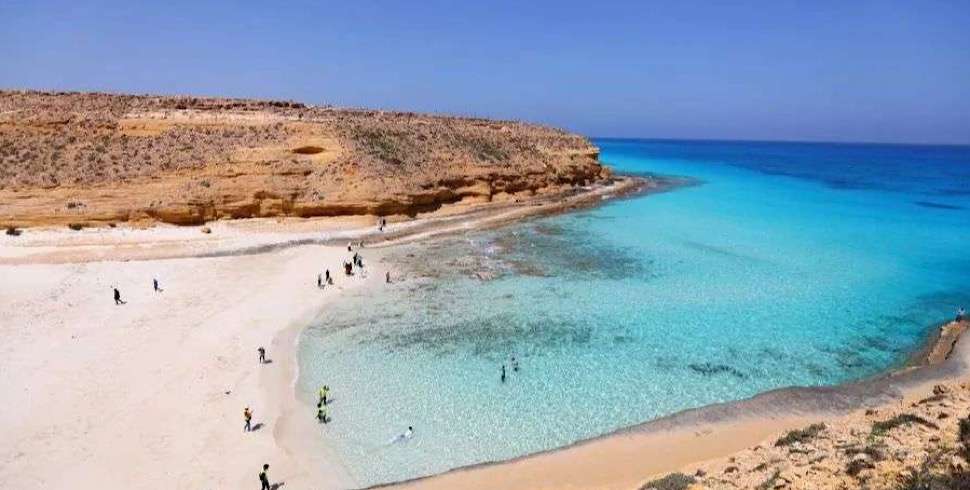
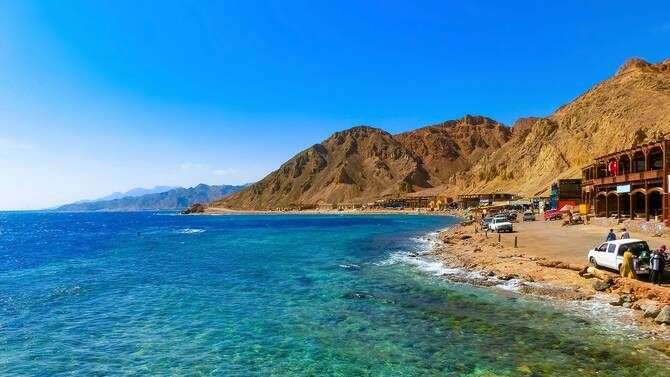
Located in the far south of Egypt along the pristine shores of the Red Sea, the Hala’ib and Shalateen region is a treasure trove of history, culture, and natural beauty waiting to be explored.
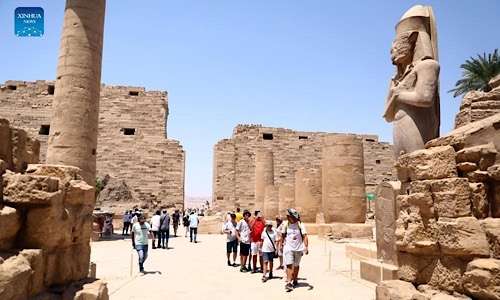
Often overshadowed by Egypt’s famous Nile Valley sites like Luxor and Aswan, this remote region offers a unique blend of ancient heritage, untouched landscapes, and vibrant marine ecosystems. This makes it a must-visit destination for global travelers seeking authentic and off-the-beaten-path experiences.
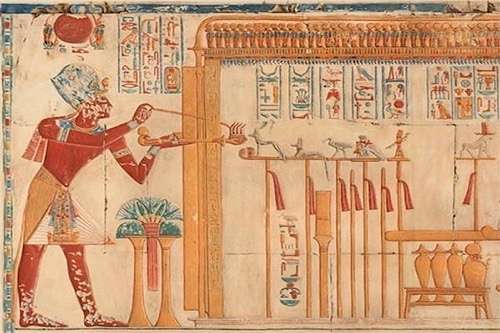
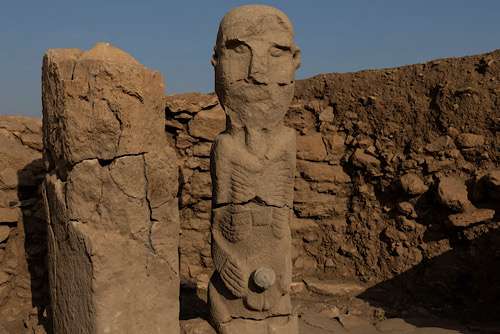
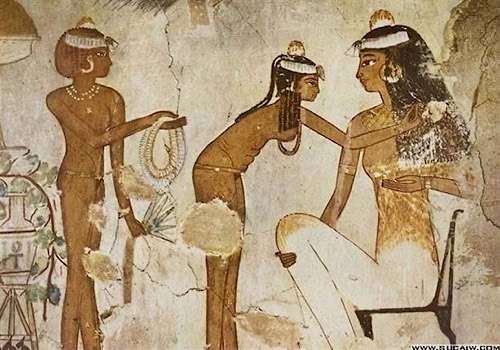
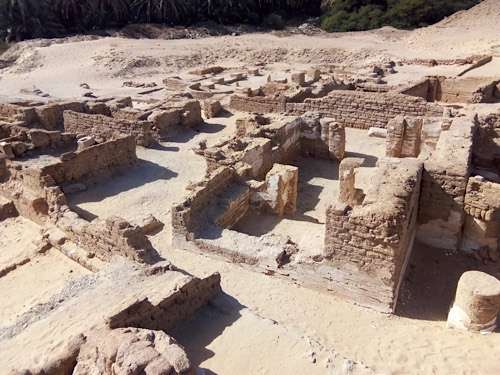
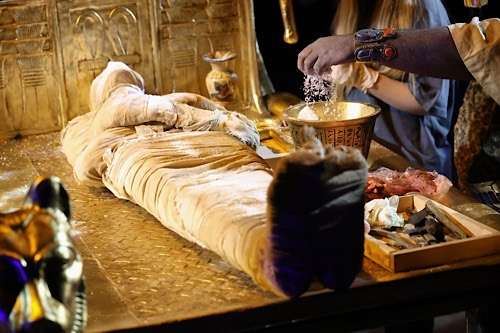
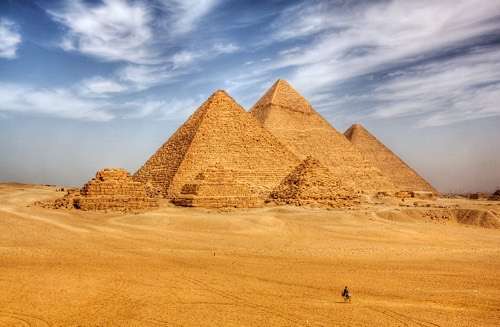
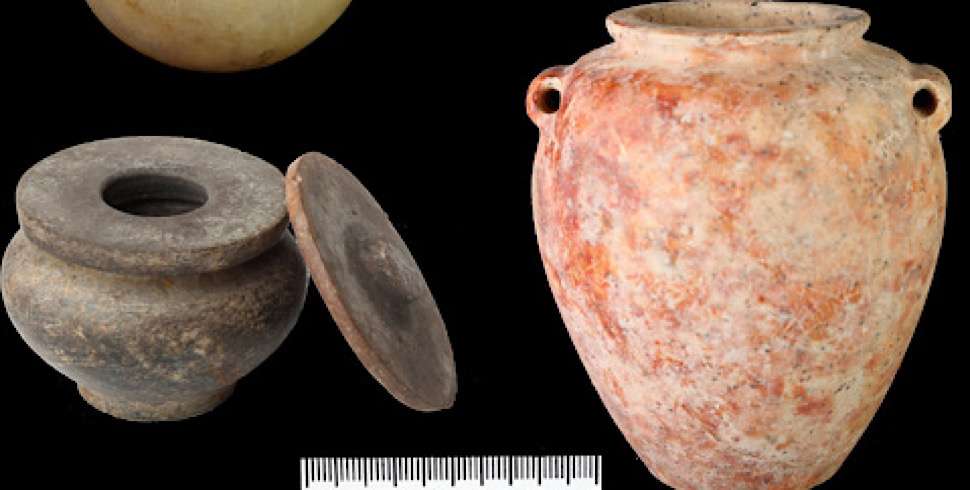
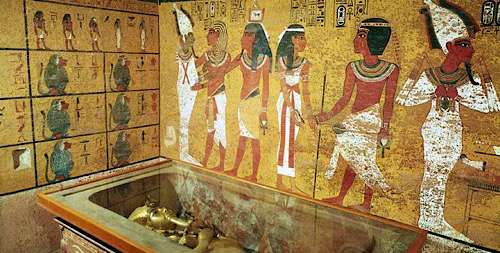
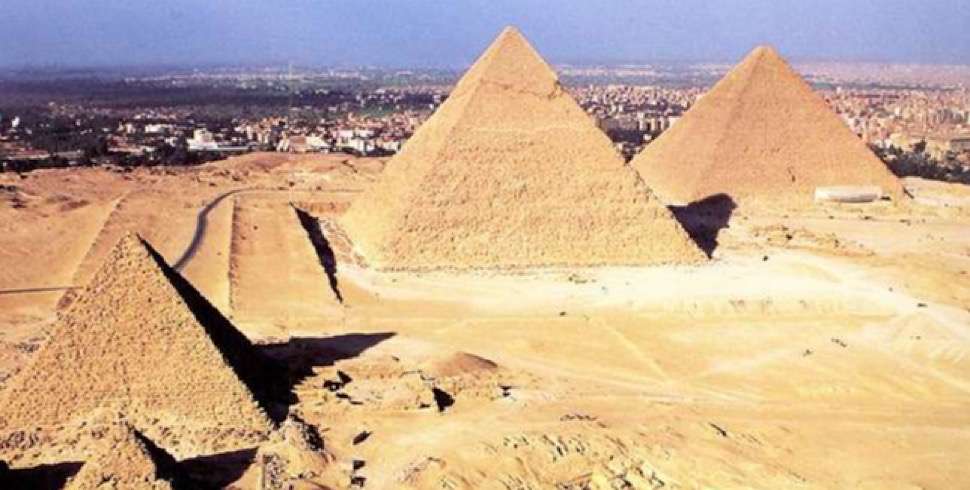
The Hala’ib and Shalateen region boasts a rich tapestry of human history that predates Egypt’s iconic pyramids.
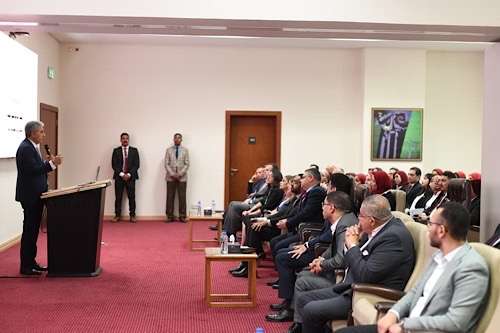
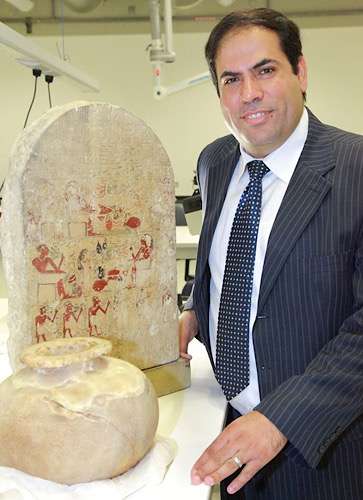
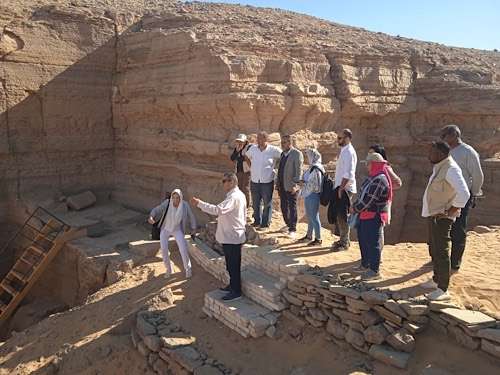
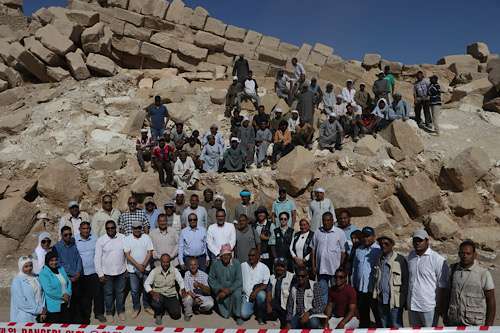
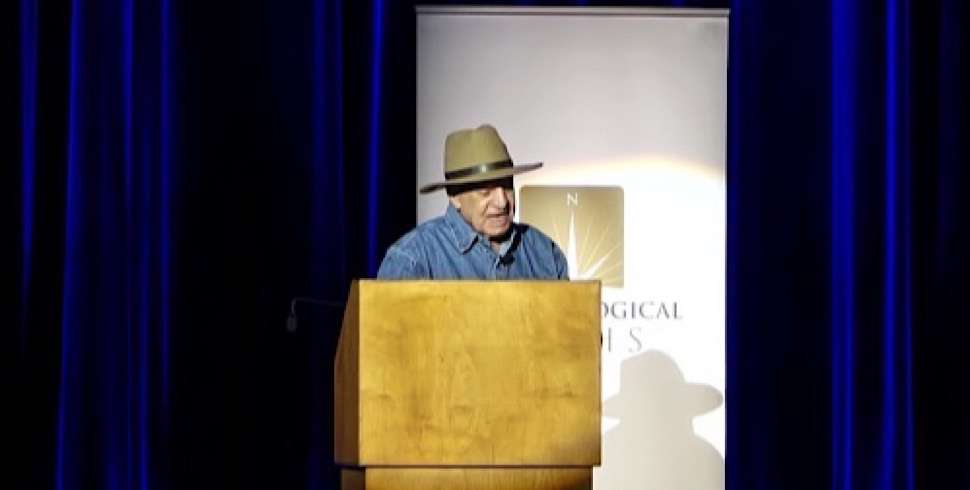
Dr. Khaled Saad, a leading archaeological expert with 30 years of research in the area, has revealed a civilization that thrived over 5,000 years ago.
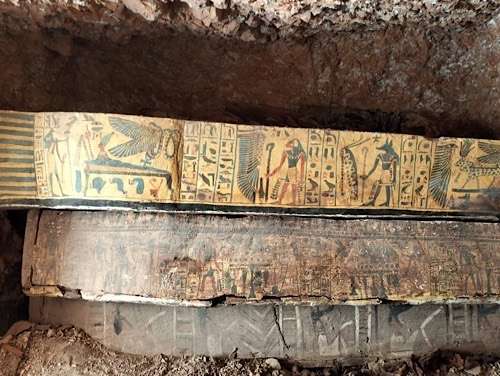
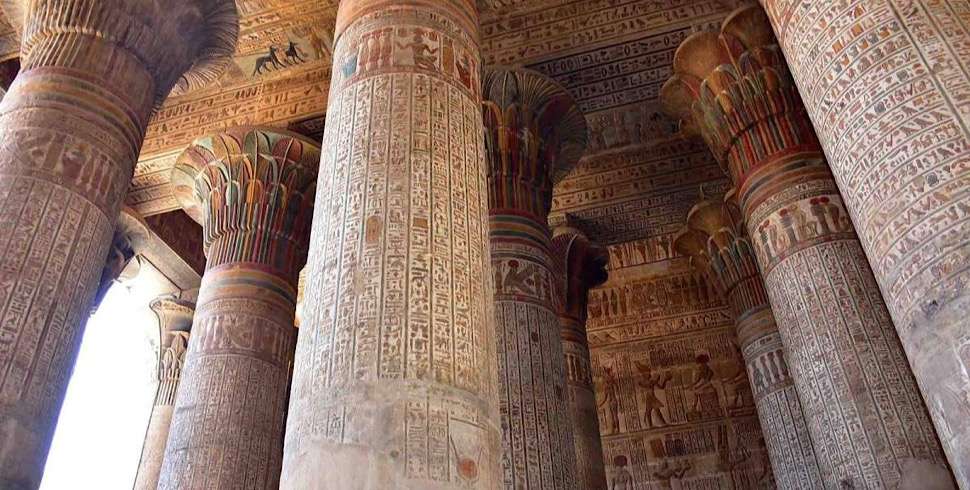
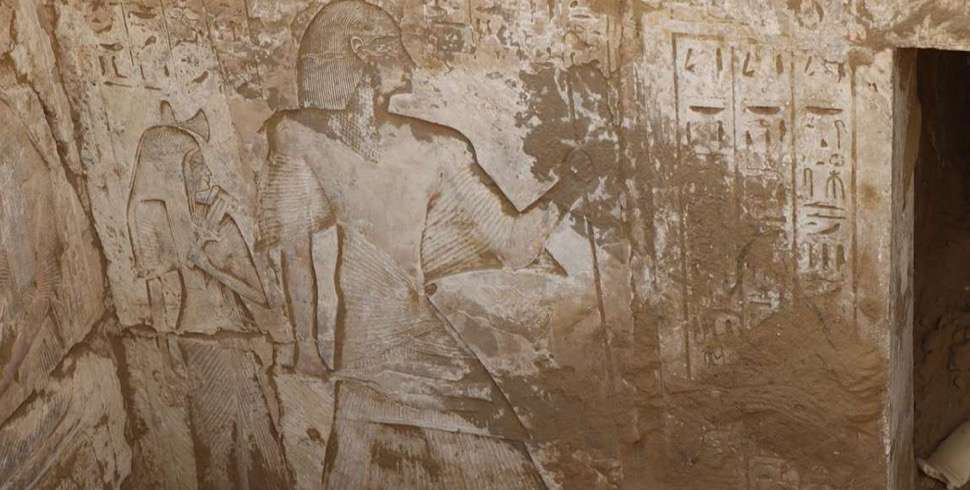
Ancient rock art in the region depicts boats, animals, and early trade routes, offering a glimpse into a prehistoric savanna environment.
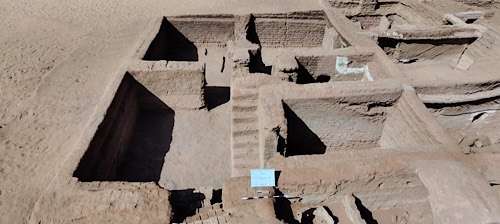
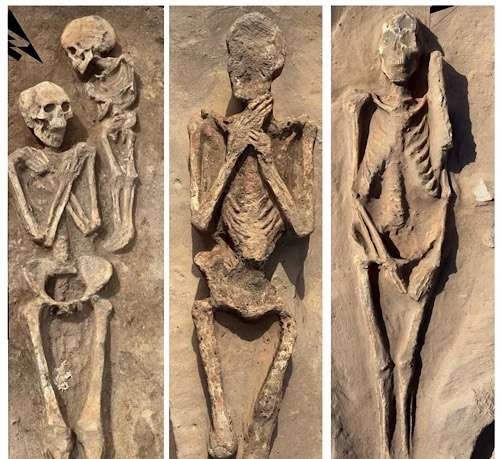
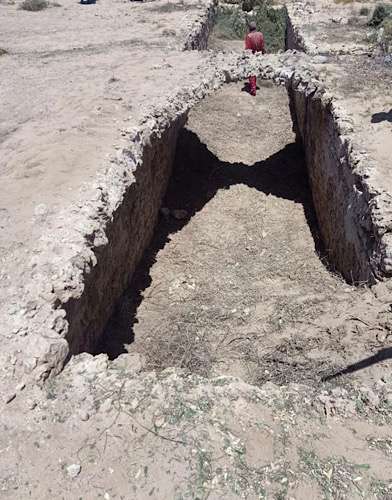
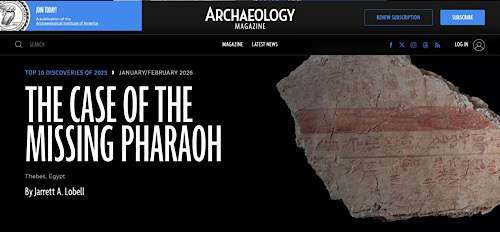
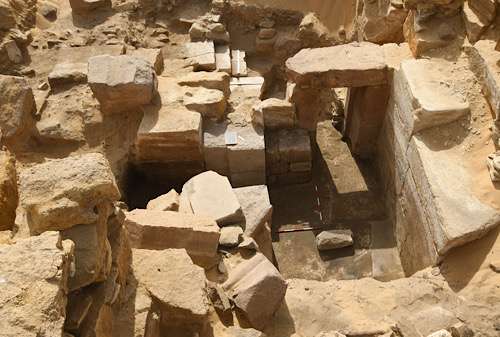
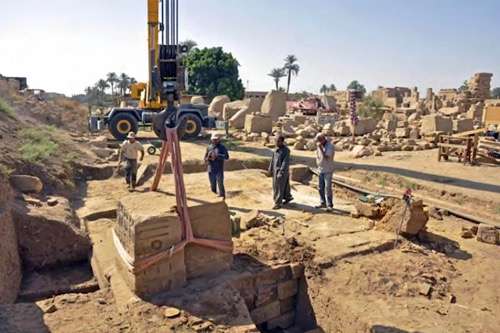
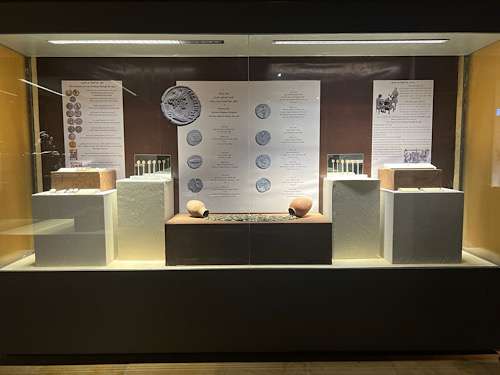
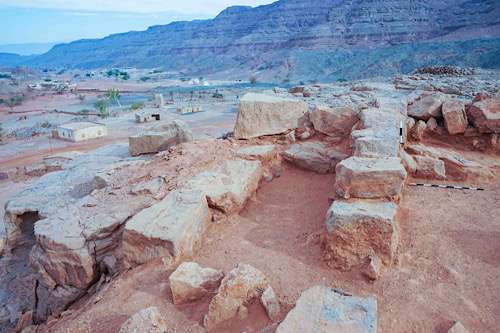
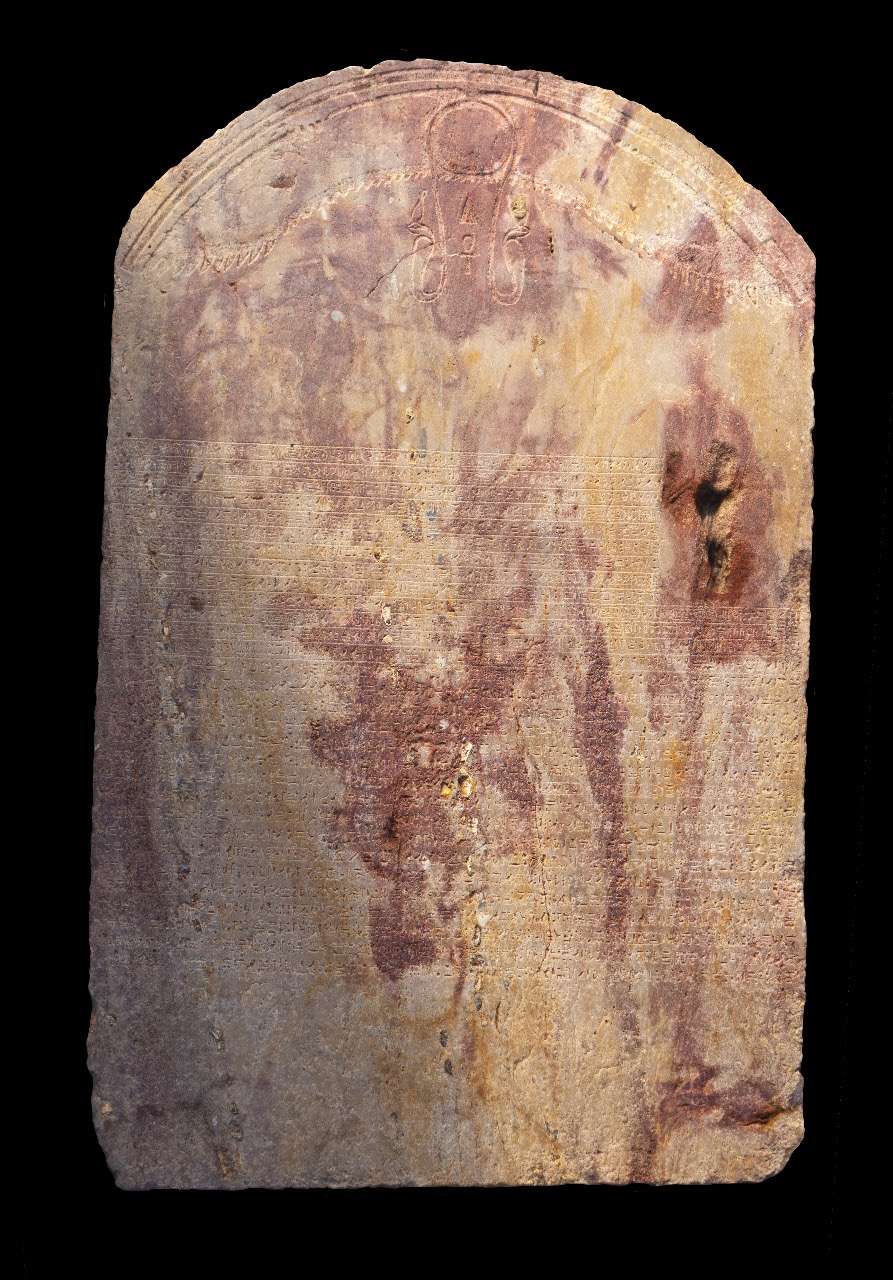
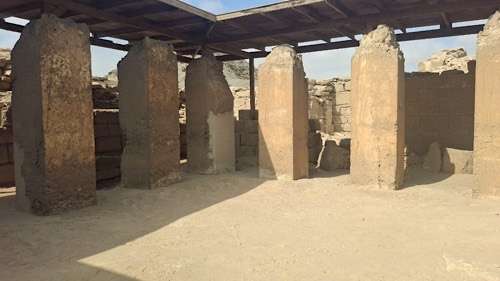
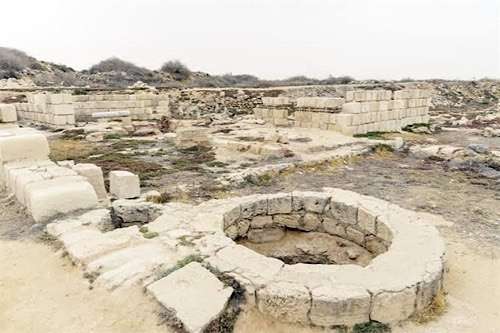
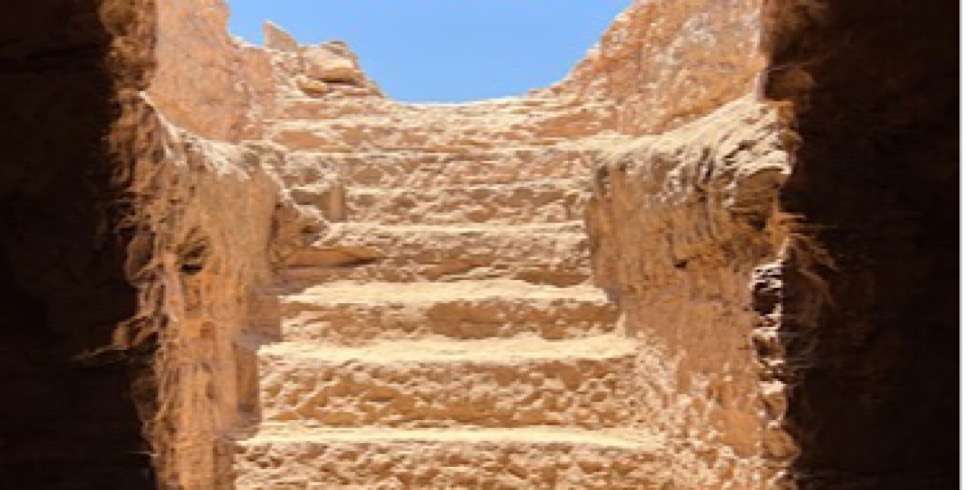
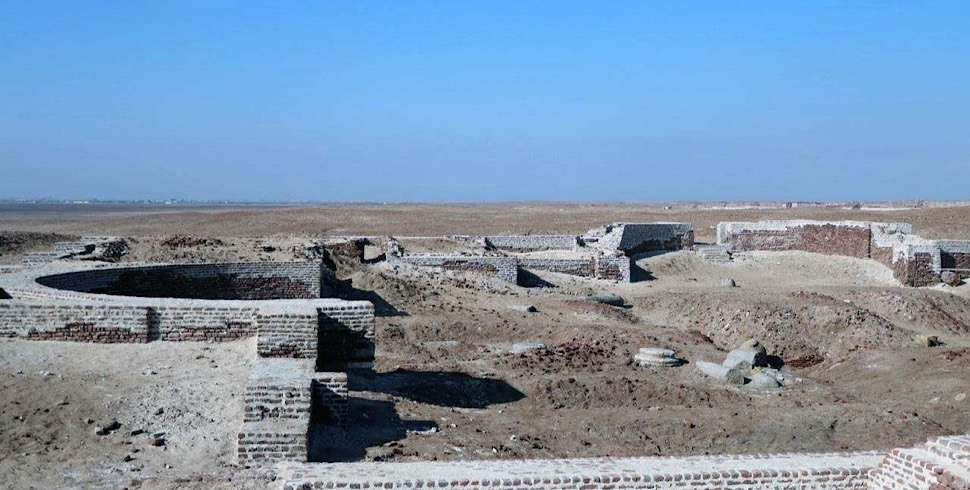
Archaeologists have discovered seven solar clocks in Wadi Rahba, which are among the oldest calendars in the world, showcasing the ingenuity of early inhabitants in tracking time. Tumulus tombs, predating Egypt’s monumental architecture, reflect a nomadic lifestyle that utilized natural landscapes for survival.
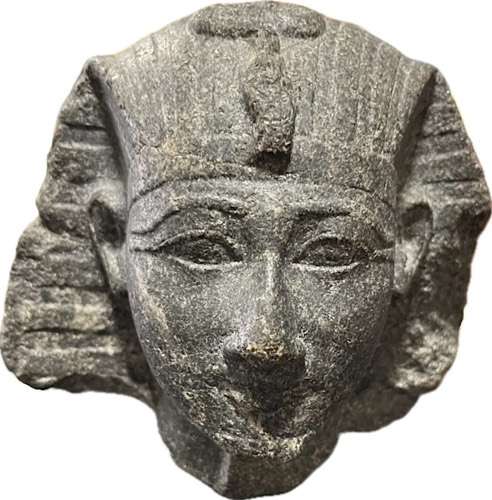
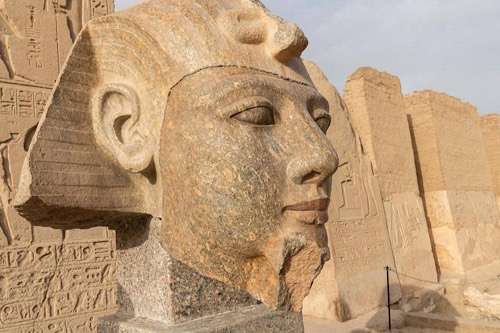
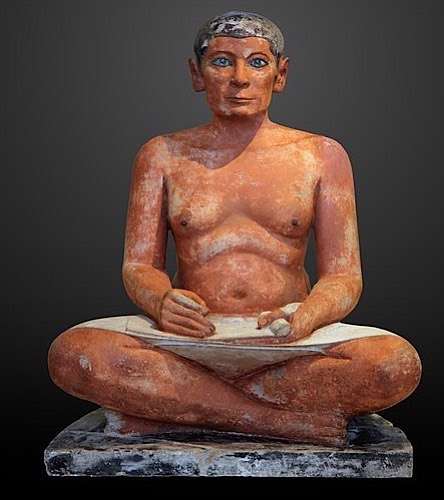
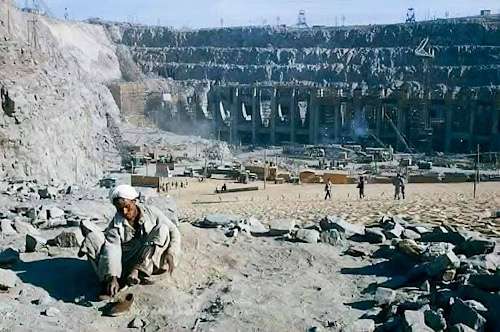
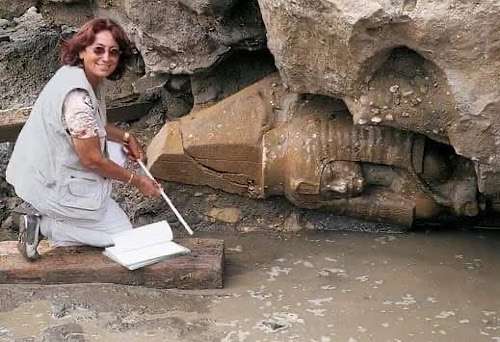
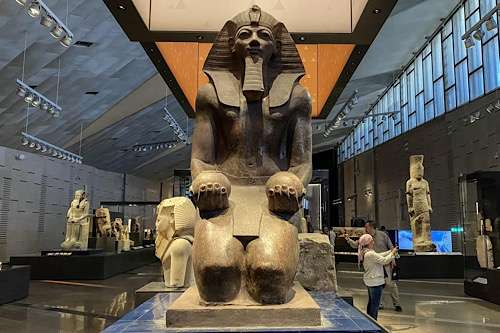
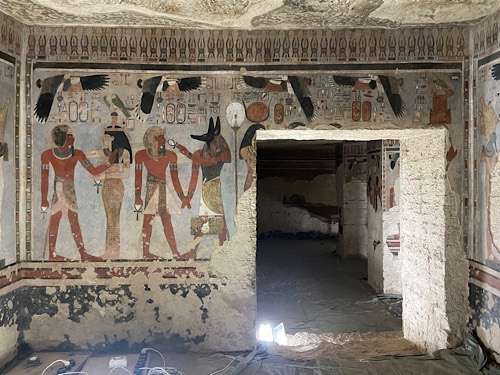
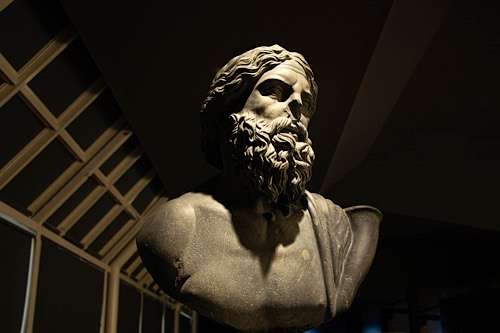
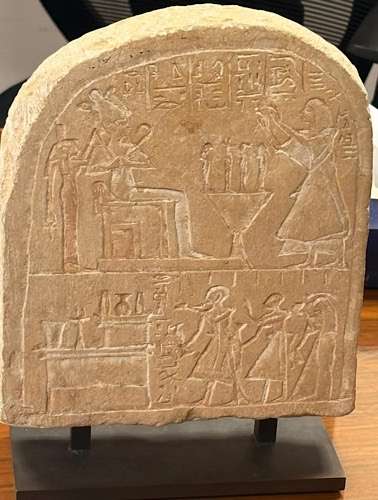
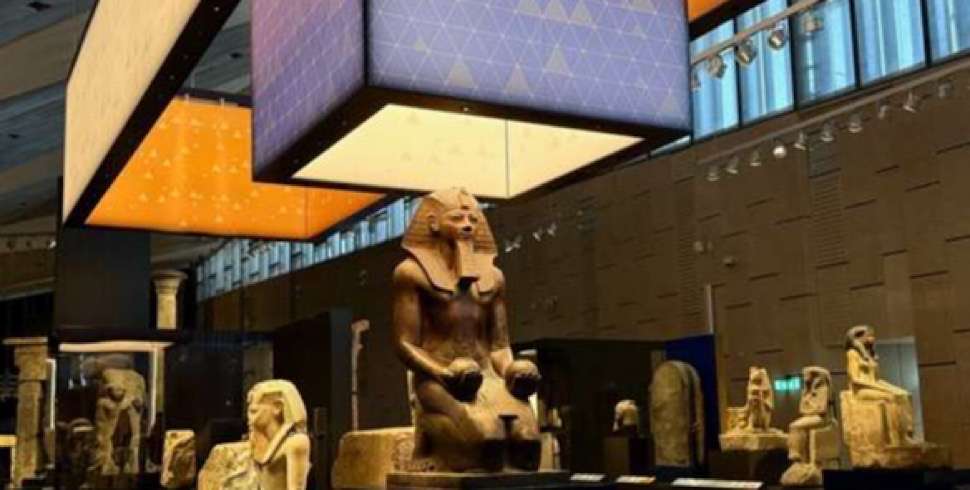
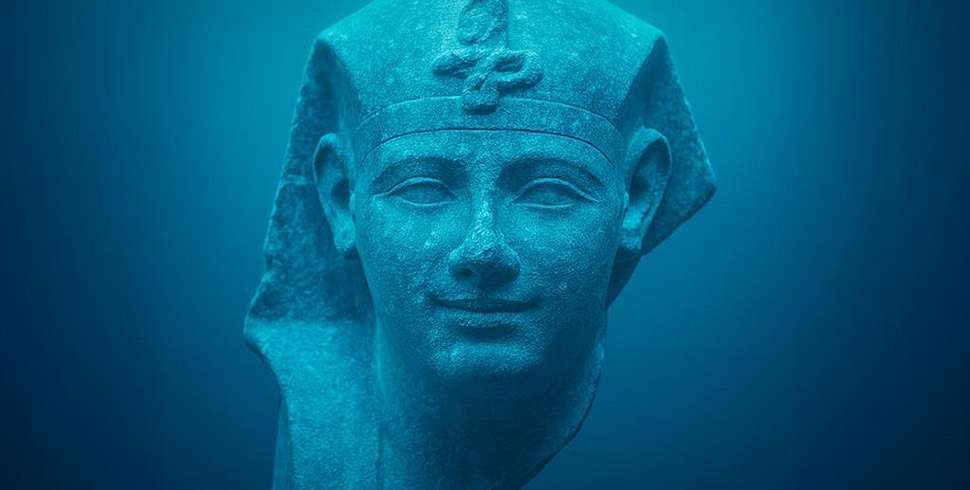
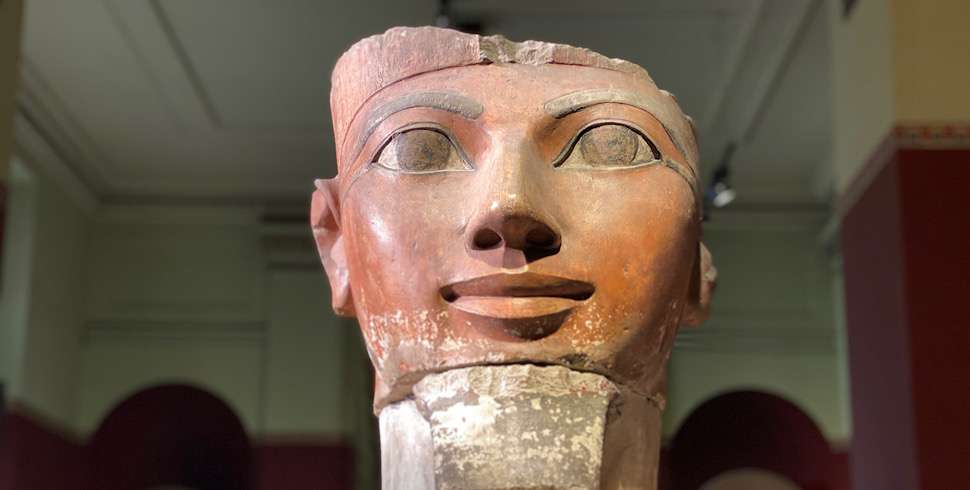
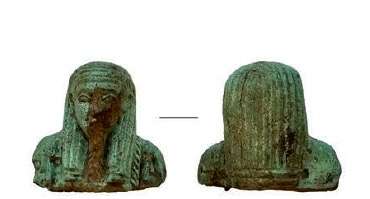
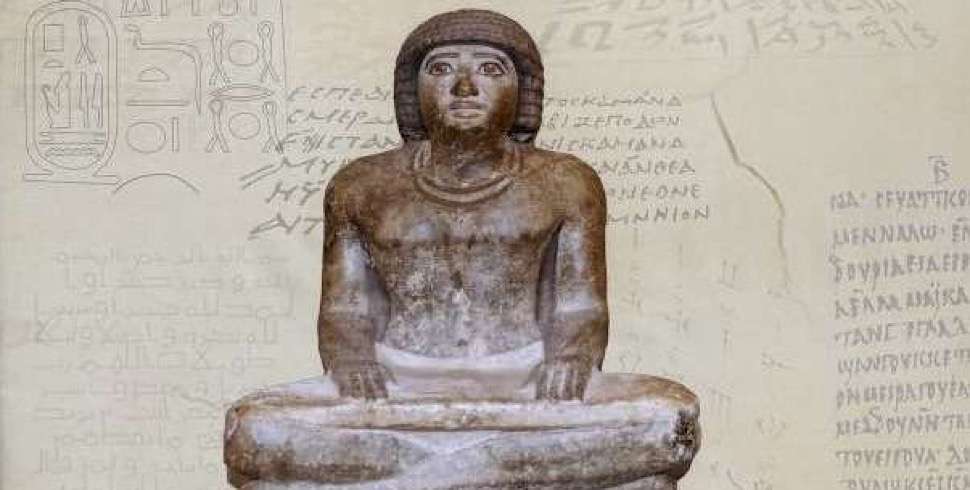
The region served as a hub for ancient Egyptian mining, supplying gold, diorite for iconic statues like that of Khafre, and kaolin for ushabti figures. These sites highlight the advanced geological knowledge of ancient Egyptians.
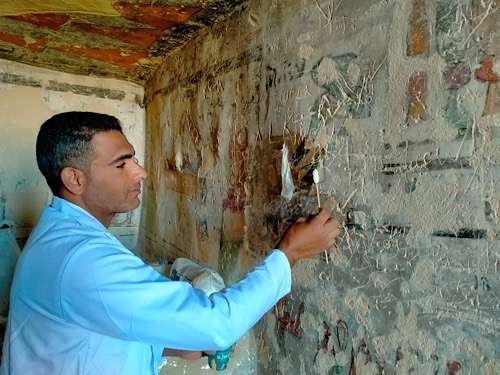
These findings challenge traditional narratives of Egyptian history and emphasize the region’s role in shaping one of the world’s greatest civilizations. For history enthusiasts, Hala’ib and Shalateen offer a chance to explore uncharted archaeological sites rarely visited by mainstream tourists.
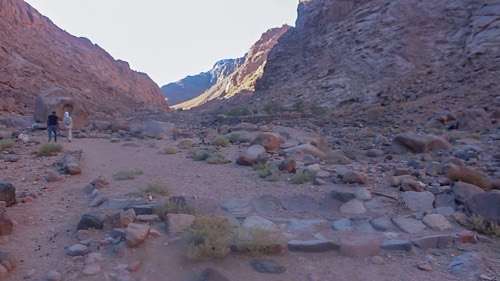
The region’s untouched landscapes and biodiversity make it a haven for nature lovers.
Gabal Elba, a misty mountain range, hosts unique flora and fauna, including Barbary sheep and gazelles, which thrive in a pristine environment.
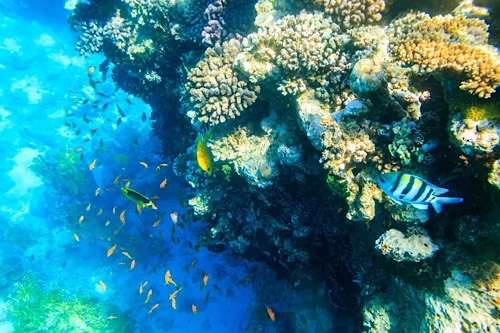
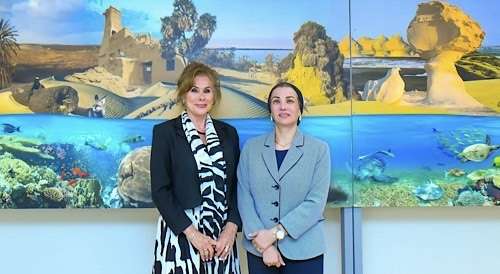
The Red Sea’s coral reefs in the region rival Australia’s Great Barrier Reef, offering world-class diving and marine life observation opportunities.
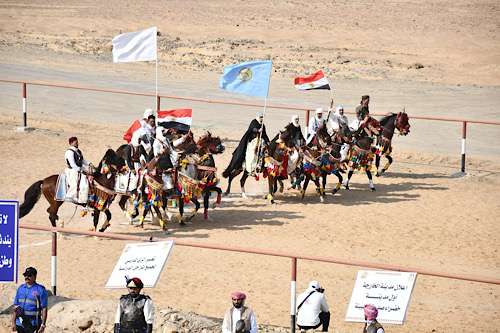
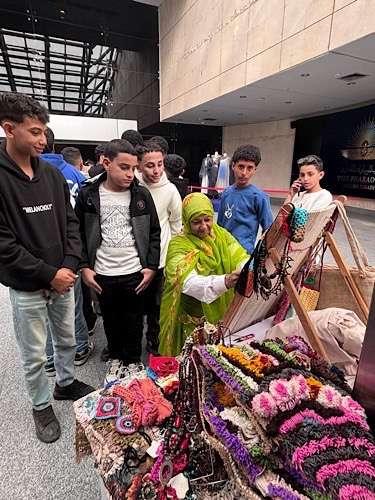
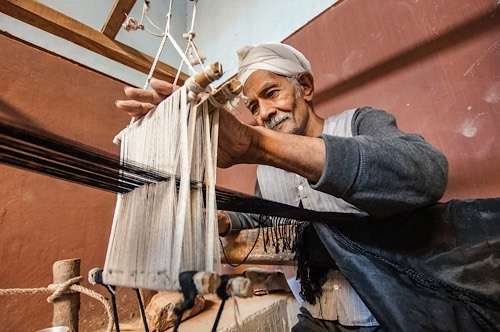
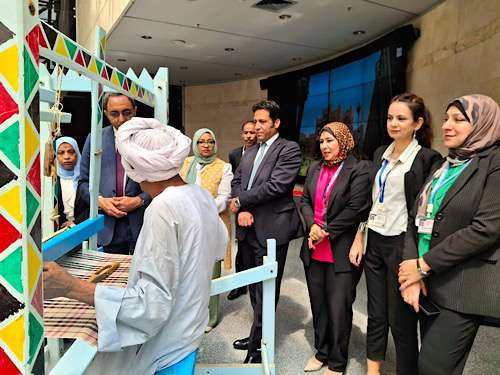
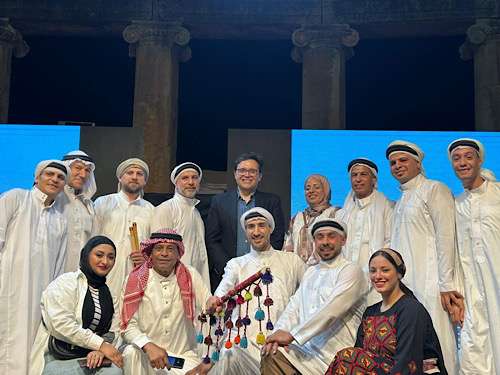
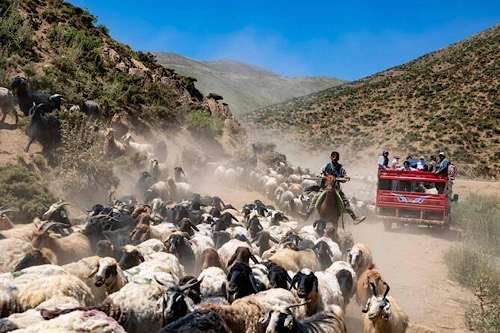
Hala’ib and Shalateen are home to the Beja people, including the Bisharin and Ababda communities, who maintain a traditional lifestyle centered around herding and trade.
Visitors can engage with these communities near water sources like Abraq and Bir al-Jahiliya, learning about their sustainable practices and deep connection to the land. This cultural immersion offers a rare opportunity to connect with living traditions rooted in ancient practices.
Once known primarily for geopolitical discussions, Hala’ib and Shalateen are emerging as a premier destination for sustainable tourism.
Egypt’s Tourism Development Authority has recently improved access, with tourist villages extending from Marsa Alam, which is 225 kilometers from Shalateen.
The region’s isolation has preserved its authenticity, offering a stark contrast to crowded tourist hubs. Dr. Saad describes it as “the best tourist investment area in the universe,” provided its natural and cultural heritage is preserved.
Travelers can access the region via Marsa Alam, with road connections to Shalateen (225 km), Abu Ramad (180 km further), and Hala’ib (40 km from Abu Ramad). International flights to Marsa Alam connect through Cairo or other regional hubs.
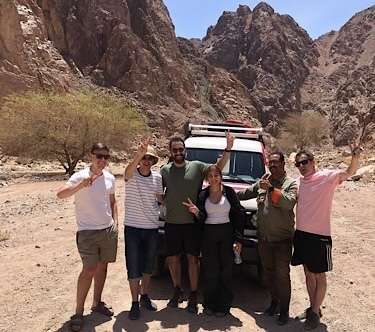
The best time to visit is from October to April, when mild weather is ideal for exploration. Visitors can enjoy guided archaeological tours, diving excursions, birdwatching, and cultural experiences with Beja communities.
Travelers are encouraged to respect the region’s delicate ecosystems and cultural heritage by choosing eco-friendly operators. The presence of Egyptian authorities ensures stability, making the region safe for guided visits.
Hala’ib and Shalateen invite intrepid travelers to uncover a side of Egypt rarely seen.
Whether you are drawn to ancient mysteries, vibrant marine life, or authentic cultural encounters, this region promises an unforgettable journey. For more information, visitors can check Egypt’s official tourism website or contact certified tour operators specializing in southern Egypt.