







































































































































































































































































































































































































































































































































































































































































































































































































Friday, 09 October 2026
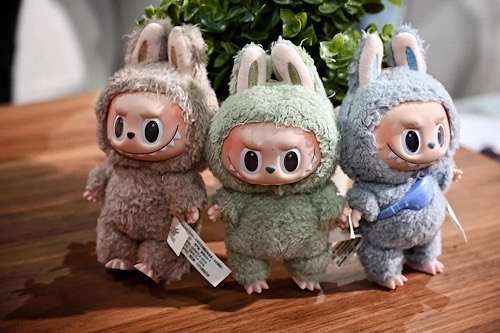 Pastel furry doll Labubu, created by Hong Kong-born artist Kasing Lung in 2015, is in the Pop Mart line of figurines and collectibles. ST PHOTO: KUA CHEE SIONG
In recent months, a quirky toy with wide eyes, pointy ears, and a mischievous grin has taken the world by storm. Known as “Labubu," the doll has transformed from an unusual collectible into an international fashion icon, embraced by celebrities and social media users from Asia to the Middle East.
Labubu first appeared in 2015 as part of “The Monsters” series, created by artist Kasing Lung. However, it wasn’t until early 2024 that Labubu captured global attention, thanks in large part to BLACKPINK’s Lisa. The global pop star called Labubu her “child” in a Teen Vogue interview, sparking a frenzy among fans. The phenomenon, highlighted by outlets such as the BBC, quickly propelled Labubu from niche collectible to worldwide must-have.
Labubu and its monstrous friends are known for their whimsical blend of innocence and mischief. Each figure is sold in so-called “blind boxes,” meaning buyers discover which character they've received only after opening the package. This sense of mystery, combined with Labubu’s unique features, has helped fuel a global collecting craze.
Standard Labubu dolls are sold across Asian markets for around $13–$16. However, rare editions have reached dizzying heights, with certain models auctioned for $1,500 to $2,000 on platforms like eBay and StockX. Some especially coveted editions, such as the “Secret” Labubu, whose odds of appearing in a box are just 1.4%, have sold at online auctions for nearly $2,000.
Even mainstream releases command high prices. For instance, the “Big Into Energy” set sells on Amazon for about $167, with individual collectible dolls fetching over $100.
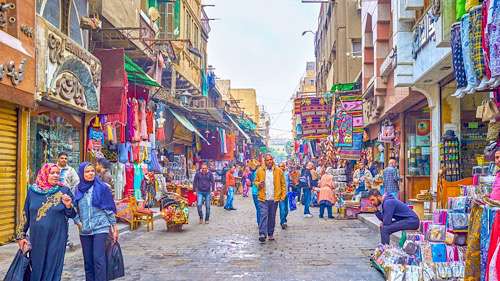
The Labubu trend has not skipped Egypt. Heartened by the international craze, and the toy's immense popularity on TikTok, local manufacturers have begun offering affordable “Labubu” dolls. Egyptian versions, which start at just 45 Egyptian pounds (about $1.50), are crafted from simple materials like faux fur and vinyl, offering accessible options for curious fans.
Barakat Safa, deputy head of Egypt’s Toys Chamber at the Cairo Chamber of Commerce, told Masrawy that imported “Labubu” dolls (mostly non-original “high copy” versions) in Egypt begin at around 600 EGP ($20), while true originals can reach prices equivalent to $600–$1,000 or more, depending on rarity. The Egyptian-made dolls, affectionately called “Labubu El-Ghalaba” or “Labubu for the poor,” have filled a gap for young collectors unable to afford international prices.
Social media has only amplified the trend, with Egyptian stars such as Ahmed Saad and Badriya Tolba joking about Labubu’s price and looks, adding a local flavor that has helped boost its popularity.
Labubu is more than just a toy, it’s a social phenomenon. From fashion accessory to online meme, Labubu has become a symbol of the blending of global trends with local creativity. As with earlier crazes, like the “Stitch” keychain, which swept Egypt’s toy market a year ago, Labubu’s journey is a testament to the ever-evolving world of pop culture.
It seems certain that, wherever there’s a screen and a social media feed, a mischievous Labubu isn’t far behind, delighting children, collectors, and trendsetters worldwide.