
































































































































































































































































































































































































































Friday, 09 October 2026
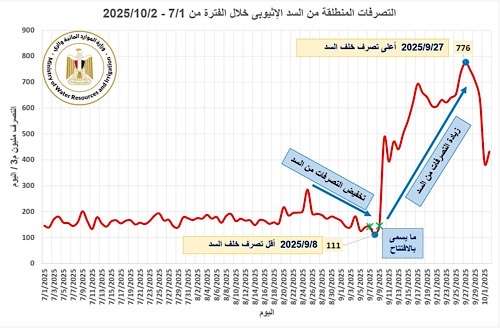
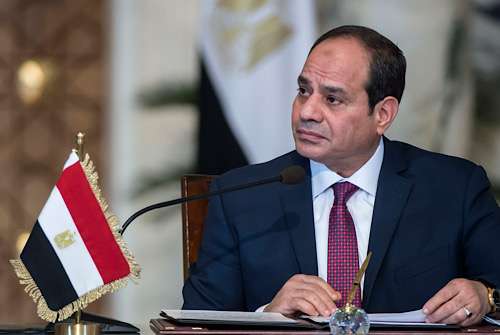
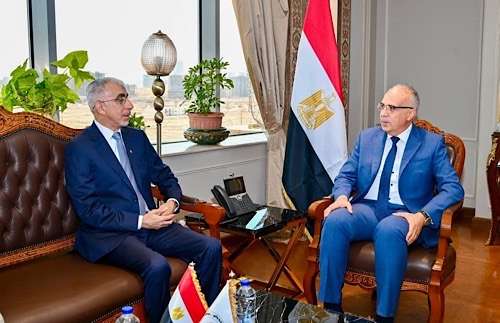
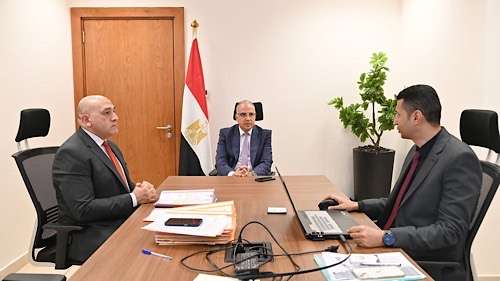
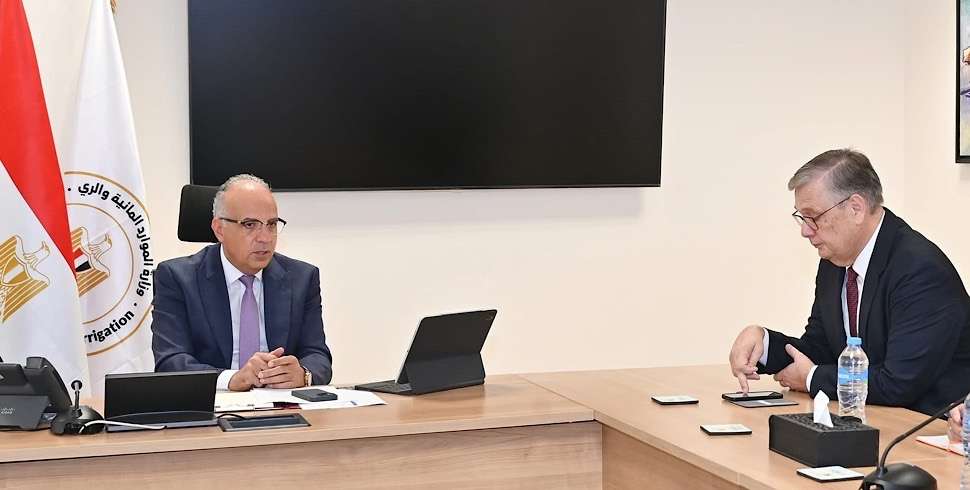
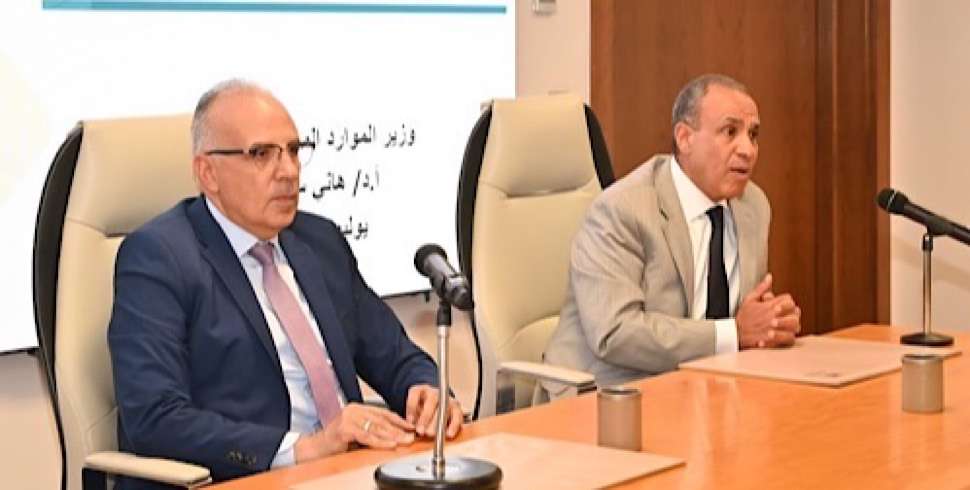
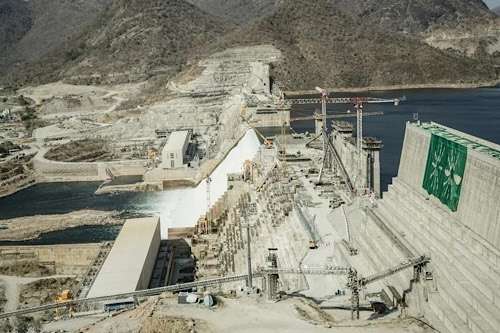
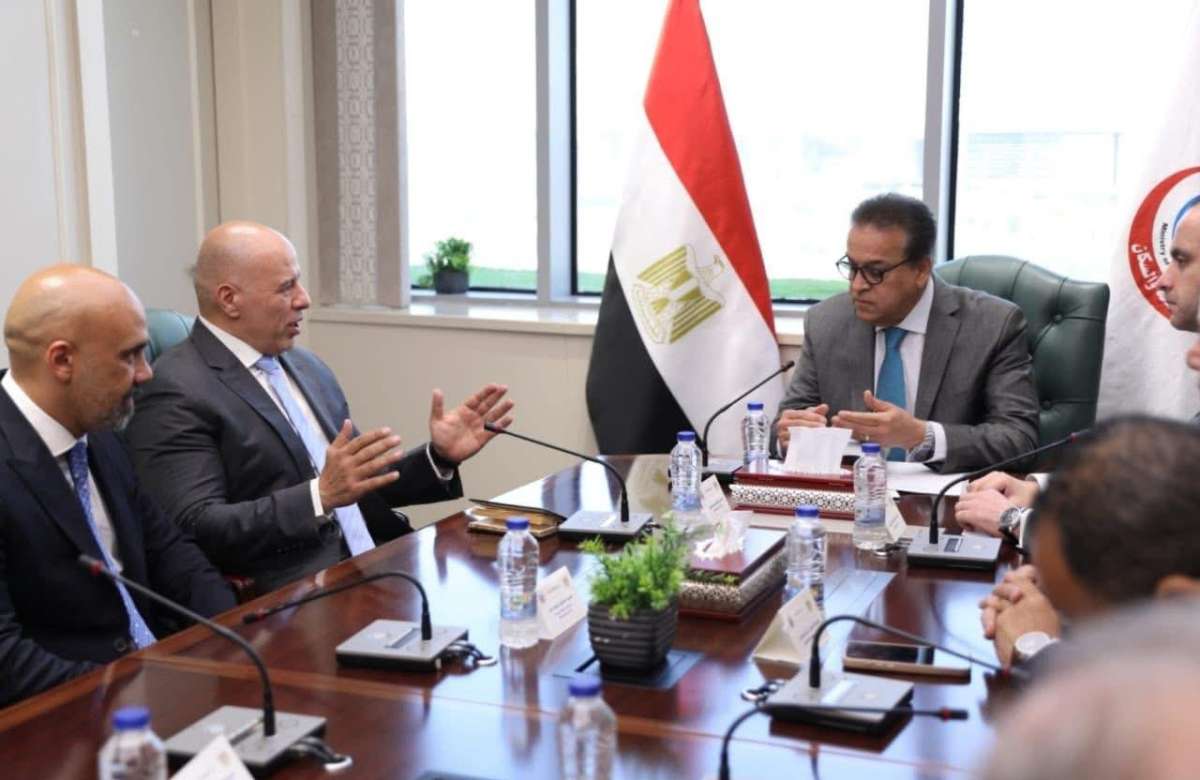
Egypt’s Ministry of Water Resources and Irrigation has issued a strong statement accusing Ethiopia of unilateral and irresponsible management of the Grand Ethiopian Renaissance Dam (GERD) on the Blue Nile, claiming that recent actions have directly threatened the lives and livelihoods of millions downstream.
The Egyptian statement comes amid the annual Nile flooding season, with this year’s floodwaters reported to be about 25% above average at the main tributaries, though still less than last year’s unusually high flood.
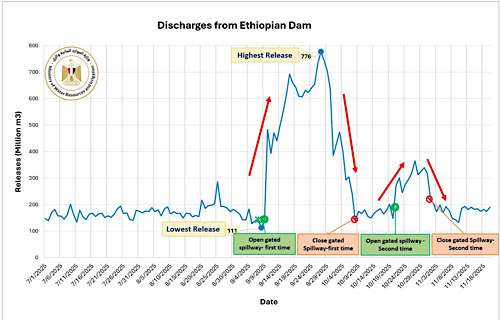
According to Egyptian authorities, Ethiopia departed from agreed technical norms in August and September 2025 by rapidly storing larger amounts of water in its dam than expected and then discharging massive quantities without prior coordination.
On September 8, the dam’s release dropped sharply from 280 million to 110 million cubic meters per day, before surging to 485 million cubic meters in a single day (September 10), peaking at 780 million cubic meters on September 27, then decreasing to 380 million cubic meters by the end of that month. The statement claims such erratic management deviates from standard protocols and was driven partly by political motives, including a grand opening ceremony for the dam.
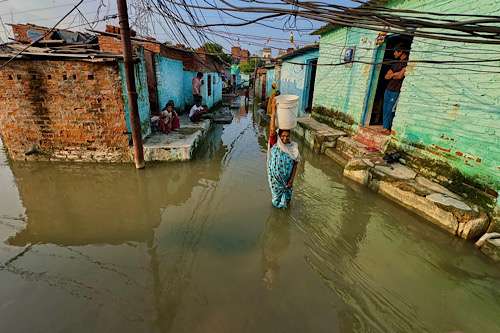
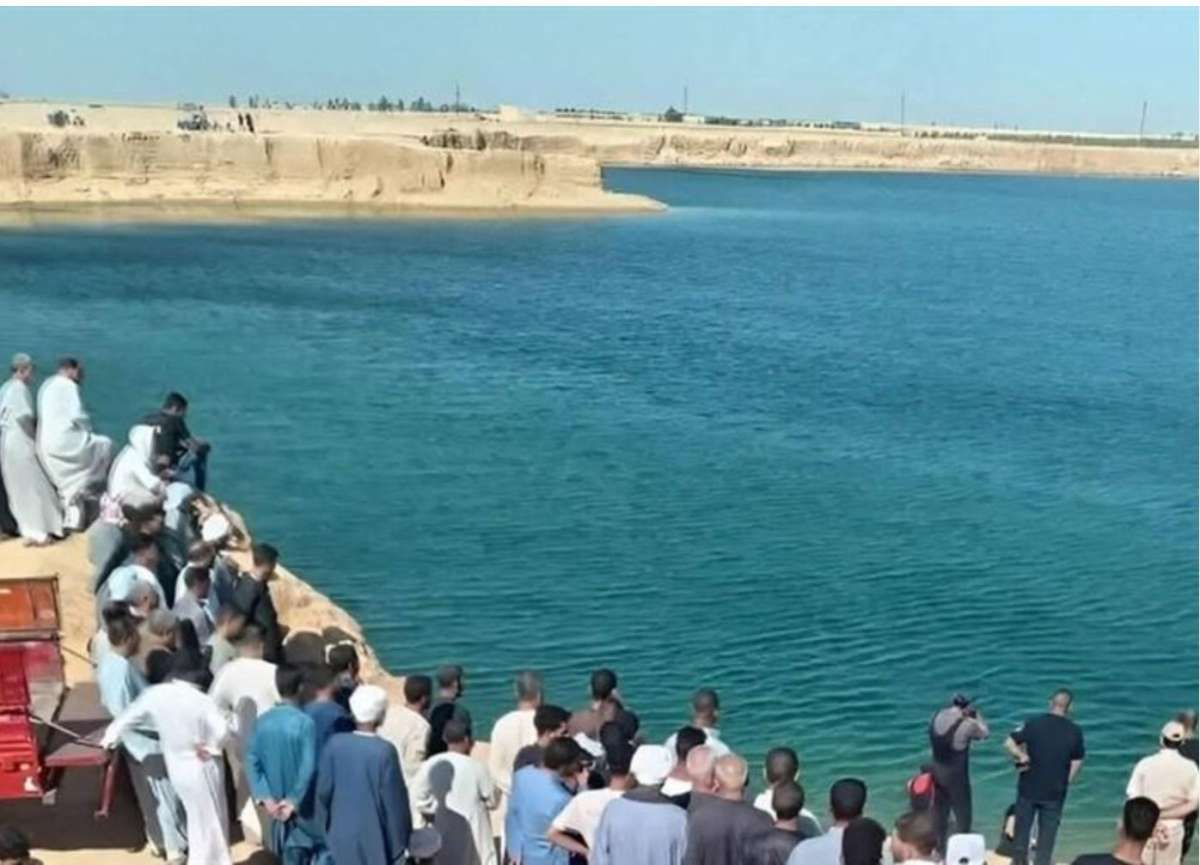
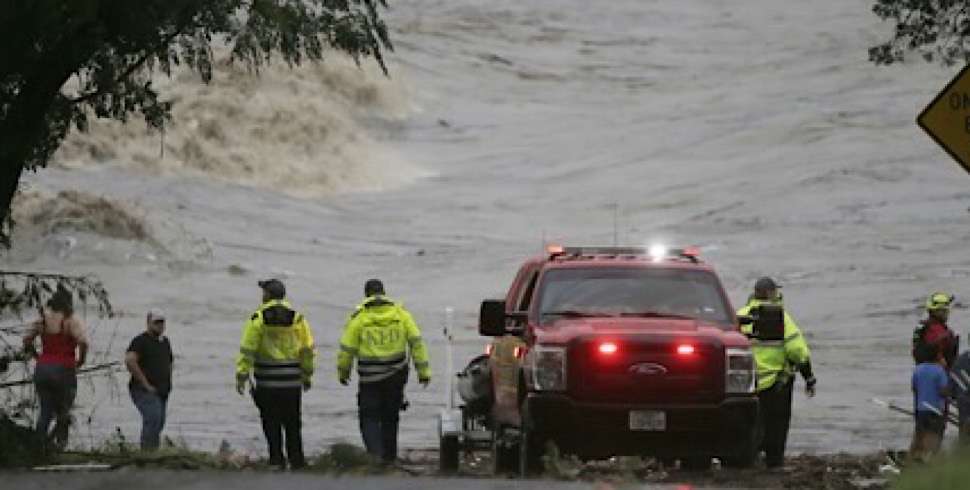
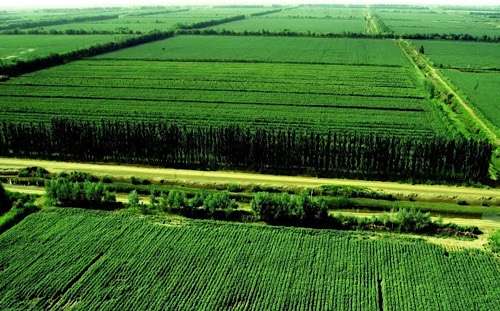
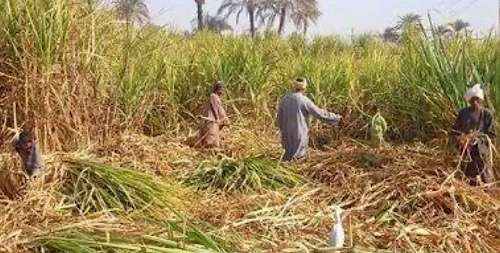
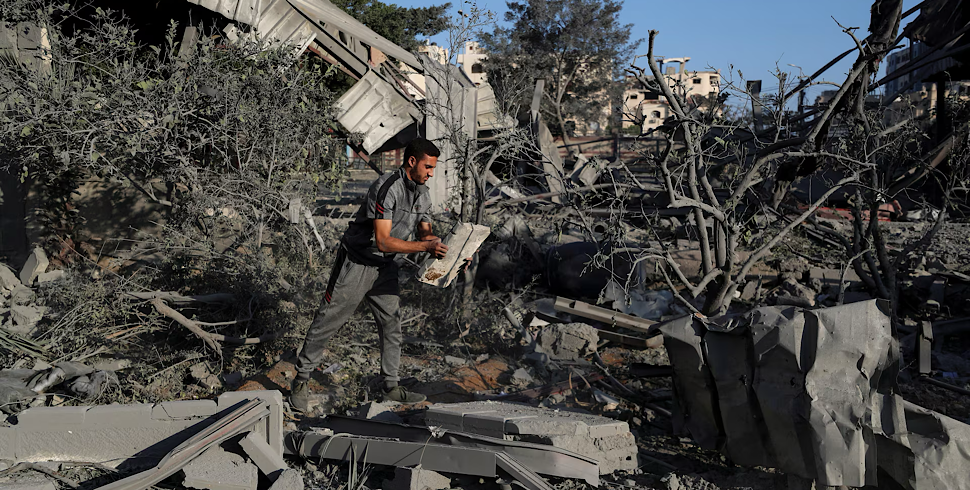
Egypt alleges that these sudden releases, combined with high flows from the White Nile and variable rainfall in Sudan, led to the inundation of agricultural land and the flooding of villages in Sudan—a situation documented by the United Nations Office for the Coordination of Humanitarian Affairs (OCHA).
Egypt’s ministry emphasizes that responsible, coordinated water management is essential for the well-being and security of all downstream countries. Egyptian authorities also reiterate concerns about the lack of a binding legal agreement governing GERD’s operations and warn that the dam, with a storage capacity of 74 billion cubic meters, poses continuous risks during both flood and drought periods.
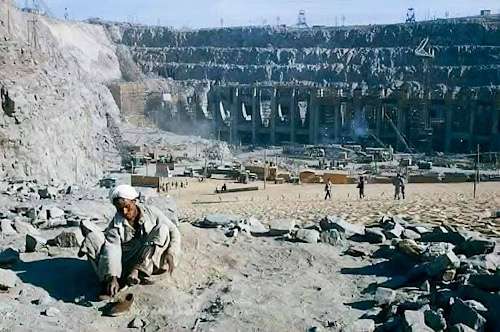
Egypt claims its own river management is based on real-time monitoring and predictive hydrological models, enabling careful adjustment of water flows to optimize agricultural use, generate hydropower, and protect communities. The Aswan High Dam remains Egypt’s principal safeguard against Nile fluctuations.
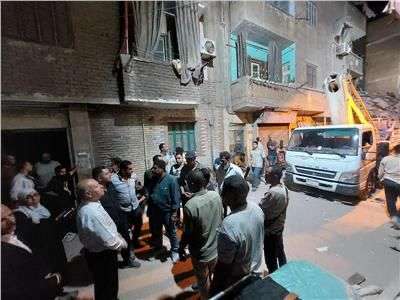
Anticipating possible flood impacts, Egyptian authorities say that all necessary warnings were issued to citizens living on so-called "floodplain lands"—areas naturally subject to flooding—while stressing that viral social media reports of widespread provincial flooding are exaggerated.
The Egyptian government maintains that Ethiopia’s “unilateral and politically motivated” dam management undermines years of regional negotiations and could set a dangerous precedent for the use of transboundary waters globally if left unchecked.
Egypt continues to urge for a legally binding agreement ensuring transparent and safe operation of the GERD to protect all Nile Basin countries and sustain vital water resources for millions of people.
Negotiations over the GERD have been ongoing for over a decade between Ethiopia, Egypt, and Sudan, with no final deal reached. Egypt and Sudan argue that the dam threatens their vital water supplies, while Ethiopia asserts its right to development and hydropower generation.