




























































































































































































































































































































































































































































Friday, 09 October 2026
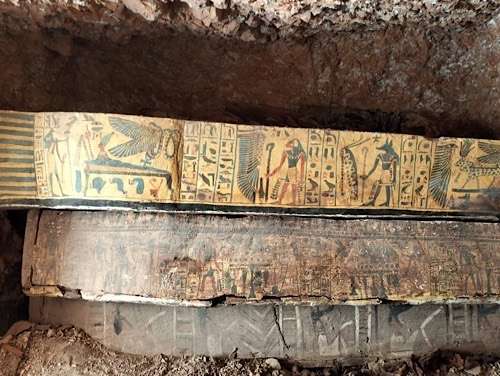
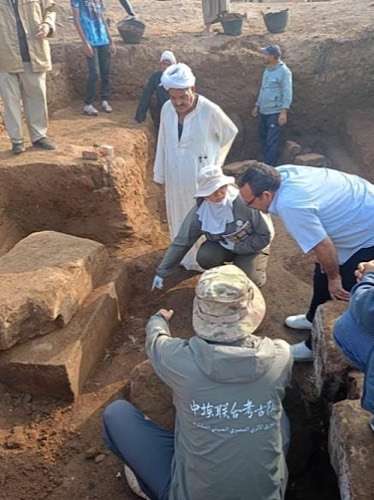
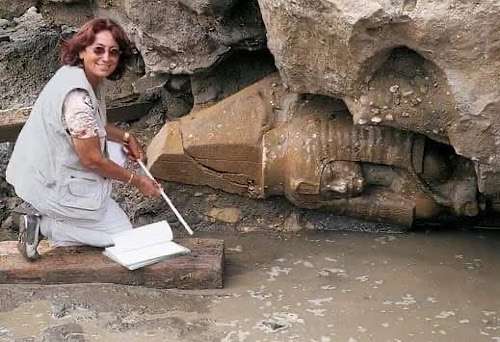
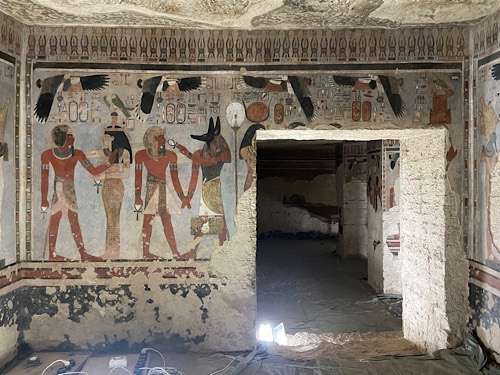
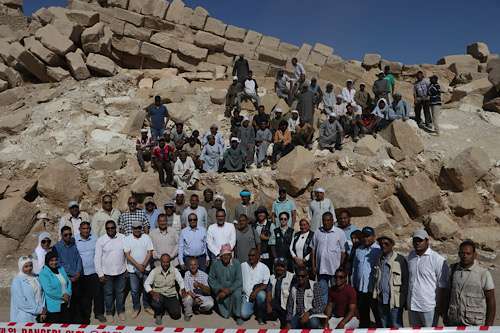
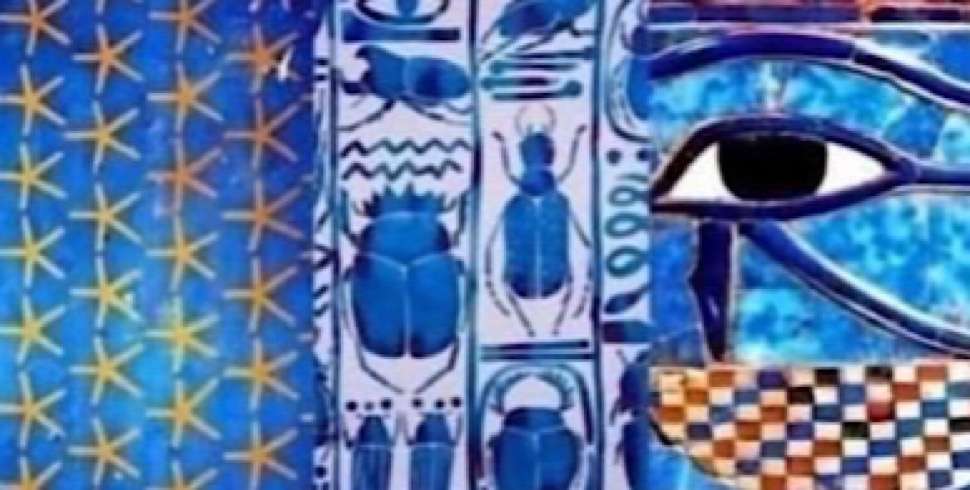
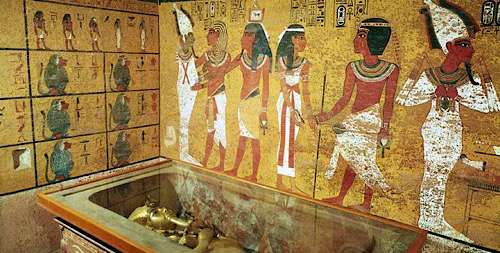
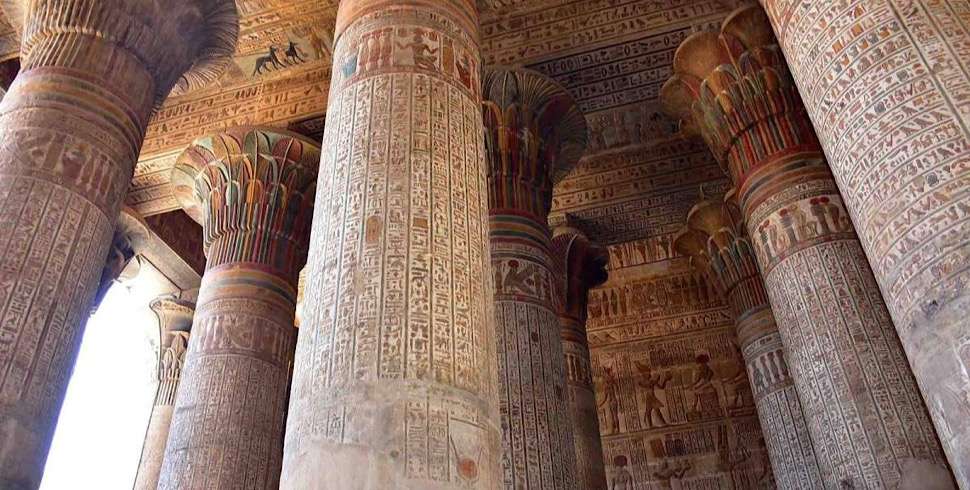
In a remarkable archaeological breakthrough, a joint Egyptian-Italian archaeological mission has uncovered a series of ancient rock-cut tombs dating back to the Greek and Roman periods, adorned with well-preserved hieroglyphic inscriptions.
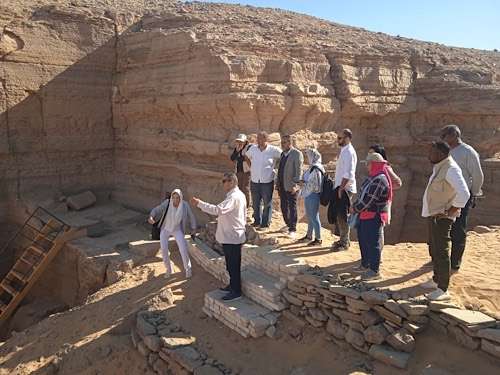
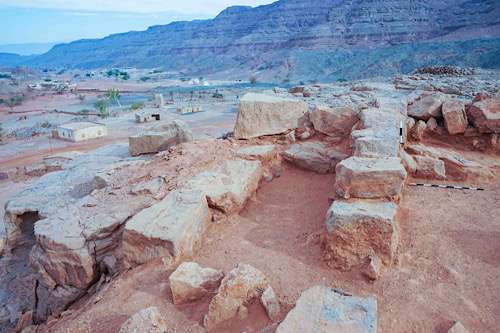
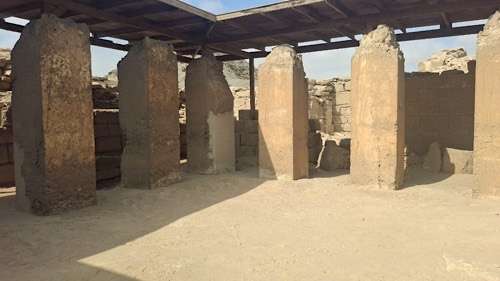
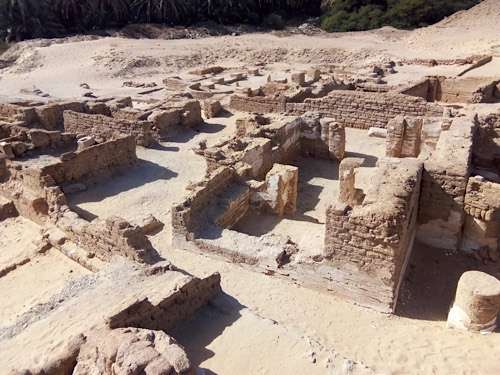
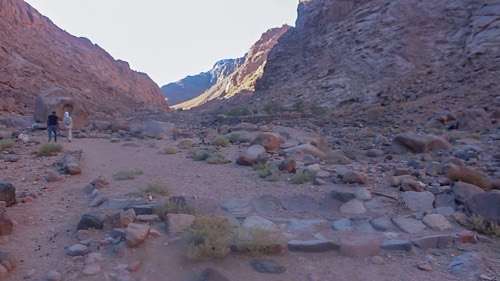
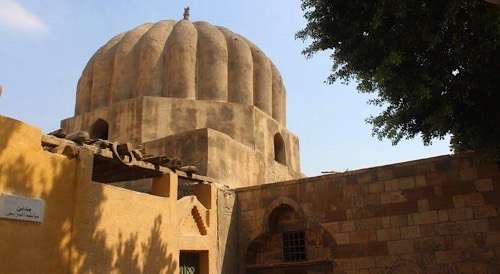
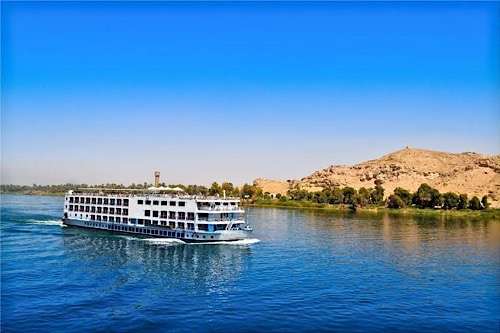
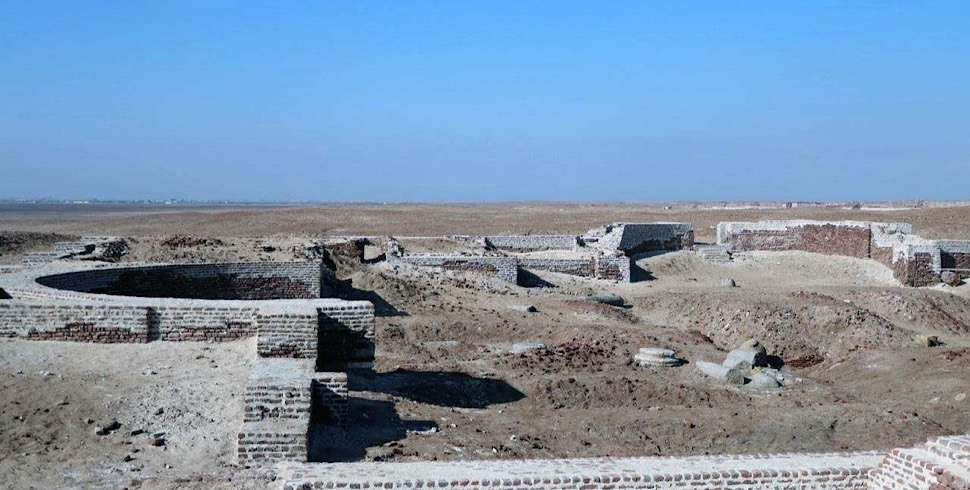
The discovery was made in the necropolis surrounding the Aga Khan Mausoleum on Aswan’s West Bank—a historic area renowned for its blend of ancient cultures along the Nile.
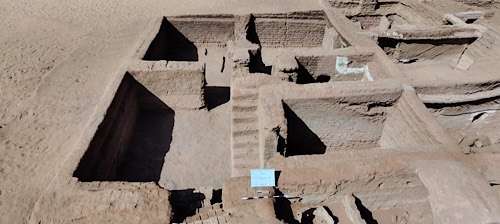
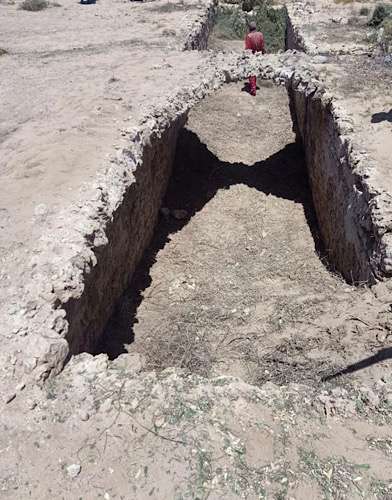
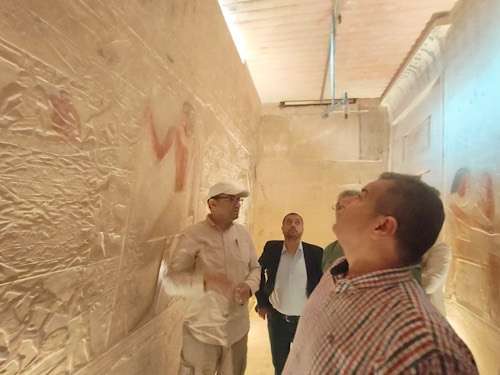
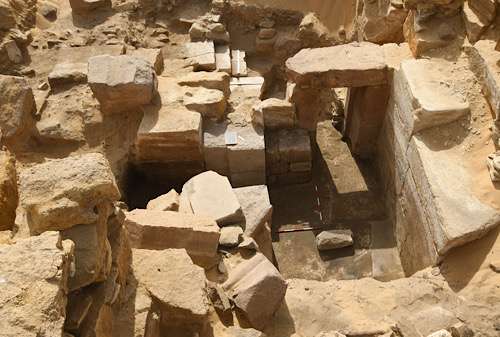
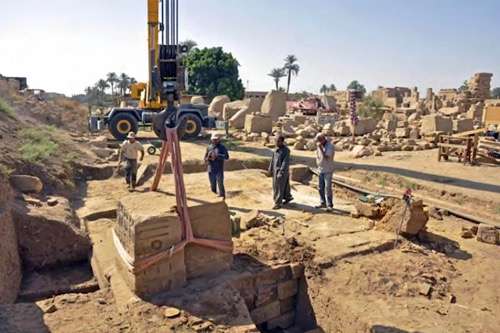
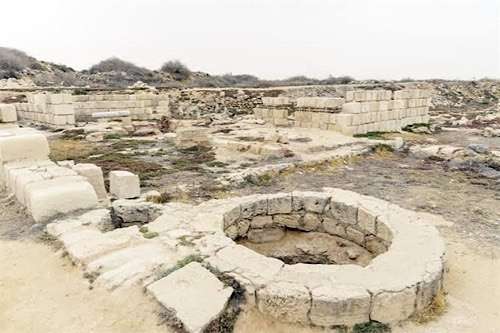
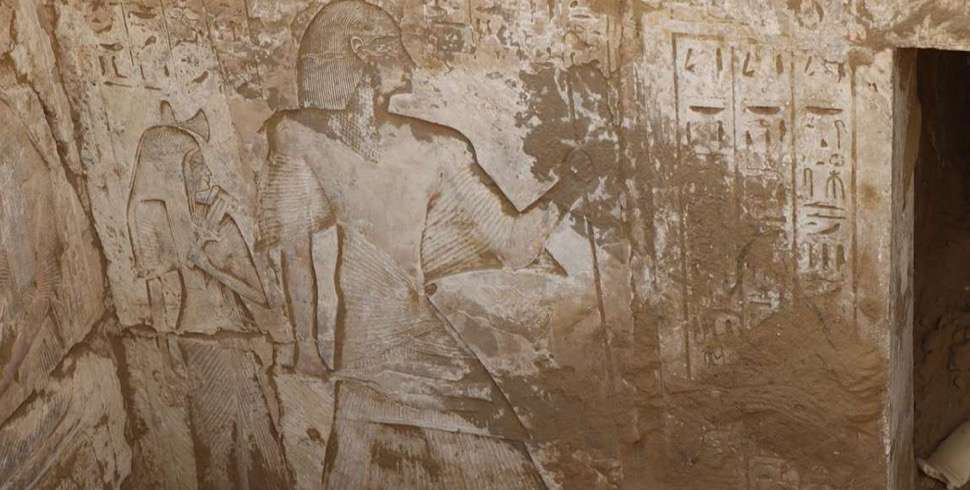
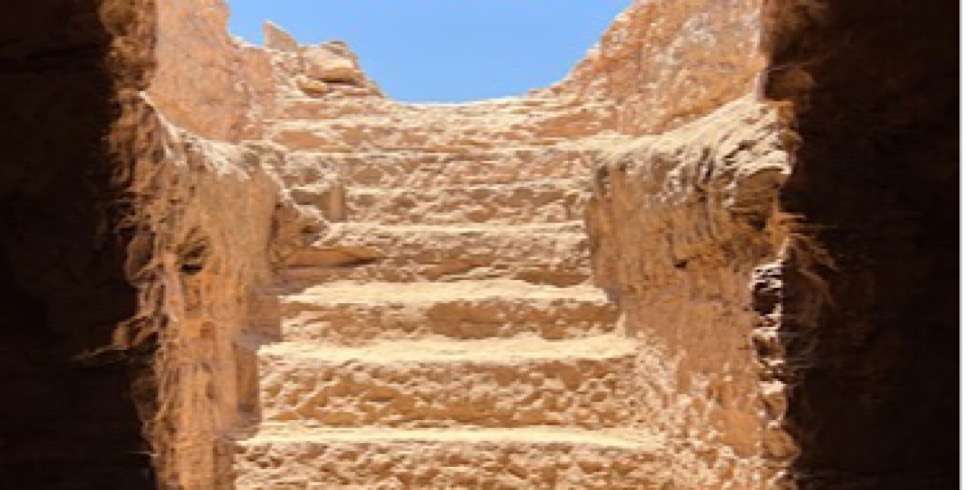
Led by the Supreme Council of Antiquities and the University of Milan, the excavation team revealed several tombs carved into the rocky landscape, some featuring intricate staircases and designated offering areas. Among the discoveries is Tomb 38, a well-preserved structure lying over two meters underground. Its entrance is reached by a nine-step stone staircase, flanked by offering benches made of ancient mudbrick.
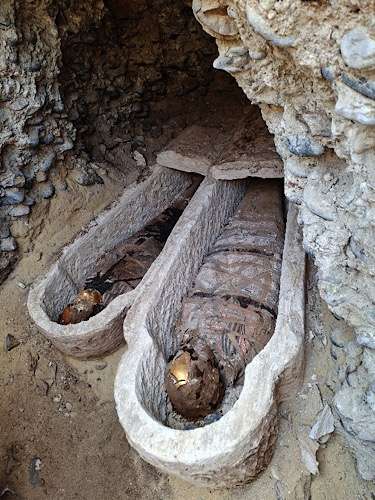
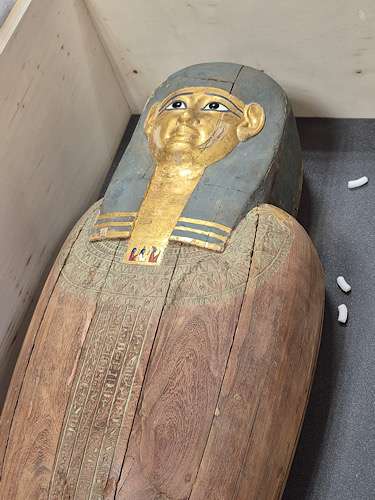
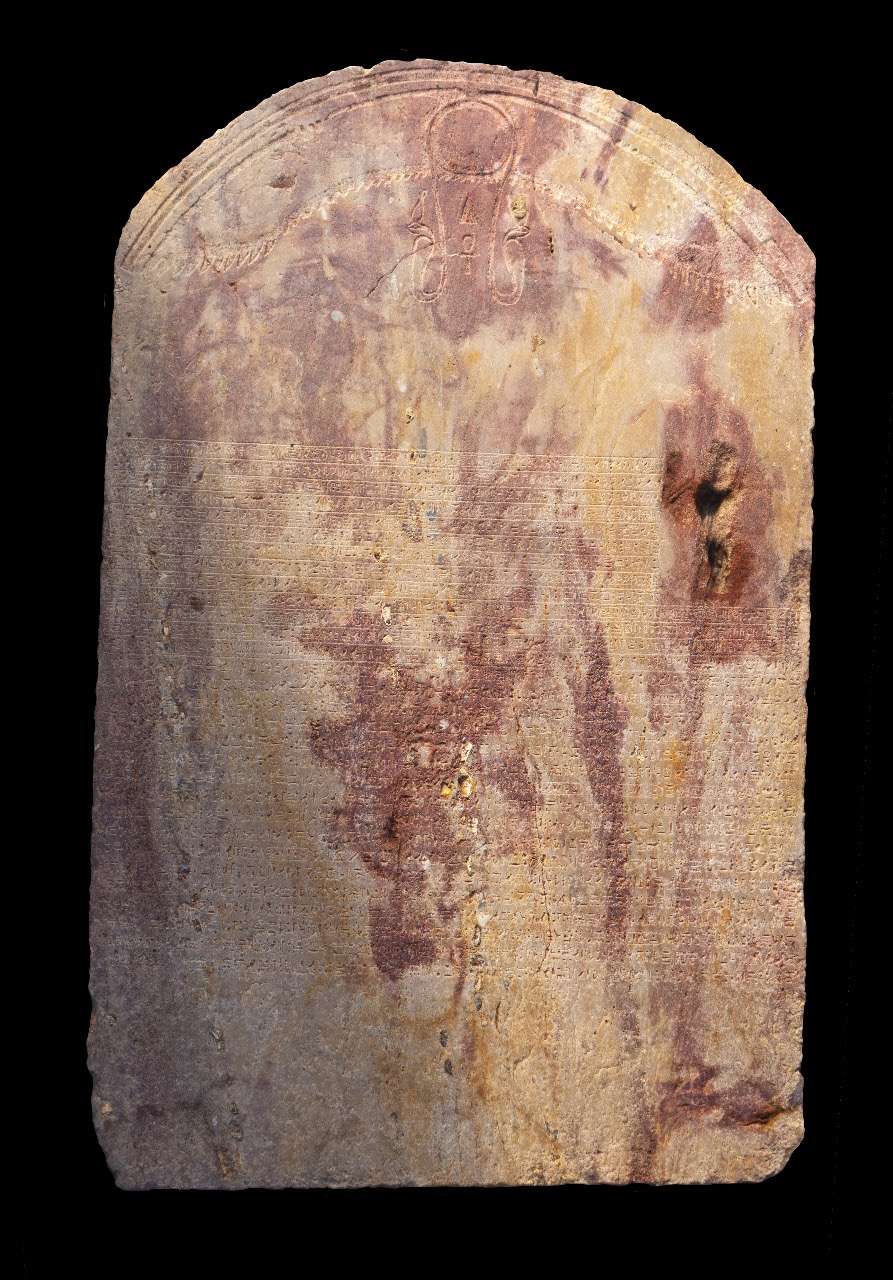
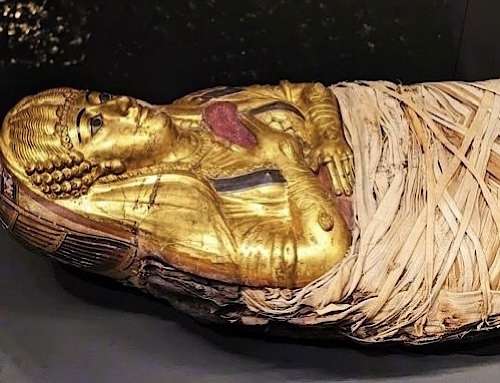
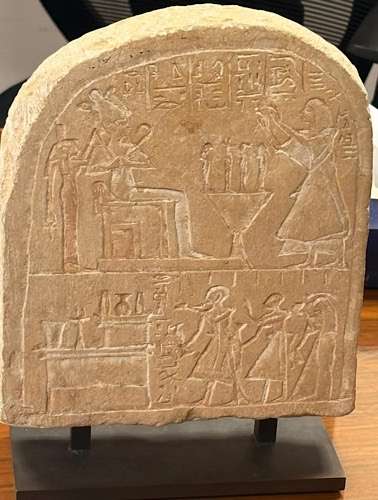
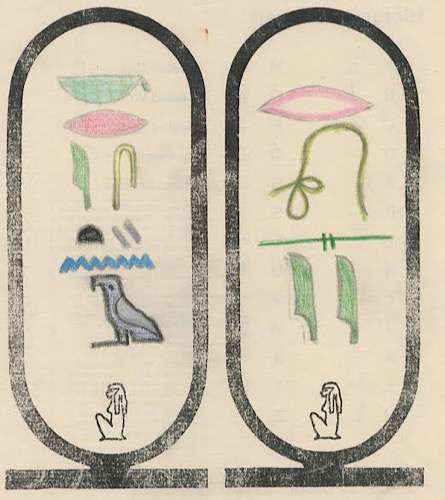
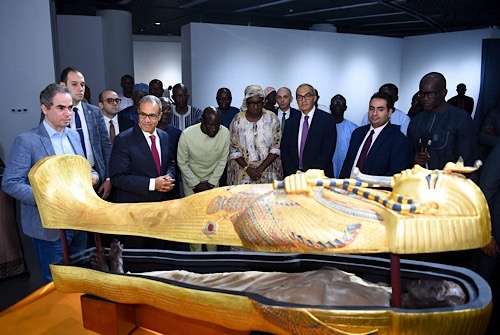
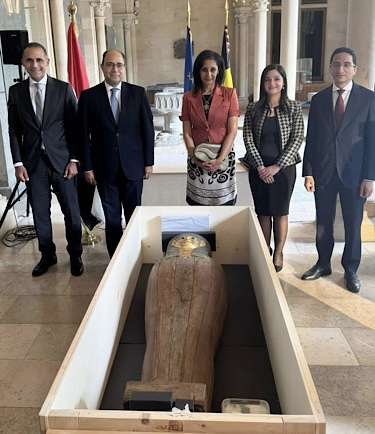
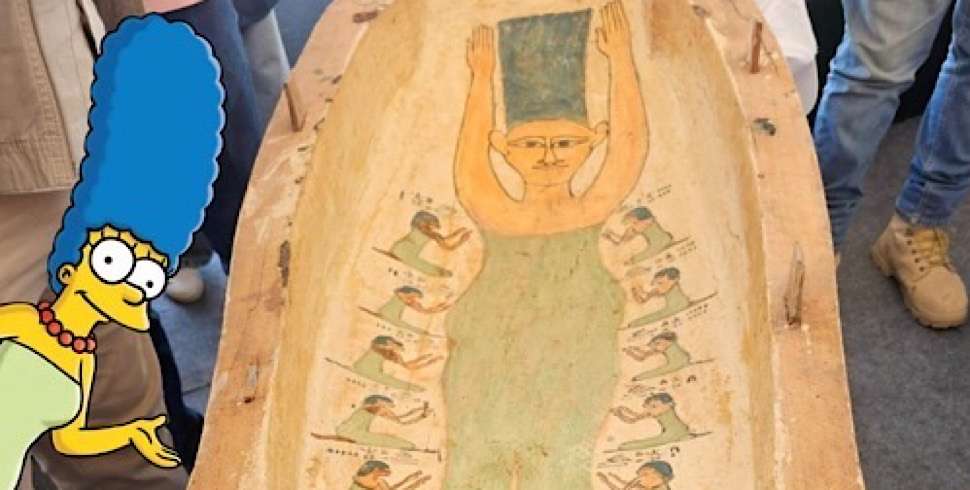
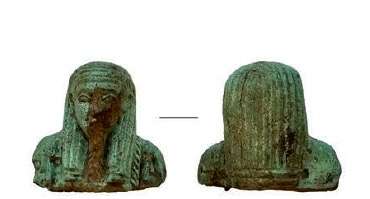
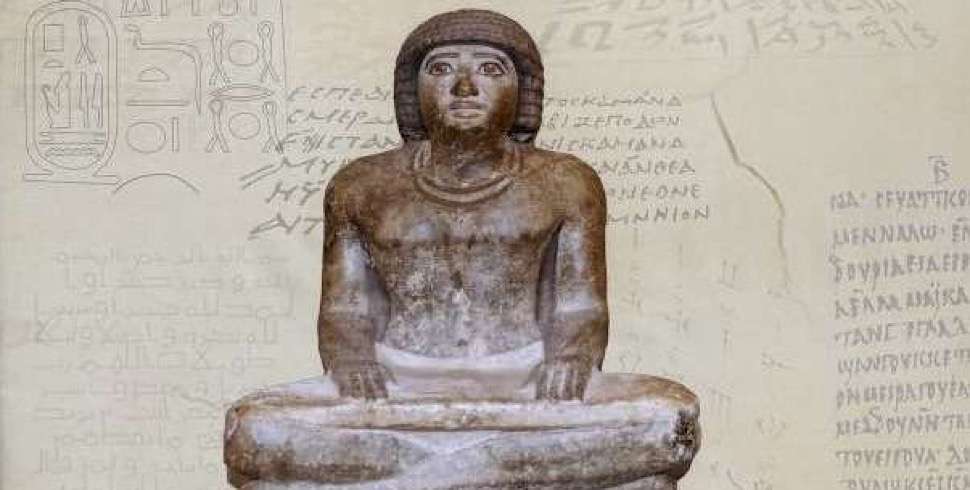
Inside, archaeologists found a two-meter-tall limestone sarcophagus, set atop a rock-carved platform. Its lid is sculpted into a detailed human likeness bearing a traditional Egyptian wig and exquisite ornaments. Hieroglyphic columns inscribed on the sarcophagus ask for blessings from local Aswan deities and name the tomb’s owner as "Ka-Mesio," believed to be a prominent official of his time. Family names and prayers accompany his, offering moving insights into personal remembrance in the ancient world.

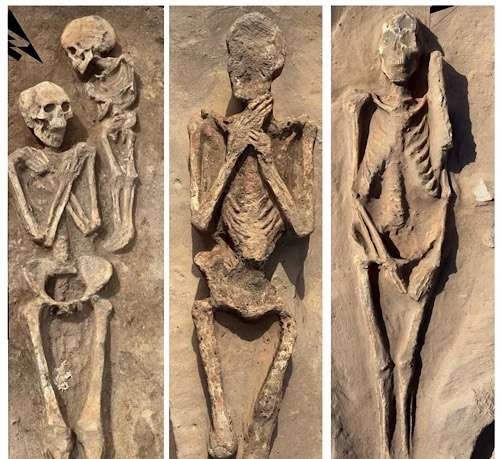
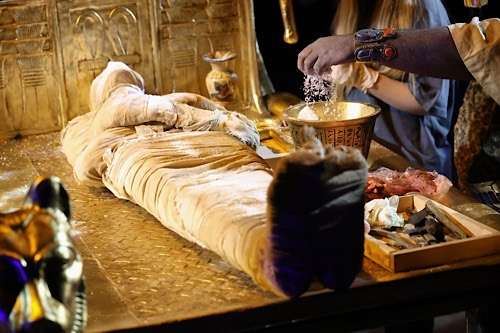
Additionally, mummified remains were discovered in the tombs, including those of children—offering poignant testimony to the complex funerary customs and social structure of this ancient community.
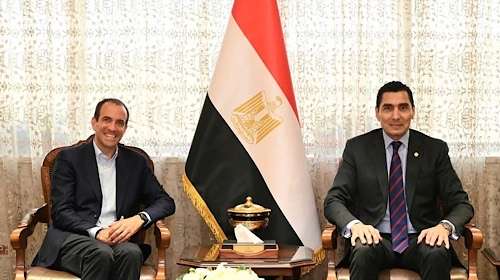
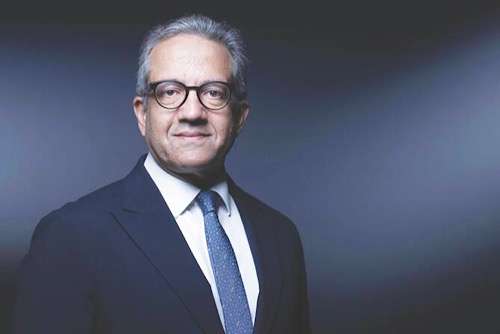
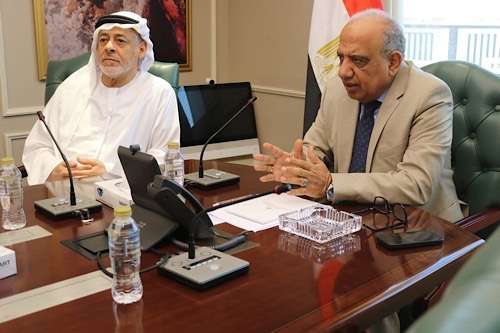
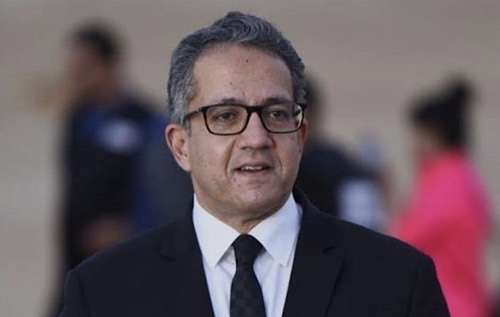
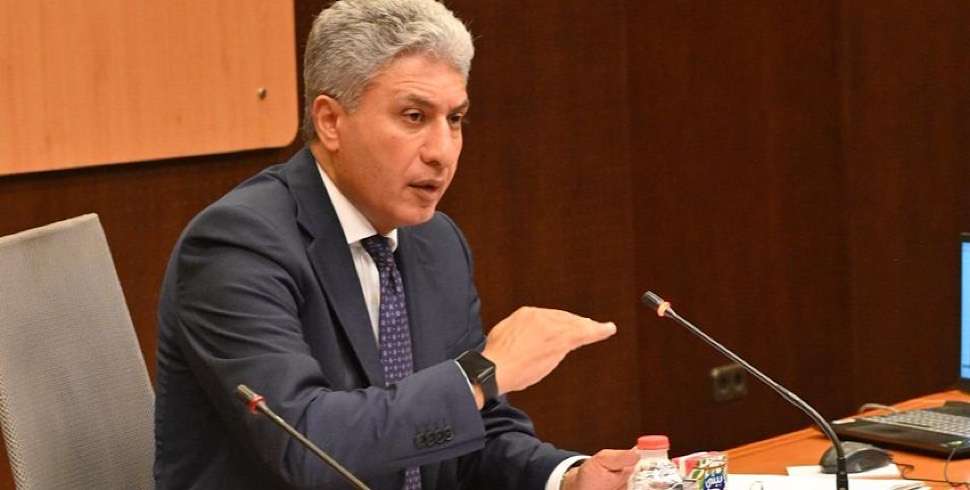
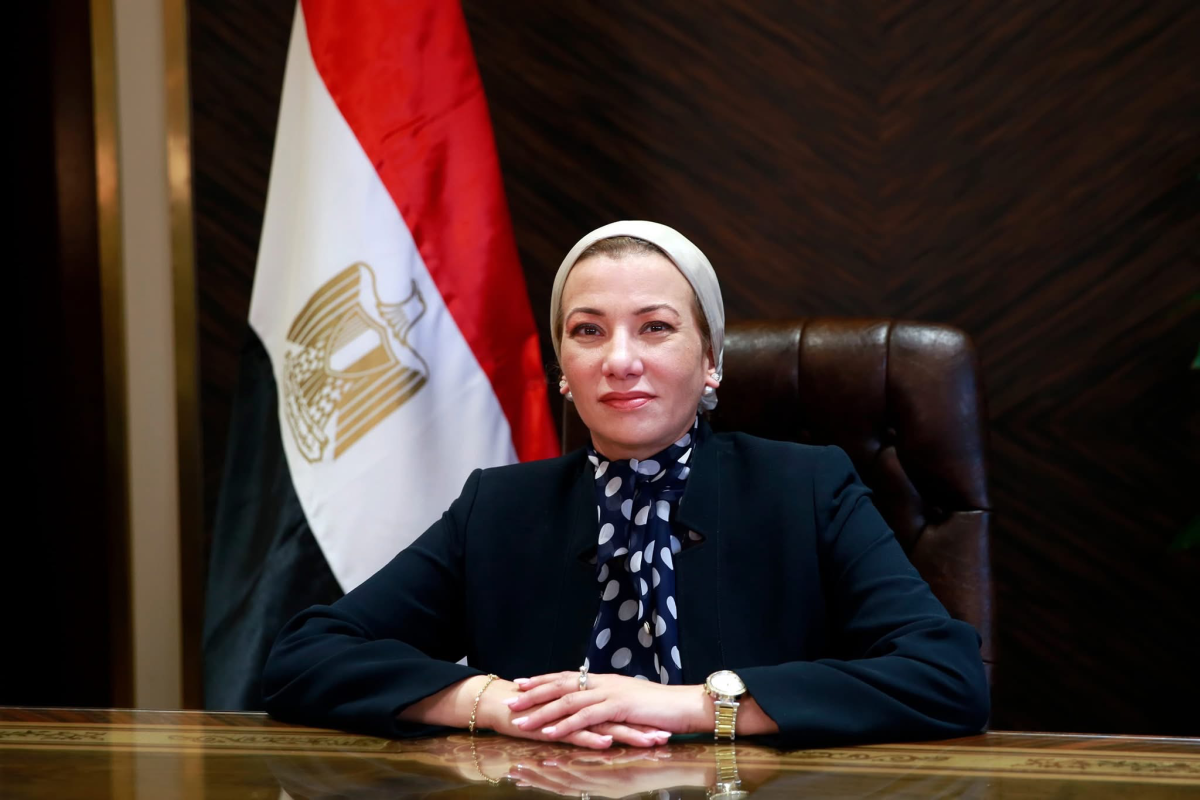
Egypt’s Minister of Tourism and Antiquities, Sherif Fathy, hailed the find as a significant addition to Aswan’s rich record of archaeological discoveries. He emphasized how these tombs shed new light on the cultural diversity and depth of ancient Egyptian civilization during the Ptolemaic and Roman eras, and praised the importance of ongoing international cooperation in archaeological research.
Dr. Mohamed Ismail Khaled, Secretary-General of the Supreme Council of Antiquities, explained that the newly uncovered tombs point to continuity in the area’s use as a burial ground across different social strata—from the elite families on the plateau to middle-class groups on the slopes. "The inscriptions and artifacts offer researchers unique material for studying Egyptian mortuary traditions and spiritual beliefs during the later phases of Egypt’s ancient history," he noted.
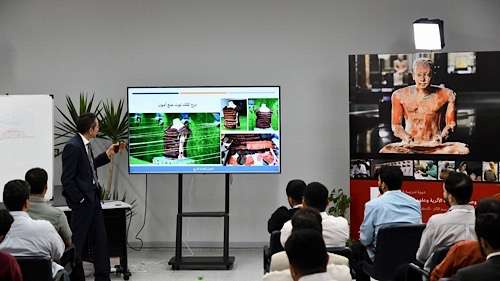
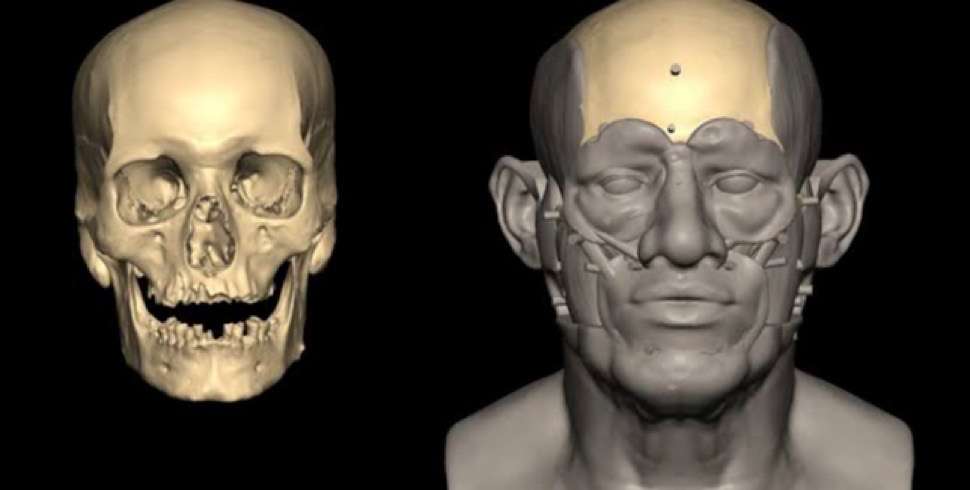
Many of the mummies, especially those of children, are expected to undergo medical imaging and biological analysis in the coming autumn season, to better understand the health, lives, and causes of death of those interred.
Mr. Mohamed Abdel-Badie, Chief of the Egyptian Antiquities Sector, highlighted evidence of large underground tomb complexes on the hill, originally constructed for wealthy Ptolemaic families and later reused in the Roman period. Previous seasons have revealed funerary terraces and additional tombs carved into the mountain at the Sidi Osman plateau, displaying distinctive architectural styles adapted to the rugged landscape.
The ongoing mission, co-directed by Dr. Patrizia Piacentini of the University of Milan and Mr. Fahmi Al-Amin, General Director of Aswan Antiquities, has been active at the site since 2019. Their sustained efforts confirm the importance of the Aga Khan necropolis as an archaeological treasure and one of the pillars of Aswan’s historical heritage.