













































































































































































































































































































































































































































































































































































































































































































































































































Friday, 09 October 2026
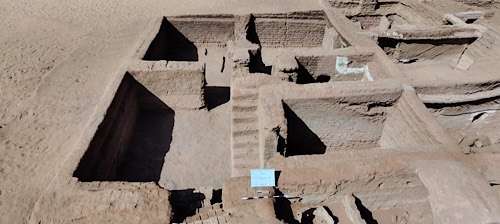
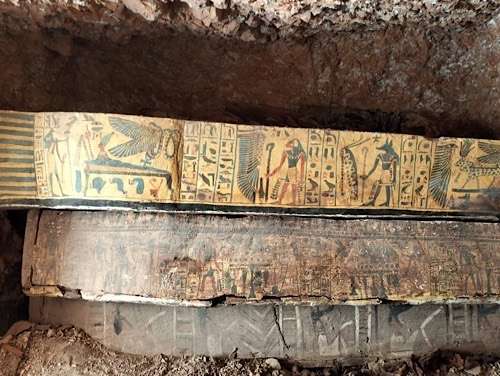
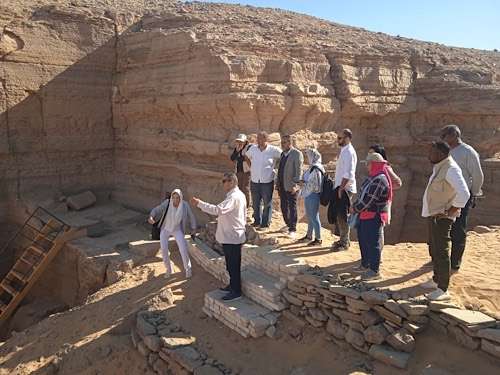
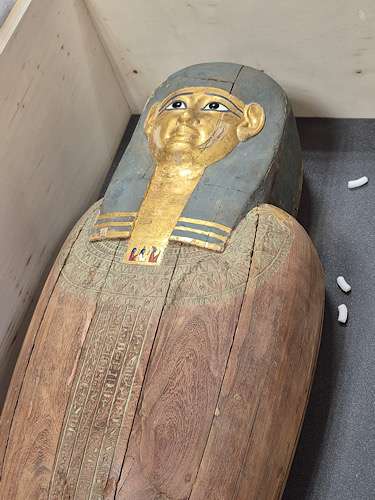
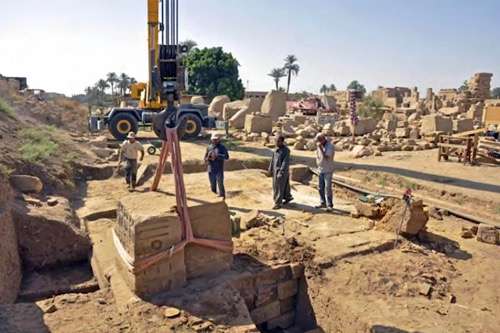
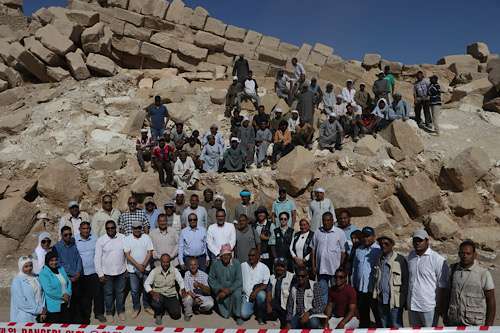
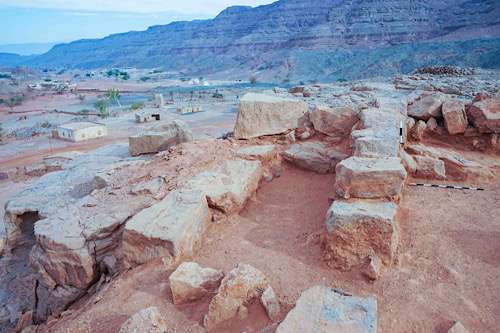
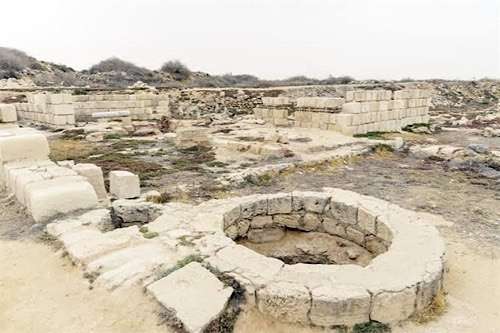
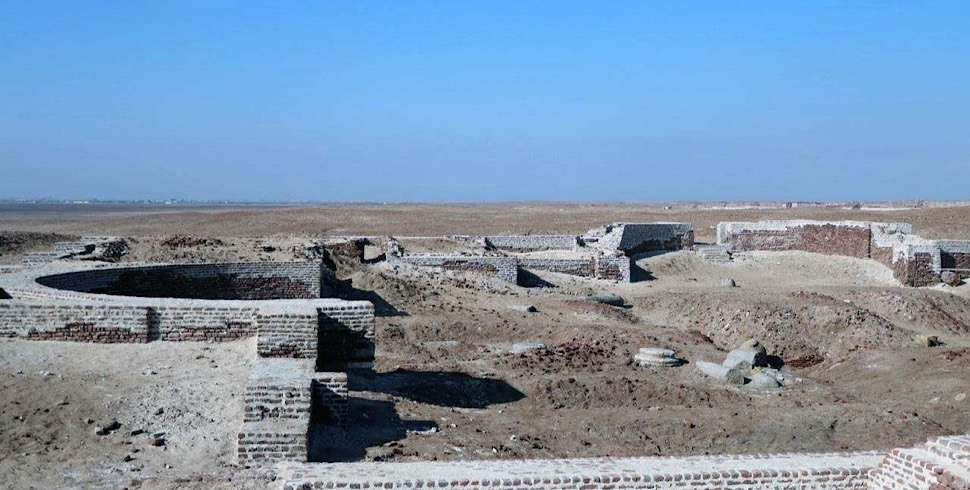
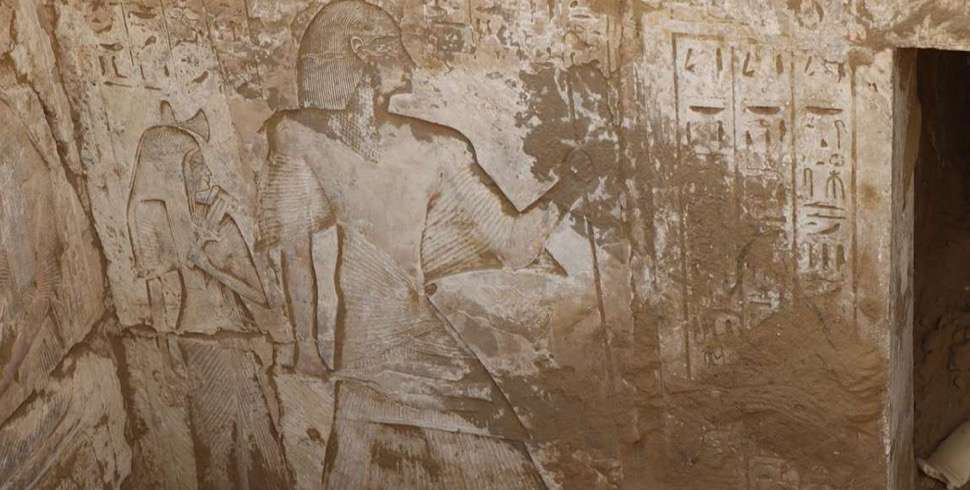
Sharqia, Egypt — In a significant step for historical preservation, Egypt’s Ministry of Tourism and Antiquities has announced a remarkable archaeological discovery at Tell el-Fara’in (Tell Nebesha) in the Al-Husseiniya district, Sharqia Governorate, in the Nile Delta.
The find was made at the close of the current excavation season by a British archaeological mission from the University of Manchester.
Secretary-General of Egypt’s Supreme Council of Antiquities, Mohamed Ismail Khaled, detailed that the excavation focused on the eastern mound of the site.
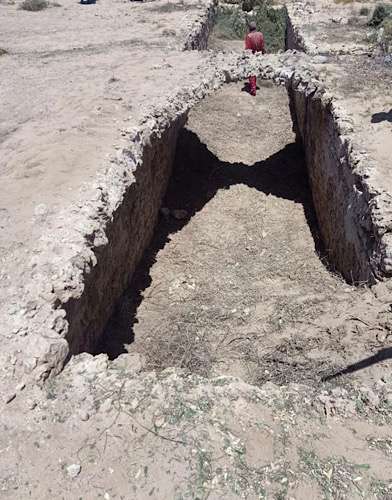
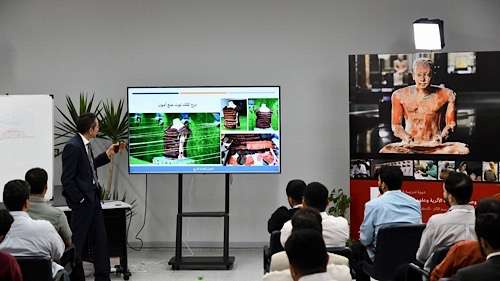
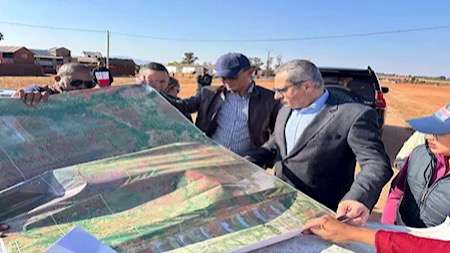
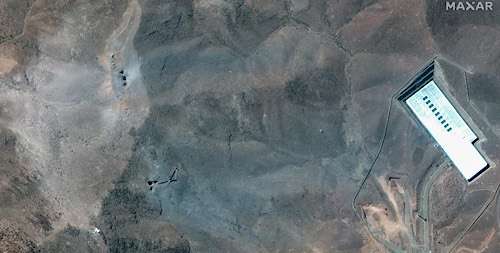
Using cutting-edge techniques, including satellite imagery and remote sensing (Landsat), the team identified dense clusters of mudbrick structures in specific areas.
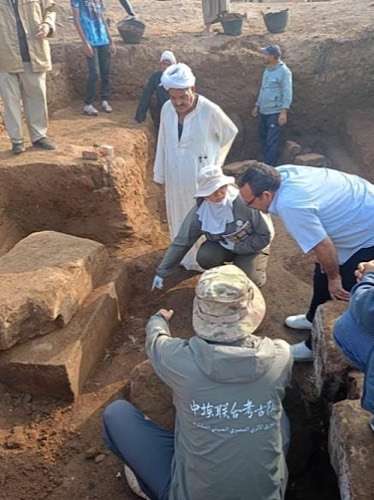
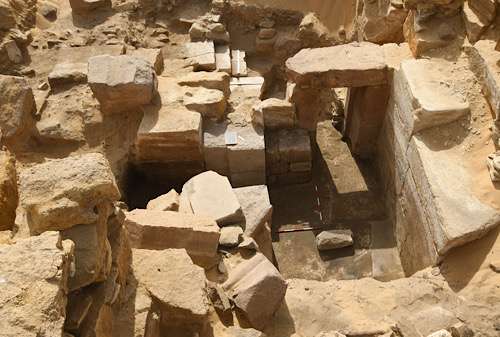
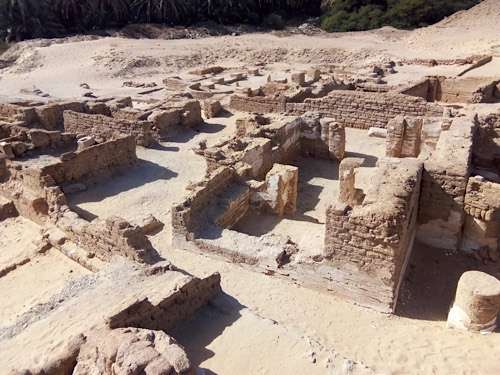
Subsequent on-the-ground excavation uncovered residential buildings believed to date back to the early or mid-4th century BCE. Among these were rare “tower houses” – distinctive multi-story homes with robust foundational walls, designed to house large numbers of people.
Such structures are especially characteristic of the Nile Delta from the Late Period through the Roman era. The team also found other buildings thought to be used for service functions, such as storing grain or housing animals.
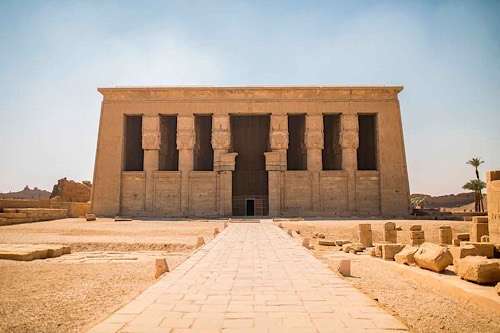
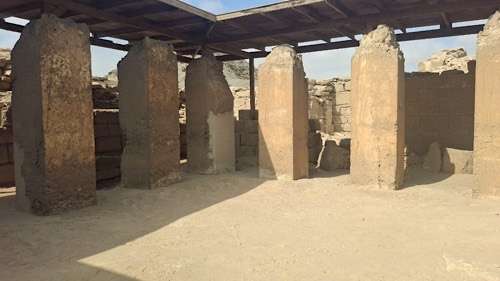
In the temple area, the British-Egyptian team uncovered a large limestone floor and remains of two massive mudbrick columns, likely once plastered.

These are believed to be part of a building constructed atop what was once a processional road connecting the Late Period gateway with the temple of Wadjet, suggesting the road fell out of use by the mid-Ptolemaic era. Historically, the temple of Wadjet was restored during the reigns of Pharaoh Ramesses II and King Amasis II, and later served as a quarry during the Persian period.
Head of the Egyptian Antiquities Sector, Mr. Mohamed Abdel-Badia, emphasized that these discoveries greatly enrich our knowledge of the region, offering valuable insights into daily life and religious practices during both the Late and Early Ptolemaic periods.
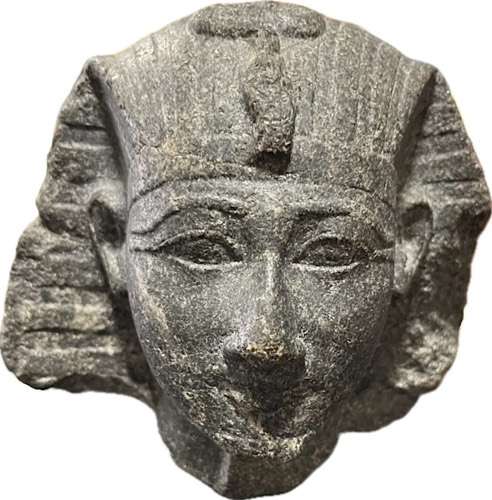
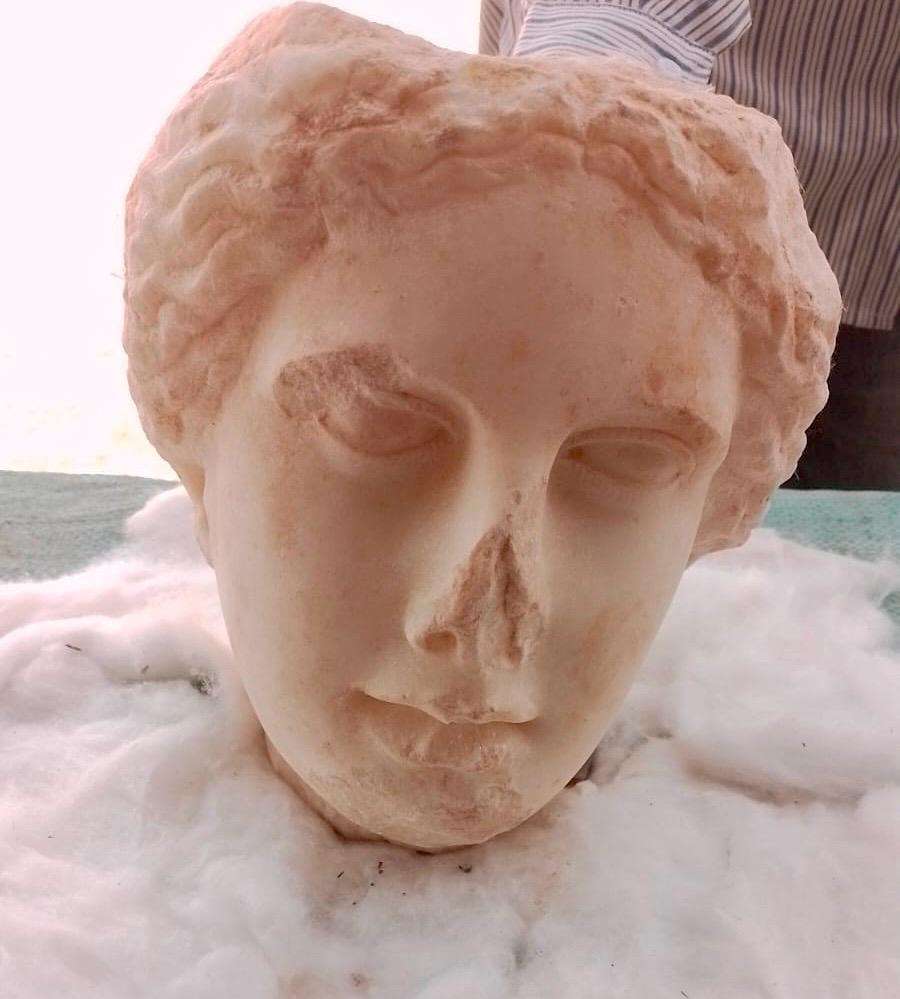
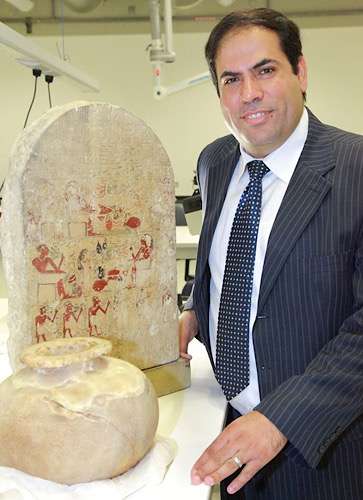
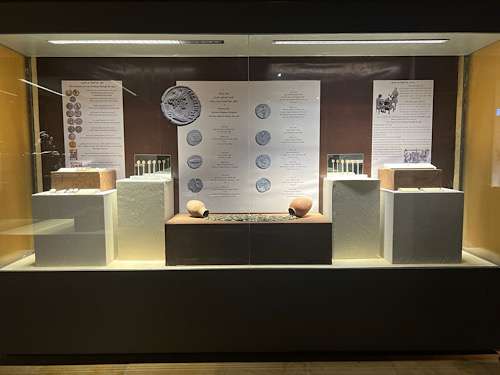
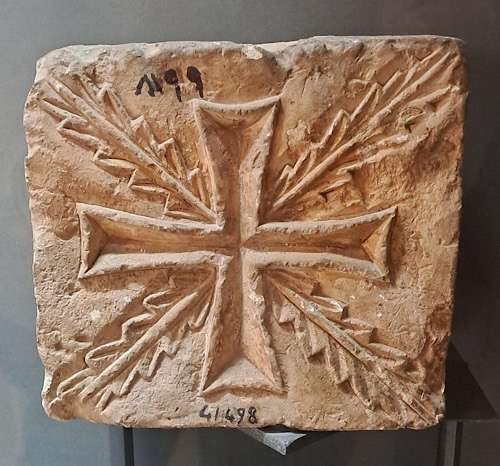
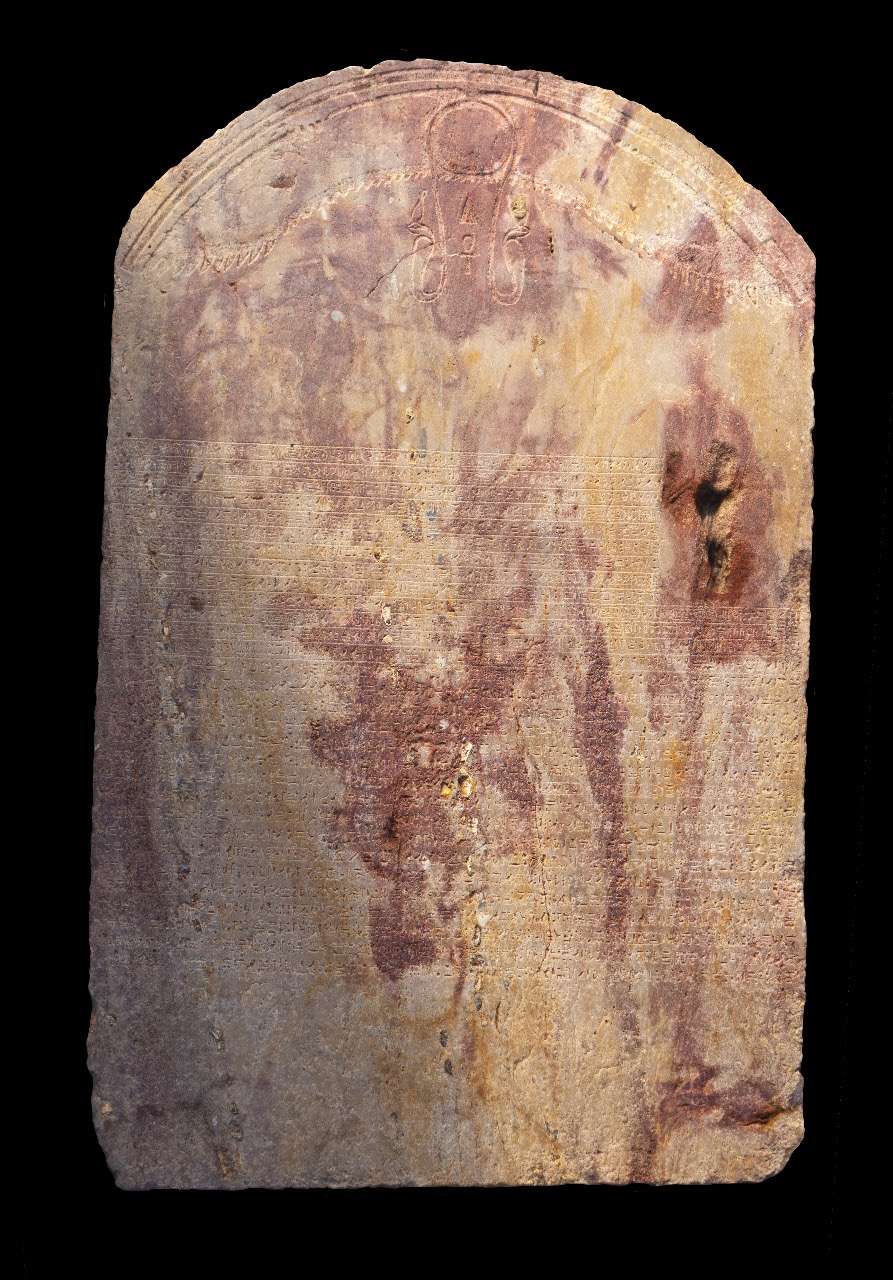
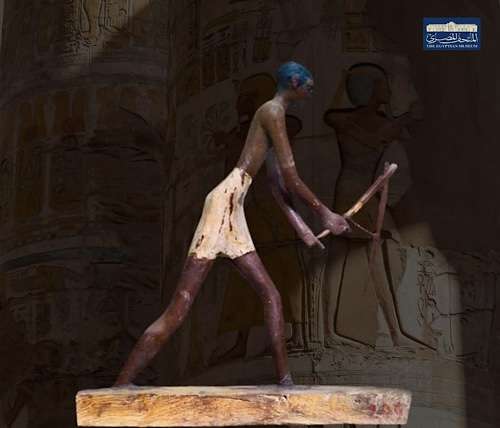
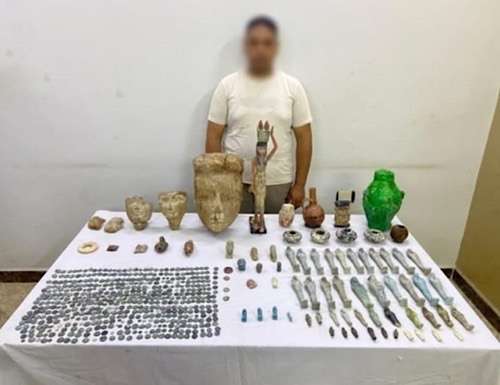
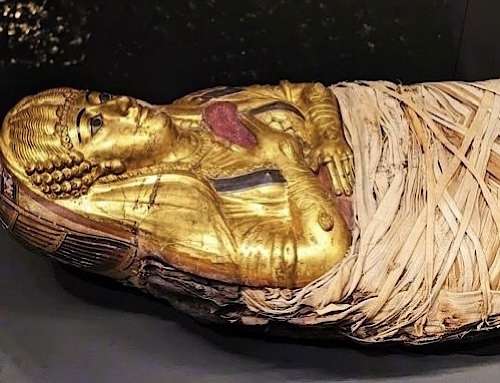
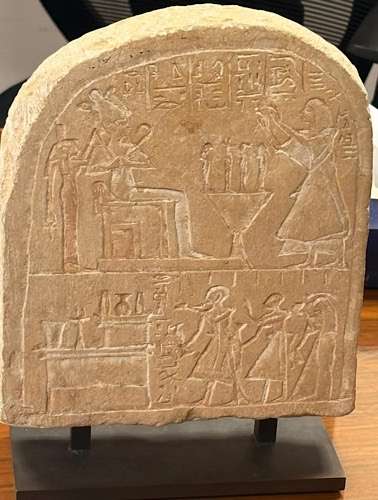
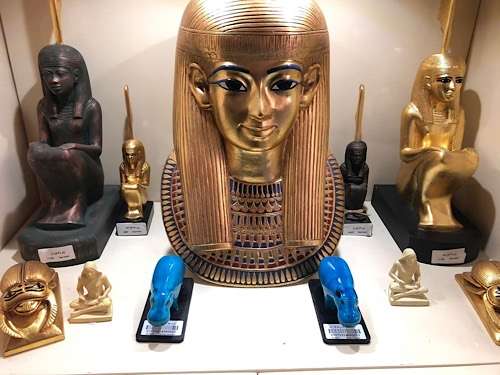
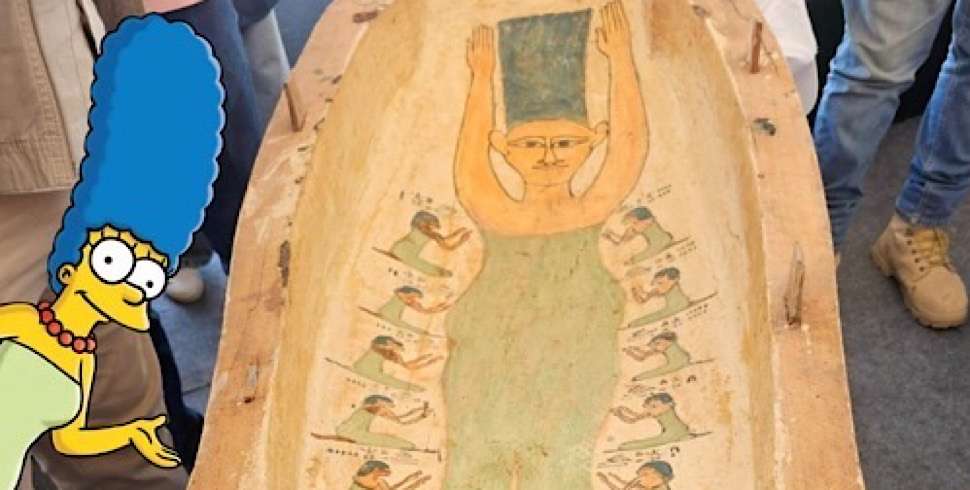
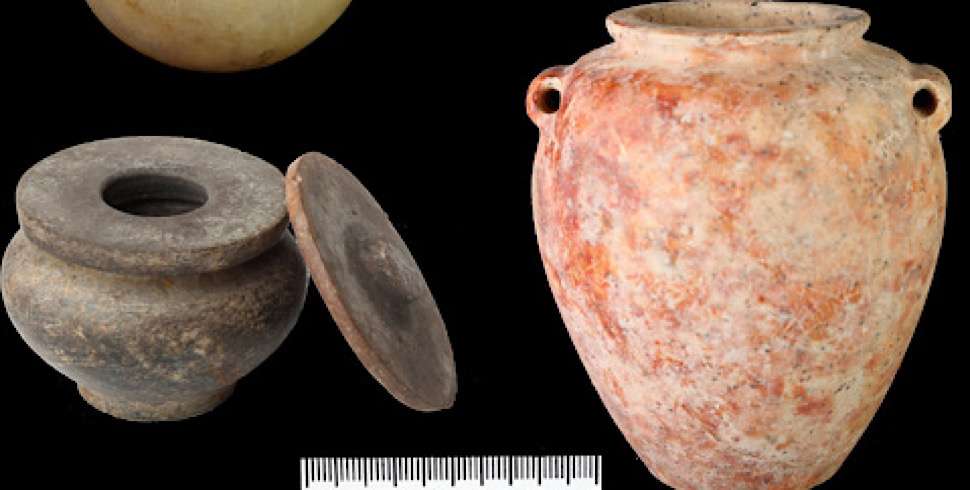
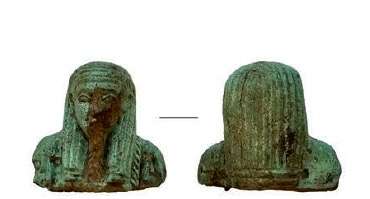
Noteworthy artifacts include the finely made upper part of a green faience Ushabti figurine from the 26th Dynasty, a stone stele depicting the god Horus standing on two crocodiles and holding serpents, surmounted by the image of the deity Bes, and a bronze musical instrument (sistrum) adorned with two heads of the goddess Hathor, dating to the end of the Late Period.

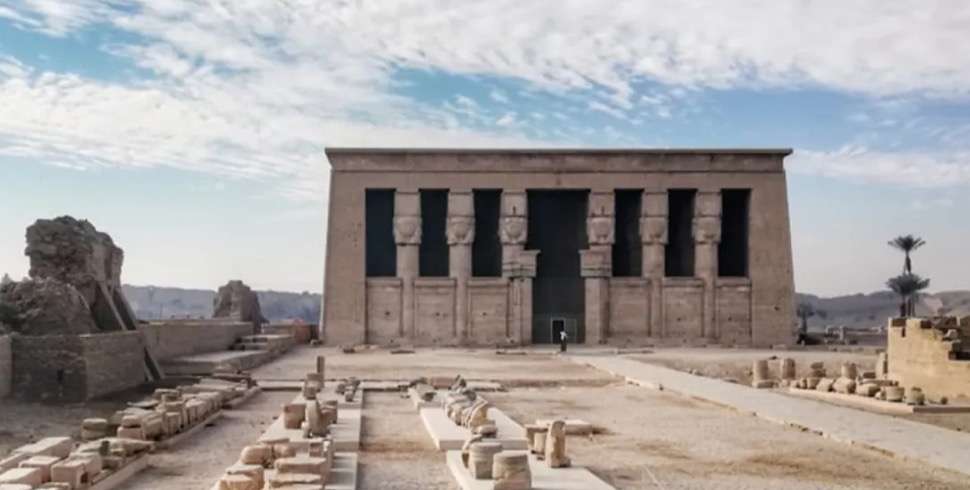
Dr. Nicky Nielsen, leader of the excavation mission from the University of Manchester, noted that the ancient city of “Iemet” was a prominent settlement in Lower Egypt, especially during the New Kingdom and Late Periods. It was renowned for its grand temple dedicated to the goddess Wadjet, parts of which still stand today.
This exciting discovery marks a new chapter in unveiling the history and cultural richness of ancient Iemet, paving the way for future research that promises to uncover even more secrets of this fascinating city.