





































































































































































































































































































































































































































































































































































































































































































































































































































































































Friday, 09 October 2026
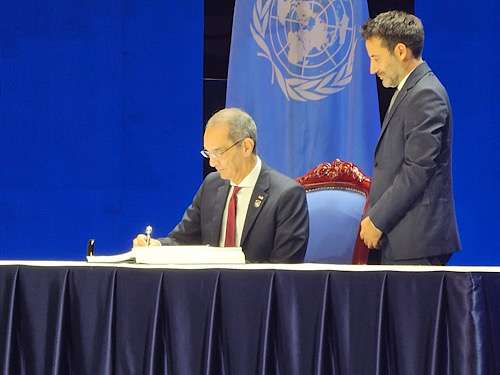
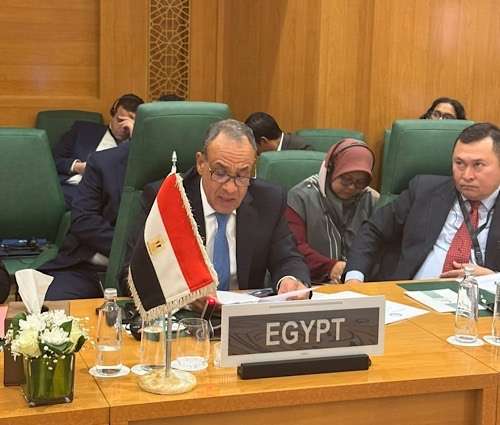
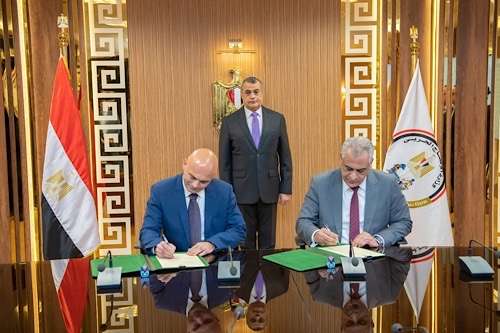
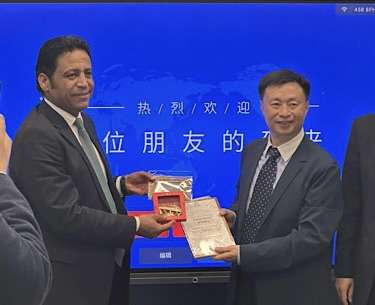
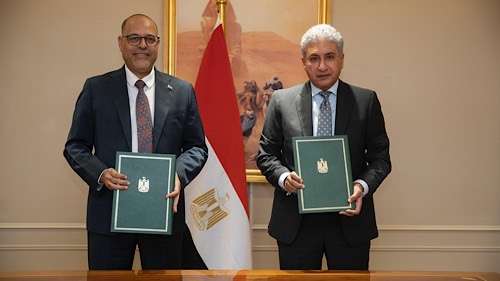
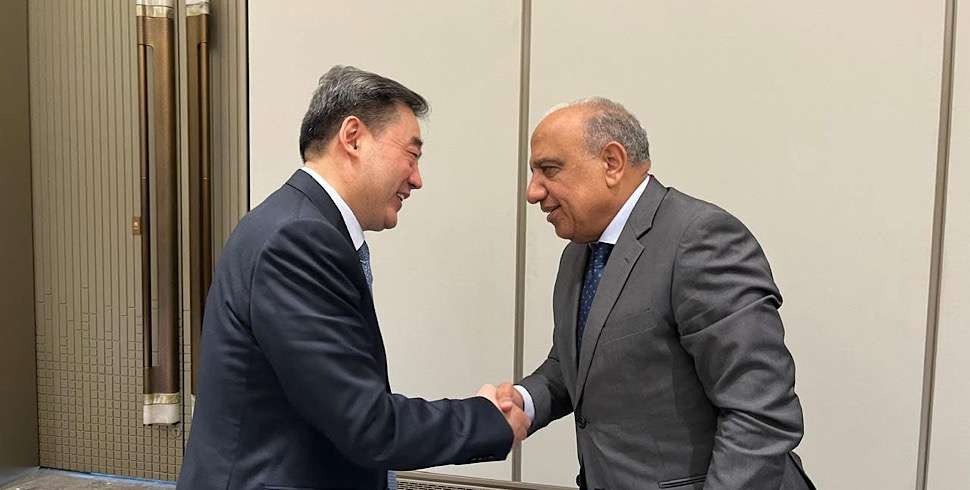
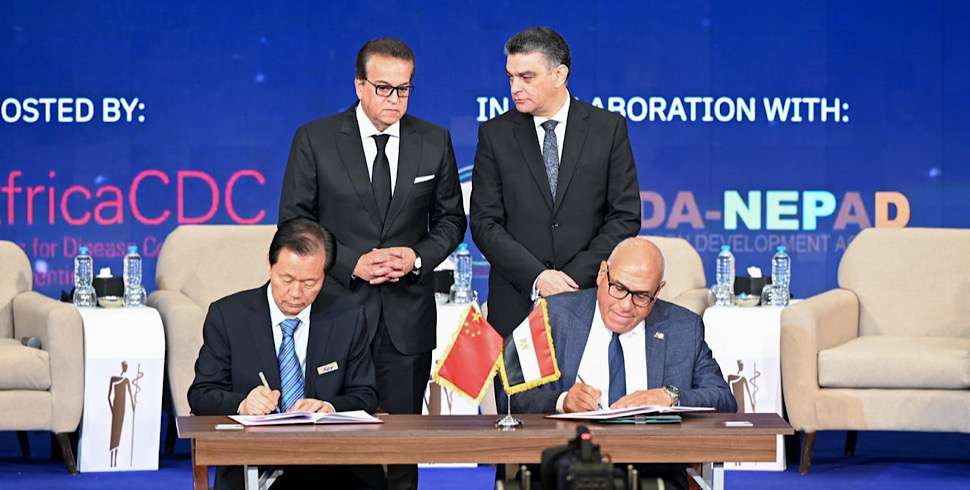
Egypt has officially signed the United Nations Convention on Combating Cybercrime during a high-profile ceremony held in the Vietnamese capital, Hanoi.
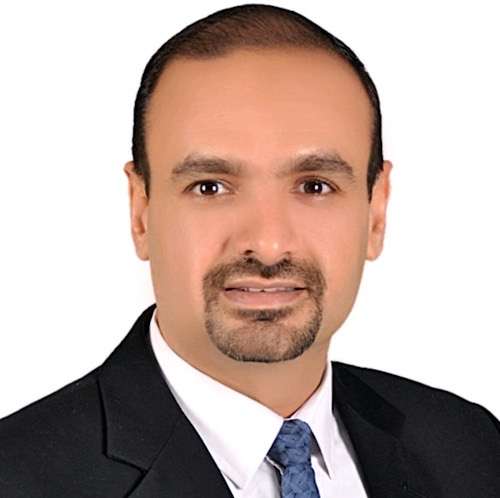
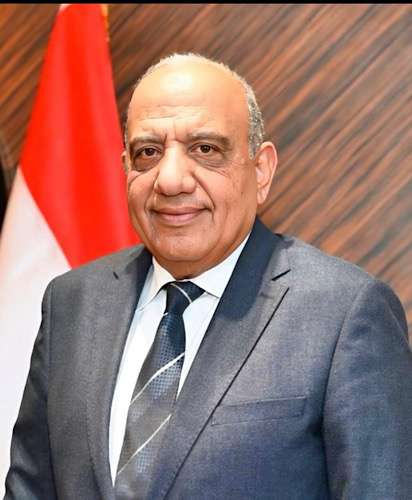
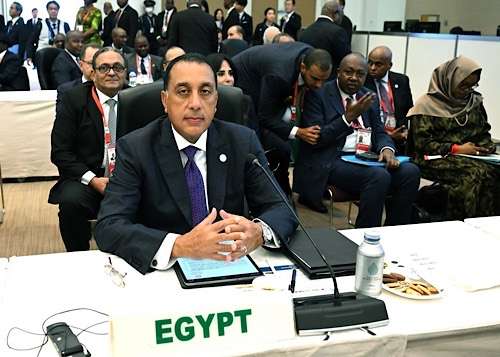
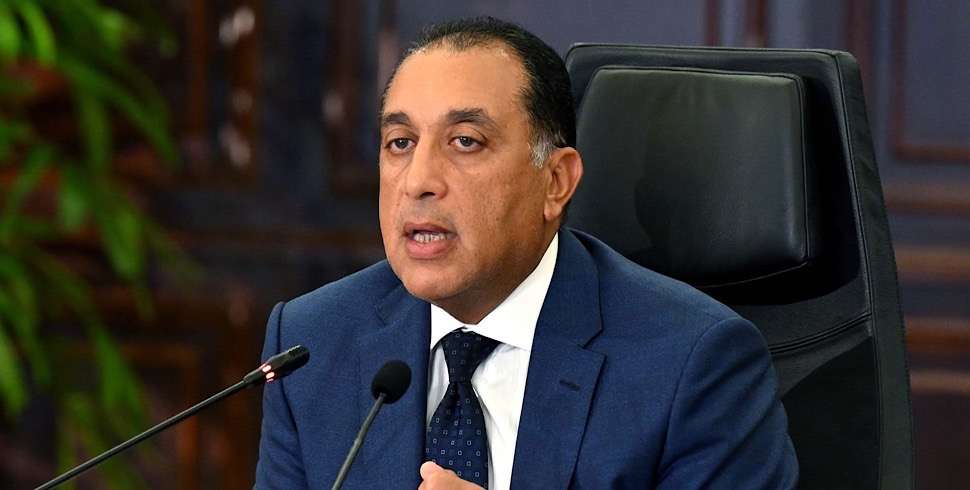
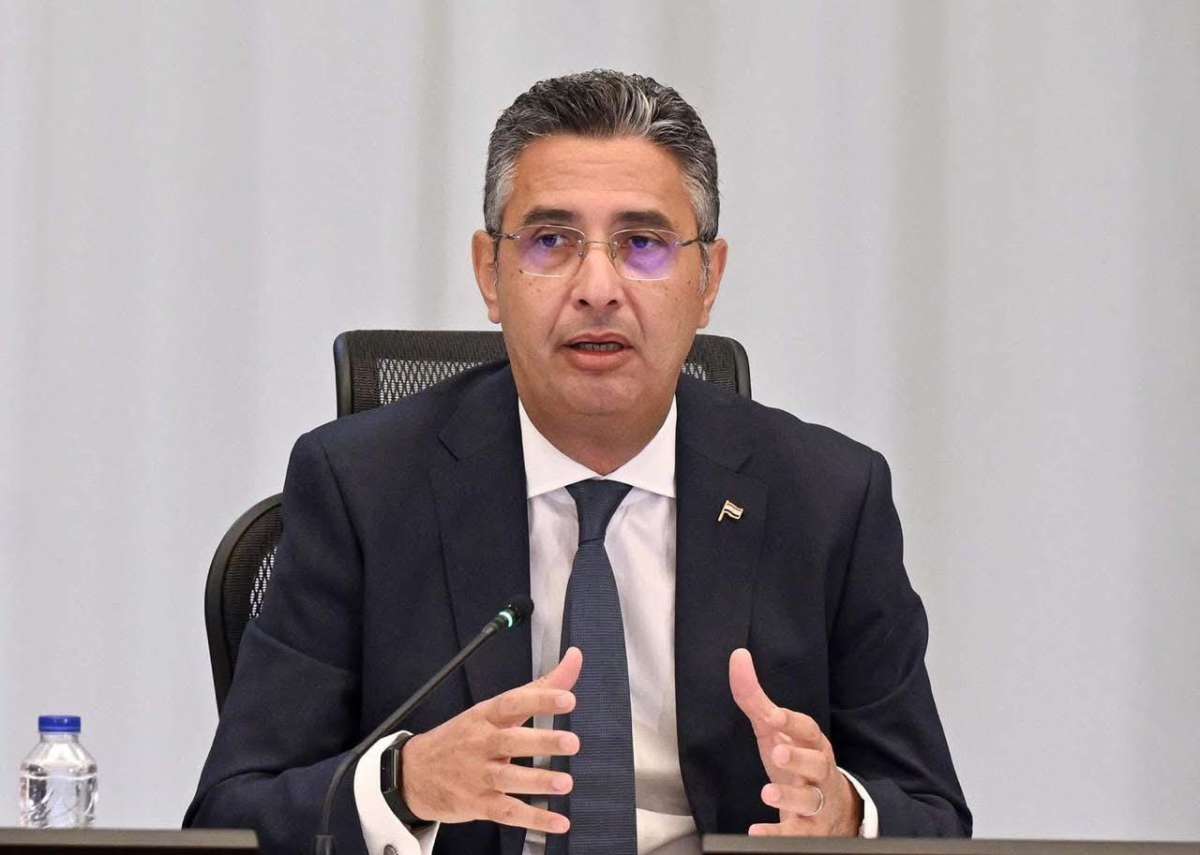
The signing was led by Dr. Amr Talaat, Egypt’s Minister of Communications and Information Technology, who headed the country’s high-level delegation at the event.
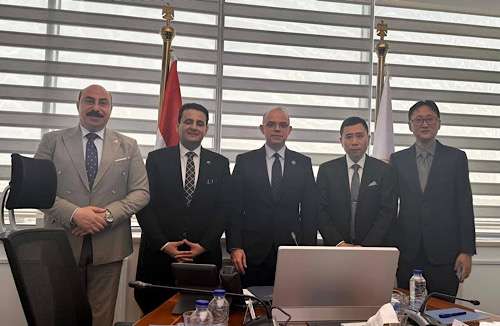
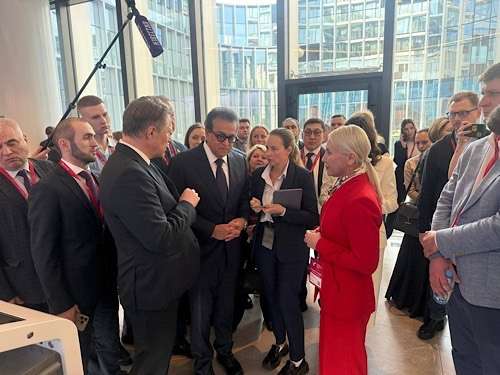
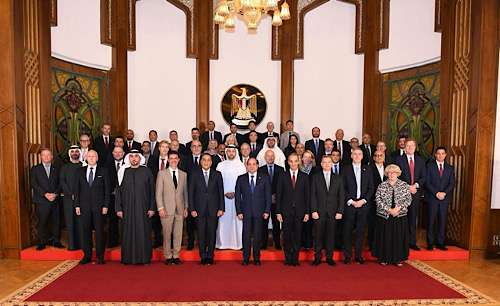
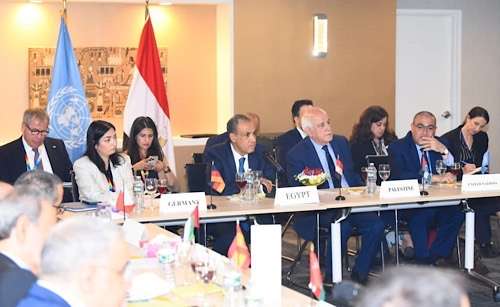
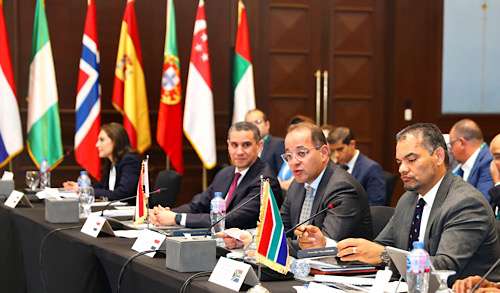
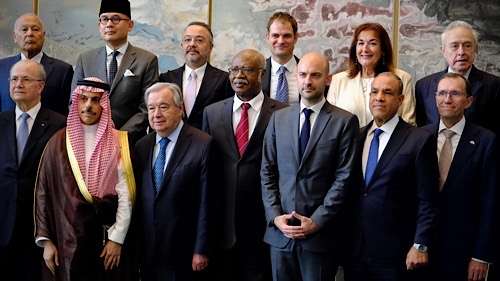
The ceremony was attended by prominent figures, including Vietnam’s President Luong Cuong, UN Secretary-General António Guterres, Dr. Ghada Waly, Executive Director of the UN Office on Drugs and Crime, Egypt’s Ambassador to Vietnam Hany Mustafa, and heads of delegations from participating countries.
Adopted by the UN General Assembly on December 24, 2024, under Resolution 79/243, the convention represents the first comprehensive international legal framework aimed at addressing cyber threats and transnational crime in the digital realm. Over 60 countries have signed the agreement, which seeks to enhance measures to prevent and combat cybercrime more effectively. Key objectives include facilitating the exchange of electronic evidence, promoting international cooperation, and supporting technical assistance and capacity-building, particularly for developing nations.
The convention comprises a preamble and nine chapters covering general provisions, criminalization, judicial jurisdiction, procedural measures, international cooperation, preventive measures, technical assistance, information exchange, implementation mechanisms, and final provisions. It will enter into force 90 days after ratification by 40 countries.
Egypt’s participation in the signing ceremony underscores its pivotal role in shaping the convention since negotiations began in 2021. The country’s efforts involved collaboration between the Ministries of Foreign Affairs, Justice, and other national entities, including the Administrative Control Authority and the National Telecom Regulatory Authority. Egypt’s signature reaffirms its commitment to supporting global efforts to combat cybercrime and safeguard its national information infrastructure.
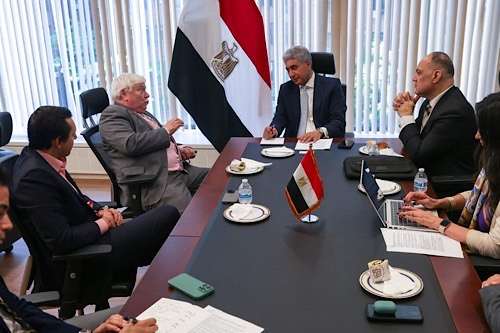
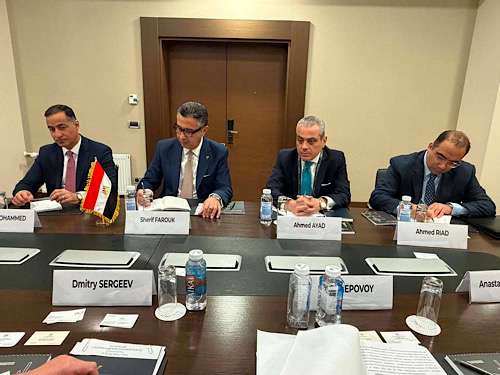
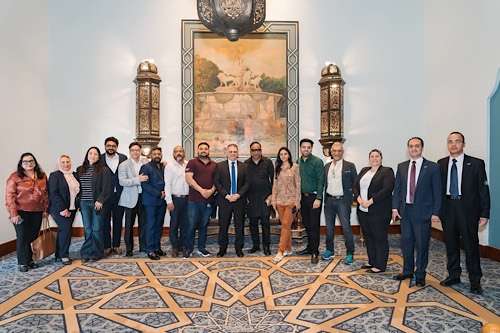
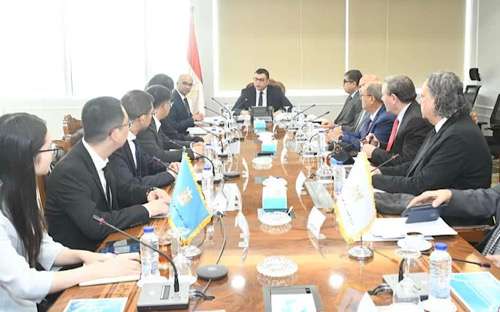
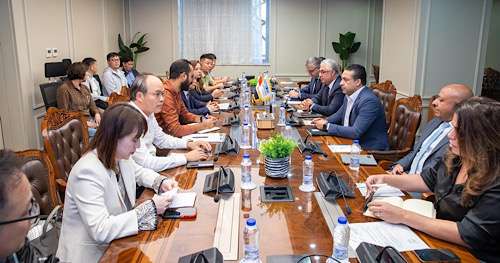
The Egyptian delegation included representatives from the Ministries of Justice, Interior, Foreign Affairs, and Communications and Information Technology, as well as the Public Prosecution, the Administrative Control Authority, and the National Telecom Regulatory Authority.
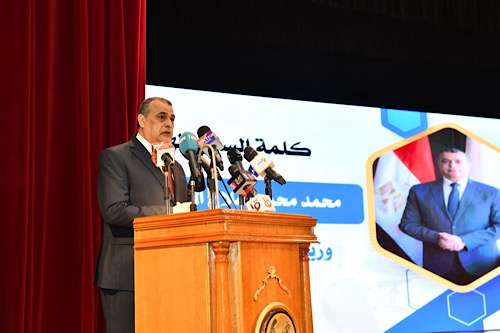
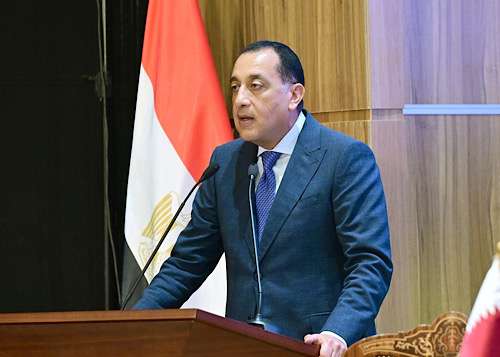
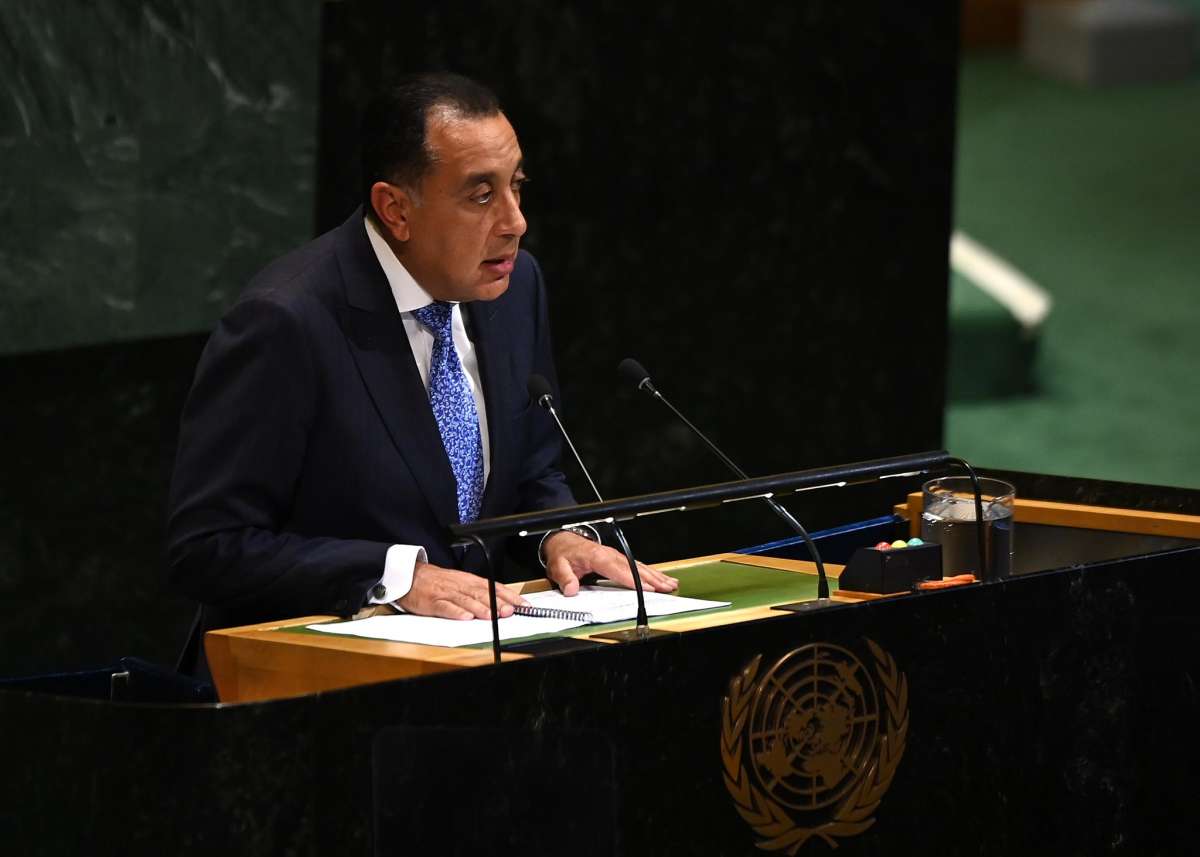
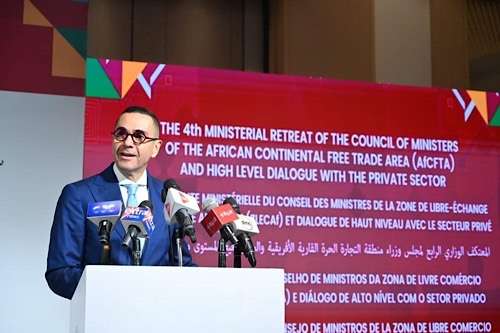
During the ceremony, Dr. Talaat delivered Egypt’s statement, conveying President Abdel Fattah El-Sisi’s appreciation for Vietnam’s hospitality in hosting the event and highlighting the deep ties between the two nations. He noted that this year marks the elevation of Egypt-Vietnam relations to a comprehensive partnership, expressing gratitude for the warm reception.
Dr. Talaat emphasized that the signing marks a historic step toward establishing a safer and more just global digital ecosystem, reflecting the international community’s commitment to advancing multilateral cooperation. He underscored the significance of the convention in the context of the UN’s 80th anniversary, highlighting the role of information technology and artificial intelligence algorithms in shaping the digital era.
He further stressed Egypt’s belief that justice and the rule of law must extend to cyberspace, ensuring fairness in both physical and virtual realms. Egypt’s contributions during UN discussions have enriched the convention, offering a model for countries to build robust national frameworks. The agreement establishes a strong framework for judicial cooperation, enabling cross-border evidence exchange and legal assistance to uphold the rule of law globally.
Dr. Talaat highlighted Egypt’s two-decade-long efforts to build a comprehensive system to protect its digital space, integrating legislative frameworks, judicial institutions, law enforcement, and specialized teams at the National Computer and Network Emergency Response Center. These efforts align with Egypt’s vision of building a “Digital Egypt”—a secure, inclusive, sustainable, and globally engaged society.
Egypt has also played a key role in shaping a balanced convention text that upholds justice and respects the rule of law. Beyond its contributions to the agreement, Egypt is committed to fostering regional and international cooperation by sharing expertise and building capacity, particularly with Arab and African partners. Dr. Talaat announced Egypt’s ongoing efforts to establish the Egyptian-African Center for Preventing and Combating Cybercrime in collaboration with the UN Office on Drugs and Crime. This center will serve as a regional platform for capacity-building, knowledge exchange, and coordination, transforming political will into practical tools for justice and cybersecurity.
Dr. Talaat invited member states and international organizations to participate in an upcoming international conference in Cairo to discuss the convention’s implementation and translate its provisions into actionable policies and partnerships. He emphasized that the convention represents a bridge to a new era of collective action, embodying the global commitment to securing the digital world through a pioneering multilateral legal framework.
In closing, Dr. Talaat reaffirmed Egypt’s dedication to working with partners to transform this legal framework into a platform for cooperation, innovation, development, and human connection in an era of rapid technological advancement. He stressed that cybersecurity is a shared responsibility, essential for the safety of humanity. Egypt remains committed to ensuring that information and communication technologies serve as forces for progress and peace, fostering a secure, sustainable, and inclusive digital future for all.