


































































































































































































































































































































































































































































































































Friday, 09 October 2026
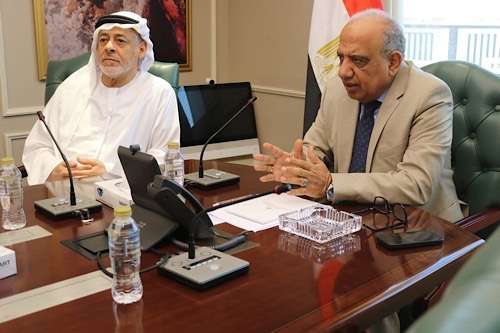
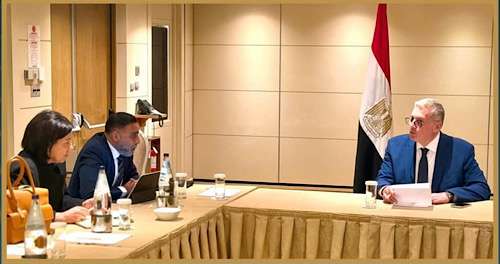
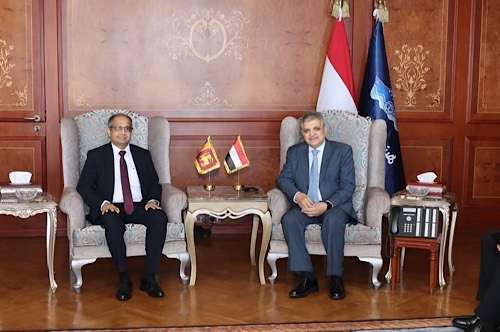
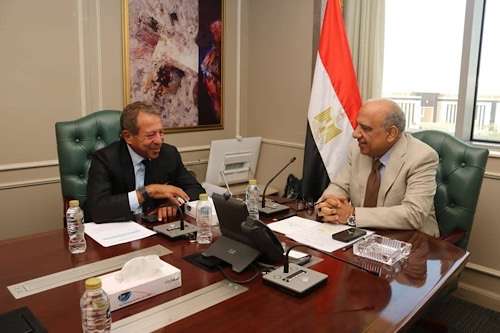
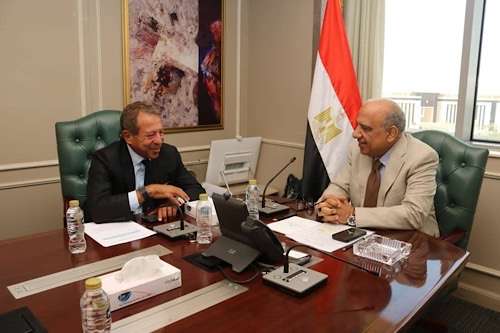
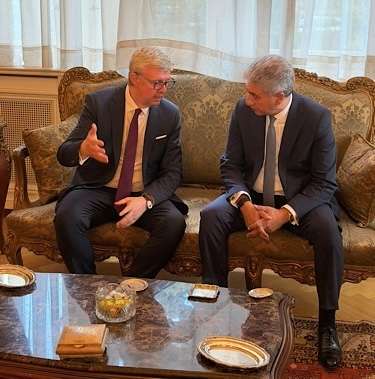
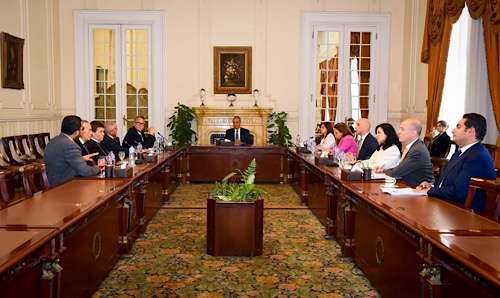
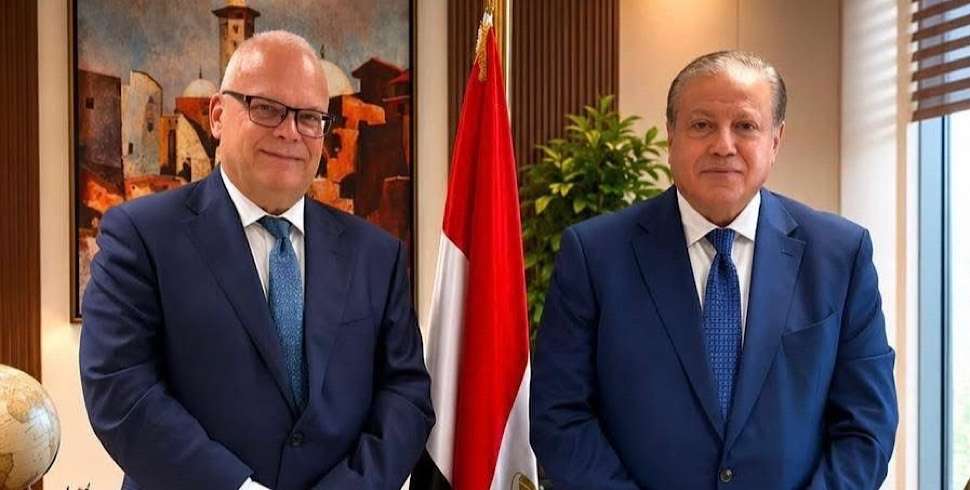
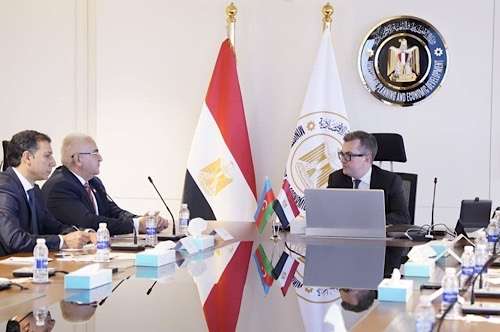
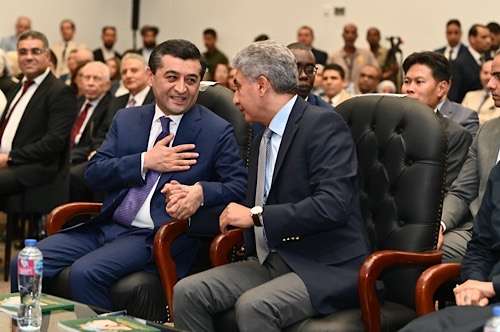
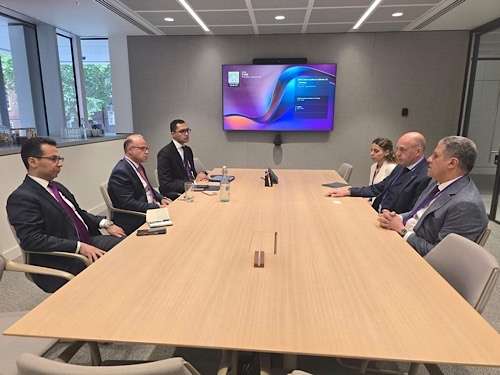
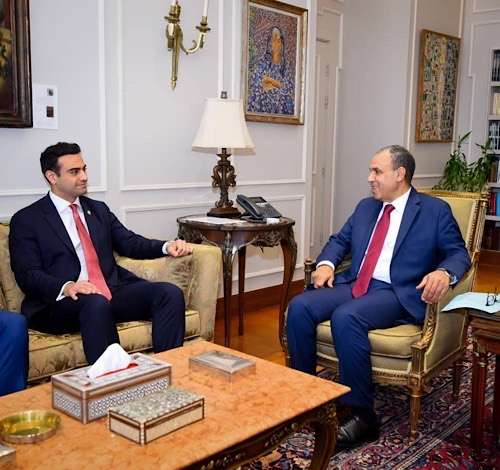
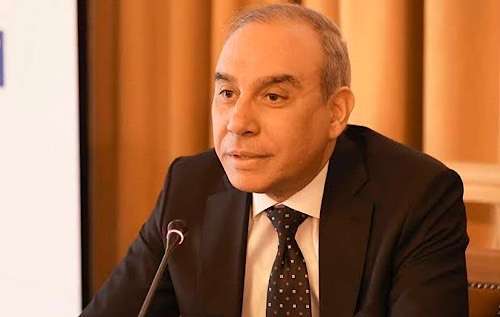
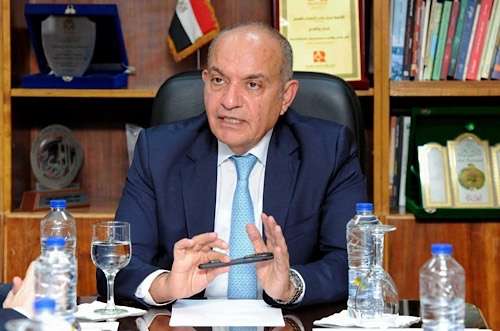
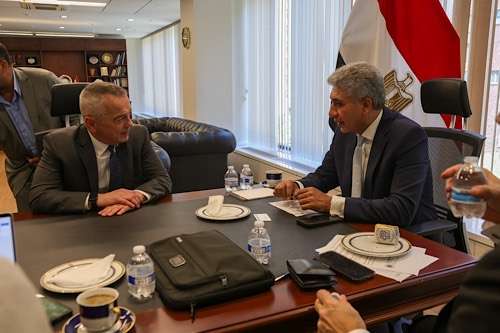
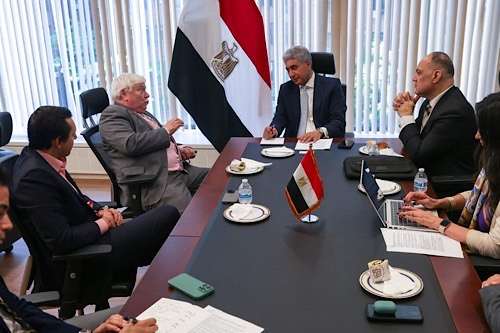
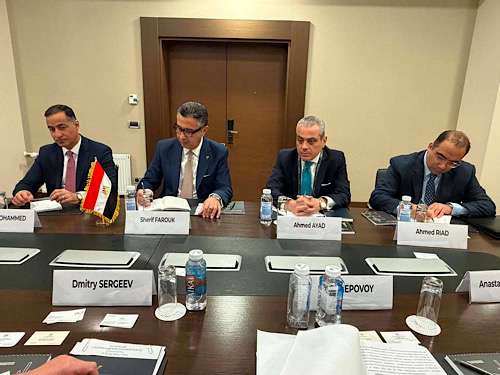
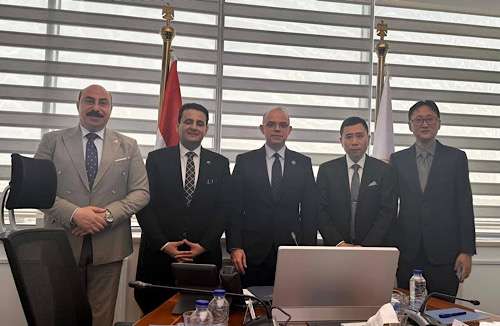
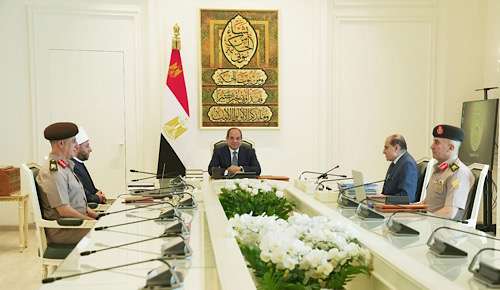
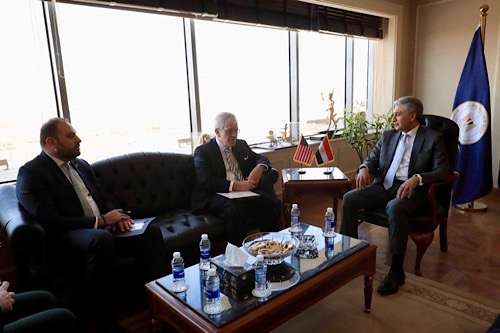
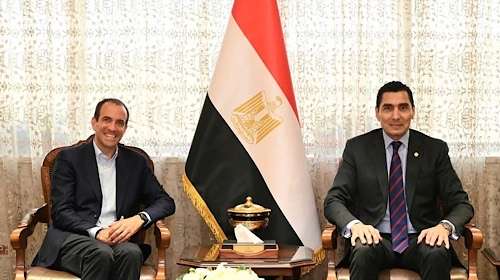
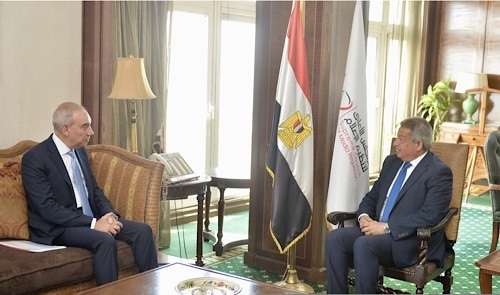
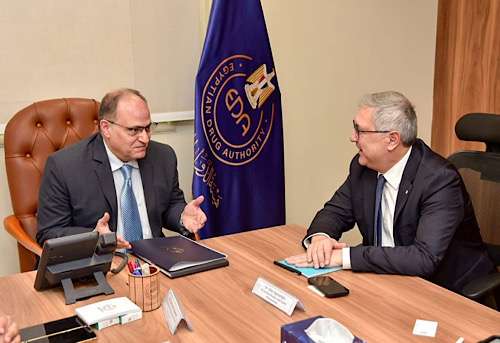
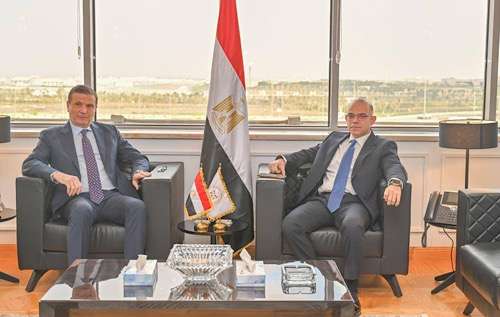
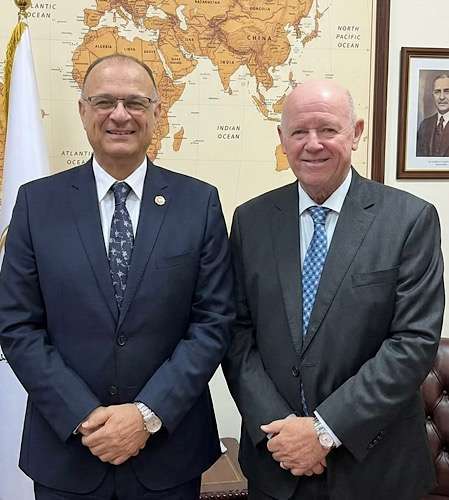
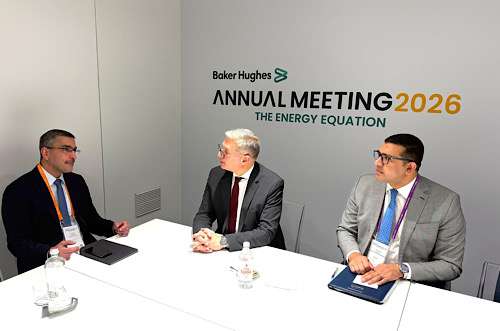
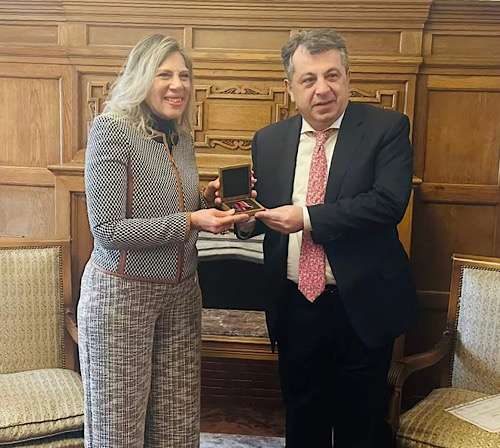
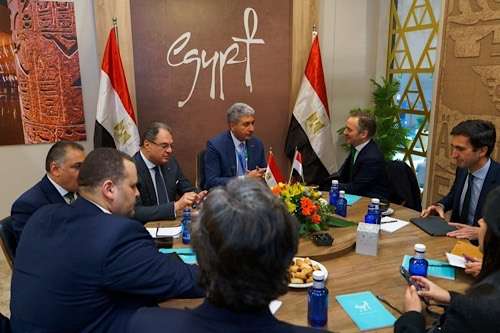
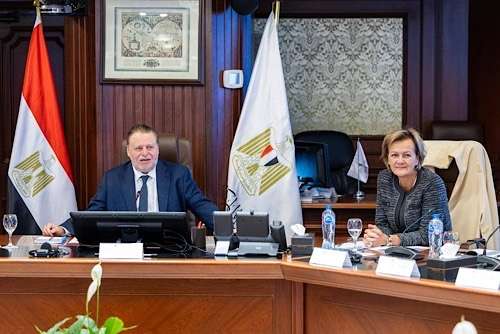
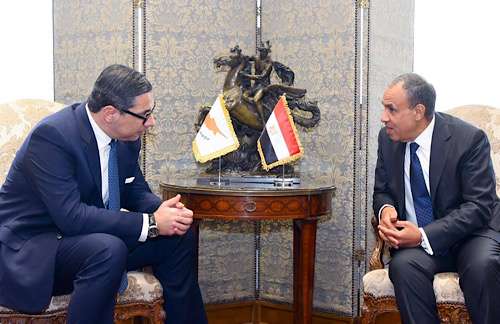
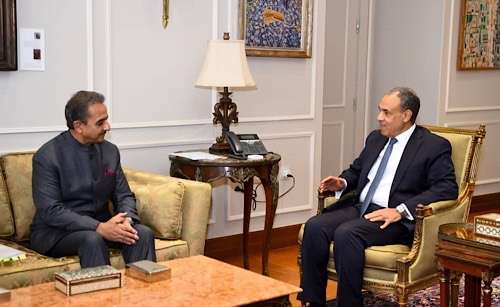
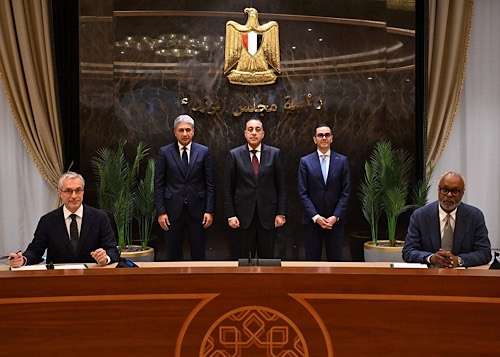
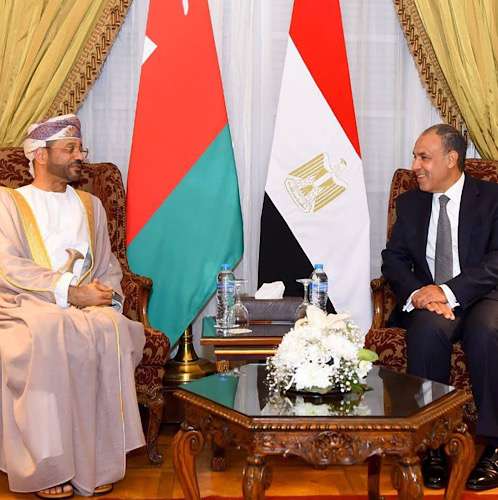
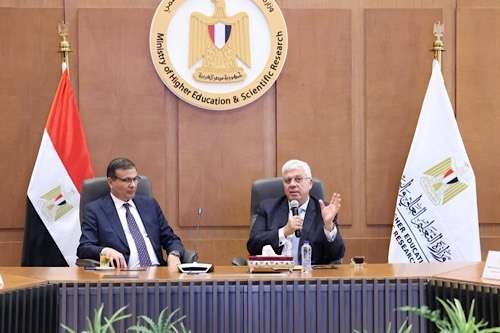
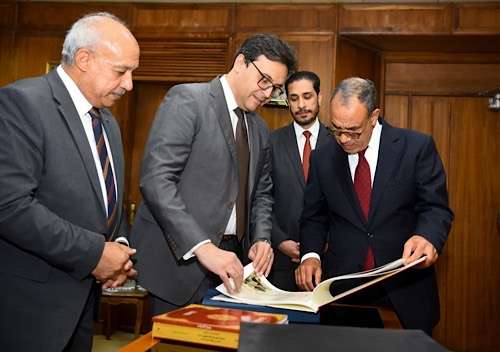
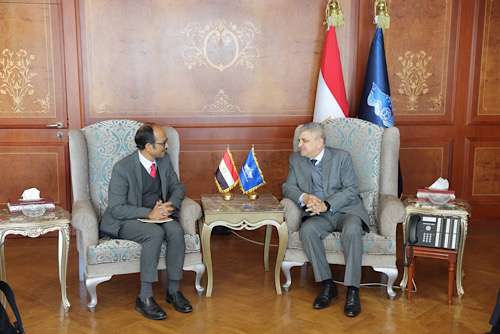
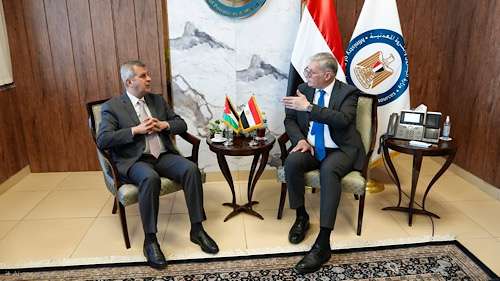
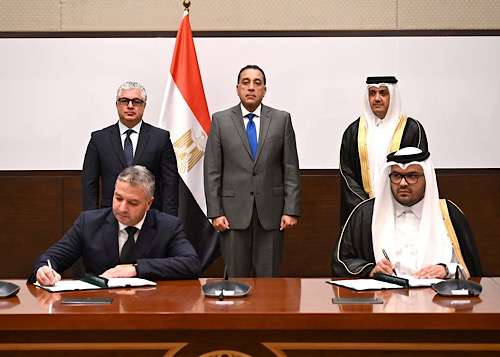
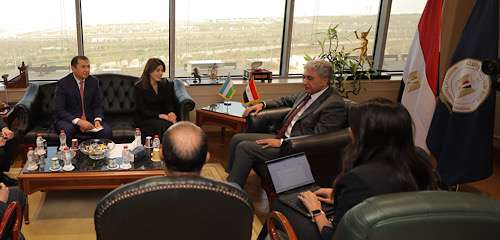
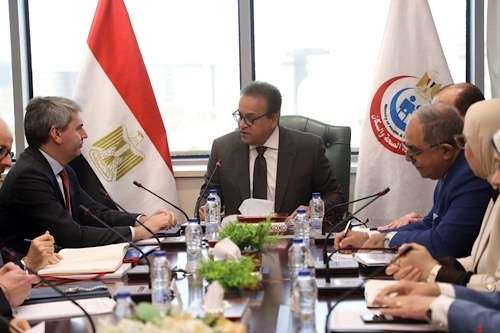
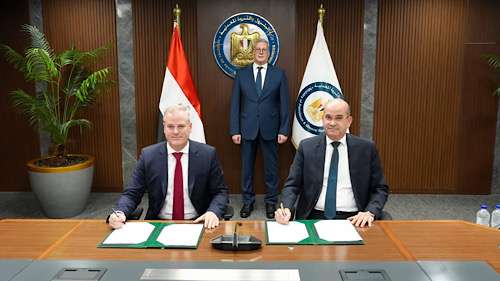
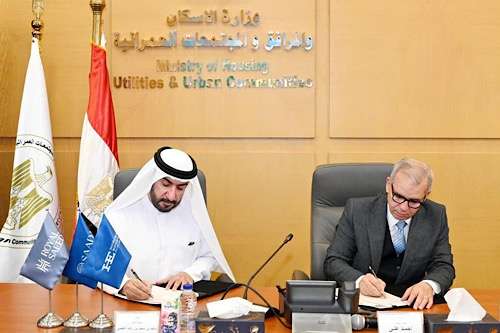
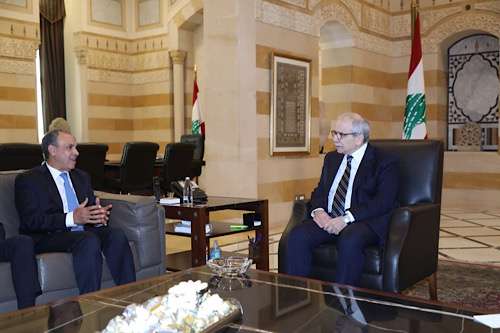
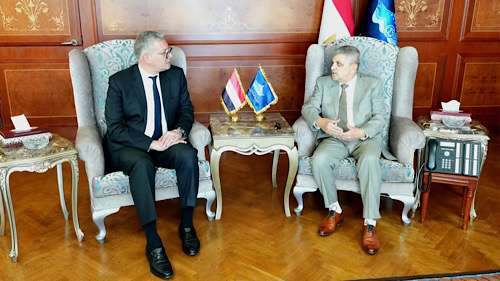
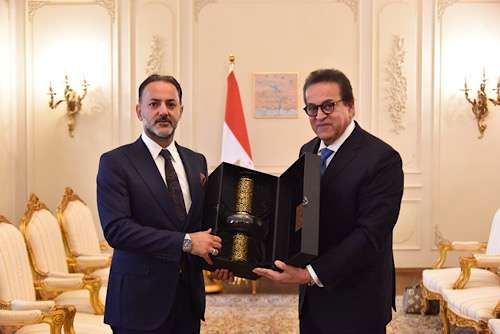
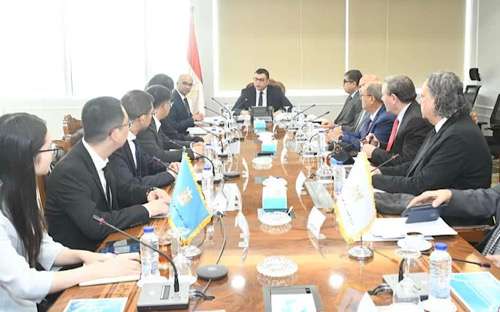
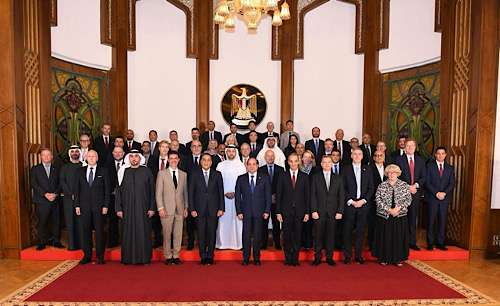
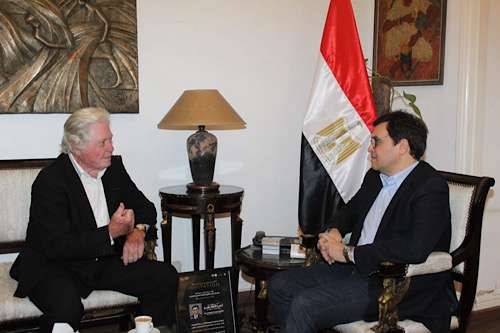
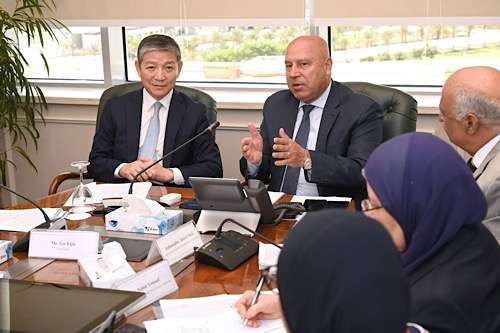
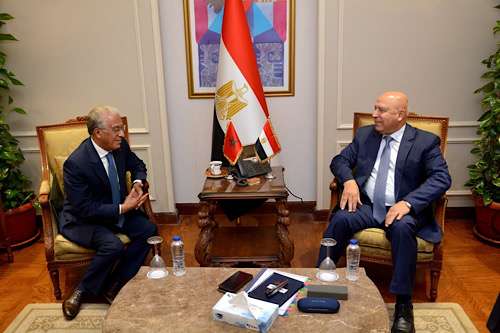
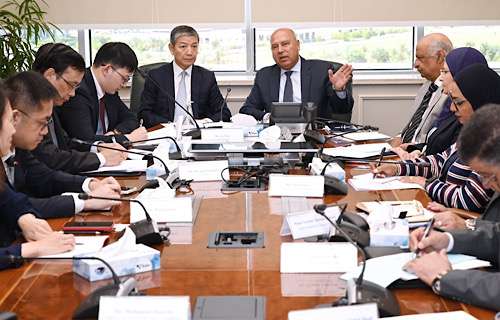
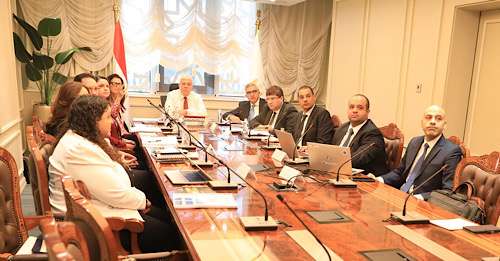
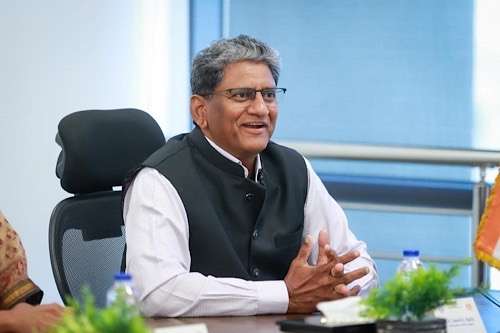
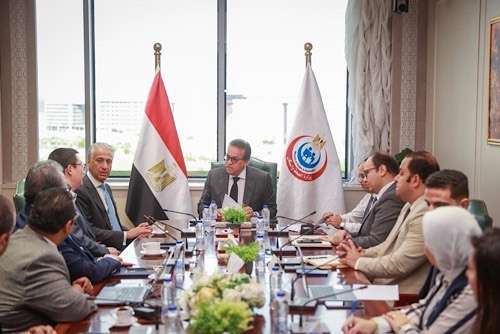
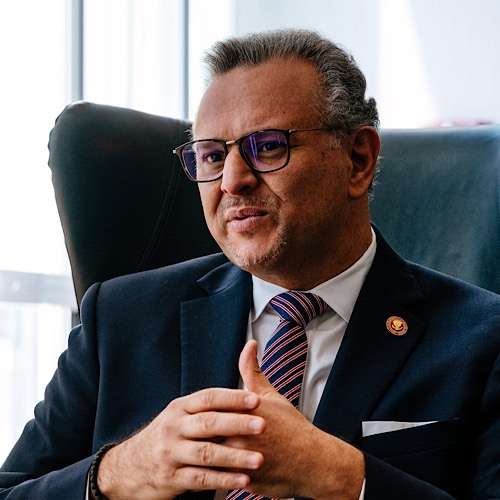
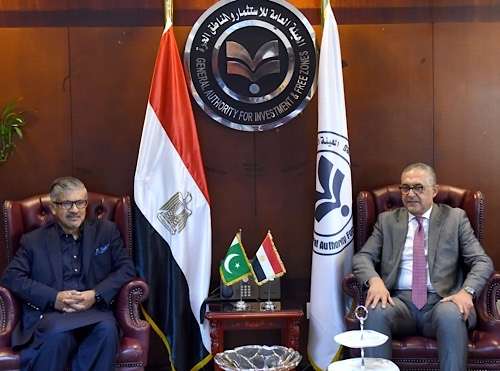
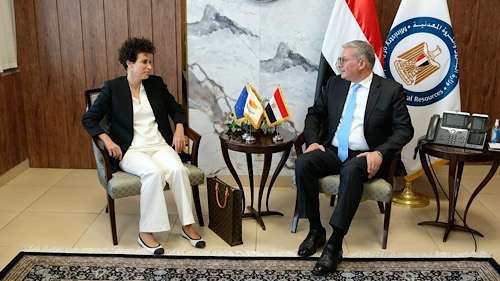
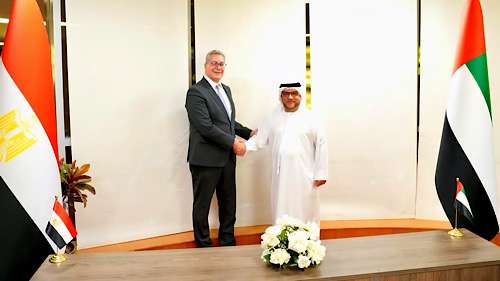
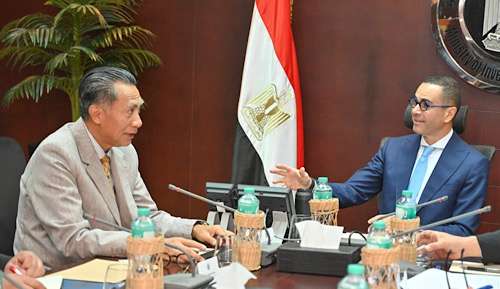
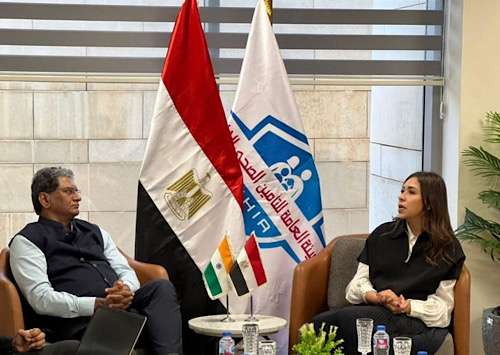
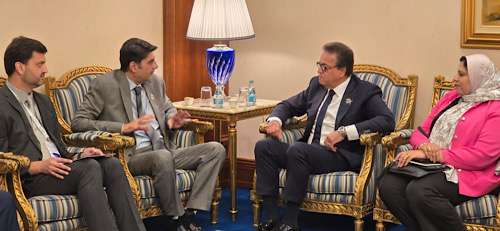
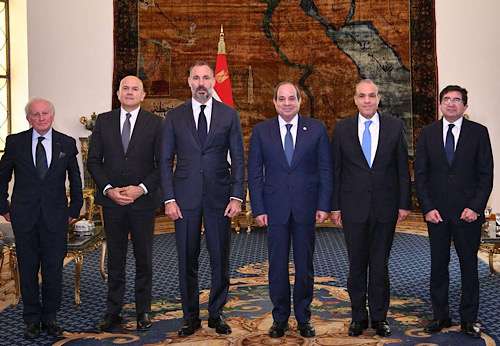
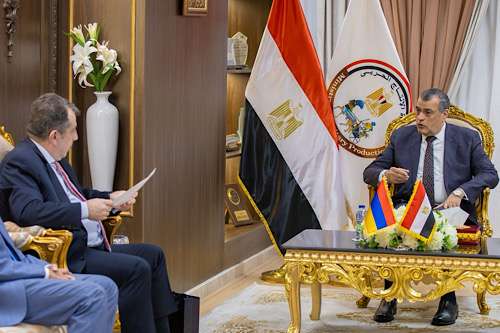
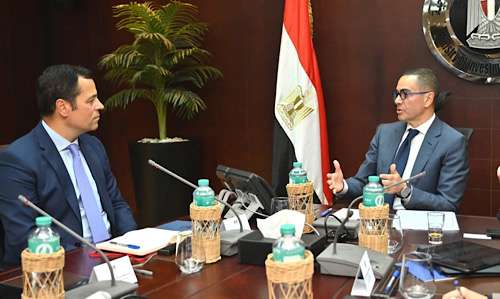
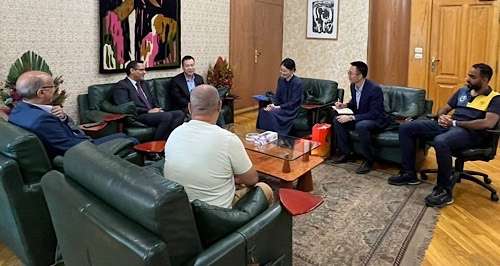
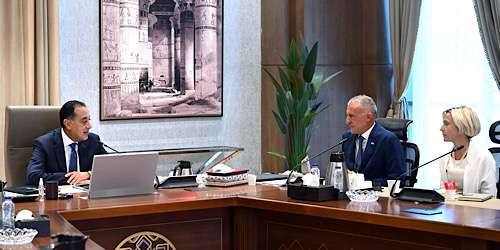
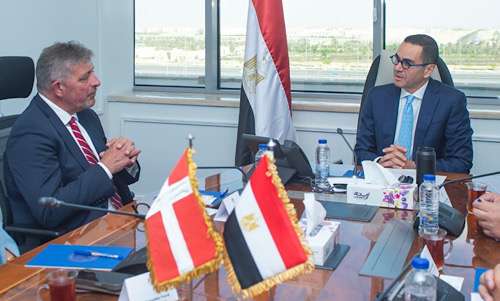
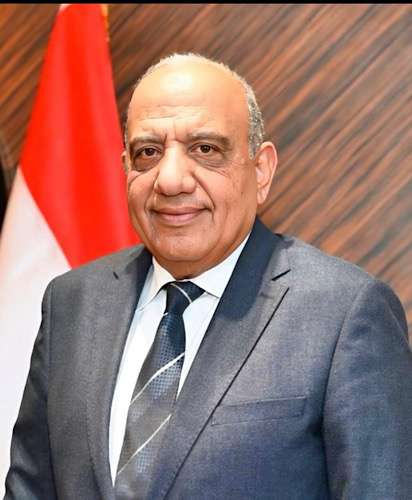
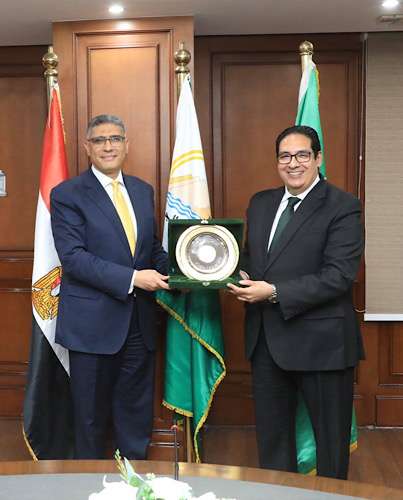
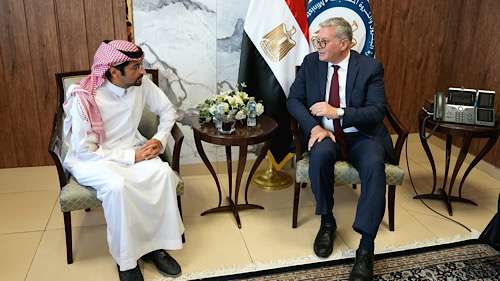
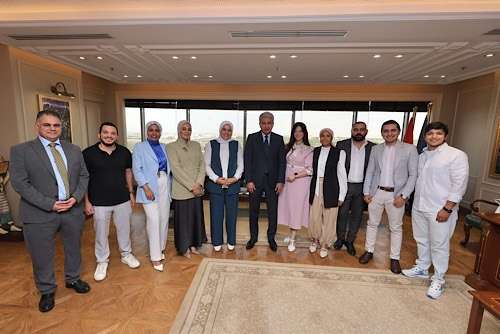
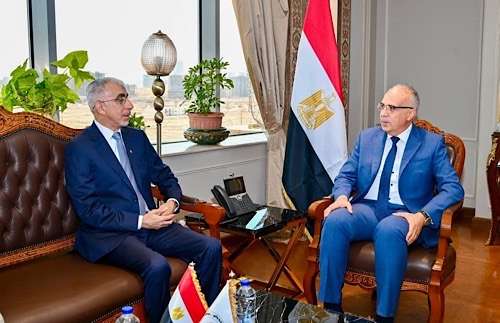
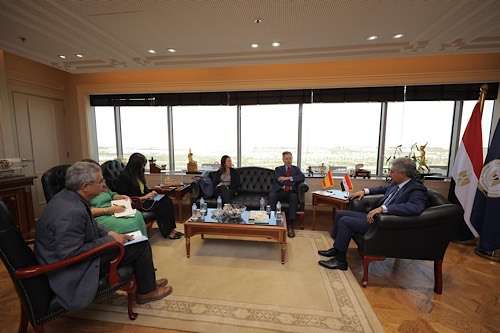
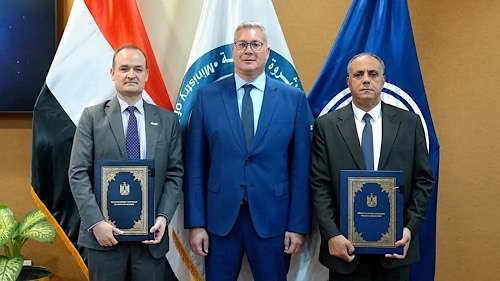
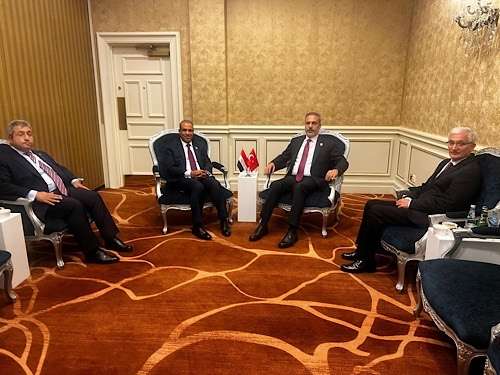
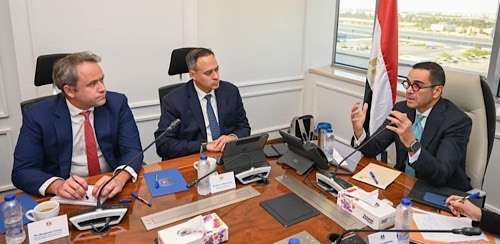
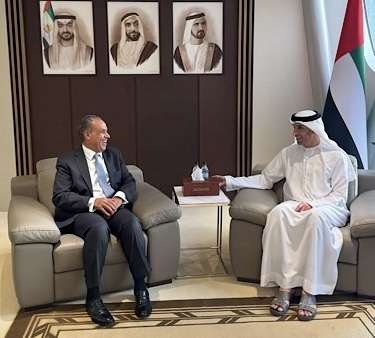
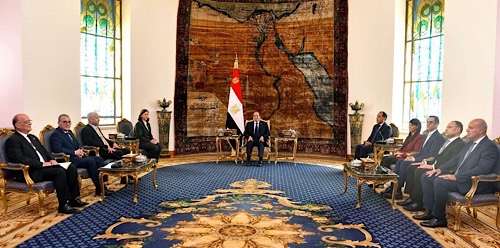
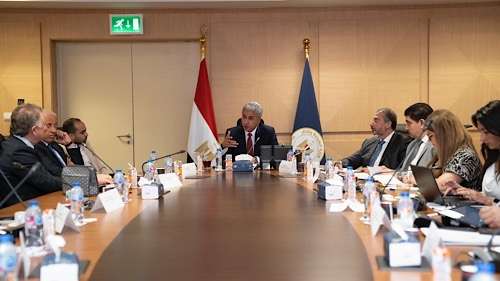
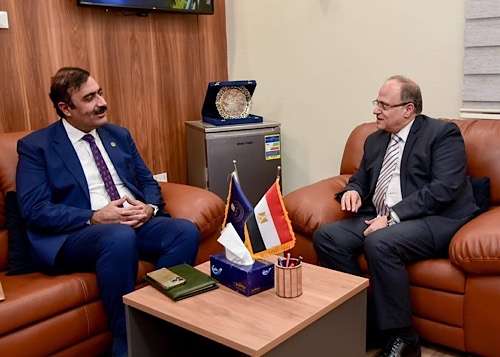
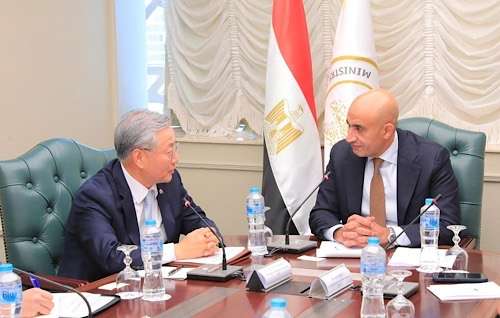
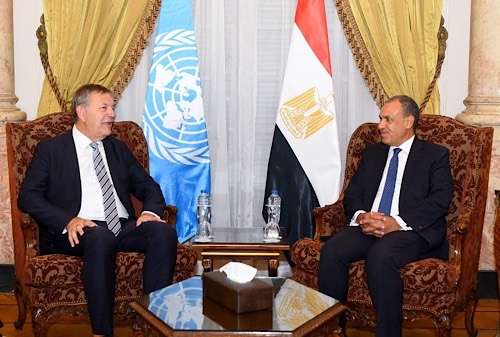
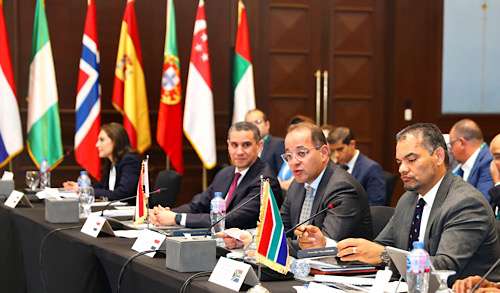
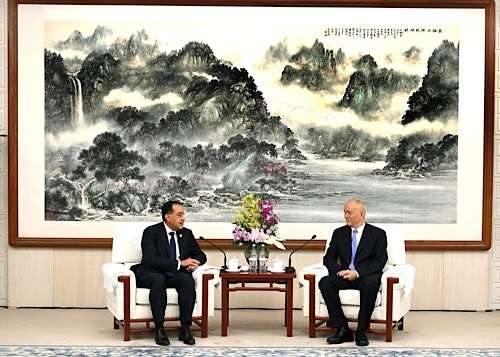
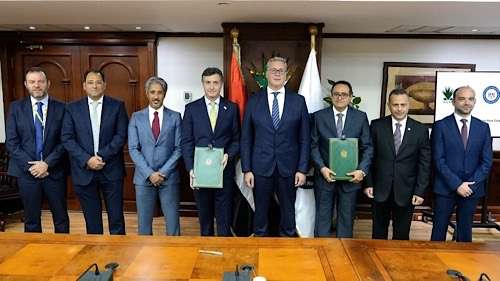
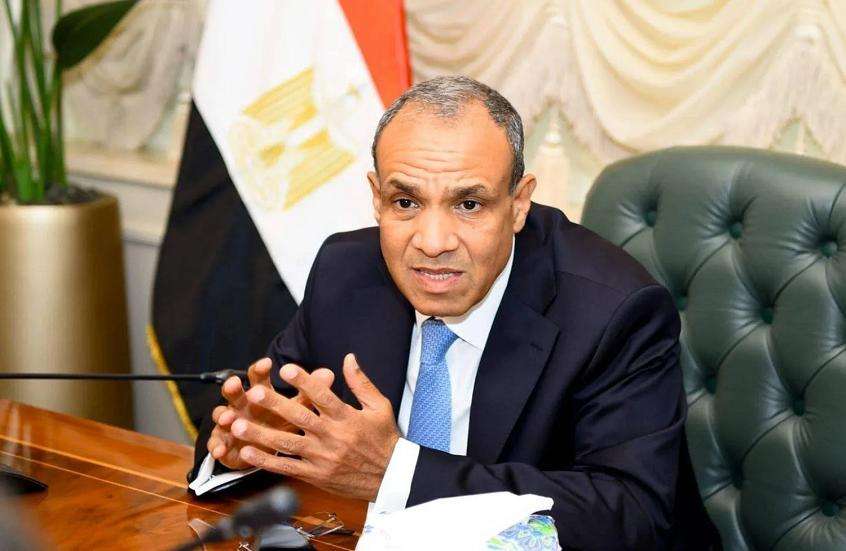
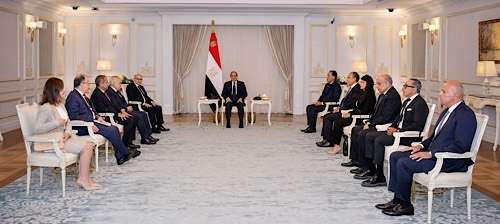
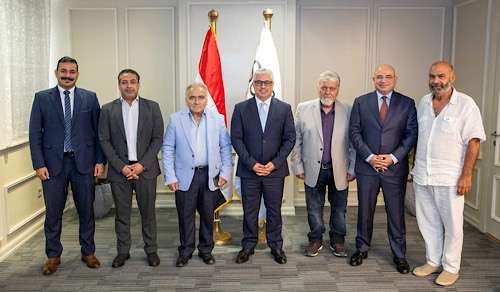
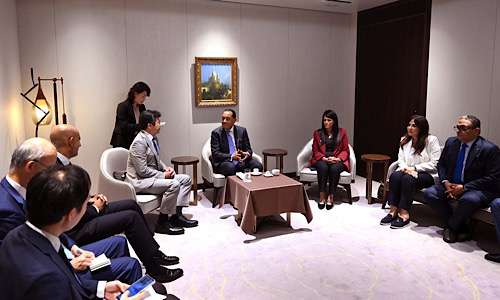
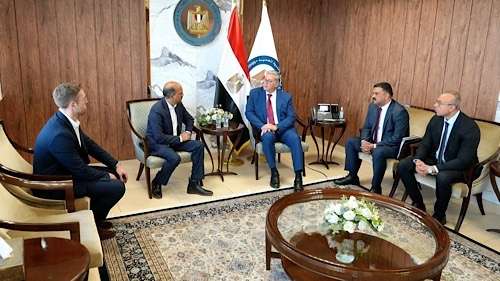
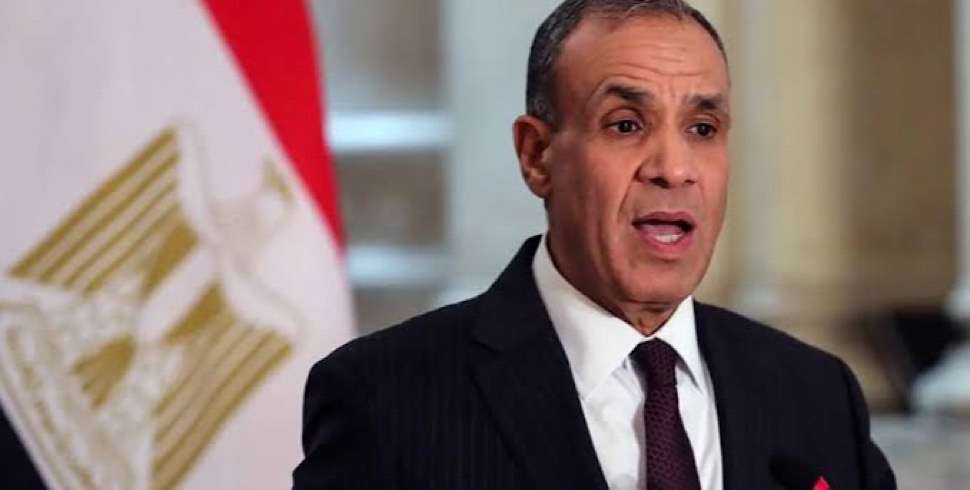
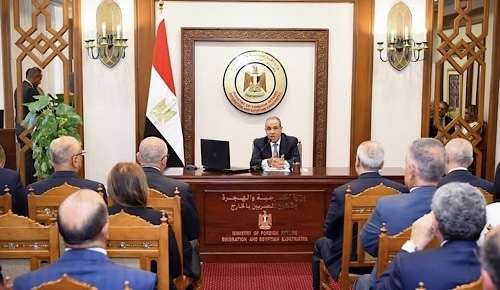
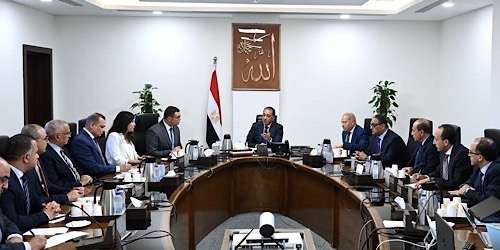
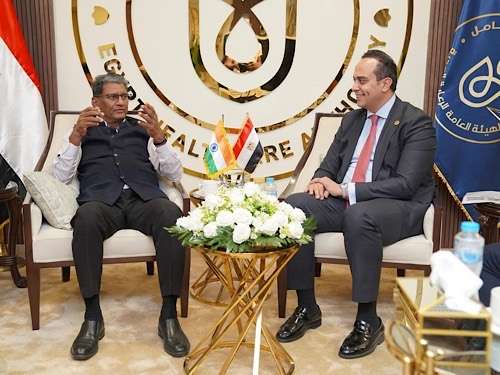
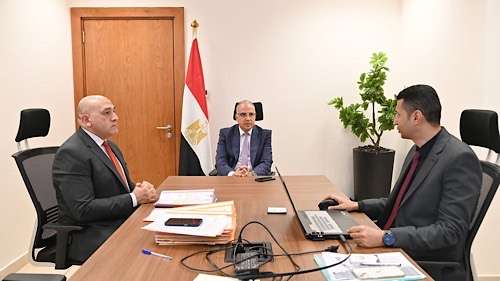
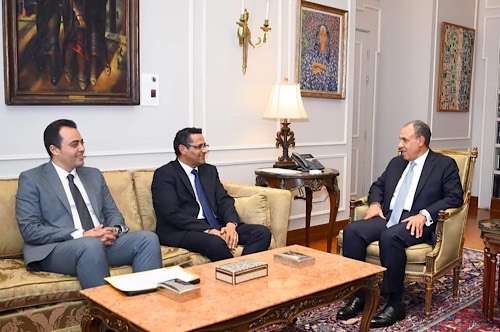
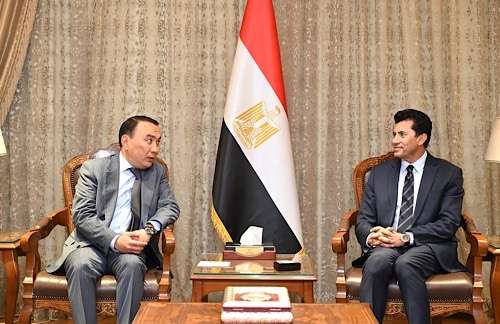
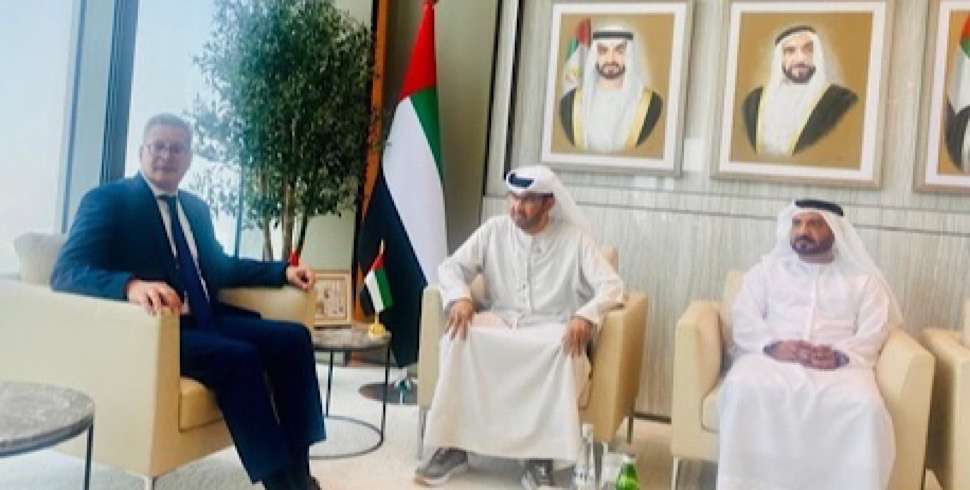
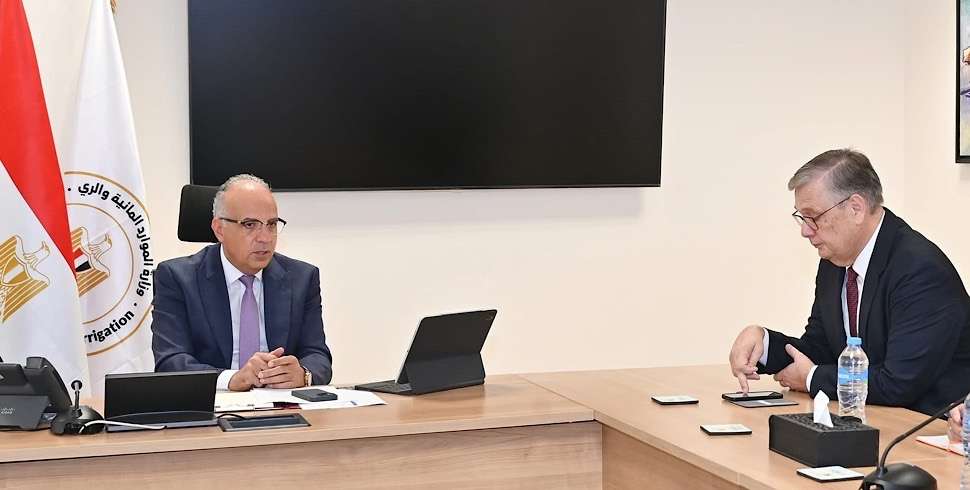
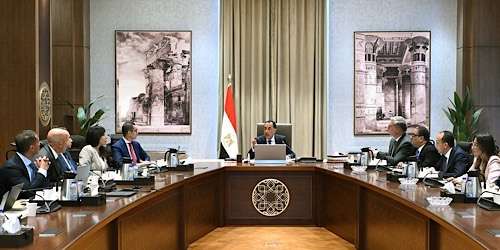
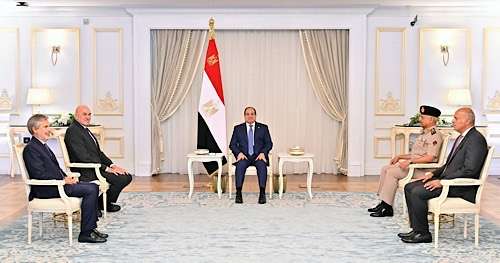
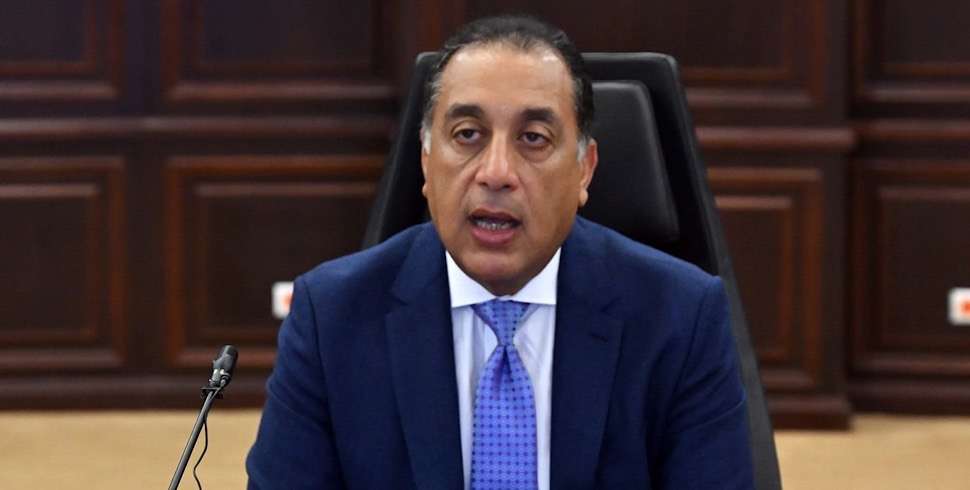
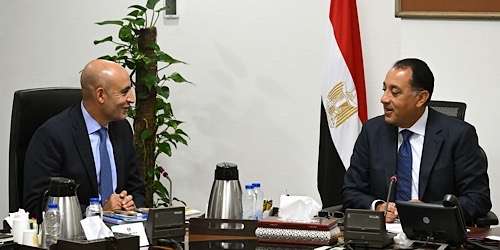
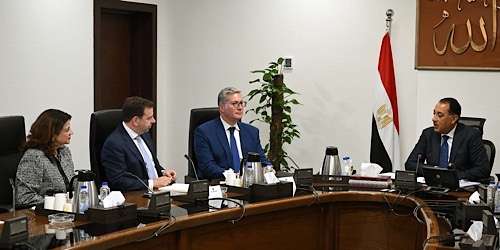
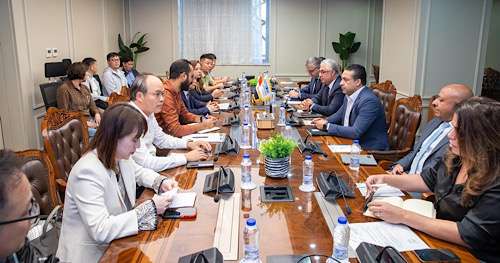
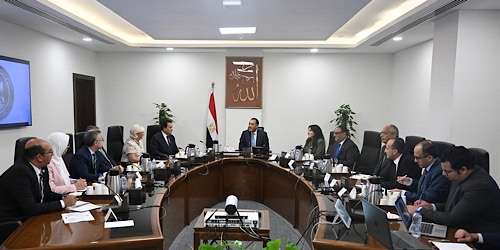
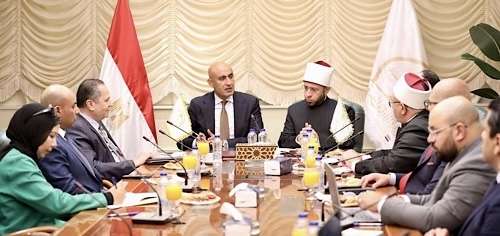
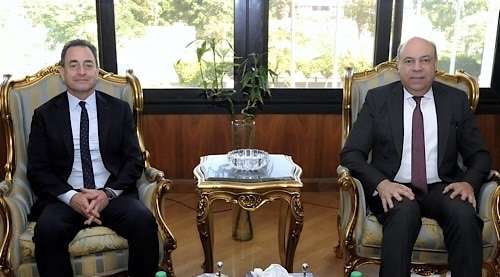
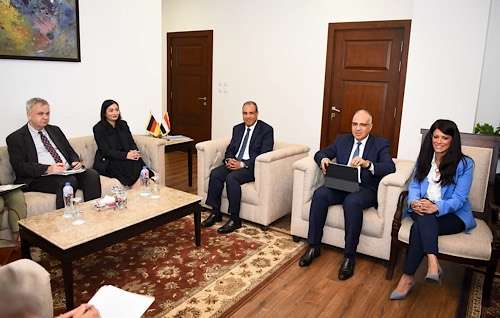
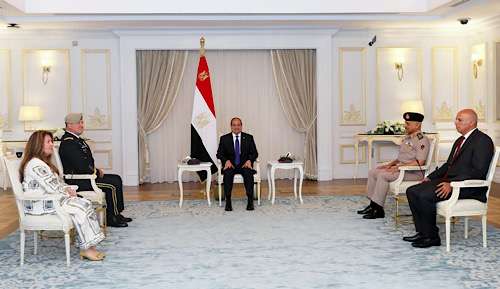
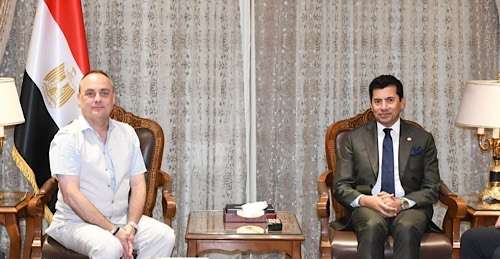
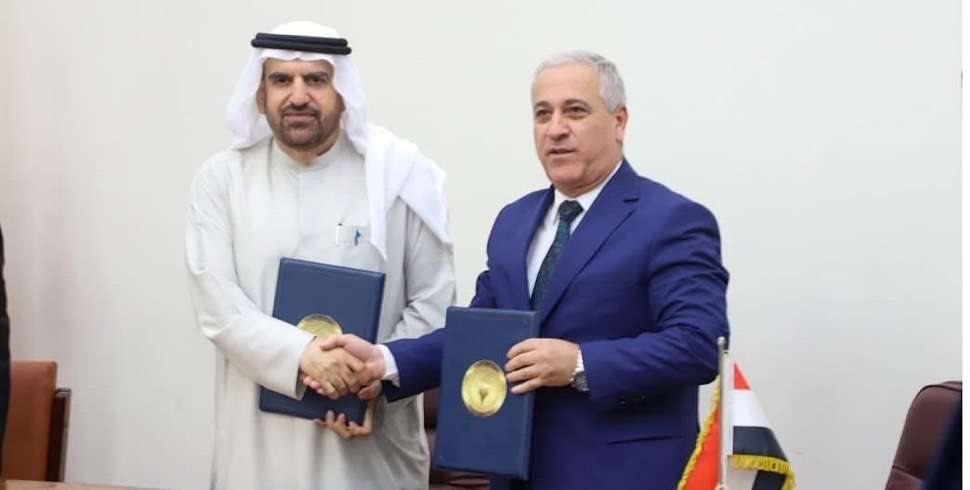
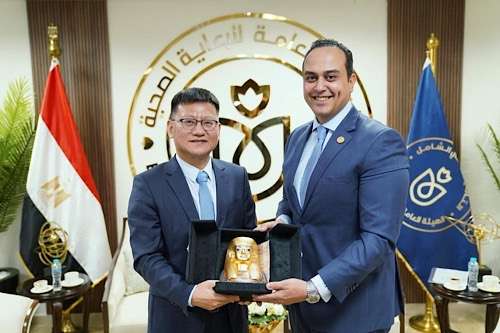
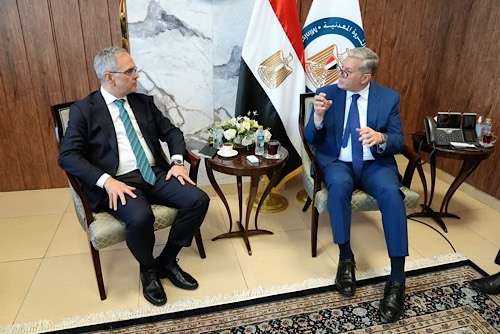
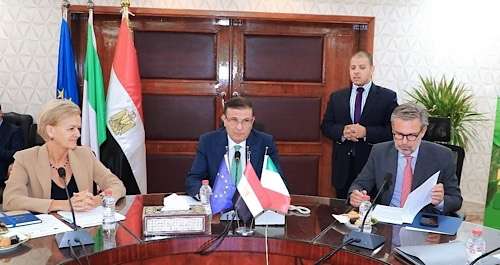
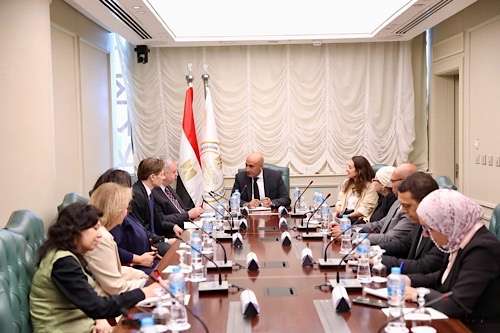
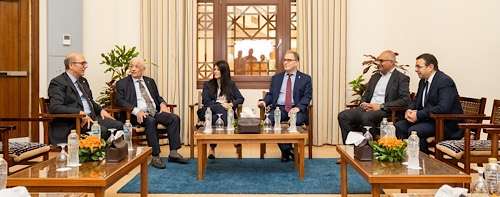
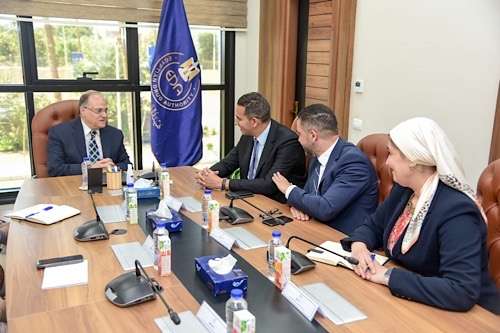
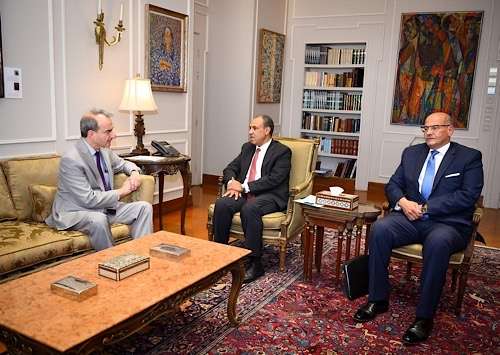
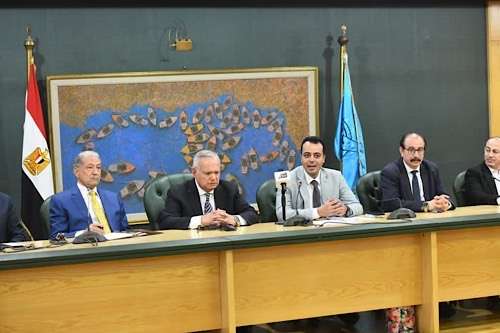
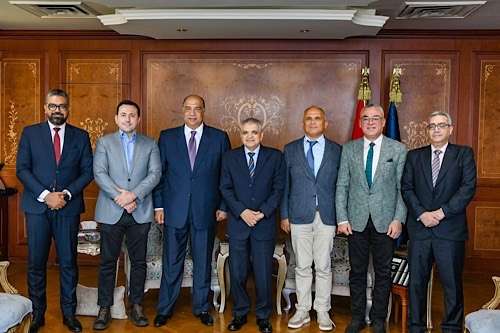
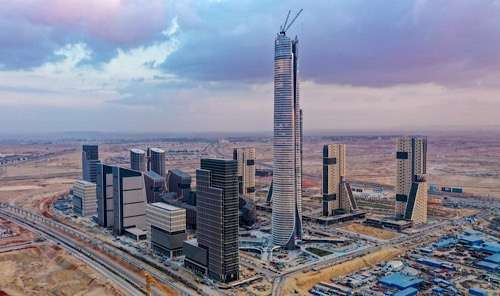
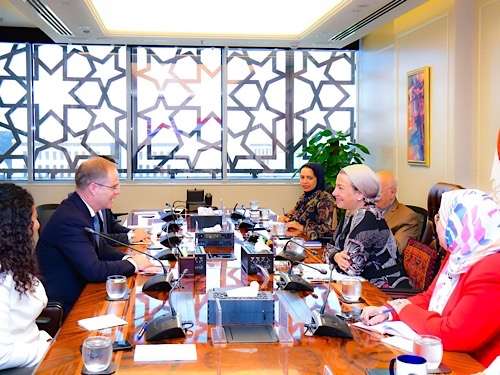
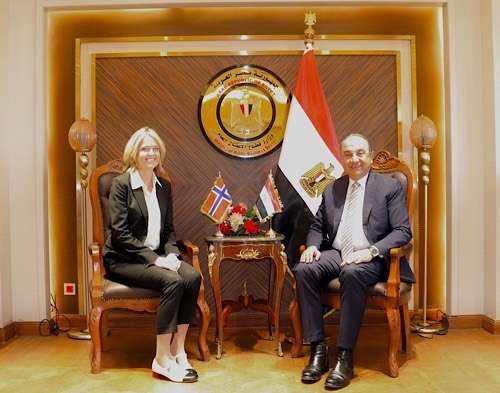
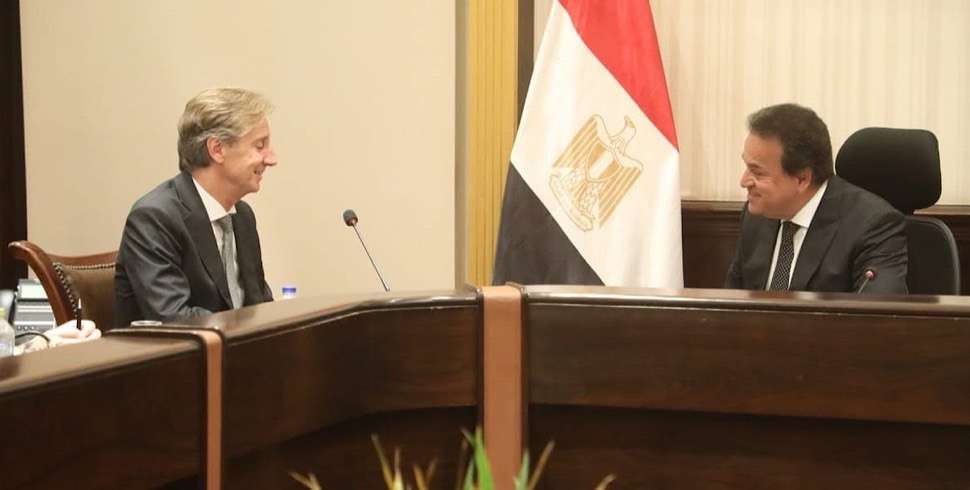
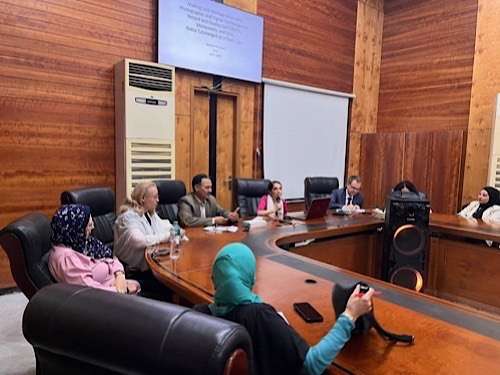
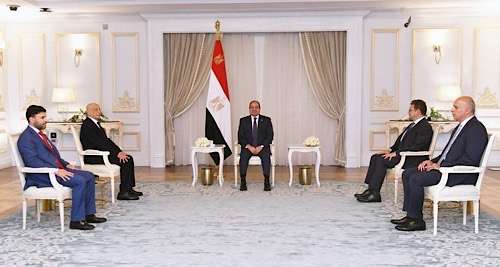
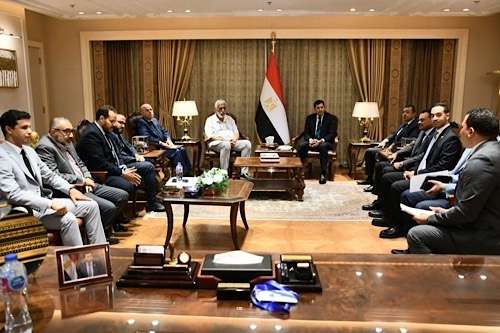
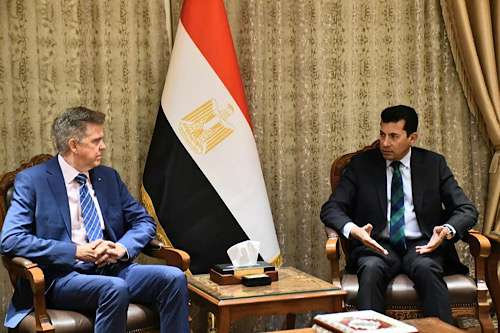
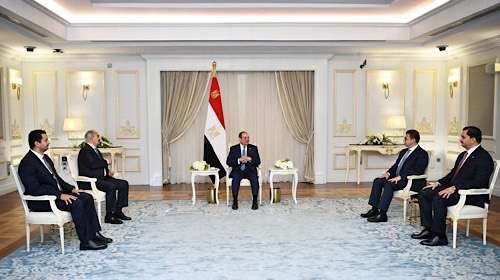
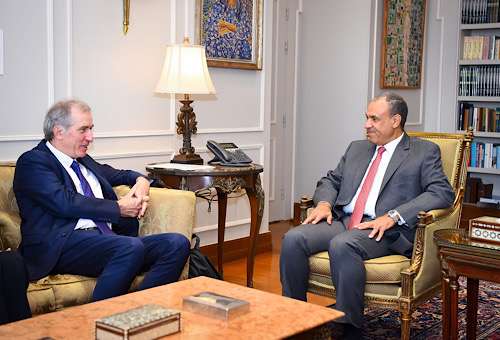
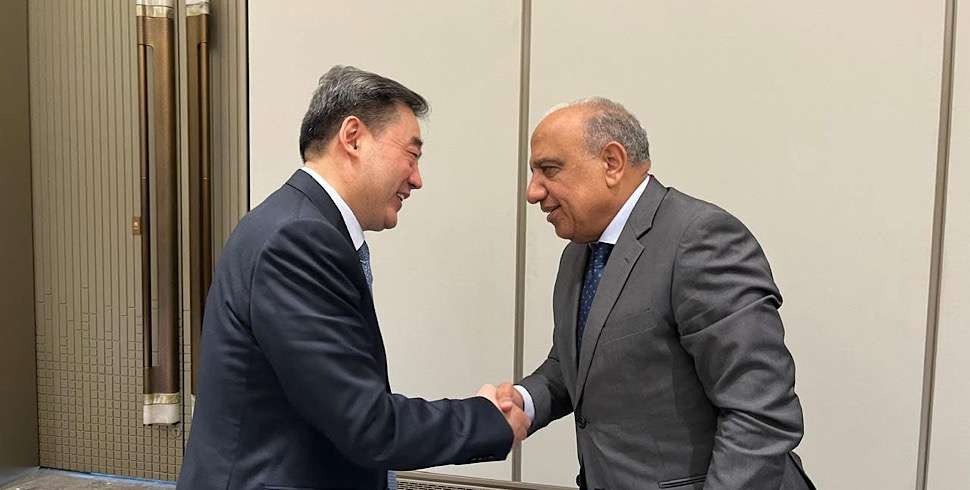
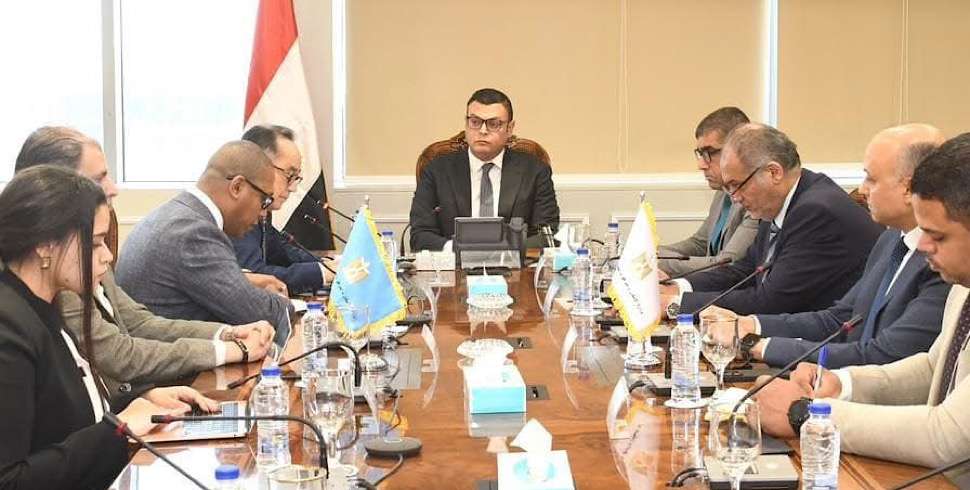
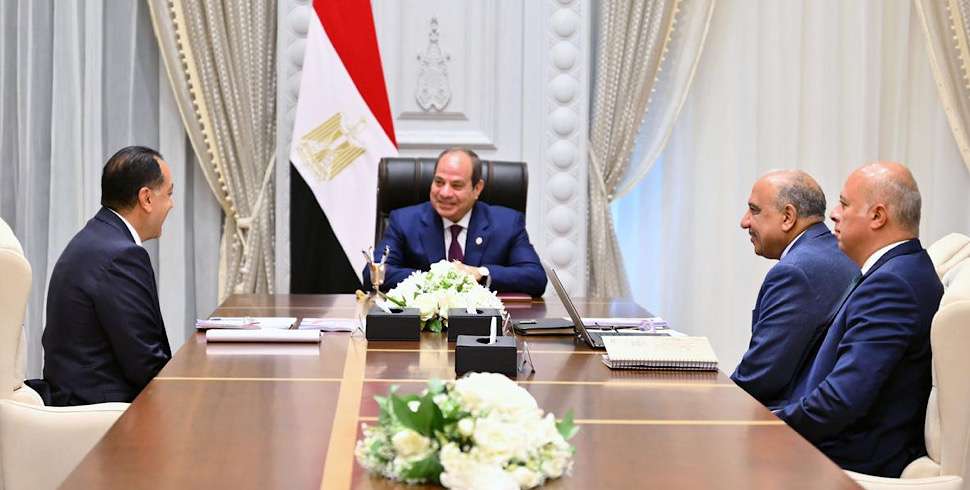
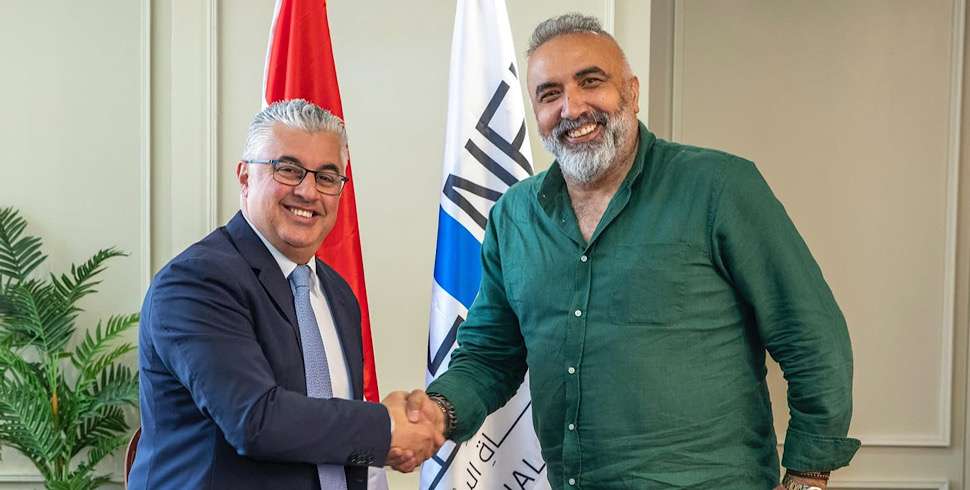
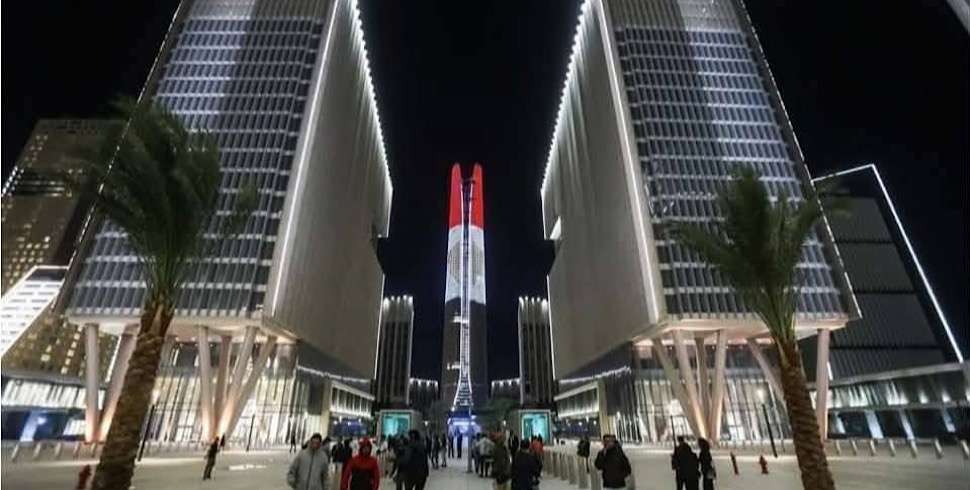
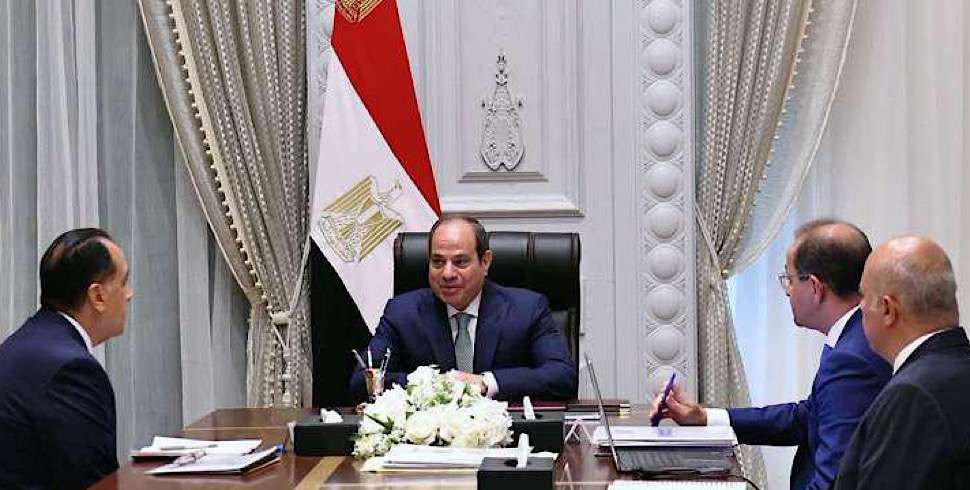
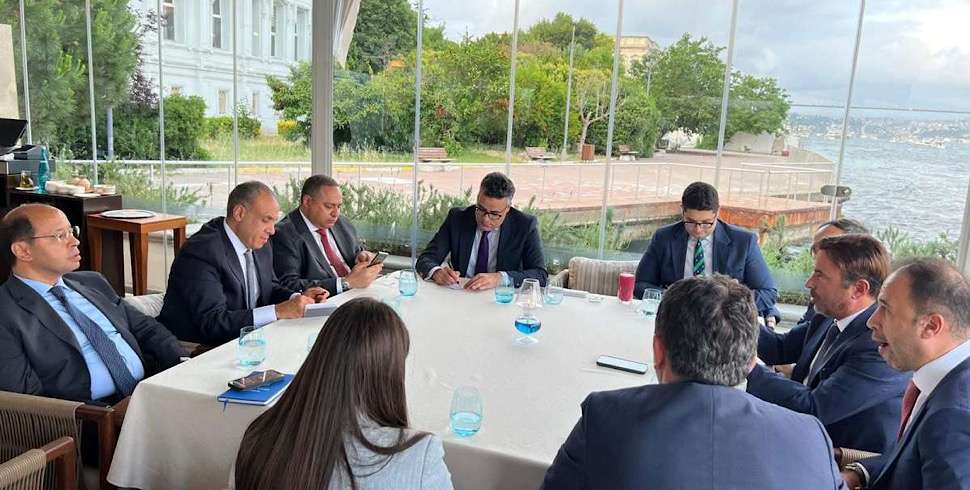
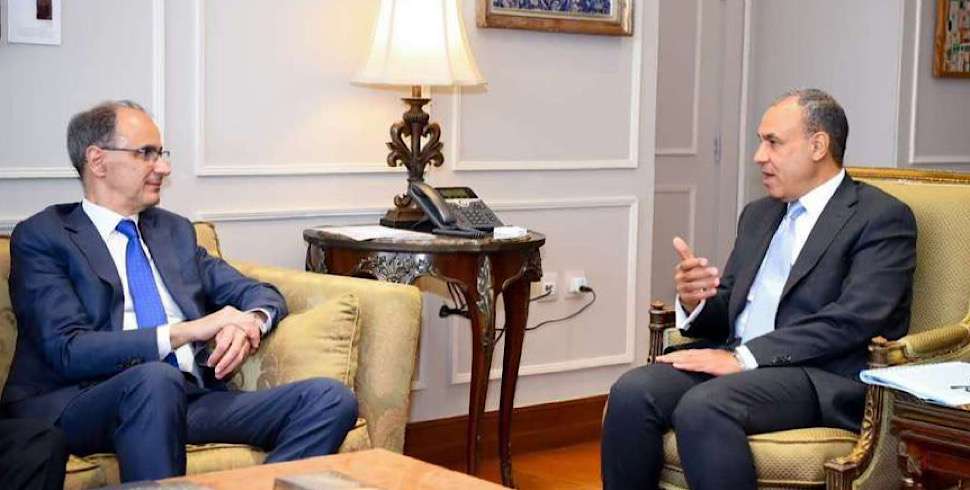
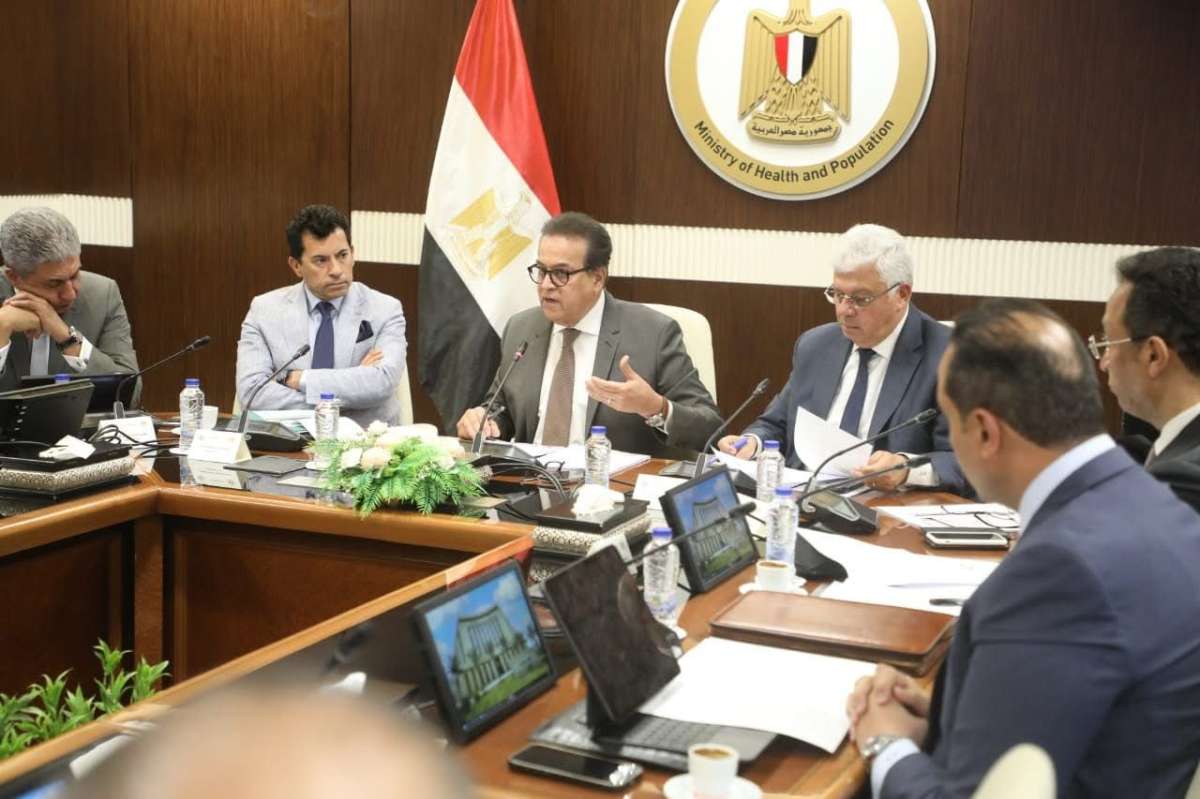
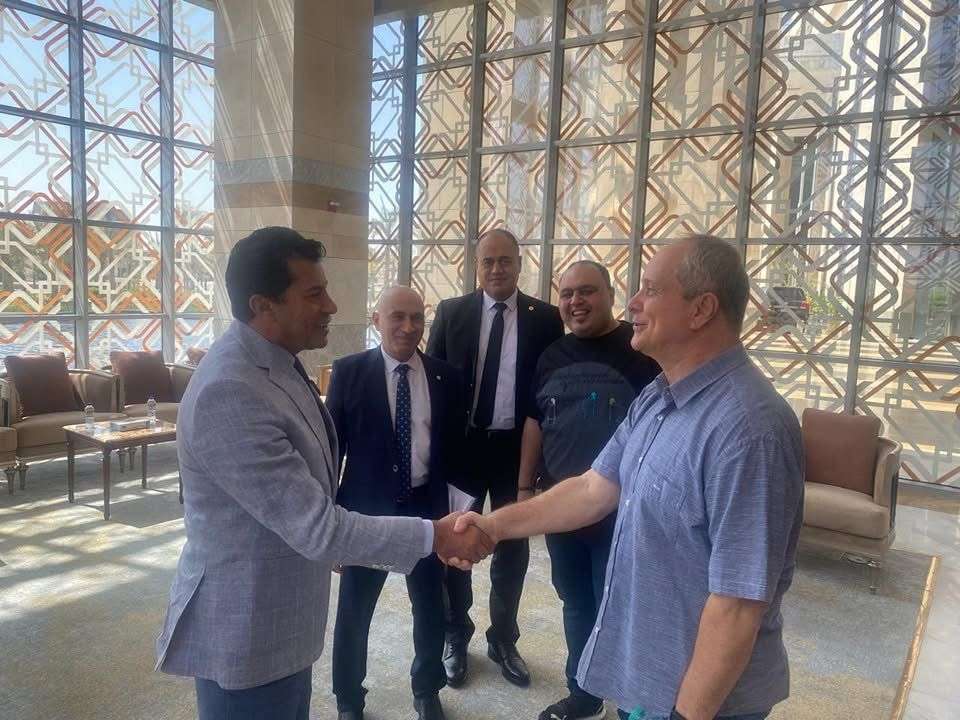
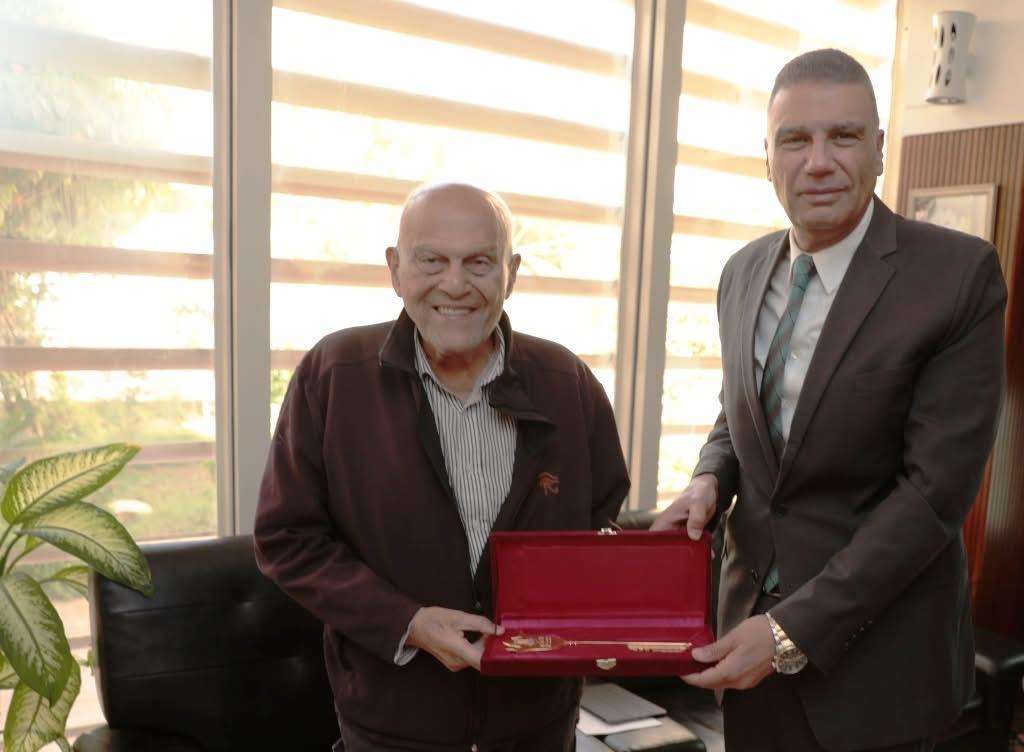
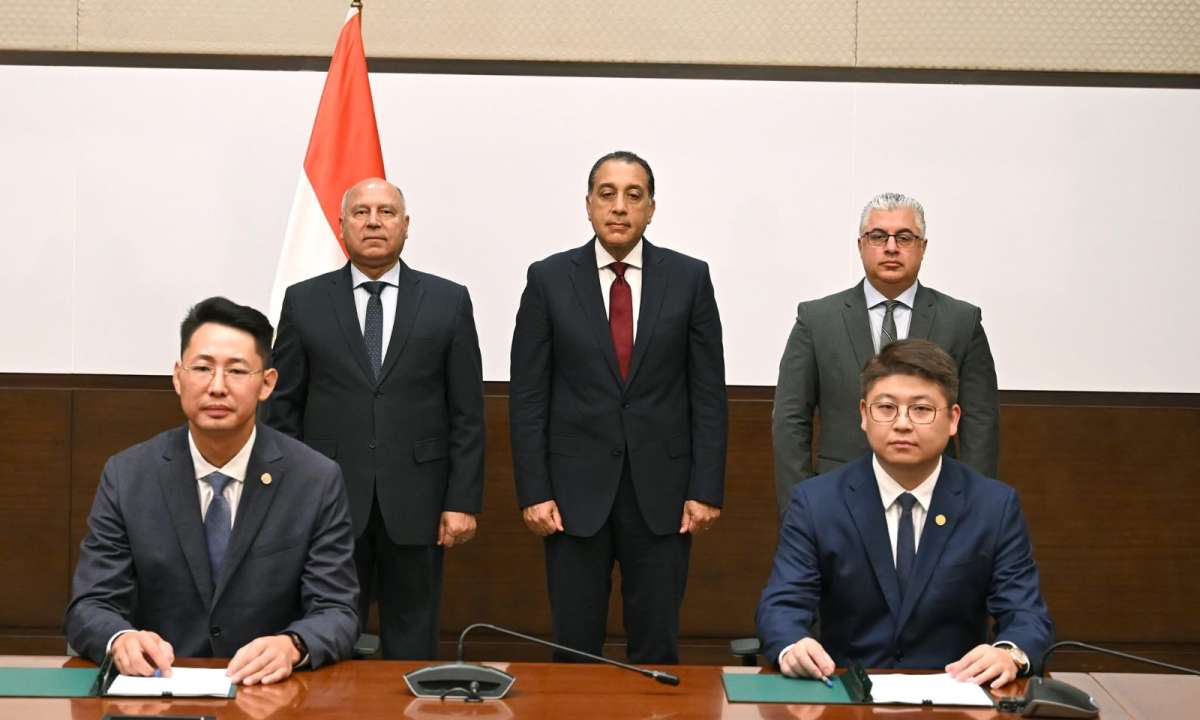
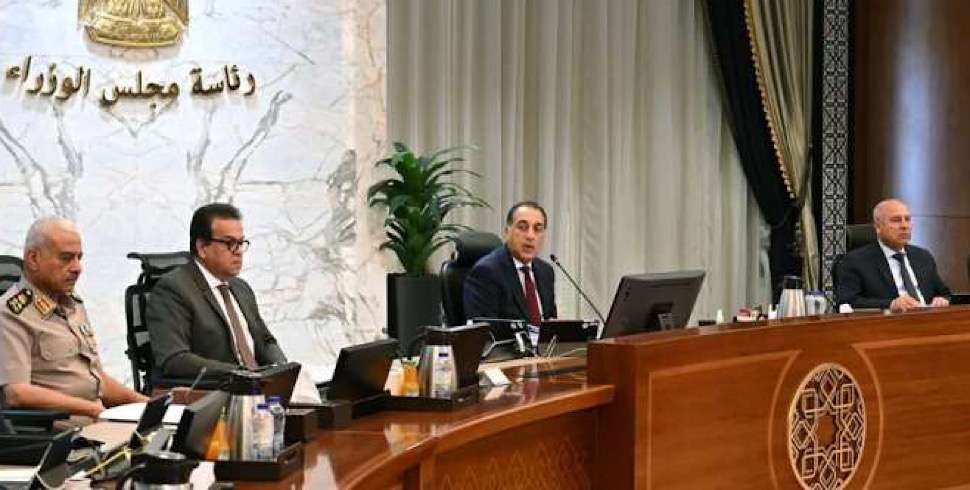
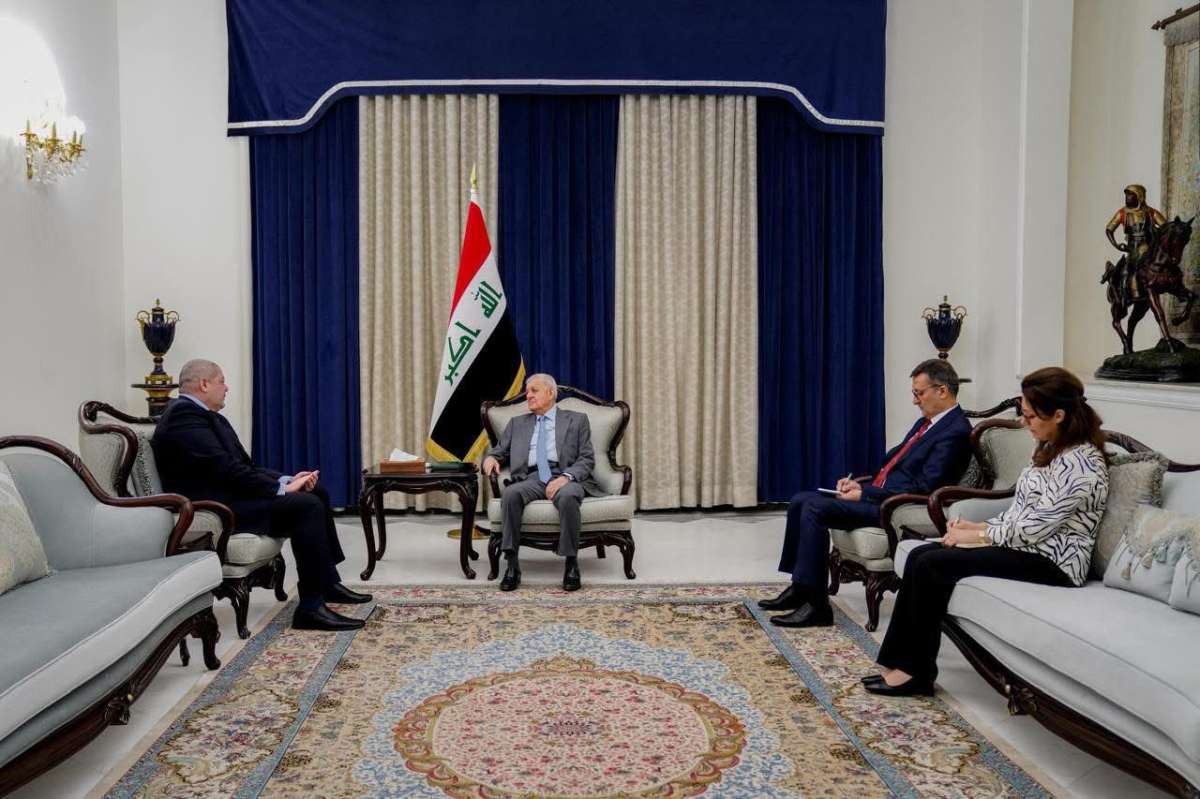
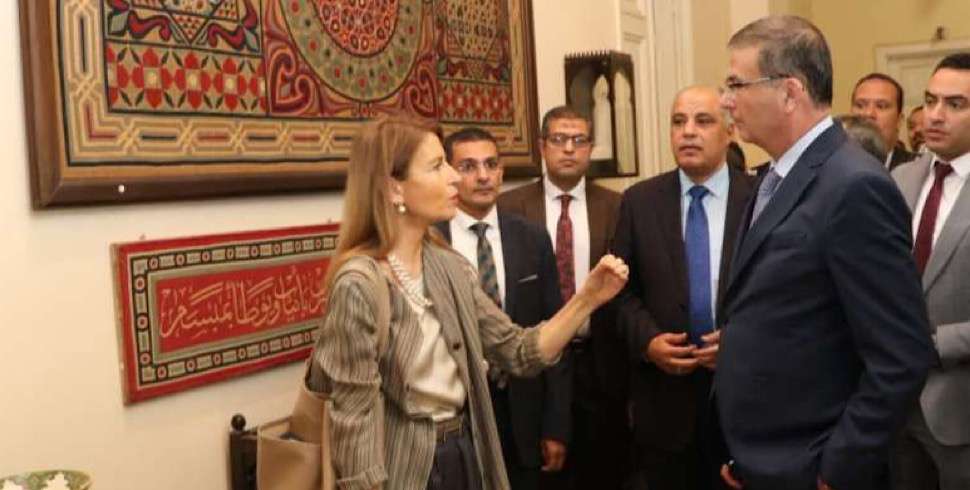
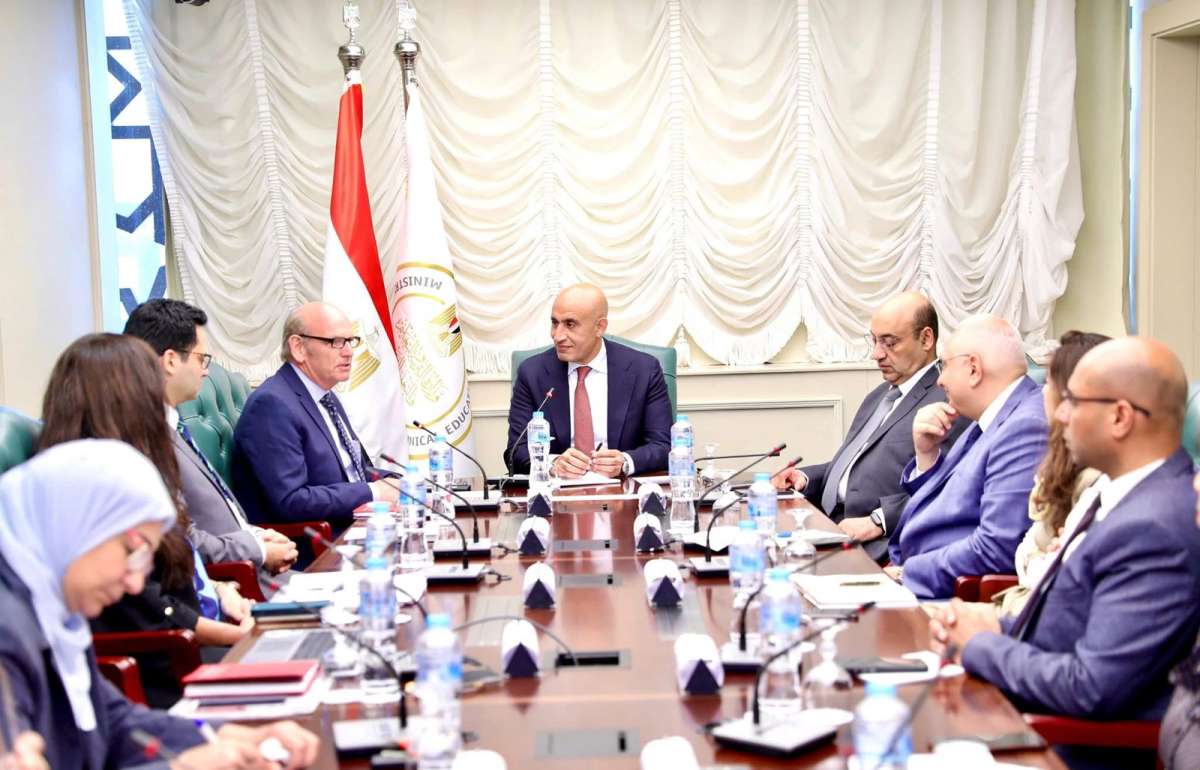
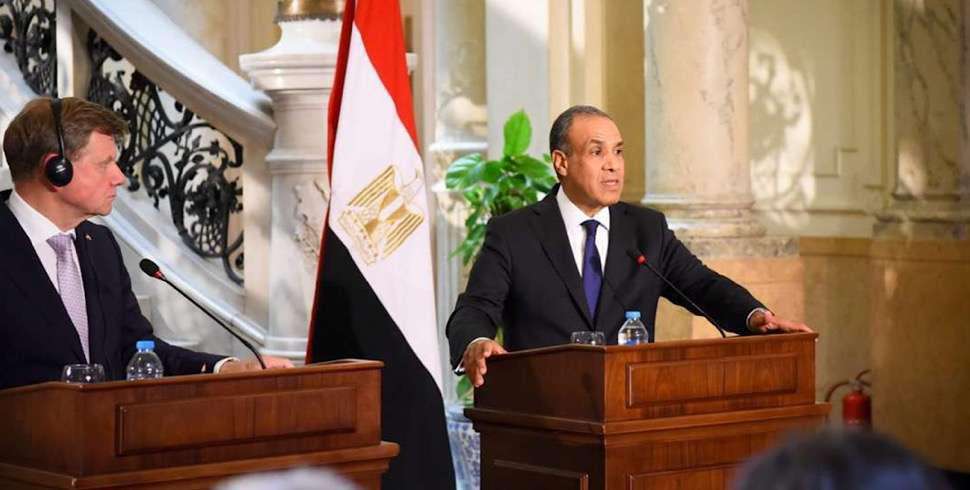
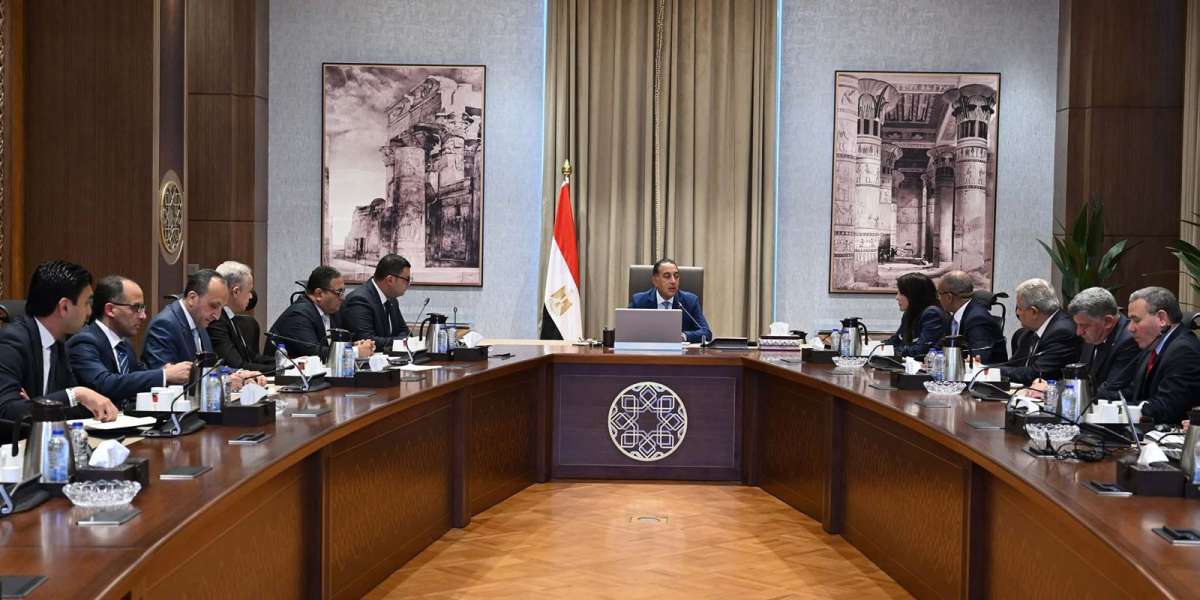
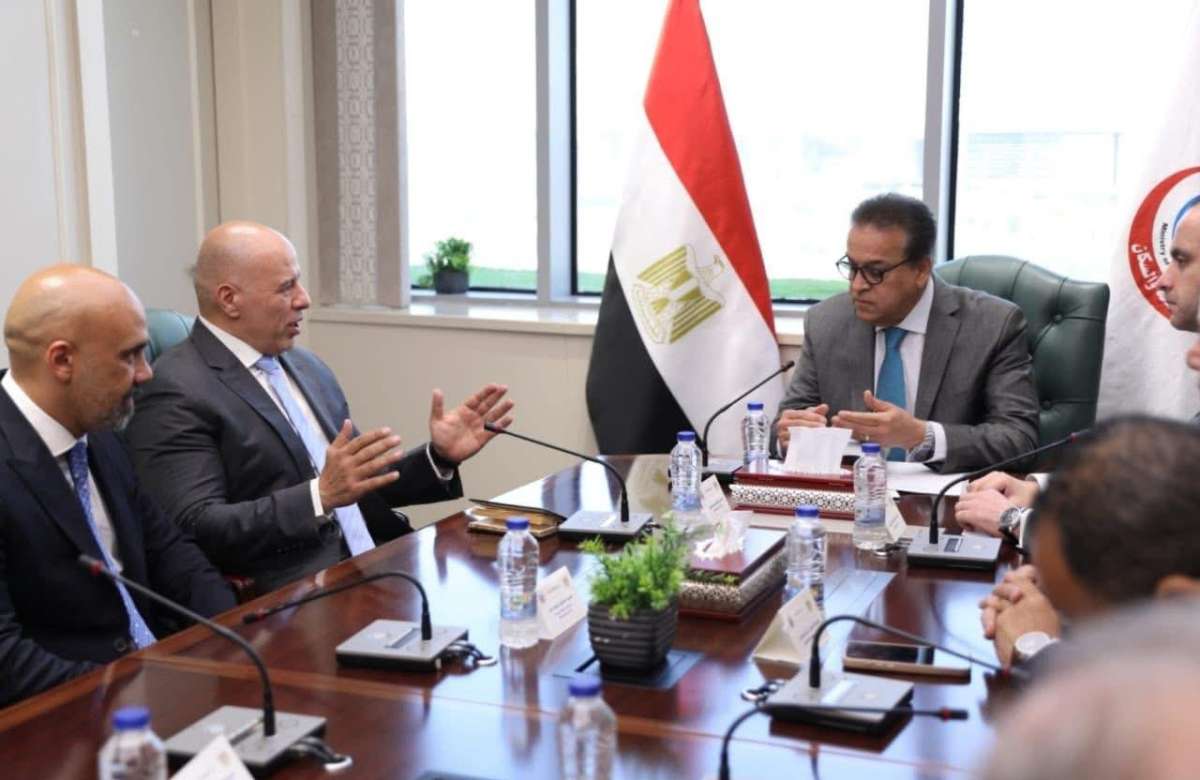
Egypt’s Minister of Electricity and Renewable Energy, Dr. Mahmoud Esmat, met with a senior delegation from the UAE-based energy firm AMEA Power, led by Sheikh Hussain Al Nowais, to discuss boosting cooperation and investments in the country’s renewable energy sector. The meeting took place at the Ministry’s headquarters in the New Administrative Capital as part of Egypt’s broader strategy to accelerate its transition towards clean energy sources.
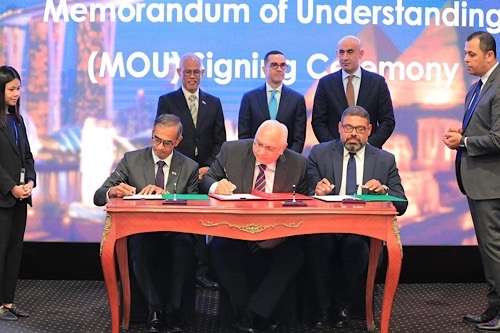
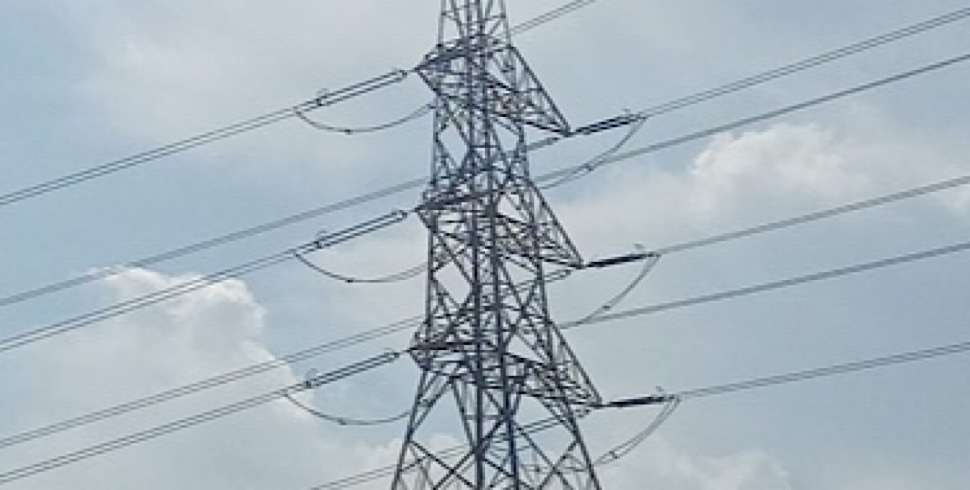
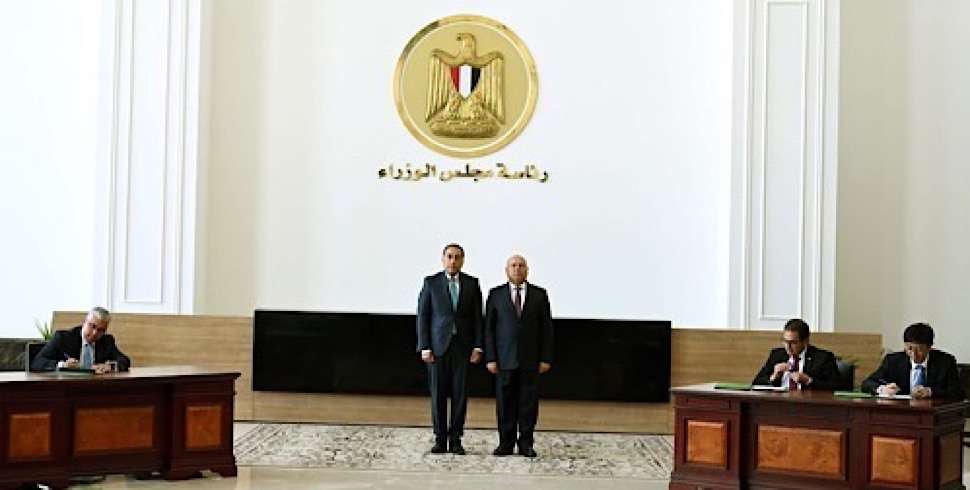
As part of the discussions, both sides agreed to advance the construction of three large-scale battery energy storage facilities in the Aswan and Red Sea governorates. This includes two stand-alone storage plants with a total capacity of 1,500 megawatt-hours, and an additional 600 megawatt-hour plant which will be linked directly to a solar energy project. These storage stations are considered a first for Egypt’s unified electricity grid, marking a significant step in enhancing grid stability and resilience during peak demand periods.
The talks also covered progress on several other major initiatives:
- The "Abidus 2" solar energy project in Aswan, with a capacity of 1,000 megawatts and integrated battery storage
- The "Amunet 2" wind power project in Ras Shokeir, boasting a 500 megawatt capacity
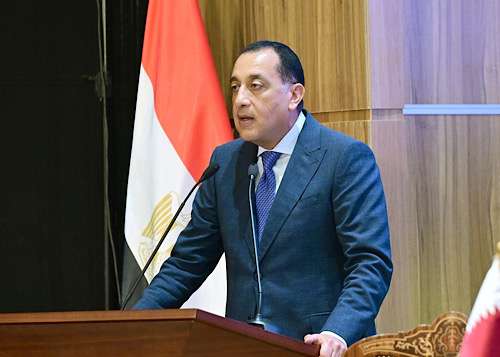
Dr. Esmat emphasized Egypt's commitment to increasing the share of renewables—including solar and wind—in the nation’s energy mix, aiming to reach 42% clean energy by 2030 and 65% by 2040. He highlighted the crucial role of energy storage technologies, such as large-scale batteries and pumped storage, in ensuring network reliability as renewables scale up.
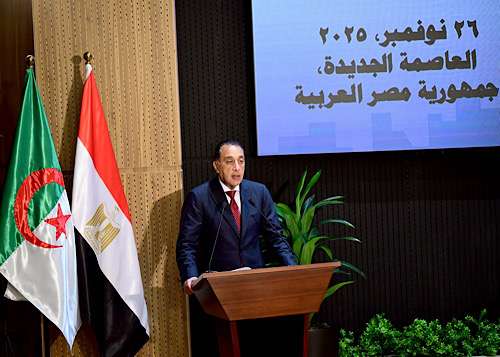
“The coming period will see a significant expansion in solar and wind power plants as the main sources of electricity security,” Dr. Esmat said. “This drive requires parallel growth in battery storage capacity to stabilize the grid and maintain uninterrupted supply.”
Egypt has seen rapid progress in this field, commissioning its first battery storage plant (300 megawatt-hours) in Aswan through AMEA Power earlier this year. Further collaborations are planned, reflecting confidence in the private sector as a key partner in Egypt’s energy transition.
Dr. Esmat praised AMEA Power’s contribution and confirmed the government’s support for continued partnership, underlining the mutual commitment to a sustainable energy future and reduced carbon emissions.