

















































































































































































































































































































































































































































































































































































































































































































































































































































































































































































































































































































































































Friday, 09 October 2026
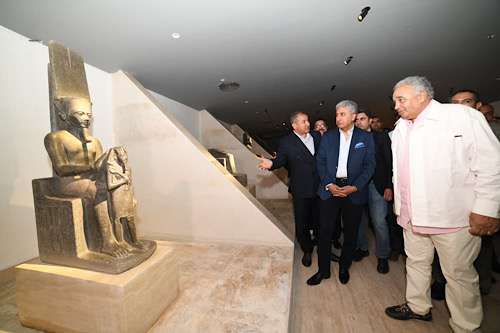
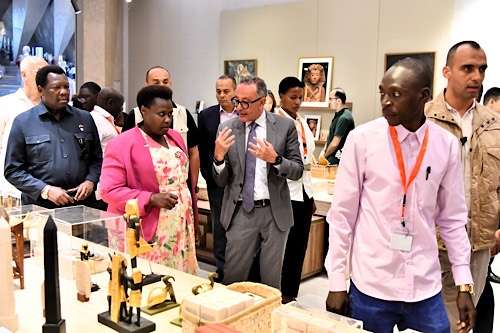
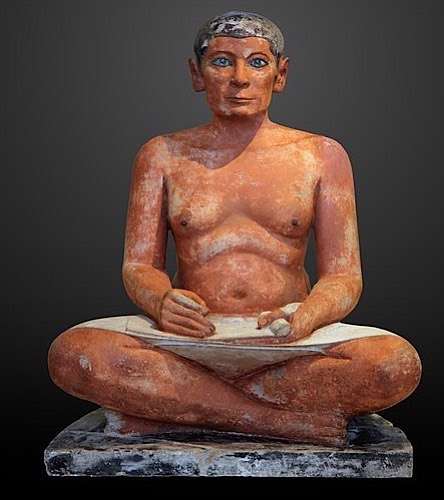
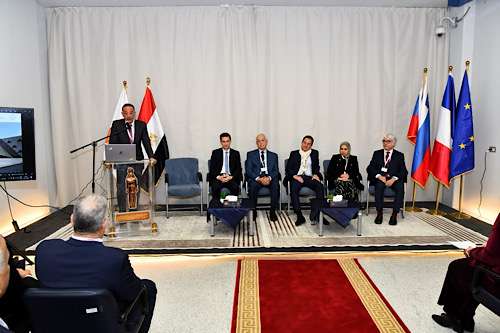
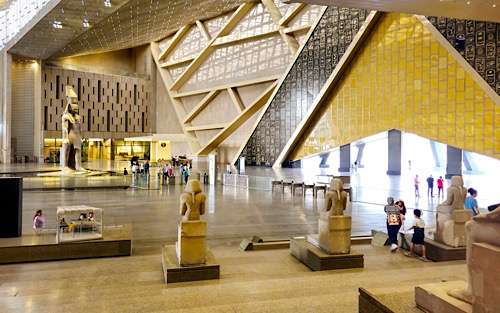
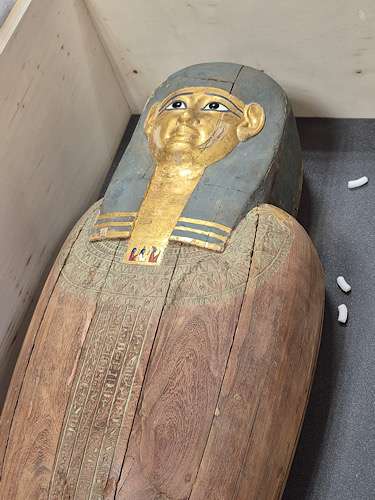
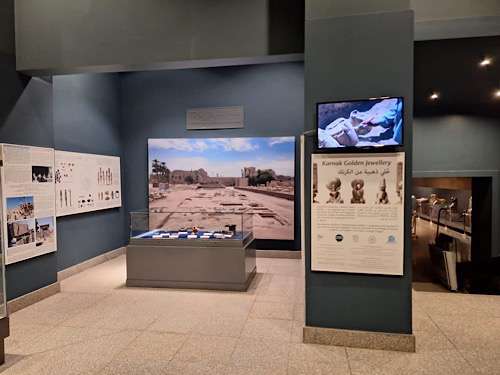
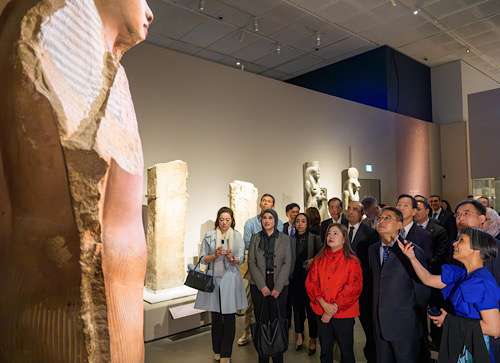
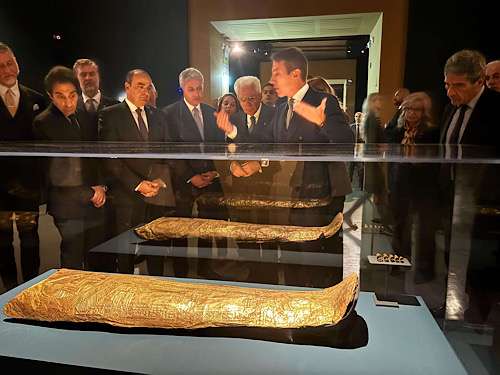
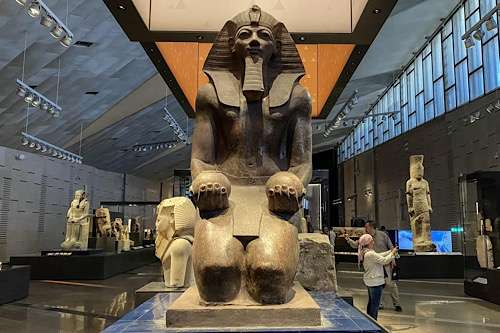
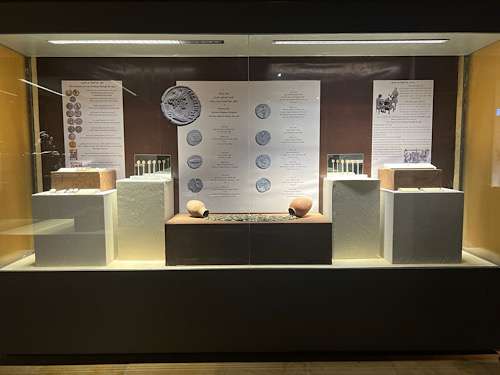
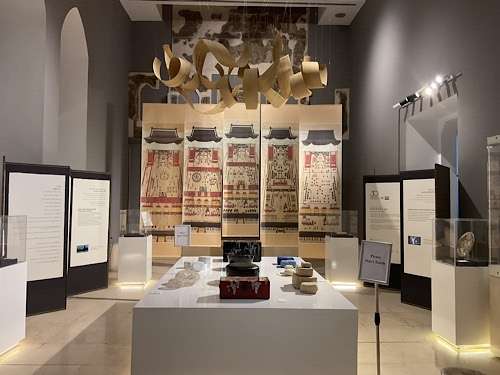
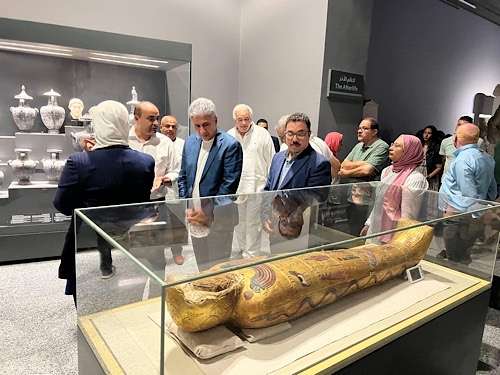
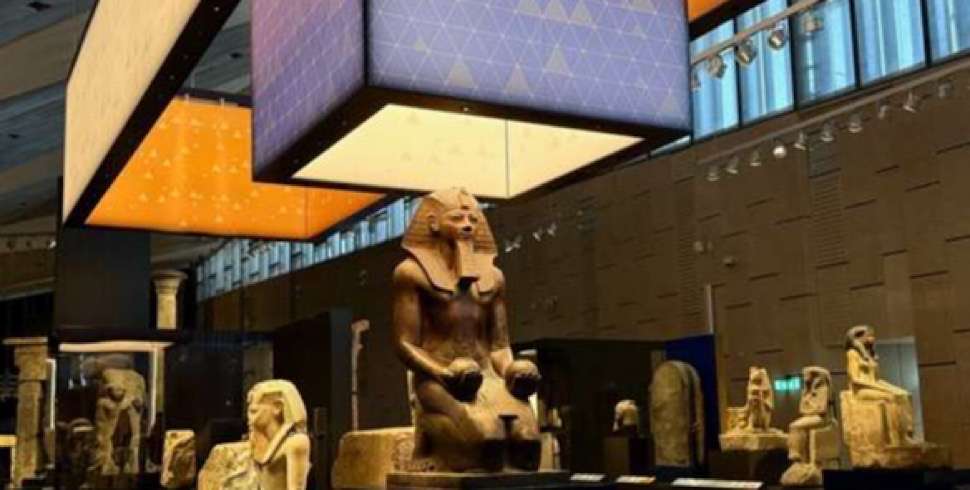
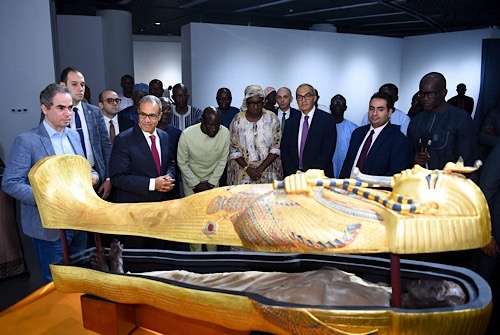
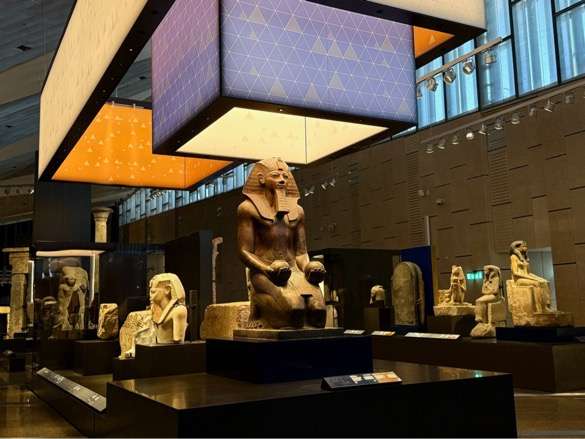
Egypt on Thursday inaugurated the newly renovated Cachette Hall at Luxor Museum, unveiling a fully integrated display of the Luxor Cachette for the first time, supported by enhanced digital and interactive technologies.
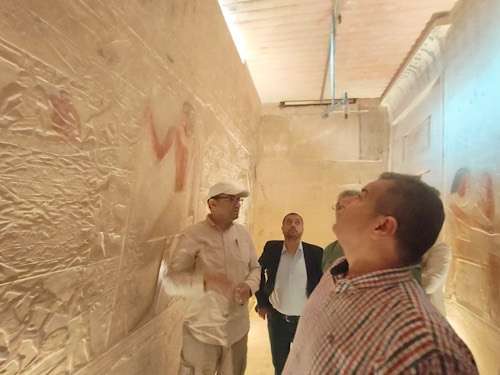
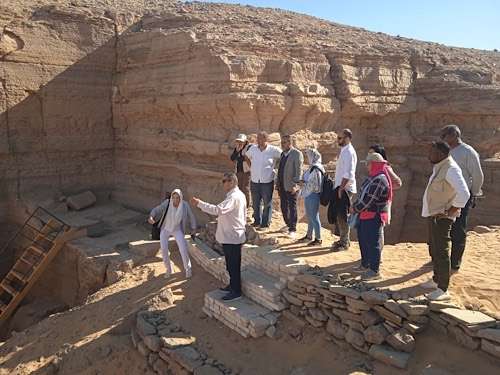
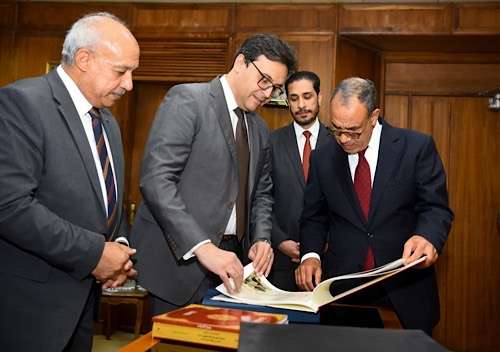
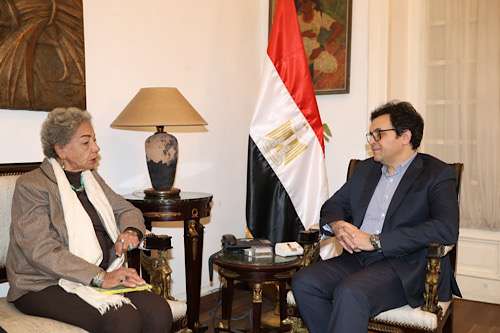
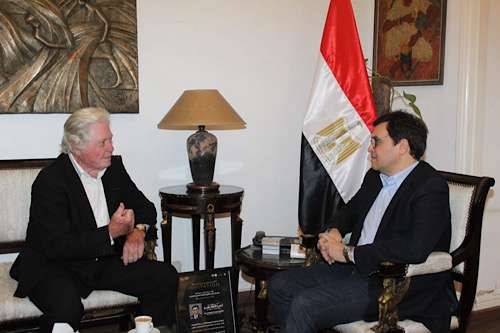
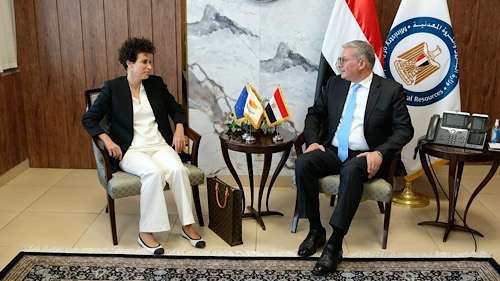
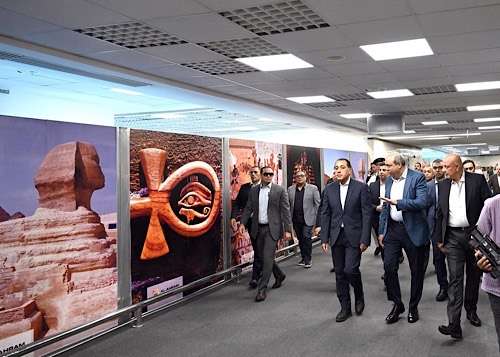
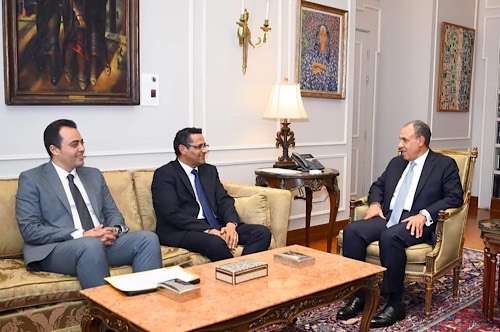
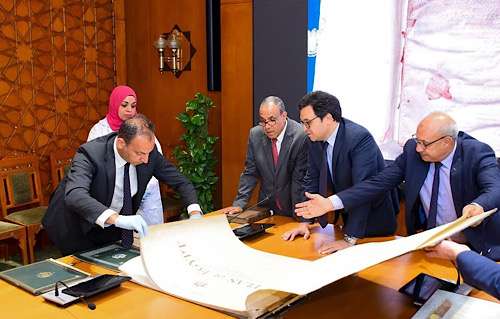
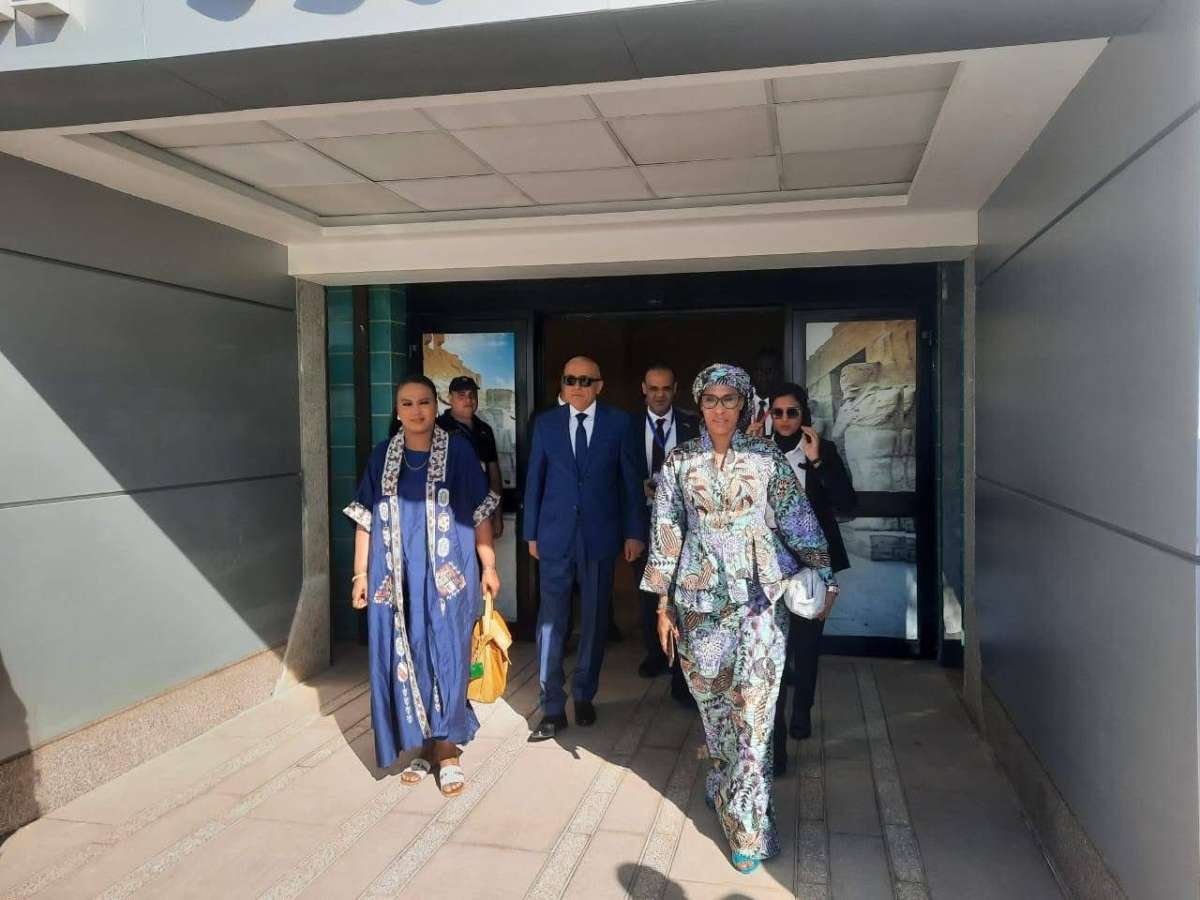
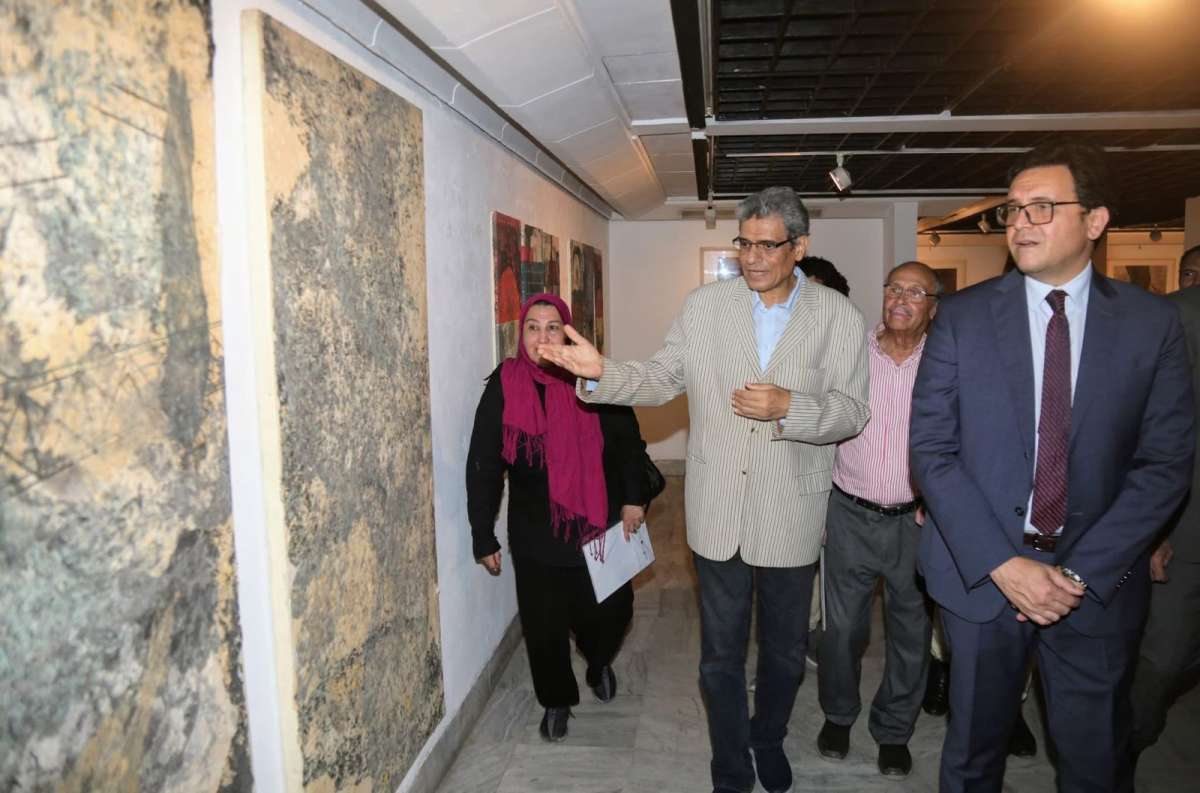
Tourism and Antiquities Minister Sherif Fathy opened the hall following a tour of Luxor’s West Bank, saying the revamped display represents a major addition to the museum and offers visitors a richer understanding of the historical and artistic value of the collection.
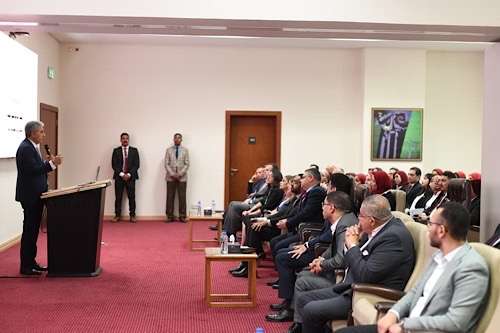
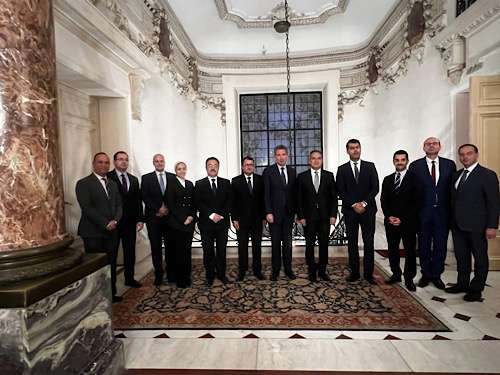
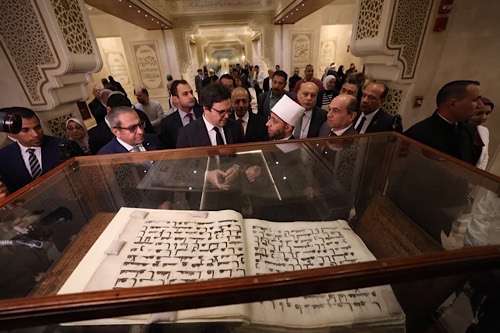
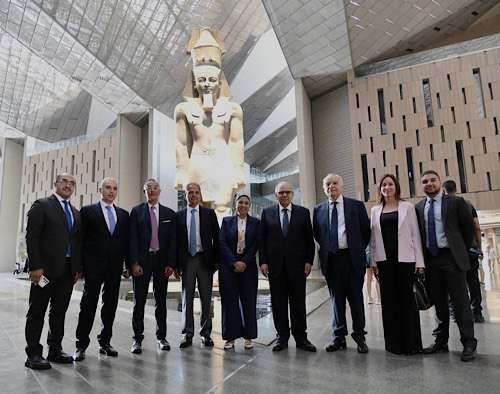
The opening was attended by senior officials from the Supreme Council of Antiquities, museum directors and restoration specialists.
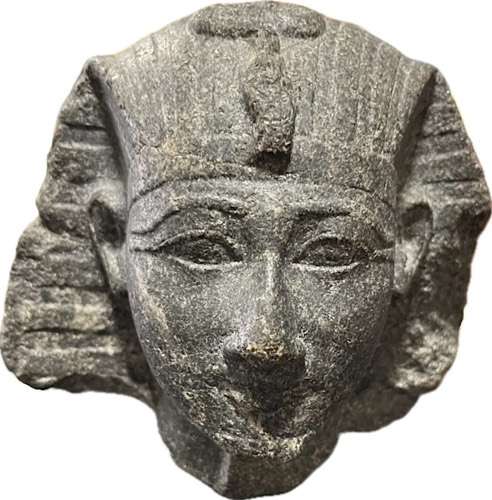
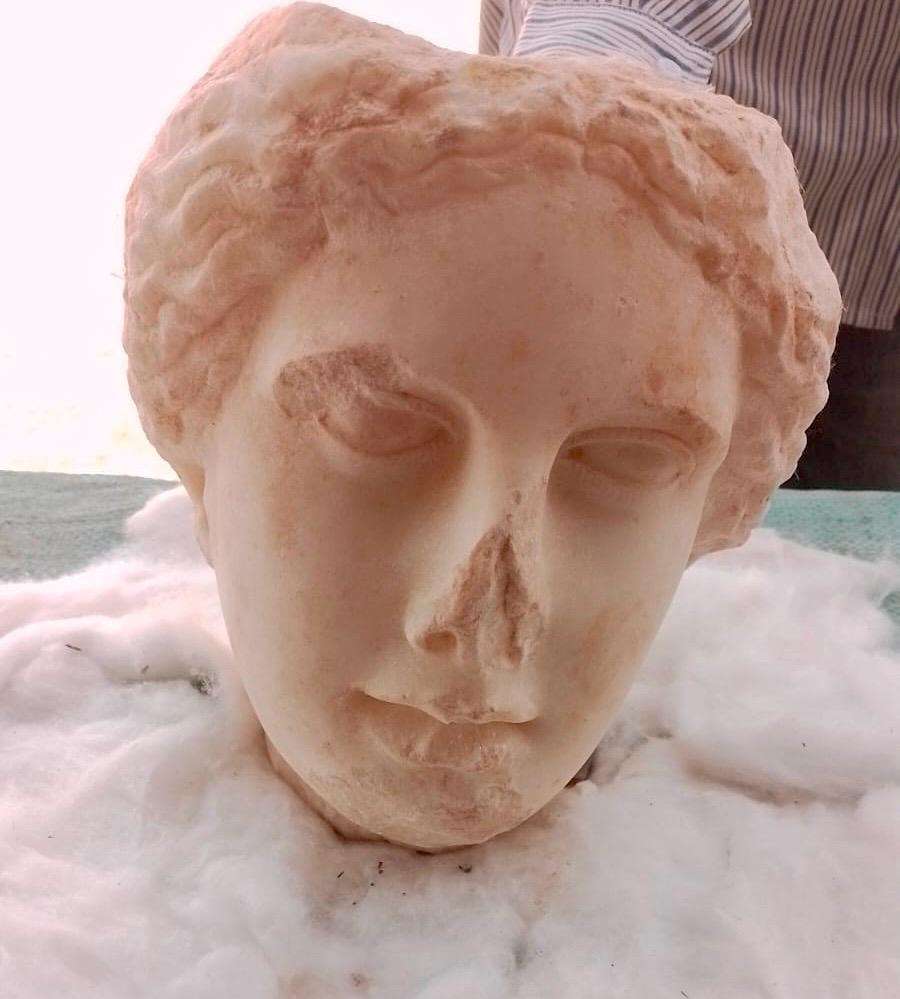
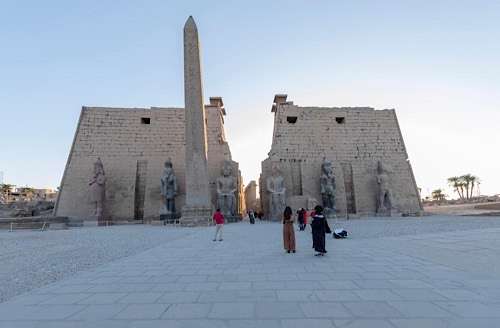
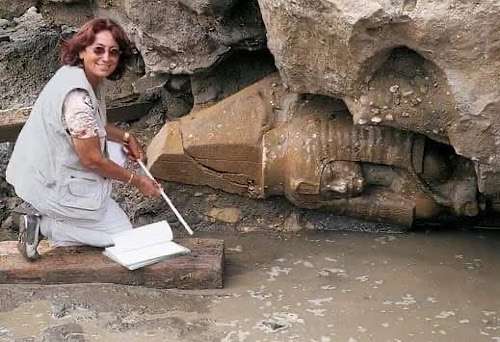
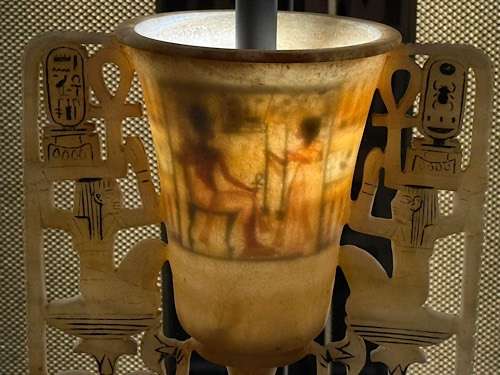
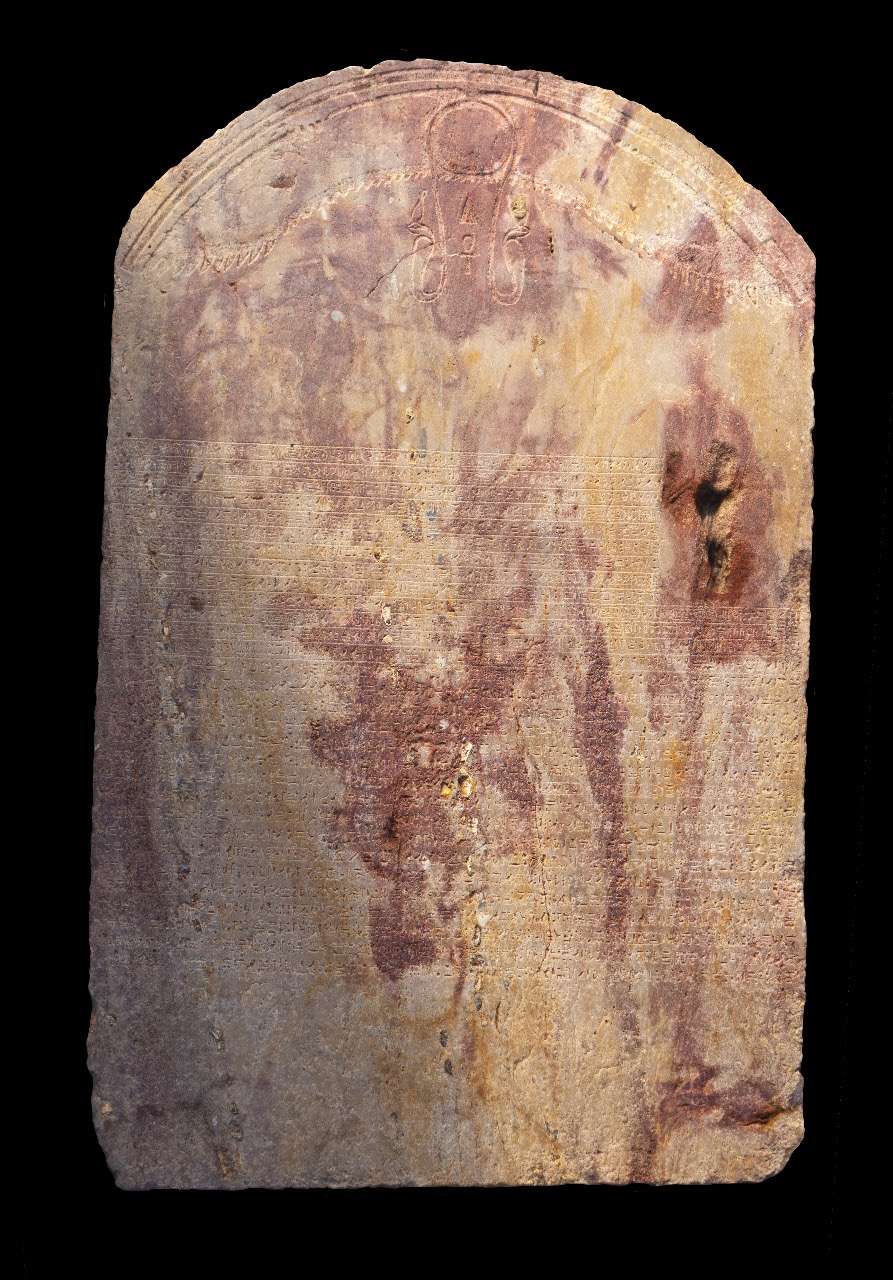
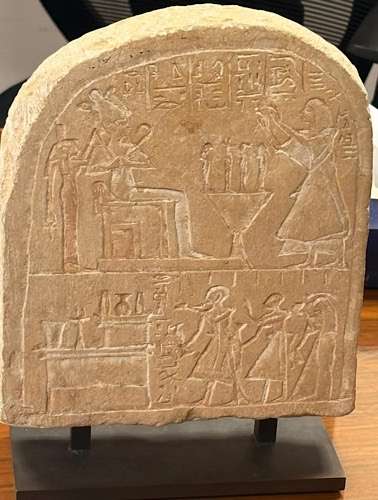
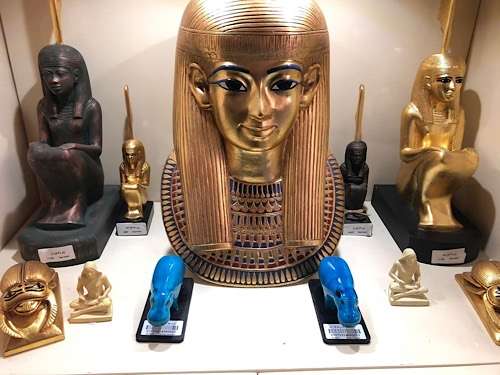
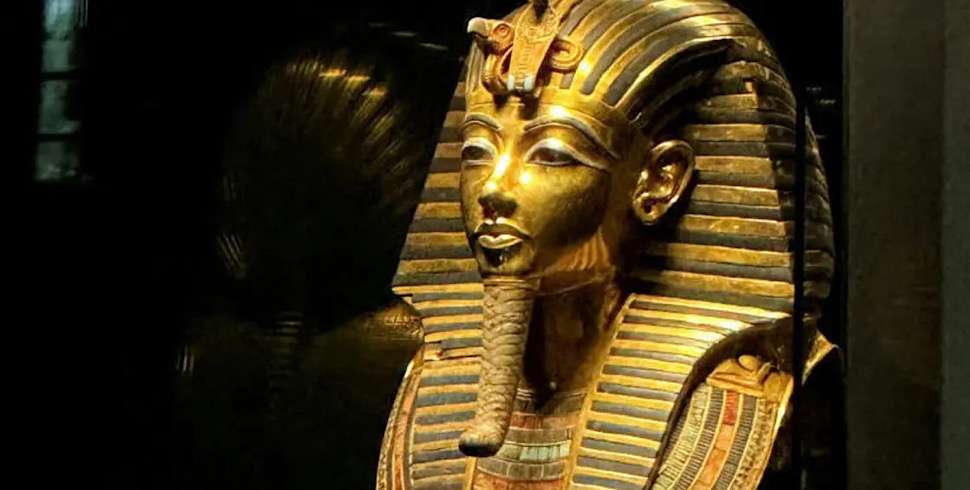
Officials said the hall now presents all 26 artefacts of the Luxor Cachette in a redesigned museological layout intended to recreate the context and atmosphere of their 1989 discovery in the courtyard of Amenhotep III at Luxor Temple.
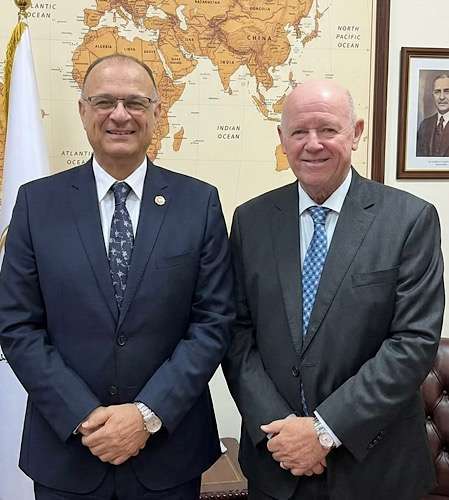
Hesham El-Leithy, Secretary-General of the Supreme Council of Antiquities, said the upgrades aim to enrich both the visual and educational experience of visitors.
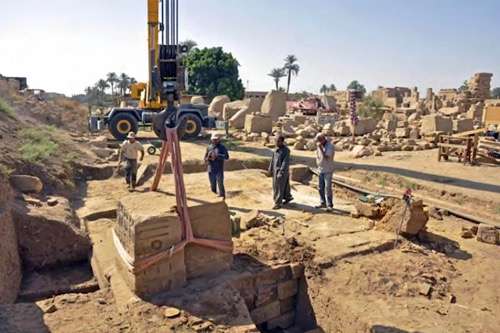
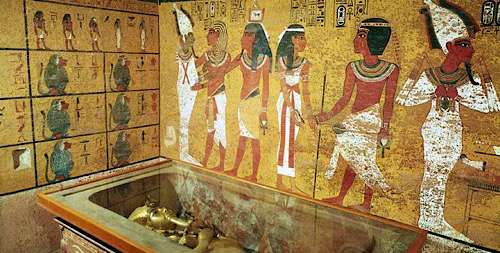
Ali Omar, head of the Supreme Committee for Museum Display Scenarios, said the project includes the installation of the largest showcase ever prepared for the original mudbrick blocking walls from the tomb of Tutankhamun, displayed for the first time since their discovery in 1922 after undergoing meticulous restoration by Luxor specialists.
Museum Display Advisor Mahmoud Mabrouk said the hall’s redesign introduces artistic reconstructions evoking the discovery scene of the cachette, supported by updated architectural elements, new display cases, and restoration work across several artefacts.
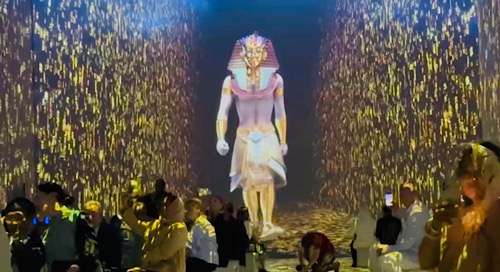
The museum also integrated digital tools, including updated signage, interactive screens and 3D display technologies, along with a specialized lighting system designed to protect and enhance the presentation of the objects, said Museums Sector Head Ahmed Hamida.
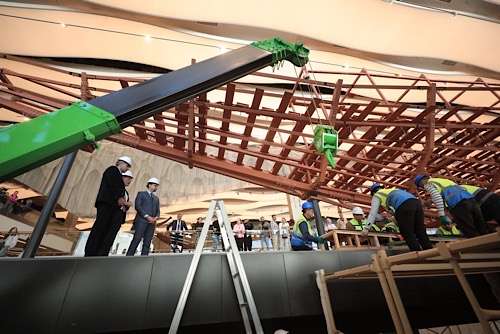
Restoration and Museums Projects Chief Moamen Osman added that the structural upgrades included new flooring and marble skirting, a redesigned arched ceiling, and replacing part of the old staircase with a ramp to improve accessibility, especially for visitors with disabilities. Natural stone panels replaced wooden cladding, and new bases of marble, granite and wood were installed.
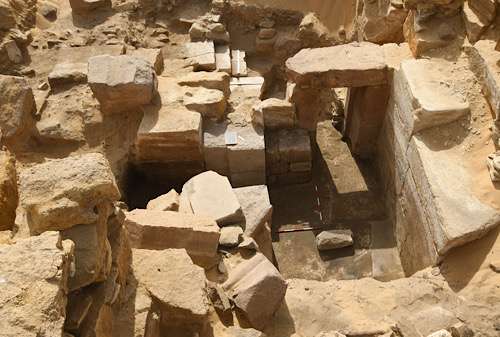
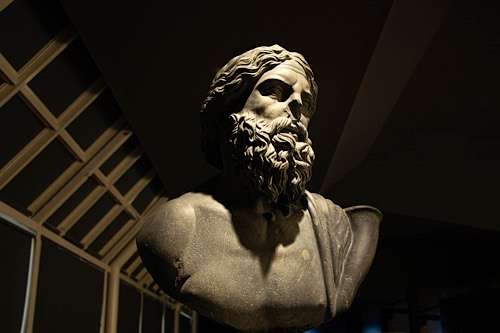
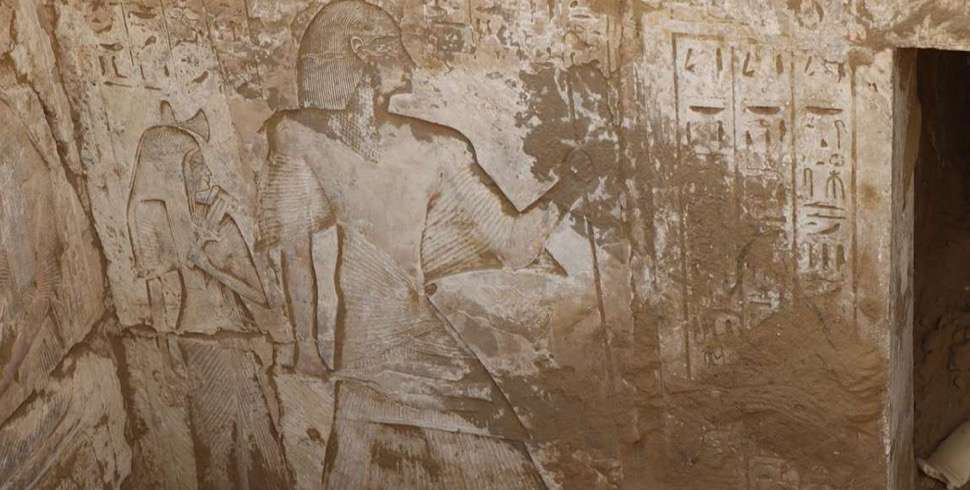
The Luxor Cachette was discovered in 1989 during soil inspection at Luxor Temple. It contained a pit filled with royal and divine statues dating from the 18th to the 25th dynasties, which were documented and restored before being transferred for preservation.