













































































































































































































































































































































































































































































































































































































































































































































































































































































Friday, 09 October 2026

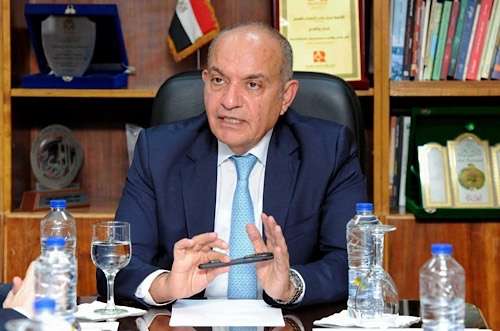
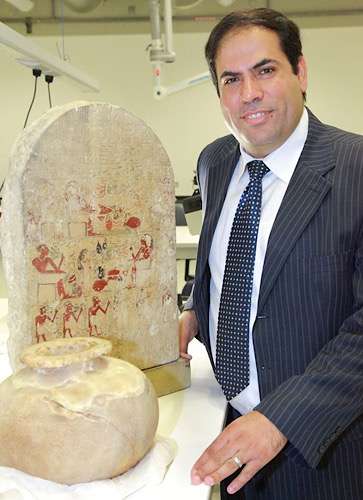
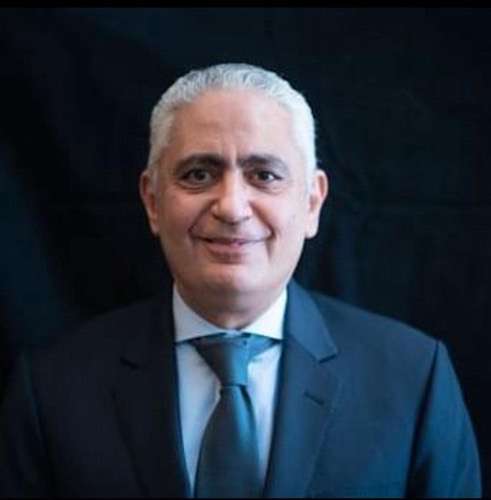
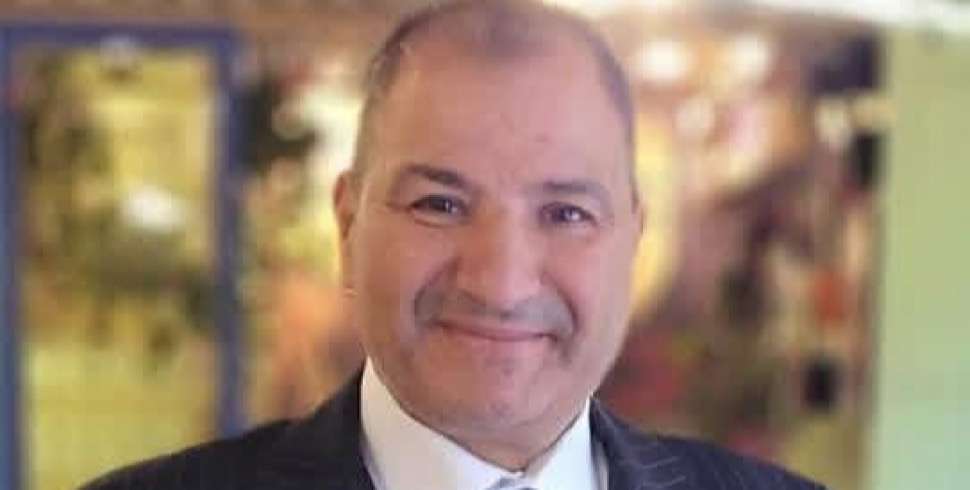
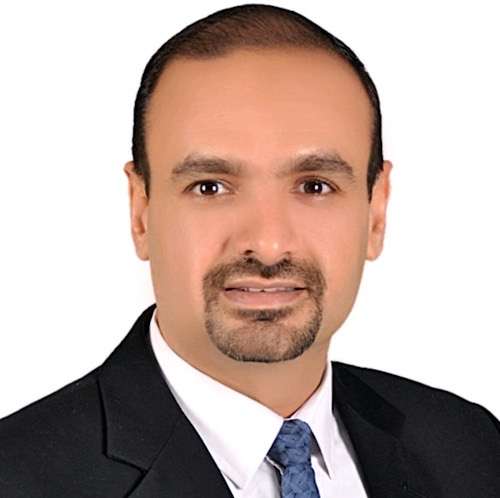
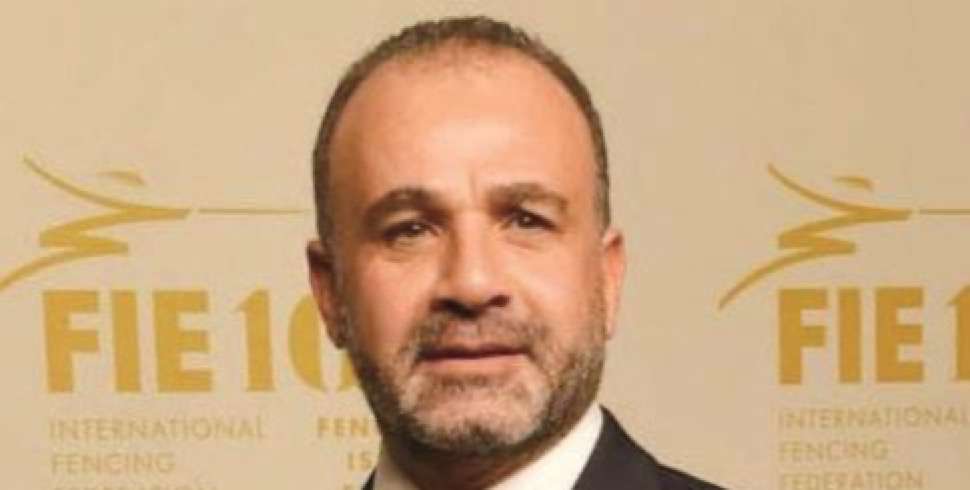
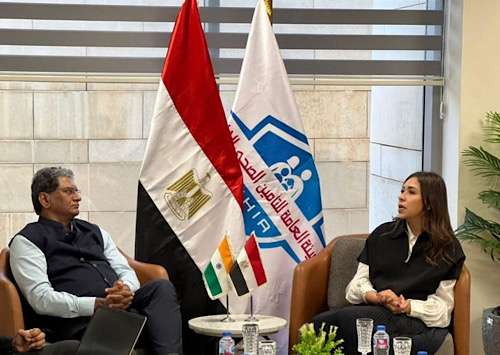
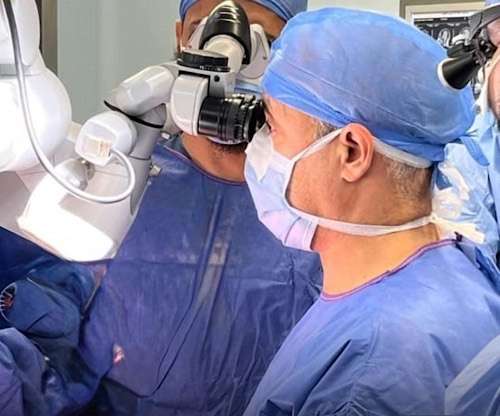
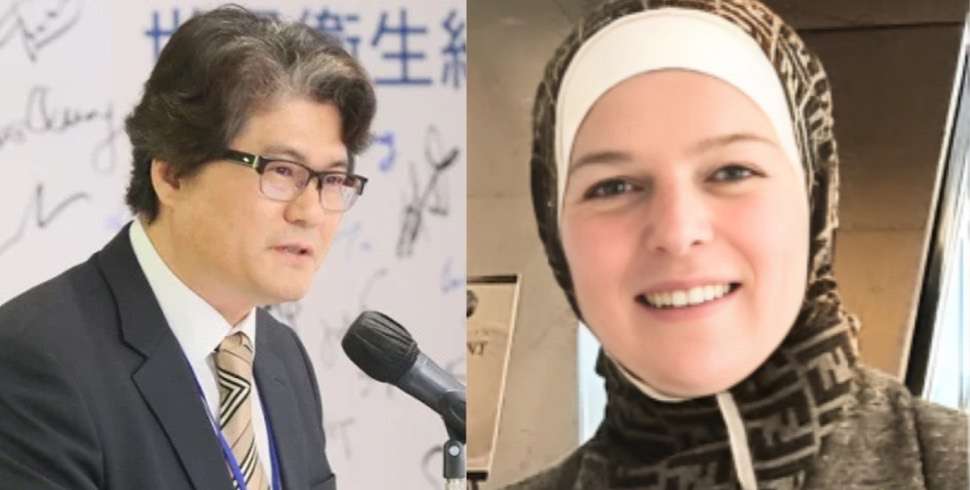
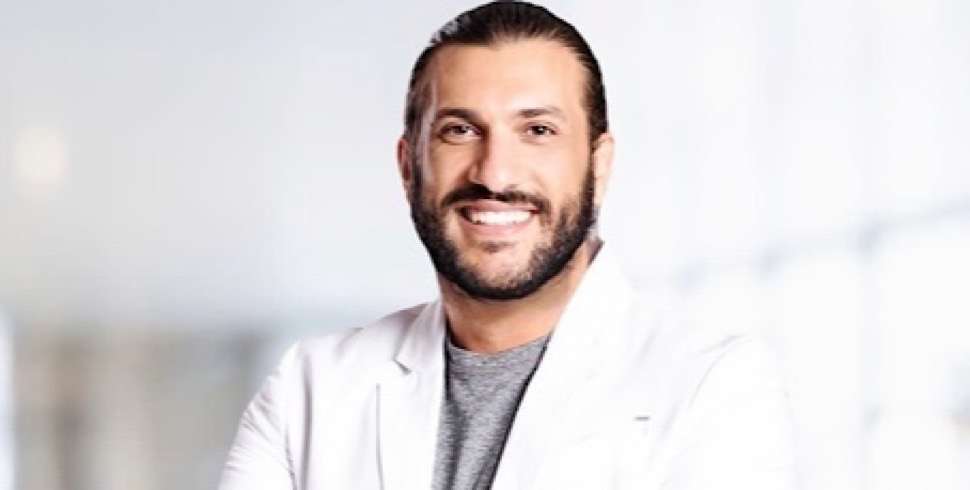
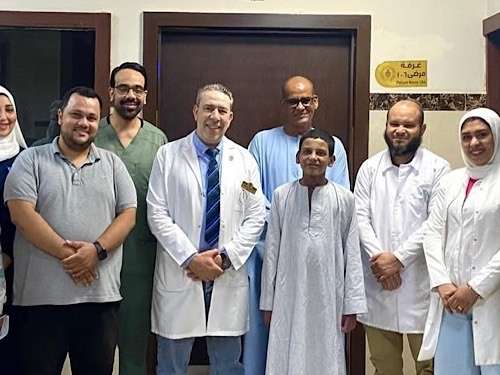
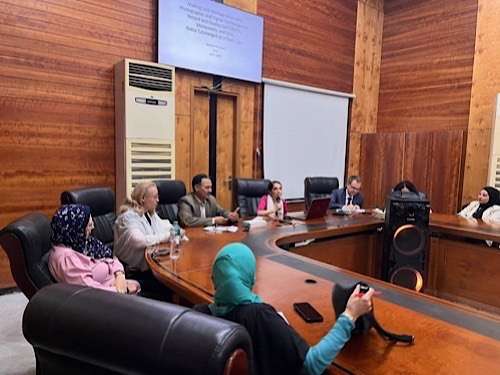
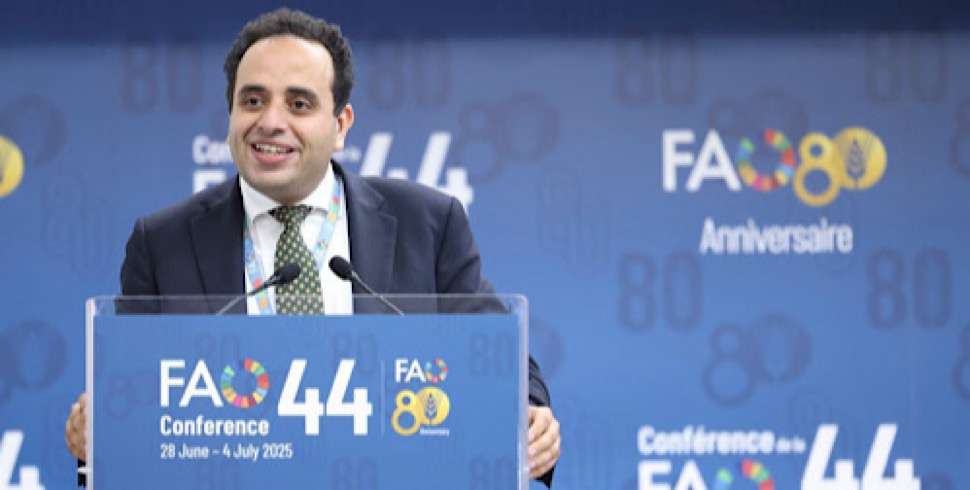
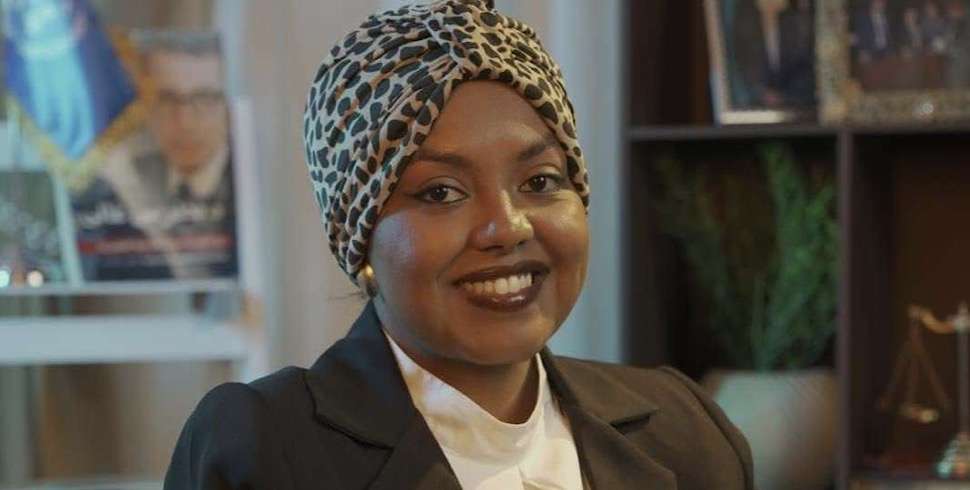
A groundbreaking, international research effort led by Harvard University and Massachusetts General Hospital has yielded a new technique for preserving human livers, with participation from Dr. Ehab Hafez, a pathologist at the Egyptian Theodore Bilharz Research Institute and a member of the International Society of Nephrology’s Emerging Leaders Program.
The innovative method, published in the prestigious journal Nature Biotechnology, enables livers to be preserved at a "supercooling" temperature of -4°C—without freezing them—dramatically extending the safe storage time outside the body from the traditional 12 hours to an unprecedented 44 hours. Researchers believe this advancement will significantly improve organ transplant availability and success rates worldwide.
Dr. Hafez explained that this technique offers essential new possibilities for expanding organ transplantation.
“By allowing more time for transportation and preparation,” he said, “it not only eases logistical pressures on medical teams, but also improves the chances of a closer tissue match between donors and recipients, benefitting countless patients.”
The process relies on cooling the liver to just below zero without freezing, using a sophisticated solution that protects cells, together with precise temperature control and automated perfusion technologies. The international research team overcame the challenge of ice crystal formation—a significant obstacle in transferring this method from animal to much larger human organs.
This achievement represents a transformative step forward for organ transplantation worldwide, offering hope to patients and families waiting for lifesaving procedures.