


















































































































































































































































































































































































































































































































































































































































































Friday, 09 October 2026
 File photo
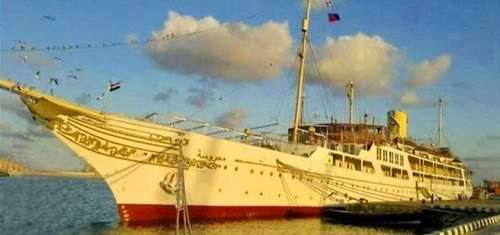
On June 30, 1897, a gentle but momentous departure unfolded on the banks of the Nile. Isma’il Pasha, the deposed Khedive of Egypt, bade farewell to his homeland. His journey into exile, bound for Naples, Italy, began not from a shadowy dock but on the polished decks of the Mahrousa, the lavish royal yacht—whose very name means “The Protected.” As the vessel cut a graceful figure through the Mediterranean waves, its gilded salons and corridors quietly marked the start of a new chapter, not just for Isma’il Pasha, but for the yacht itself.
Through wars, triumphs, and farewells, Mahrousa has endured as more than a mode of transport—it has become a living page from Egypt’s history, bearing silent witness to personal dramas and national turning points alike.
Mahrousa: The royal floating palace
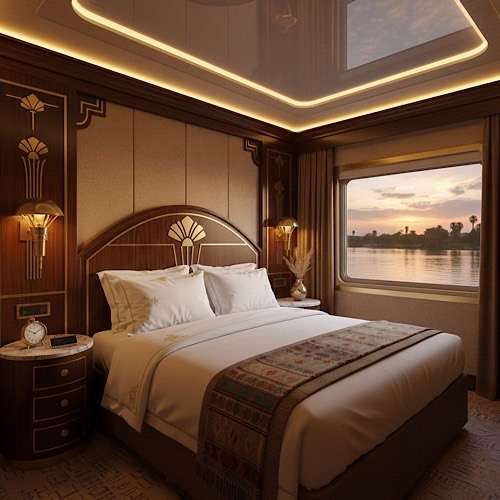
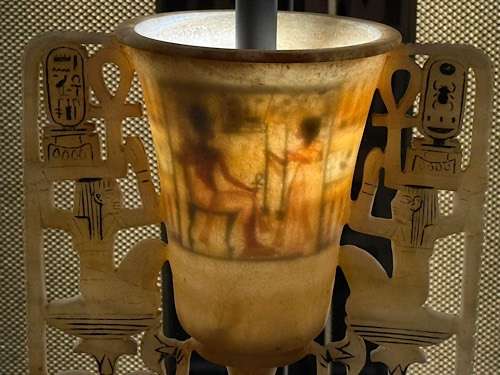
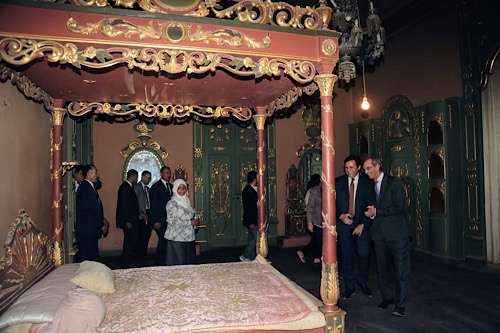
Commissioned in 1863 by Khedive Isma’il, Mahrousa was crafted with meticulous care in London’s Samuda Brothers shipyards and first set sail in 1865. As she made her maiden voyage to Alexandria, Mahrousa redefined what a royal vessel could be: a floating palace, resplendent with pharaonic motifs, Islamic carvings, rare oil paintings, 18th-century carpets, and sparkling French Limoges porcelain. Stepping aboard was like walking into an exquisite museum at sea.
Witness to history’s tides
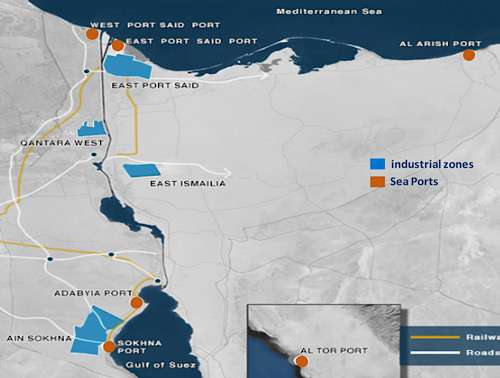
Throughout the late 19th and 20th centuries, Mahrousa played a starring role in the great moments of Egyptian—and world—history. In 1869, the yacht’s mahogany decks hosted emperors and empresses for the grand opening of the Suez Canal, with Mahrousa herself cutting the ceremonial first passage. The yacht’s logs are dotted with stories: Isma’il’s exile to Naples in 1879; the journey of Abbas Hilmi II into exile in Istanbul in 1914; and the bachelor Shah of Iran, en route to marry Princess Fawzia of Egypt in 1939.
Even revolutions saw Mahrousa’s stately presence. In 1952, King Farouk made his poignant departure into exile aboard Mahrousa after abdicating the throne—insisting on her company for his final journey as king. The times changed, but Mahrousa sailed on, adapting to the needs of a modernizing Egypt.
Royalty, republic, and reinvention
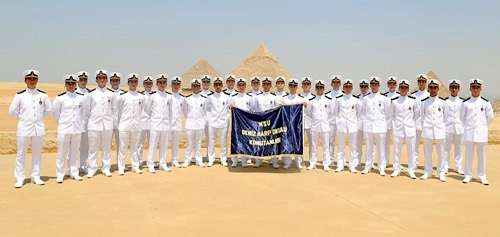
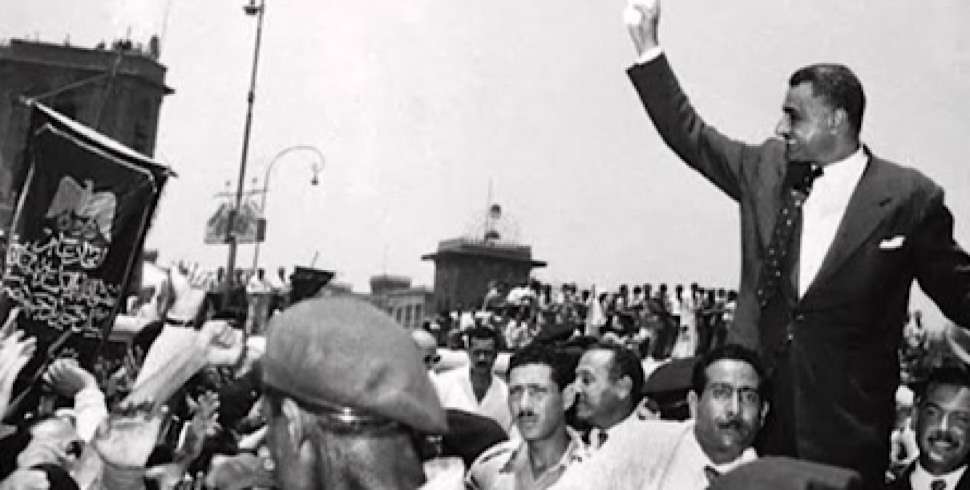
After Egypt declared itself a republic in 1952, Mahrousa was transformed from royal yacht to a naval training vessel, her gilded days receding but not forgotten. She hosted Egypt’s post-monarch presidents, including Gamal Abdel Nasser and Anwar Sadat, and was renamed “El-Horreya” (“Freedom”). Yet in the hearts of Egyptians, she was always Mahrousa.
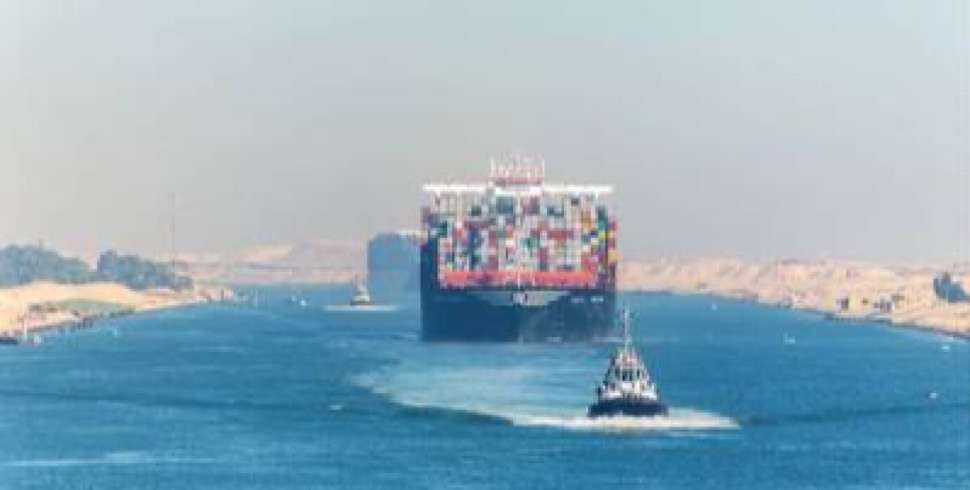
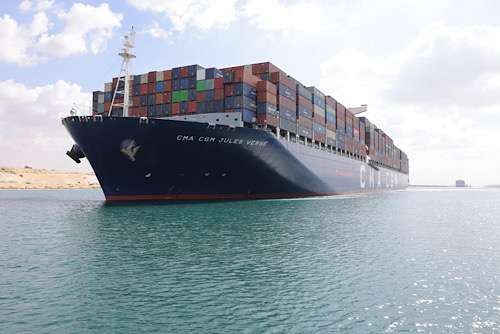
In 2015, over a century and a half since her maiden voyage, Mahrousa once again played a leading role, sailing at the opening ceremony of the New Suez Canal—her elegant silhouette symbolizing both heritage and hope.
A timeless Egyptian treasure
Today, Mahrousa rests peacefully outside Alexandria’s Ras El-Tin Palace, lovingly restored to her original splendor. She remains an evocative symbol: of Egypt’s grand past, of transitions from monarchy to republic, and—perhaps above all—of the enduring beauty found in resilience.
To board the Mahrousa is not just to step onto a yacht but to embark on a journey through Egypt’s history, where the memories of joy and sorrow, celebration and farewell, continue to echo softly on the waves.