








































































































































































































































































































































































































































Friday, 09 October 2026

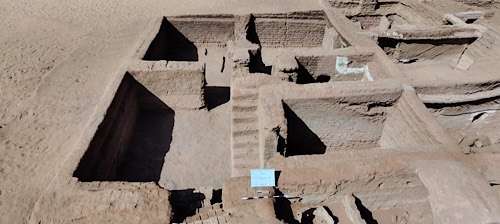
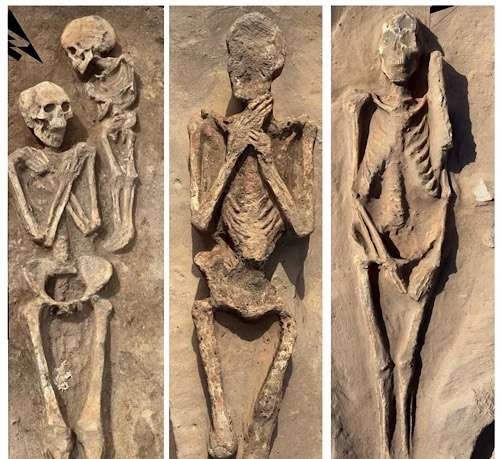
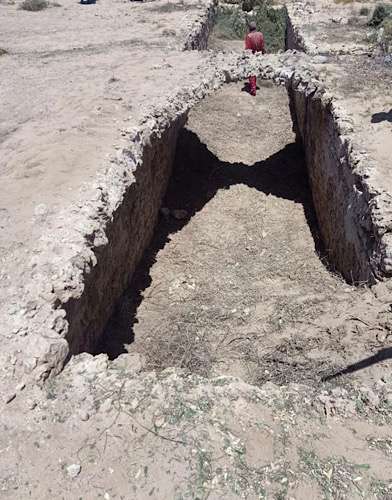
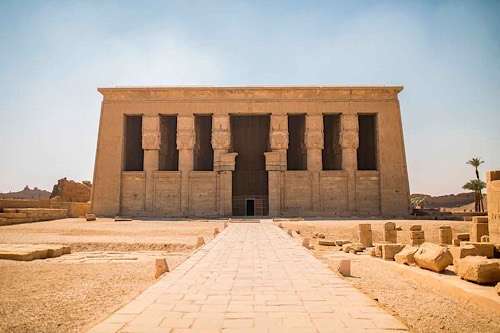
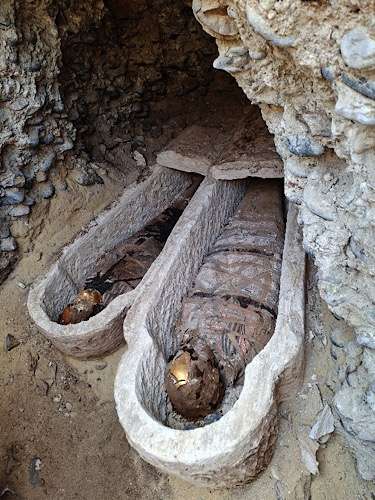
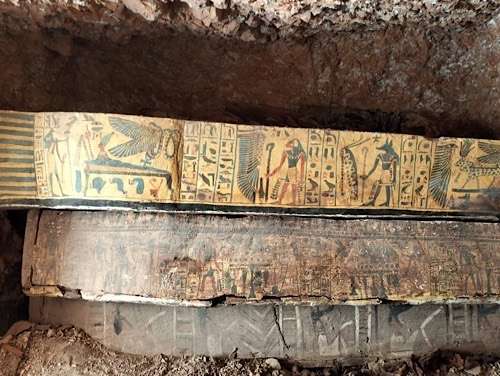
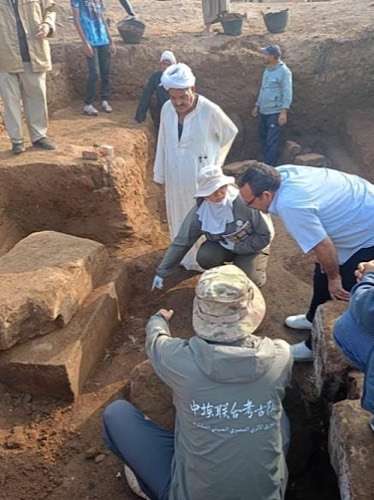
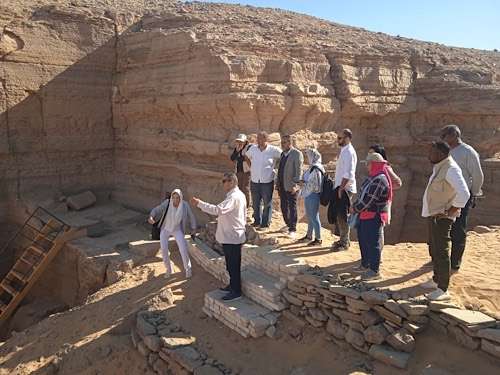
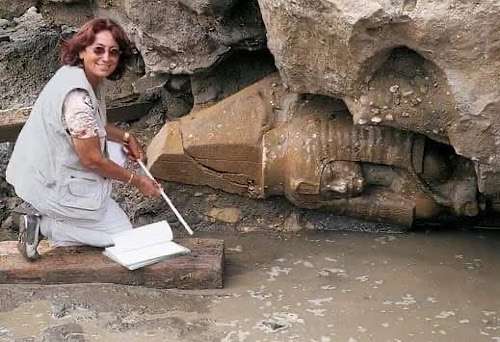
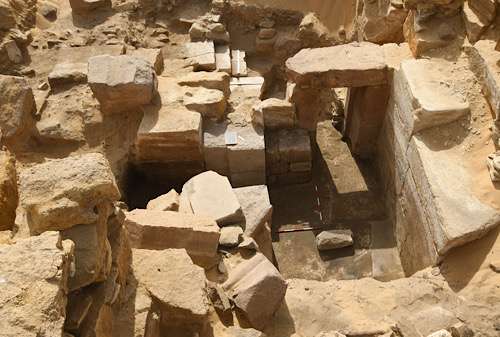
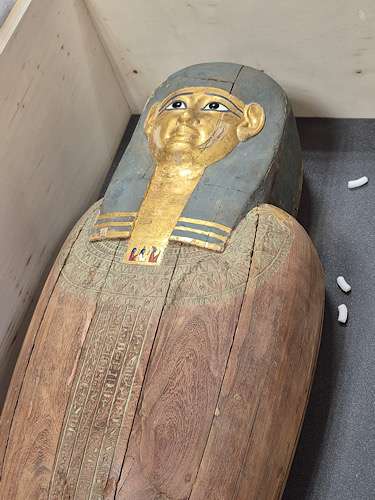
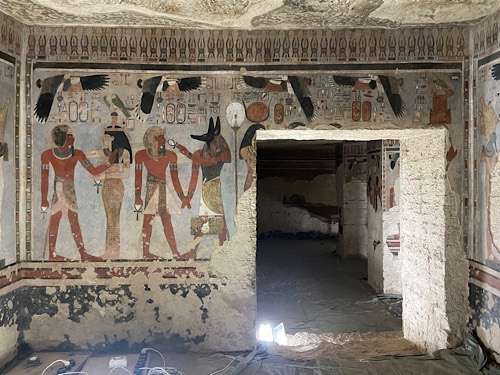
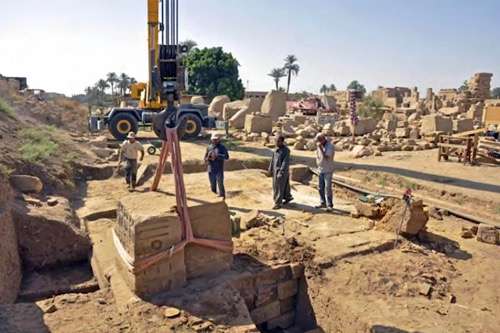
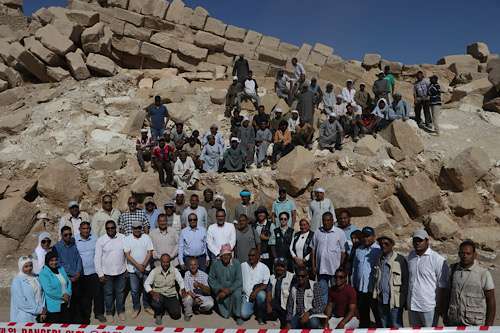
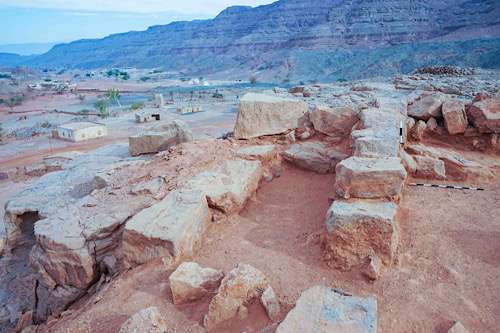
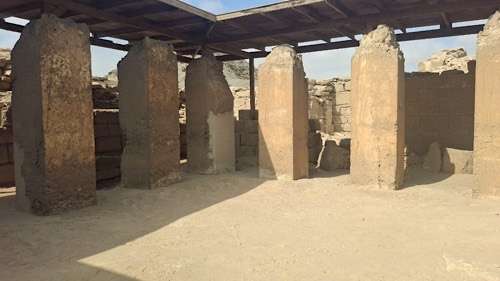
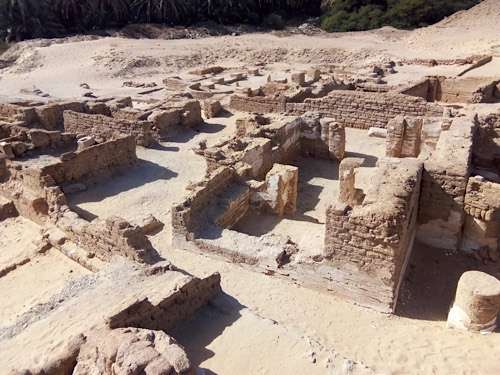
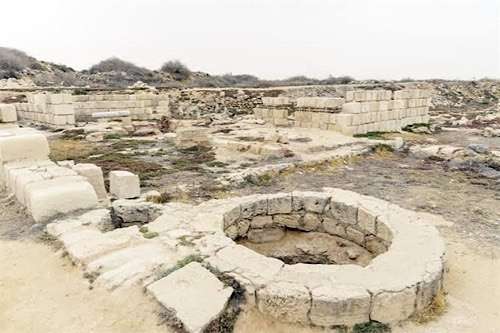
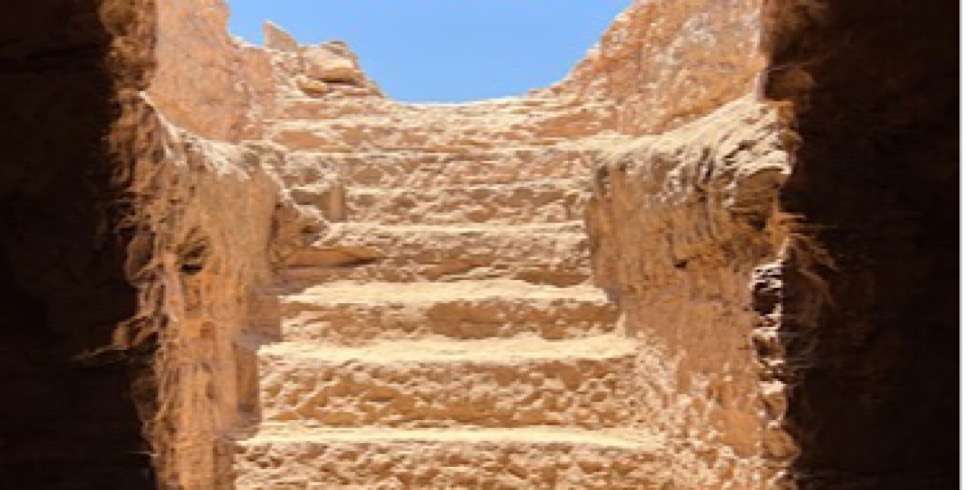
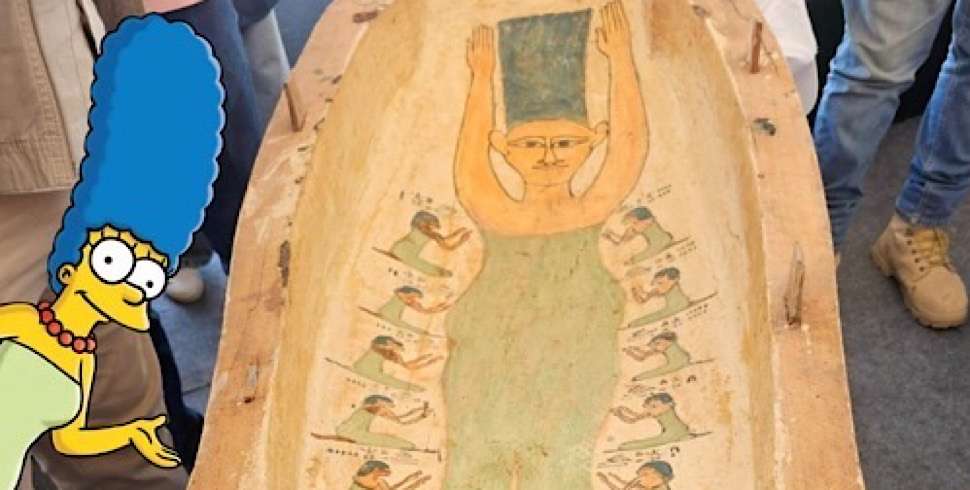
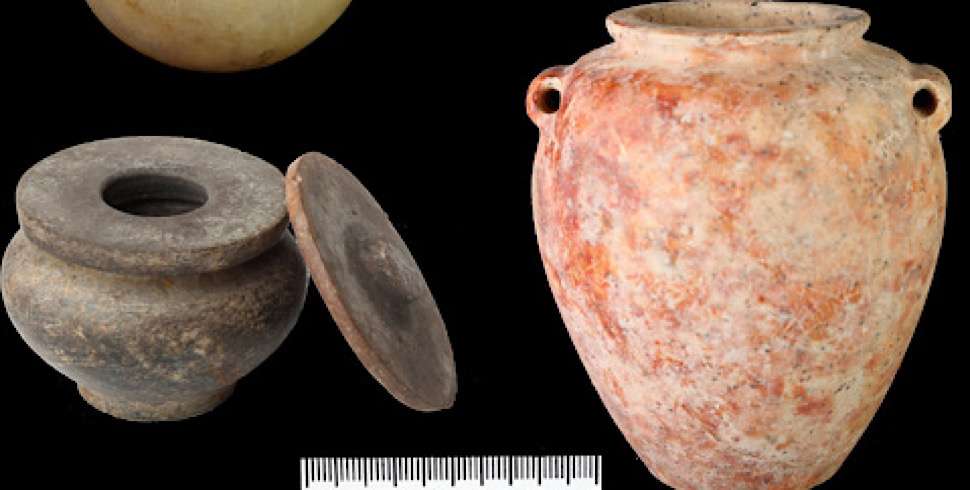
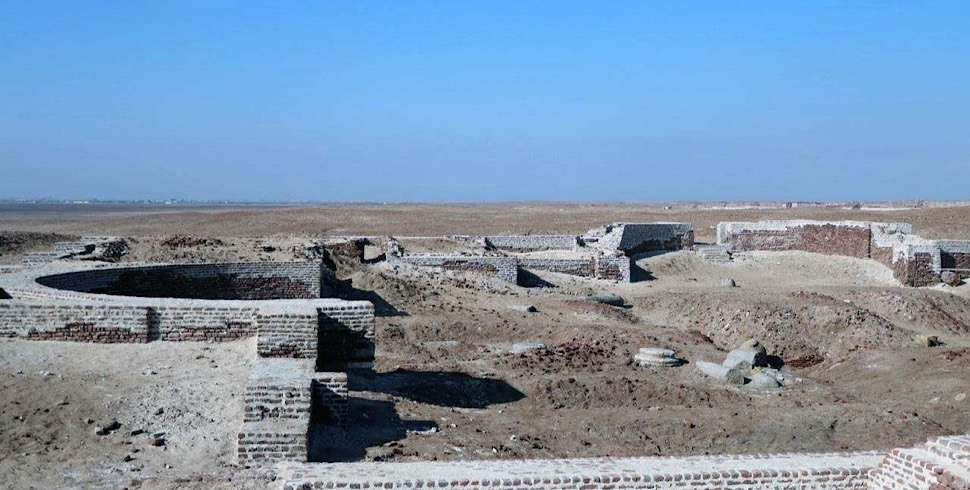
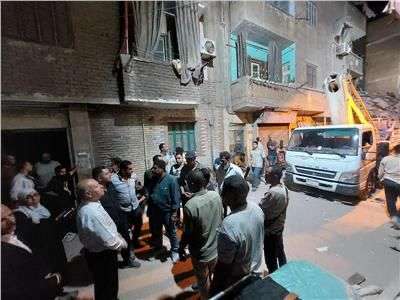
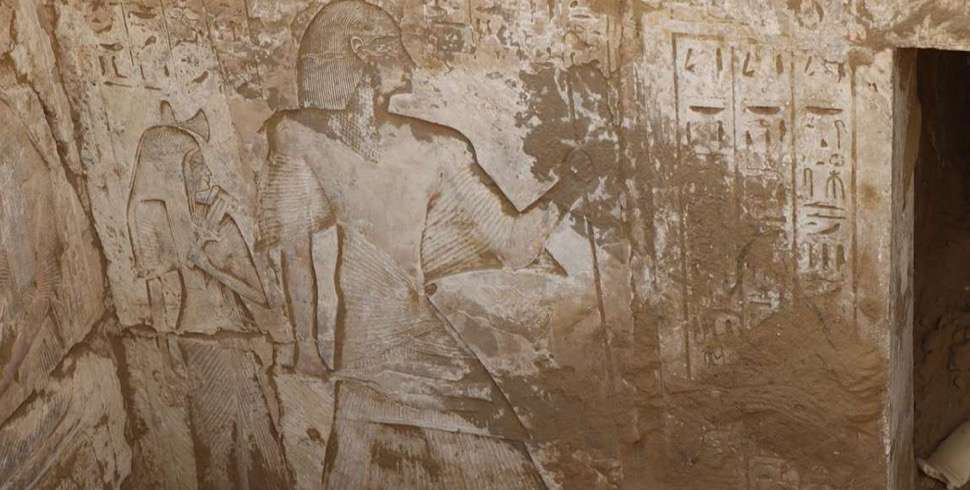
In the heart of Luxor, where the golden afternoon sun bathes the Nile’s western bank, an Egyptian archaeological mission has unveiled an extraordinary find: three ancient tombs, masterpieces from Egypt’s New Kingdom, have been discovered in the Dra Abu El-Naga area during the ongoing excavation season.
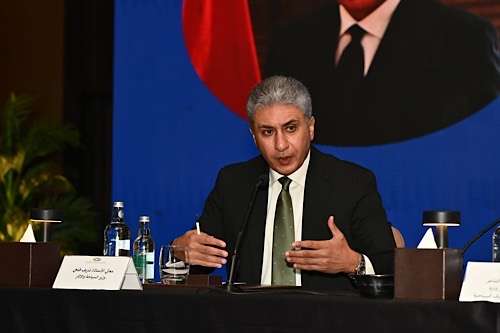
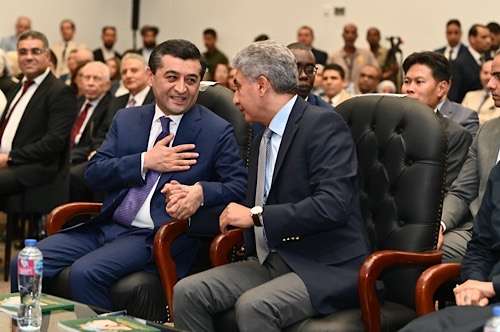
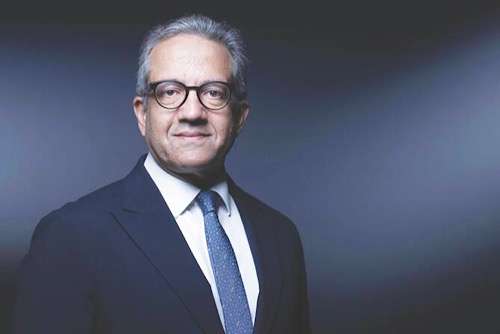
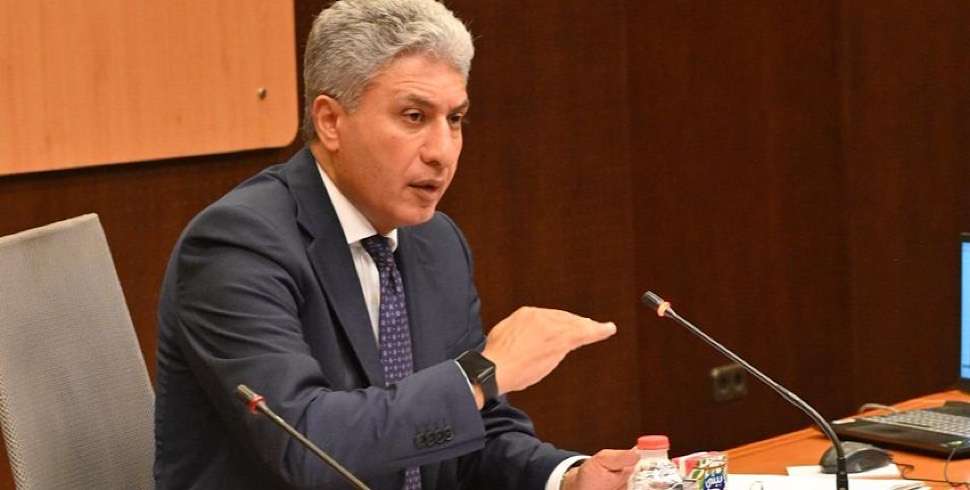
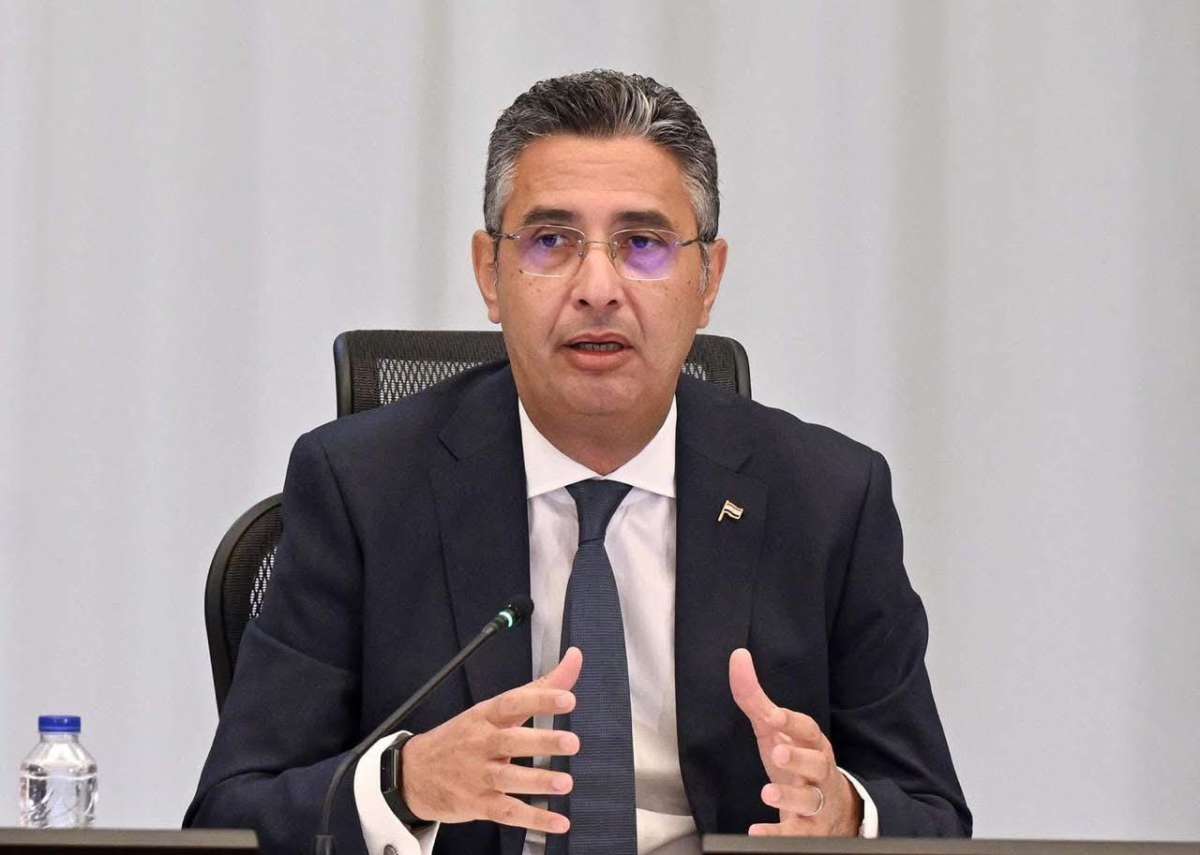
Egypt’s Minister of Tourism and Antiquities, Mr. Sherif Fathy, described the finds as a scientific achievement destined to shine on Egypt’s long list of archaeological milestones. “This discovery will strengthen Egypt’s position on the world’s map of cultural tourism,” he affirmed, adding that these newly unearthed tombs promise to attract travelers who yearn for history, beauty, and humanity’s shared heritage.
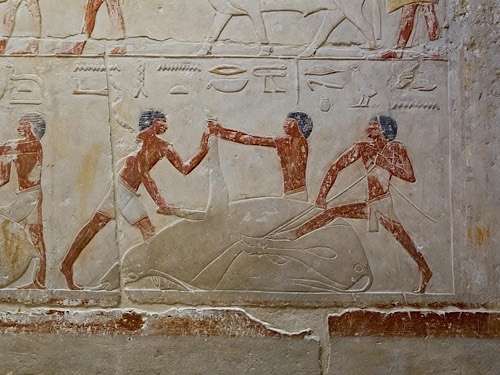
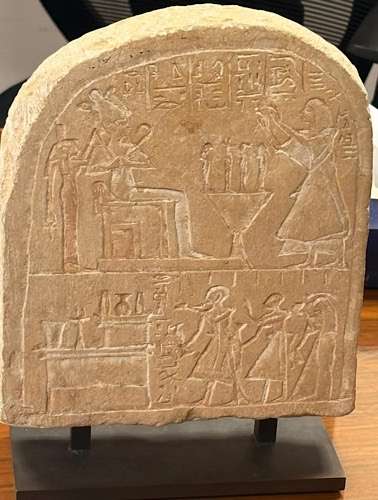
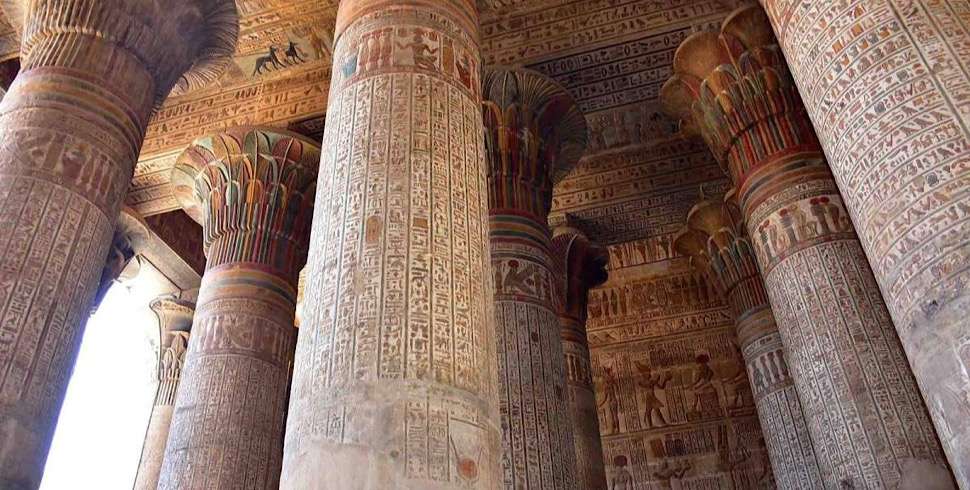
With their evocative carvings, the tombs are set to enchant visitors from around the globe—especially fans of cultural travel who are eager to see up-close the centuries-old artistry of the Land of the Pharaohs.
Significantly, this breakthrough is the result of an all-Egyptian team, highlighting the immense talent and dedication of Egypt’s own archaeologists. As Minister Fathy noted, discoveries like this one showcase Egypt’s modern-day expertise and passion for preserving its ancient legacy.
Meet the ancient residents
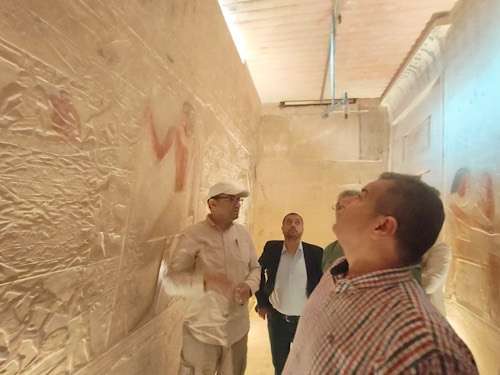
Dr. Mohamed Ismail Khaled, Secretary-General of the Supreme Council of Antiquities, revealed that all three tombs date back to the New Kingdom—the height of ancient Egyptian civilization. Thanks to inscriptions and fascinating artwork on the tomb walls, historians have begun to identify the tomb owners and piece together their stories.
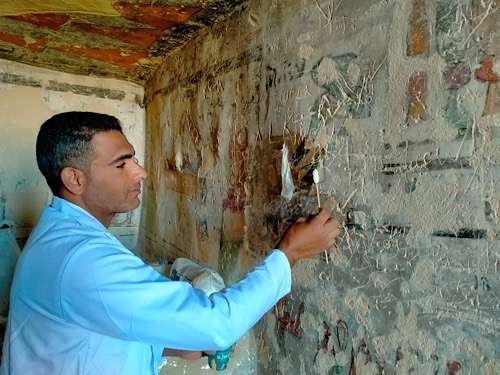
The team will now continue their painstaking work, cleaning and studying the remaining inscriptions to reveal more about these remarkable individuals, and to share their findings with the wider world.
A closer look at the tombs
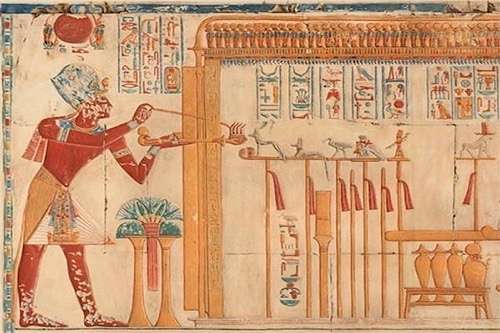
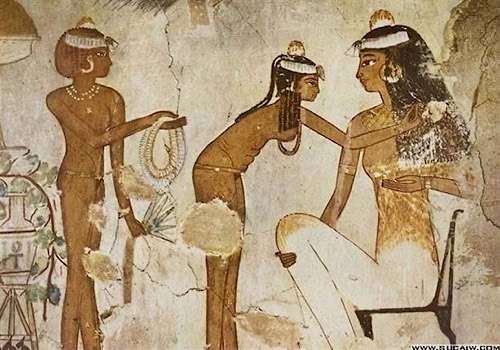
According to Mr. Mohamed Abdel-Badea, head of Egyptian Antiquities at the Supreme Council, one of the tombs belongs to a man named "Amun-em-Ipet," who lived during the era of the Ramesside pharaohs. He worked at the temple or estate of Amun—one of Egypt’s most important deities. Although the tomb’s decorations have suffered over time, visitors can still see touching scenes of offerings, funerary furniture, and a grand banquet.
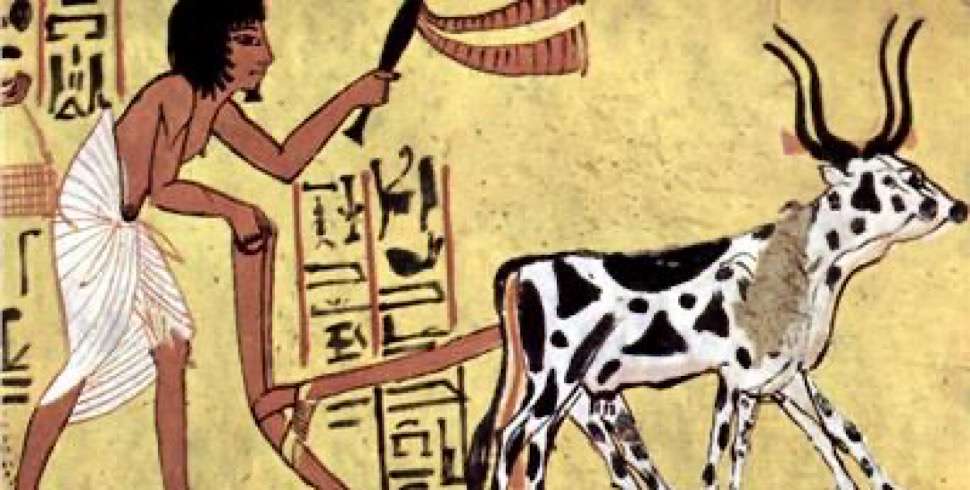
The second and third tombs go back to the Eighteenth Dynasty—a period famous for its rulers like Tutankhamun and Nefertiti. One was built for "Baki," a supervisor of grain silos, a crucial position in ancient Egypt’s agricultural society.
The other belonged to a man named "S" (likely an abbreviation while epigraphers await further clues), who was both a temple supervisor and a mayor of the Northern Oases—a testament to the far reach and organization of New Kingdom Egypt.
Dr. Abdel-Ghafar Wagdy, Director General of Luxor Antiquities and head of the mission, describes the unique layouts of each tomb:
- Amun-em-Ipet’s Tomb starts with a small courtyard before a square hall, ending in a decorated alcove; evidence of later reuse adds extra mystery.
- Baki’s Tomb features a long corridor opening into a series of halls and ultimately a burial shaft, unfinished but tantalizing for archaeologists and visitors alike.
- S’s Tomb combines a small courtyard and shaft with elongated chambers, offering a new chapter in our understanding of New Kingdom burial customs.