

























































































































































































































































































































































































































































































































































































































































































































































































































































































Friday, 09 October 2026
In response to recent public comments regarding the permissibility of cannabis consumption in Islam, Egypt’s Al-Azhar Islamic Research Academy has issued an official statement reaffirming the religious prohibition of hashish and similar substances.
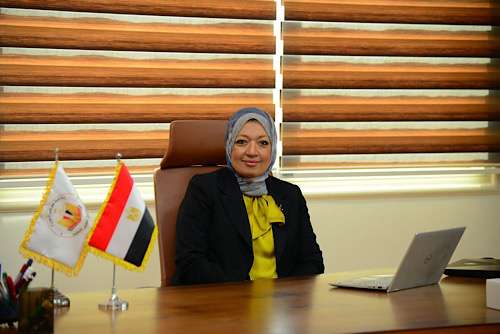
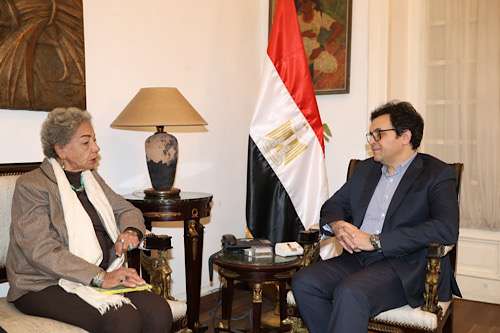
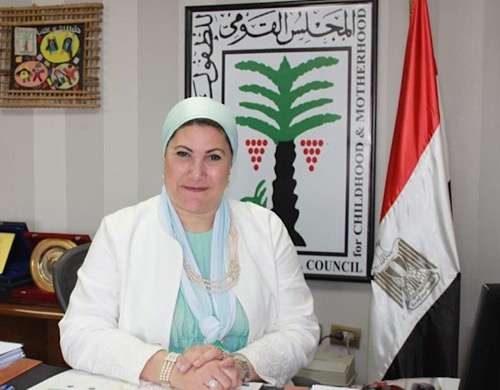
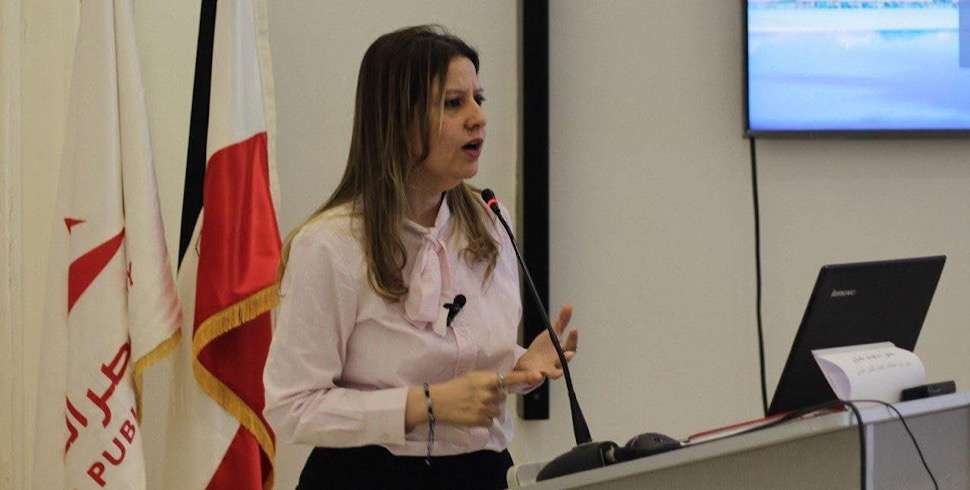
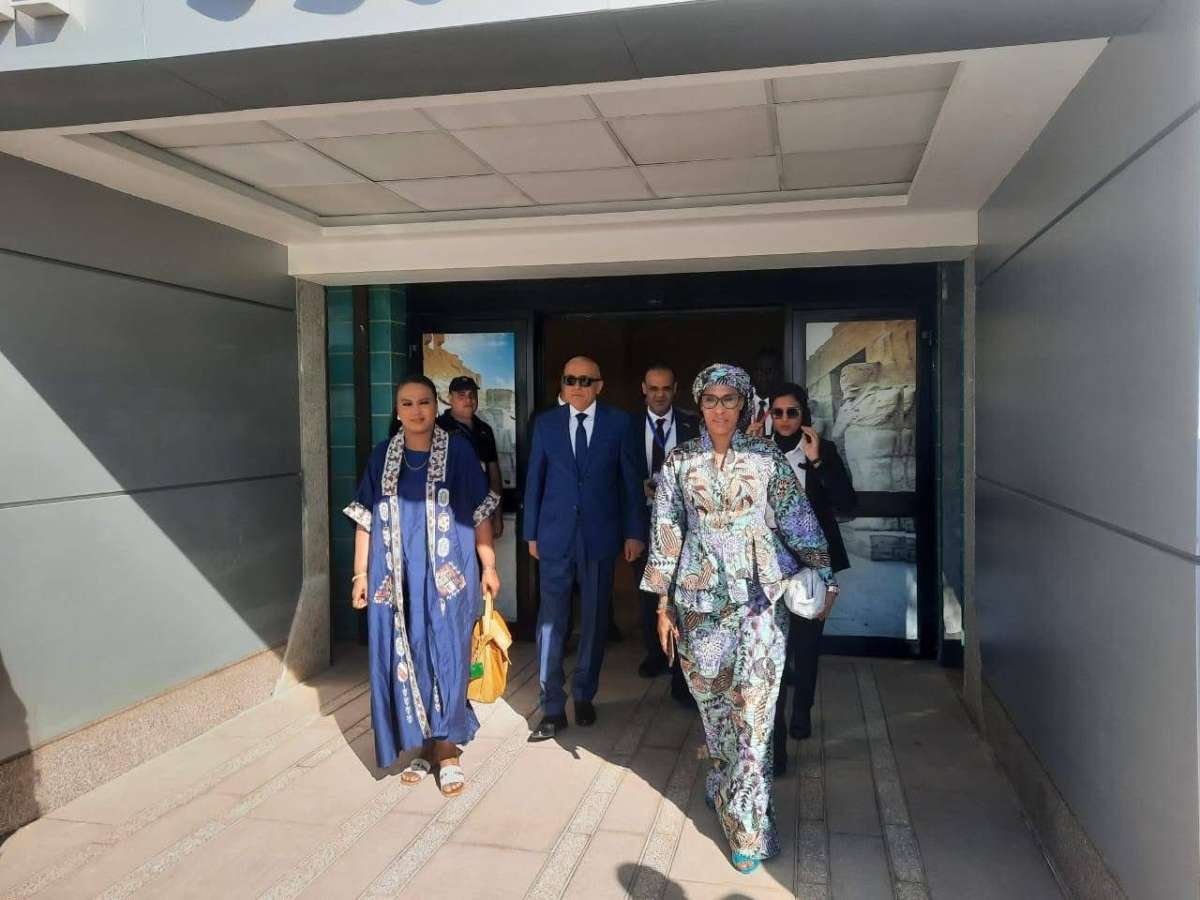
The statement follows remarks made by Dr. Souad Saleh, who suggested that cannabis, unlike alcohol, could be permissible according to Islamic law. This declaration prompted widespread debate across social and media platforms within Egypt and beyond.
After reviewing Dr. Saleh’s comments in detail, Al-Azhar’s scientific committees concluded that hashish is considered an intoxicant and mind-altering drug according to both medical evidence and Islamic jurisprudence.
The academy recalled the teaching of the Prophet Muhammad (peace be upon him), who said, “Every intoxicant and stupefier is forbidden.” Islamic scholars have long held that any substance that impairs the mind or induces lethargy falls under this prohibition, making hashish and all similar drugs unequivocally forbidden. The statement warns that spreading such claims can negatively affect young people, distracting them from productive activity and dulling their awareness.
The academy also emphasized that Egyptian law criminalizes both the use and sale of hashish, urging the public to seek religious guidance only from accredited and official sources.
Furthermore, the statement clarified that Dr. Souad Saleh is not affiliated with Al-Azhar’s official fatwa committees, and her views do not reflect those of Al-Azhar or its established tradition of rigorous religious scholarship.
In its closing remarks, Al-Azhar’s Islamic Research Academy encouraged the community always to verify religious opinions through trusted and recognized authorities, affirming its ongoing commitment to serving as a reliable guide on matters of faith and public welfare.