











































































































































































































































































































































































































































































































































































































































































































































































































































































































































































































































































































































































































































































Friday, 09 October 2026
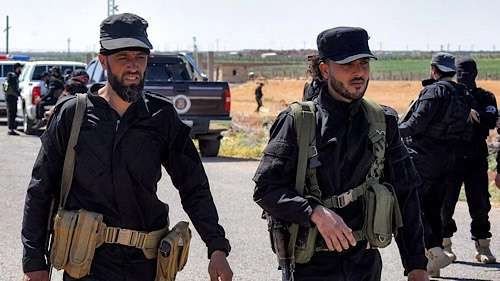
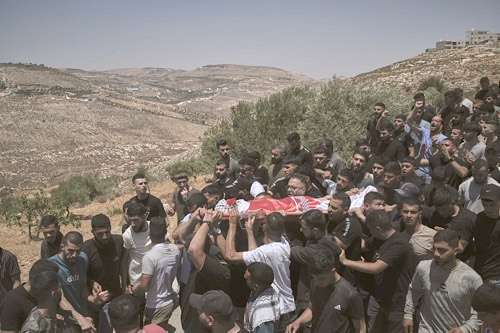
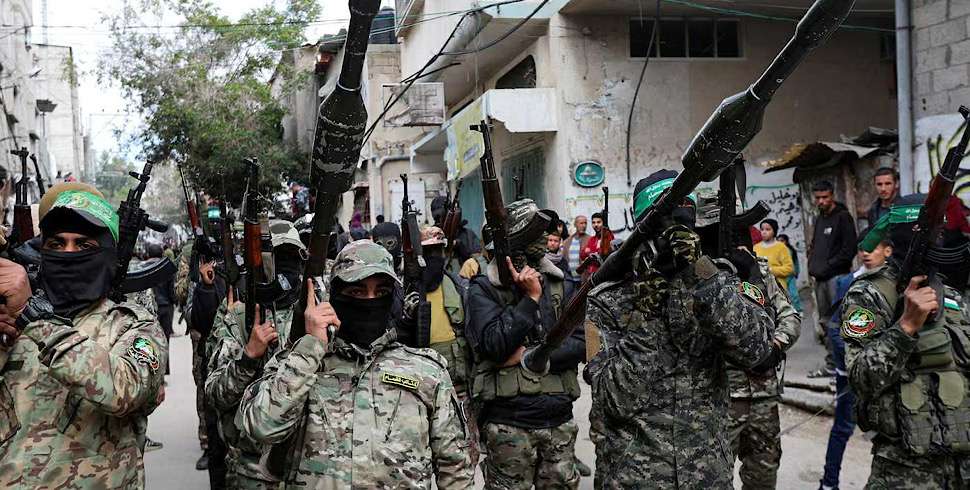 Hamas fighters carry grenade launchers at the funeral of Marwan Issa, a senior Hamas deputy military commander who was killed in an Israeli airstrike.
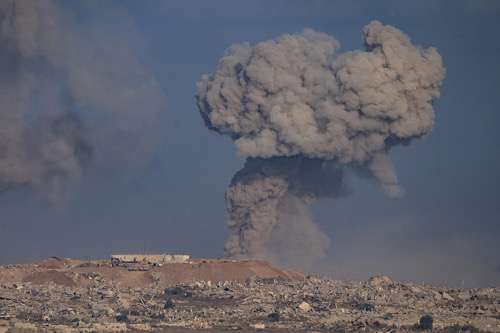
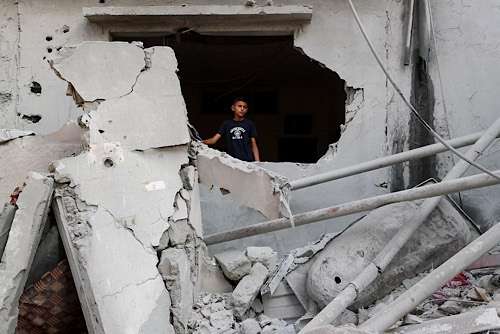
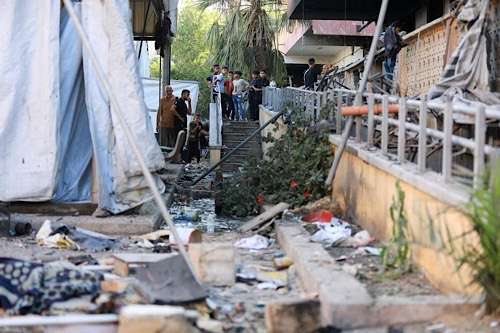
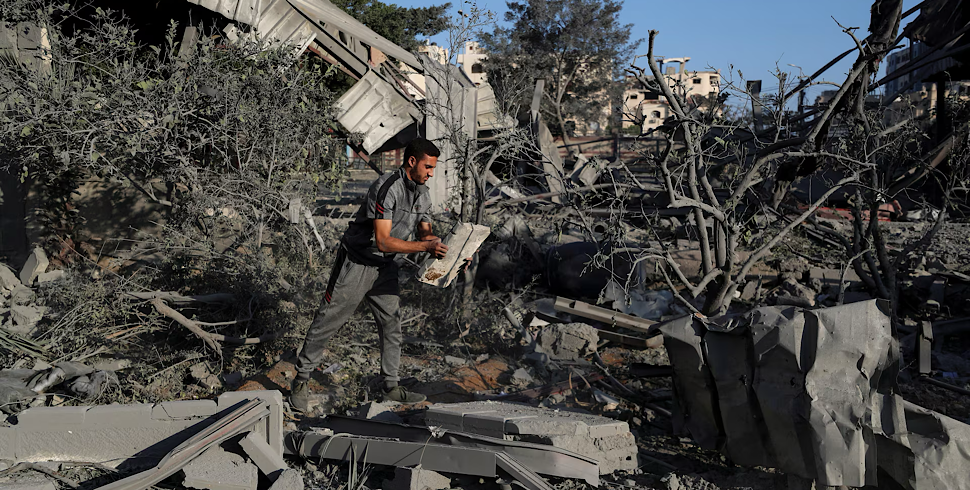
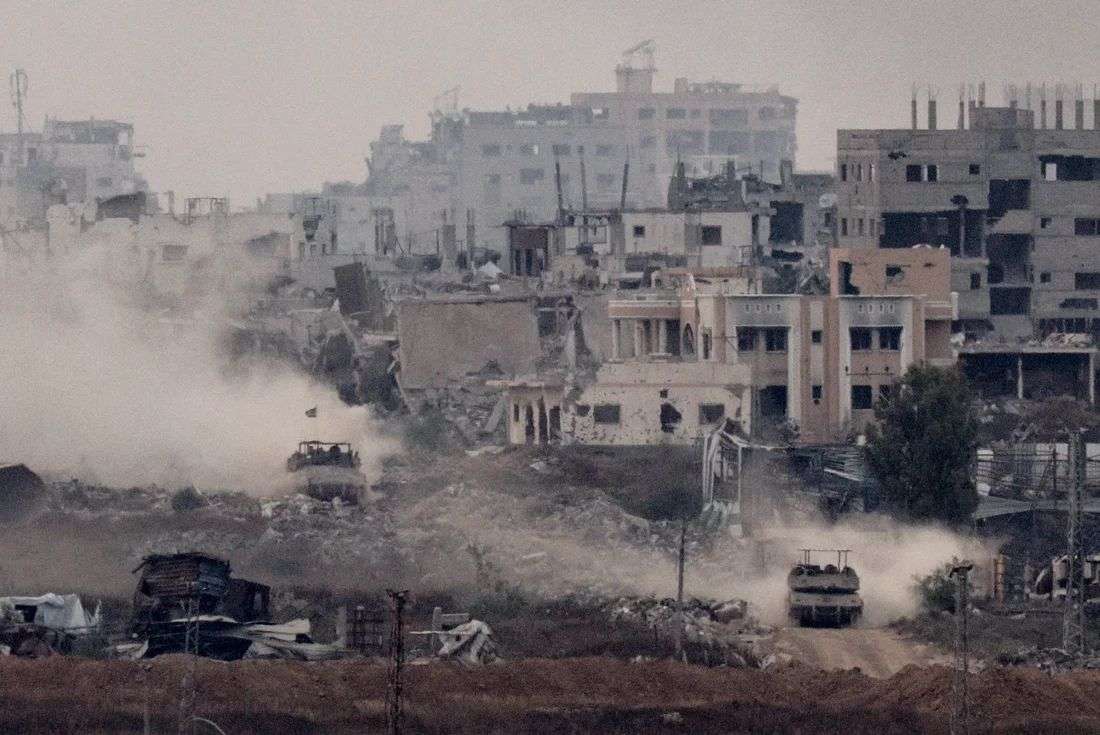
CAIRO/LONDON – Facing a shortage of commanders, the destruction of much of its tunnel network, and wavering backing from Iran, Hamas is fighting to stay afloat in Gaza as local clans rebel and relentless Israeli military operations take their toll.
According to three sources with knowledge of Hamas’s situation cited by Reuters, the group’s fighters are now operating independently, under orders to resist for as long as possible. Despite these efforts, Reuters reports that Hamas is struggling to retain its authority amid Israel’s open support for tribal factions opposing it.
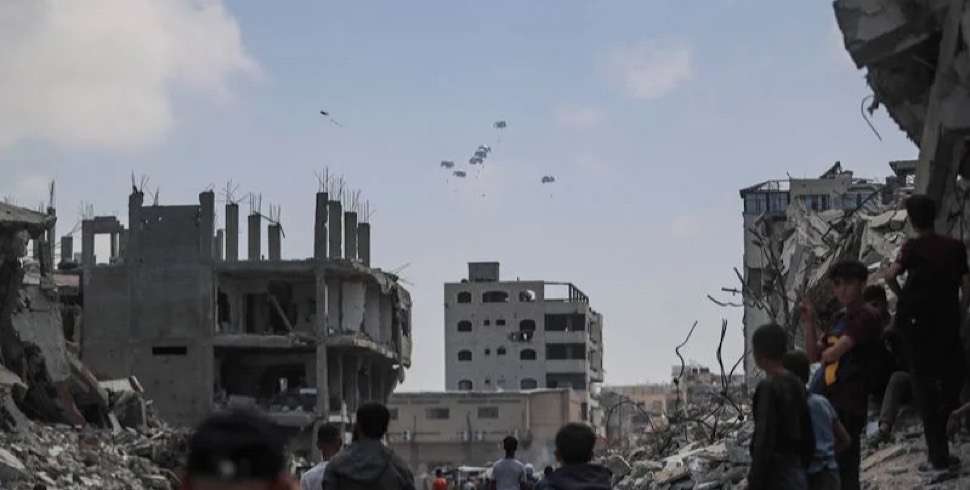
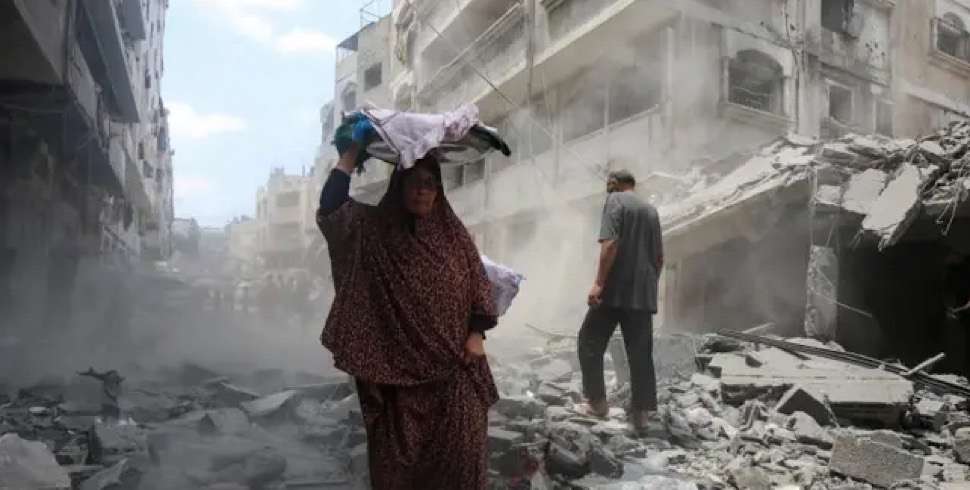
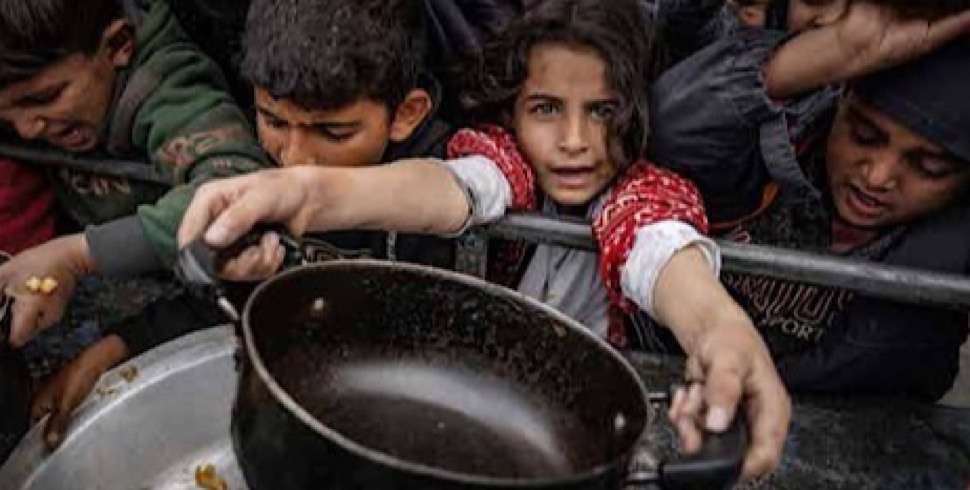
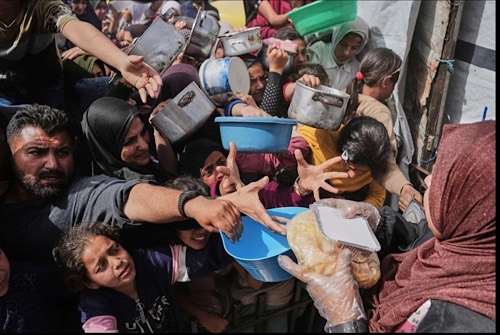
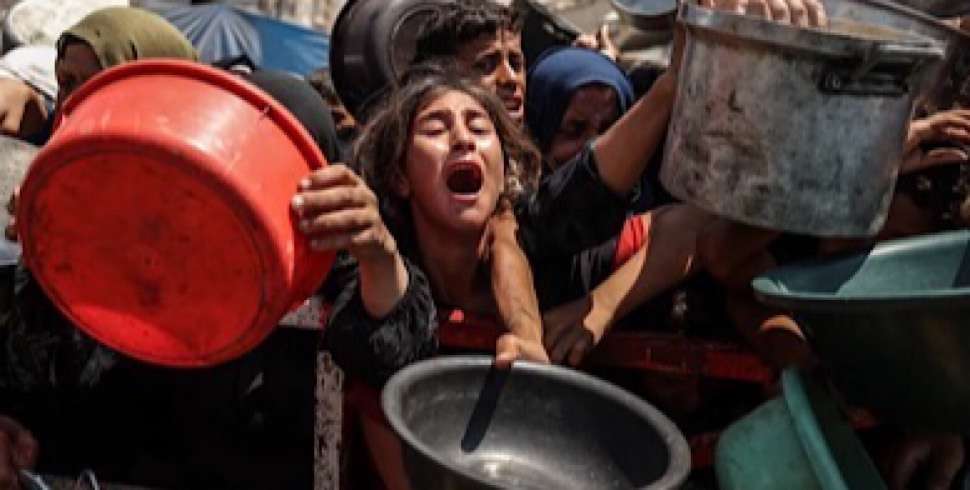
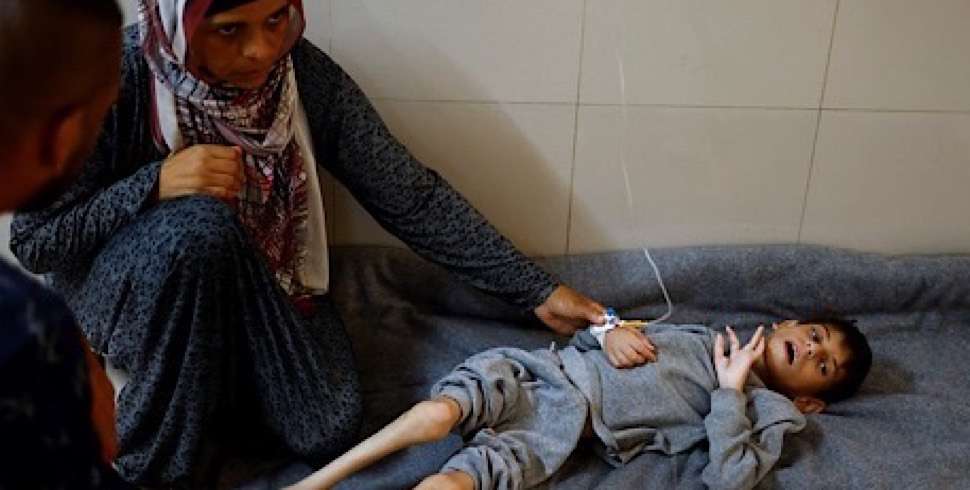
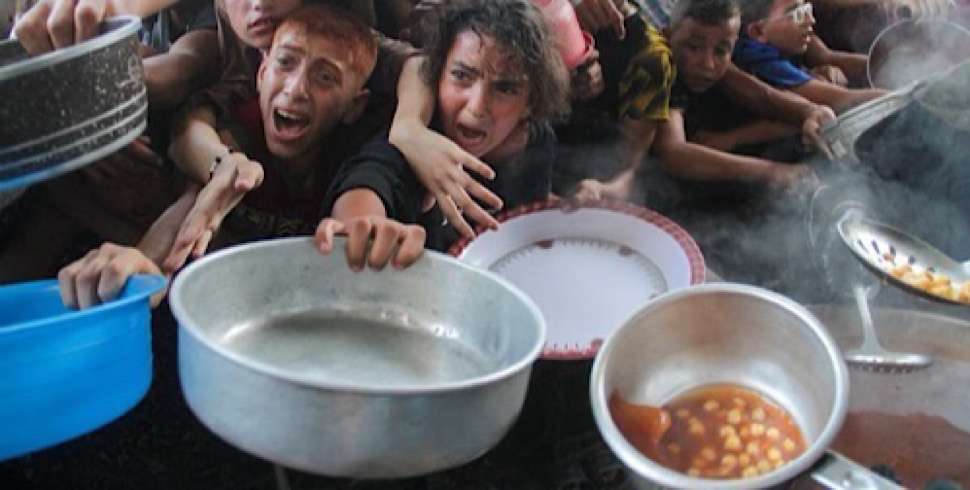
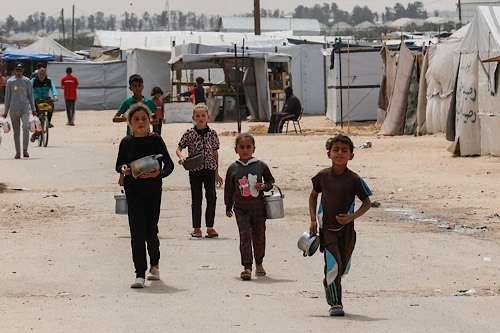
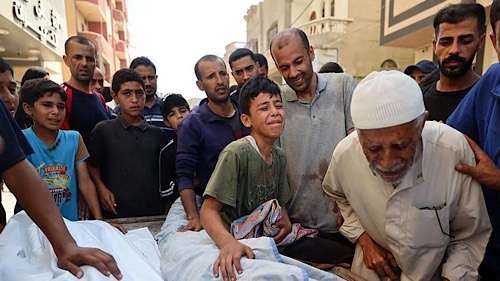
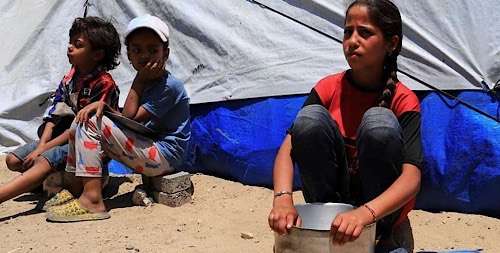
As a deepening humanitarian crisis intensifies global calls for a ceasefire, one source revealed that Hamas is in urgent need of a pause in the conflict.
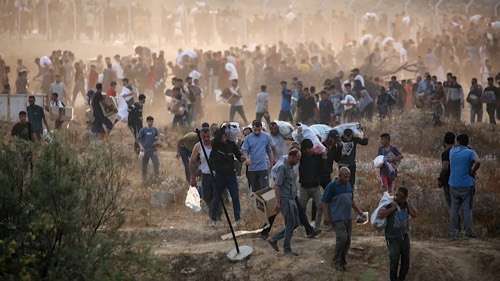
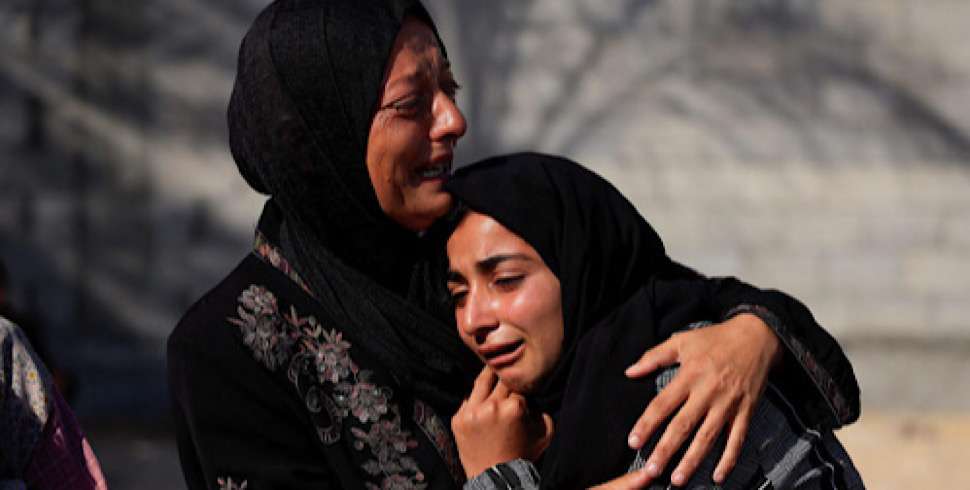
A ceasefire would not only provide relief for Gaza’s exhausted population—many of whom are increasingly critical of Hamas—but would also give the group the chance to stamp out rogue factions, including certain clans and looters reportedly stealing aid, the source explained.
To confront immediate threats, Hamas has deployed elite fighters to eliminate Yasser Abu Shabab, a rebellious clan leader. Yet, according to two Hamas sources and two others familiar with the situation, Abu Shabab remains out of reach in Rafah, an area under Israeli control.
Reuters interviewed 16 individuals—including people close to Hamas, Israeli security officials, and diplomats—who described a significantly weakened Hamas. While the group has managed to retain some influence and operational capabilities in Gaza, it faces mounting difficulties.
Despite its waning power, Hamas remains capable of striking back, as shown by the killing of seven Israeli soldiers in southern Gaza on Tuesday. However, three Middle Eastern diplomats stated that intelligence reports indicate Hamas has lost its centralized command and is now limited to sporadic, surprise attacks.
Senior Hamas official Sami Abu Zuhri said the group seeks an agreement to end the conflict with Israel but insists that surrender is not an option.
He affirmed that Hamas remains open to negotiations and is prepared for a comprehensive prisoner exchange, alluding to Israeli hostages. However, Hamas wants an immediate end to the fighting and an Israeli withdrawal.
With a U.S.-mediated ceasefire holding in the Iran-Israel conflict, international attention has shifted toward securing a potential Gaza truce that could halt the fighting and ensure the release of remaining hostages.
One source close to Hamas told Reuters the group would welcome even a temporary truce to counter local clans that are gaining sway in the territory.
Nevertheless, he rejected Israeli Prime Minister Benjamin Netanyahu’s conditions for ending the conflict—which include exiling Hamas leaders from Gaza—saying this would equate to a total defeat, something Hamas refuses to accept.
“We hold onto hope, but the reality is grim,” the source admitted.
Yezid Sayigh, a senior fellow at the Carnegie Middle East Center in Beirut, suggested Hamas is focused primarily on survival—a challenge that is now as much political as it is military.
Palestinian tribal groups have become a focal point of Israel’s efforts to undermine Hamas. Netanyahu has acknowledged arming rival clans but has not specified which groups.
One of the most significant challenges to Hamas comes from Abu Shabab, a Palestinian Bedouin leader based in Rafah.
According to three Hamas sources, the group wants Abu Shabab captured or killed, accusing him of collaborating with Israel and organizing attacks against Hamas.
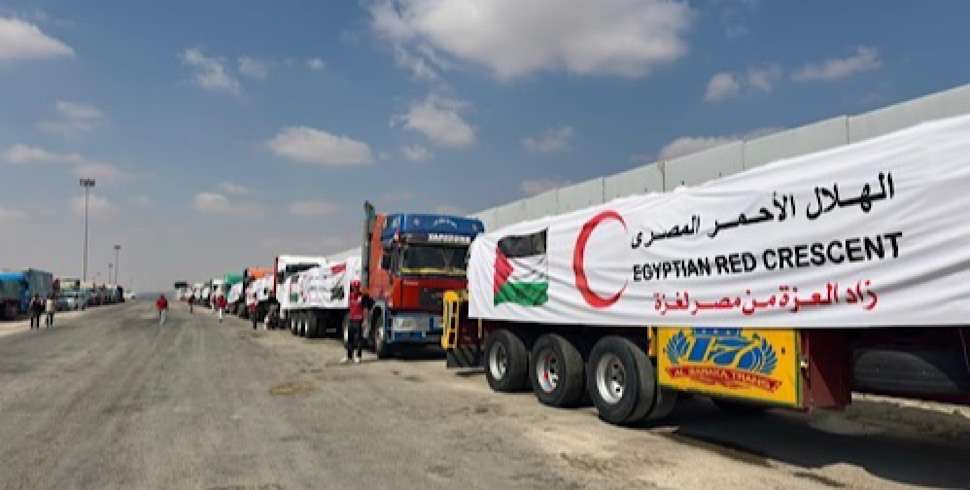
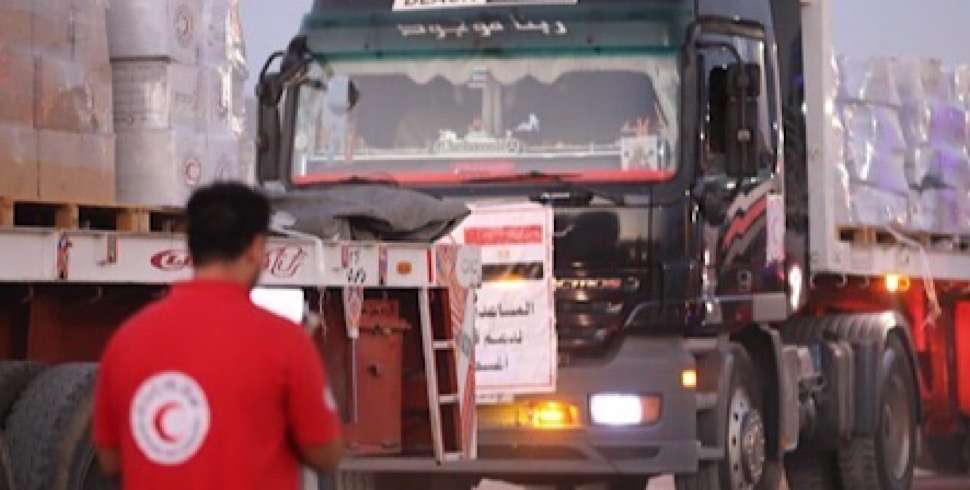
Abu Shabab’s men control eastern Rafah and reportedly move freely in the wider area. Their Facebook page features images of their armed members escorting aid trucks from the Kerem Shalom crossing.
Announcements from Abu Shabab’s group signal attempts to establish their own administration in the region, though they deny aspirations to become the governing authority. The group has also urged displaced Rafah residents across Gaza to return, promising them food and shelter.
Responding to Reuters’ questions, Abu Shabab’s group denied receiving Israeli support or having any contact with the Israeli military, describing themselves as a people’s force dedicated to protecting humanitarian aid convoys from looting.