




















































































































































































































































































































































































































































































































































































Friday, 09 October 2026
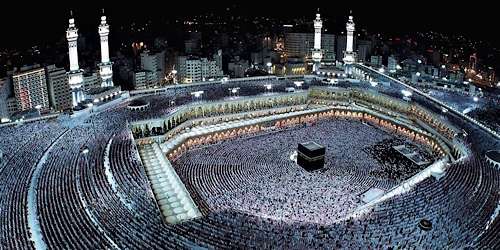
As the holy month of Ramadan begins, Muslims around the world prepare for a period marked by deep faith, spiritual reflection, and a renewed sense of community.
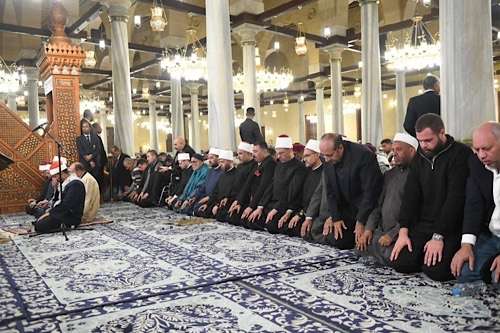
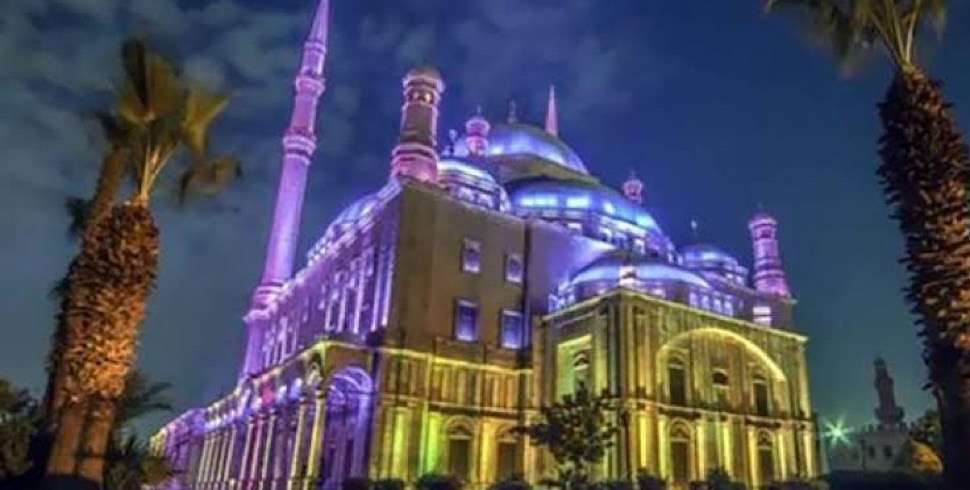
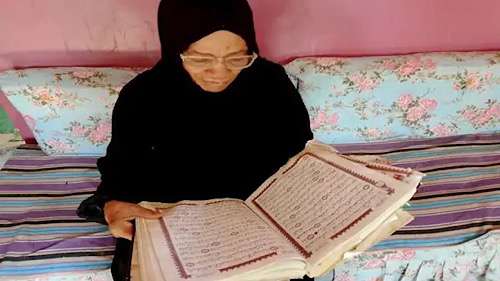
Across Islamic societies, daily life takes on a different rhythm during this sacred month. Mosques fill with worshippers, streets glow with lanterns and decorative lights, and the sounds of prayer and Quranic recitation echo late into the night.
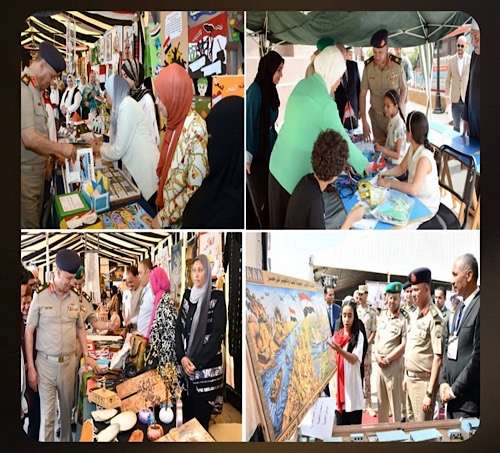
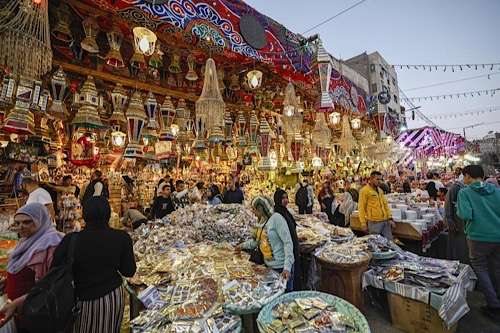
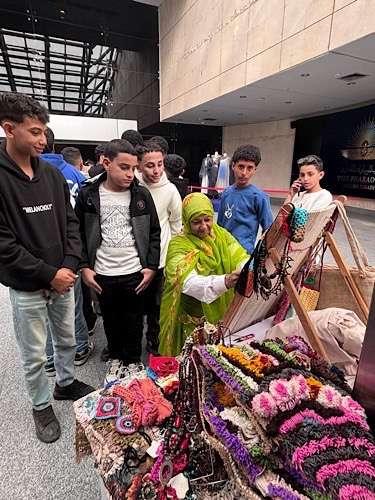
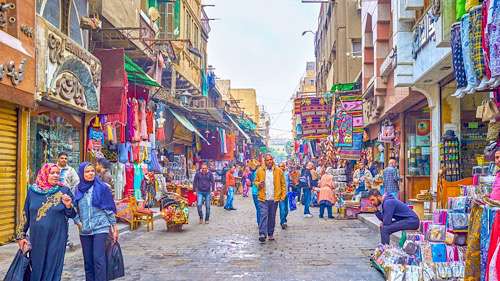
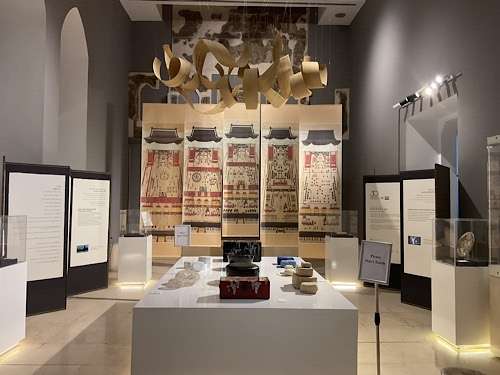
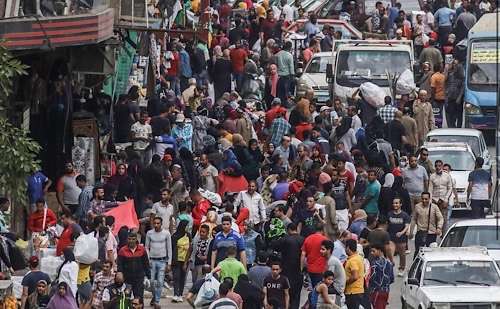
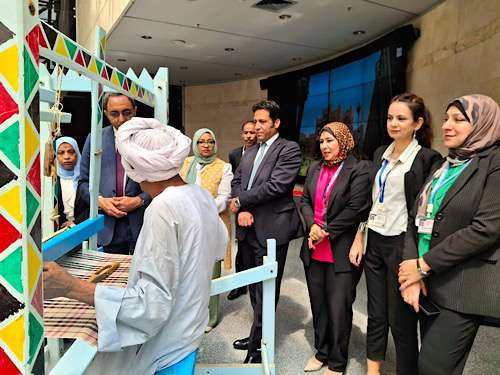
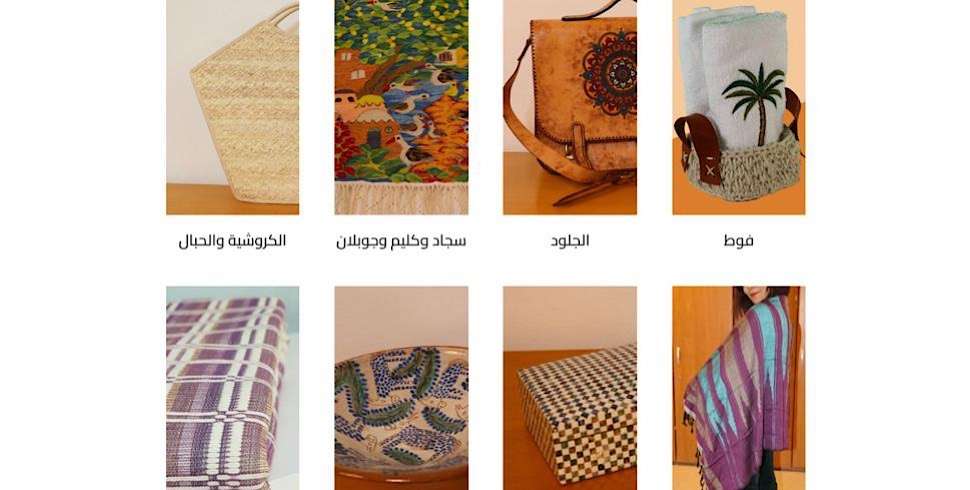
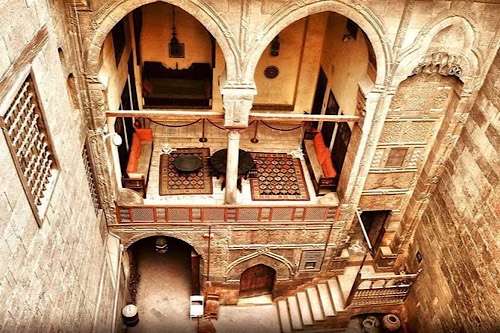
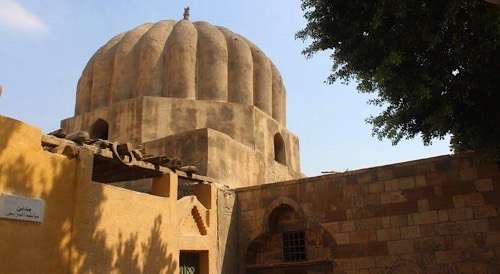
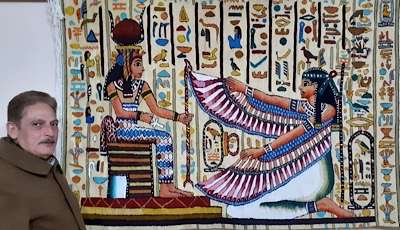
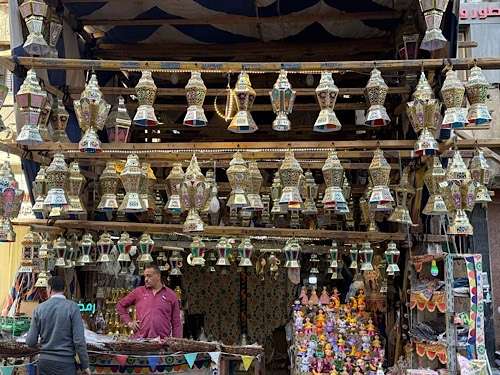
In Egypt—particularly in historic Cairo—the anticipation is both spiritual and deeply cultural. Just days before the month begins, the streets of Fatimid Cairo come alive with Ramadan lanterns, colorful fabrics, and traditional decorations that have been part of the country’s heritage for centuries. Families and visitors flock to these areas to buy lanterns, known locally as “fawanees,” along with the intricate “khayamiya” textiles that give Ramadan its festive character.
For Muslims, Ramadan is far more than abstaining from food and drink. It is a time for devotion, charity, self-discipline, and strengthening family and community bonds. Many view the month as an opportunity to reset spiritually and emotionally, embracing practices that support mental and personal well‑being.
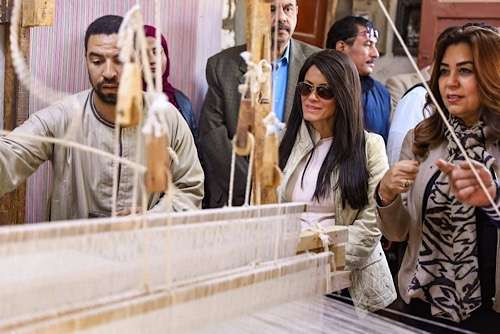
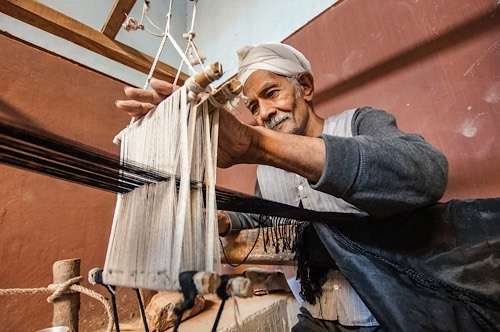
Some of Cairo’s oldest neighborhoods—such as Al-Darb Al-Ahmar, Al-Khayamiya, and Bab El-Khalq—remain the heart of Egypt’s traditional lantern industry. These areas are home to workshops whose craftsmen have inherited their skills from generations dating back to the Fatimid period more than a thousand years ago. Here, artisans continue to produce classic metal, glass, and tin lanterns alongside modern designs made from cardboard, plastic, and LED lighting.
Families often bring their children to these historic streets to choose their favorite lanterns, available in many shapes and sizes—from dolls and miniature mosques to the iconic traditional lantern. For many Egyptians and tourists alike, buying a Ramadan lantern from these neighborhoods is both a cherished ritual and a way to connect with centuries of cultural heritage.
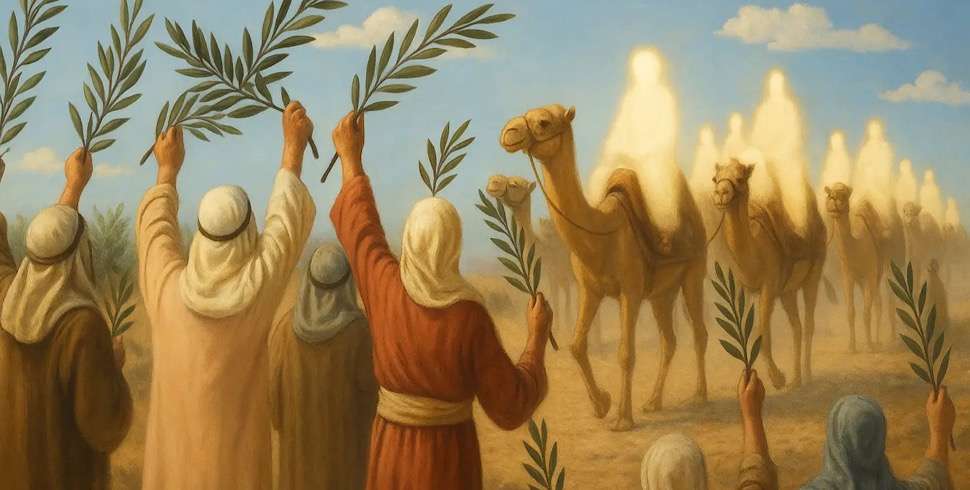
The roots of this tradition stretch back to the arrival of the Fatimid Caliph Al‑Mu’izz li‑Din Allah in Cairo at night, when Egyptians greeted him with torches and colorful lanterns to light his way. Over time, the lantern became a symbol of Ramadan itself, representing celebration, warmth, and community spirit.
Even as Ramadan concludes, its values remain imprinted on the hearts of millions—reminders of generosity, compassion, and spiritual renewal. For Muslims everywhere, the holy month continues to offer an annual opportunity to reflect, realign priorities, and begin anew with hope and a commitment to goodness.