



















































































































































































































































































































































































































































































































































































































































































































































































































































































































Friday, 09 October 2026
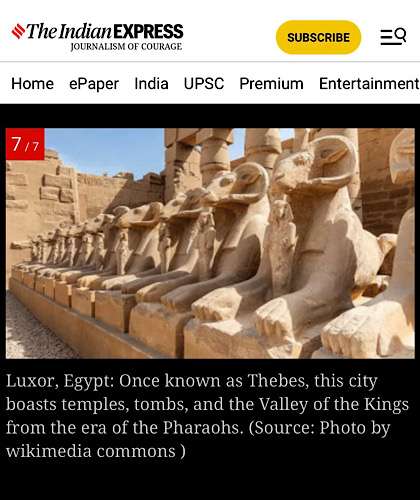
Are you ready to stroll alongside pharaohs, decipher the enigmatic language of kings, and unearth the wisdom that flourished along the banks of the Nile?
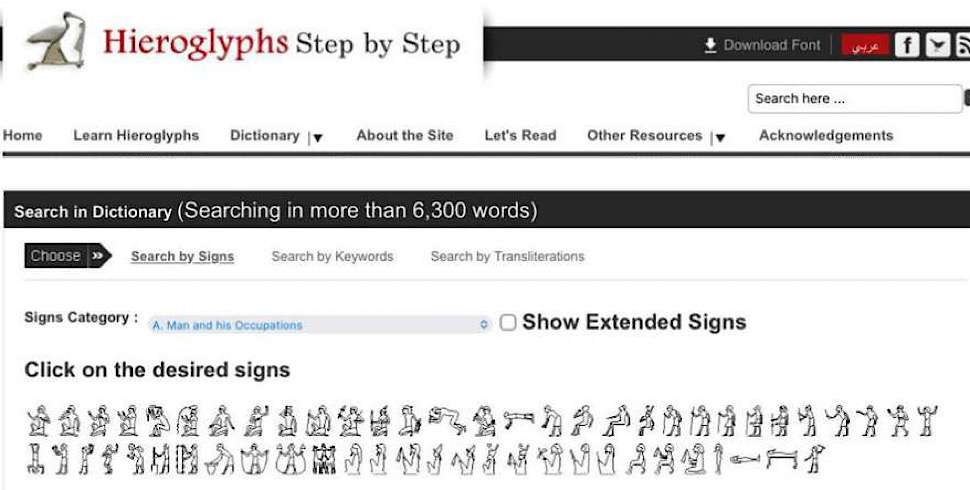
The Nile Observer invites you to embark on a truly extraordinary expedition—one that blends cutting-edge technology with the timeless wonders of ancient Egypt—through the remarkable website, Hieroglyphs Step by Step.
Whether you’re a university student or a lifelong learner with a curiosity for ancient Egypt, this website is the perfect place to begin your journey into the world of hieroglyphs.
Launched in 2015 by the Library of Alexandria, it has blossomed into the go-to hub for hieroglyphic studies, now thoughtfully available in both Arabic and English to ensure accessibility for everyone.
Dive into a rich, expansive dictionary
Prepare to be amazed as you explore an extensive dictionary brimming with thousands of ancient Egyptian words. With over 6,800 hieroglyphic signs, you can search for words in multiple ways—using the sign itself, its phonetic value, or its meanings in both Arabic and English. Everything you need to unlock the language of the pharaohs is right at your fingertips.
Thoughtfully crafted grammar lessons for beginners
The immersive grammar lessons are specially designed for those just starting out. Step by step, you will learn to recognize uniliteral, biliteral, and triliteral signs, as well as how to arrange and read ancient scripts. The lessons guide you through key concepts such as determinatives and phonetic complements, helping you understand the various ways the same word can be written.
Building language foundations
The learning journey doesn’t stop at letters. Lessons gracefully cover numbers, nouns, adjectives, demonstratives, and personal pronouns in ancient Egyptian writing. You’ll also discover meaningful cultural details, like the titles used in ancient Egypt and the fascinating “offering formula.” Each module includes interactive quizzes, allowing you to check your progress at two difficulty levels and learn at your own comfortable pace.
History and key discoveries
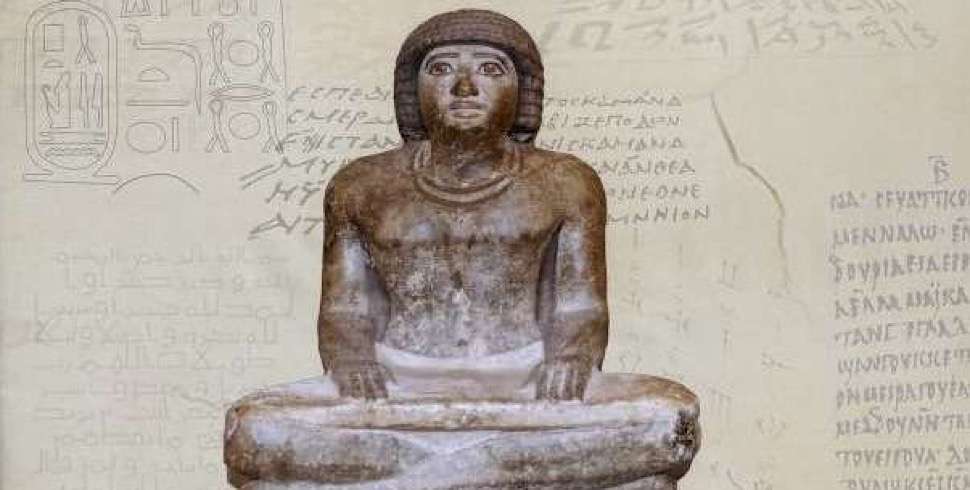
To gain a well-rounded understanding, you are invited to explore special topics in ancient Egyptian civilization. Delve into the story of the Rosetta Stone and its remarkable discovery in 1799, which revolutionized our understanding of hieroglyphs. The site also highlights the inspiring work of Arab scholars, whose contributions played a critical role in deciphering the ancient language.
Names, titles, and the gods
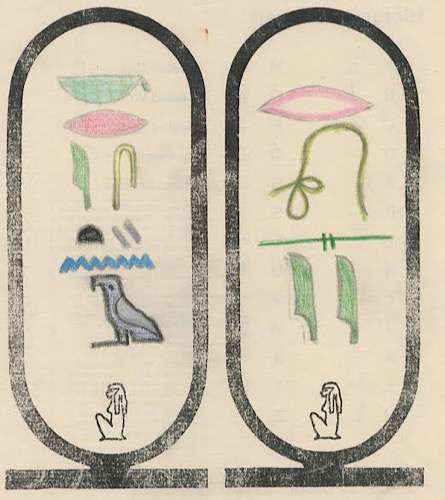
Immerse yourself even further by exploring the names and titles used by ancient Egyptians, the grandeur of royal names, and the important funerary gods. This broadens your understanding of not just the language, but the vibrant culture and beliefs that shaped ancient Egypt.
The indispensable ‘Let’s Read’ guide
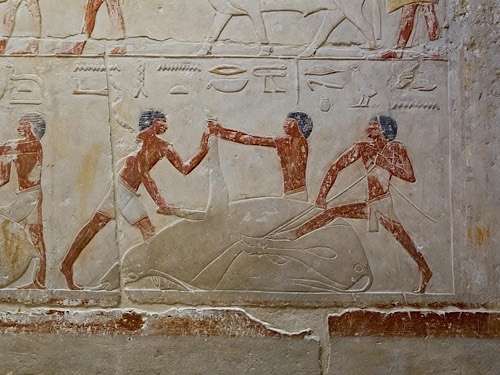
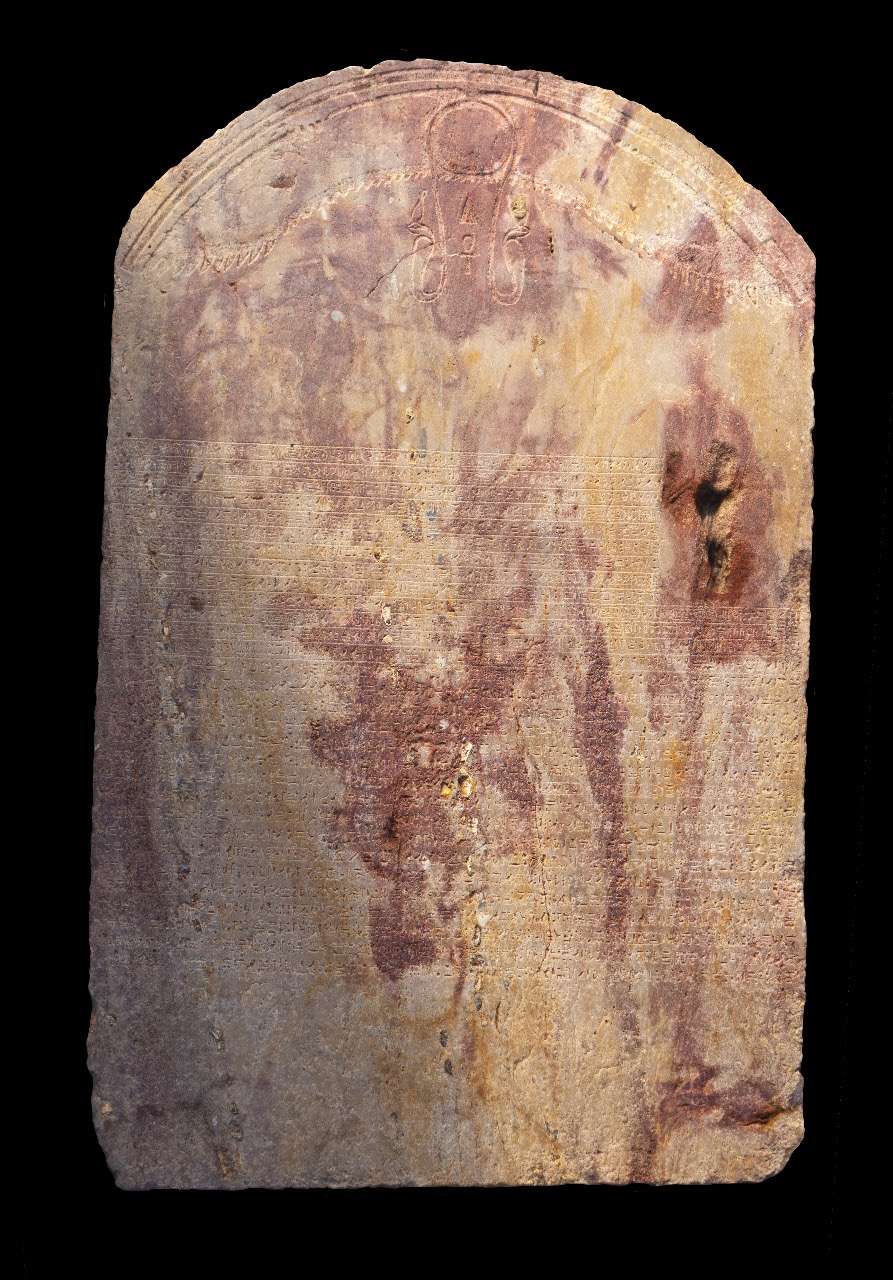
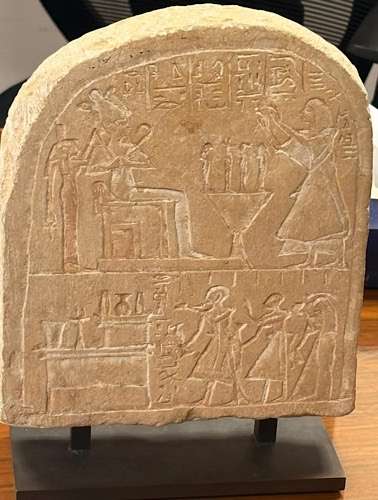
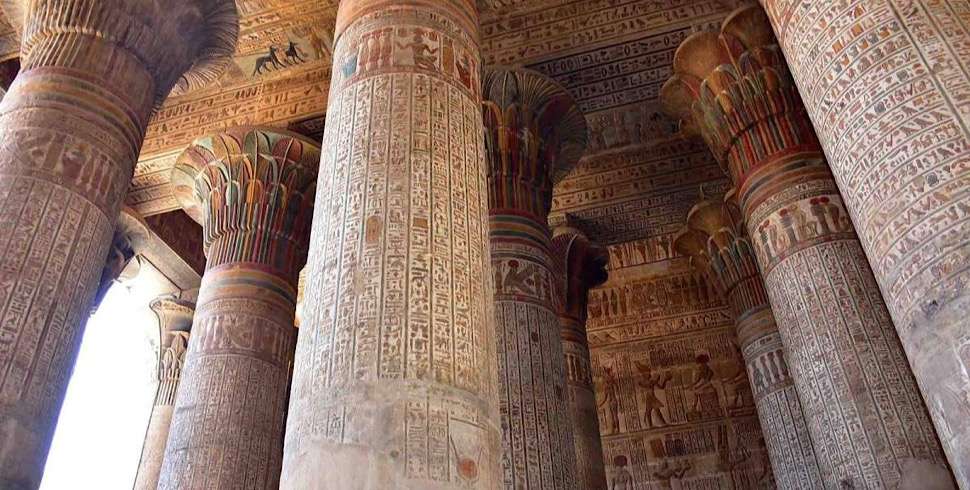
To help you master reading hieroglyphics, the website offers a practical section called ‘Let’s Read.’ Here, you are gently guided through step-by-step decoding of real inscriptions, learning to identify hieroglyphic signs until you can confidently read a full text on your own. Each image comes with helpful transliterations and translations, making learning engaging and rewarding.
The evaluation of the language and scripts
Step back and see how the Egyptian language fits into the bigger picture. As a member of the Afro-Asiatic language family, it is related to Semitic languages like Arabic and Hebrew. First inscribed around 3400 BC, the language progressed through five main phases: Old Egyptian, Middle Egyptian, Late Egyptian, Demotic, and Coptic. Each era brought its own distinct features, with Middle Egyptian often regarded as the most comprehensive phase for study.
Understanding the four scripts
Discover how ancient Egypt developed four scripts to meet its changing needs:
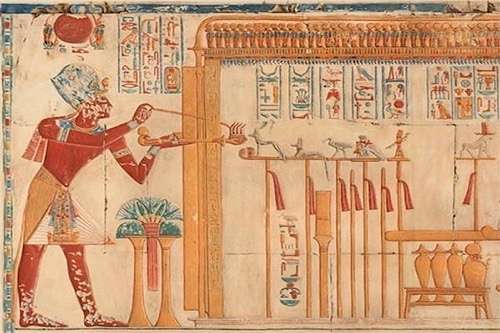
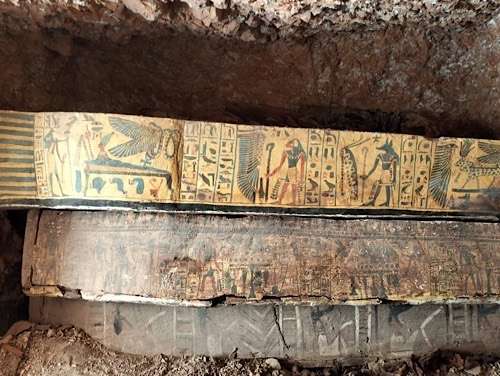
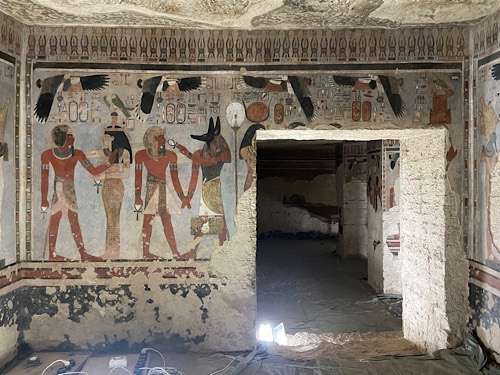
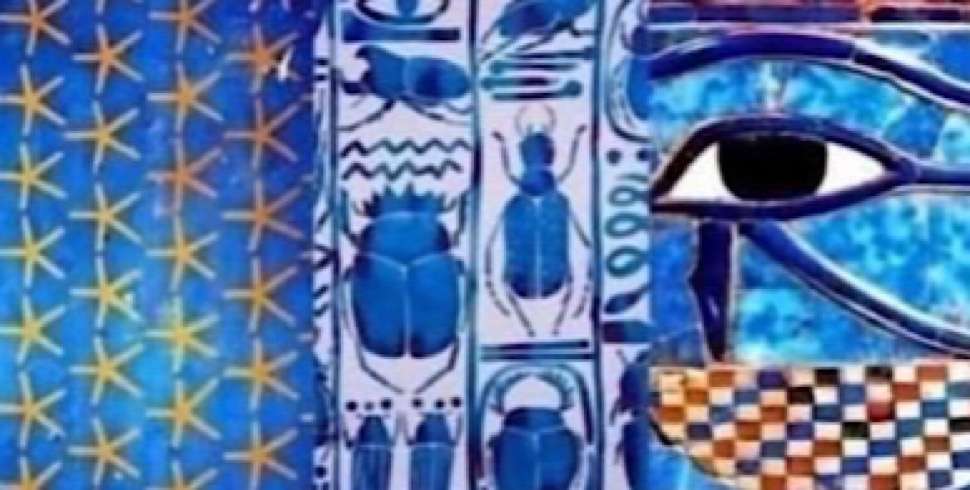
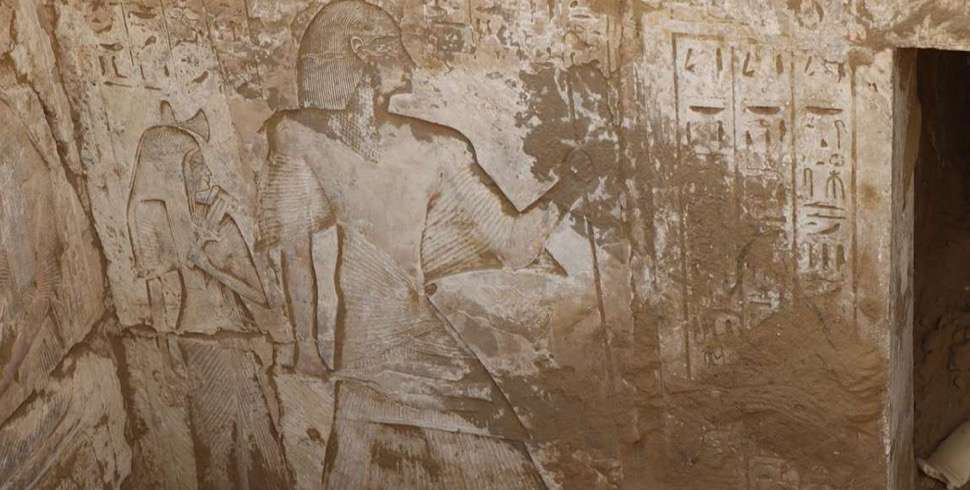
- Hieroglyphs: The sacred “inscriptions” found on temple walls, tombs, monuments, and countless artifacts.
- Hieratic: Once the “priestly” script, this cursive form made writing faster and more practical for papyrus.
- Demotic: Truly “popular,” this everyday script emerged in the 8th century BC and was used by all levels of society.
- Coptic: The final evolution, based on the Greek alphabet with additional letters from Demotic, brought written Egyptian into the early Christian era.
Importantly, it’s a common misconception to speak of a “hieroglyphic language”—hieroglyphs are a script, not a language in themselves.
Pioneers in decipherment
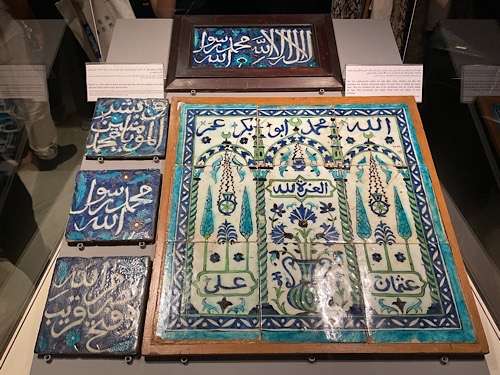
The website also celebrates the incredible achievements of Arab and Muslim scholars. During the golden era of Arab civilization, these scholars cherished Egypt for its legacy of wisdom. They were among the first to study and record the sounds of hieroglyphic signs, striving to access its wealth of knowledge. Works like Okasha El Daly's The Missing Millennium detail how preserved manuscripts, found in esteemed libraries around the world, document the efforts of Arab scholars who successfully deciphered numerous hieroglyphic signs—precursors to modern discoveries.
This thoughtful, all-encompassing platform is your doorway to a magnificent past. Whether you wish to learn the script, understand the culture, or marvel at the wisdom of both ancient Egyptians and the scholars who followed, you are warmly welcomed to begin your journey today.