






























































































































































































































































































































































































































































































































































































Friday, 09 October 2026
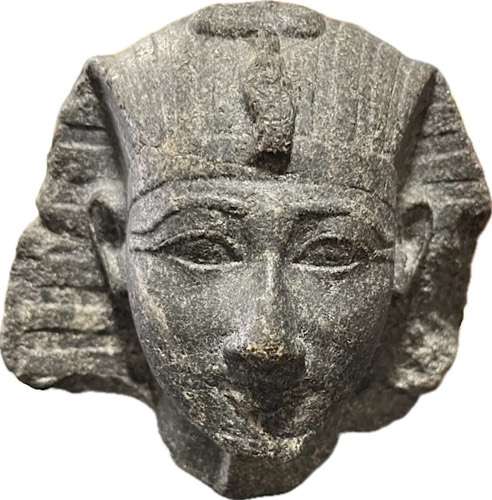
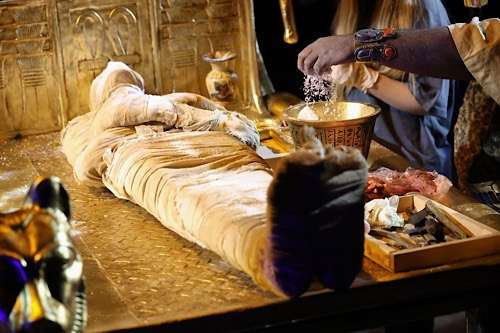
An Egyptian expert in archaeological imaging has criticised a new study suggesting that members of ancient Egyptian royal households were killed and buried alongside their rulers, saying its evidence was too limited to support the claim.
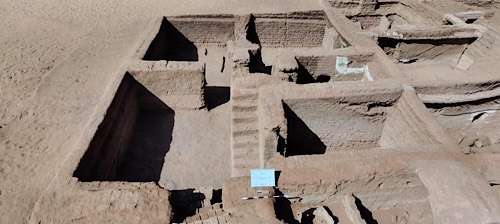
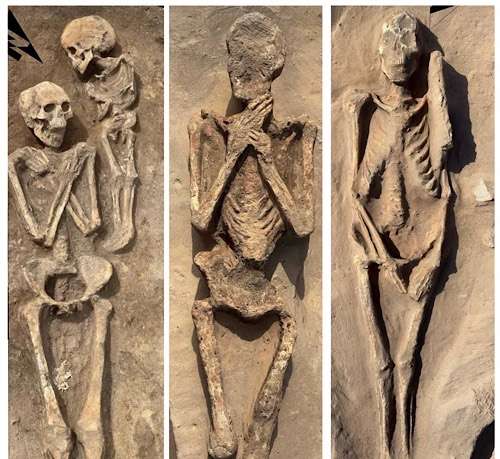
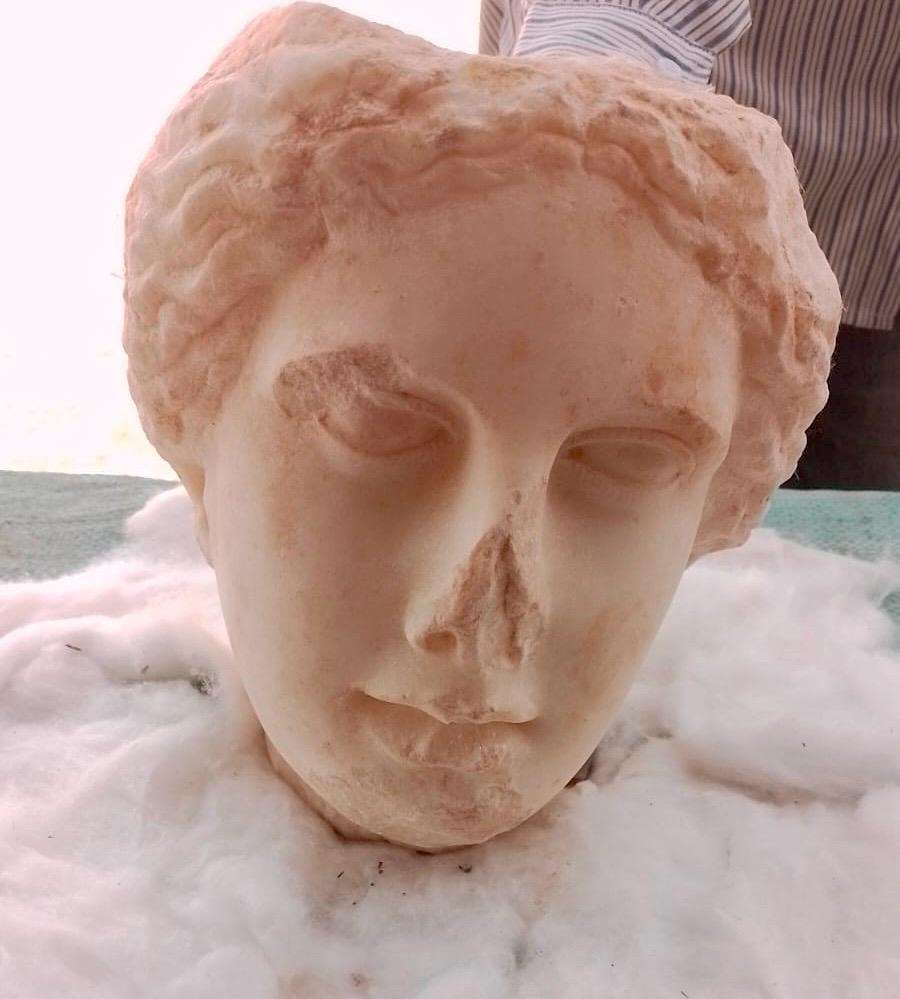
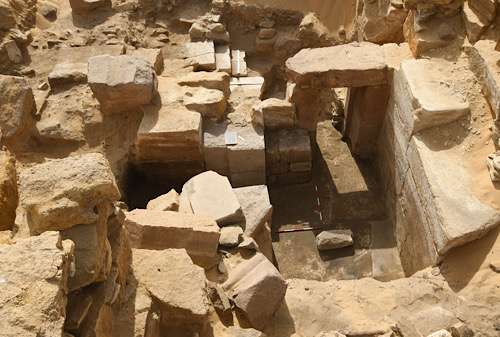
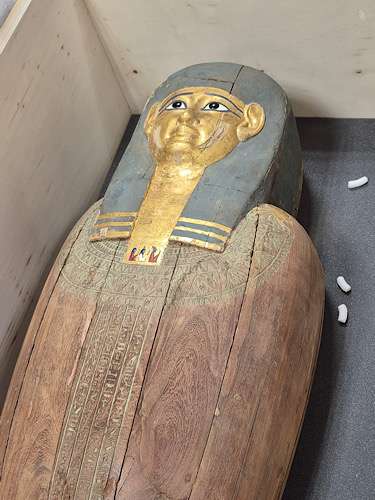
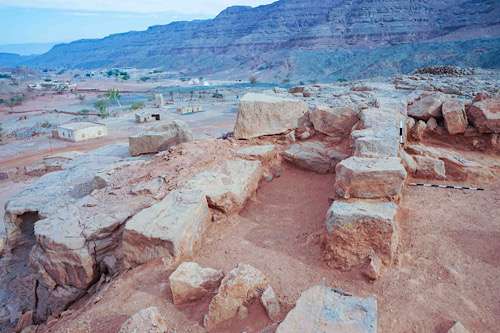
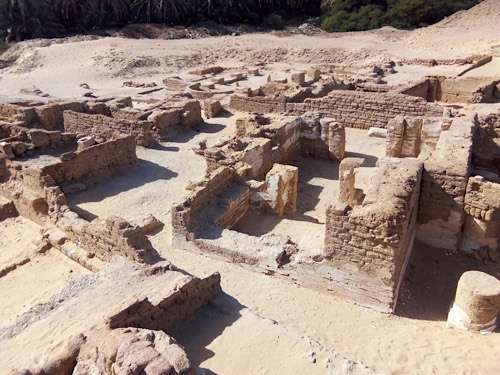
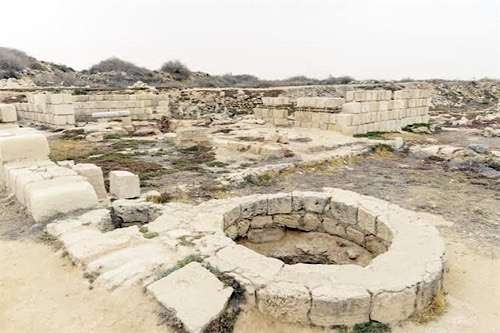
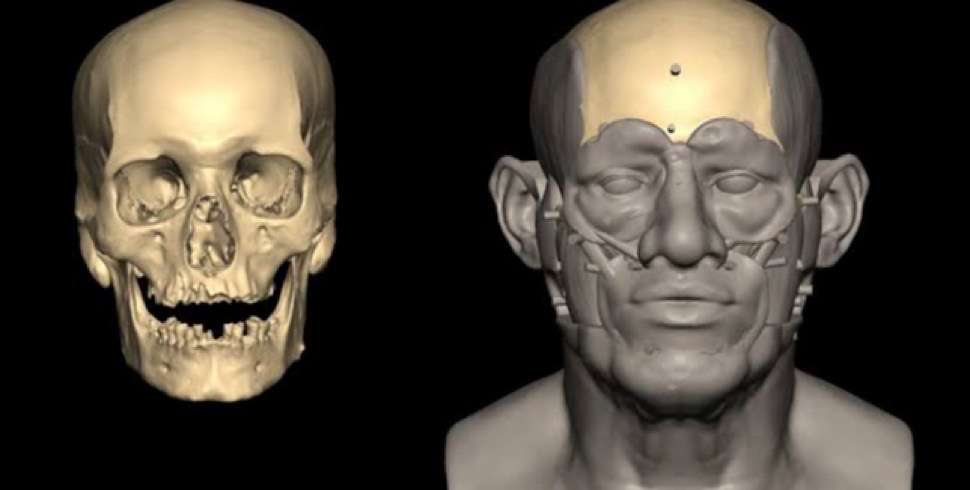
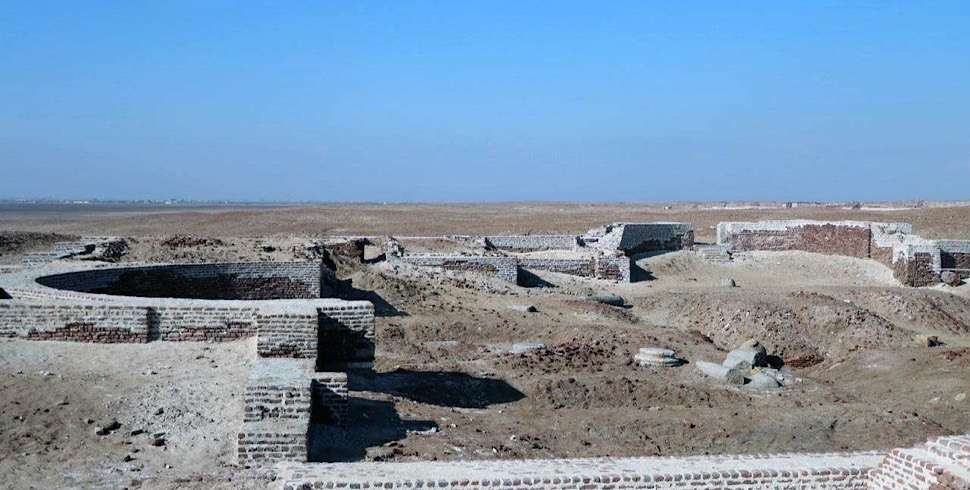
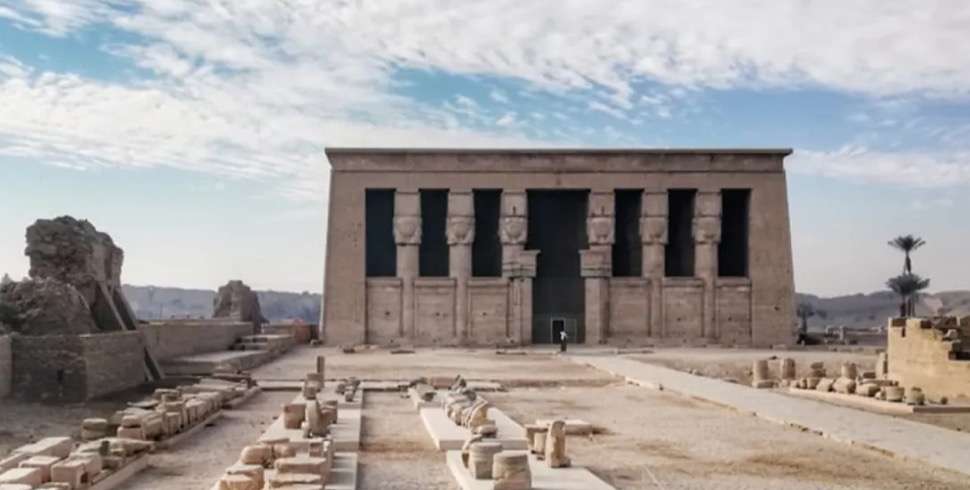
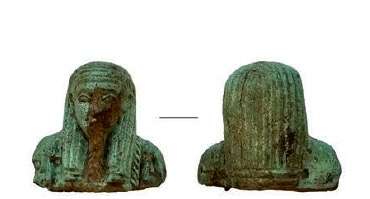
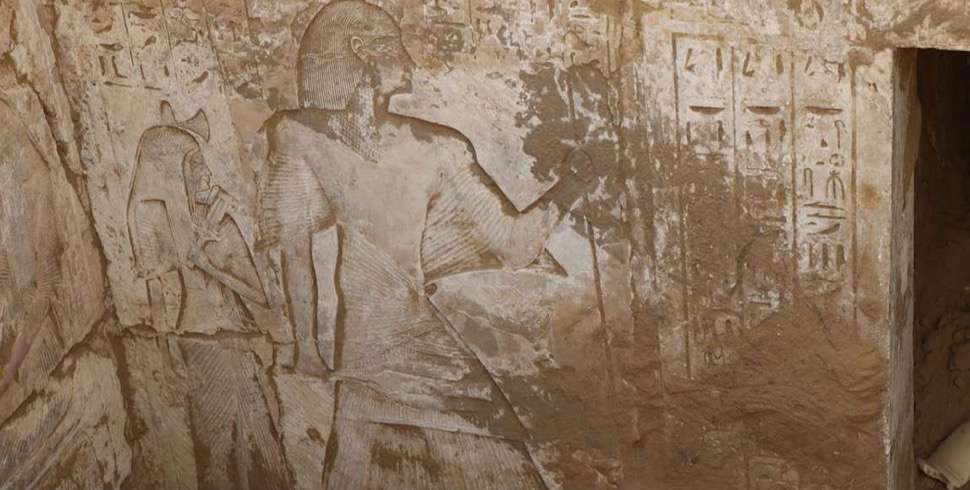
The study, published on Oct 5 in the journal Frontiers in Environmental Archaeology, examined 46 skulls from subsidiary tombs at the royal cemetery of Umm el-Qaab in Abydos. Its author, Rosalind Campbell of Purdue University, reported signs of blunt-force trauma on 18 skulls and argued that they could indicate ritual killings during the burials of First Dynasty rulers.
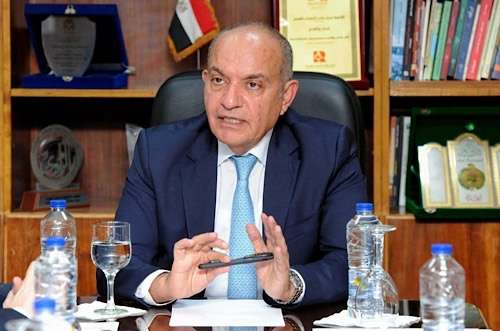
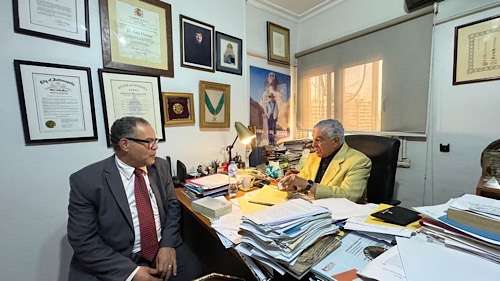
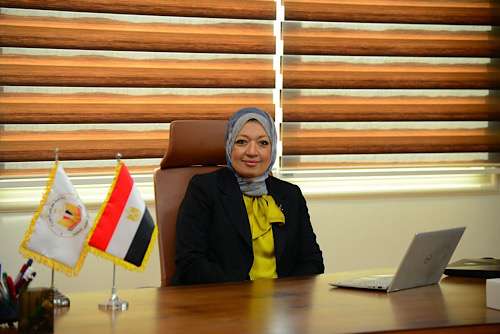
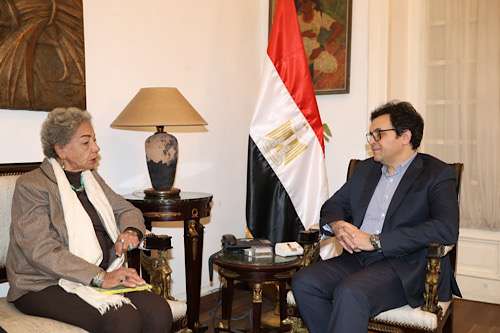
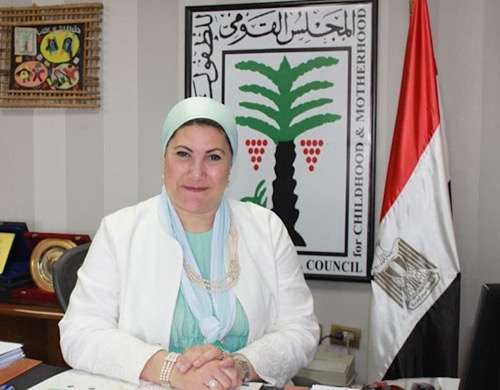
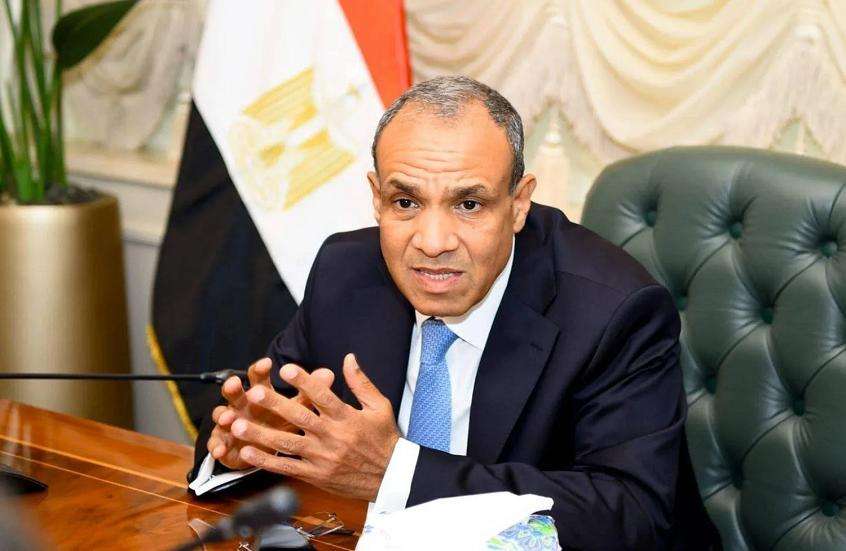
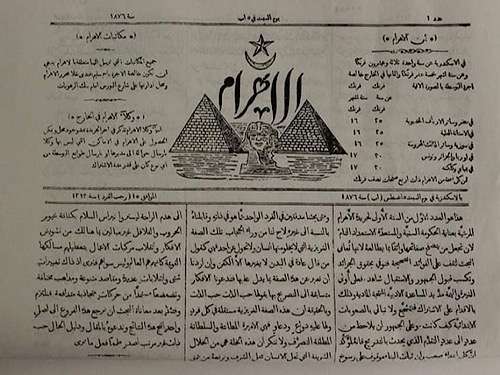
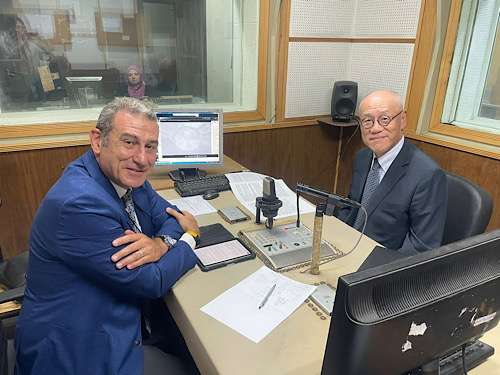
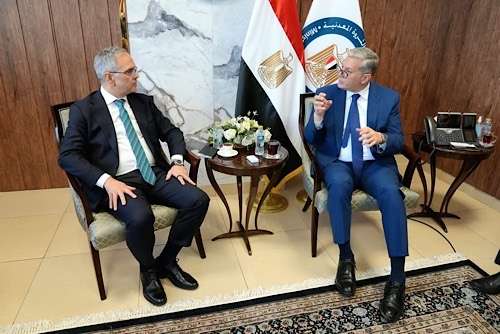
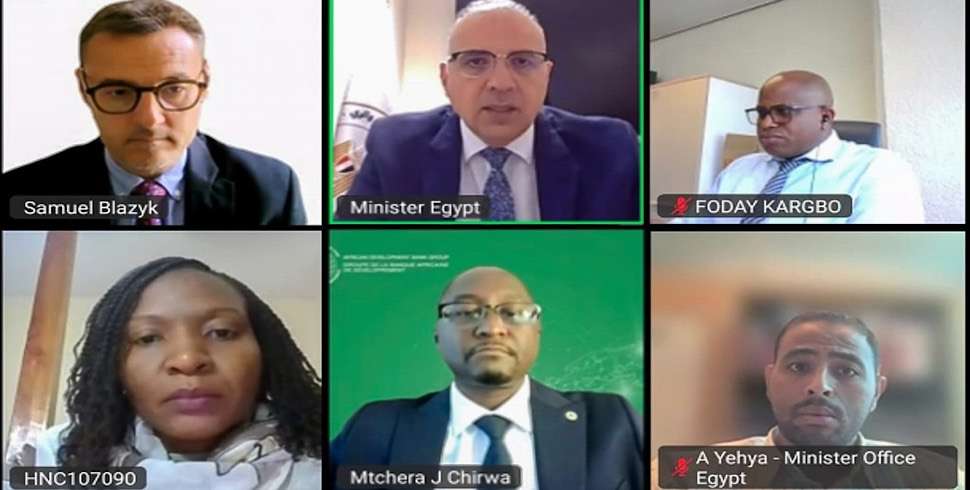
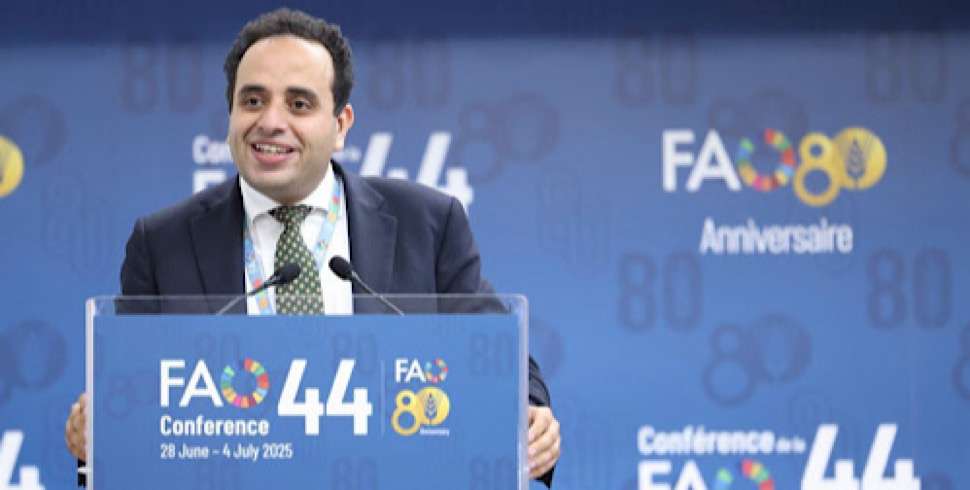
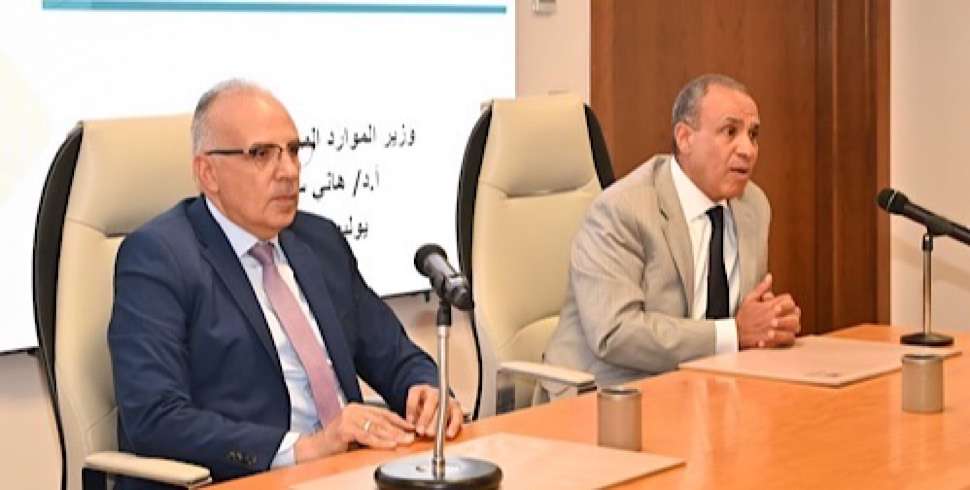
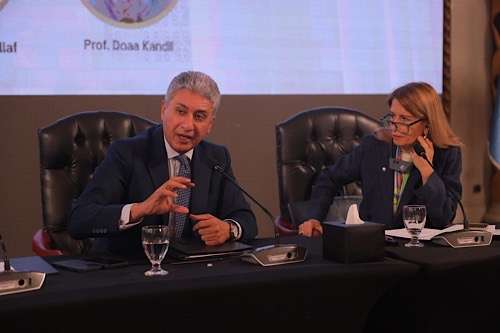
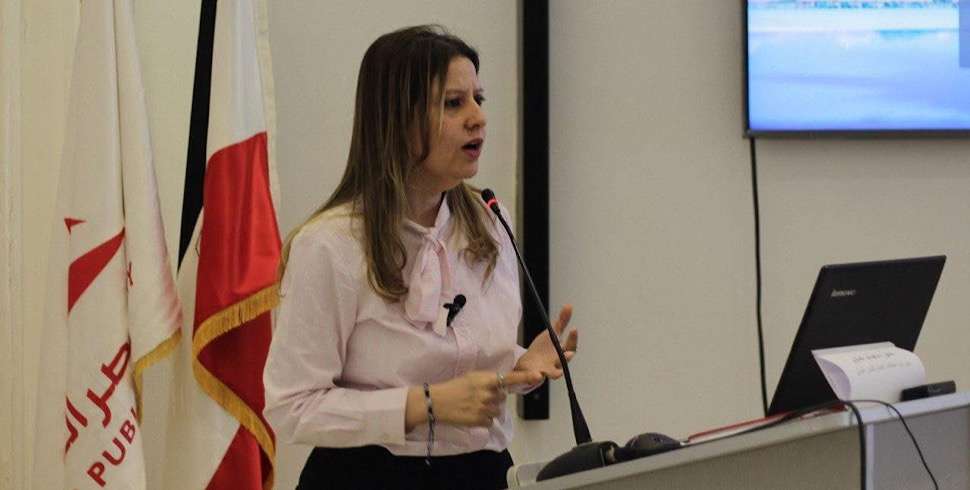
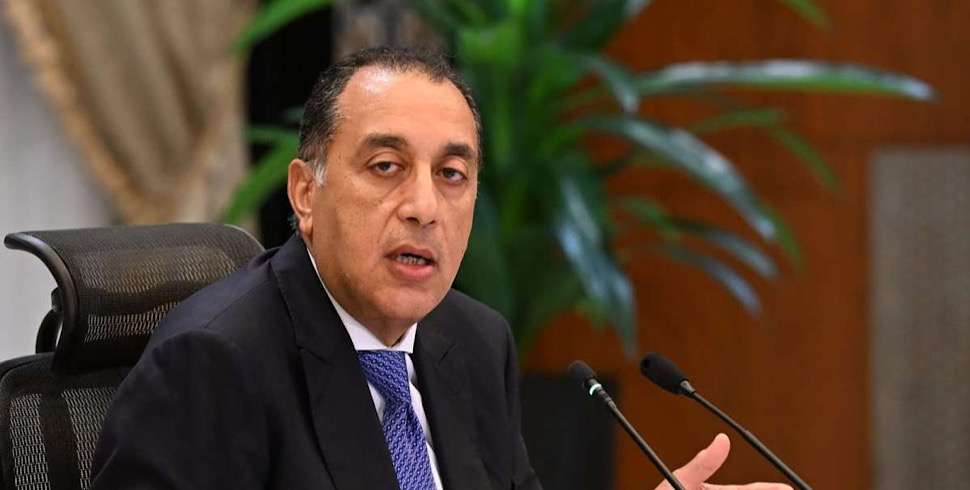
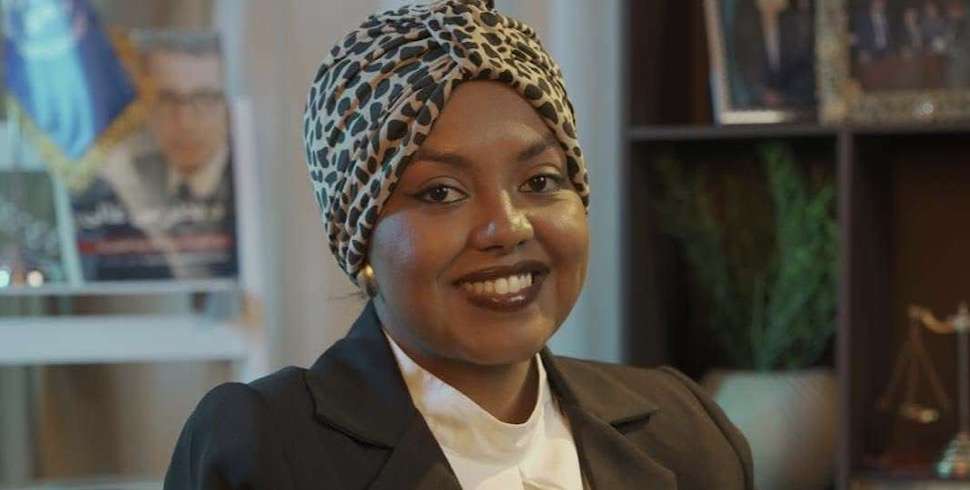
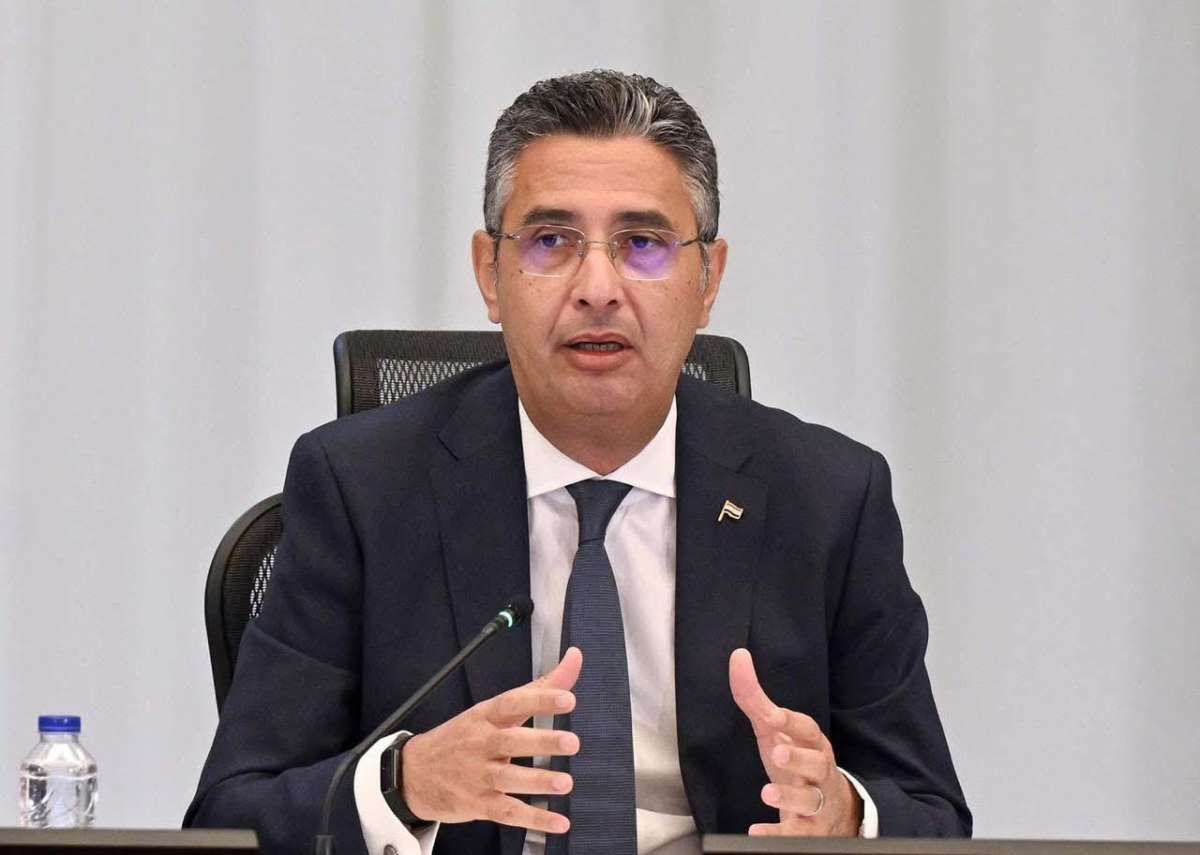
Sahar Saleem, a Cairo University professor and specialist in mummies and archaeological radiology, said the skulls represented only a small, selectively assembled sample from a site containing an estimated 700 to 900 subsidiary burials. In comments published by Egypt’s Ahram Gate news outlet on Oct 6, she said the sample had been taken to Britain in the 1920s for skull-measurement research and could not be used to draw broad conclusions about the cemetery.
Saleem also questioned the study’s reliance on visual examination of the 5,000-year-old remains. She said the skulls had been coated with paraffin wax during their transfer, potentially obscuring bone details, and argued that advanced imaging or microscopic analysis would be needed to assess whether damage occurred around the time of death or resulted from later deterioration or excavation.
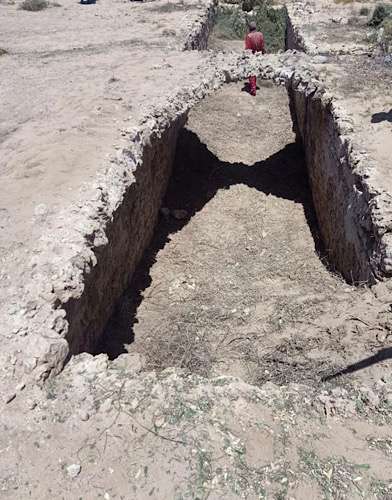
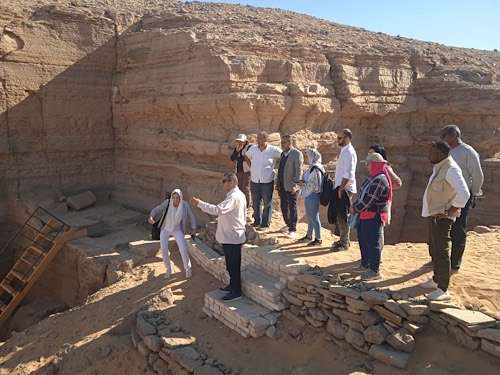
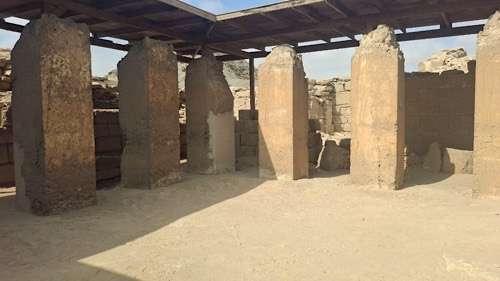
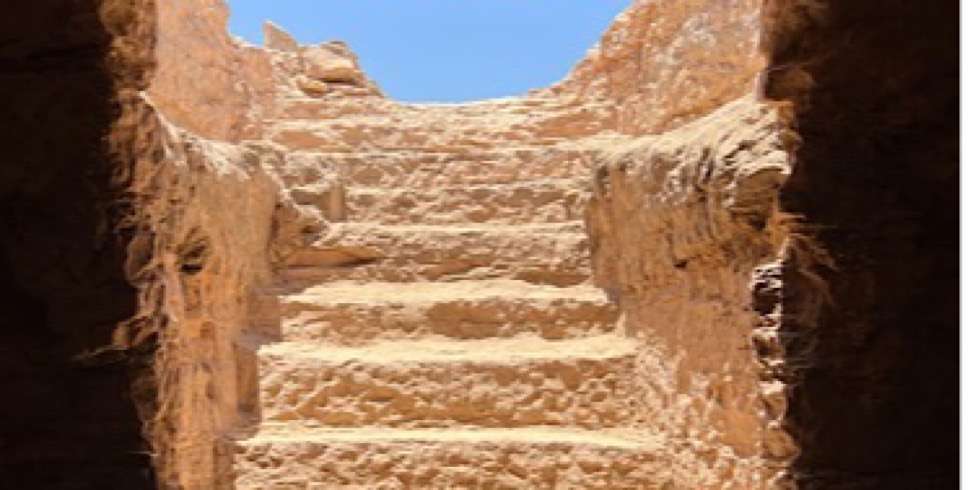
The burials’ layout does not, in her view, prove that the people were killed together during a royal funeral. Saleem cited evidence of separate roofs and construction seams in the subsidiary tombs, which she said indicated that burial spaces were built or expanded over time. Retainers may therefore have died and been buried at different points during a ruler’s reign, she argued.
The study’s findings and Saleem’s criticisms concern a long-running debate over whether people buried near early Egyptian kings were sacrificed. The claims have not been independently assessed here.
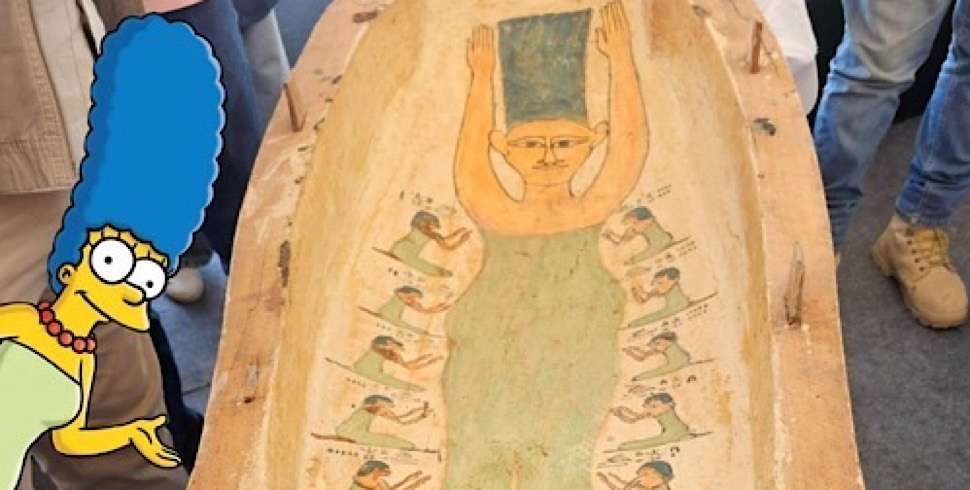
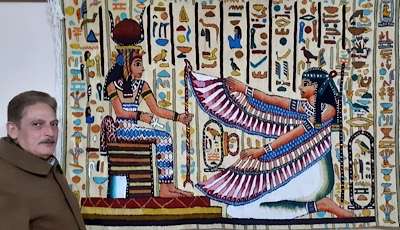
Saleem said the alleged practice would be at odds with *ma’at*, the ancient Egyptian principle associated with justice, order and harmony. She also called for the return to Egypt of human remains held in overseas collections, saying they should be treated with respect and studied using modern, non-destructive methods.