

































































































































































































































































































































































































































































































Friday, 09 October 2026
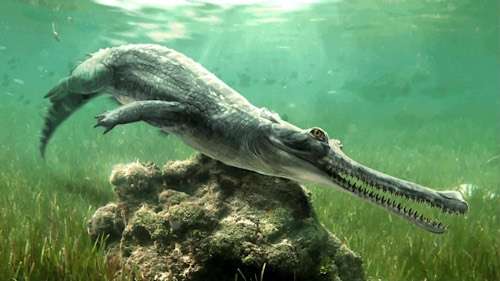
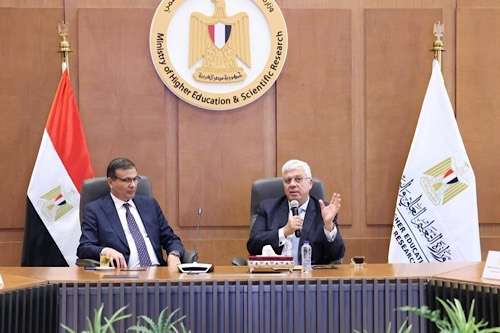
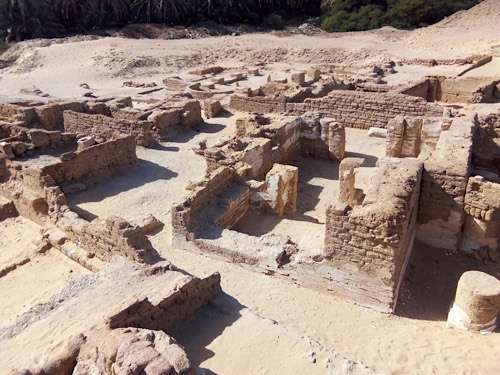
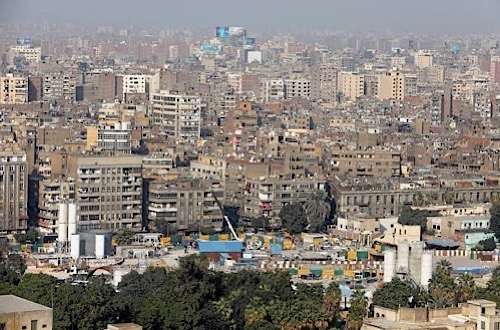
An international team of researchers has identified a new genus of crocodile from a fossil discovered in Cairo’s Mokattam Hills in 1927, Egypt’s higher education ministry said.
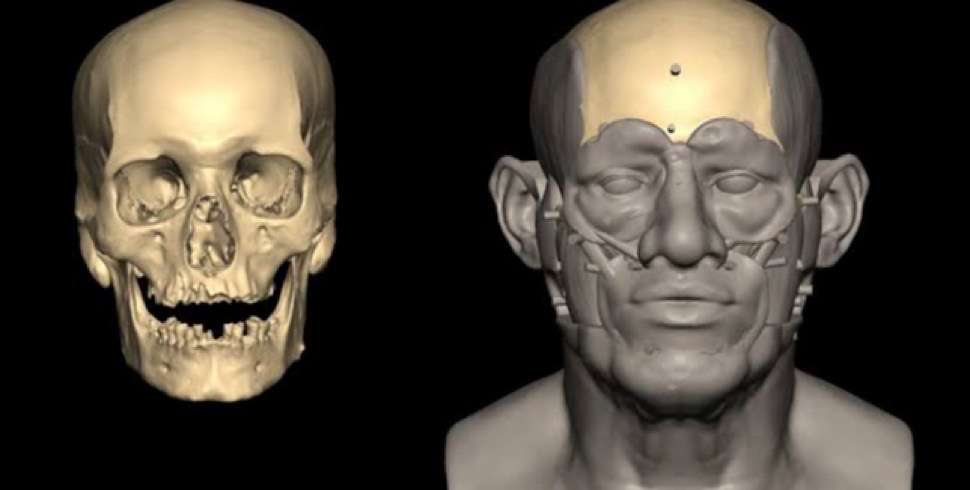
The fossil, dating to around 45 million years ago, had previously been classified in the genus Tomistoma. A study published in Royal Society Open Science reclassifies it as Hirogaviatis cairensis, based on anatomical and evolutionary analyses, including digital reconstruction of its skull.
The research suggests the animal was a gavialid crocodile that lived in a warm, shallow marine environment during the Middle Eocene. The findings add to knowledge of gavialid diversity and evolution in Egypt and the Mediterranean region, the ministry said.
Researchers from Mansoura University’s Vertebrate Paleontology Center took part in the study. The team used comparisons with other specimens and said the work forms part of a broader project examining fossil crocodiles in Egypt and North Africa, including historical collections held in museums abroad.
The paper, titled “Cranial anatomy of the Middle Eocene Egyptian crocodile Hirogaviatis cairensis provides new insights into gavialoid diversity in the Mediterranean region,” was published in 2026.