



































































































































































































































































































































































































































































































































































































































































Friday, 09 October 2026
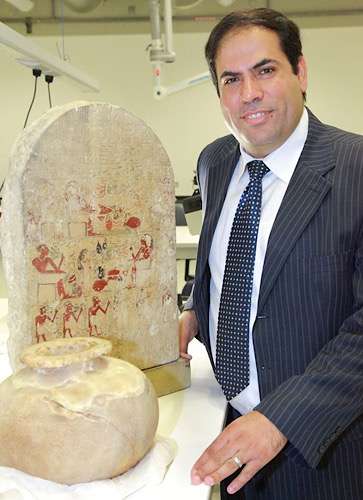
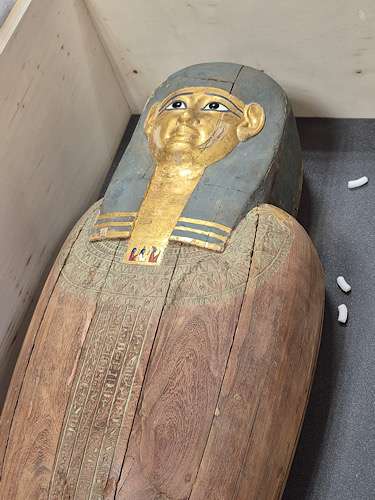
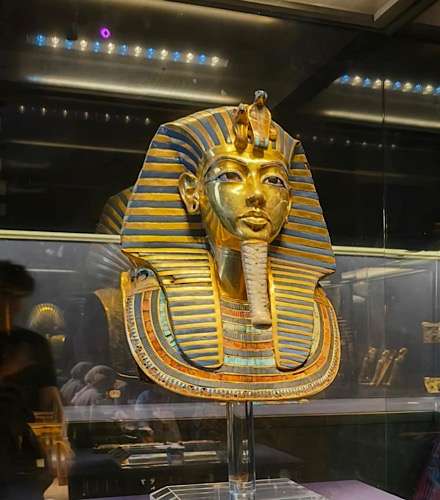
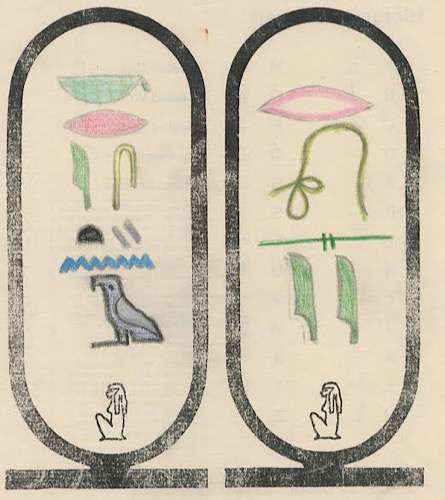
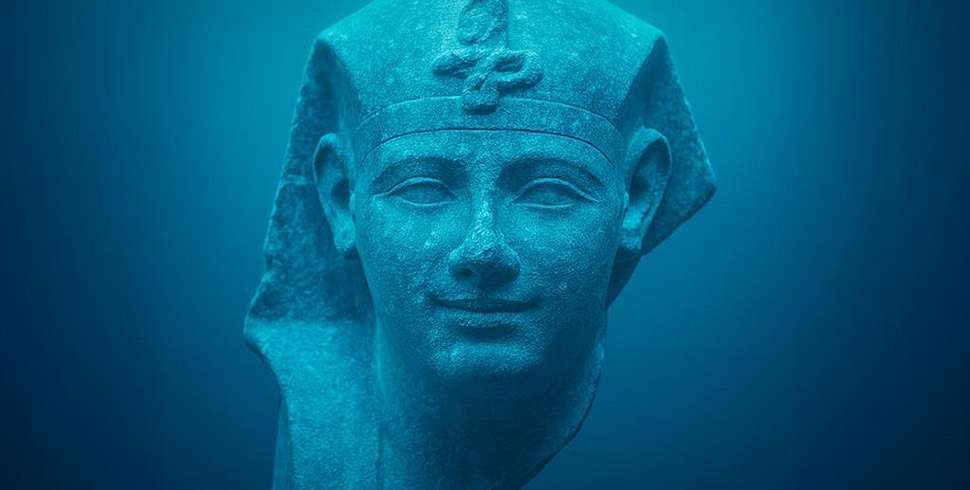
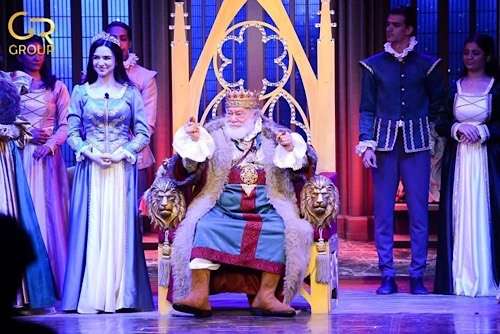
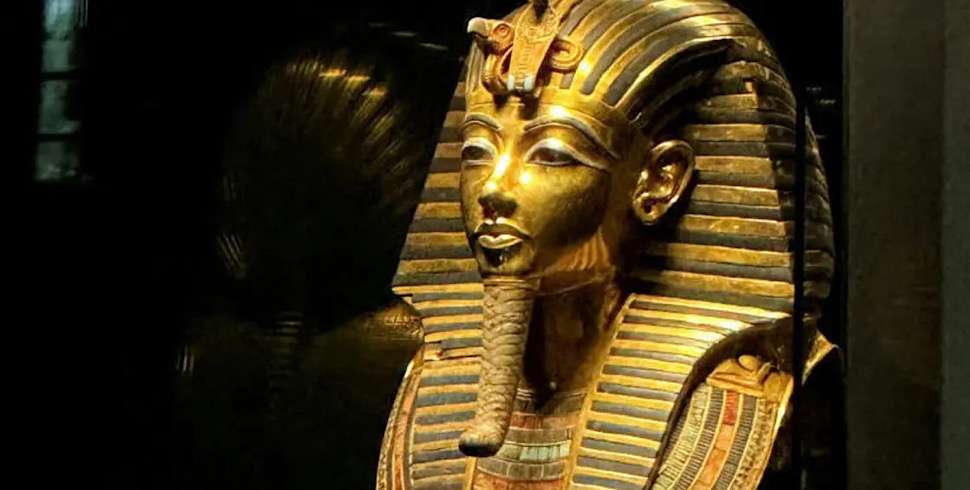
Egyptologist Hussein Basir has dismissed what he described as inaccurate claims surrounding the upcoming “Tutankhamun Opera,” asserting that the controversy reflects a confusion between artistic creativity and academic scholarship.
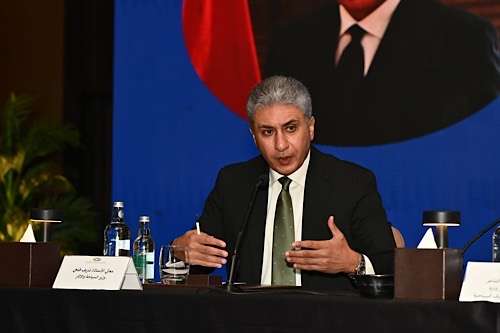
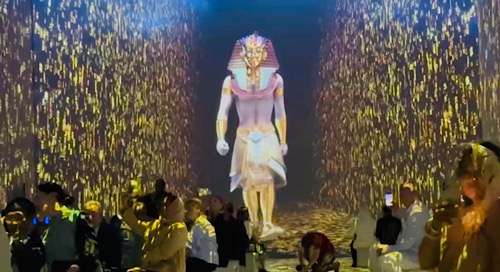
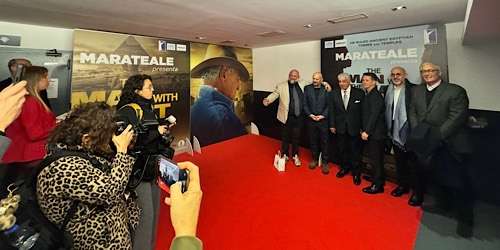
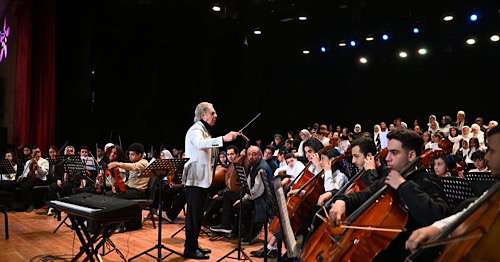
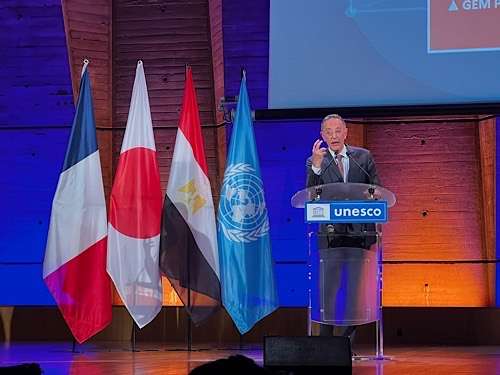
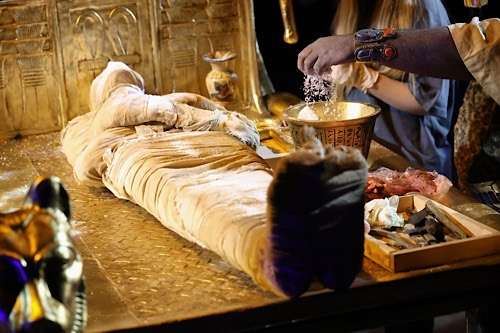
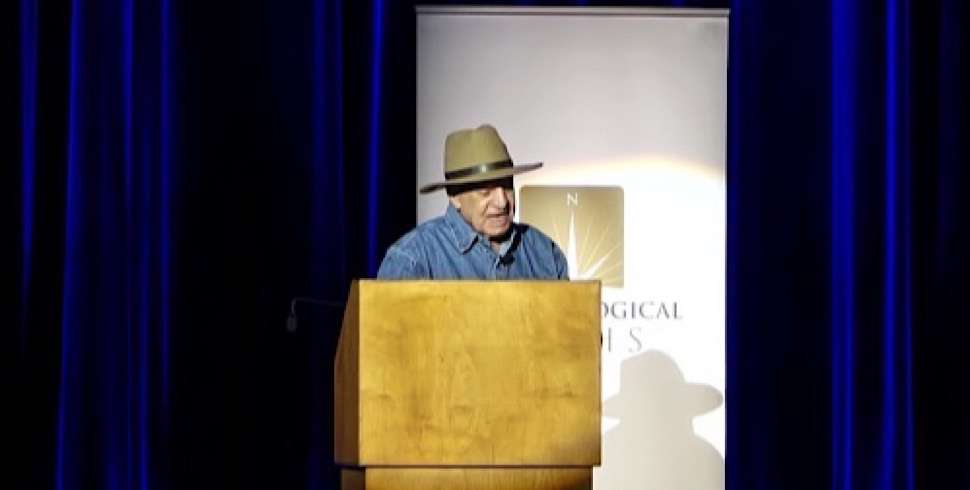
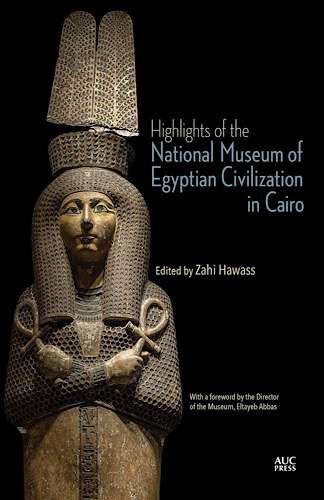
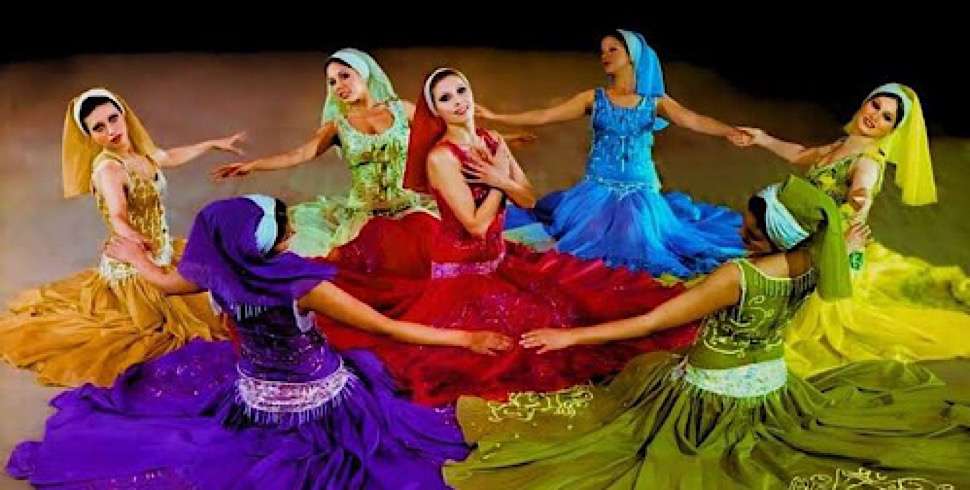
Speaking to local media as debate intensified ahead of the opera’s premiere in Italy, Basir said the work, scripted by prominent archaeologist Zahi Hawass, is a dramatic interpretation inspired by ancient Egyptian history, not a historical document. He stressed that judging the performance as if it were an academic text misrepresents the nature of global theatrical and cinematic productions that draw on history for artistic purposes.
Basir rejected allegations that the opera portrays Tutankhamun as “Hebrew,” calling the accusation baseless and unrelated to the content of the work. He said the narrative focuses exclusively on internal political and religious conflicts in Egypt at the end of the Amarna period, with no suggestion that the young pharaoh’s identity was anything other than fully Egyptian.
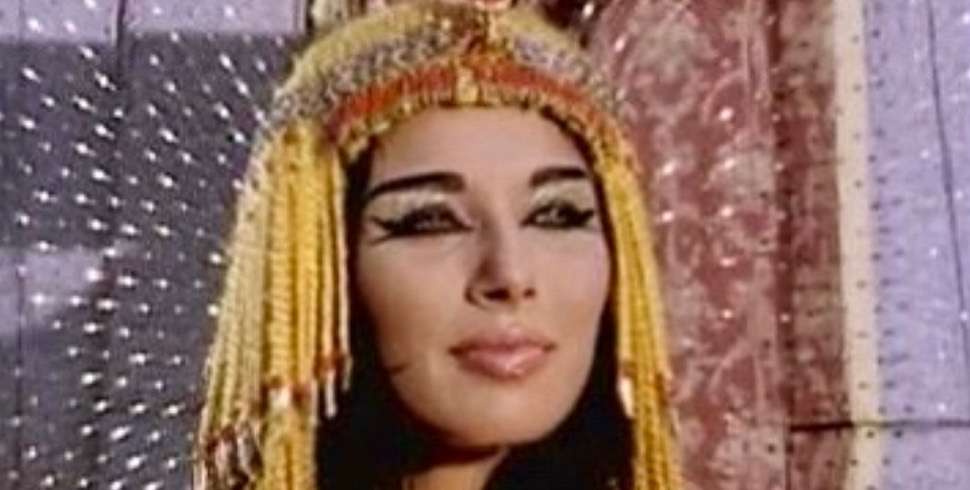
He also dismissed claims that the opera depicts Queen Nefertiti as conspiring to kill Tutankhamun. On the contrary, he said, the production presents her as a protector of the child king, trying to shield him from power struggles and the ambitions of Amun’s high priests seeking to reclaim influence after the decline of Akhenaten’s religious reforms.
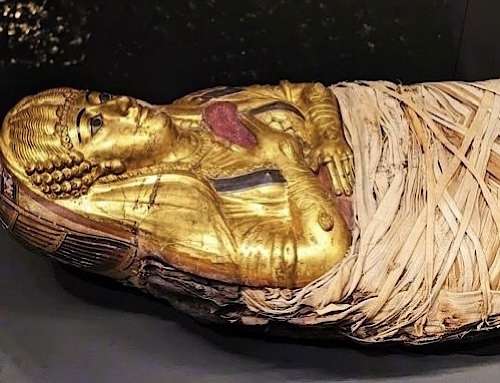
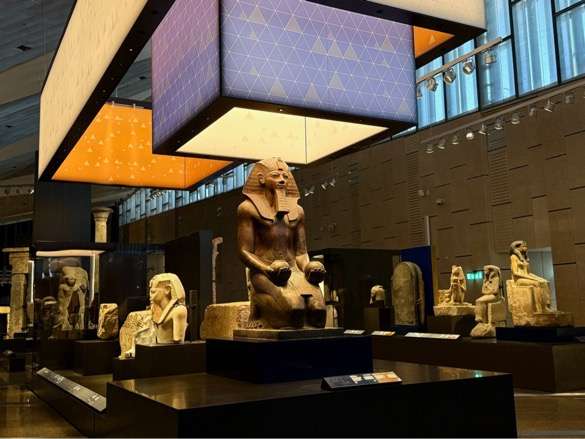
Basir noted that the Amarna era remains one of the most debated and enigmatic periods in Egyptology, with many aspects still under scholarly study, including the circumstances of Tutankhamun’s death and Nefertiti’s role in the turbulent period. Artistic works, he added, have the right to reimagine events as long as they do not claim to present definitive historical fact.
He said interpreting the opera as an “attack on history” reflects a misunderstanding of creative expression, which naturally blends historical elements with dramatic vision and imagination, as seen in major works of theater, cinema and literature.
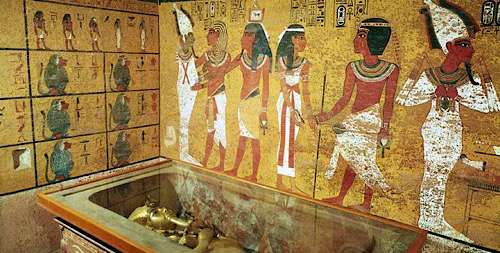
Basir emphasized that the production is a work of fiction, not an academic reference on ancient Egypt. Those seeking documented historical information on the Amarna period and Tutankhamun, he said, can consult the extensive research published by Hawass, one of the leading experts on the golden pharaoh and the political and religious complexities of his era.
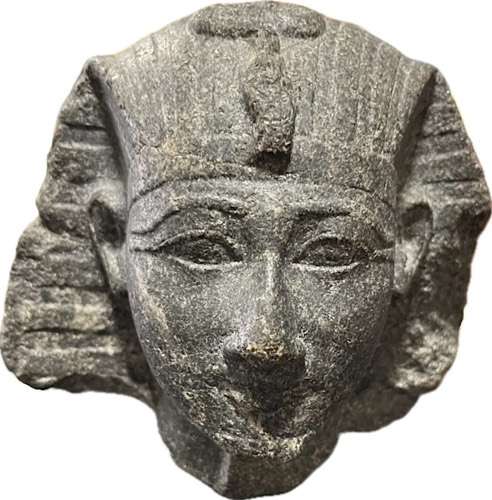
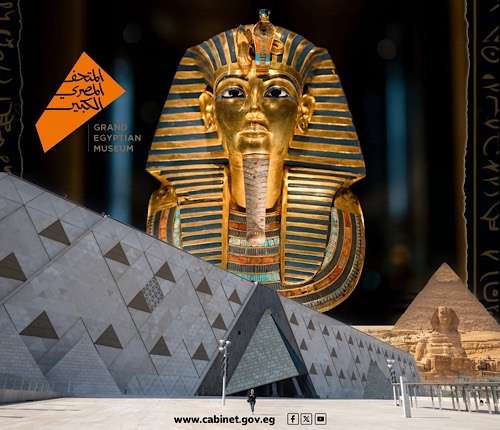
The young king, he added, will remain an enduring global symbol, with the allure of ancient Egypt rooted in its unique fusion of history, imagination and human creativity.