






























































































































































































































































































































































































































































































































Friday, 09 October 2026
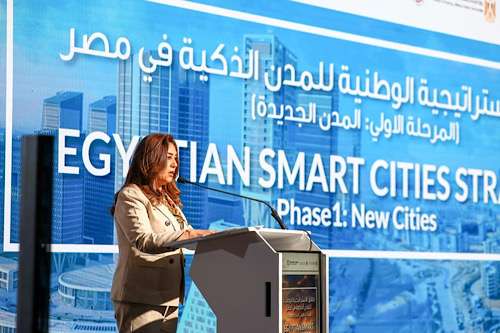
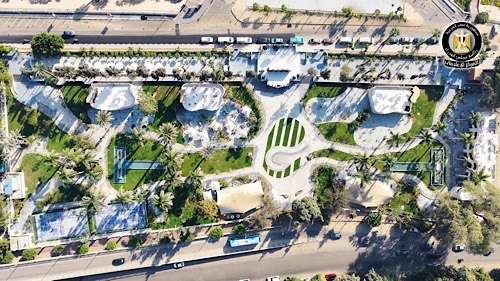
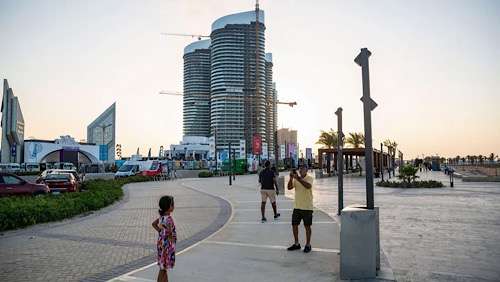
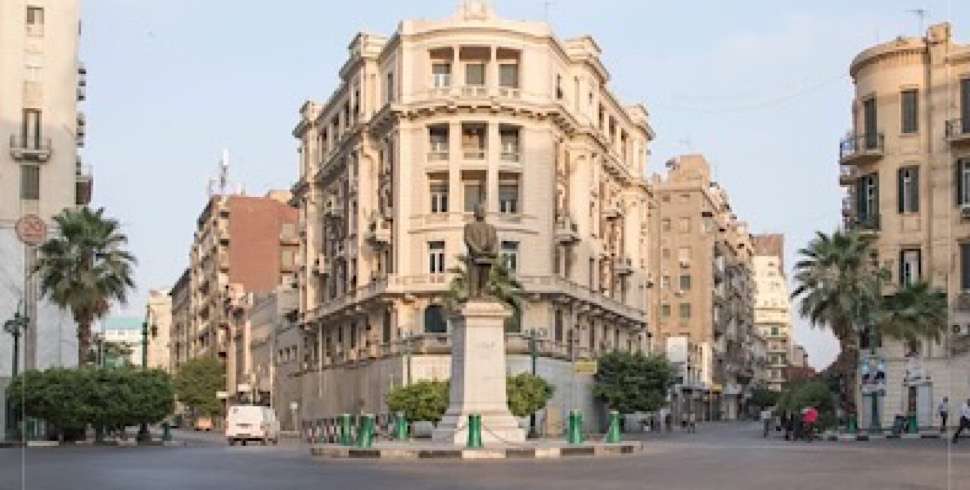
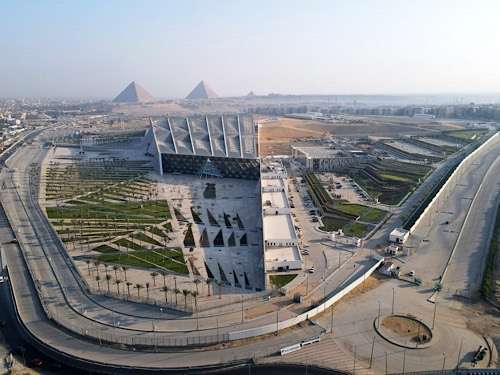
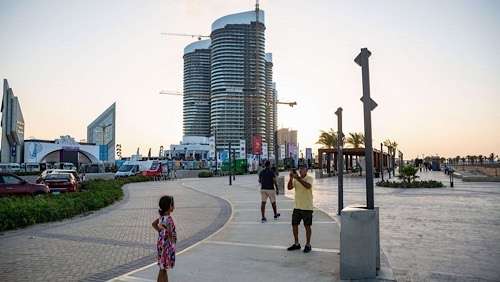
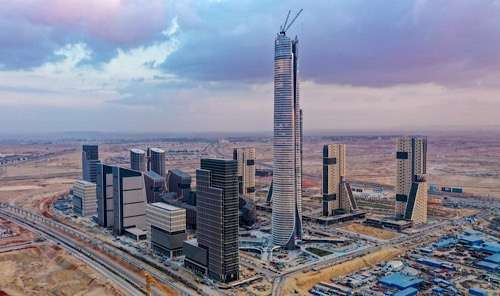
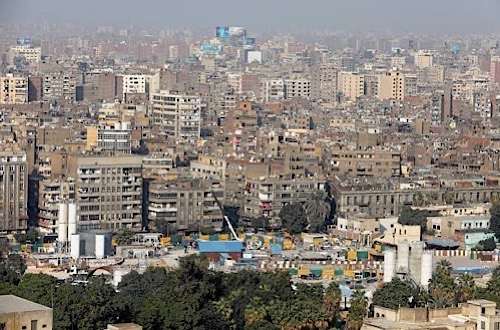
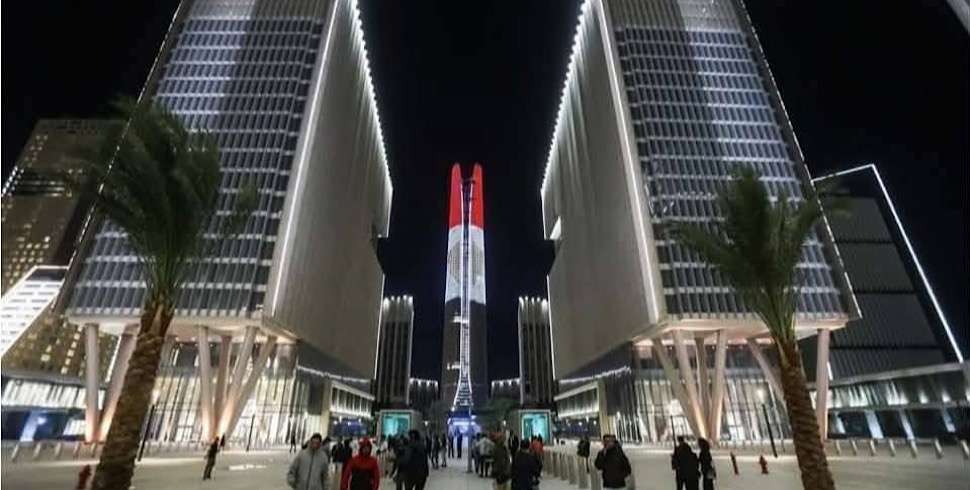
Egypt has unveiled its National Smart Cities Strategy, marking a significant step forward in sustainable urban development and the nation’s vision for inclusive, future-ready cities.
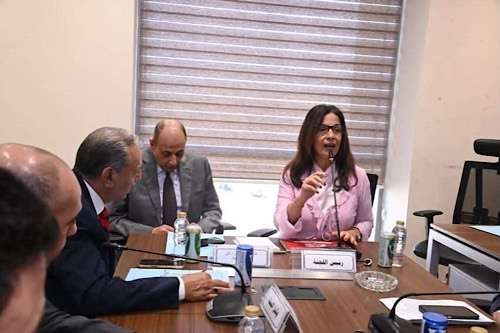
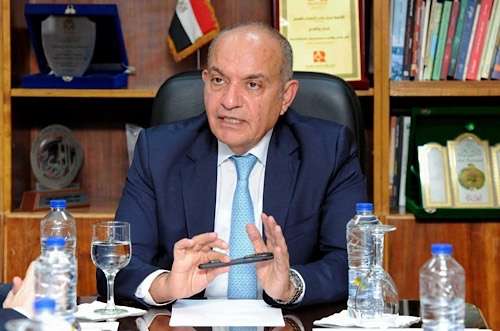
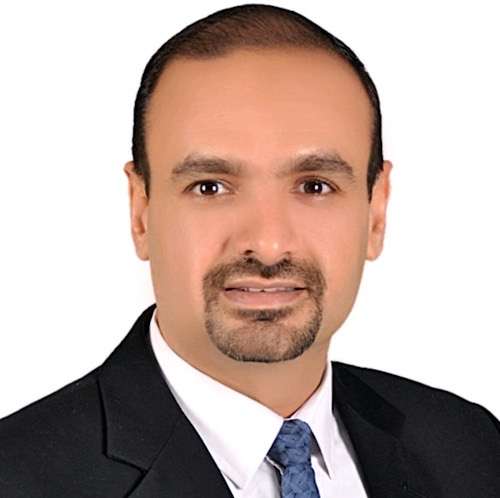
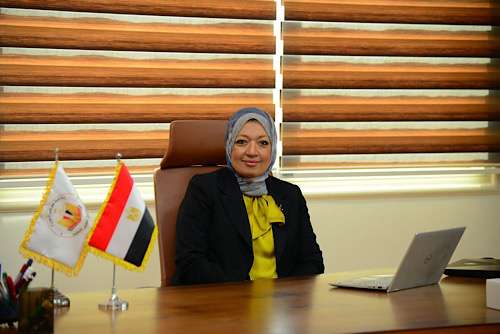
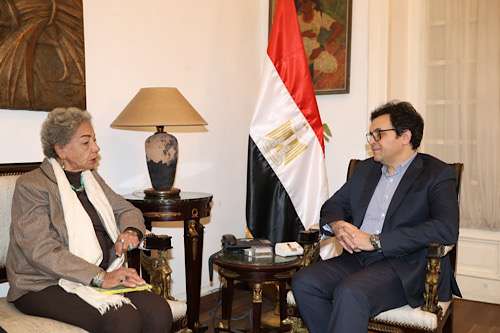
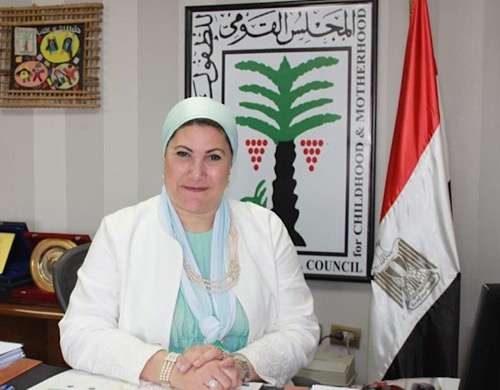
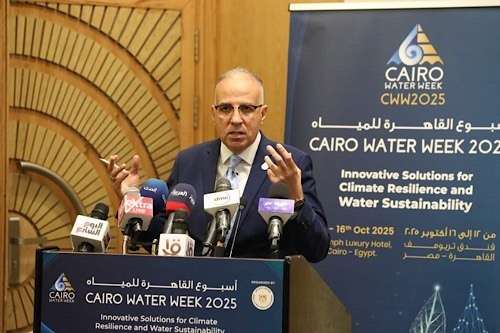
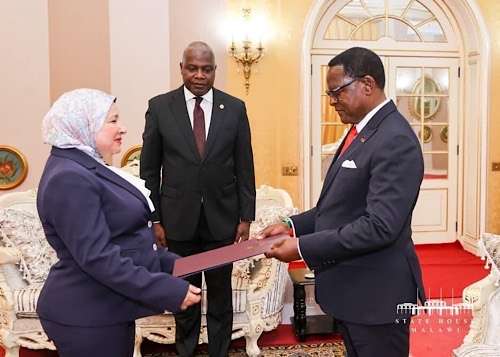
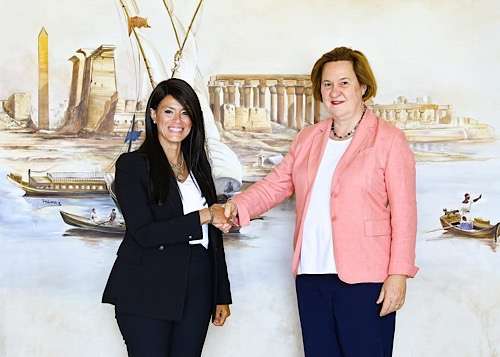
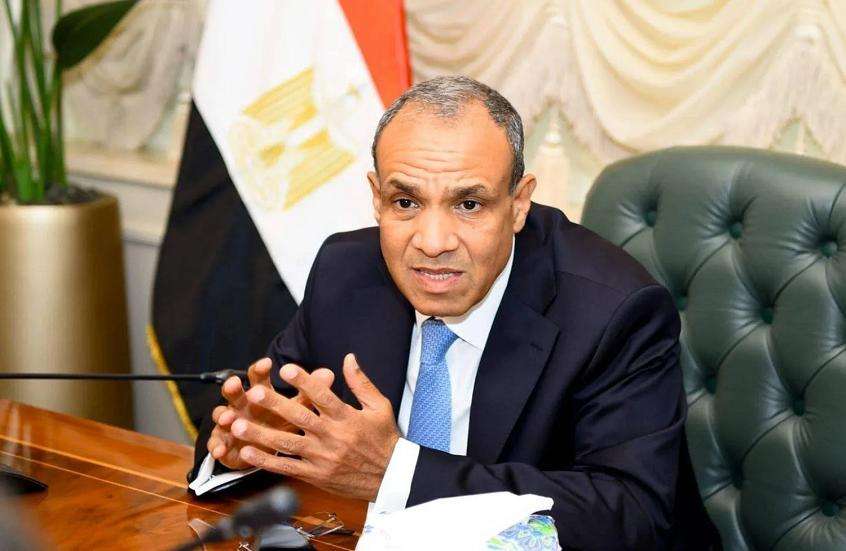
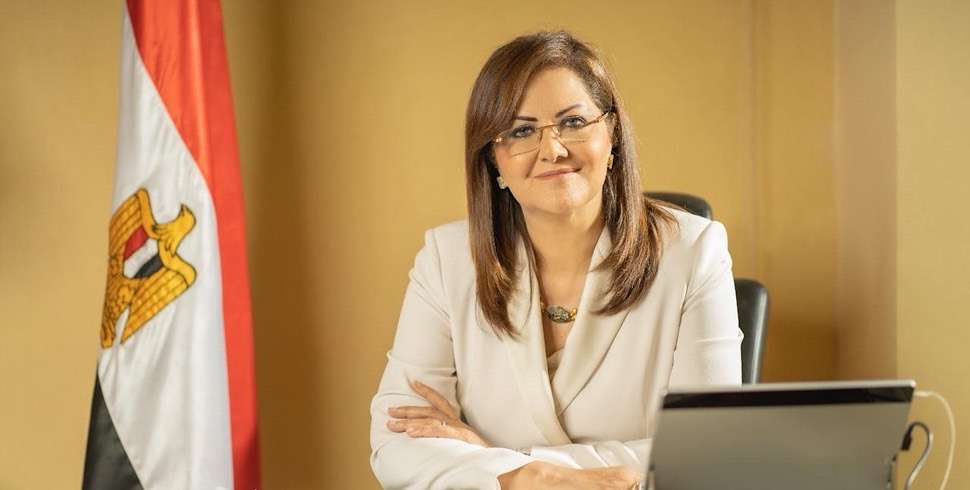
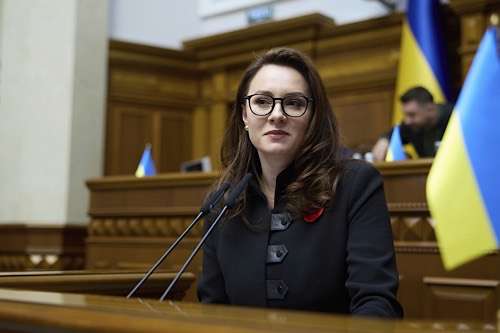
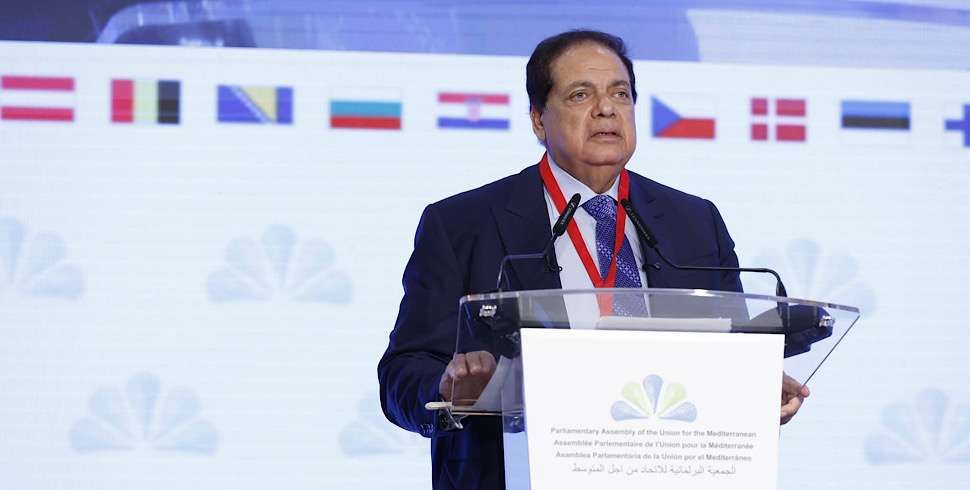
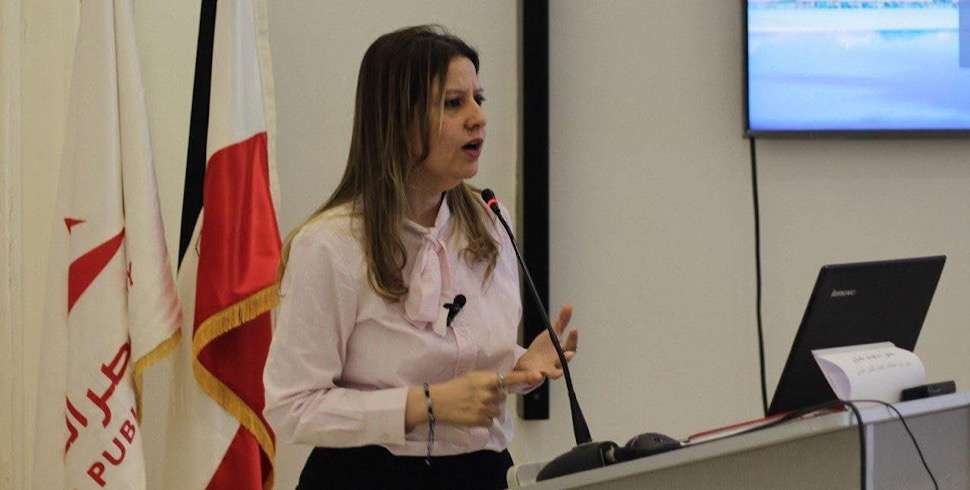
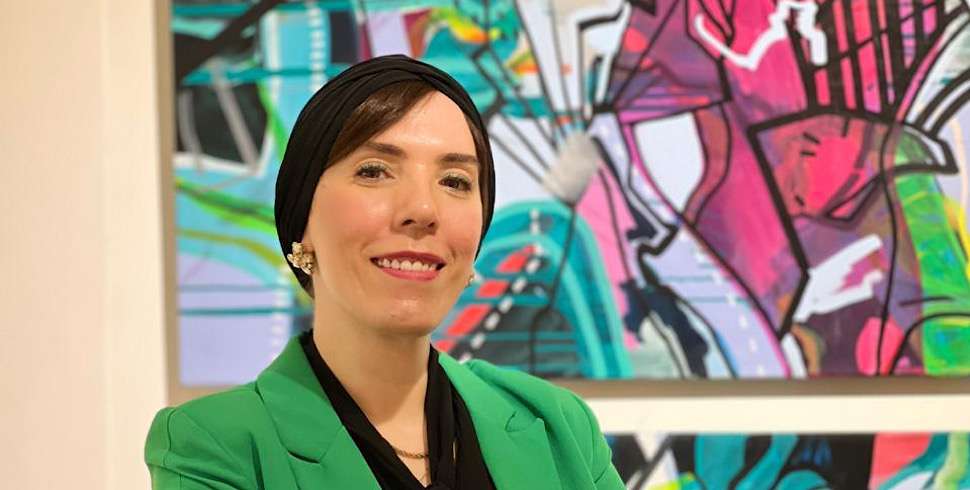
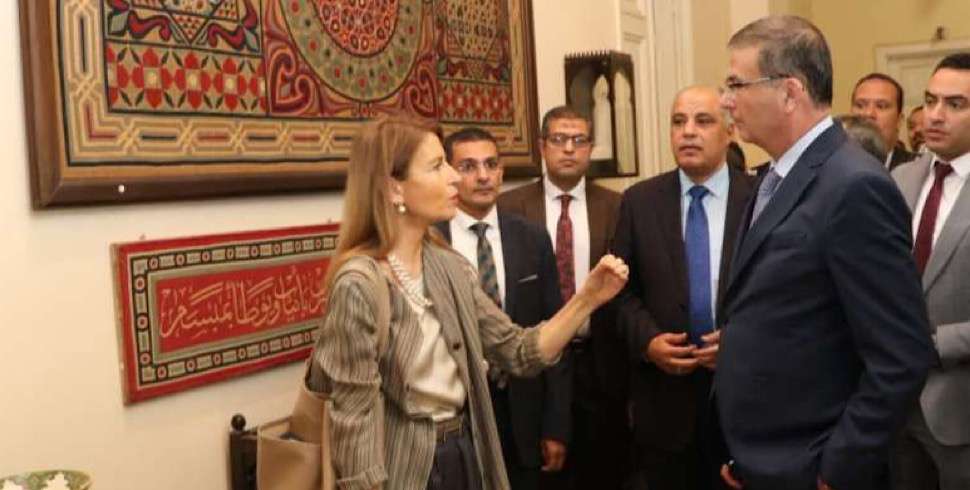
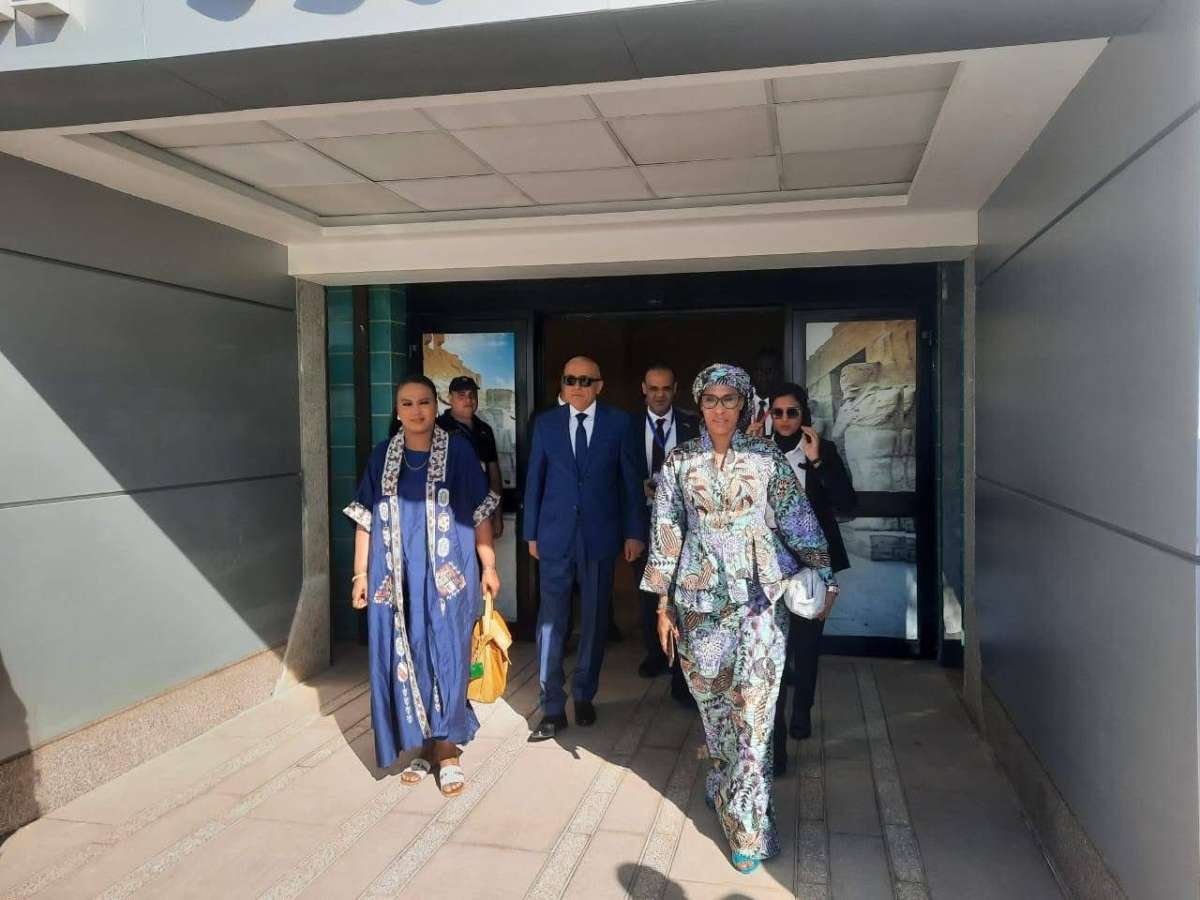
Dr. Manal Awad, Minister of Local Development, announced that the strategy addresses urgent urban challenges, promotes spatial justice, responds to climate change, and unlocks new opportunities for economic growth and social inclusion—placing Egyptian citizens at the heart of all development efforts.
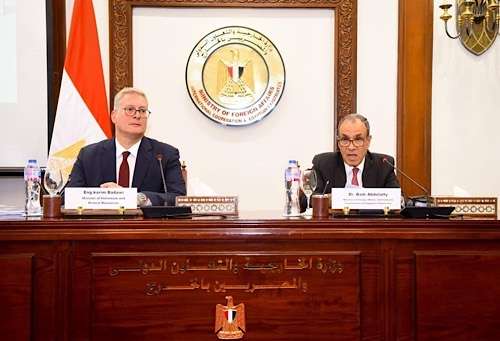
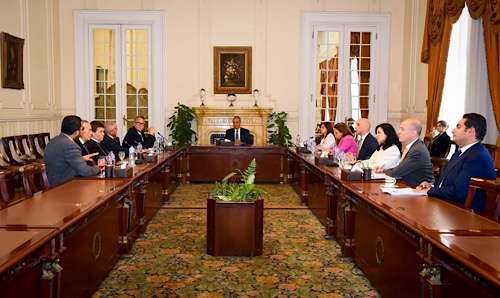
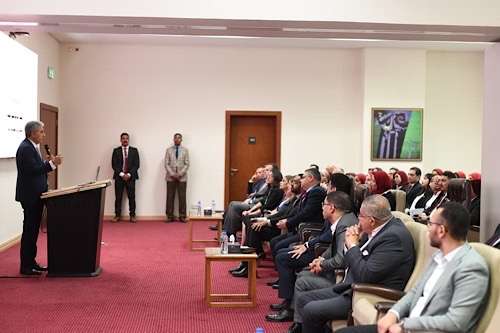
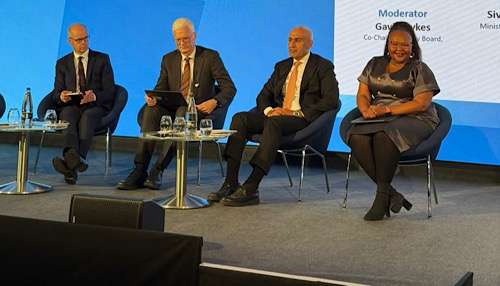
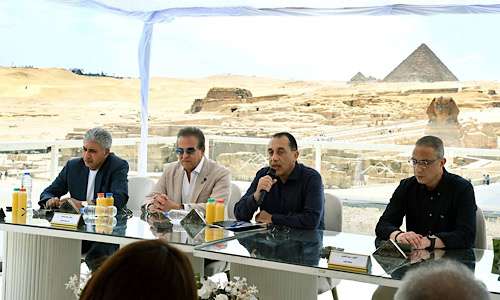
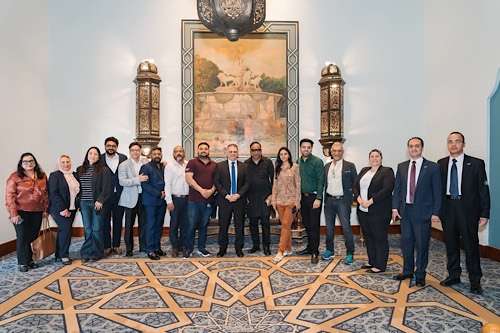
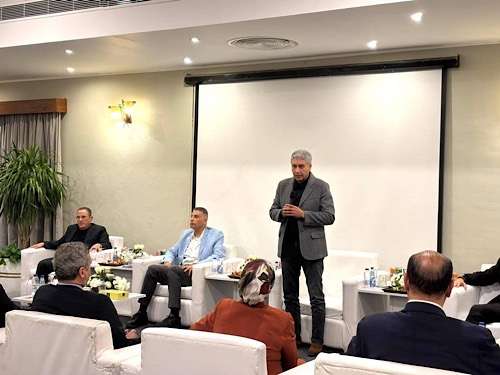
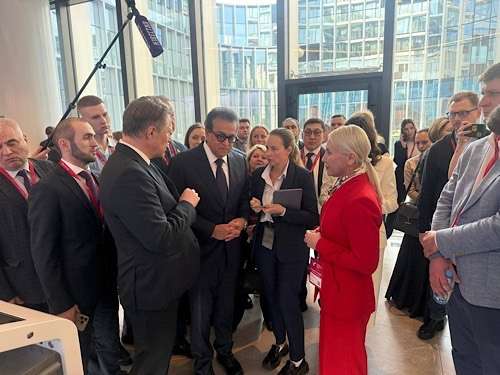
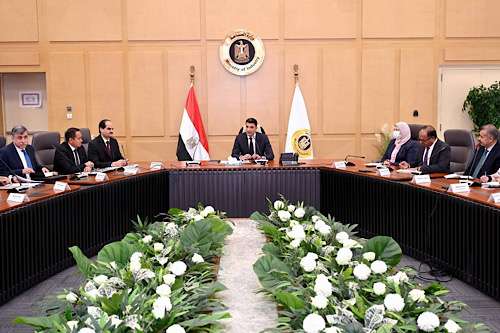
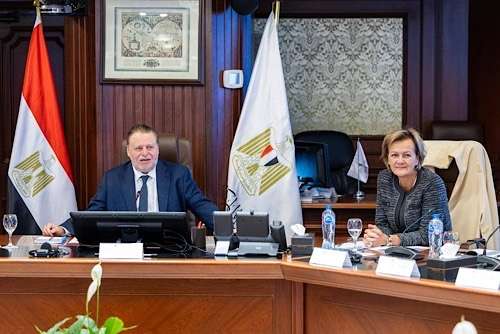
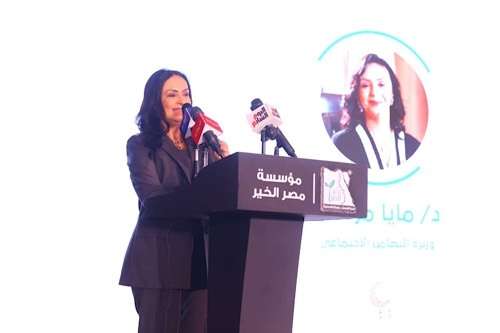
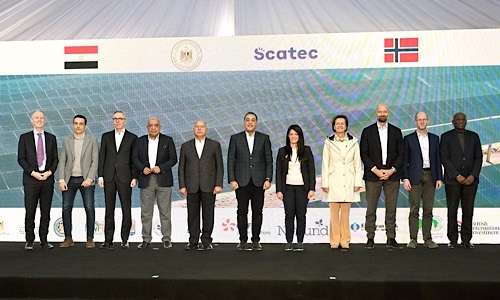
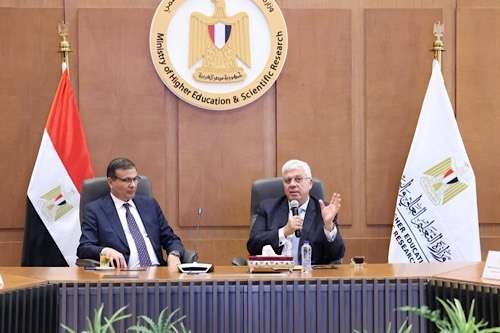
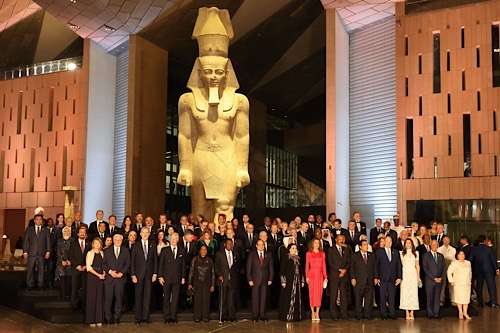
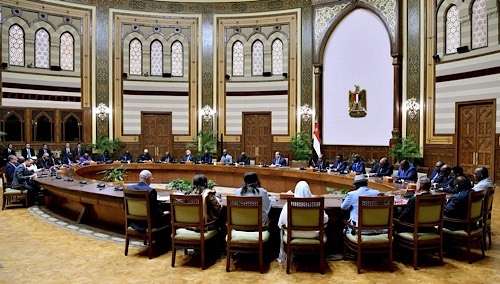
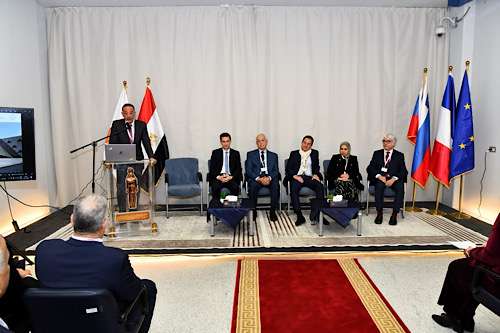
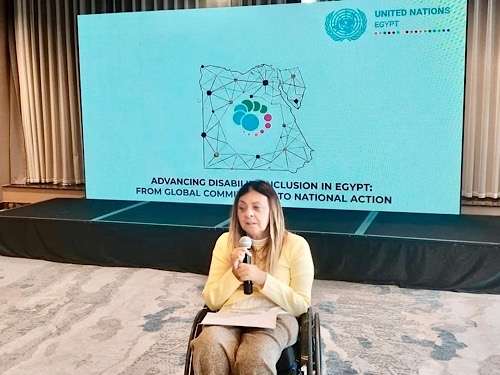
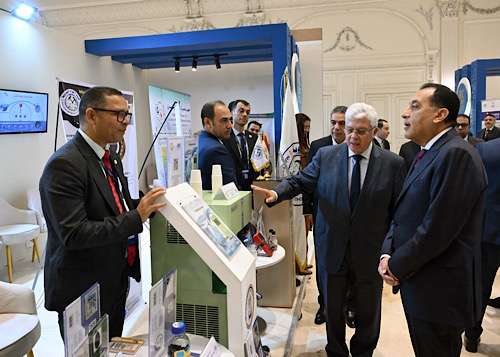
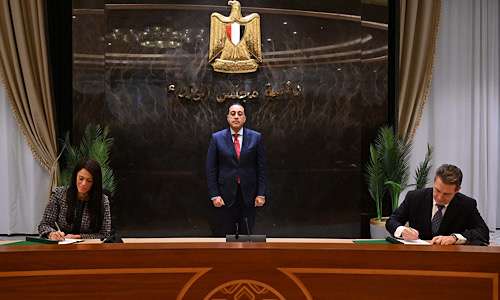
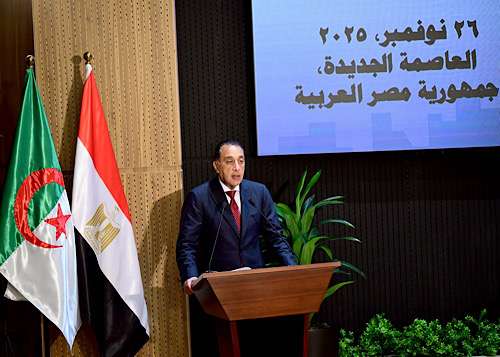
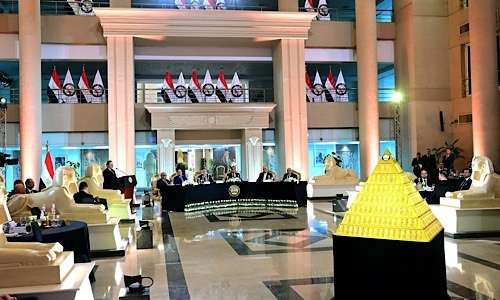
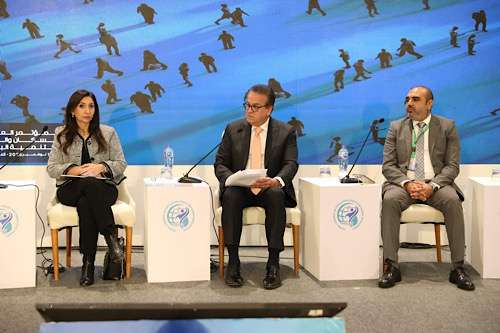
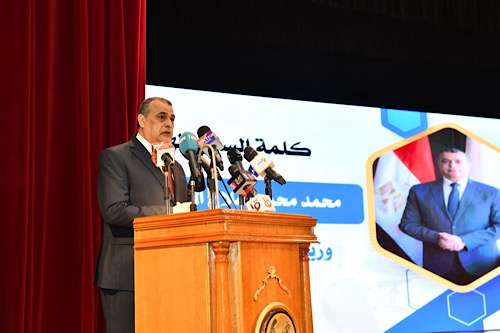
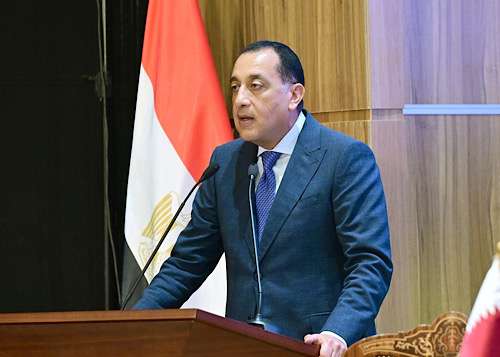
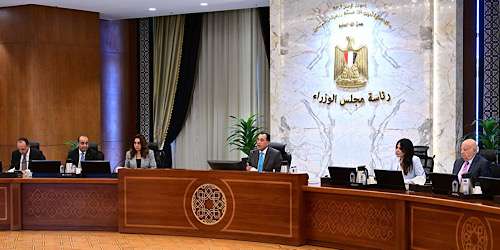
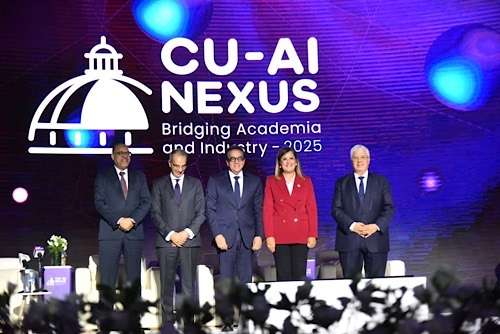
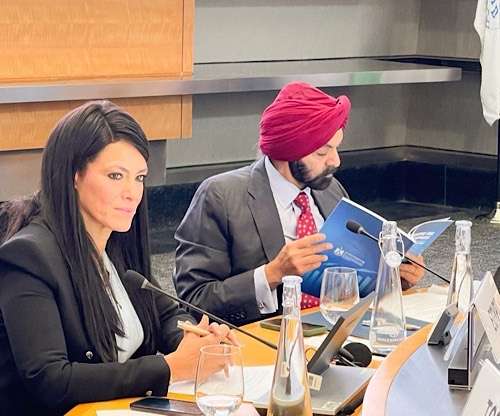
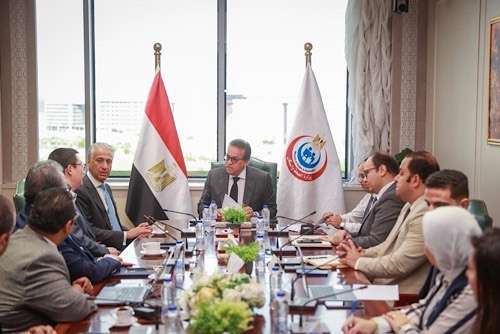
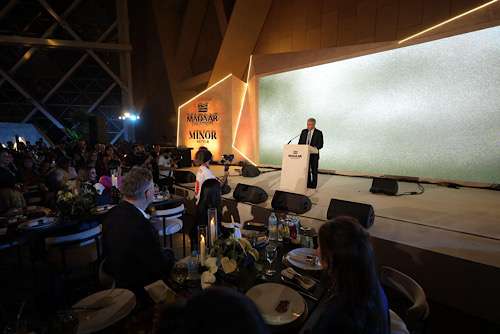
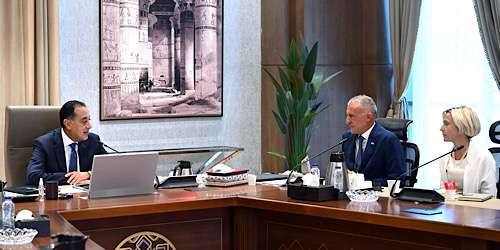
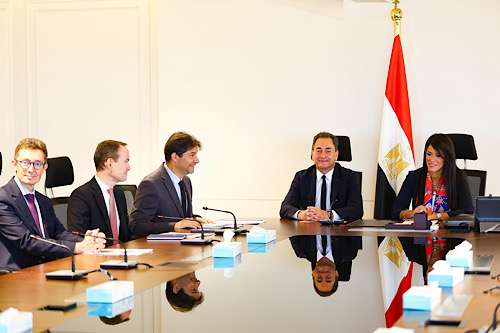
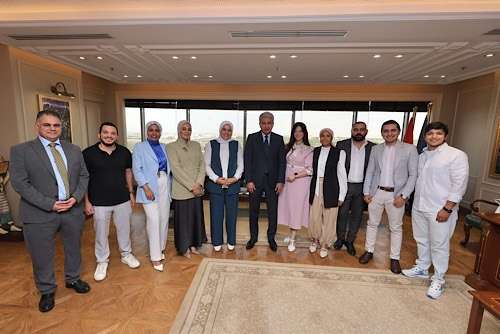
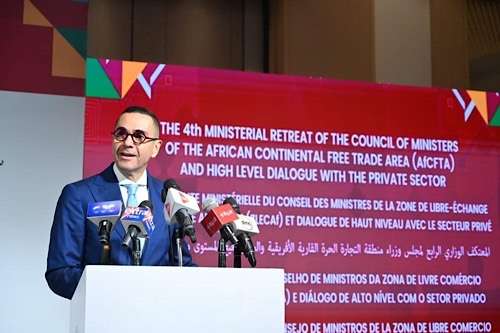
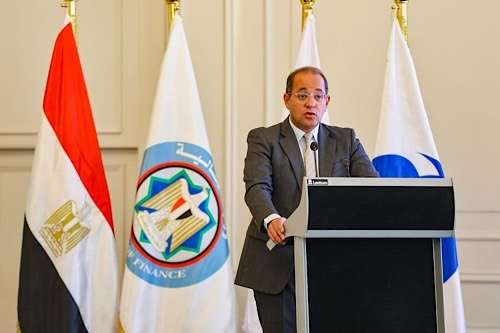
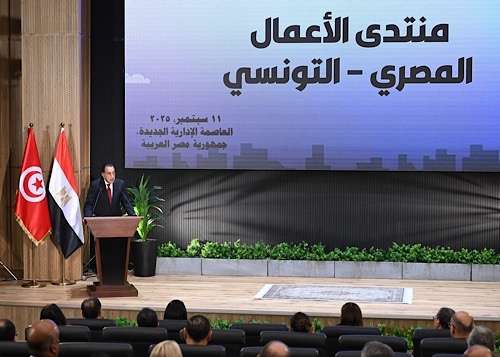
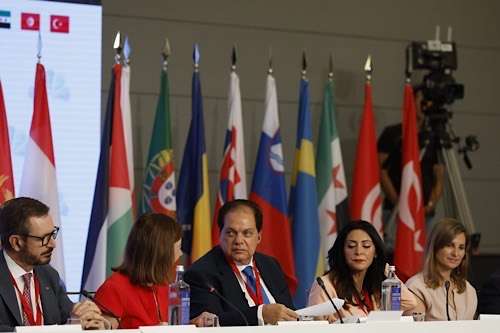
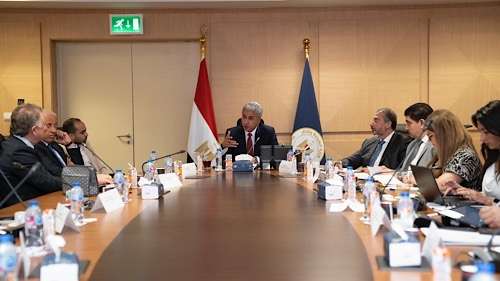
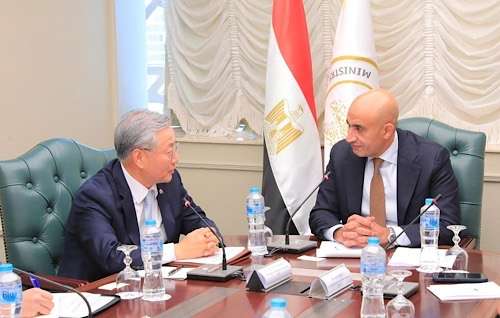
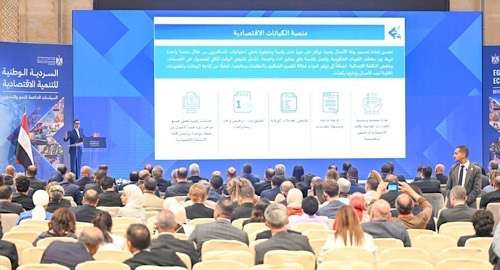
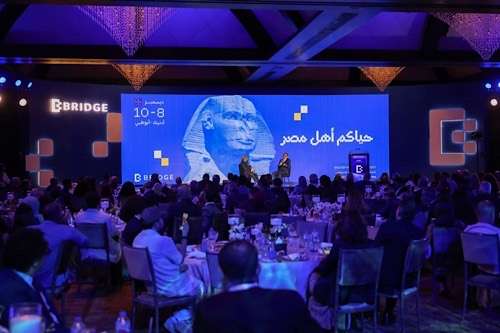
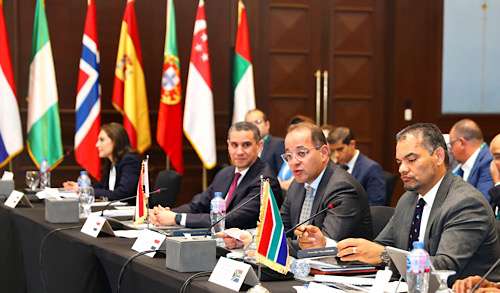
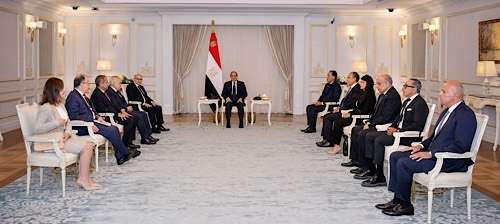
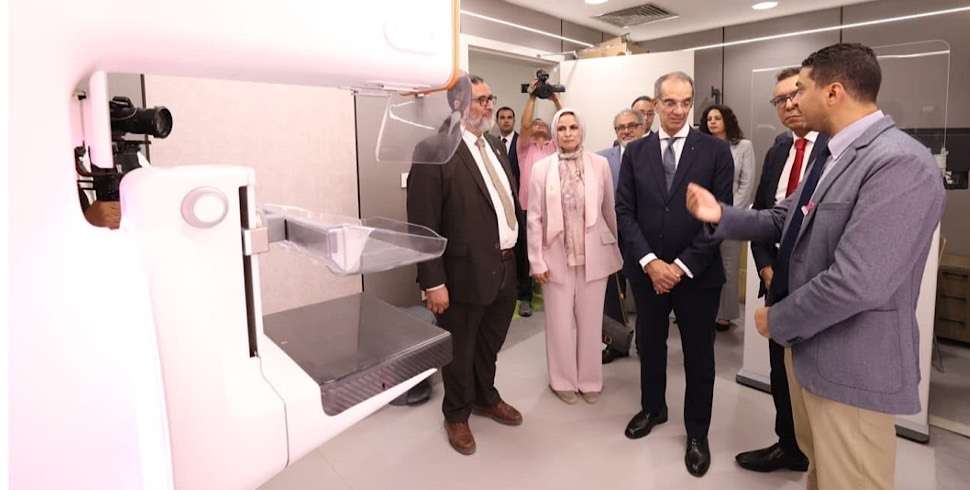
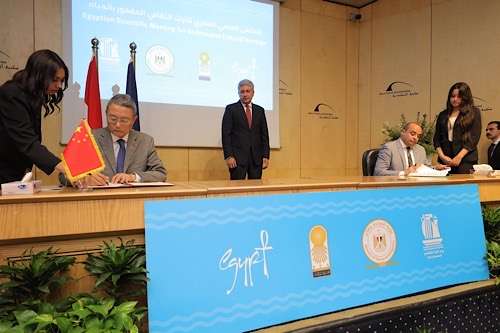
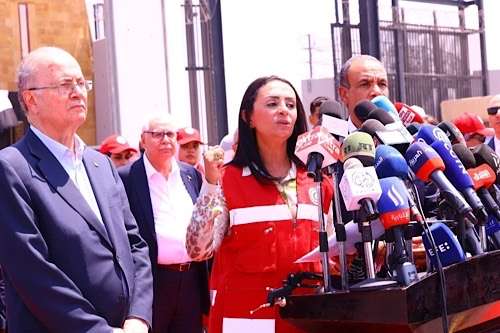
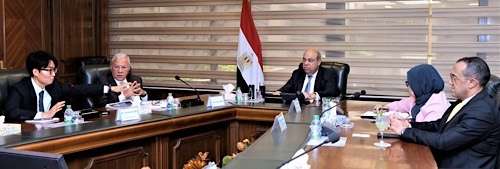
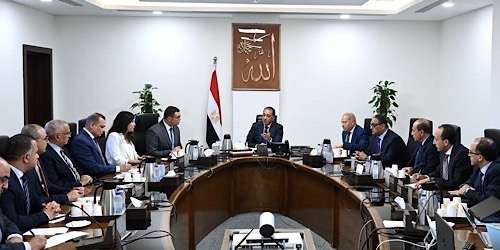
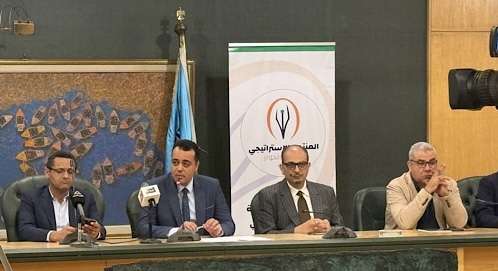
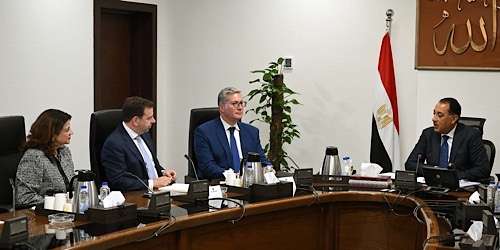
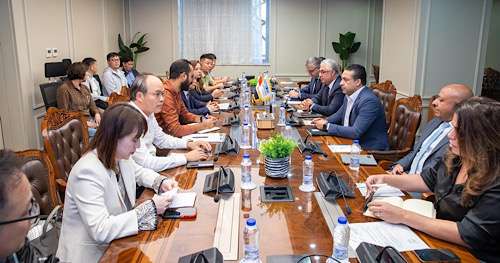
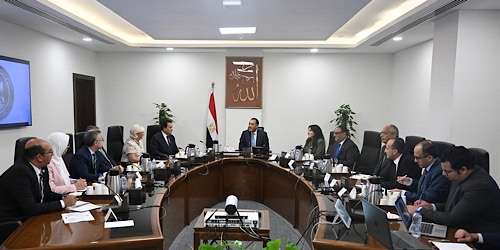
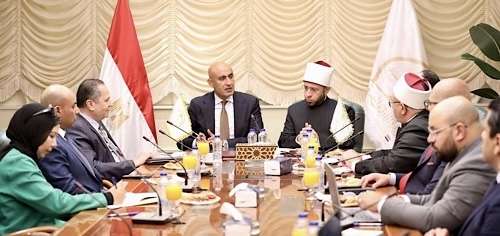
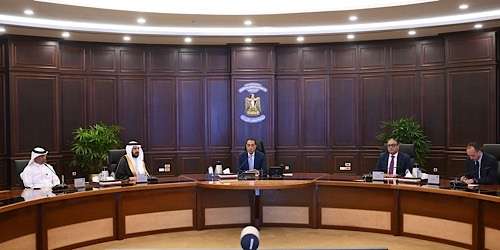
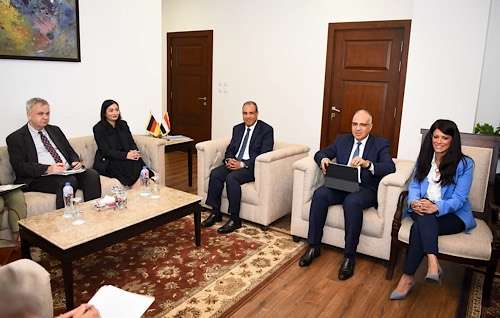
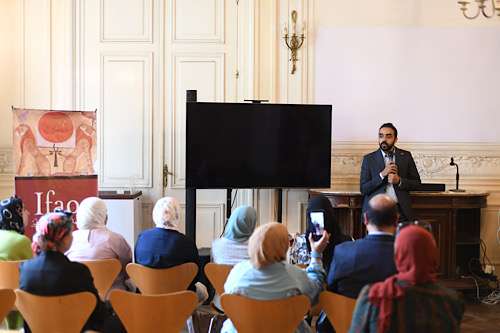
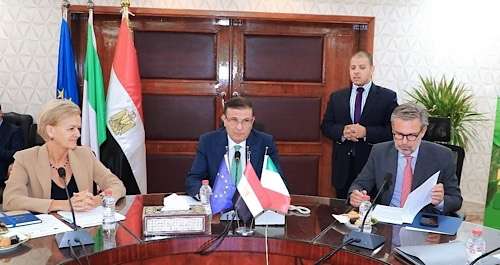
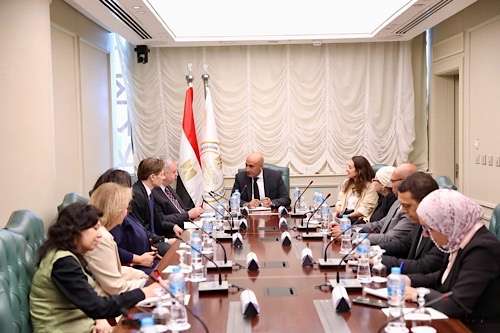
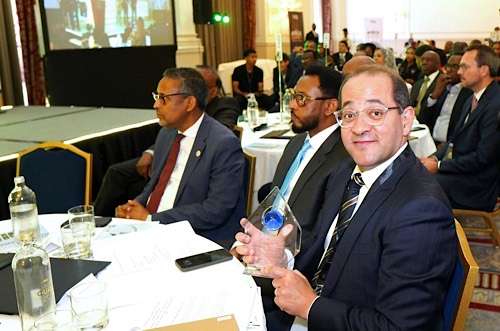
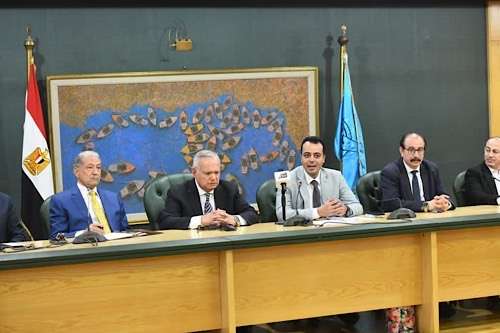
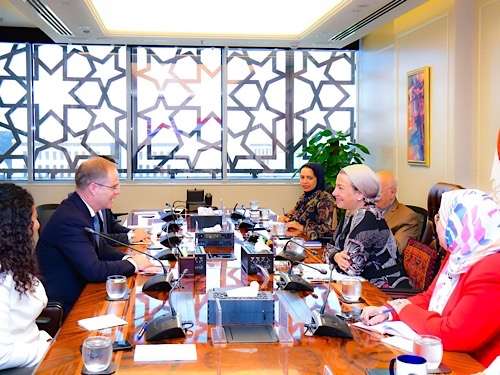
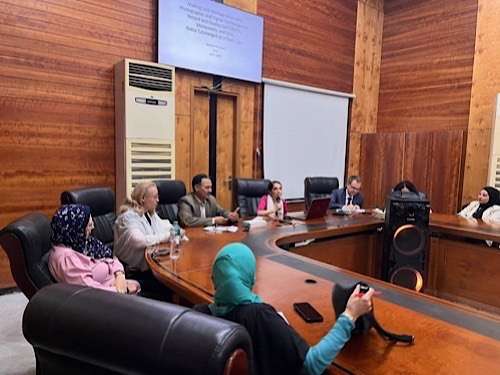
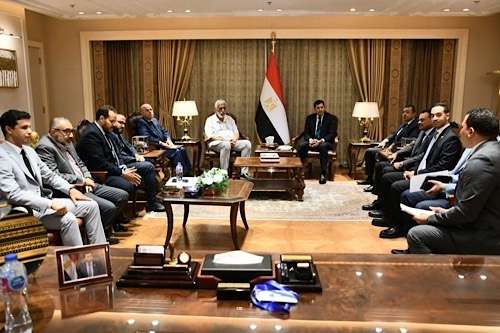
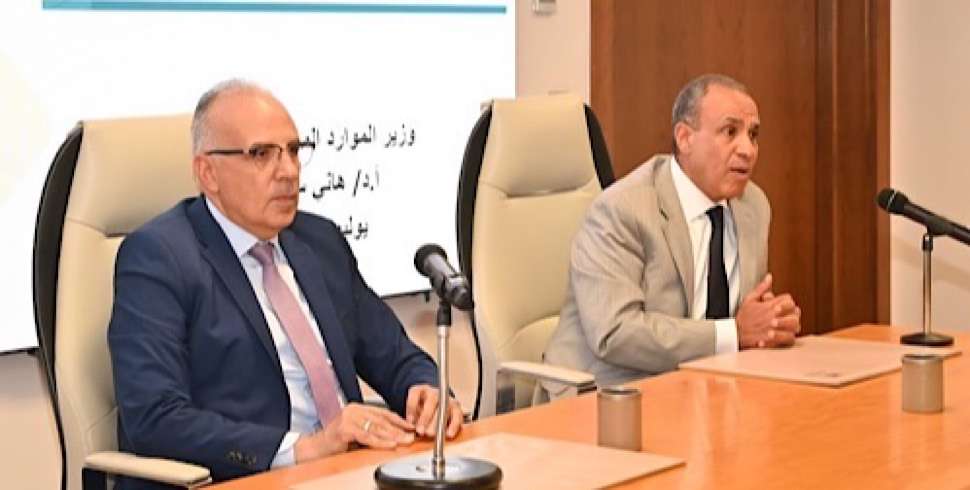
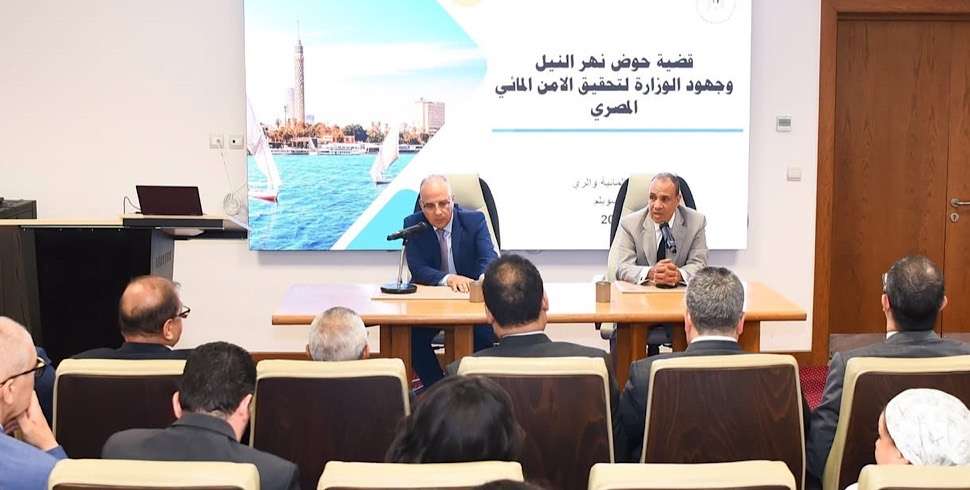
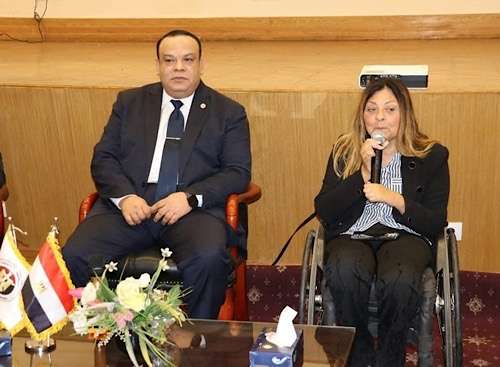
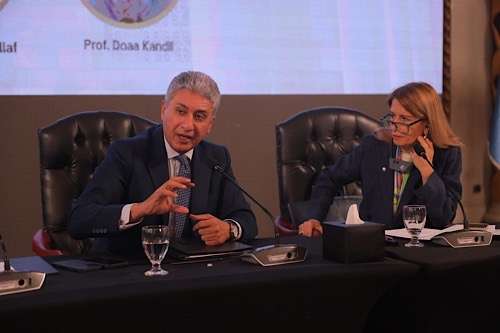
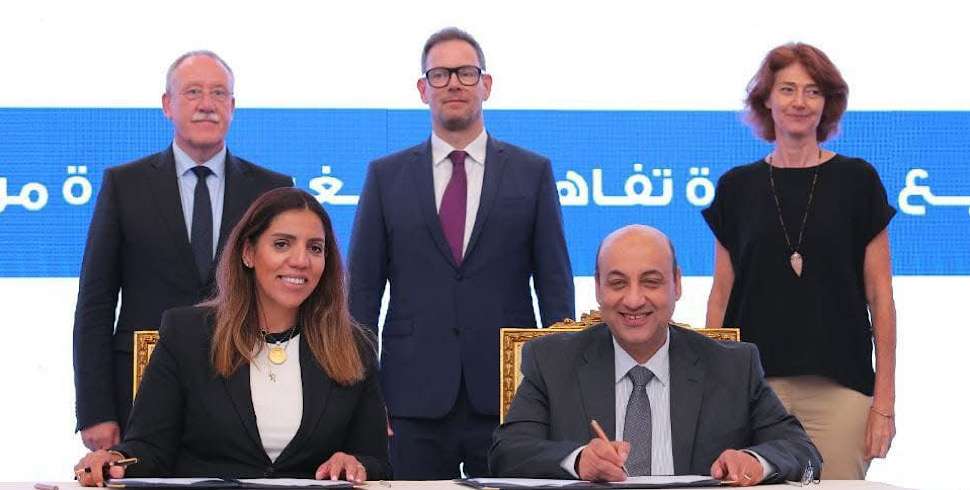
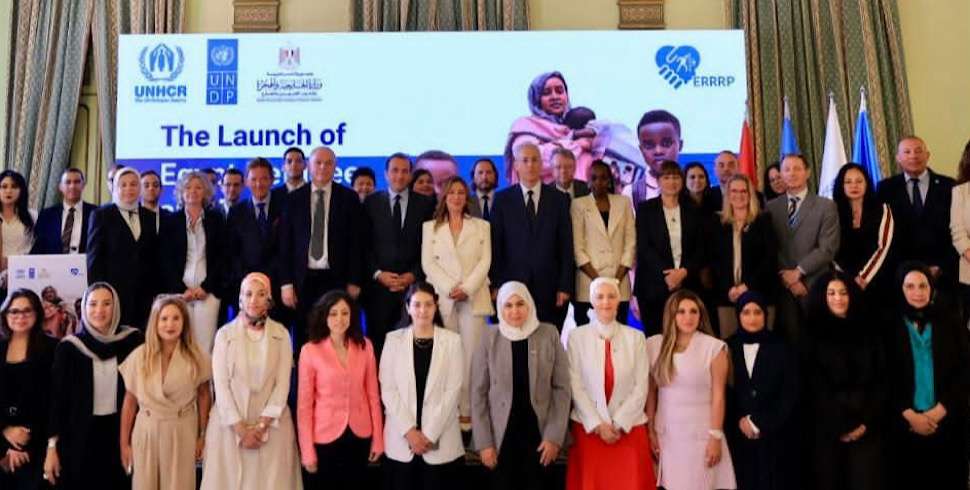
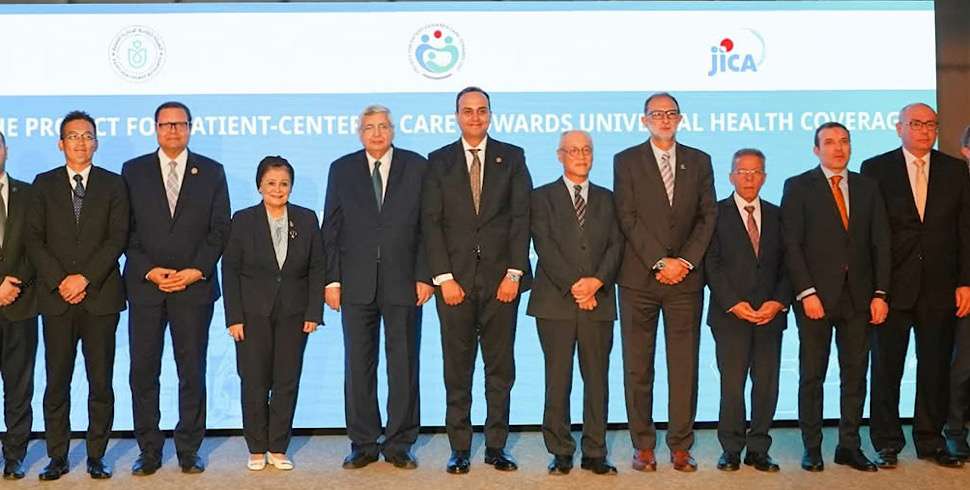
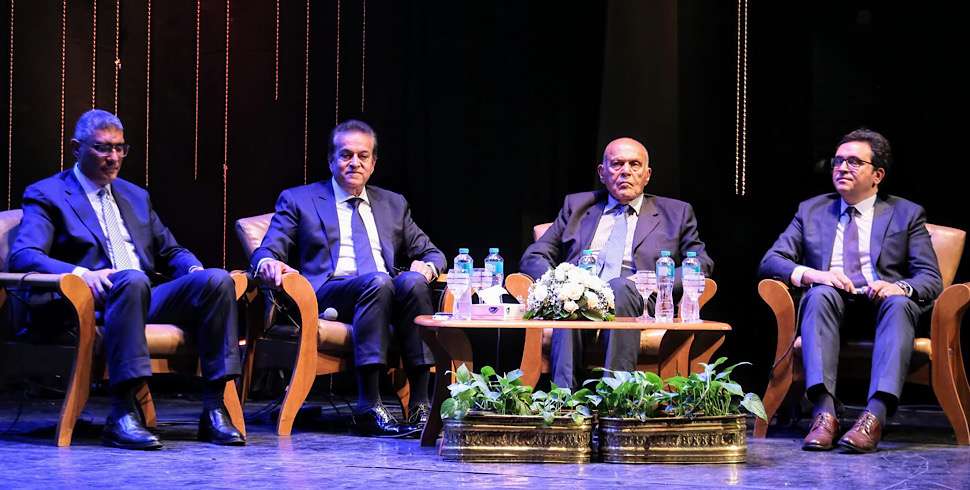
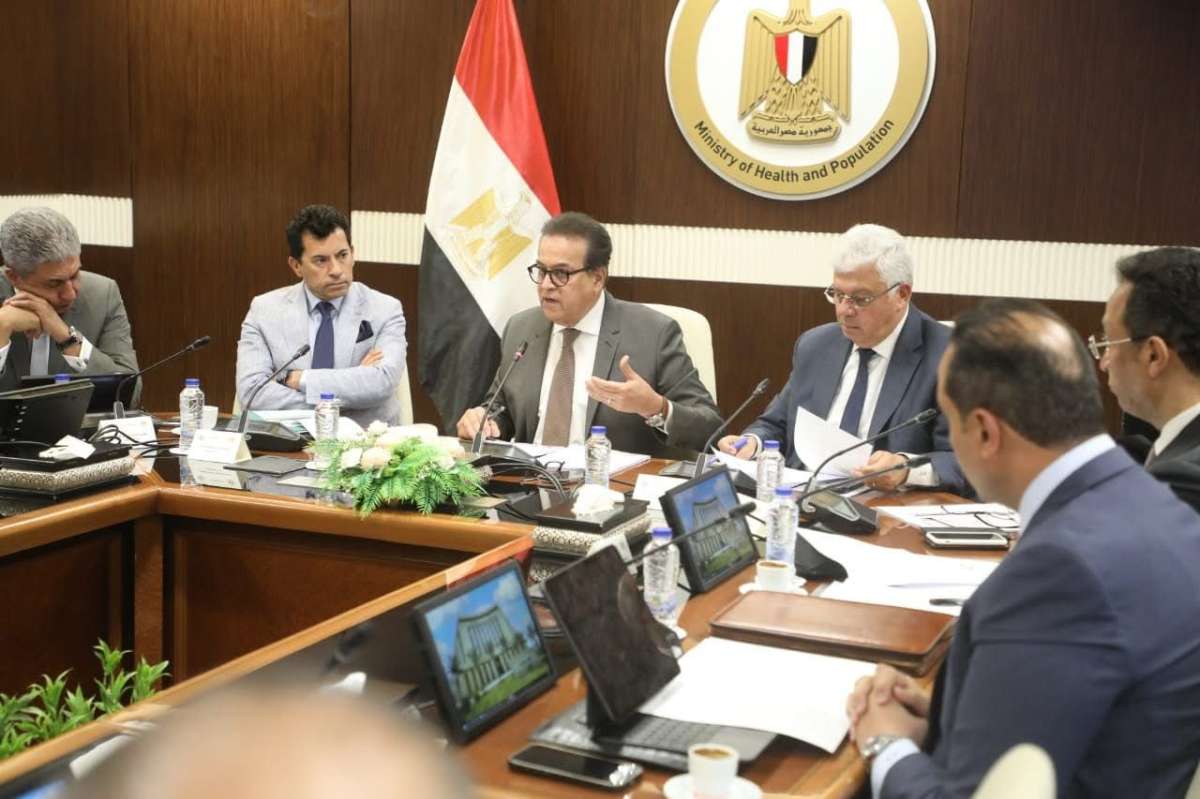
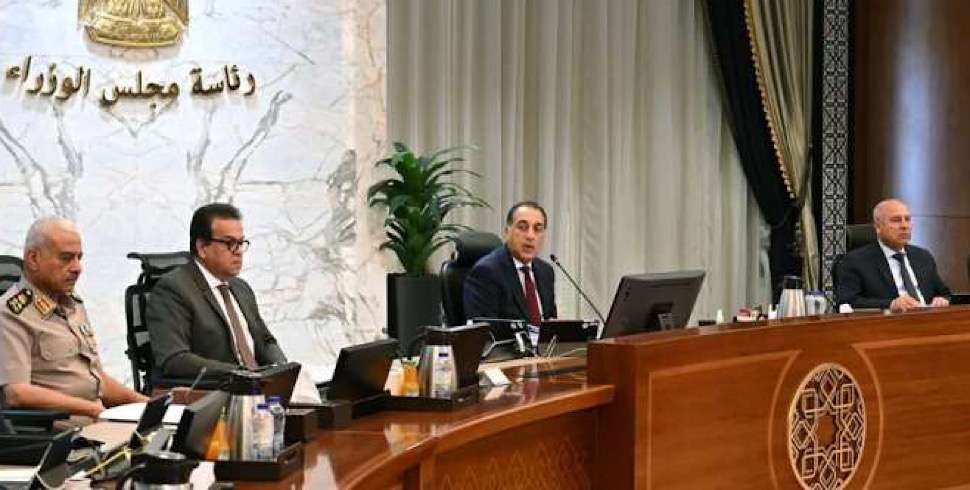
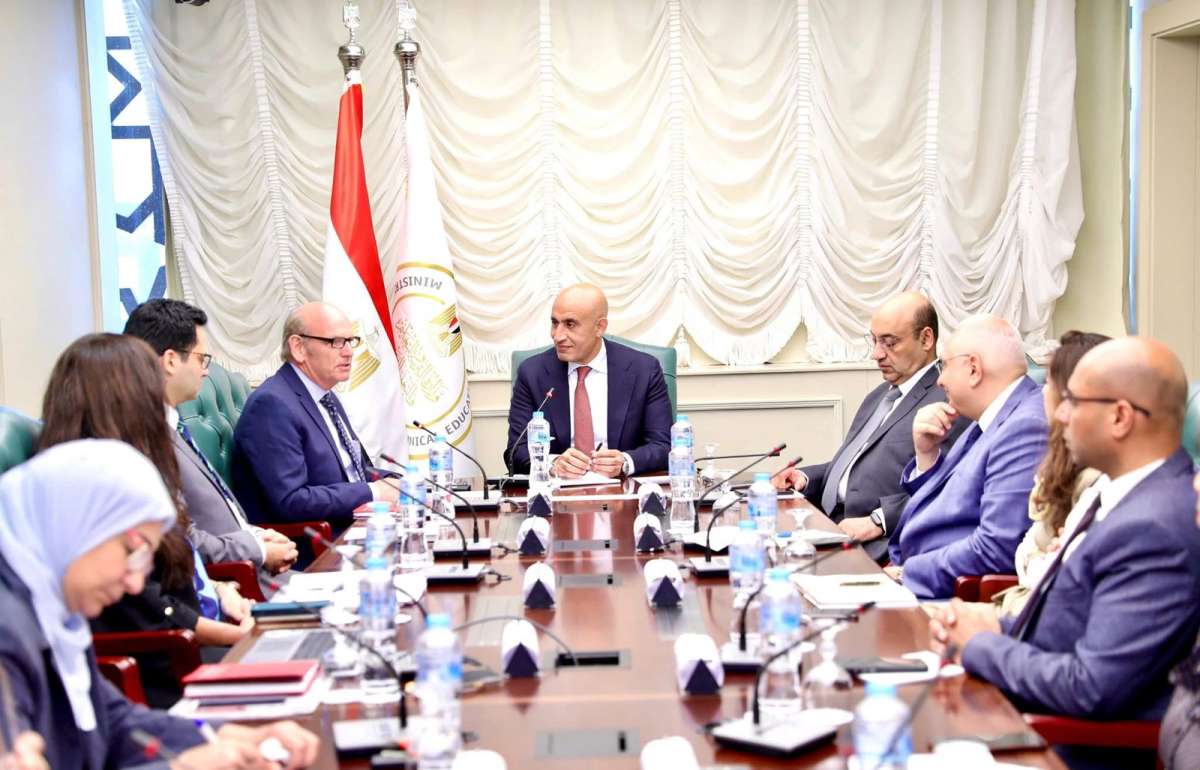
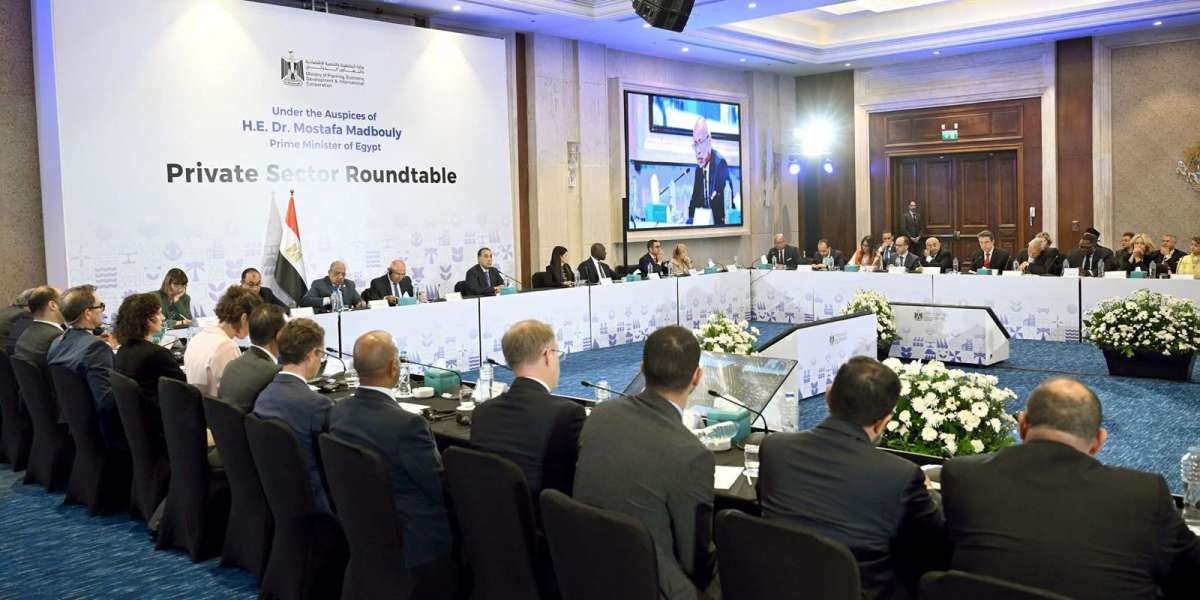
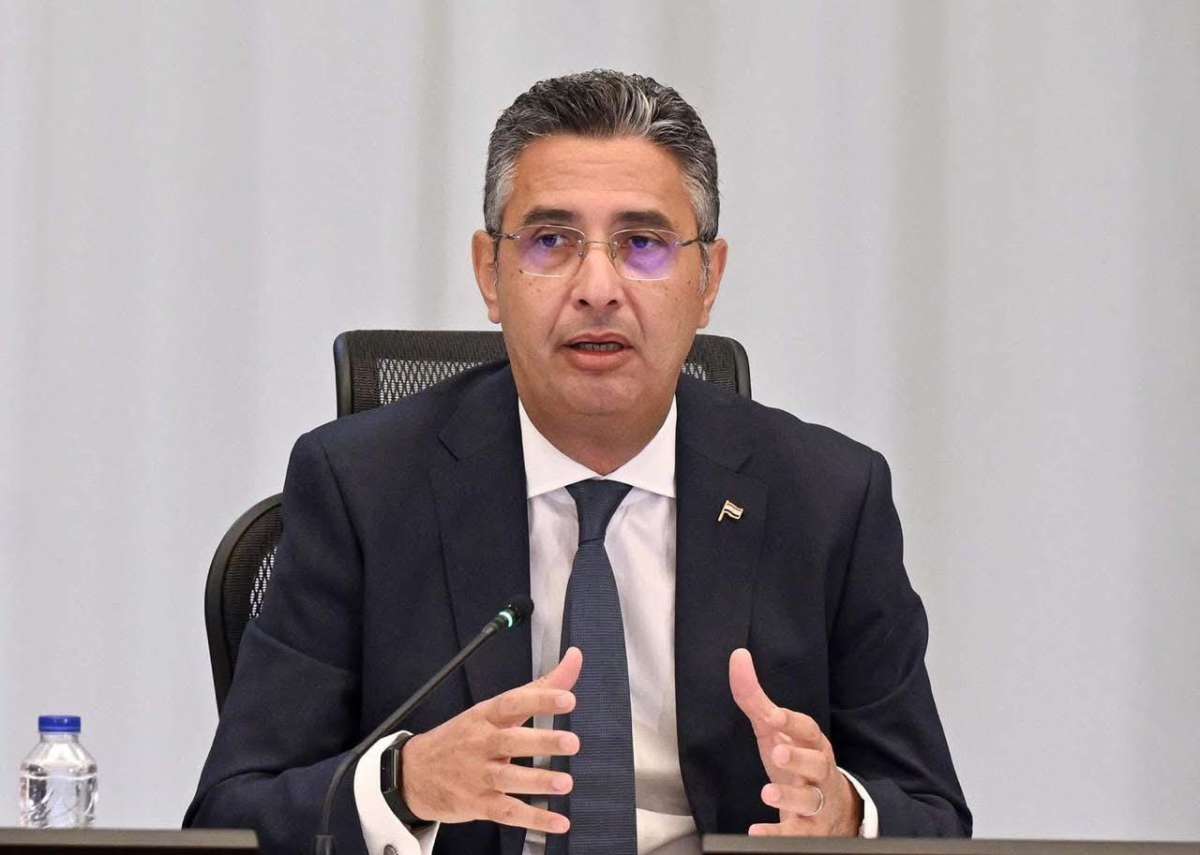
Speaking at the strategy’s official launch in Cairo, attended by senior Egyptian cabinet members, international partners, and development leaders, Dr. Awad explained that the new strategy is not limited to newly built cities, but is part of a unified national vision that connects existing and emerging urban spaces. She emphasized that international experience shows the success of smart cities depends on integrating them with established urban areas, and that planning for a sustainable future must start by addressing today’s challenges.
Dr. Awad highlighted that building smart cities involves more than just technology. It also requires a supportive legislative framework, innovative financing mechanisms, and active community participation—empowering citizens as true partners in shaping the future of their cities.
The initiative is a cornerstone of Egypt’s 2024–2027 government action plan, which prioritizes sustainable urban development as the main driver of quality of life. The Ministry of Local Development aims to upgrade existing cities through strategic planning, better infrastructure, improved essential services, urban regeneration, and safer neighborhoods, while also supporting the construction of smart cities that can accommodate population growth.
Dr. Awad emphasized that at the heart of Egypt’s smart cities strategy is people: ensuring suitable housing, high-quality services, safe mobility, economic opportunities, and a healthy environment in alignment with Egypt’s Vision 2030 and international commitments.
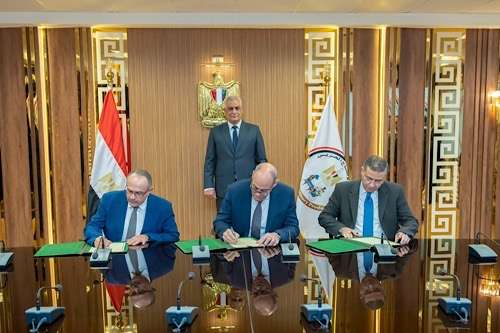
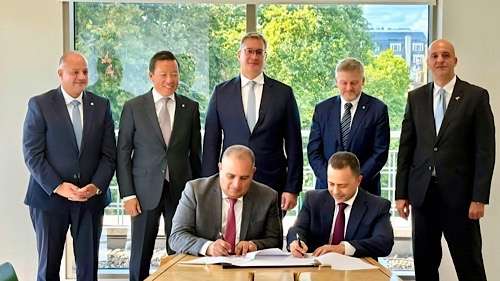
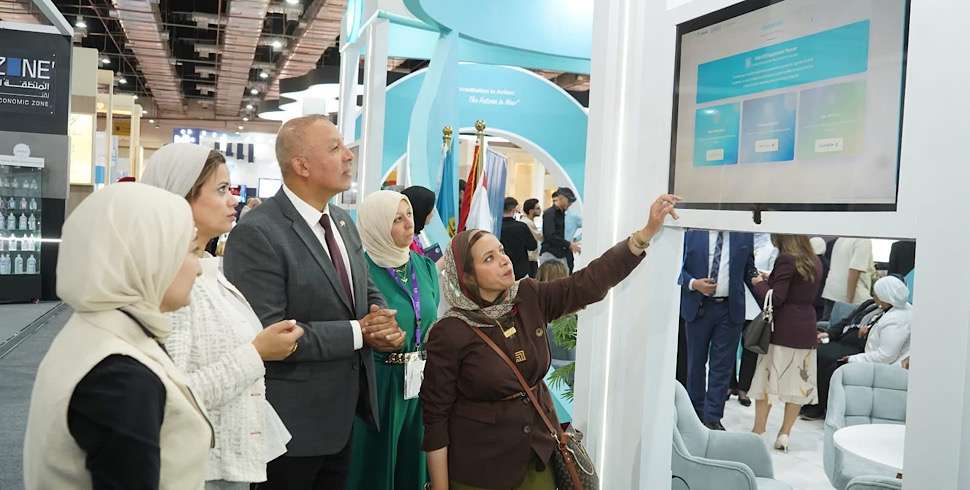
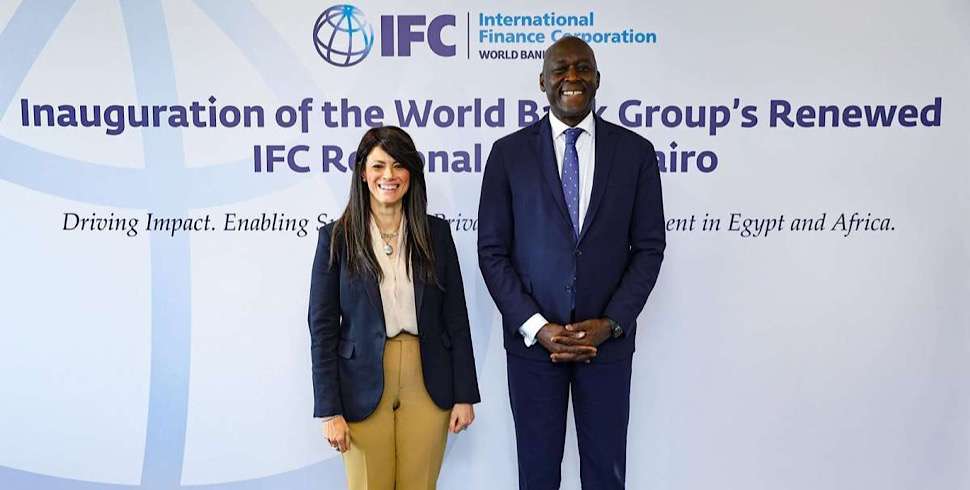
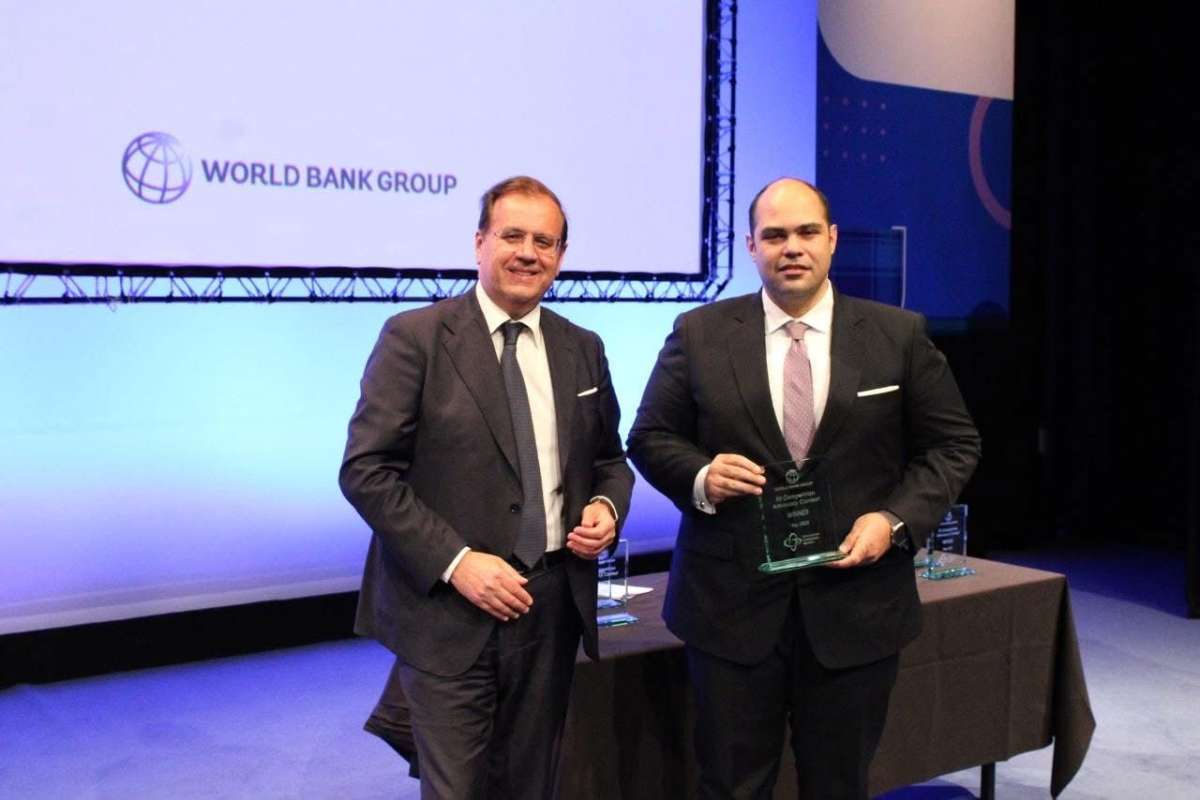
She also highlighted the launch of the "Egyptian Cities Atlas," a comprehensive database in partnership with the World Bank, that provides a scientific foundation for sustainable and integrated planning for both existing and new cities.
In closing, Dr. Awad affirmed the Ministry’s commitment to this integrated approach, working alongside strong partners such as the World Bank and the international development community to create modern, just, and sustainable cities for all Egyptians.