












































































































































































































































































































































































































































































































































































































































































































































































































































































































































Friday, 09 October 2026
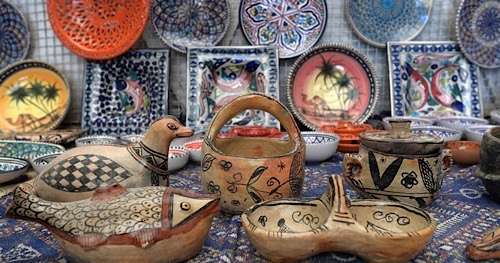
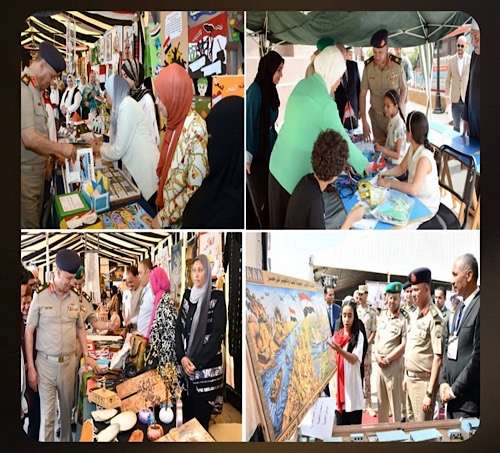
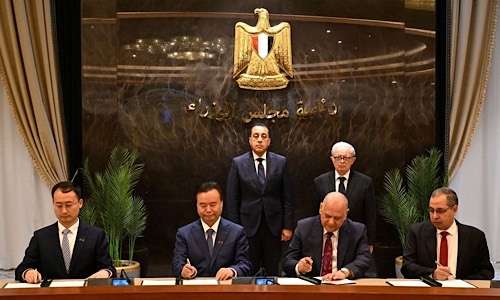
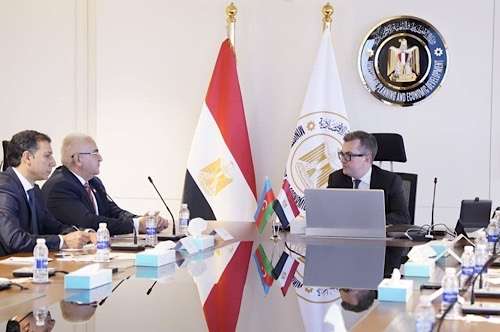
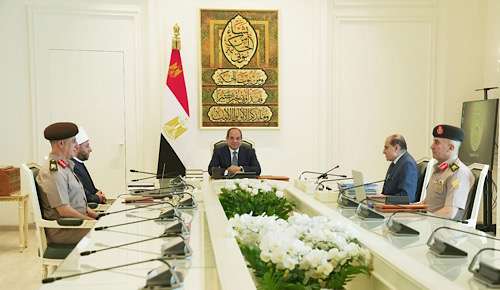
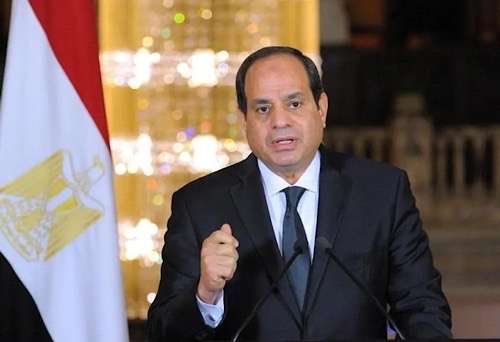
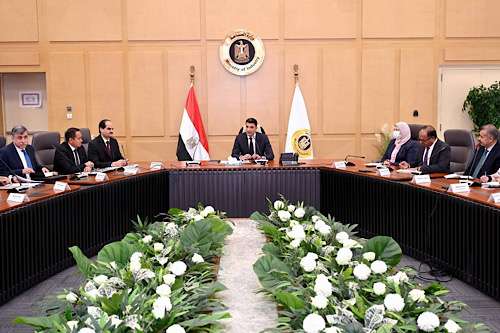
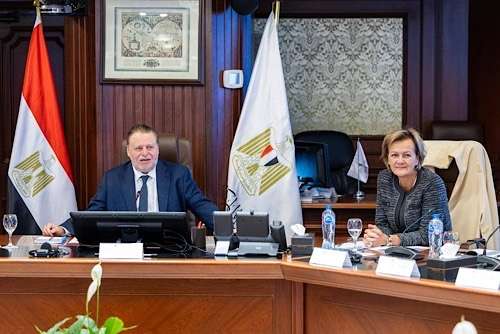
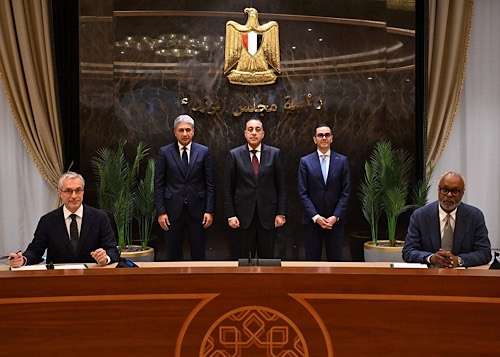
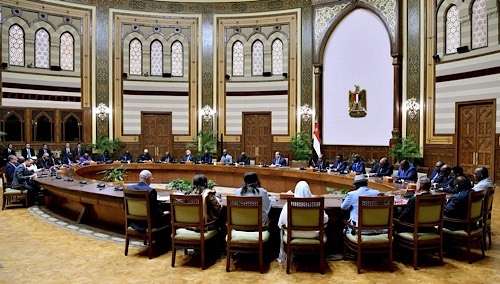
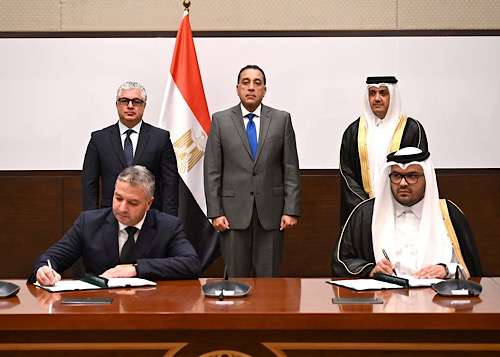
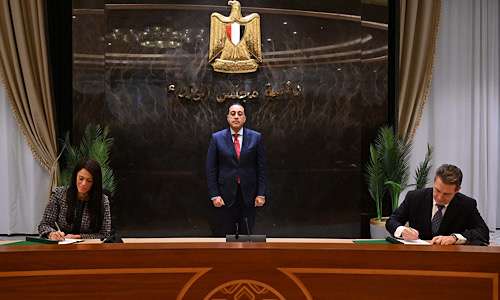
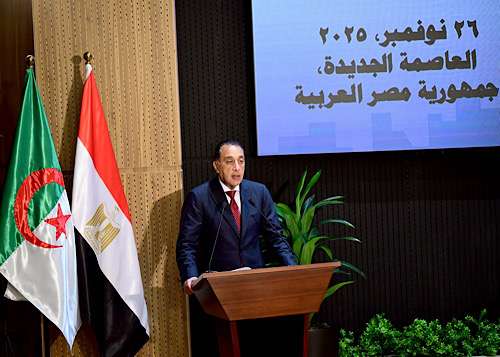
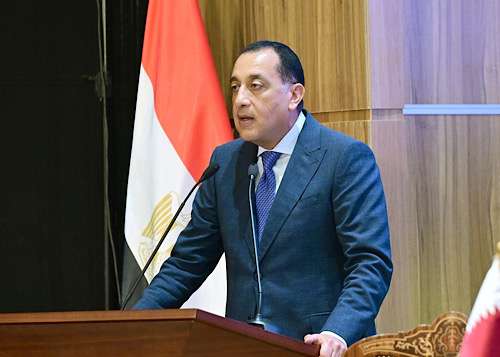
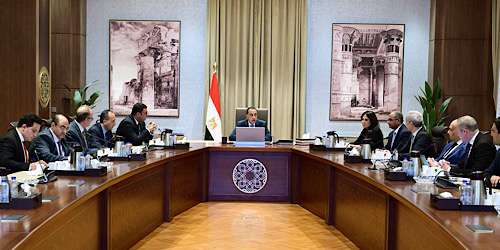
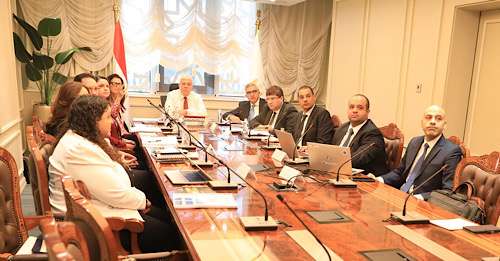
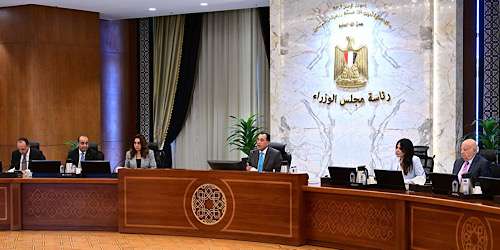
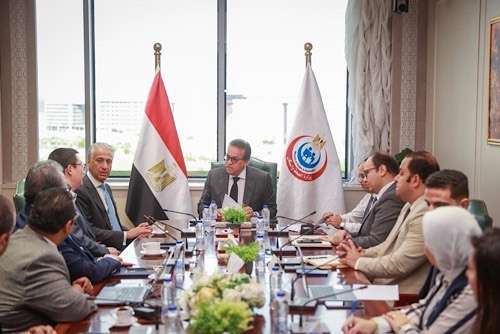
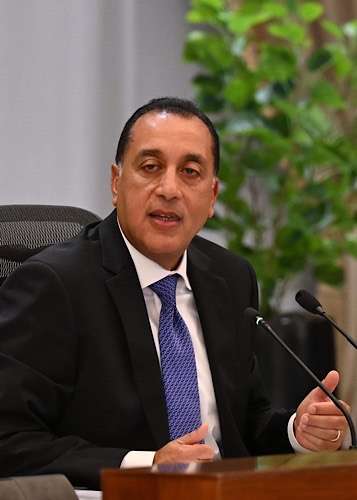
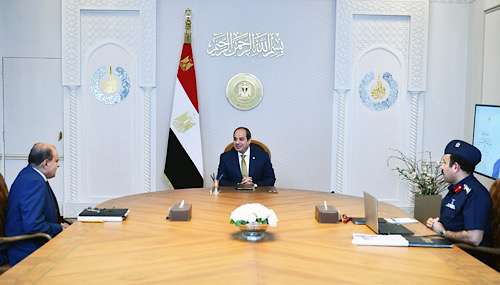
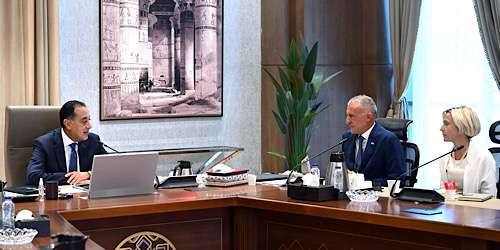
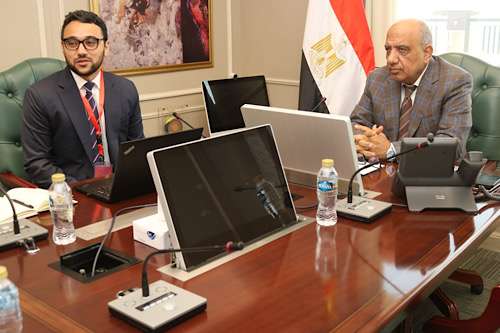
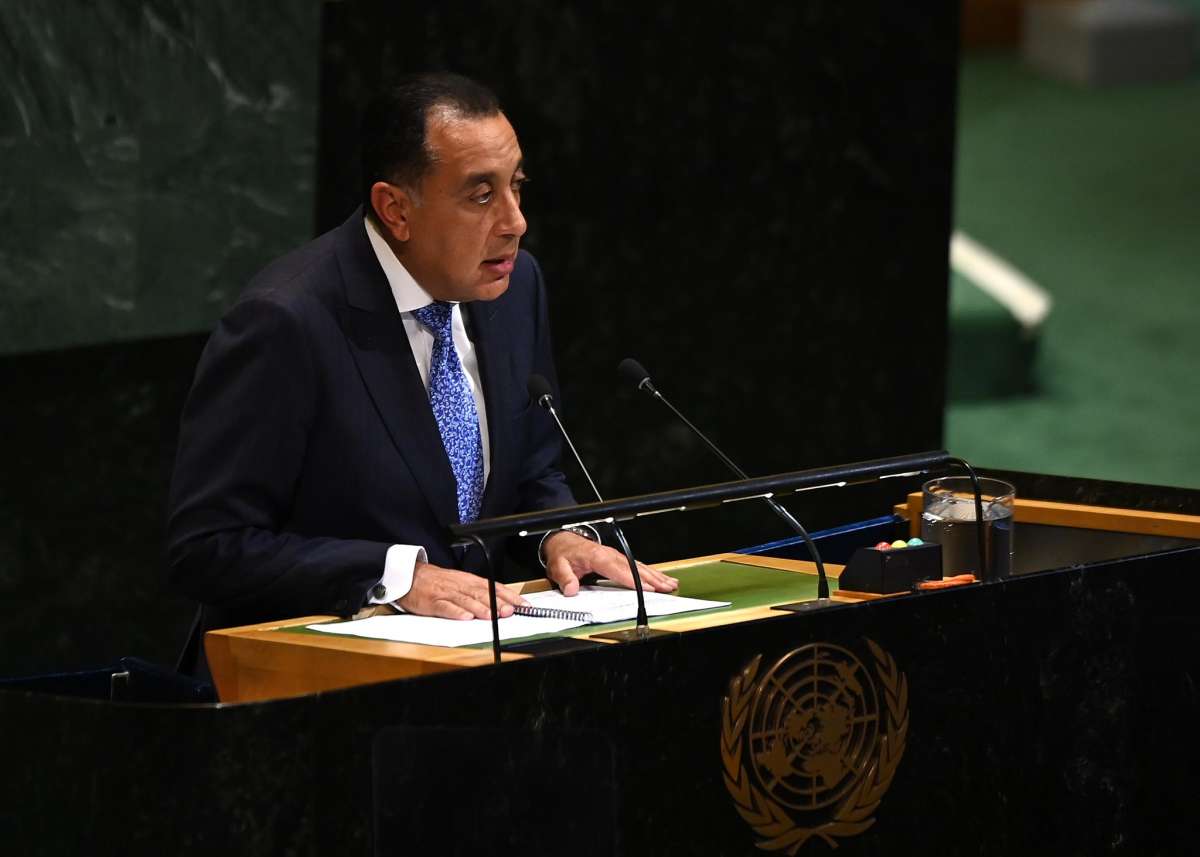
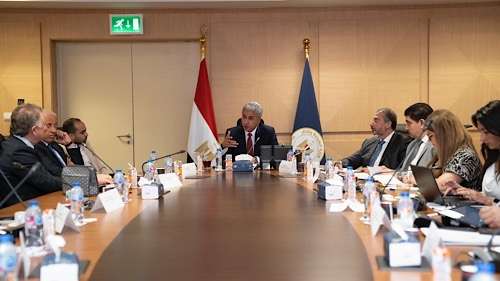
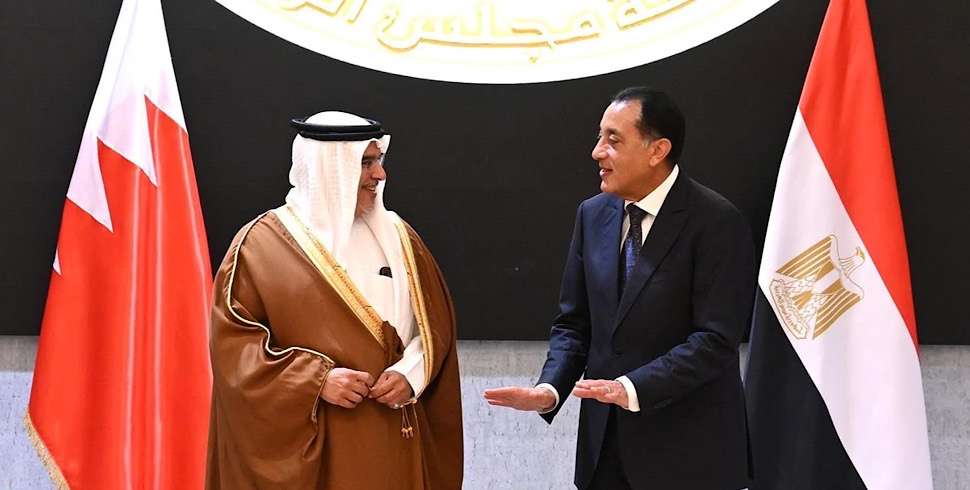
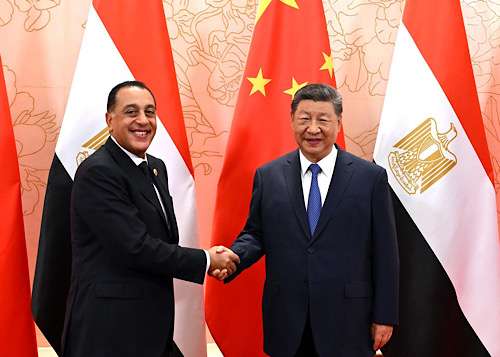
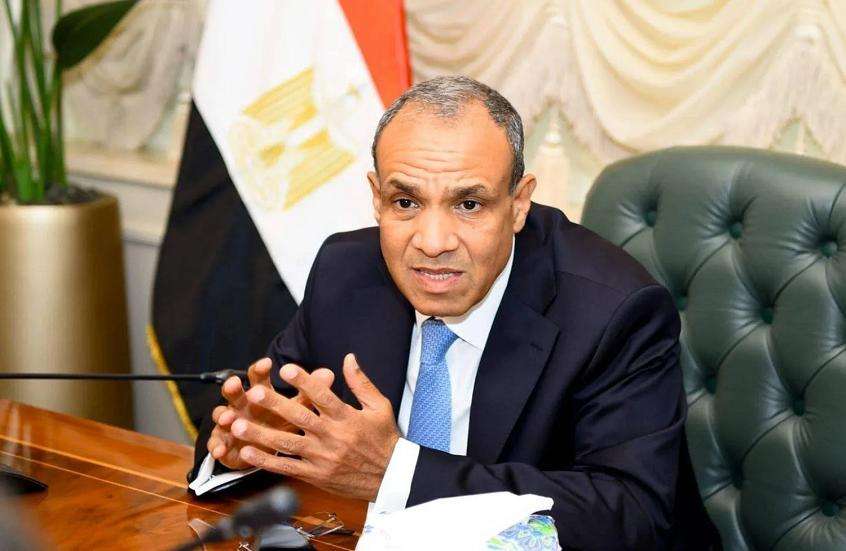
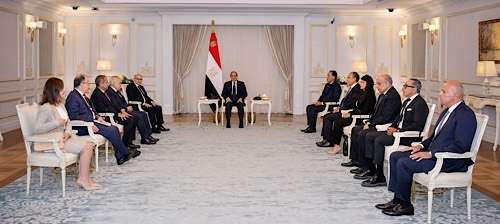
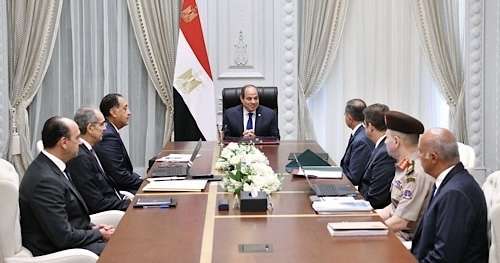
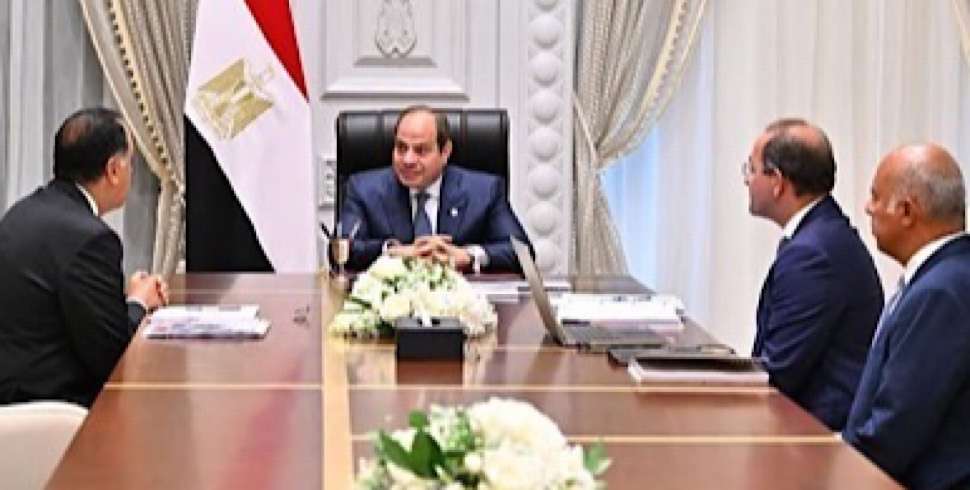
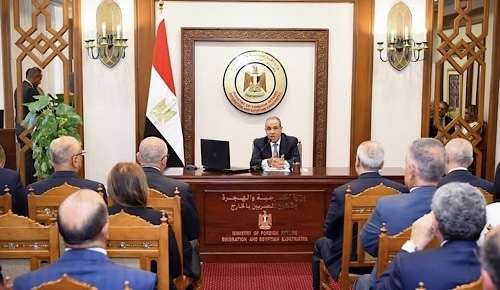
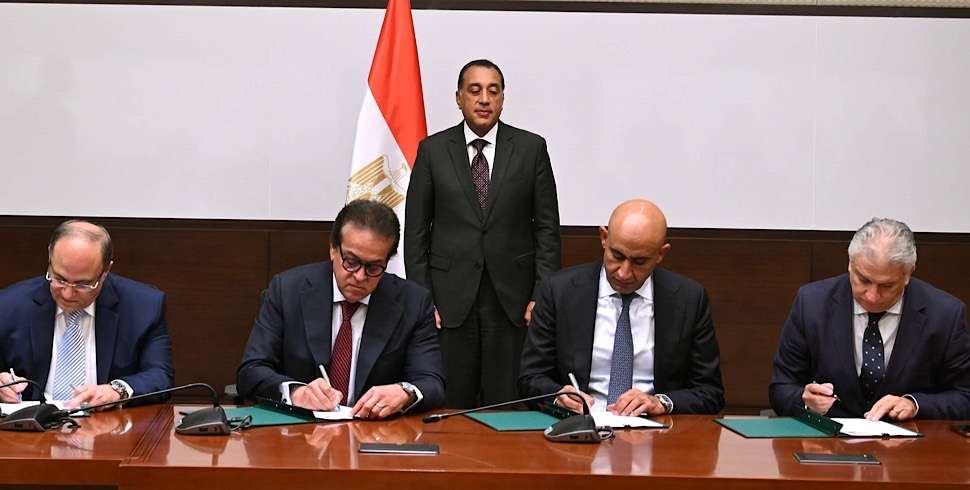
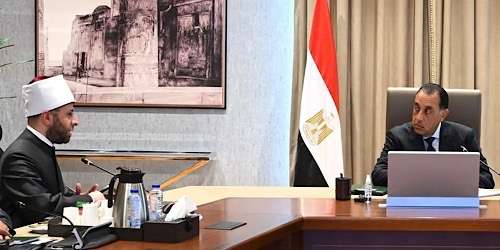
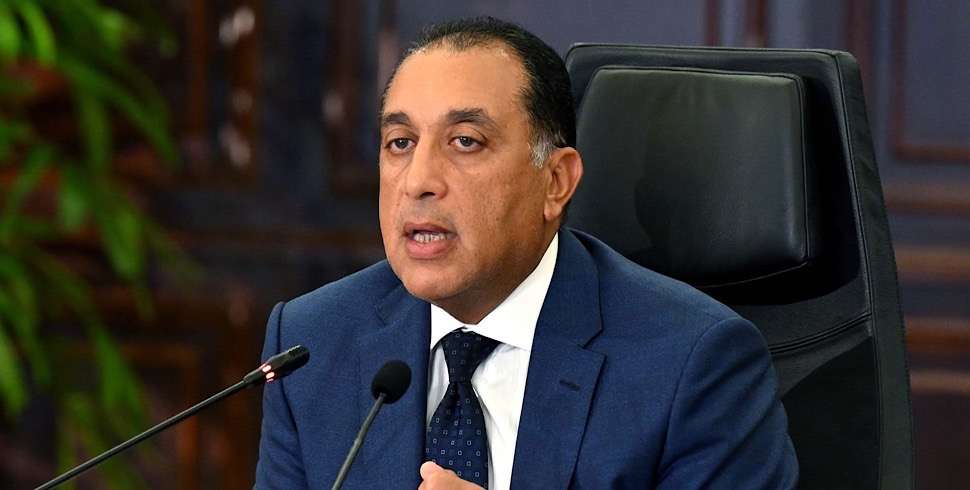
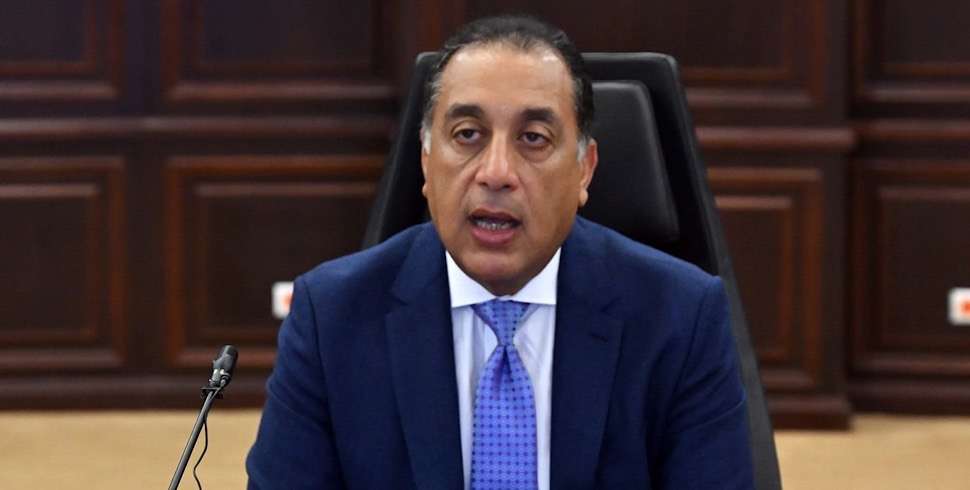
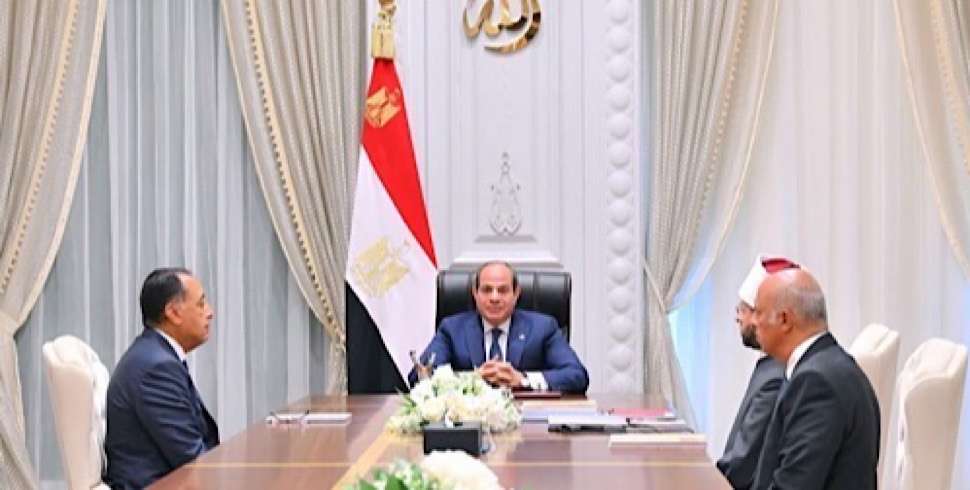
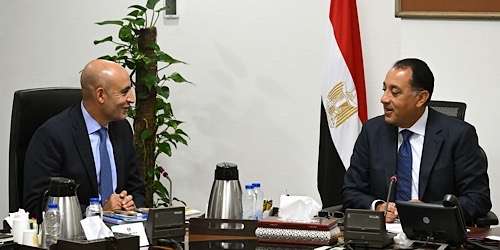
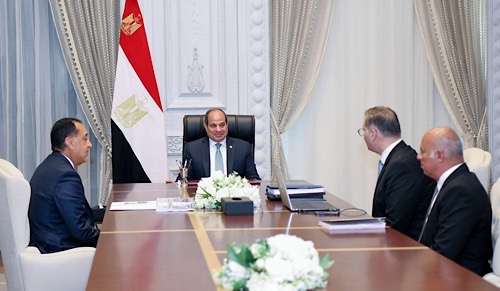
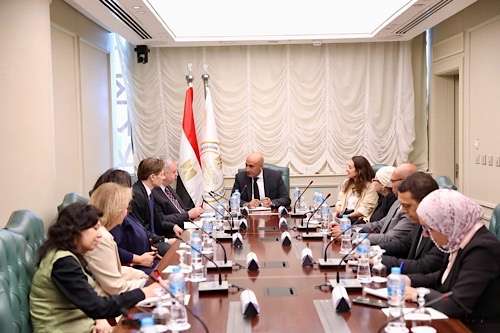
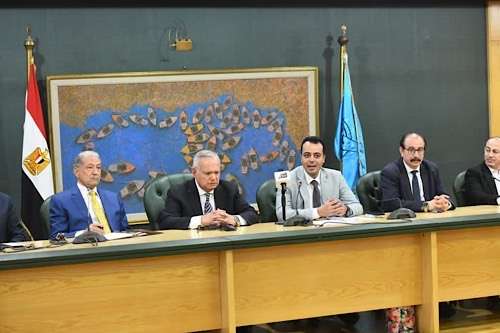
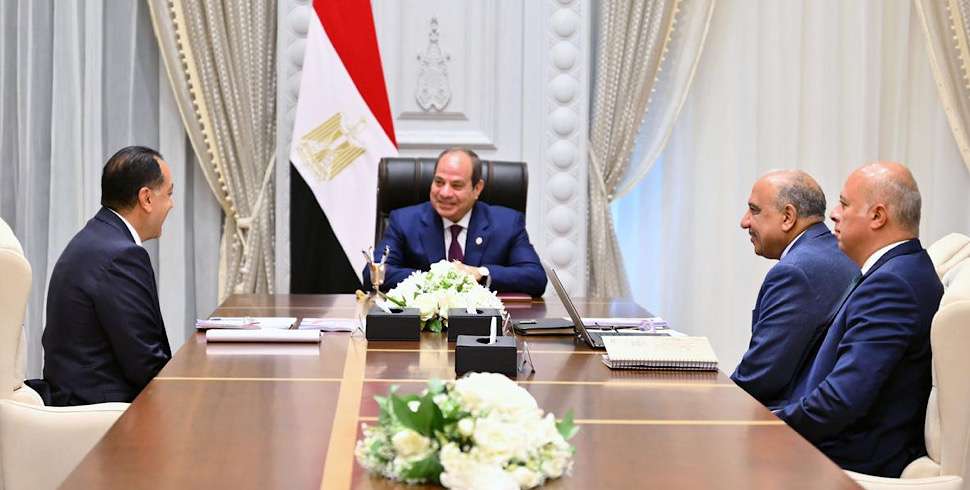
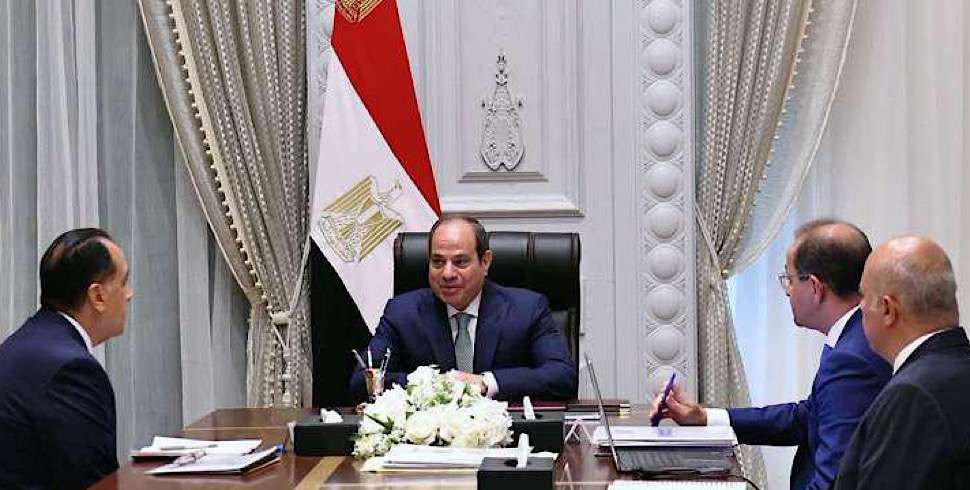
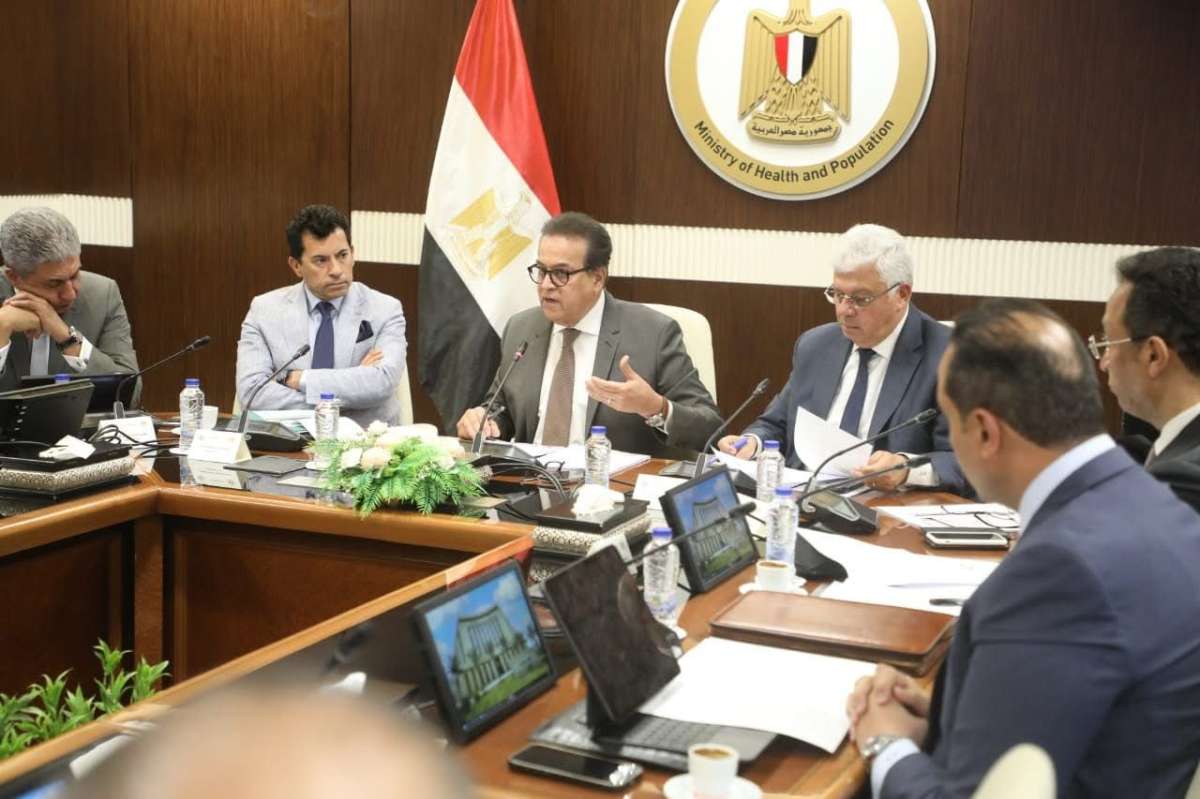
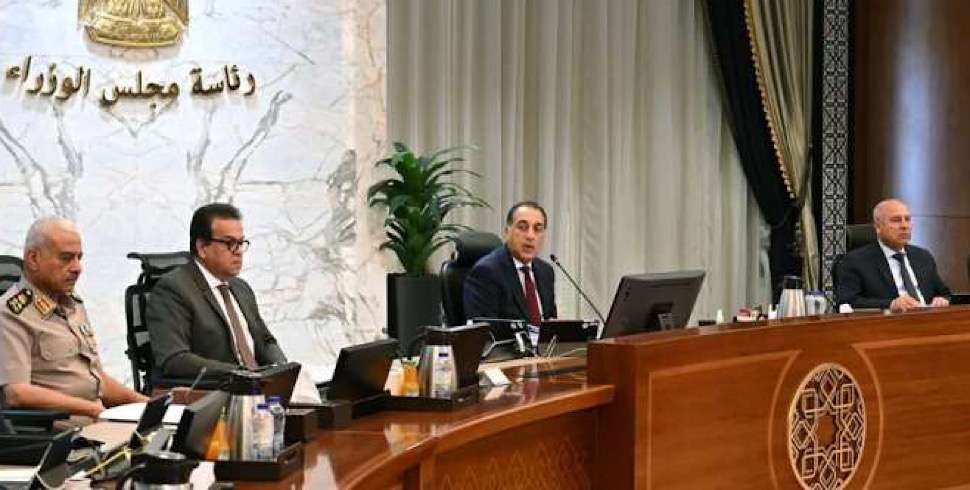
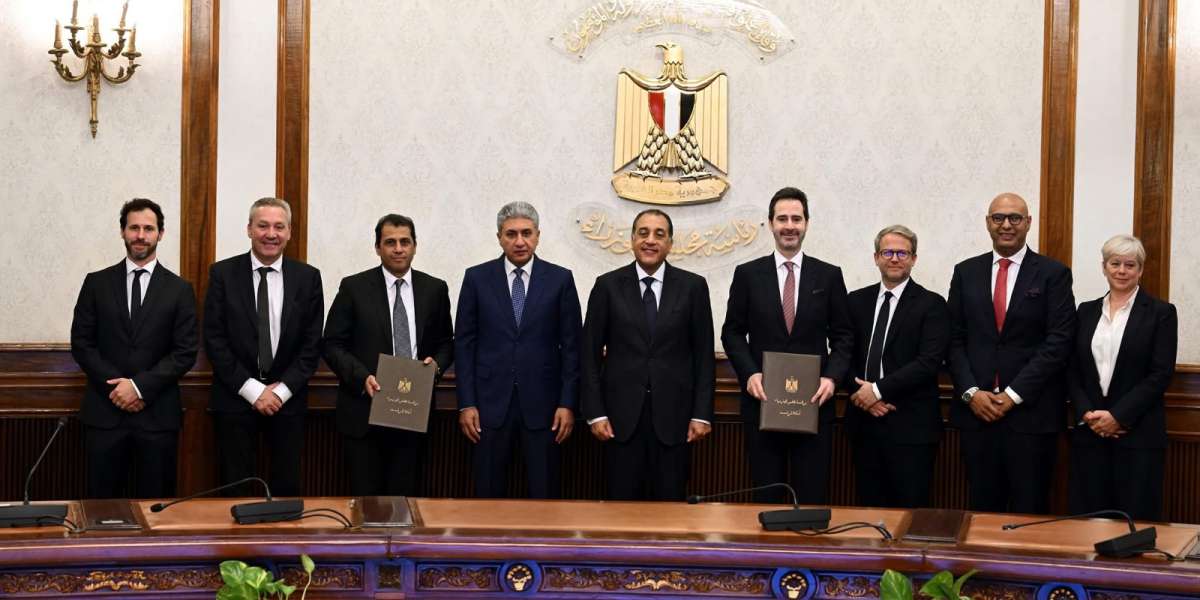
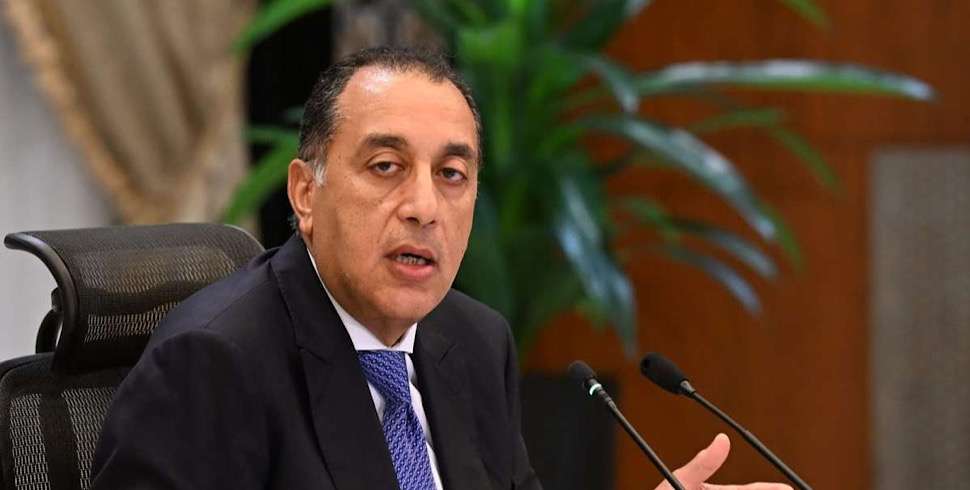
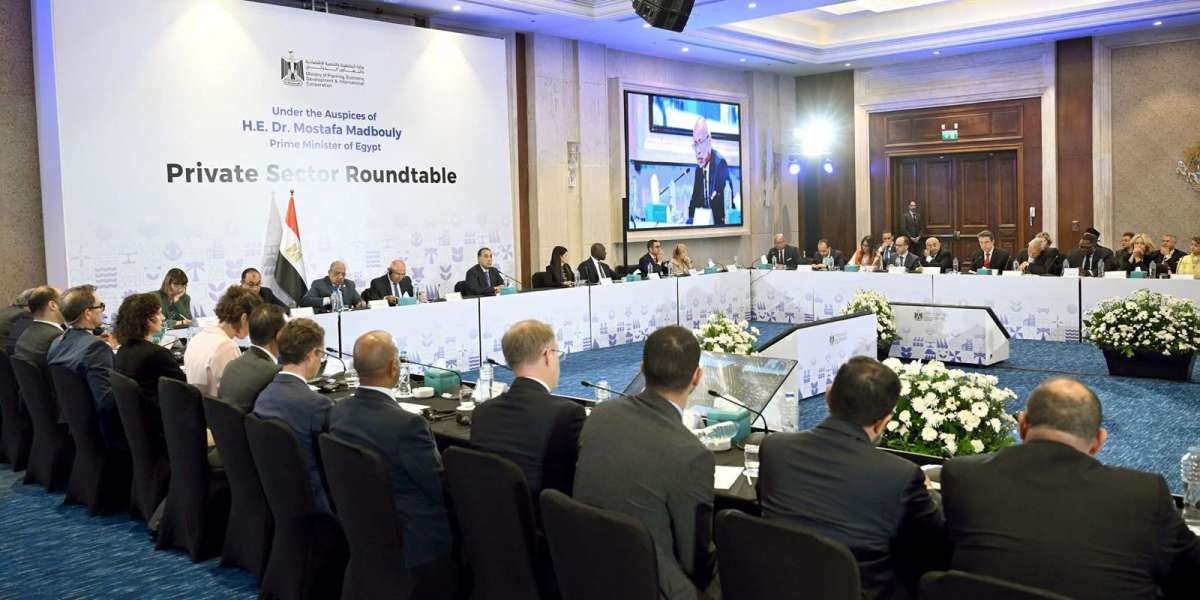
In a significant move to safeguard Egypt’s rich artisan heritage, the Egyptian government has announced a comprehensive National Handicrafts Strategy spanning 2025–2030. At a recent cabinet meeting in New Alamein City, Prime Minister Dr. Mostafa Madbouly emphasized that reviving Egypt’s centuries-old traditional and handicraft industries is a national priority, vital to both cultural preservation and sustainable development.
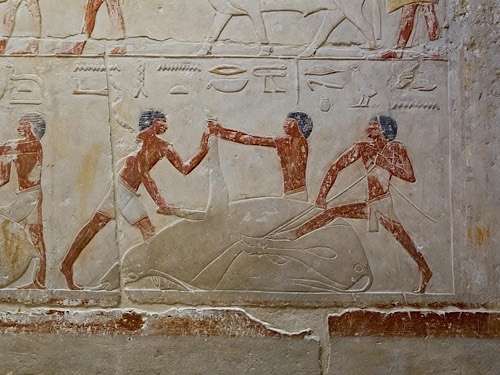
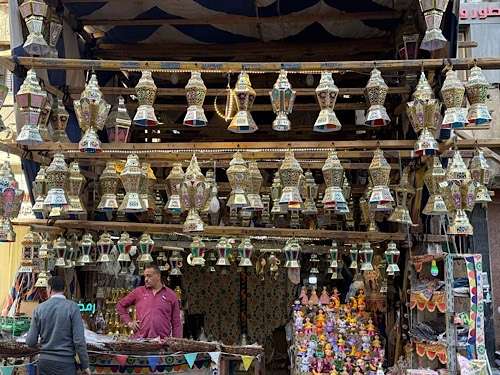
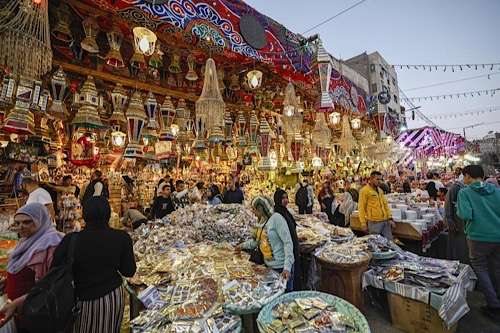
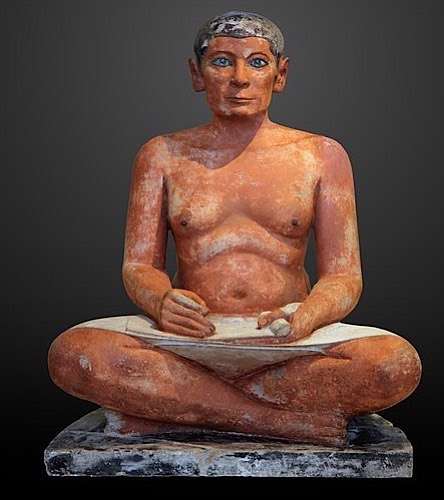
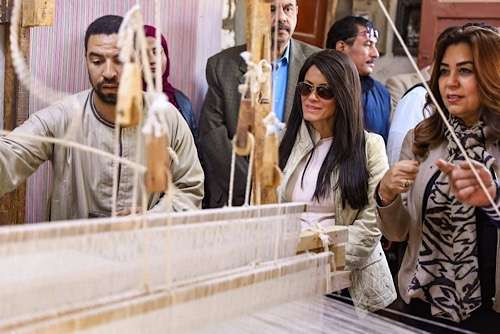
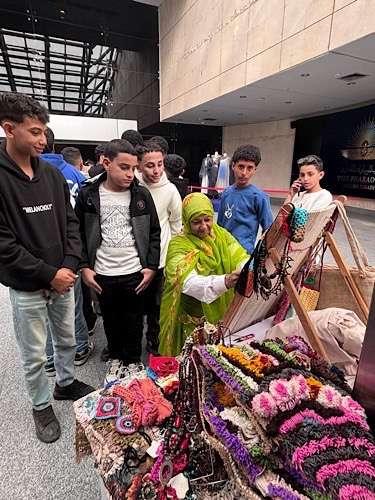
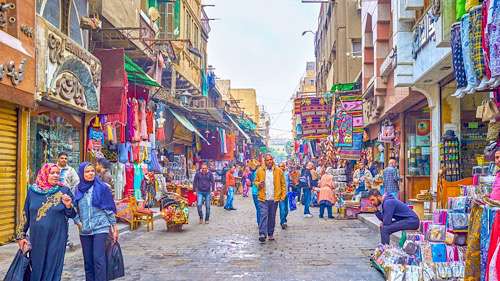
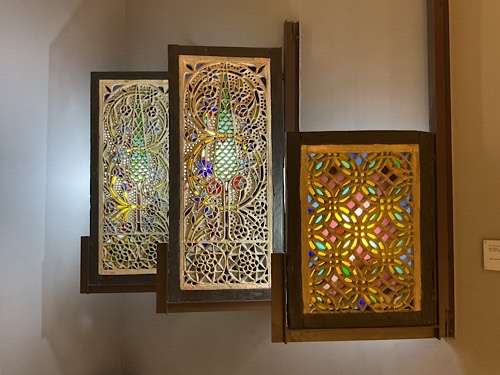
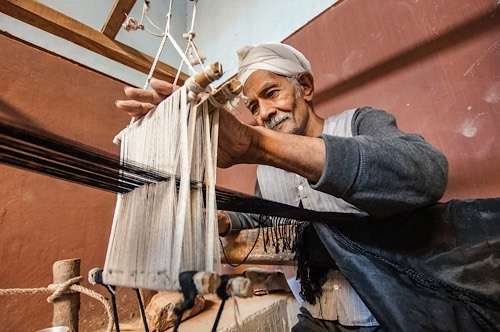
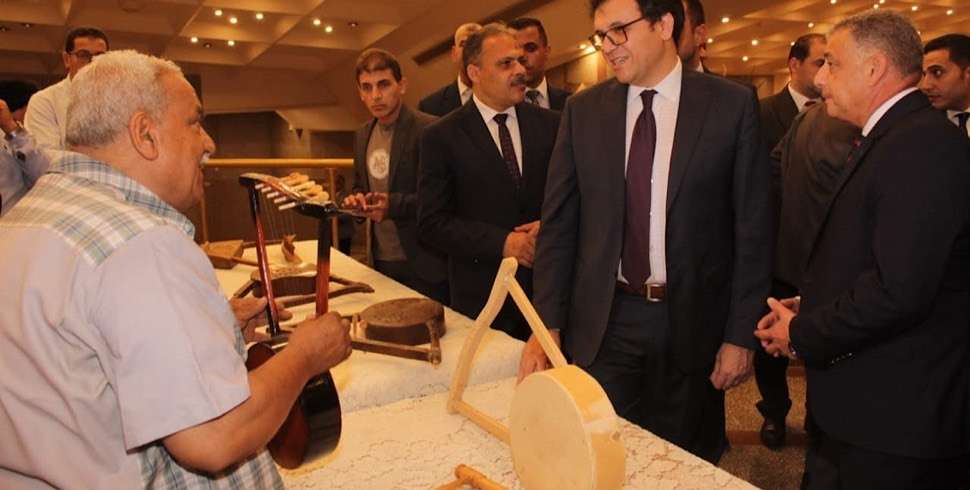
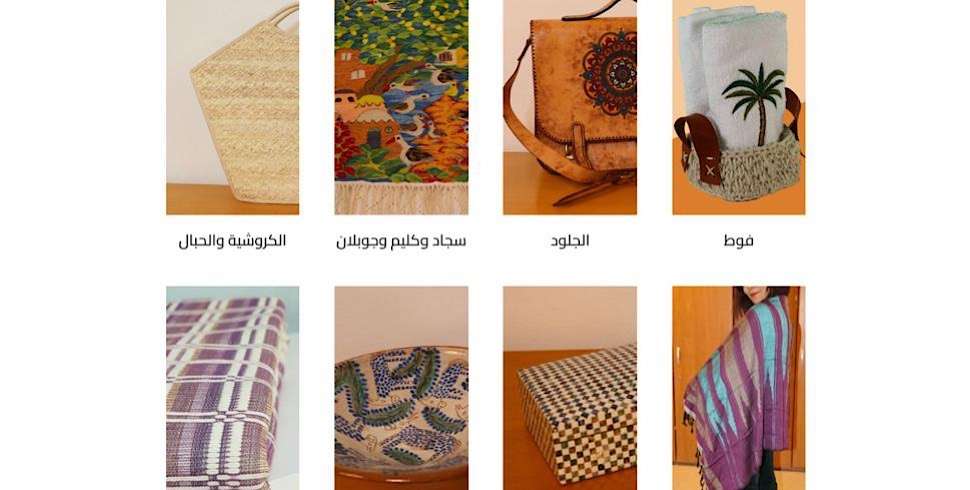
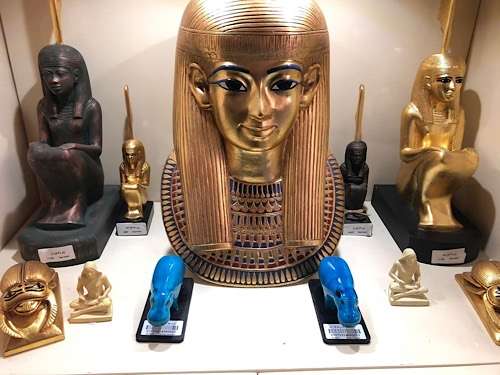
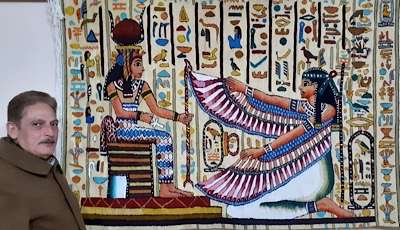
Egypt boasts a vibrant history of handcraft traditions—ceramics, weaving, embroidery, woodwork, and more—that are integral to its identity. Yet, these crafts have faced increasing challenges in modern times, from globalized markets and changing consumer tastes to the decline in artisanal skills among younger generations. “Preserving and invigorating our artisanal heritage is not only about holding onto our past, but ensuring its sustainability for generations to come,” Madbouly affirmed.
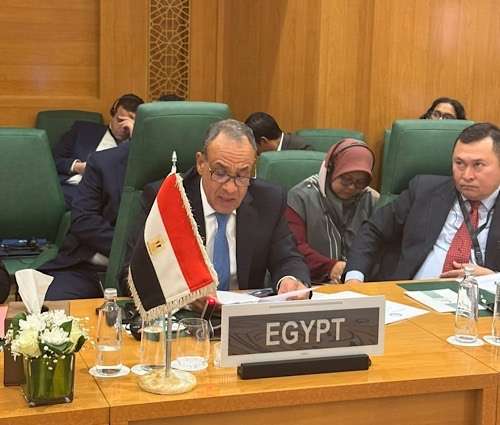
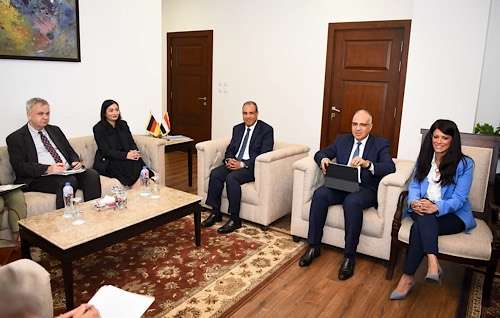
The strategy, coordinated by the Ministry of Social Solidarity and the Small and Micro Enterprise Development Agency, brings together various government stakeholders and development partners. The aim is to unify efforts and craft a holistic vision for Egypt’s handicrafts sector—one that honors its traditions while adapting to shifting global and local markets.
Key elements of the plan address the complexities of supply chains, requirements for environmental and social sustainability, and the need for innovation in design and production. The approach includes clear action plans, defined responsibilities, budget frameworks, and oversight mechanisms to ensure accountability and progress.
Among the headline targets for 2030 are increasing Egypt’s handicraft exports to $600 million, capturing 70% of the local market for handmade products, and creating 120,000 new jobs—while safeguarding existing artisanal livelihoods. The strategy also sets out to boost the number of officially registered handicraft enterprises by 10% each year and nurture 15 major artisan clusters across Egypt.
The government envisions Egypt emerging as a global hub for creative, high-quality, and diverse handcrafts, leveraging the country’s rich cultural tapestry. The strategy calls for establishing two key institutions: the National Council for Handicrafts, to lead sector-wide efforts, and a dedicated Handicraft Design and Export Center, to provide crucial technical and logistical support.
The initiative draws on international models of success, recognizing that strong institutional leadership, continuous innovation, and effective marketing are essential for a thriving craft sector. Prioritizing innovation, talent development, and cluster identity, the government hopes to build a resilient sector that honors tradition while embracing the future.
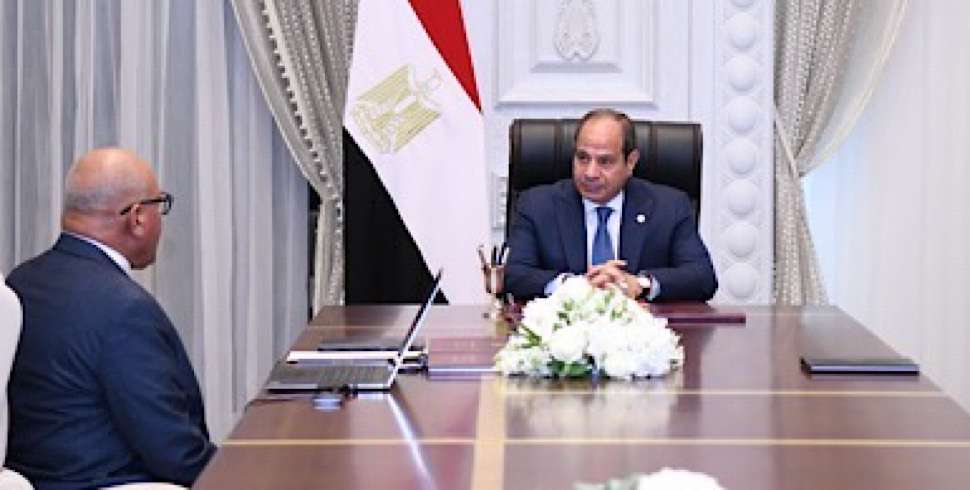
With Prime Minister Madbouly’s directive to begin implementing the strategy, Egypt is positioning itself to not only preserve a treasured part of its heritage, but also to become a competitive force in the global crafts market. The inclusion of master artisans in decision-making councils reflects a commitment to authenticity and intergenerational knowledge transfer.
Egypt’s new strategy promises to safeguard and reinvigorate its handmade legacy—so that the stories, skills, and spirit of its craftspeople will flourish long into the future, both at home and around the world.