

























































































































































































































































































































































































































































































































































































































































































































































































































































































































































































































































































































































































































































































































































Friday, 09 October 2026
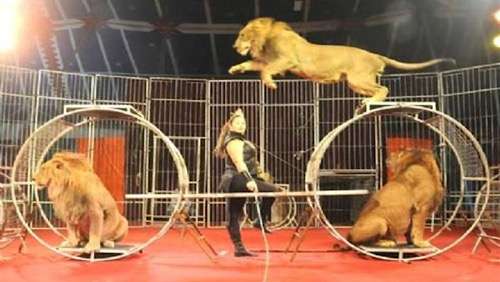 File photo
In a significant move reflecting growing international concern over animal welfare, an Egyptian administrative court has referred a landmark lawsuit calling for an end to the use of animals in circus performances to the State Council’s Commissioners Authority for review and recommendations. The case is being closely watched by local and global animal rights advocates, as well as circus industry professionals.
The lawsuit, filed by a prominent animal protection foundation based in Abu Sir Al-Badrashein, demands a nationwide ban on employing animals—especially wild species like lions and tigers—in circus acts. Instead, it urges a shift towards human talent, creativity, and innovative performances that can entertain audiences without causing harm to animals.
The case cites multiple constitutional and religious arguments. According to the plaintiffs, subjecting animals to harsh training and unnatural performances, including reported practices of beating, starvation, and even burning, is not only inhumane but also fundamentally at odds with both Egyptian law and Islamic teachings, which emphasize compassion toward all living creatures.
The court documents reference Article 45 of Egypt’s constitution, calling for the protection of animal rights, and Article 2, which makes Islamic Sharia the principal source of legislation, highlighting numerous verses from the Quran and the sayings of Prophet Muhammad encouraging mercy to animals.
The lawsuit specifically criticizes the reluctance of responsible authorities to take decisive steps against what it describes as “serious violations” of animal welfare inside circuses. It also raises public safety concerns, citing incidents where trainers and spectators suffered injuries, including a well-known case in Tanta in which a trainer lost his arm during a performance after being attacked by a tiger.
Despite recent legal reforms—such as Law No. 29 of 2023 regulating the possession of dangerous animals, and subsequent executive regulations—the plaintiffs argue that these measures have not been effectively enforced within the circus industry.
Egypt’s debate echoes developments in other parts of the world, where an increasing number of countries have banned or severely restricted animal acts in circuses. The legal petition encourages Egypt to join this global trend by adopting performances that utilize technology, illusion, and human artistry—enriching the entertainment experience while honoring the natural dignity and welfare of animals.
Animal rights advocates are hopeful that Egypt’s judiciary will set a strong ethical precedent, fostering a culture of kindness and respect for all living beings. The outcome of the case could mark a meaningful step toward aligning Egypt with international animal welfare standards, and inspire similar changes throughout the region.
As the case proceeds, animal lovers across Egypt and the world await the Commissioners Authority’s report, hoping for a future where joy and wonder in the circus come from the marvel of human creativity—not at the expense of animal suffering.