




































































































































































































































































































































































































































































































































































































































































































































































































































































































































































































































































































































































































































































































































Friday, 09 October 2026
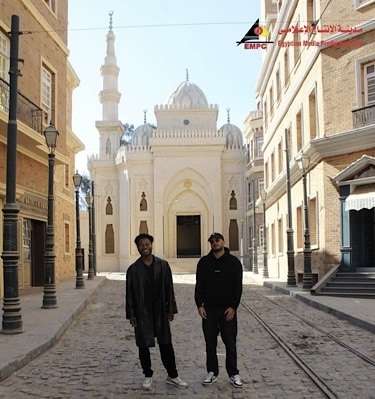
 A file photo of historic Cinema Miami in Alexandria, Egypt.
Egypt, long celebrated as the heart of Arab cinema, is writing a bold new chapter for the silver screen.
The Ministry of Culture announced a sweeping national strategy to revive its legendary film industry, breathe new life into historic studios, and restore iconic films—inviting audiences at home and abroad to rediscover the treasures of Egyptian cinema.
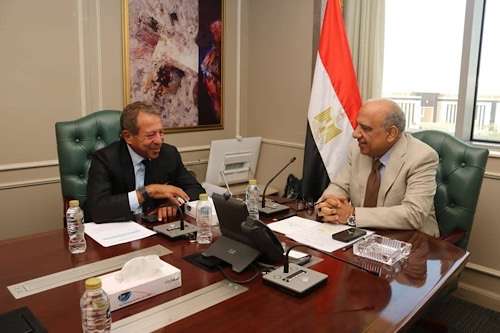
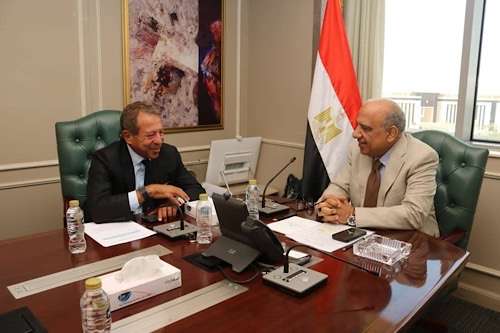
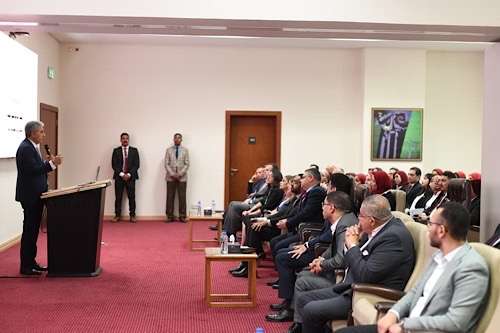
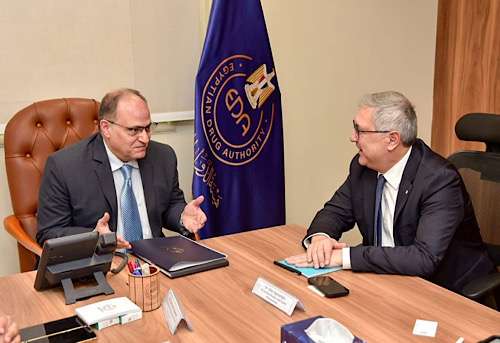
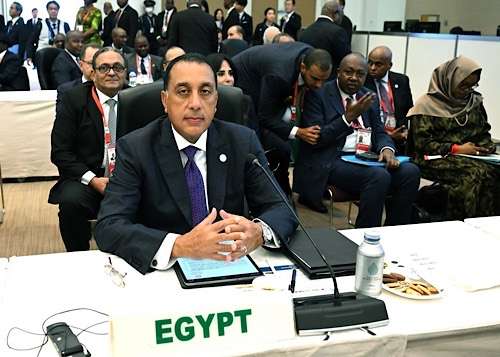
At the heart of this initiative is a three-pronged approach, unveiled by Minister of Culture Dr. Ahmed Fouad Henno. The plan transforms idle, state-owned studios and cinemas into vibrant, modern production hubs, while digitizing and conserving Egypt’s vast cinematic legacy for future generations. "We are dedicated to preserving what makes our cinematic identity unique, and to sharing our heritage with a new global audience," said Minister Henno.
The revival effort will modernize infrastructure—upgrading legendary film locations such as Cinema City, Studio Nahas, and Studio Al-Ahram with cutting-edge production tools and digital archiving facilities. Historic cinemas like Miami and Normandy, closed for decades, are coming back to life, blending nostalgia with state-of-the-art sound and visual technology.
A cornerstone of the plan is the creation of a vast digital archive. Egypt’s cinematic masterpieces—from "The Second Wife" to "Cairo 30"—are being restored in brilliant 4K quality. According to Eng. Ezz El-Din Ghoneim, CEO of the holding company overseeing the project, these restored films will be made available on global streaming platforms, reaching wider audiences than ever before.
Online platforms including a dedicated website and YouTube channel have already launched, providing legal access to state-owned classics and maximizing the digital value of Egypt’s film assets. Collaborations with anti-piracy firms aim to protect this cultural goldmine.
Beyond preservation, the plan creates a new national film production entity dedicated to supporting professionals and attracting international investment, with services spanning filming, editing, and post-production.
The next phase promises even greater impact: the company aims to organize a festival dedicated to restored films, featuring public screenings, interactive seminars, and encounters with the creators behind these timeless works. The hope is to inspire a deeper appreciation for Egyptian cinema’s role in shaping cultural identity, both regionally and globally.
As Egypt reclaims its title as a powerhouse of cinematic creativity, audiences worldwide are invited to share in its journey—rediscovering old favorites, celebrating fresh voices, and witnessing the next act of a grand cinematic legacy.