






























































































































































































































































































































































































































































































































































































































































































































































































































































































































































































































Friday, 09 October 2026
 Getty image
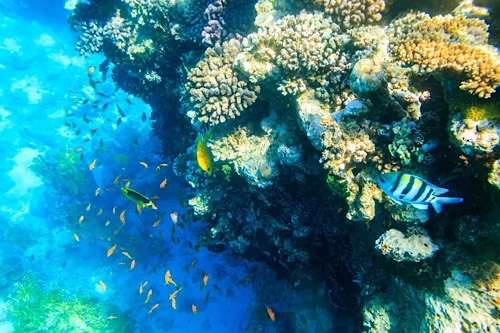
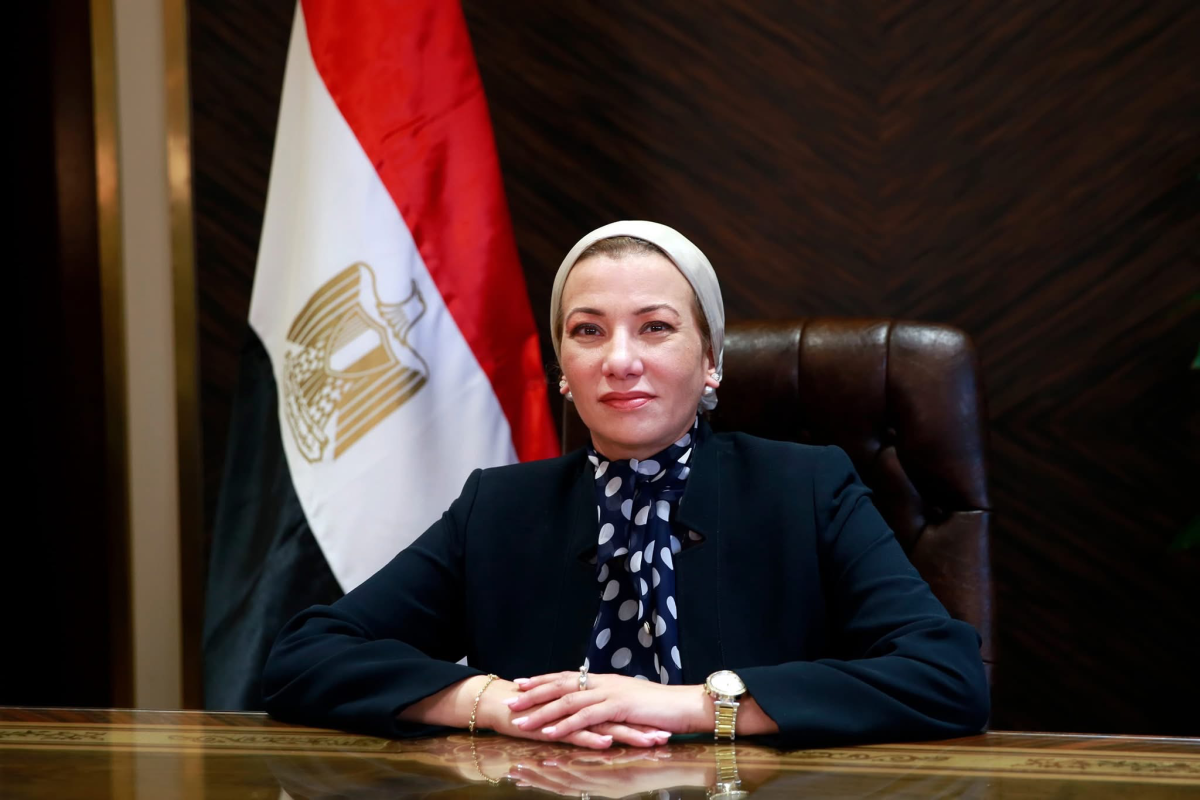
Egypt has successfully completed its first mission to install satellite tracking devices on several shark species in the Red Sea, marking a pioneering step in marine conservation efforts in the region. The announcement was made by Dr. Yasmine Fouad, Egypt’s Minister of Environment.
A specialized Egyptian team, including experts from the Ministry of Environment, the Hurghada Environmental Protection and Conservation Association (HEPCA), and the Chamber of Diving and Watersports, carried out the mission with support from the ministry’s Green Hurghada Project and a French satellite tagging specialist.
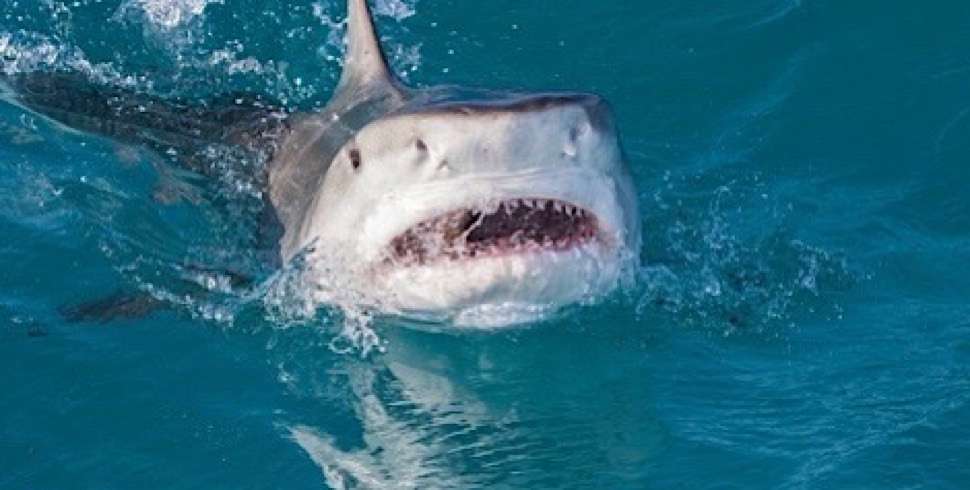
The team successfully fitted nine satellite tracking devices to tiger sharks and oceanic whitetip sharks in key Red Sea locations: the Brothers Islands, Elphinstone Reef (Marsa Alam), and Shaab El Shahr (Safaga). In addition, fourteen genetic samples were collected from targeted sharks to better understand their genetic traits. The team also photographed the distinctive dorsal fins of oceanic whitetip sharks, building a photographic catalogue for individual identification through visible markings.
Dr. Fouad emphasized Egypt’s leading role in the Red Sea region, becoming one of the first countries to implement a comprehensive shark monitoring and tracking program. The initiative focuses on species at the top of the food chain—including tiger, mako, and oceanic whitetip sharks—and aims to study both vertical and horizontal shark movements across the Red Sea basin.
“Sharks hold significant economic and environmental value, contributing greatly to Egypt’s ecotourism appeal,” Dr. Fouad stated. She highlighted that Egypt is among the few countries worldwide that have enacted legislation to protect sharks and strictly prohibit their fishing.
The minister also praised the scientific team’s dedication to using the highest environmental standards throughout the tagging process, ensuring every shark was safely returned to the sea after tagging or sampling. All equipment underwent thorough testing and calibration, and the satellite tags are expected to transmit detailed data over the next year.