

























































































































































































































































































































































































































































































































































































































































































































































































































































































































































































































































































































































































































































Friday, 09 October 2026
 Getty Images
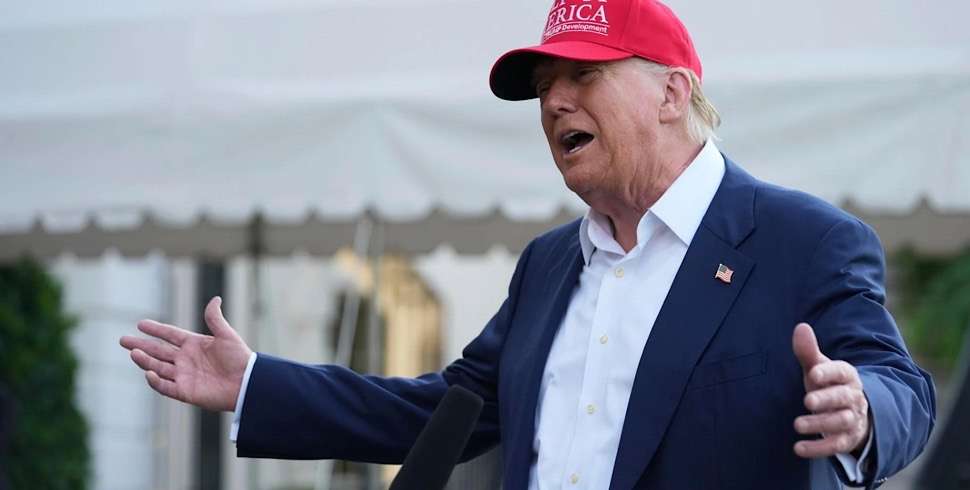
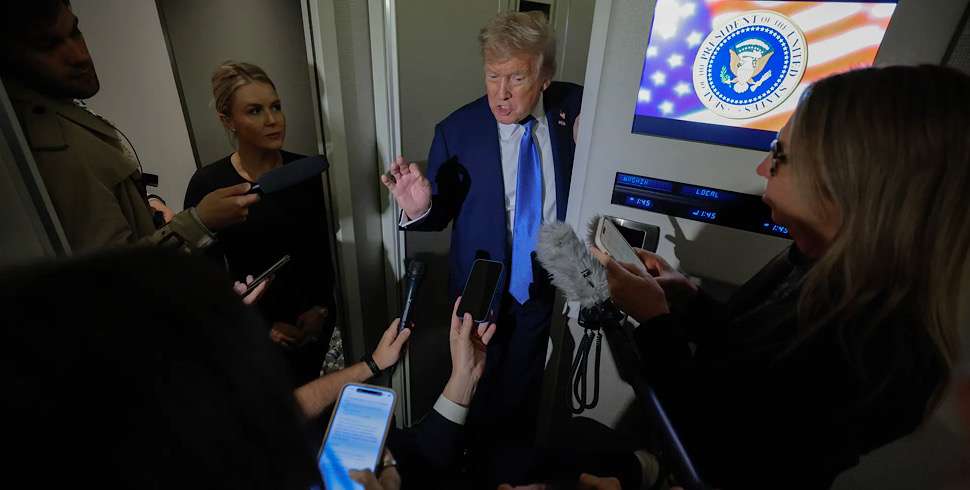
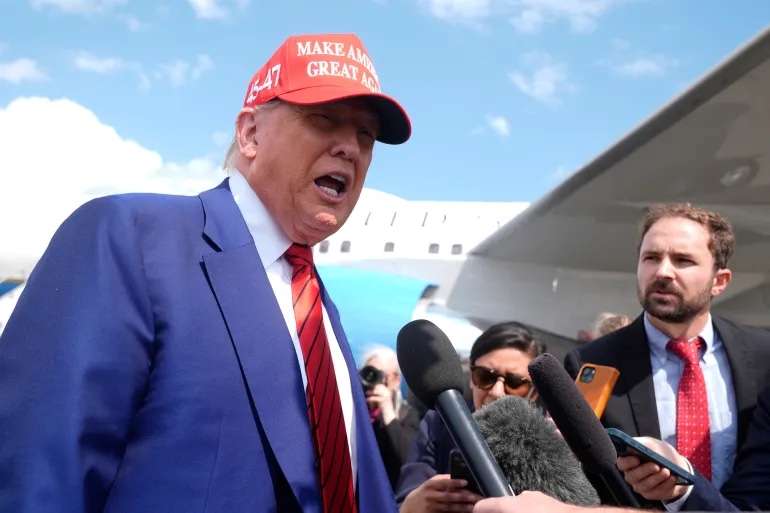
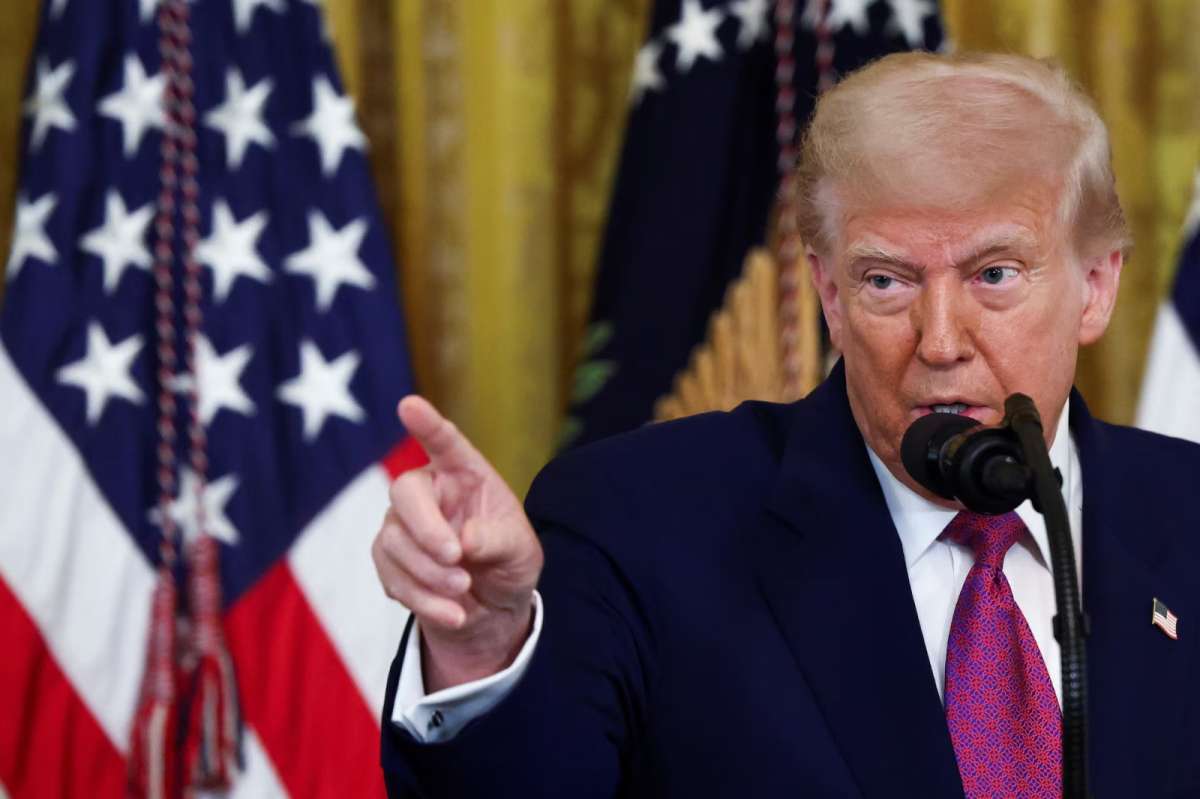
President Donald Trump has been diagnosed with chronic venous insufficiency after being evaluated for swelling in his legs, the White House announced Thursday.
According to press secretary Karoline Leavitt—citing a statement from the president’s physician, Capt. Sean Barbabella—Trump, 79, underwent a thorough assessment by the White House Medical Unit, including specialized vascular studies, CNN reported.
Barbabella’s statement explained that ultrasound tests on both of Trump’s lower legs detected chronic venous insufficiency, ICD-9—a condition commonly seen in adults over 70.
The exam was prompted after Trump recently noticed mild swelling in his lower legs, Leavitt said.
Quoting Barbabella’s note, Leavitt emphasized there was “no evidence of deep vein thrombosis or arterial disease,” noting that all of Trump’s lab results fell “within normal limits.” Trump also had an echocardiogram, which showed “no signs of heart failure, kidney problems, or systemic illness,” she added.
Chronic venous insufficiency occurs when certain vein valves fail to function properly, leading to blood pooling in the veins. Around 150,000 people are diagnosed with this condition annually, with risk increasing with age. Symptoms can range from swelling of the lower legs or ankles, aching, cramping, and varicose veins to discomfort or skin changes. Treatment options typically include medication, or in more advanced cases, medical procedures.
“This news isn’t cause for concern, nor is it unexpected,” said Dr. Jeremy Faust, assistant professor of emergency medicine at Harvard Medical School.
“This is a fairly typical aspect of aging, particularly for someone who falls into the overweight or obese category, which applies to the president. The key issue, however, is that these symptoms should always be checked for more serious conditions, which was done here.”
Leavitt later noted the president was experiencing “no discomfort,” and said further details about his treatment would be provided in an upcoming letter from Barbabella.
Addressing bruising seen on the back of the president’s hand, Leavitt attributed it to Trump’s “frequent handshaking” and his regular use of aspirin.
“As explained by Barbabella, this bruising is consistent with minor soft tissue irritation from frequent handshakes and the use of aspirin, which the president takes for routine cardiovascular prevention,” Leavitt said.