










































































































































































































































































































































































































































































































































































































































































































































































Friday, 09 October 2026
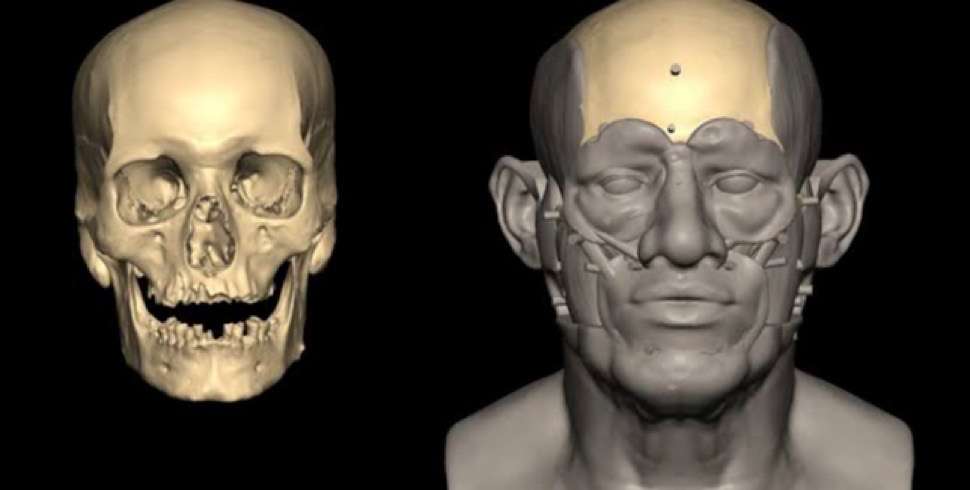 This image, provided by researchers, shows a facial reconstruction of a man radiocarbon dated to around 2855–2570 cal BCE, found in Nuwayrat, Egypt. (AP)
WASHINGTON — Groundbreaking analysis of ancient DNA has uncovered a genetic connection between the peoples of ancient Egypt and Mesopotamia, according to new research published Wednesday in the journal Nature.
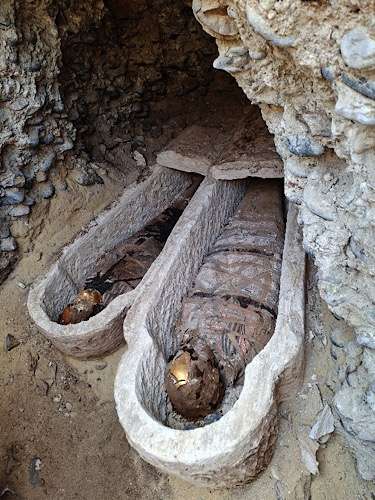
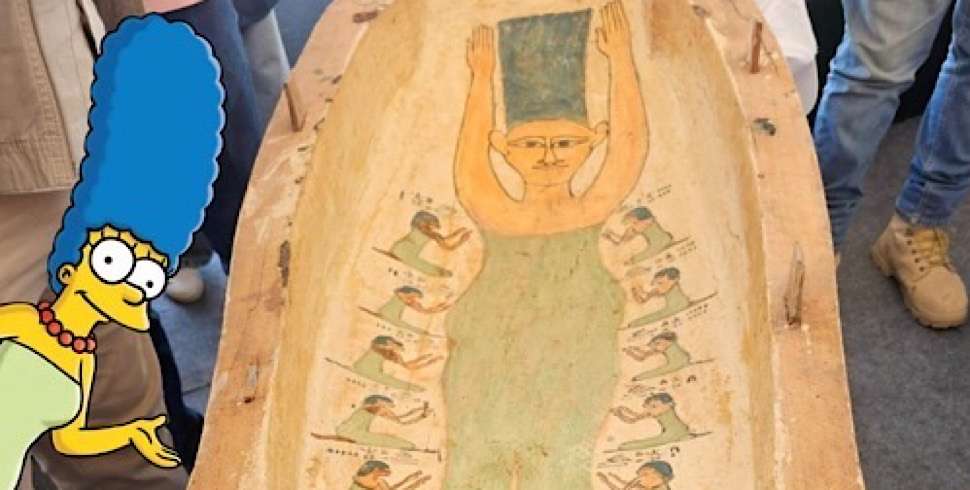
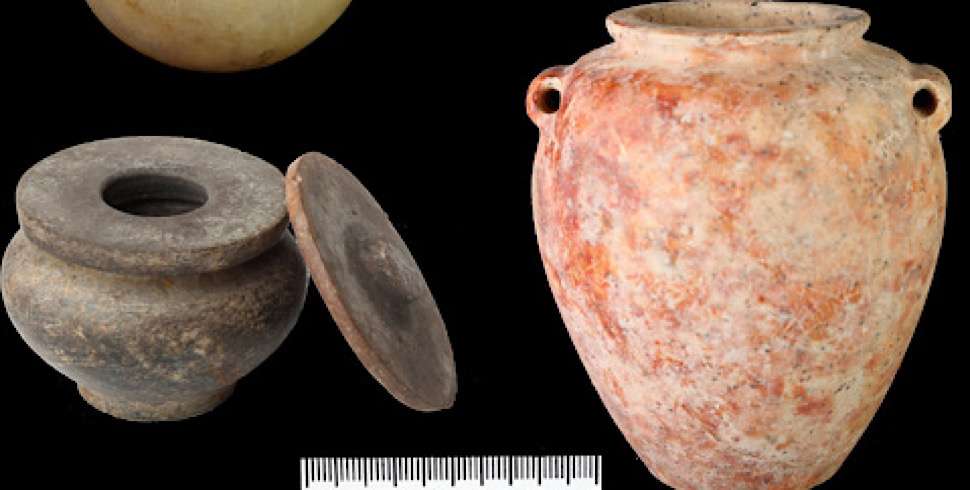
Scientists mapped entire genomes from the teeth of a remarkably preserved skeleton discovered in a sealed funerary jar at an Egyptian tomb site, dating back between 4,495 and 4,880 years, AP reported.
The results revealed that 80% of the individual’s genome was linked to populations from North Africa and the surrounding Egyptian region. Intriguingly, around 20% showed genetic similarities to populations from the Fertile Crescent—the area between the Tigris and Euphrates rivers where the Mesopotamian civilization once thrived.
“This discovery is extremely significant,” said Daniel Antoine, curator of Egypt and Sudan at the British Museum, explaining that it provides “the first direct genetic evidence” supporting what earlier research had only suggested.
Archaeological findings had already pointed to trade between Egypt and Mesopotamia, as well as shared practices in pottery-making and visual writing systems. Earlier studies of dental traits hinted at possible shared ancestry, but the new genetic analysis offers concrete insight into these connections.
Antoine, who was not part of the research team, noted the pivotal role of the Nile River as “an ancient superhighway,” enabling the exchange not only of goods and ideas but also of people between regions.
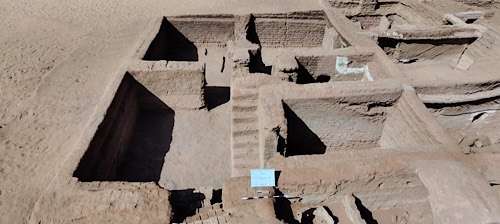
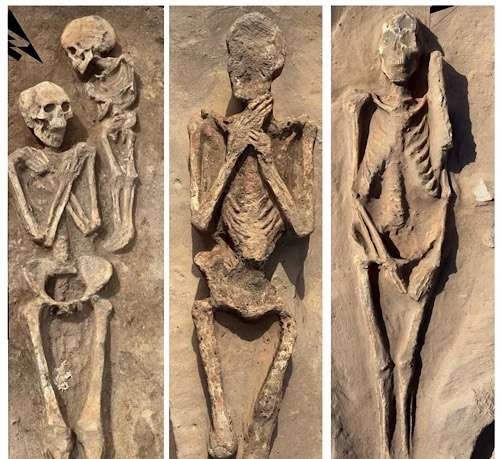
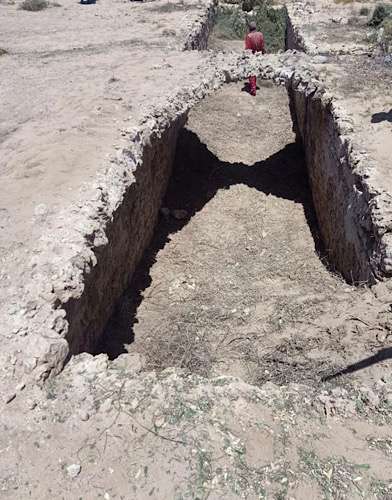
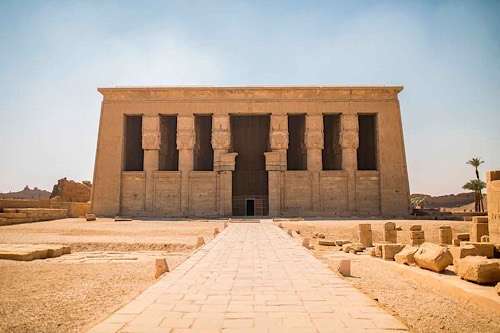
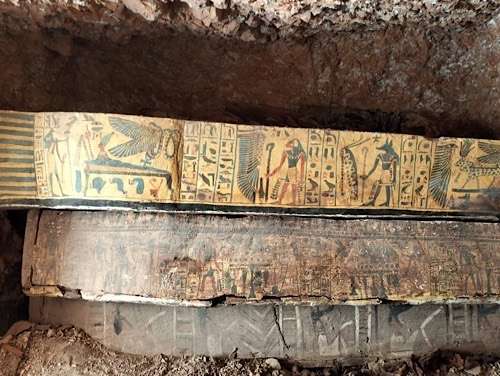
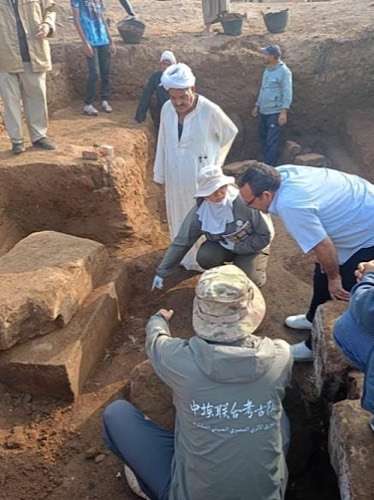
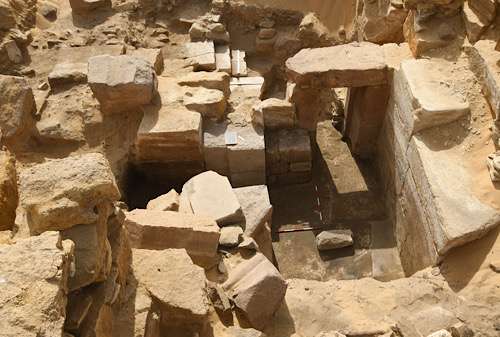
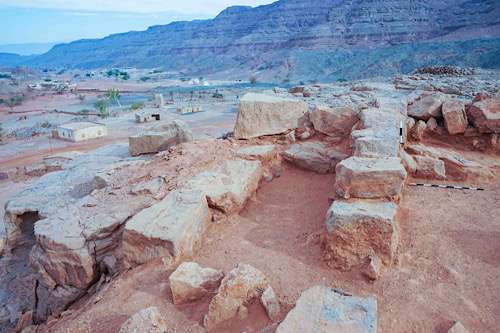
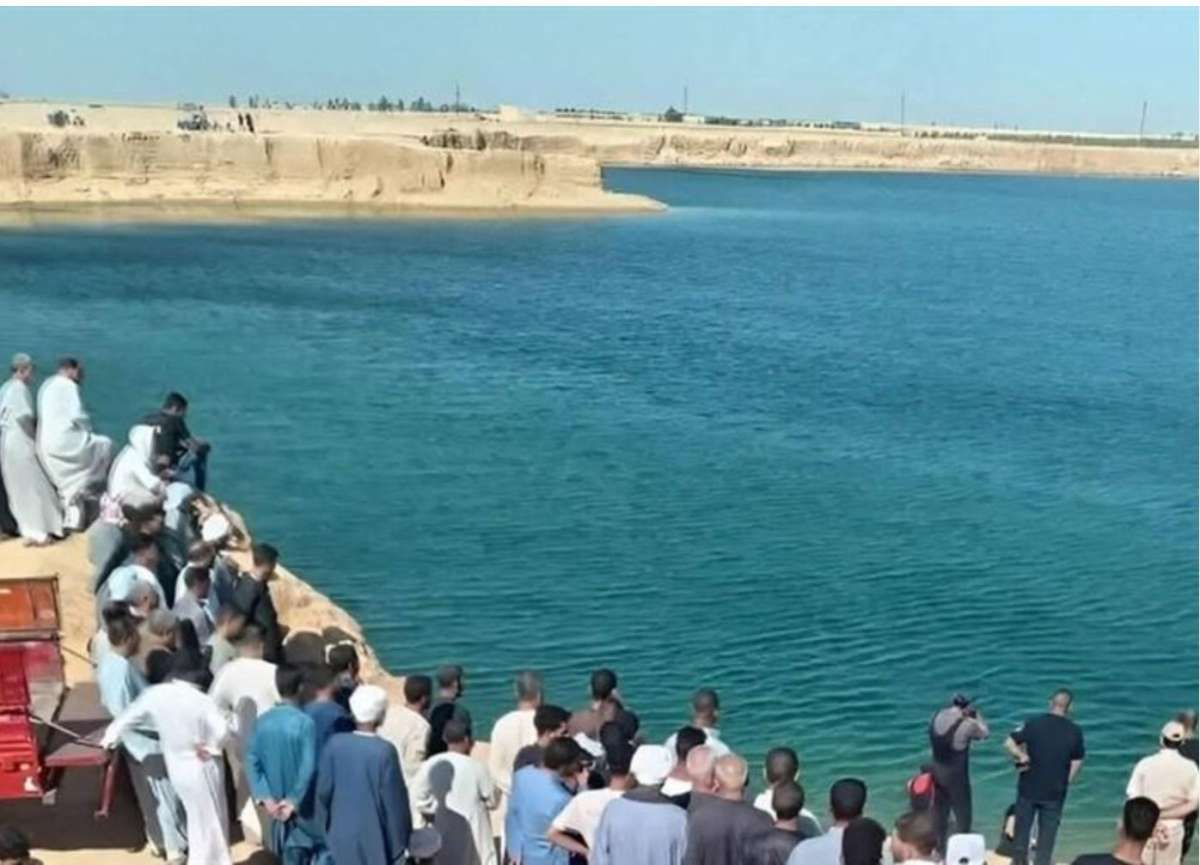
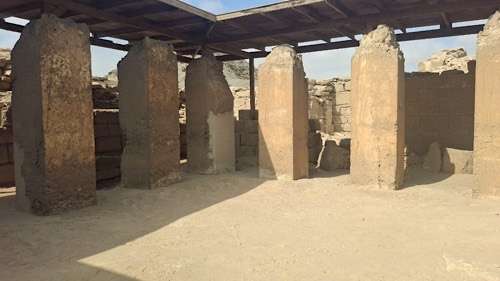
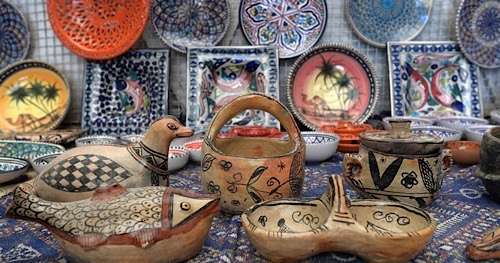
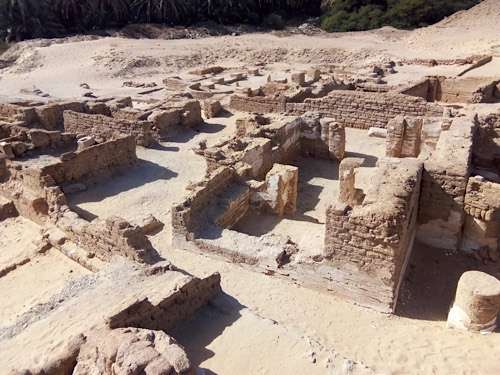
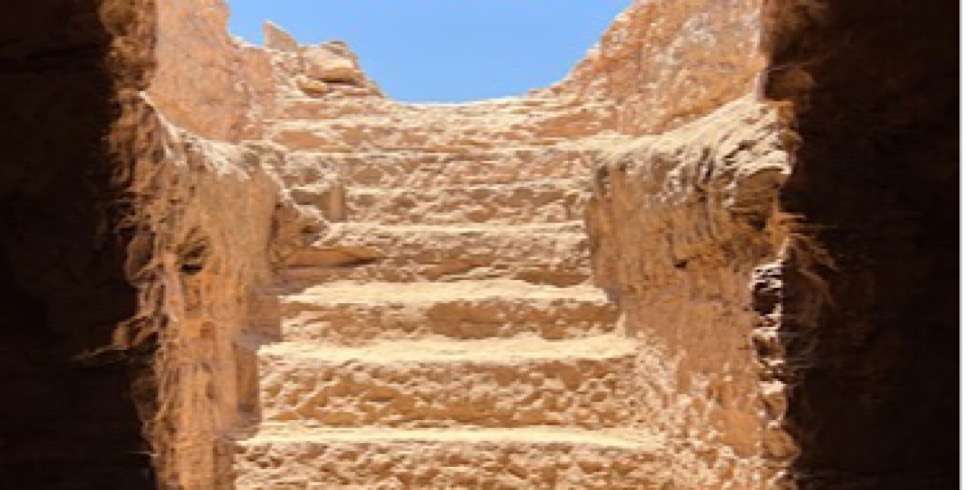
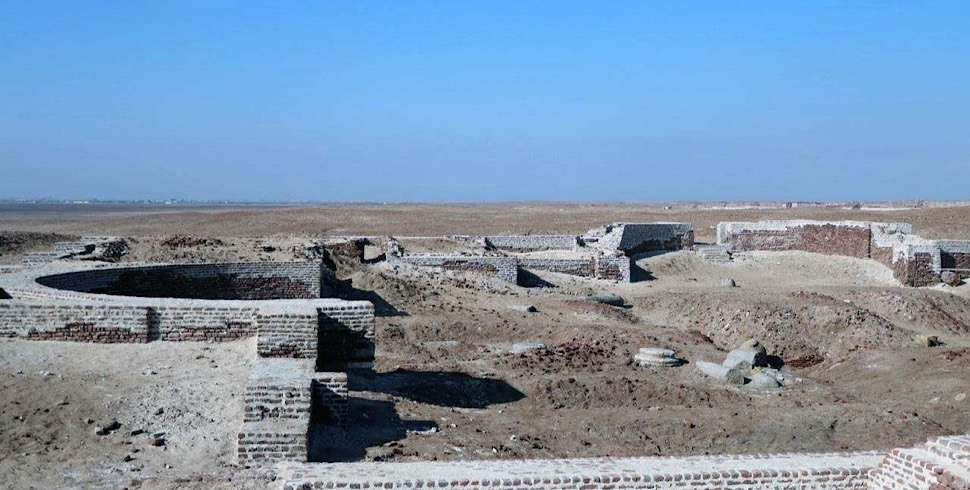
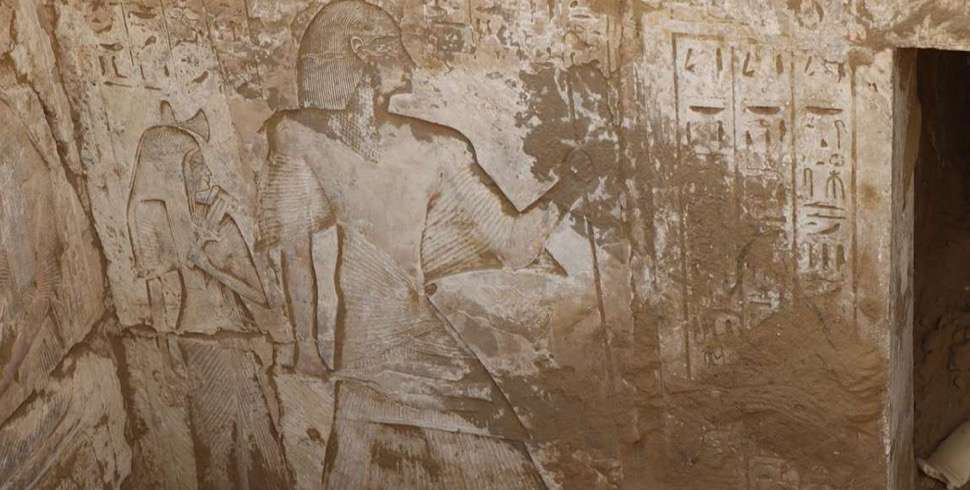
The skeletal remains were found in an Egyptian tomb within the archaeological site of Nuwayrat, in a chamber hollowed out from the rocky hillside. Analysis of bone wear and arthritis in specific joints suggests the man was likely in his 60s and may have worked as a potter, said study co-author and bioarchaeologist Joel Irish of Liverpool John Moores University.
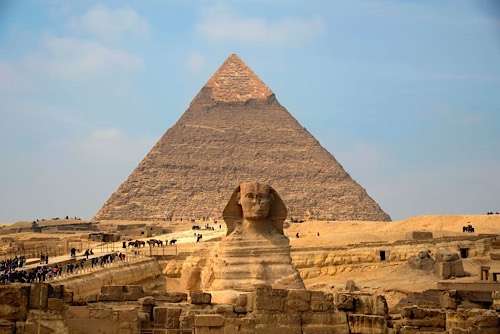
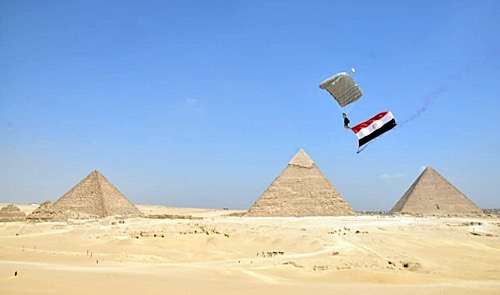
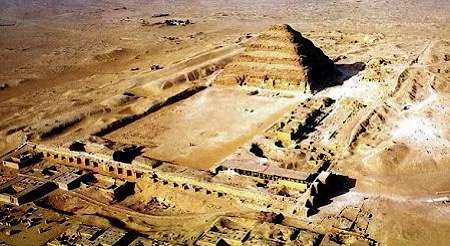
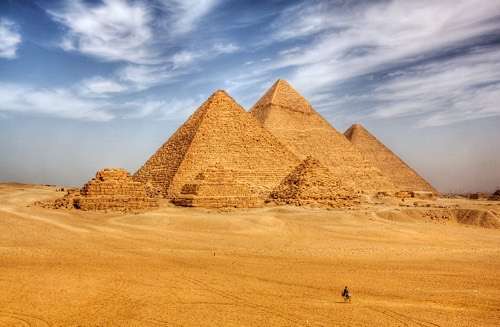
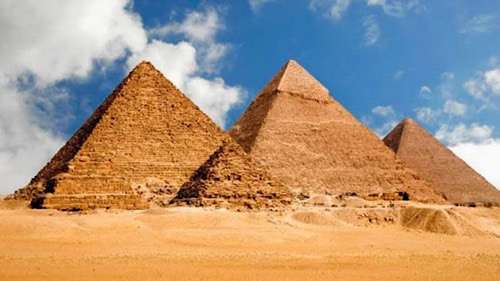
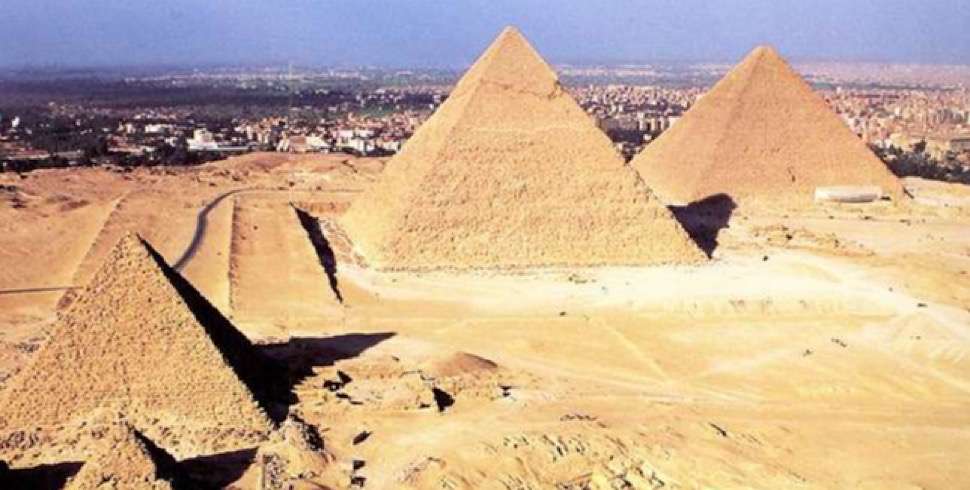
He lived during a pivotal period—just before or at the dawn of ancient Egypt’s Old Kingdom, when the unification of Upper and Lower Egypt ushered in an era of stability and innovation, including the construction of the pyramids at Giza.
“This marks the time when centralized power shaped ancient Egypt as we recognize it today,” noted co-author Linus Girdland-Flink, a paleogeneticist at the University of Aberdeen.
Around the same era, Mesopotamia saw the rise of Sumerian city-states and the development of cuneiform script.
Researchers emphasize that studying additional ancient DNA samples will be essential to gaining a fuller understanding of how and when populations moved between these early cradles of civilization.