
























































































































































































































































































































































































































































































































































































































































































































































































































































































































































































































































































































































































































































Friday, 09 October 2026
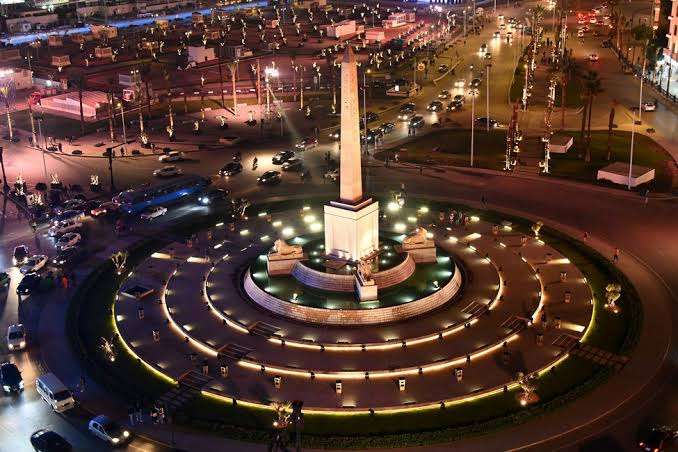 Tahrir Square Obelisk
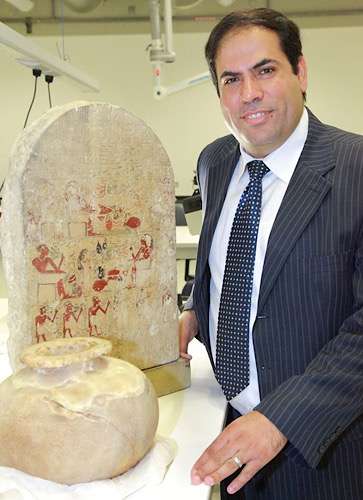
In a remarkable resurgence of its monumental heritage, Egypt has increased the number of standing obelisks within its borders from six to fourteen, an accomplishment detailed by renowned Egyptologist Mostafa Waziry in an exclusive interview with The Nile Observer.
These awe-inspiring “needles of stone,” known in ancient times as “Tekhen,” have witnessed millennia of history and are now reclaiming their rightful place in Egypt’s landscape after decades, even centuries, in fragments.

Restoration renaissance: From ruins to rising giants
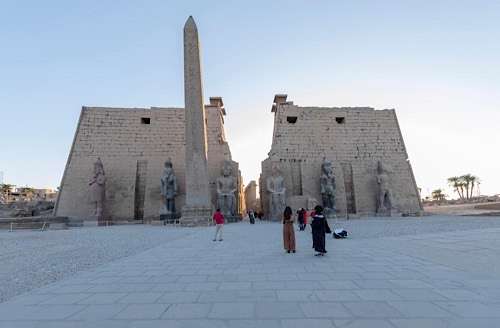
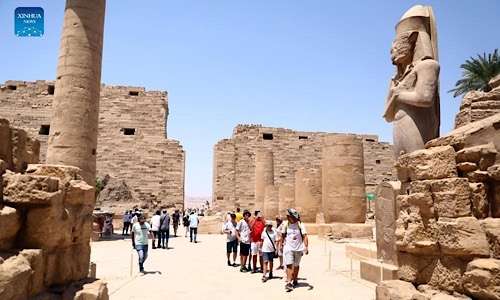
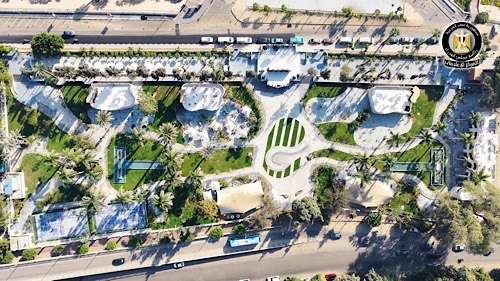
Before a wave of restoration efforts, Egypt showcased only six upright obelisks: iconic pairs at Luxor and Karnak temples, and single examples in Andalusia Garden, Cairo Airport, and Matariya.
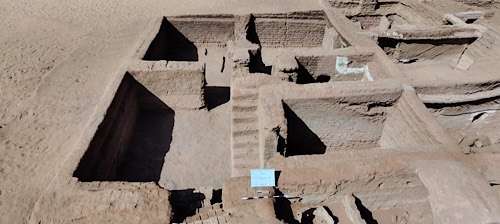
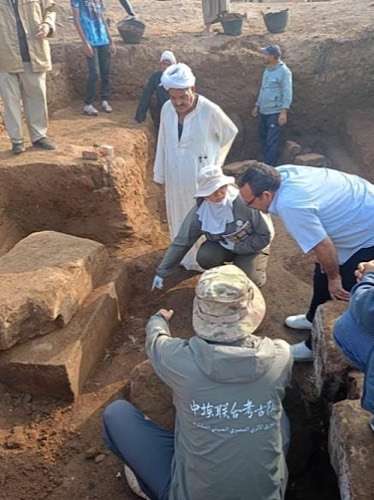
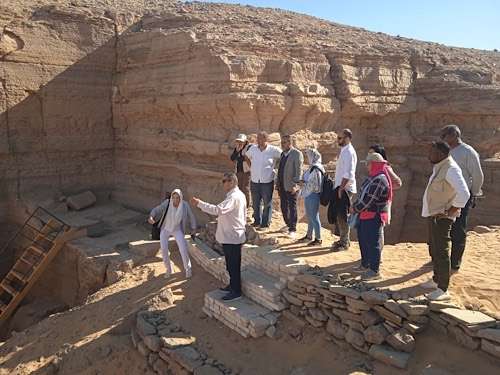
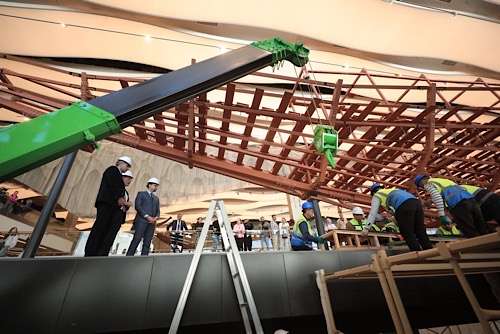
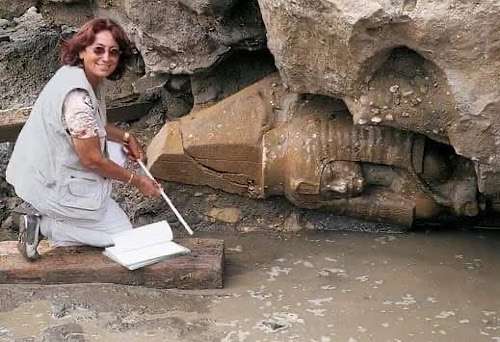
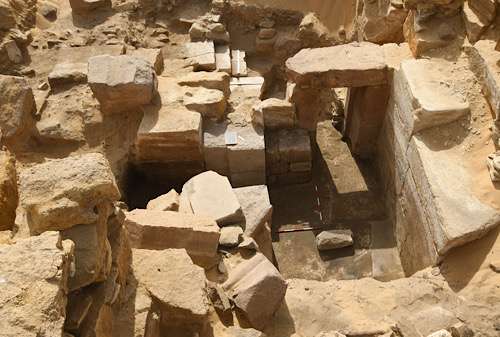
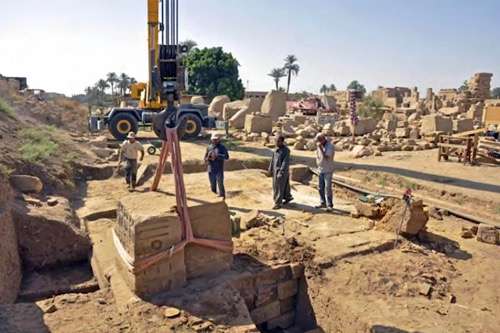
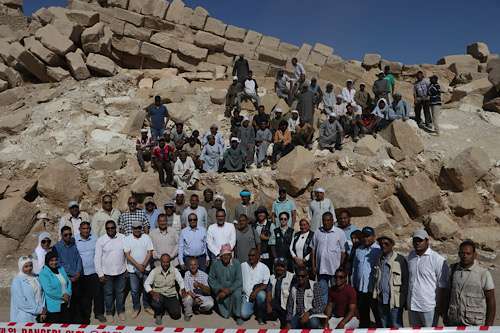
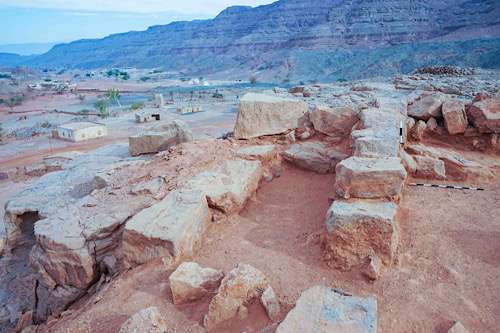
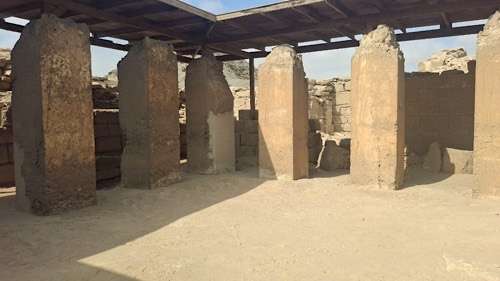
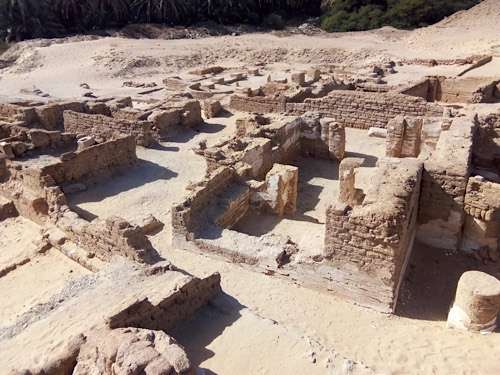
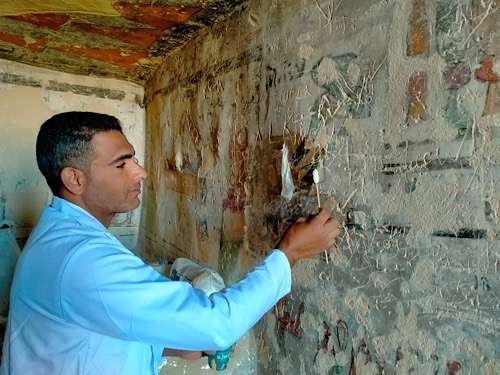
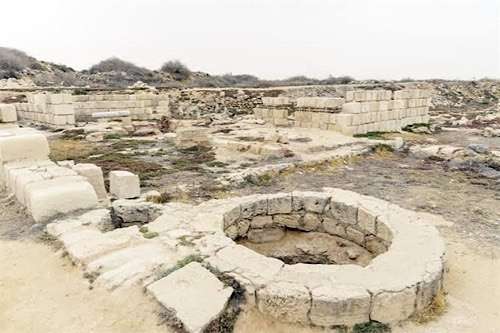
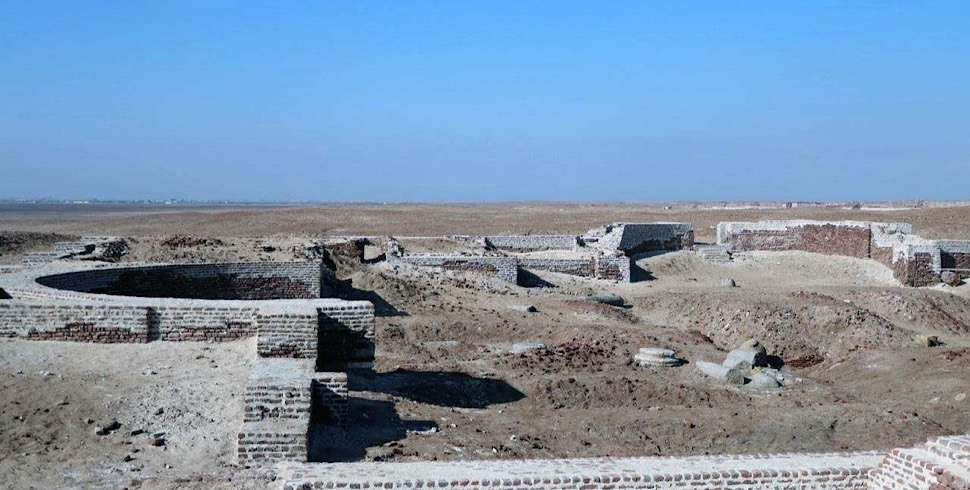
However, under the supervision of the Egyptian mission led by Waziry, eight additional obelisks have been painstakingly restored from broken relics in the ancient city of San el-Hagar (Tanis).
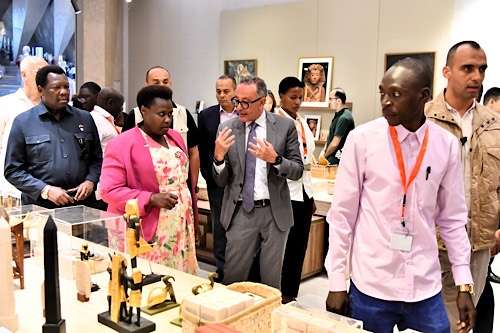
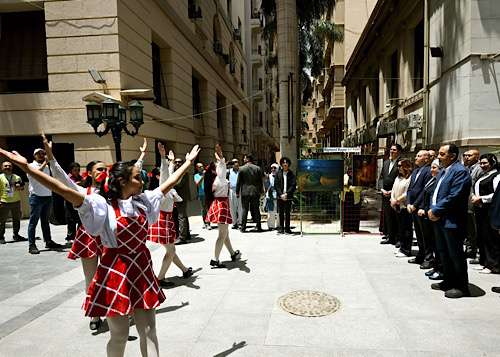
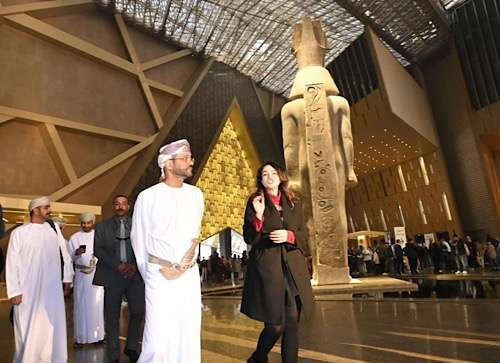
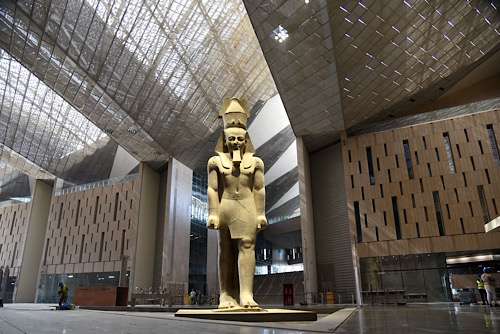
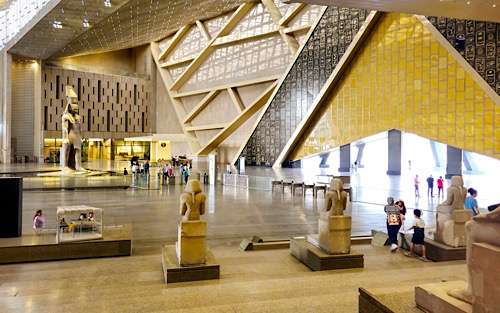
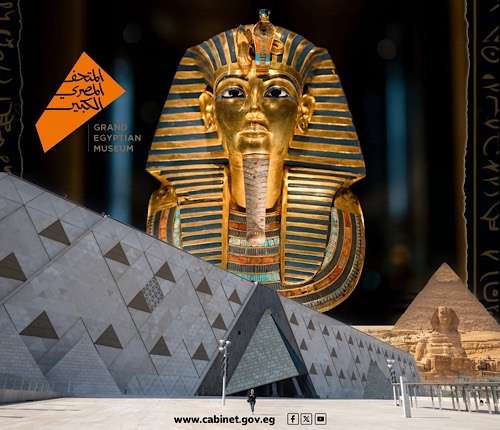
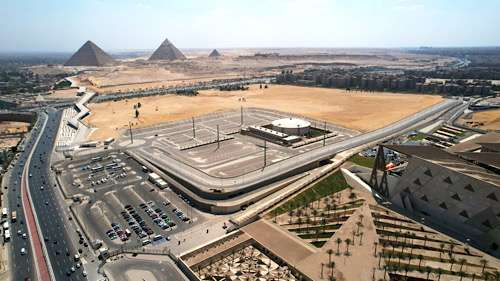
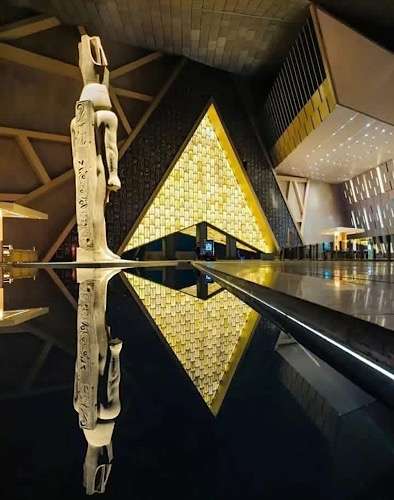
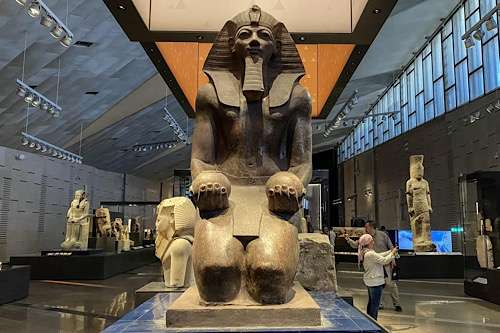
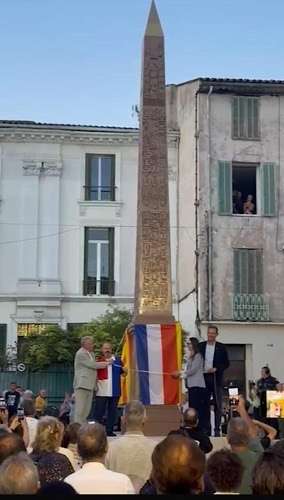
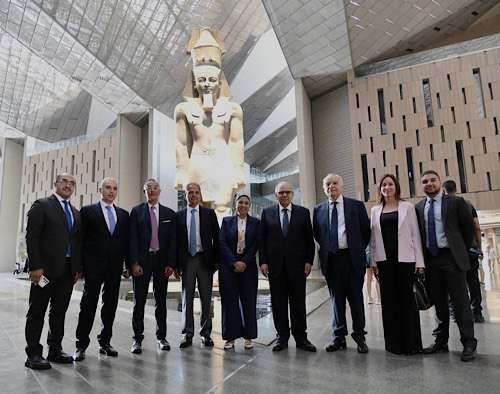
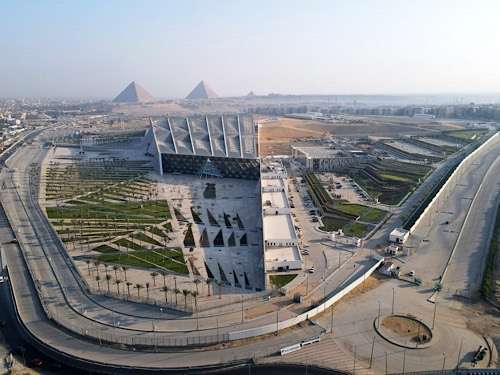
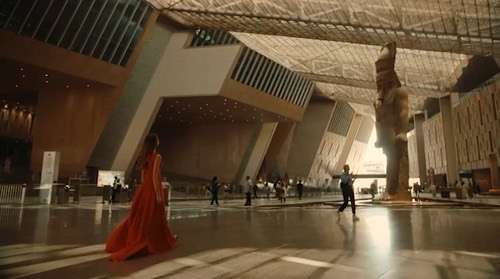
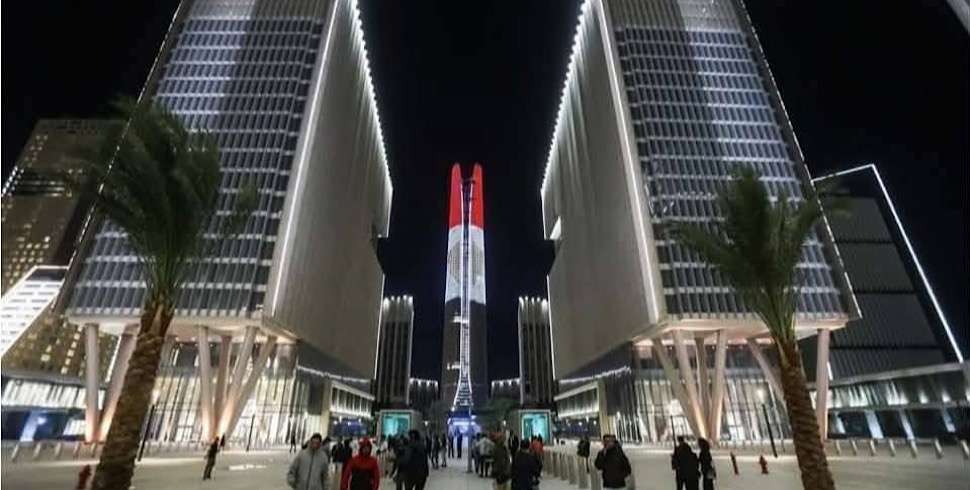
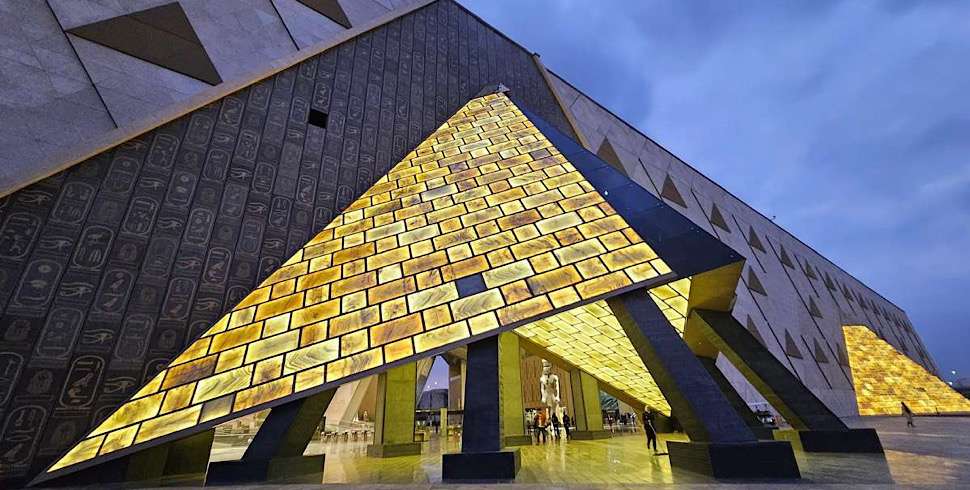
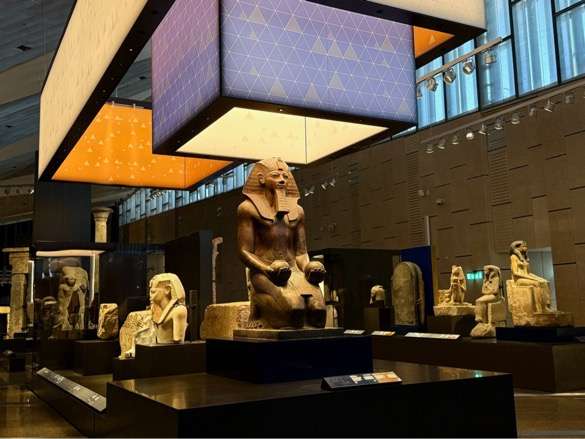
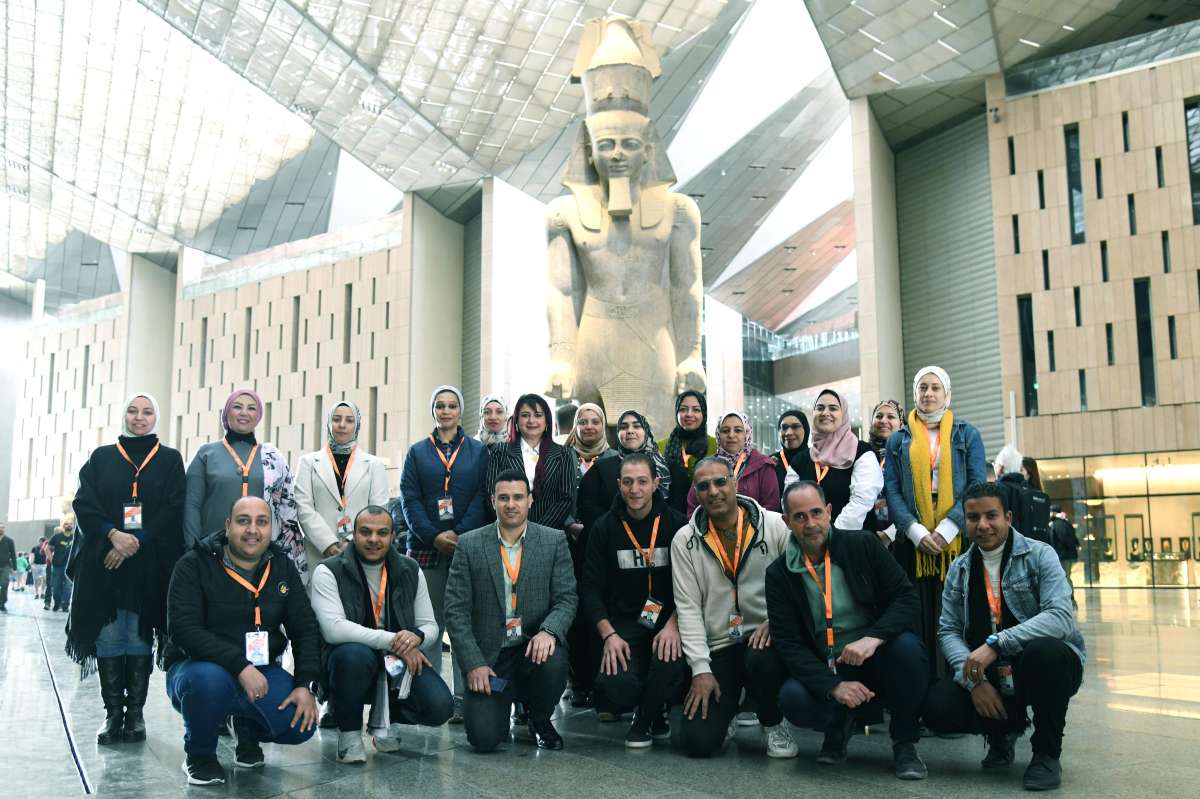
Four were re-erected there, while others found new homes: two grace the entrance of the National Museum in the New Administrative Capital, one now dominates Tahrir Square, and the dramatic “hanging obelisk” welcomes visitors to the Grand Egyptian Museum.
This burst of conservation brings Egypt’s tally of standing obelisks to fourteen—monuments that once soared over the Nile valley and are now thriving once again in the land of their birth.
Obelisks abroad: Egypt’s stone ambassadors
While Egypt regains its ancient giants, the world continues to admire Egyptian obelisks from afar.
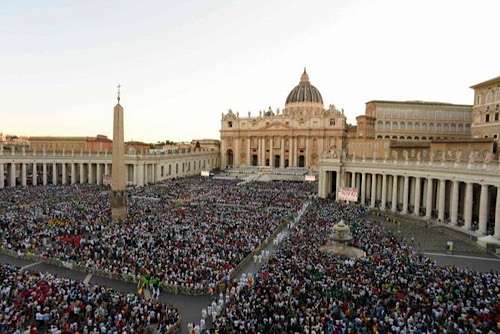
Over fifty stand as historic gifts or acquisitions in cities including Paris, Rome, London, Istanbul, and New York. Many were exported long ago, during the latter days of ancient Egypt or during the 19th century Ottoman period. The iconic Luxor Obelisk in Paris, for example, was gifted in 1836 by Mohamed Ali Pasha, then ruler of Egypt, to France’s King Louis-Philippe.
Symbols of sun and sovereignty
Obelisks are much more than eye-catching monuments. Hewn from a single block of pink granite, their golden-capped tips once caught the dawn light as tributes to Ra, the ancient Egyptian sun god.
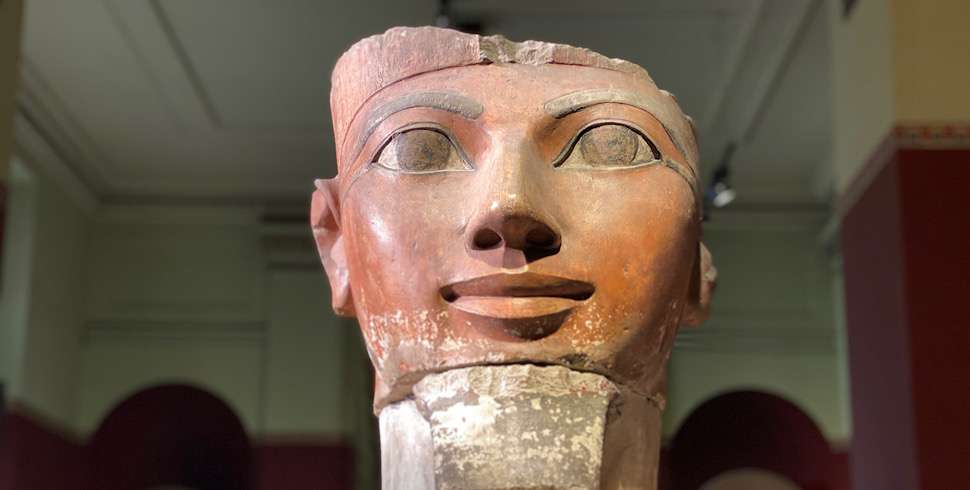
The tallest standing obelisk in Egypt today was commissioned by the legendary Queen Hatshepsut at Karnak, stretching 29 meters into the sky and weighing an astonishing 325 tons.
Yet, the tallest in the world stands not in Egypt, but in Rome’s Lateran Square—a testament to both the enduring allure and the diaspora of these stone sentinels.
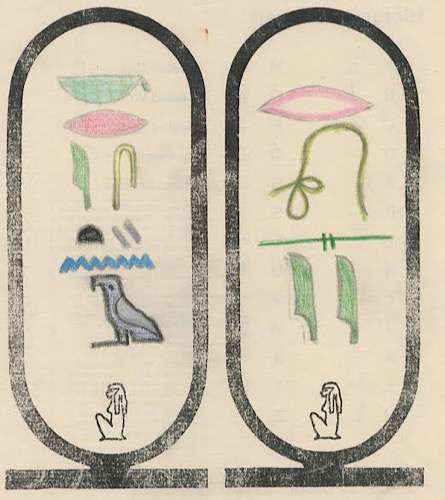
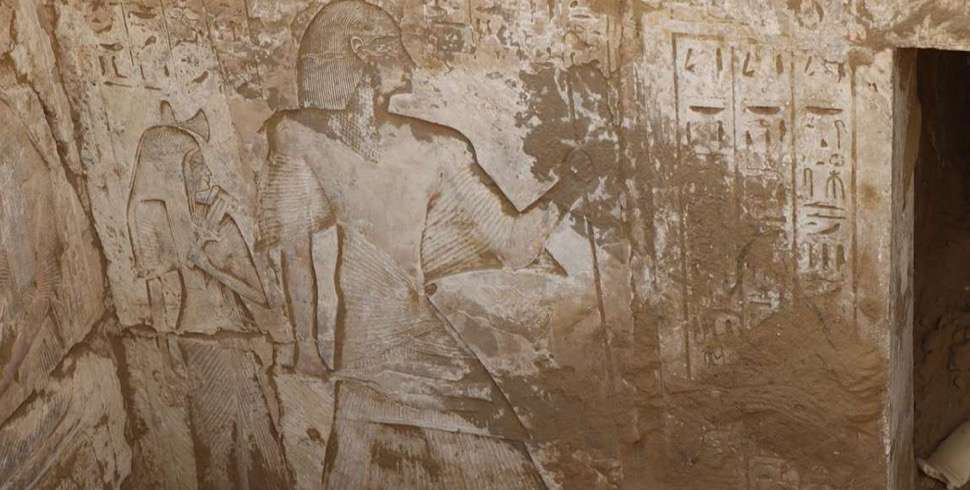
The hieroglyphs inscribed upon each obelisk recount the achievements and piety of kings, immortalizing royal deeds in stone. A fascinating detail: the obelisk’s very tip, once unfinished stone, was covered in "electrum"—a dazzling blend of gold and silver—signifying the divine.
From Tekhen to Masalla: The changing names of stones
Egyptian obelisks were originally called "Tekhen" by the ancient Egyptians. Arab newcomers, struck by their needle-like shape, coined the term “masalla,” the Arabic word for the broad needles used by tailors. The modern word “obelisk” dates to Greece, but these stones' stories—under any name—remain distinctly Egyptian.
A timeless legacy returns
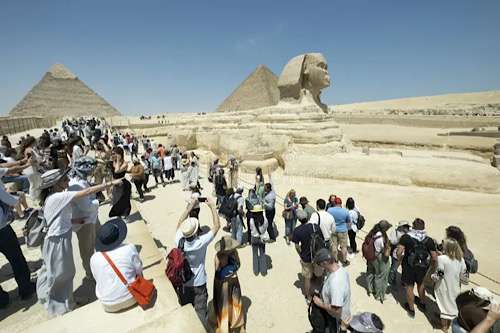
Today, as Egypt reclaims and restores its monumental heritage, a new generation bears witness to the extraordinary legacy left behind by its ancient architects. For locals and global travelers alike, these resurrected obelisks are not just relics of the past, but blazing beacons pointing toward the future of heritage conservation.
For the first time in centuries, Egypt’s obelisks stand together anew—once more an enduring symbol of human achievement, ingenuity, and hope.