





















































































































































































































































































































































































































































































































































































































































































































Friday, 09 October 2026
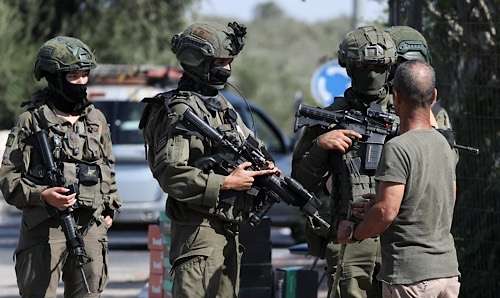
 AFP PHOTO
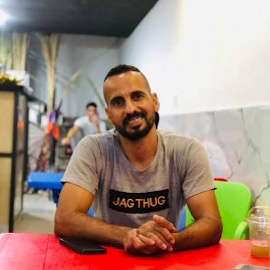
VATICAN CITY — Khader Qassis journeyed for 32 hours from the West Bank, crossing military checkpoints in three separate countries, just to join hundreds of thousands of young Catholics converging in Rome for a week-long pilgrimage.
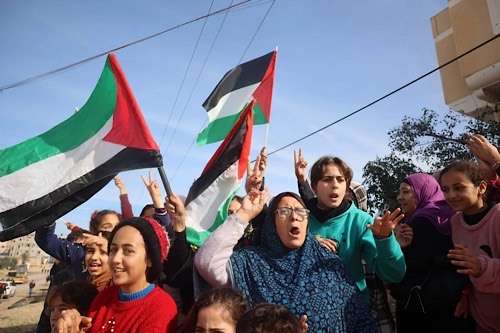
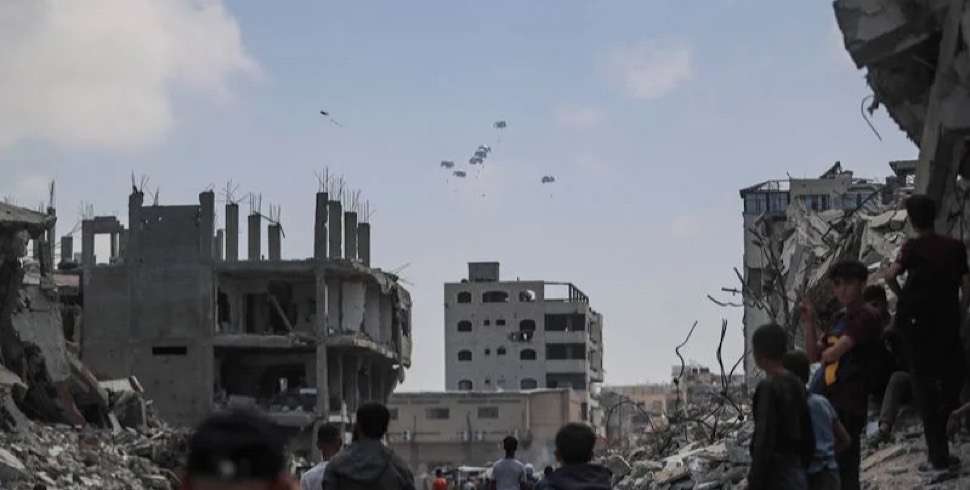
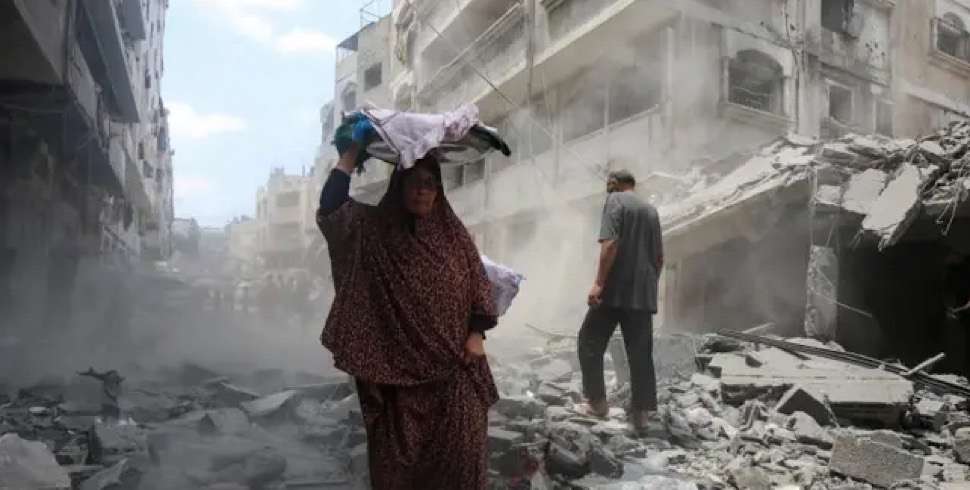
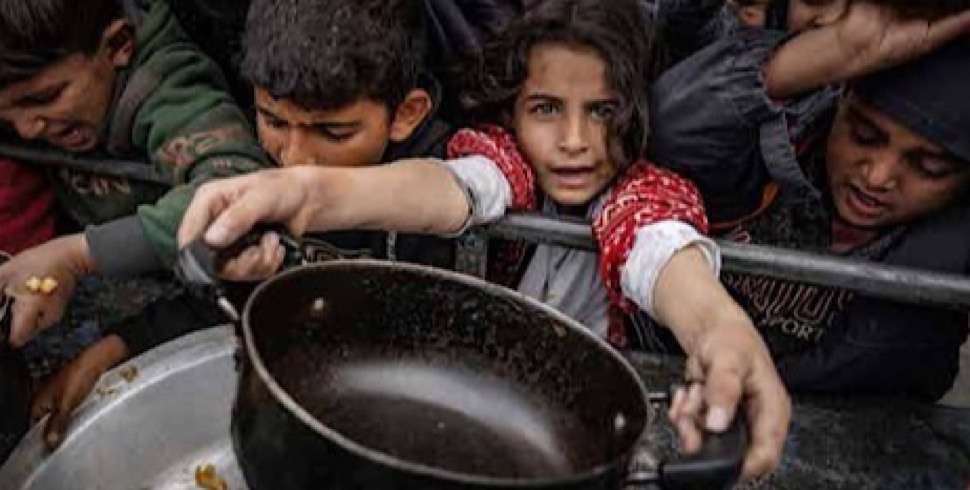
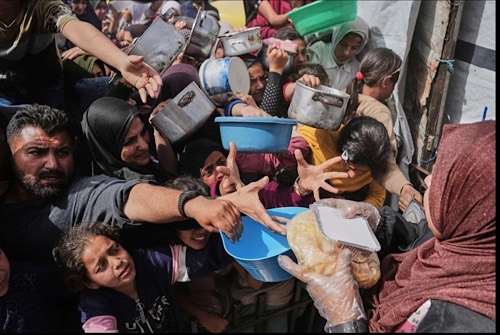
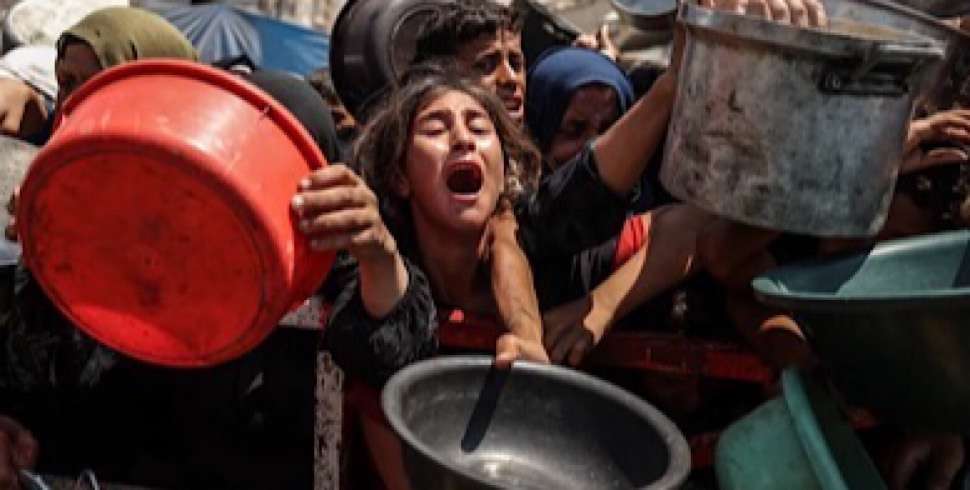
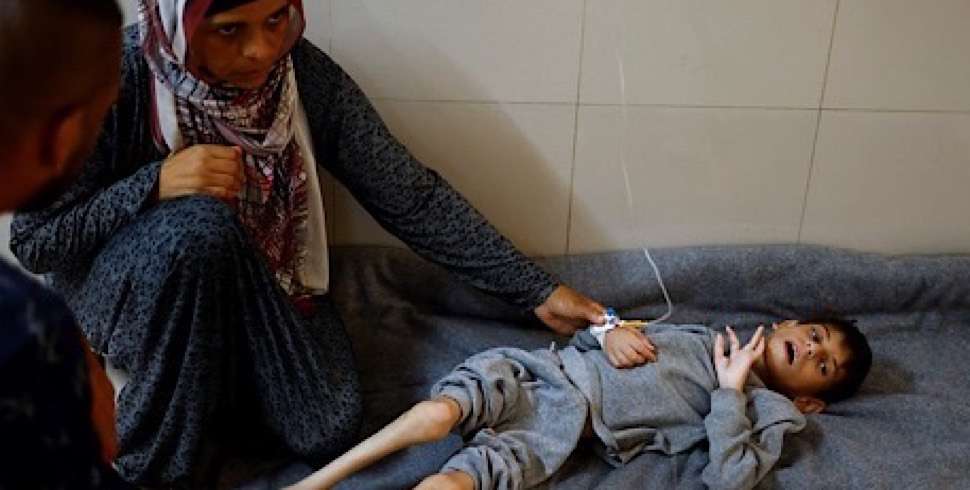
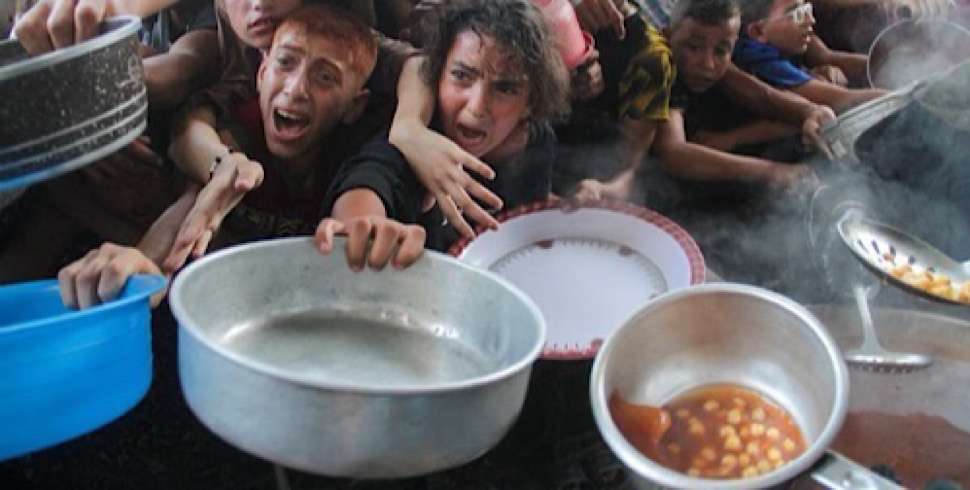
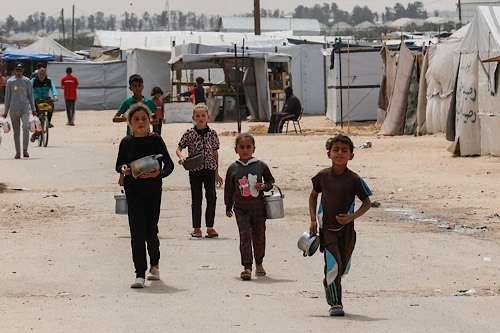
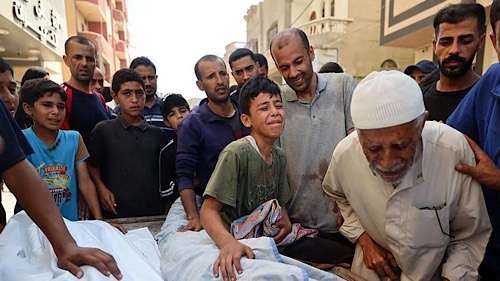
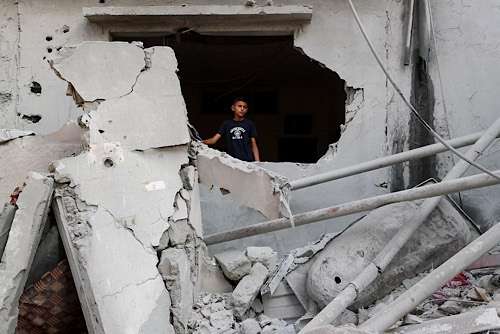
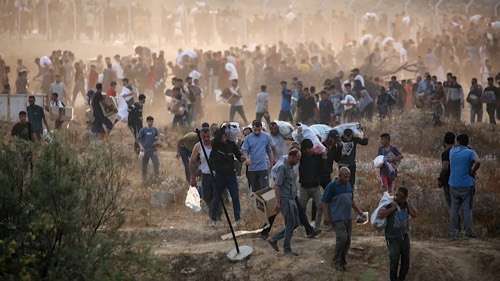
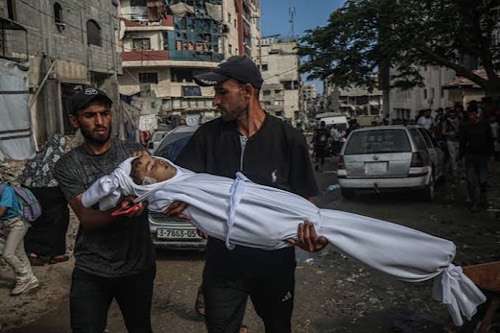
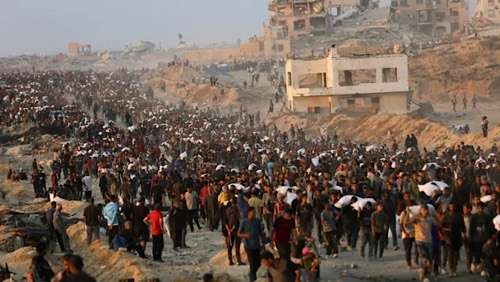
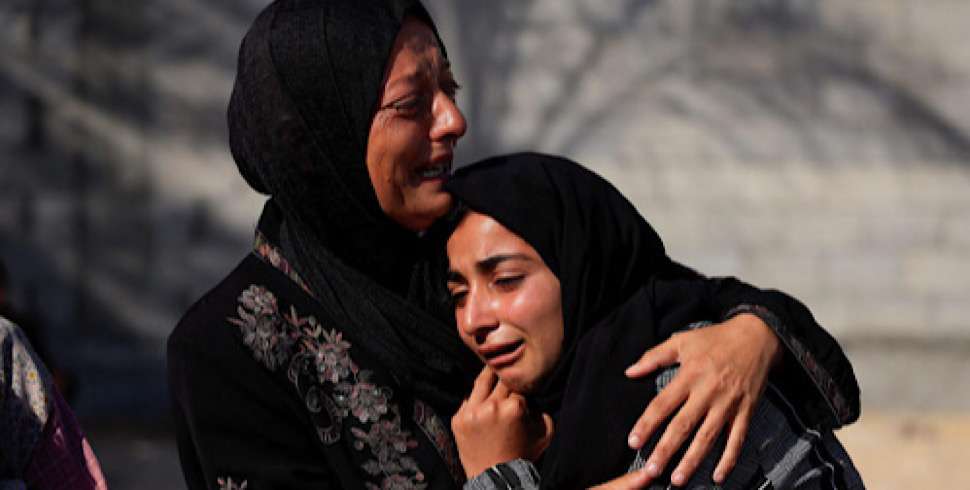
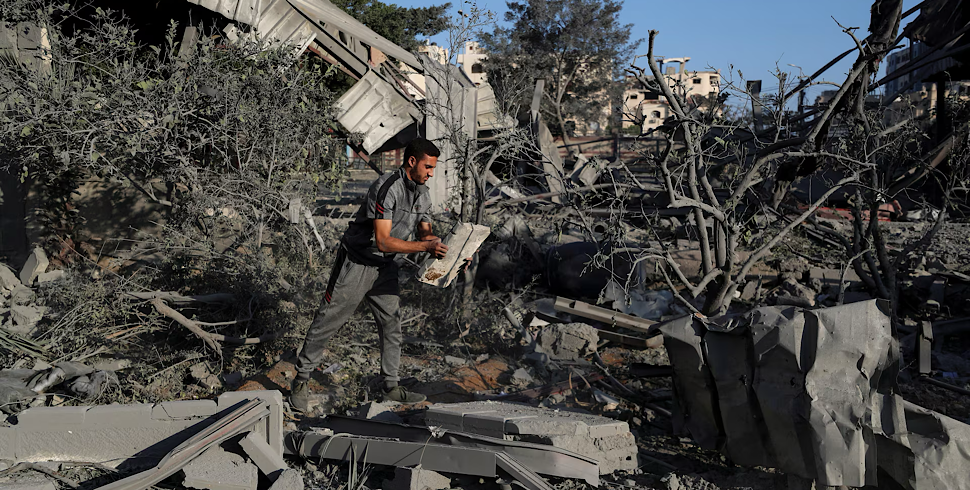
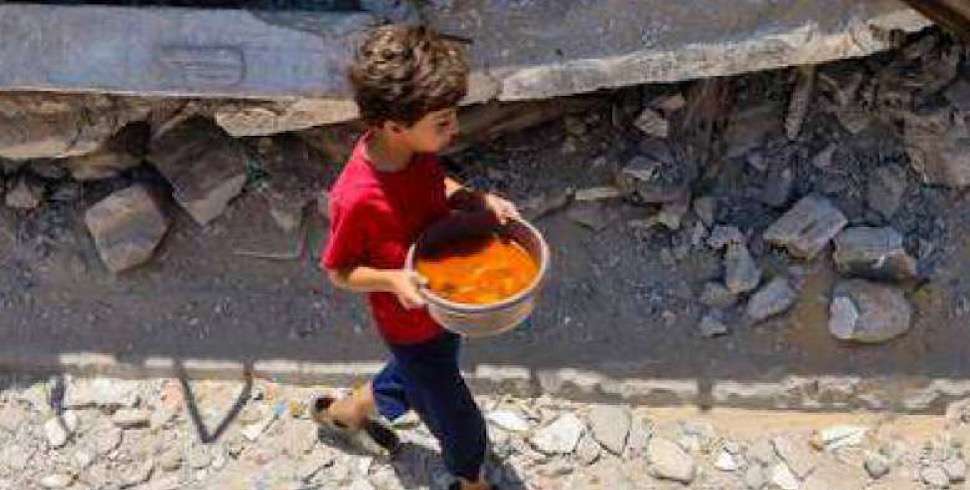
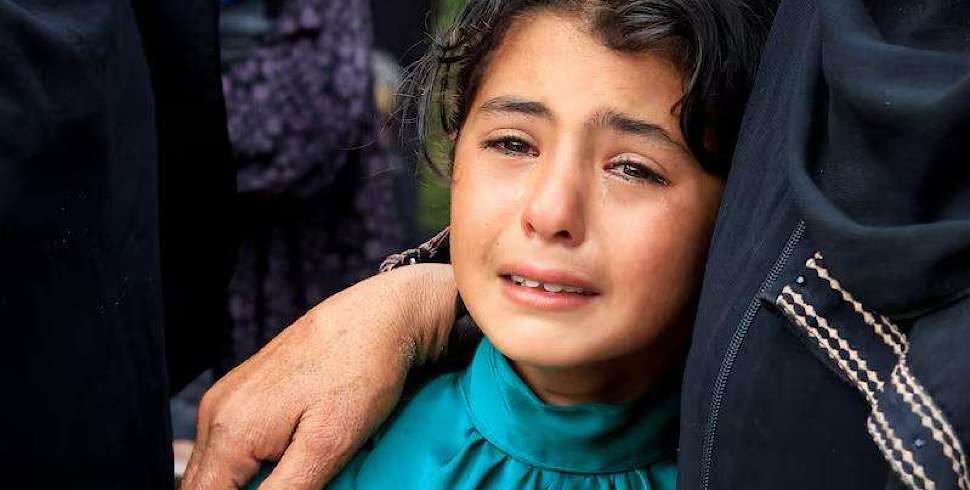
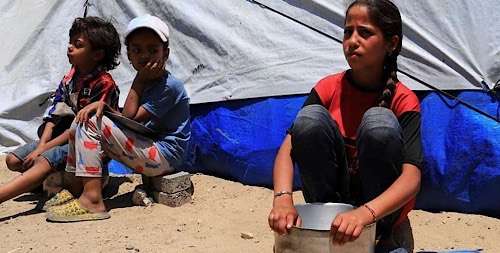
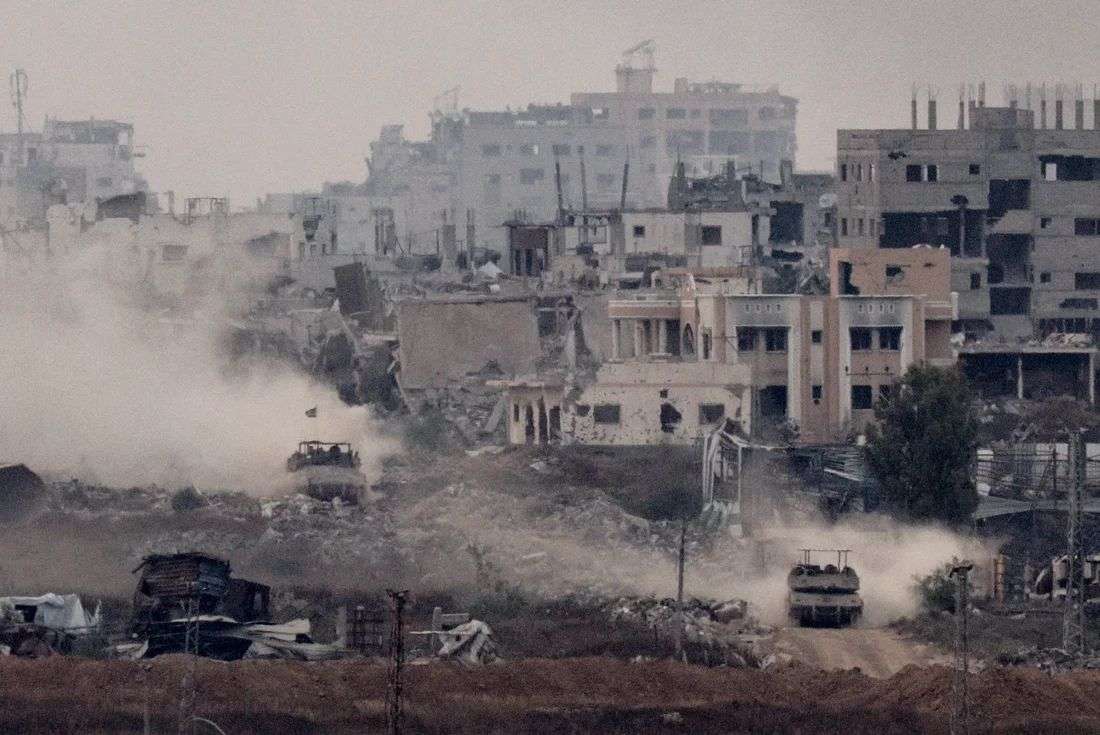
While the Italian capital overflowed with joyful pilgrims’ songs, the 20-year-old from Bethlehem confessed to feeling a sense of guilt. As he walked Rome’s vibrant streets, he couldn’t help but think of the worsening hunger in Gaza, which has endured months of siege by Israel.
“It’s difficult. There are people in Gaza whose only dream is to eat, and here I am traveling,” Qassis told AFP.
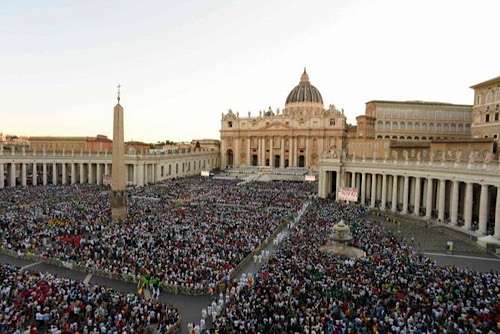
This week, the Vatican is hosting its “Jubilee of Youth,” an event expecting up to a million participants aged 18 to 35.
The Vatican has acknowledged the extraordinary efforts of pilgrims from regions crippled by conflict—especially Iraq, Lebanon, Syria, and Ukraine—who made significant sacrifices to reach the Eternal City.
For those from war-ravaged nations, this trip offered a fleeting sense of normal life.
“Being here allows us to feel free,” said Jessie Khair, an 18-year-old from the West Bank, wrapped in a traditional black kufiyah. She was touched by the empathy shown for Gaza, “far away from the borders, checkpoints, and everything else that can harm us.”
In the grandeur of St. Peter’s Square, some pilgrims waved a Syrian flag with pride.
Father Fadi Syriani accompanied 11 young Syrians—many of whom were leaving their country for the first time. “This is a generation that has only known war since 2011,” he said, noting that Syrian Christian youth, a tiny minority at home, often feel “isolated” from the global Church.
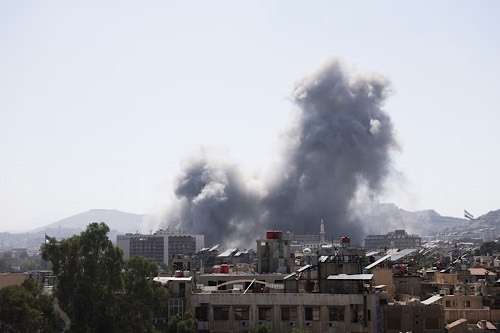
Many Christians have been driven out of Syria by violence; a recent attack in Damascus claimed 25 lives in a church.
Yet here in Rome, Syriani said, these youths can “bear witness that hope still survives.”
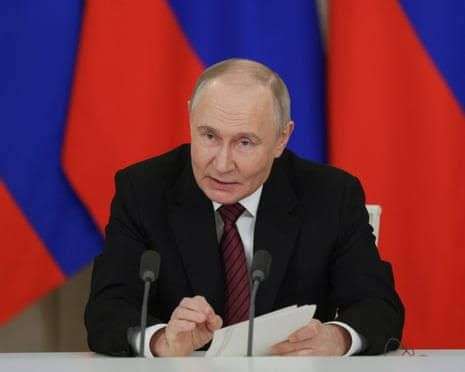
The Vatican’s youth gathering unfolds as Russia continues its deadly offensives in Ukraine, defying Western ultimatums to halt military actions.
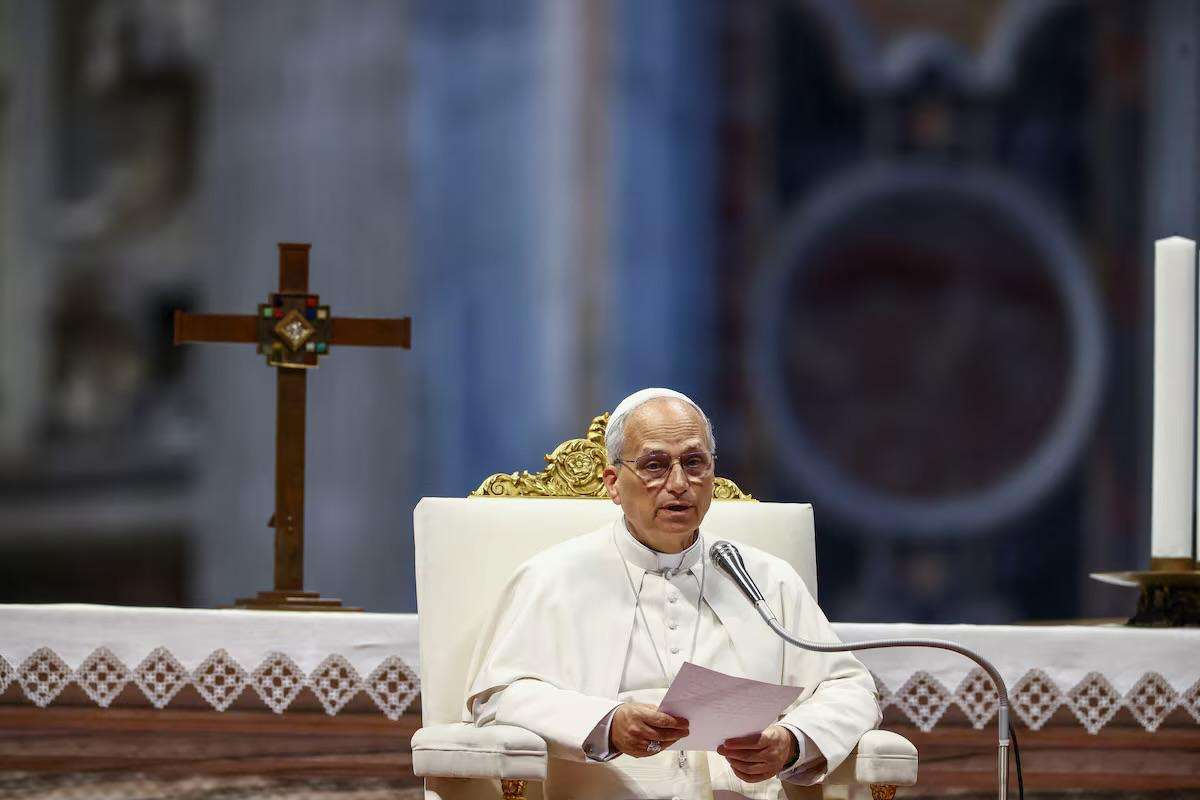
The recent ascension of Pope Leo XIV in May has kindled hope among many Ukrainians. His predecessor, Pope Francis, had angered many by making remarks perceived as accommodating Russian ambitions.
Most Ukrainian pilgrims hail from the religiously devout western region, dominated by Greek Catholics who recognize Vatican authority. Due to a travel ban on men of military age, nearly all were women.
Valerie Fabianska, an 18-year-old studying economics, said she could only “forgive” or pray alongside Russians if those responsible for the invasion were imprisoned and their country accepted guilt for its actions against Ukraine. The conflict, she said, has deepened her faith.
“When everything around you is so unstable, you find solace and steadiness in God,” she reflected, adding that doing so remains “really difficult.”
At Rome’s Ukrainian Greek Catholic church, an all-female choir lifted their voices in a moving “prayer for Ukraine.”
Maria Khrystofora, a young nun from a monastery in western Ukraine, shared that more people have turned to the church during the war. “When people lose all human support, they seek help from God,” she said.