








































































































































































































































































































































































































































Friday, 09 October 2026
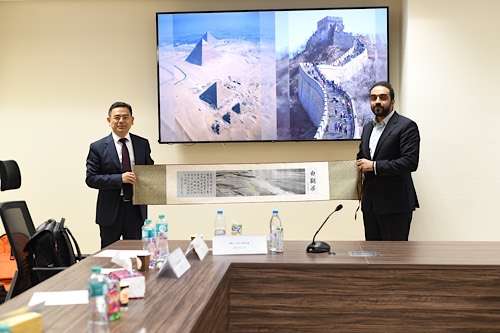
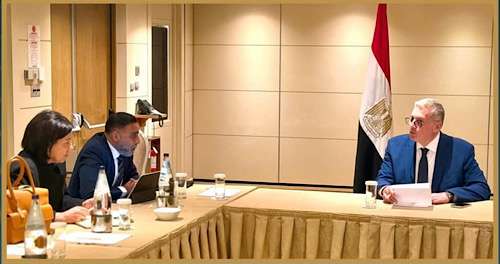
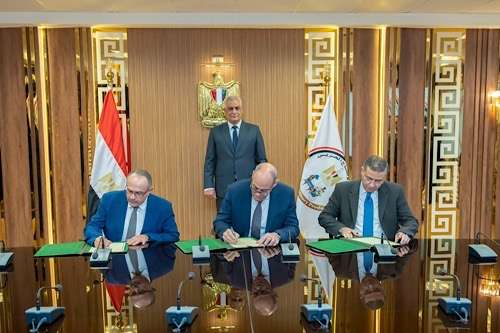
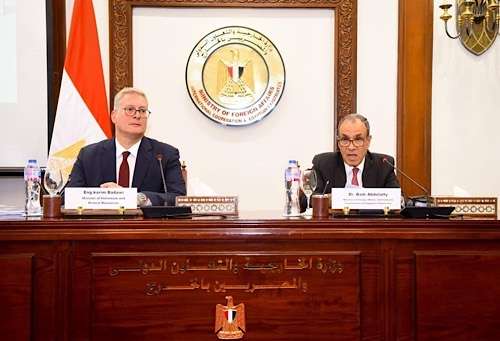
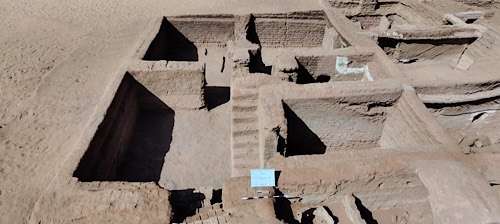
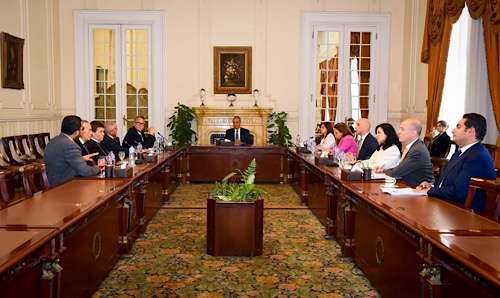
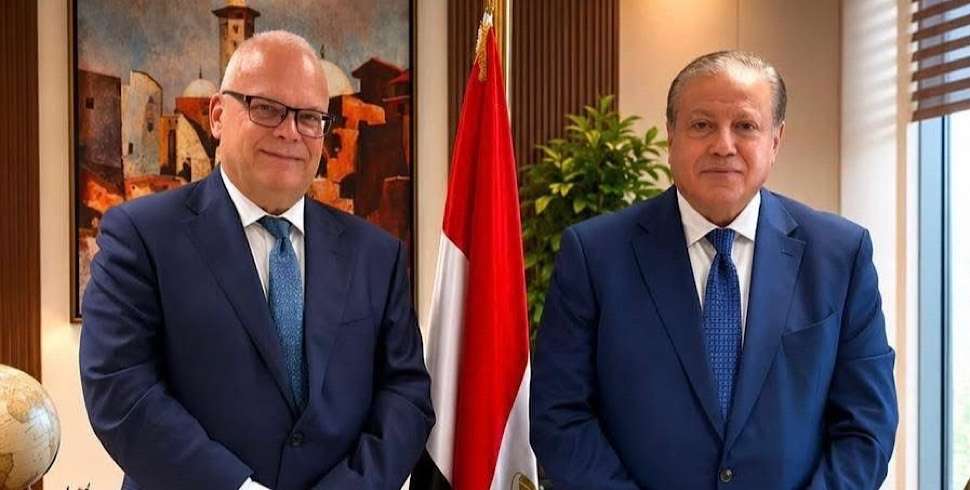
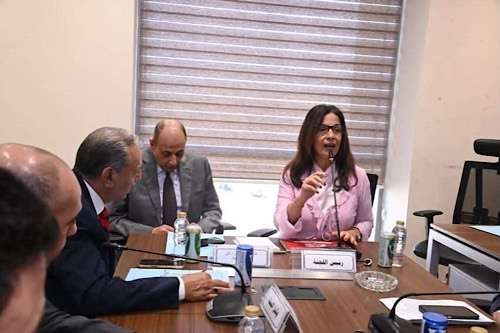
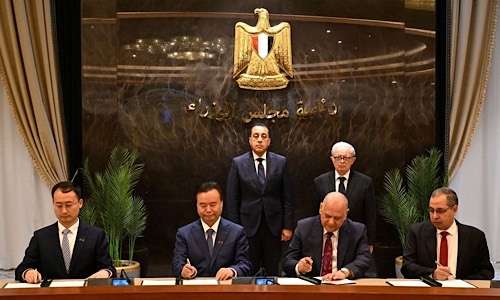
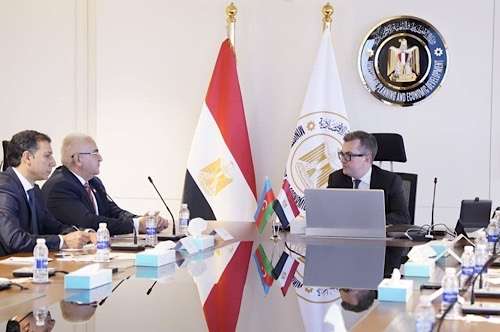
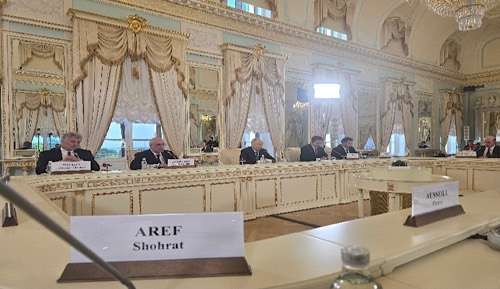
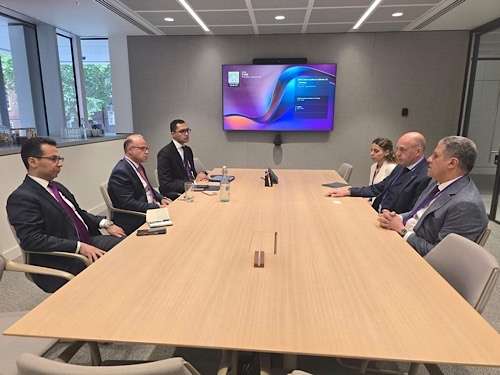
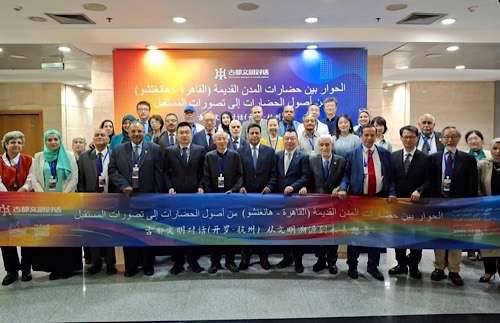
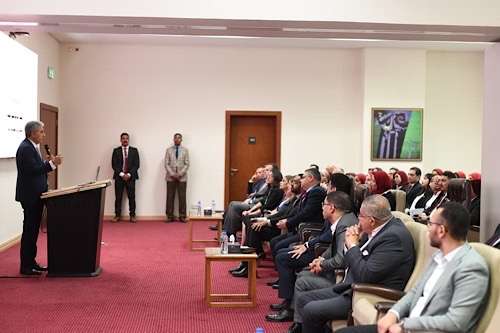
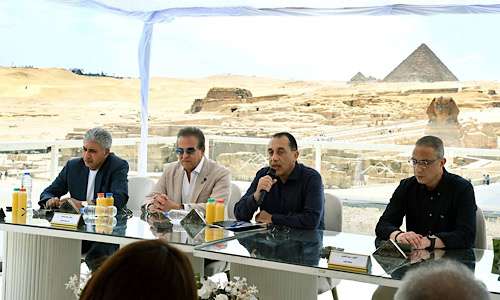
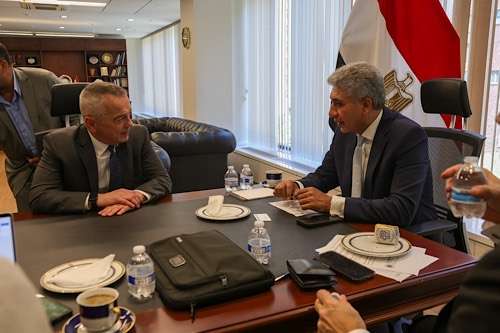
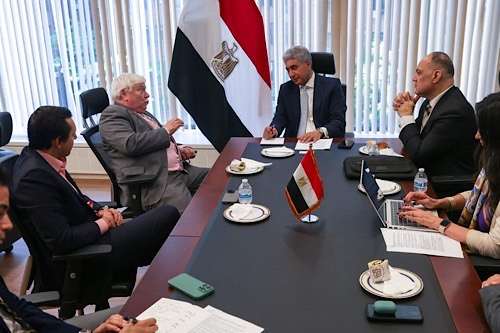
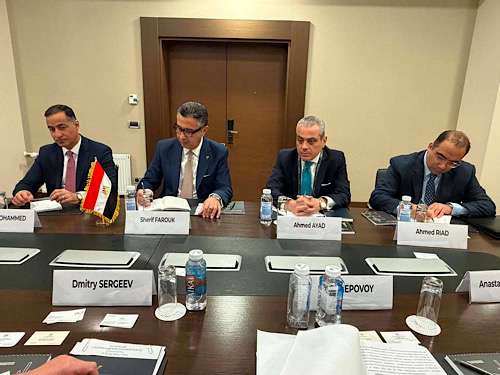
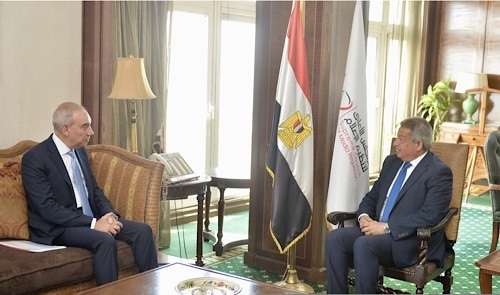
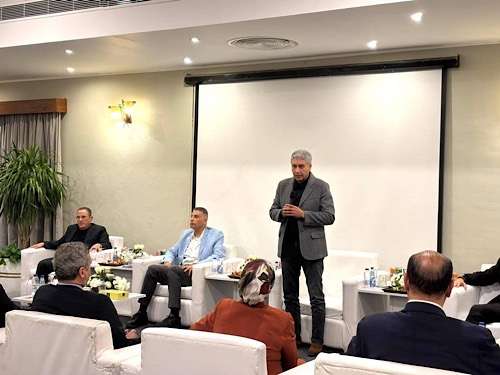
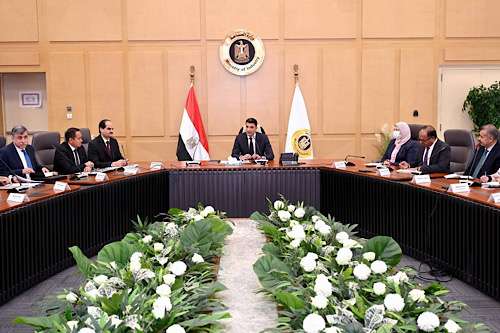
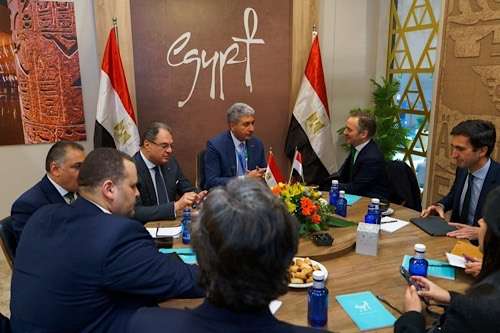
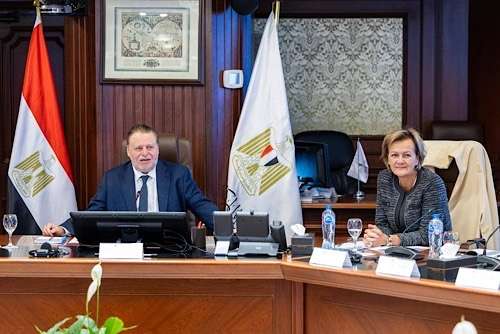
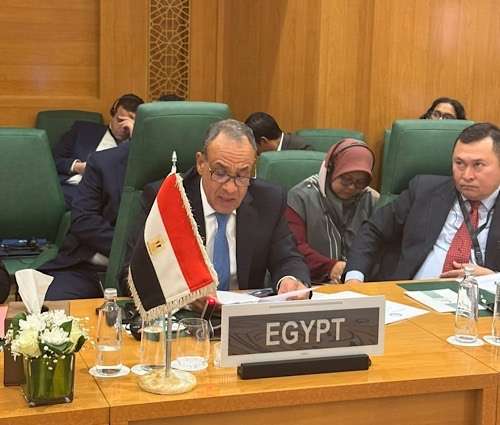
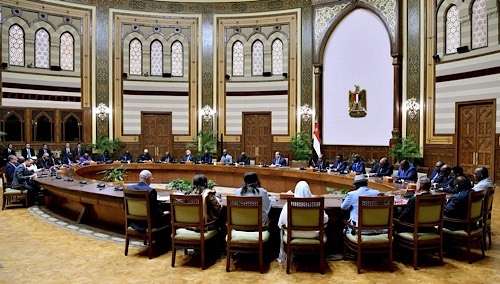
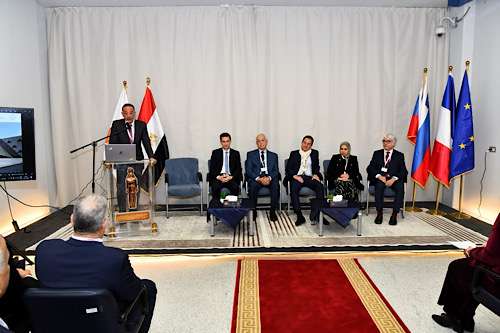
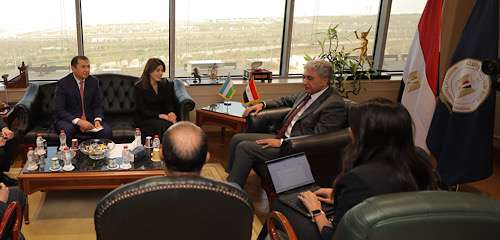
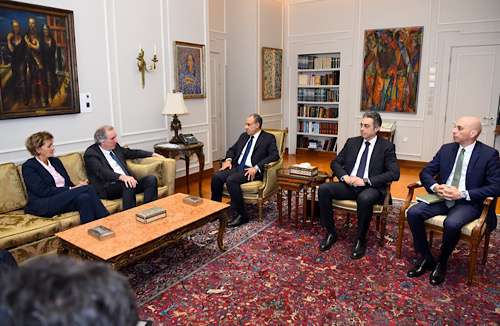
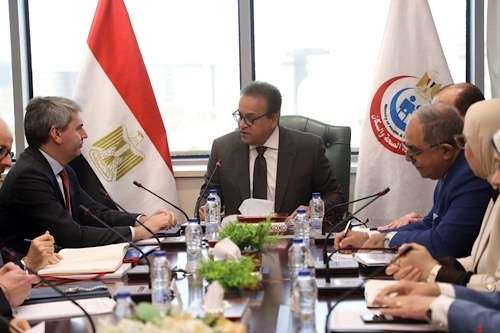
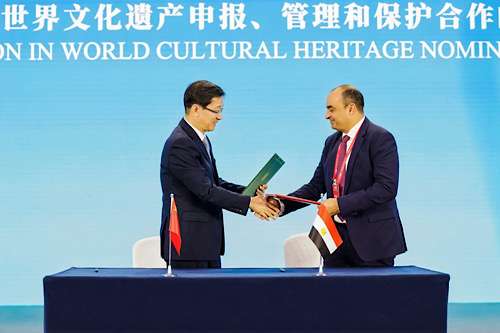
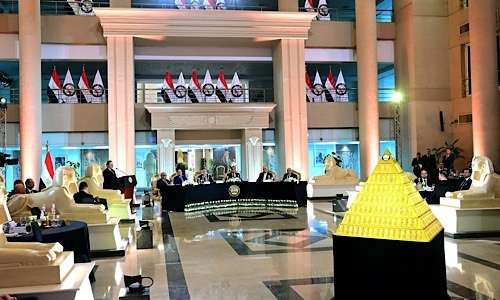
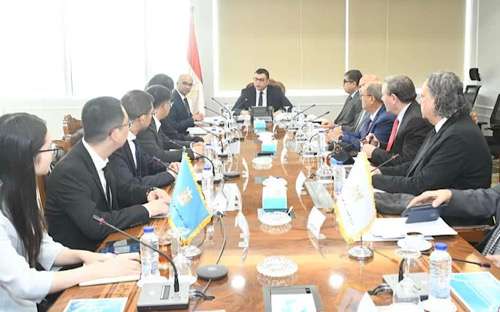
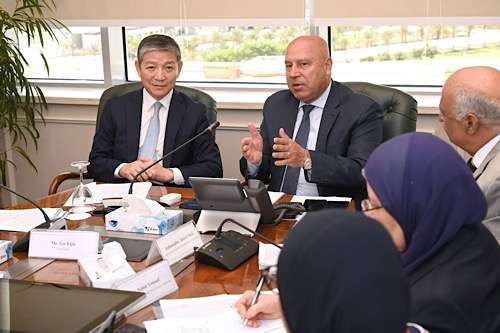
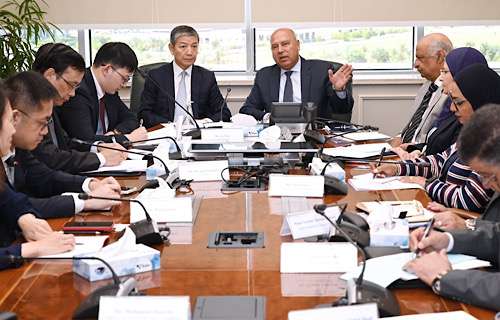
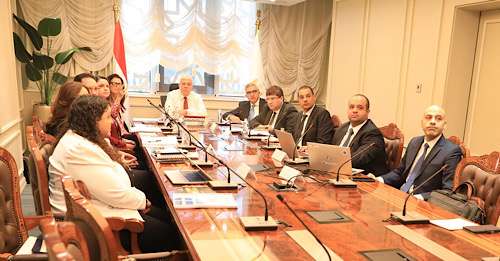
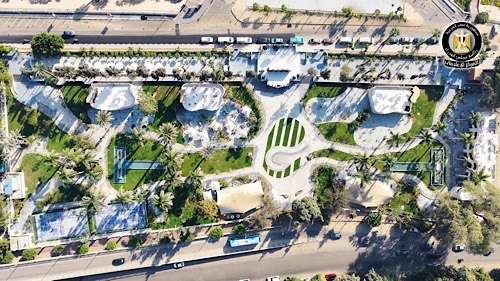
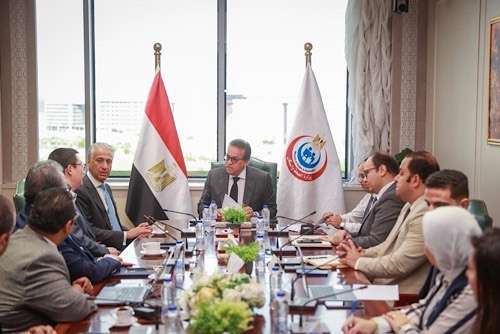
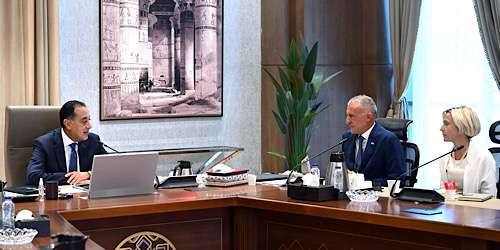
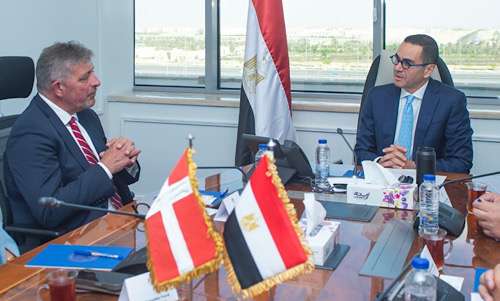
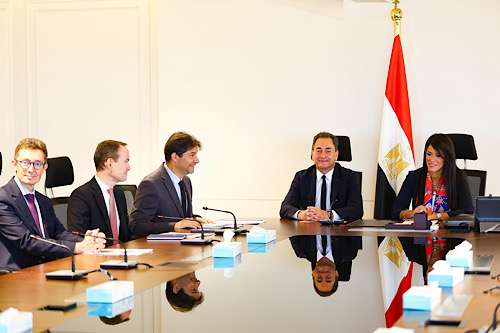
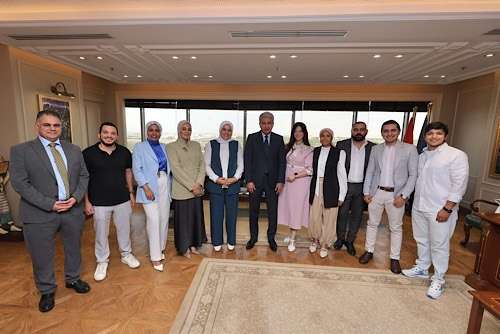
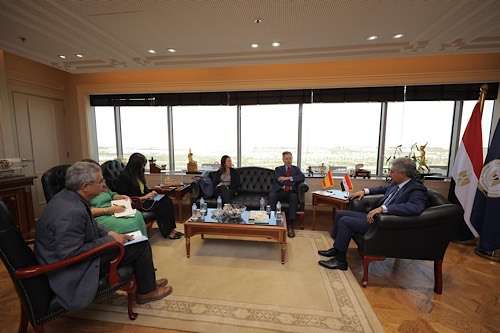
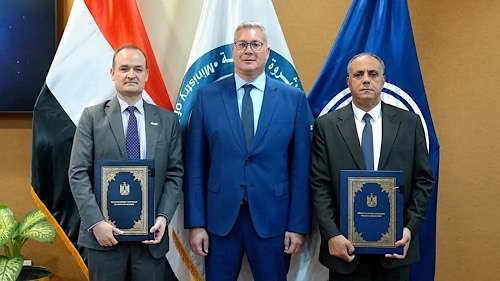
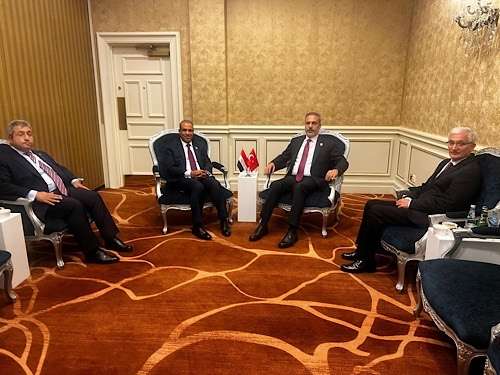
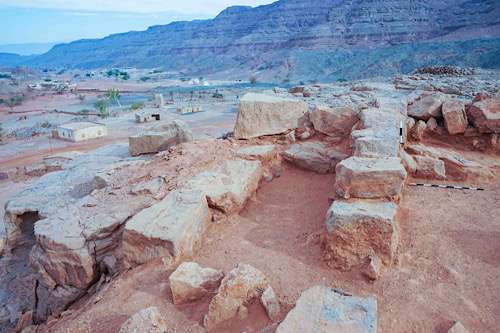
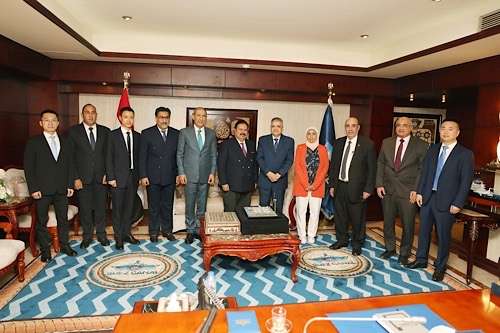
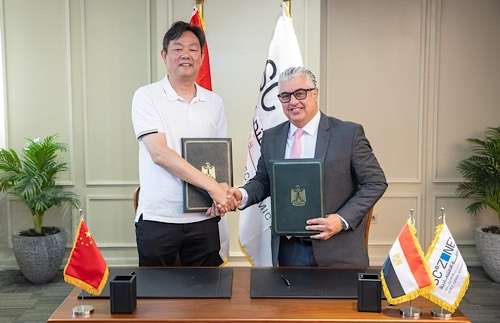
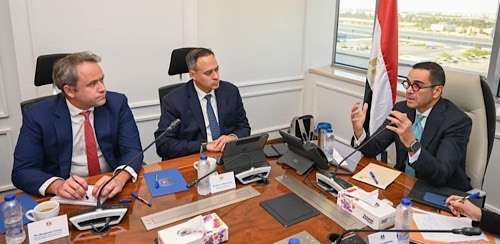
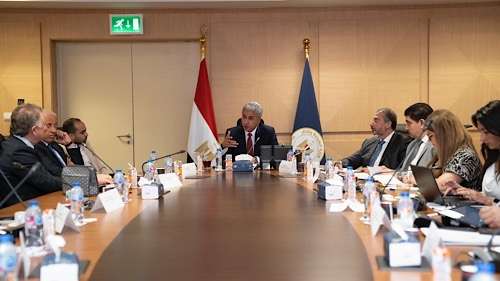
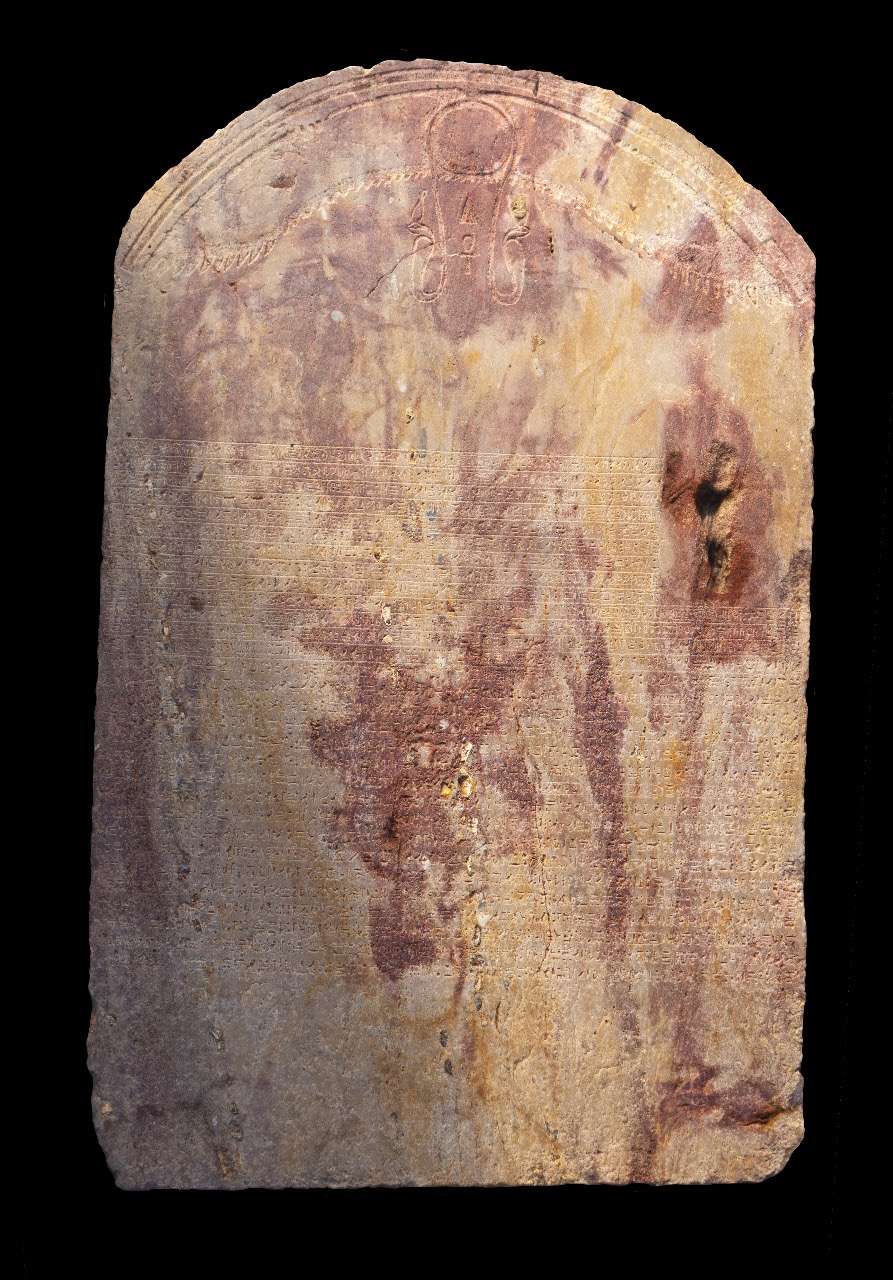
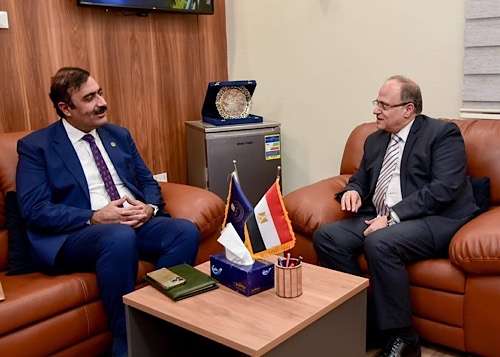
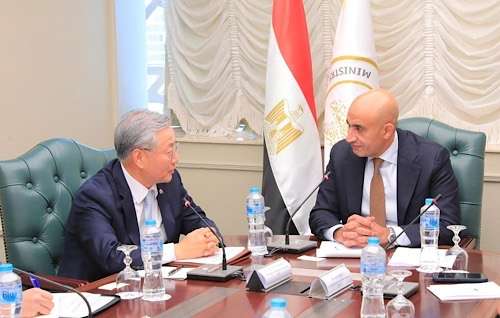
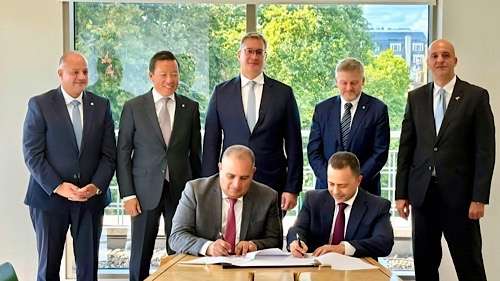
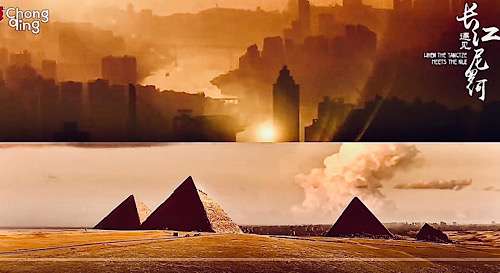
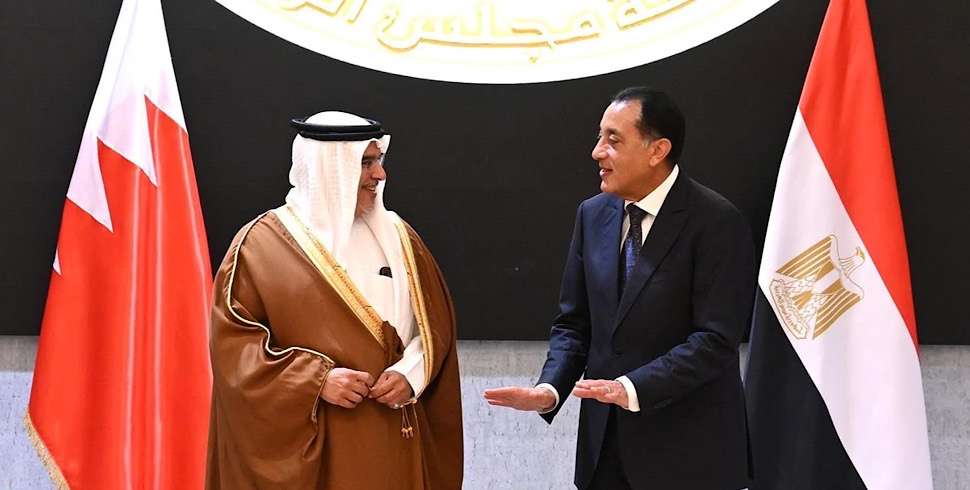
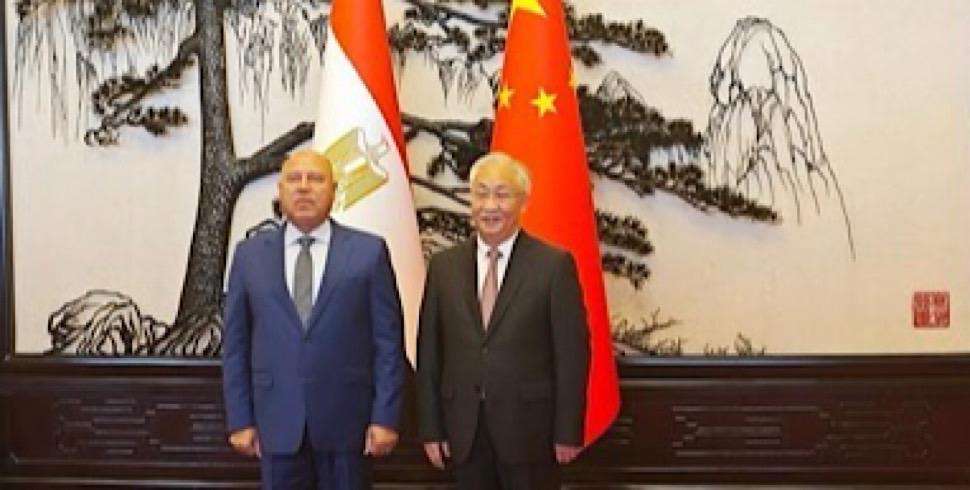
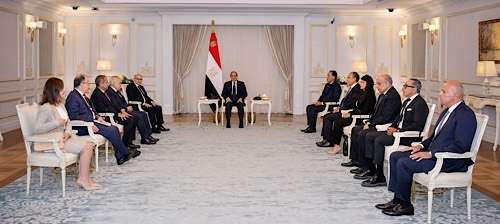
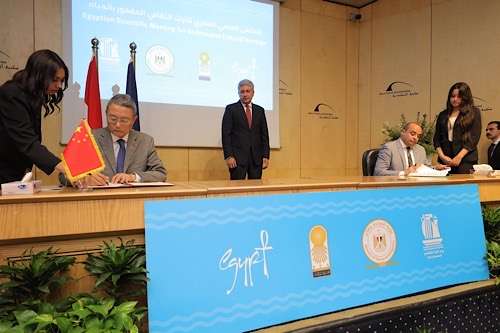
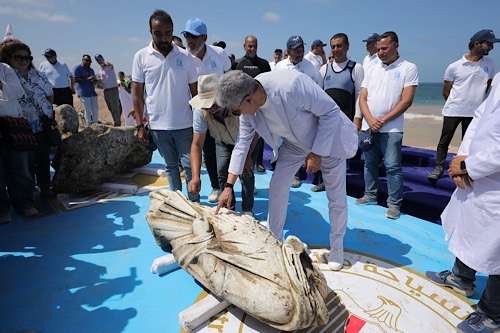
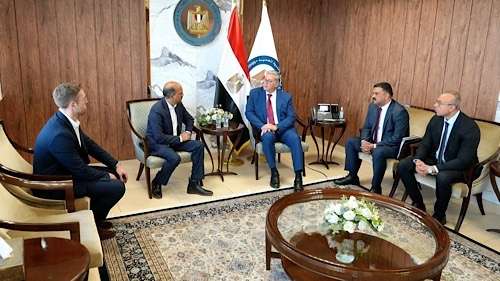
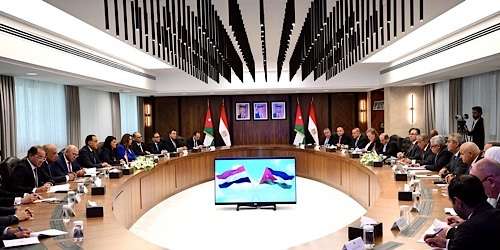
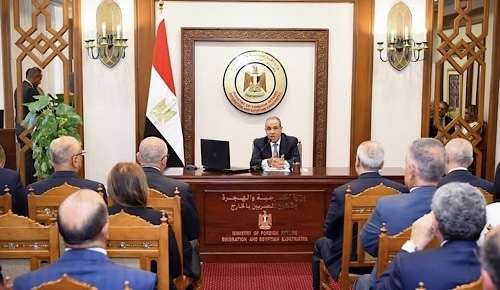
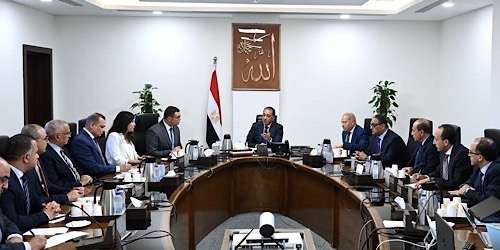
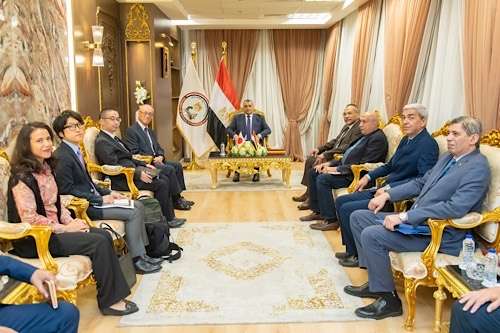
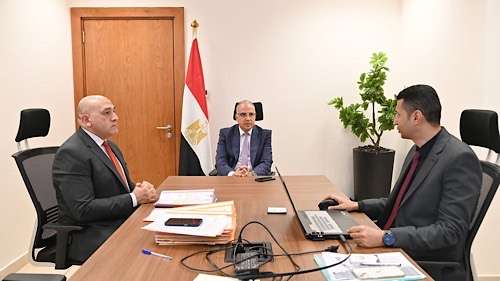
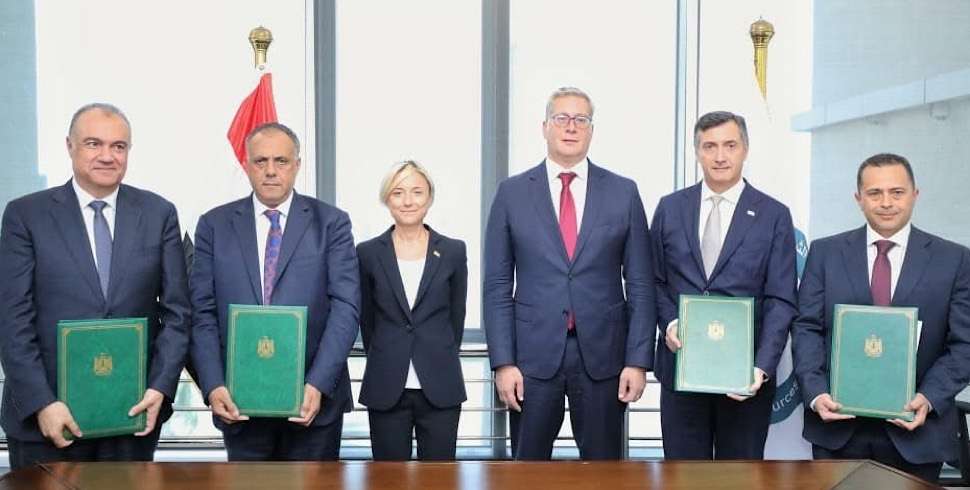
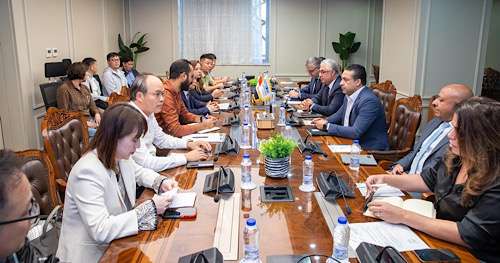
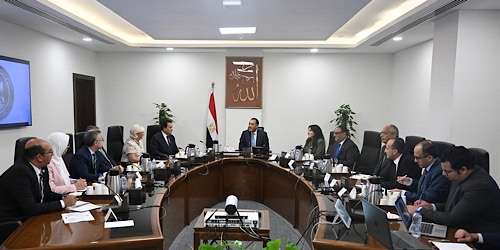
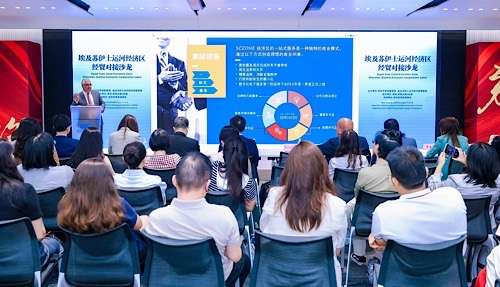
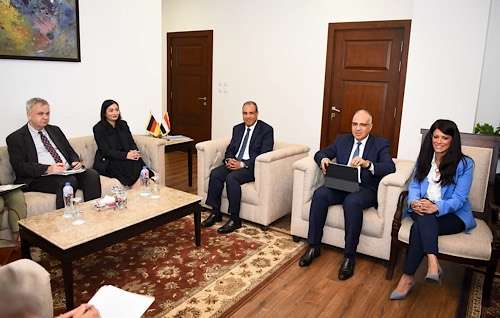
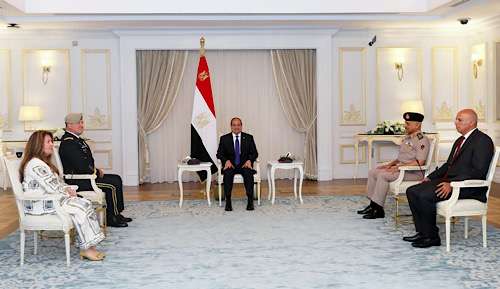
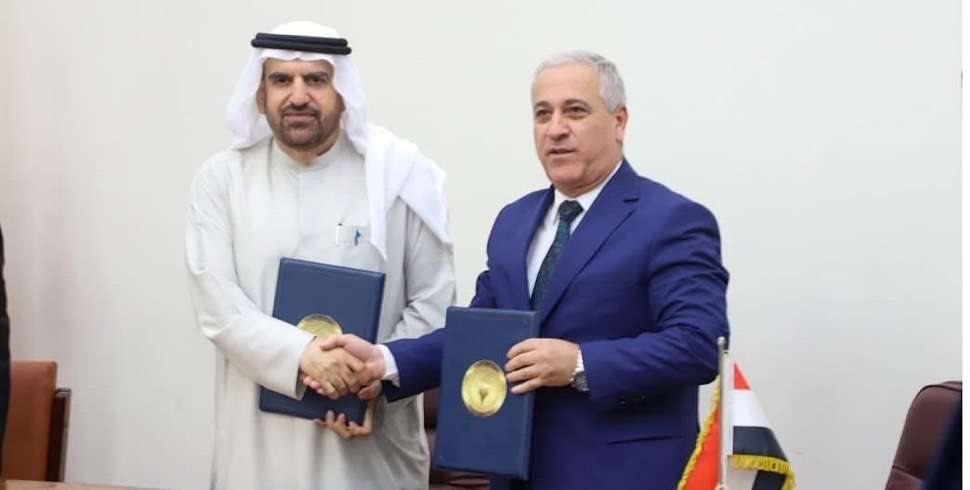
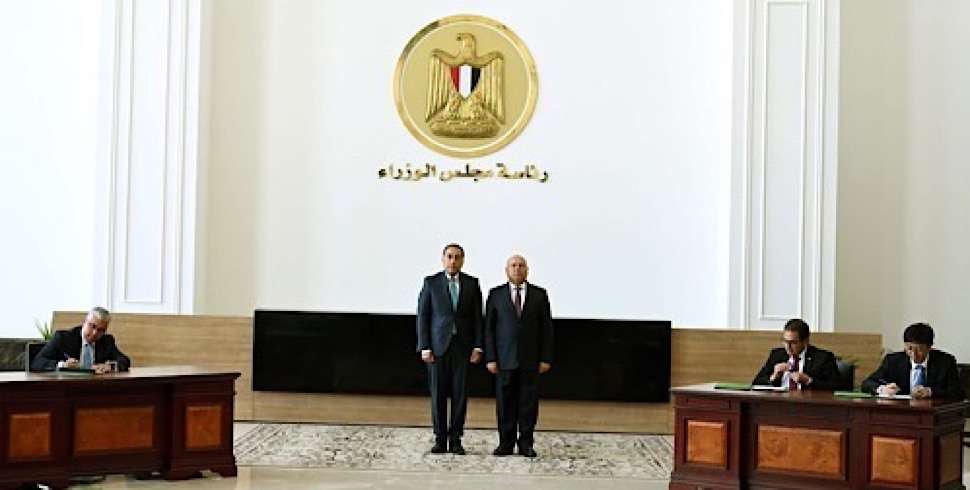
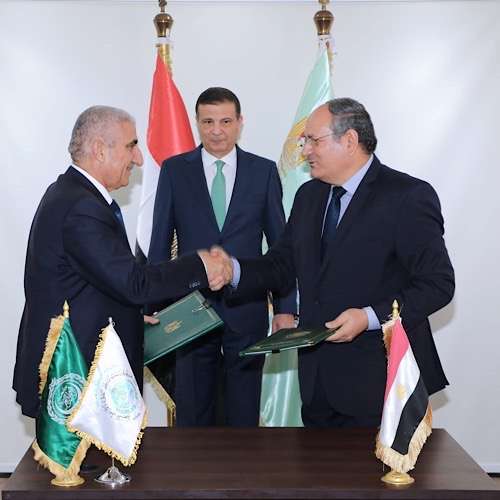
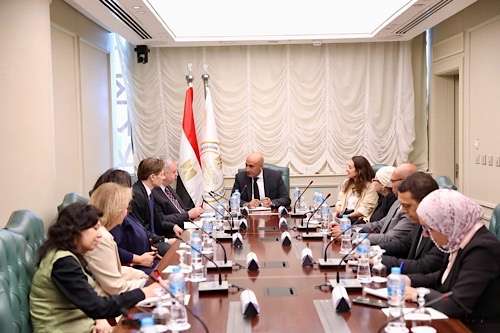
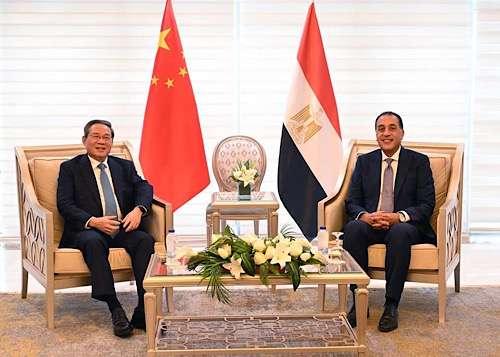
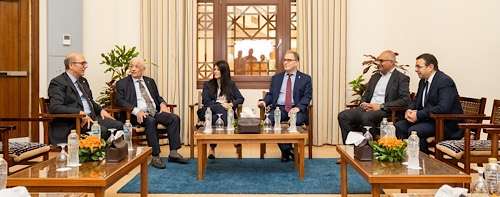
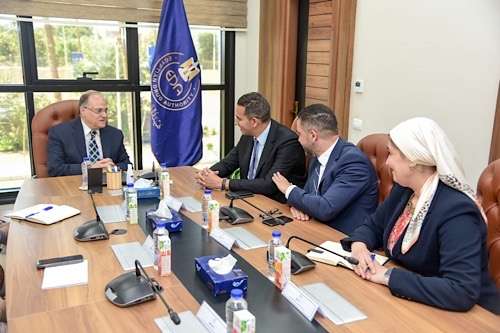
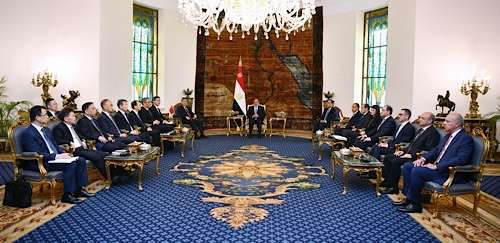
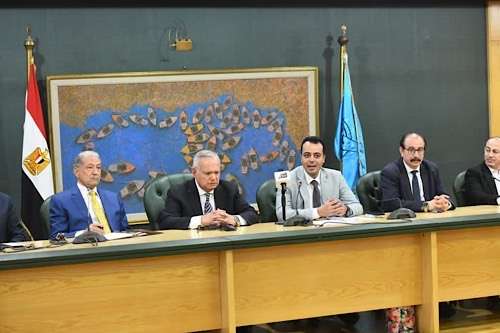
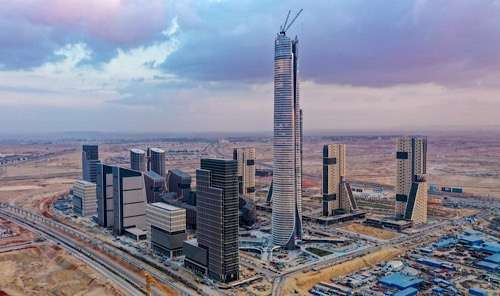
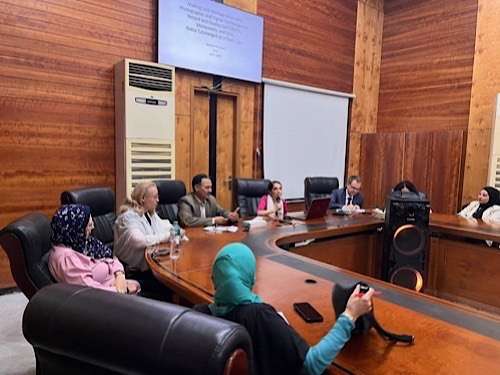
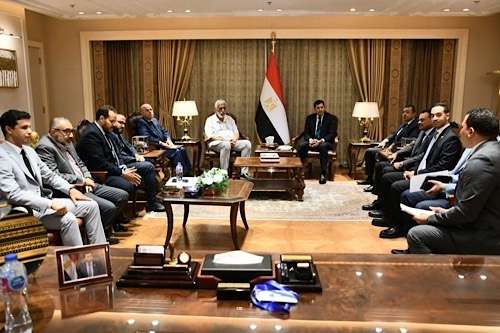
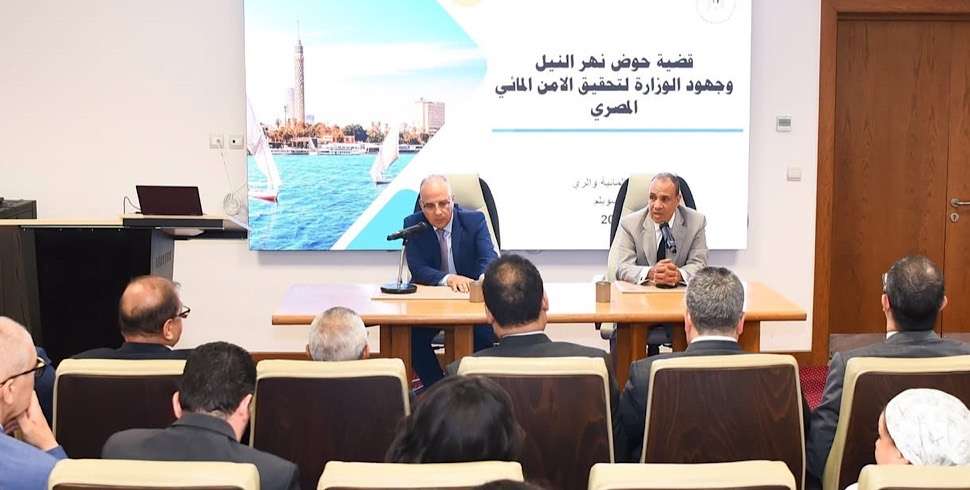
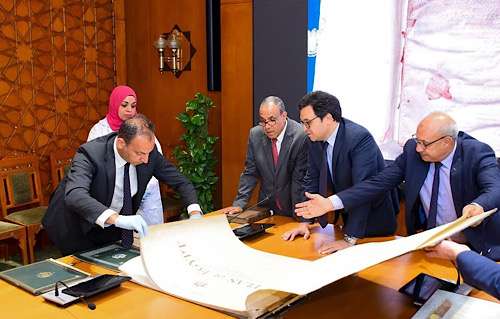
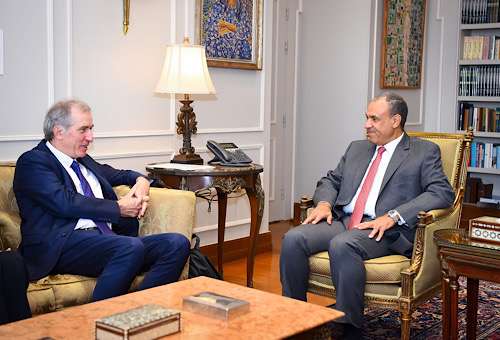
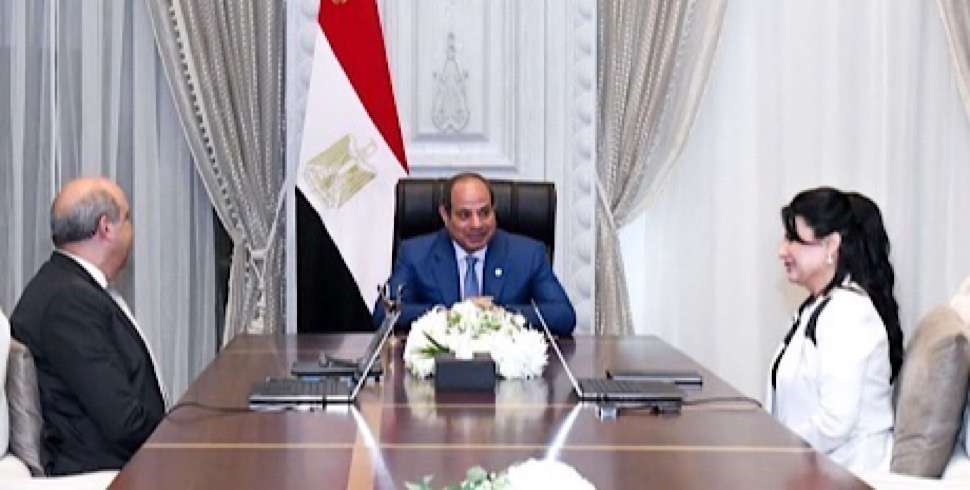
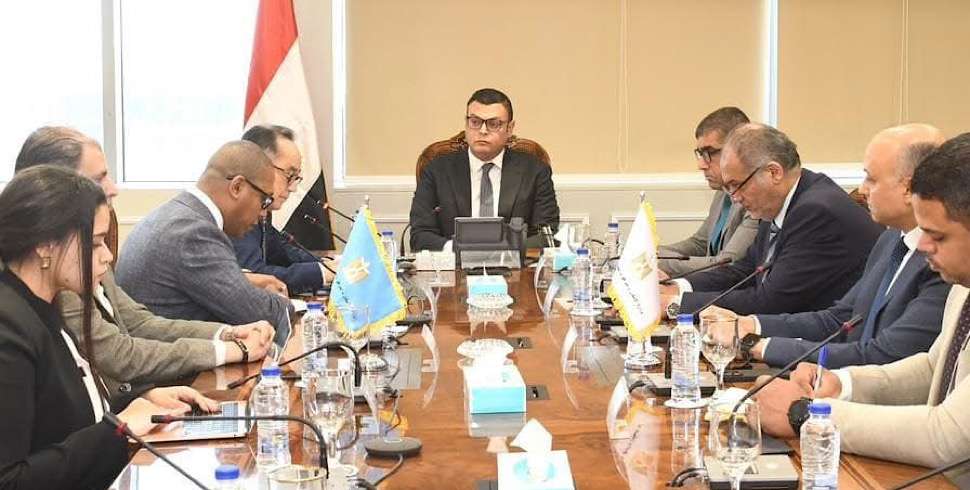
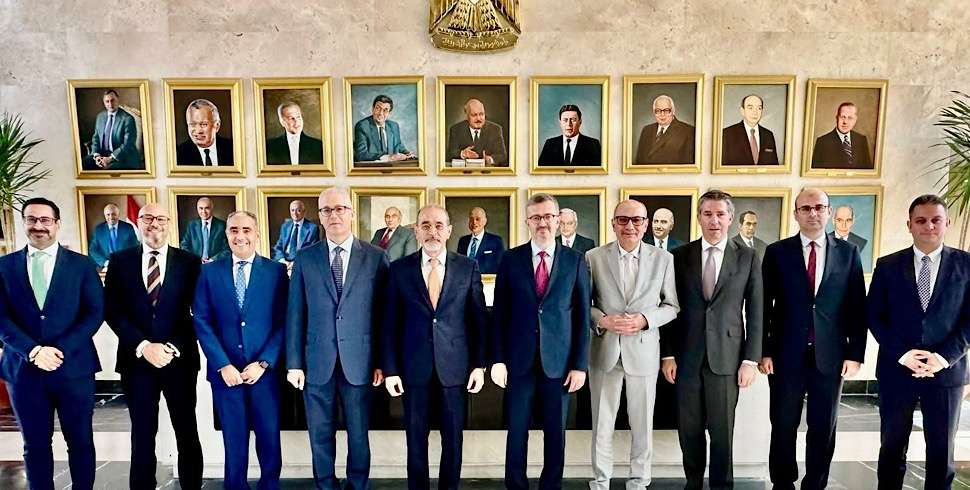
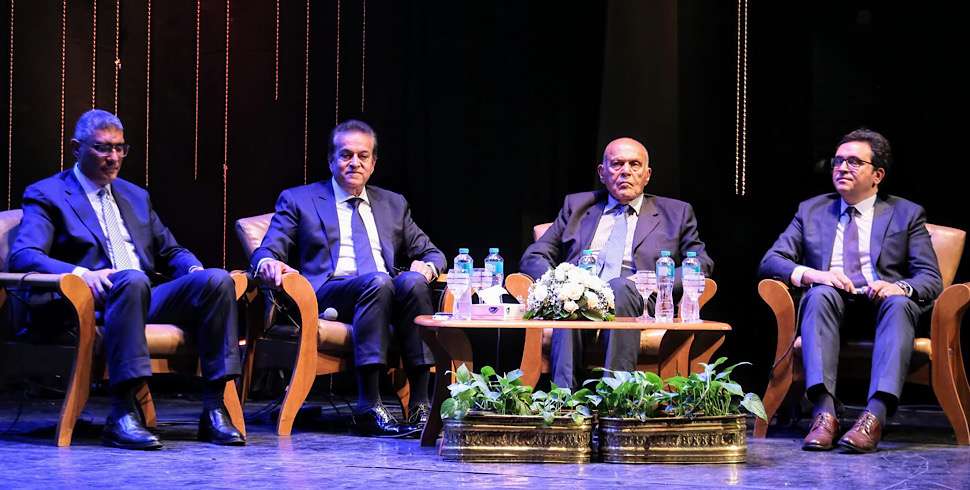
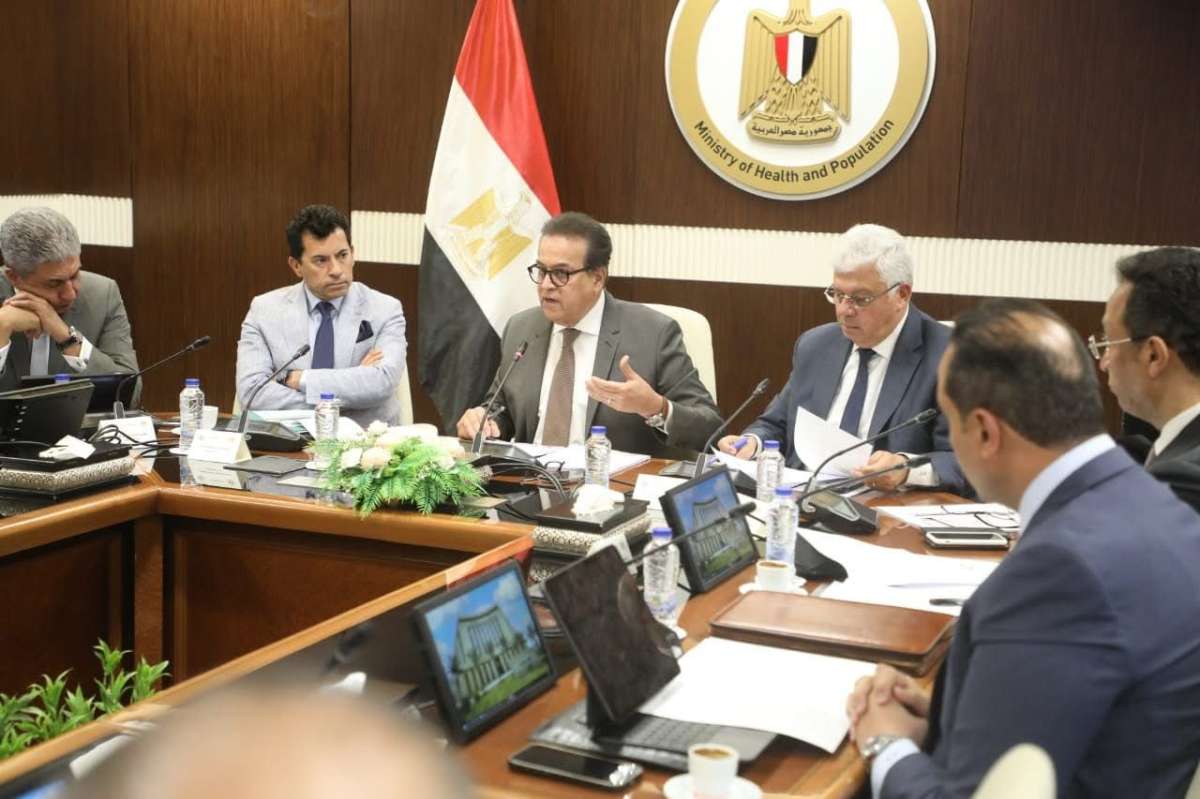
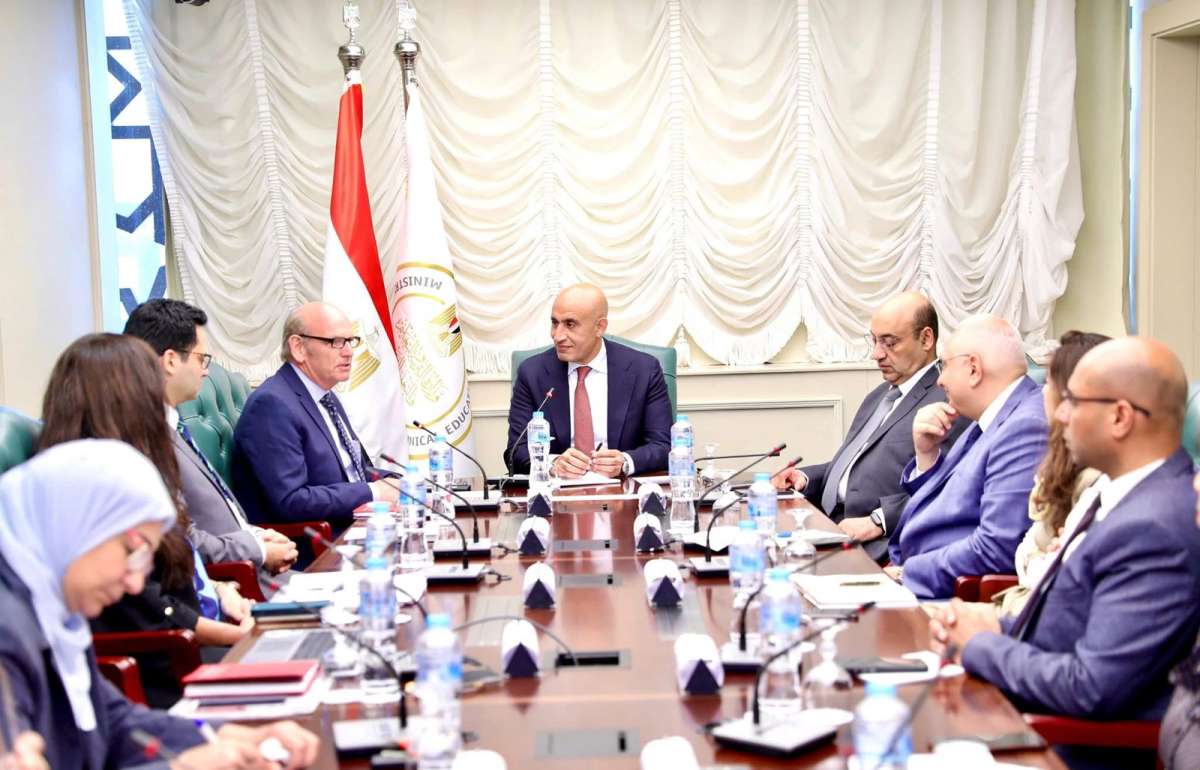
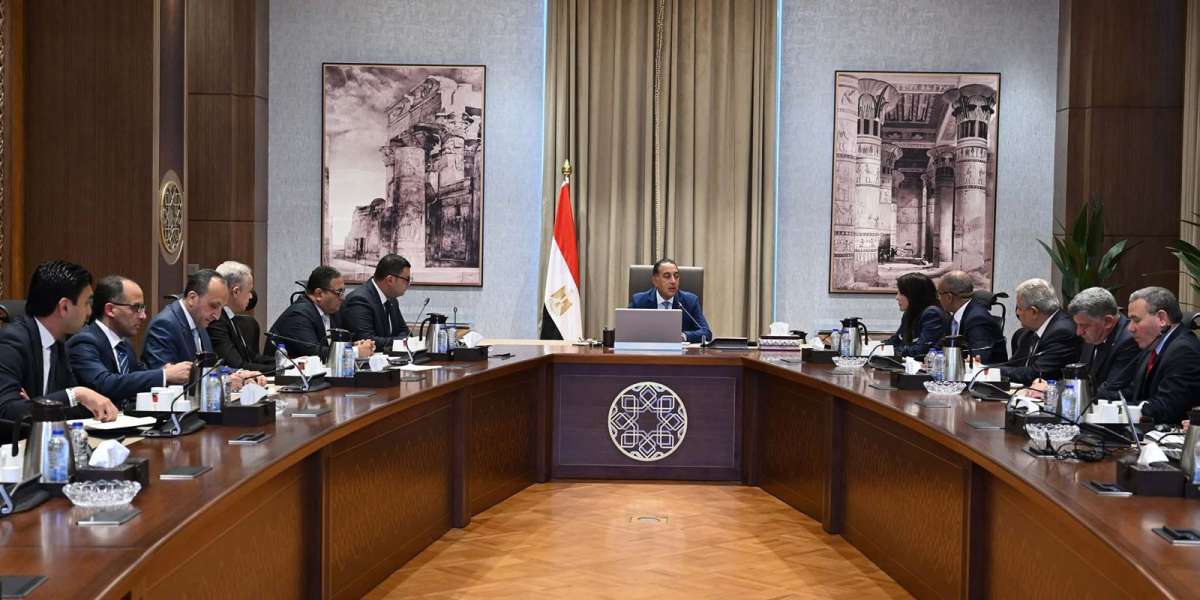
In an inspiring display of international collaboration, senior officials and experts from Egypt and China convened in Egypt’s New Administrative Capital to advance the joint registration of two significant cultural sites on UNESCO’s World Heritage List: the Nilometer on Al-Roda Island in Cairo, and China’s Baiheliang rock inscriptions in Fuling, Chongqing.
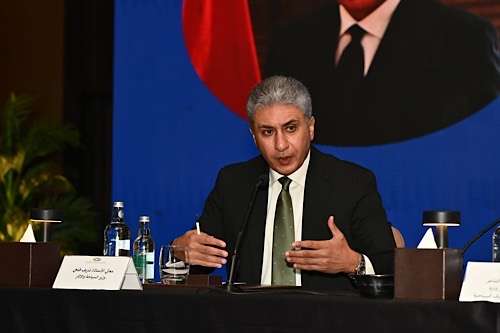
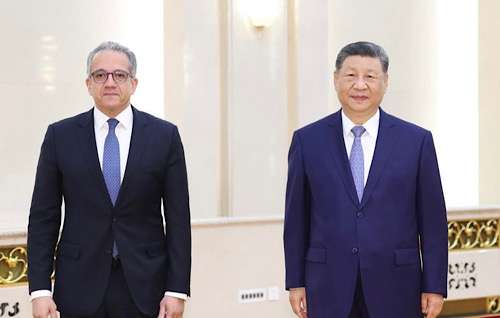
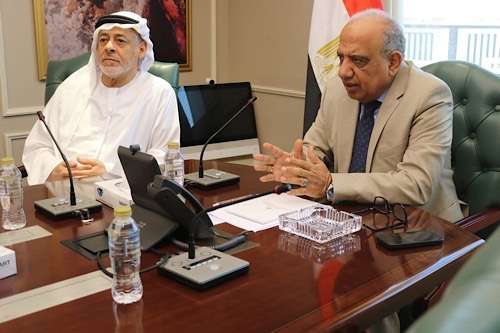
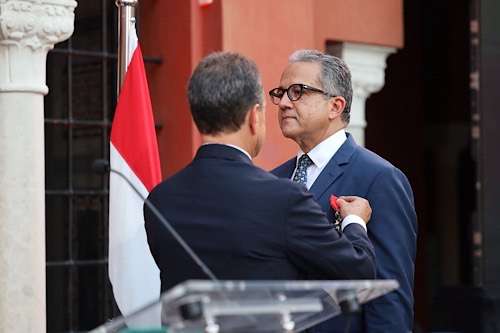
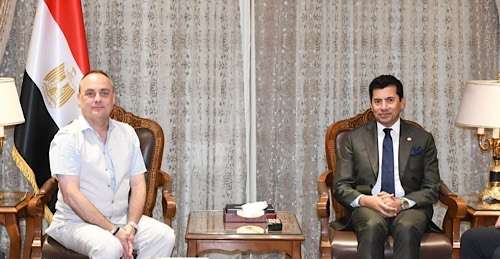
Organized by Egypt’s Ministry of Tourism and Antiquities, the meeting is part of both countries’ longstanding partnership to protect and celebrate their remarkable heritage. It follows a series of discussions begun during Egypt’s Minister of Tourism and Antiquities Sherif Fathy’s visit to China last October.
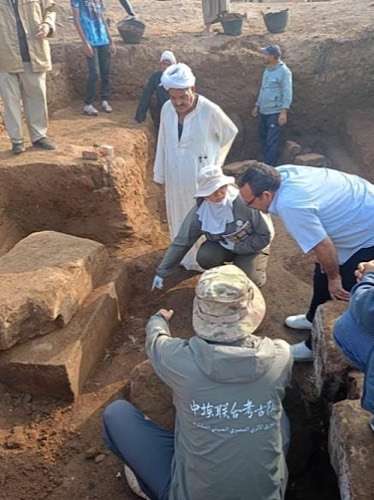
The talks focused on the technical and procedural requirements for submitting a joint nomination file to UNESCO, building on three years of close cooperation—including numerous joint workshops and expert meetings. The goal is to highlight the historical and scientific significance of these sites, which are considered among the world’s finest surviving water-level measurement works.
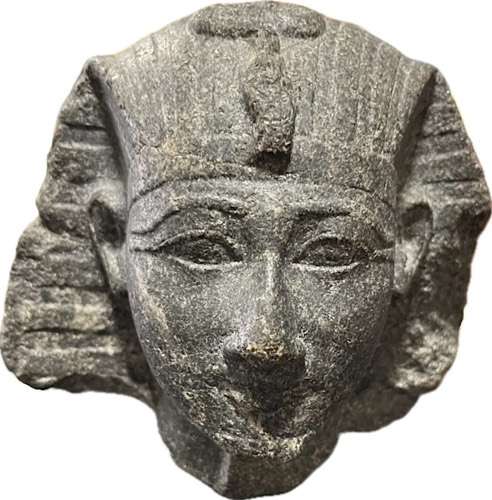
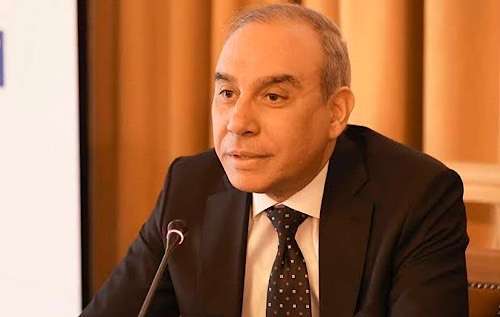
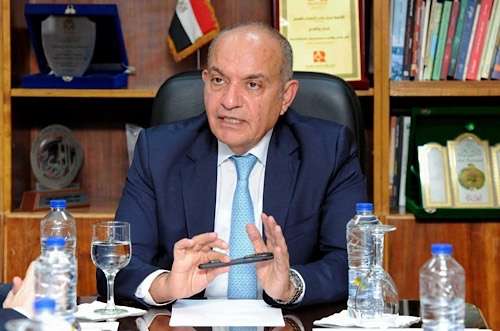
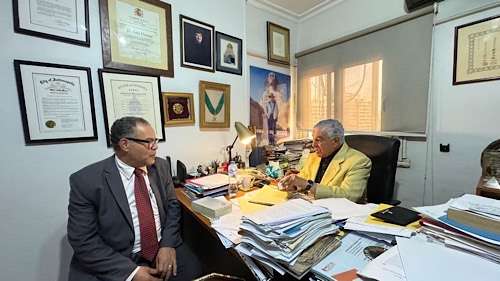
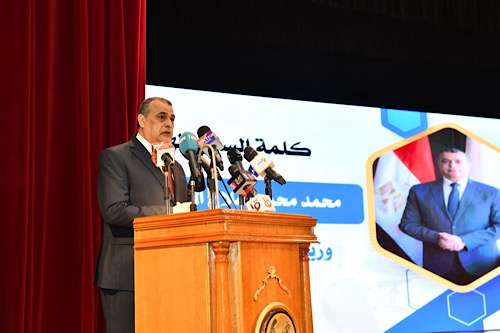
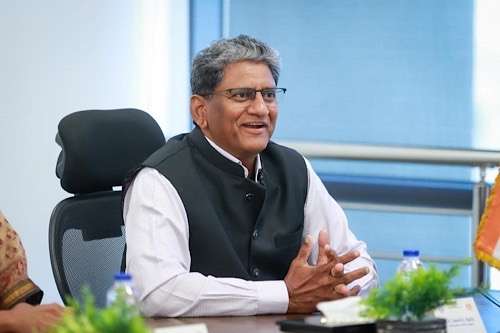
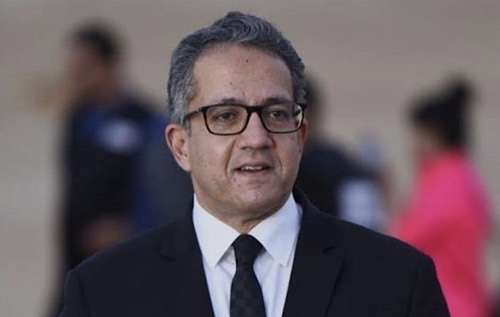
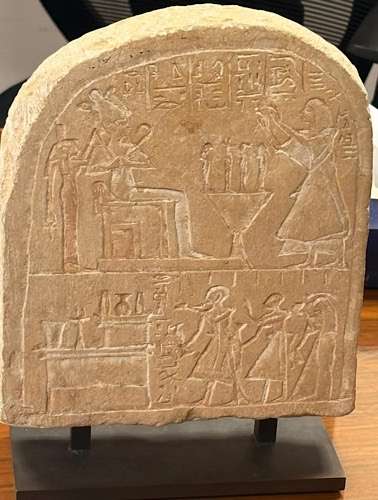
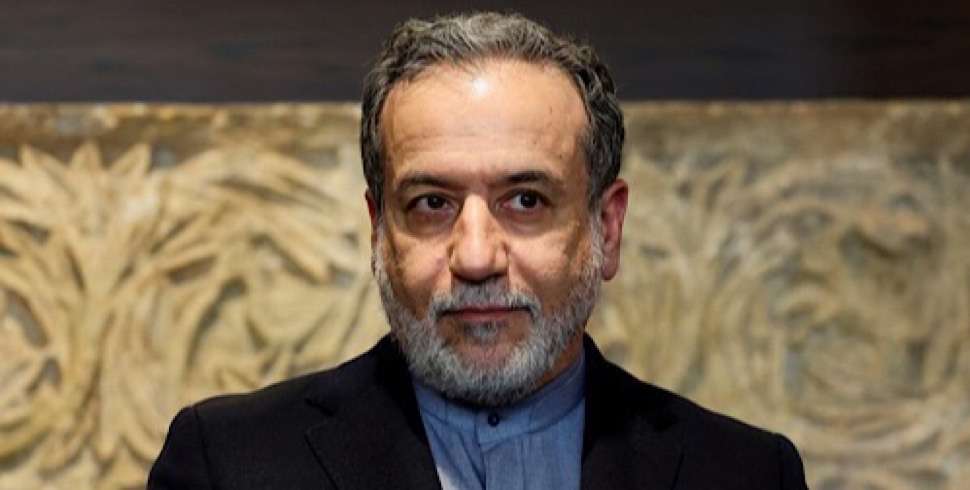
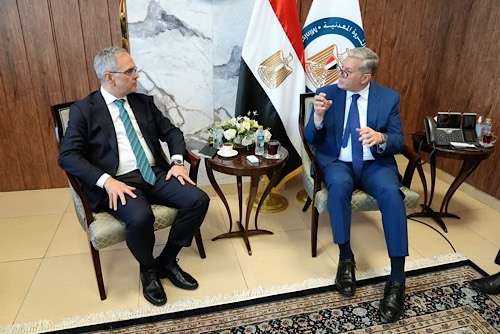
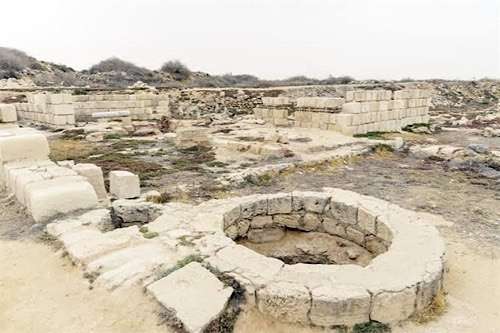
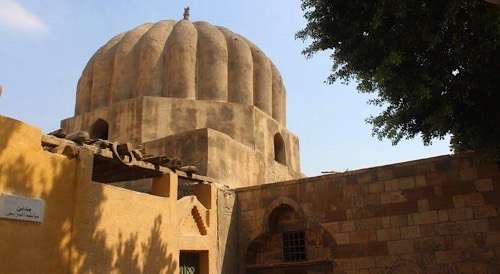
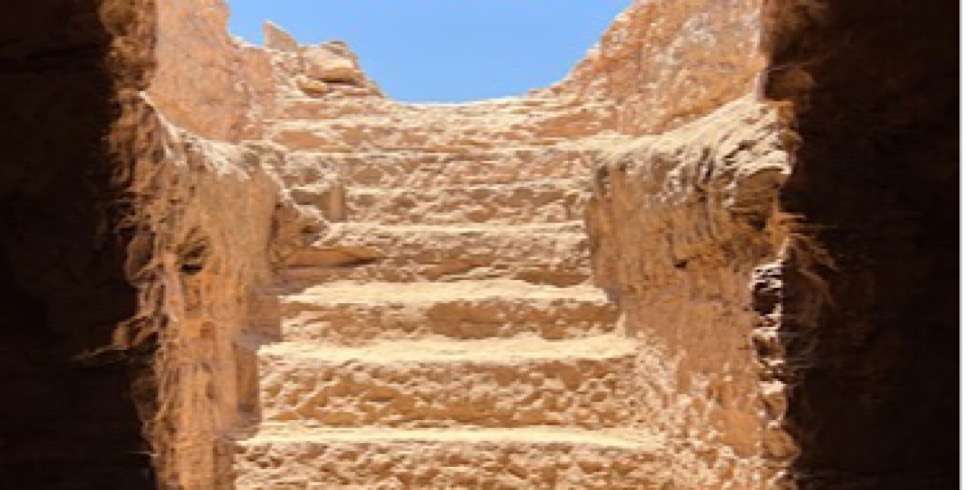
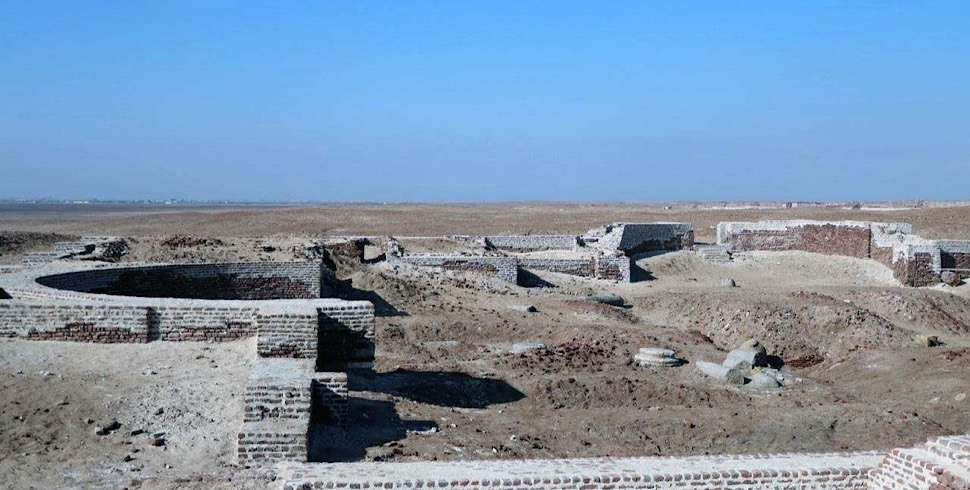
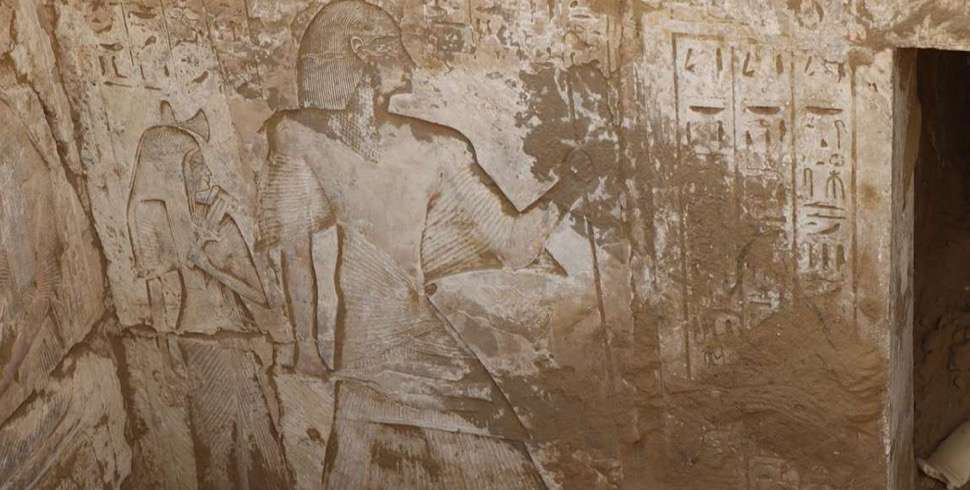
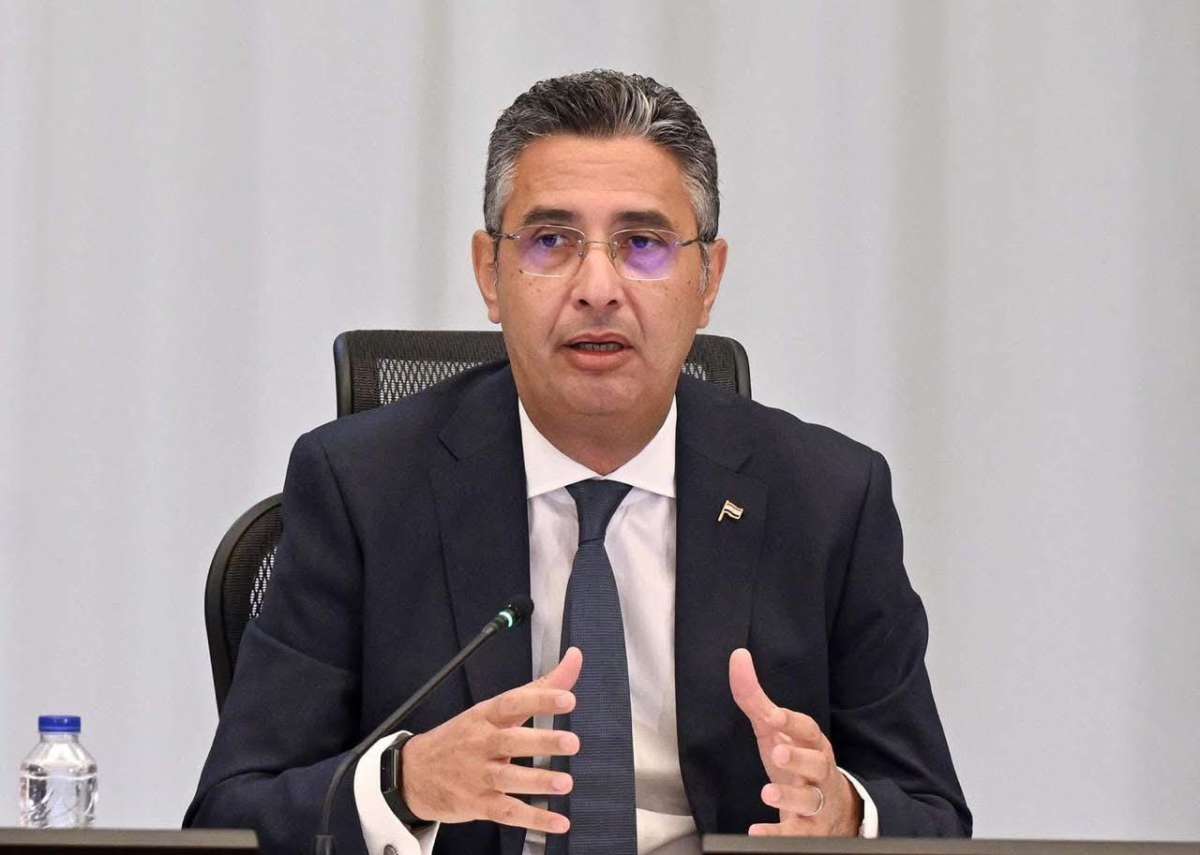
Dr. Mohamed Ismail Khaled, Secretary-General of Egypt’s Supreme Council of Antiquities, emphasized the importance of international expertise exchange and Egypt’s commitment to safeguarding its unique sites. The Nilometer, used since antiquity to measure the Nile’s rising and falling waters, has held a prestigious place on UNESCO’s tentative list since 2003.
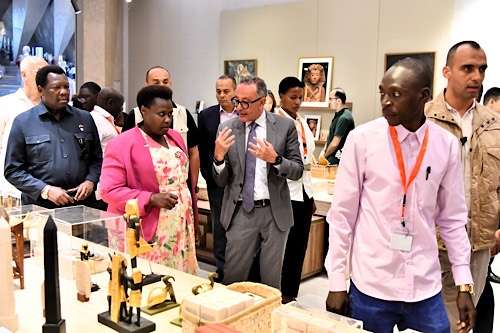
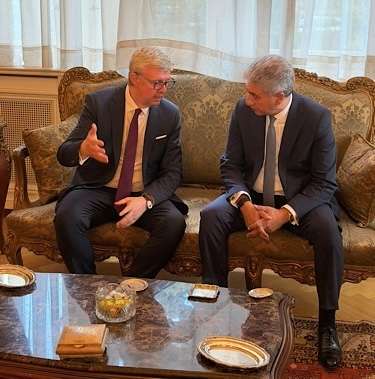
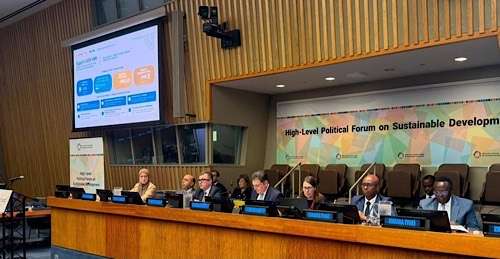
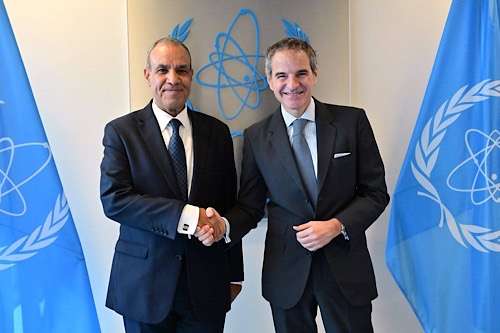
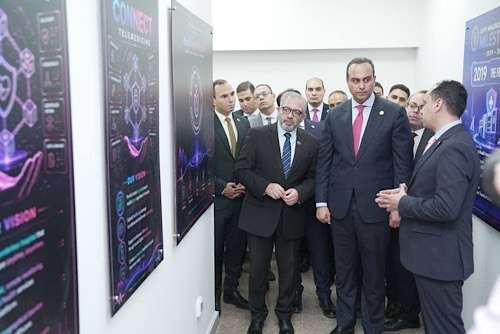
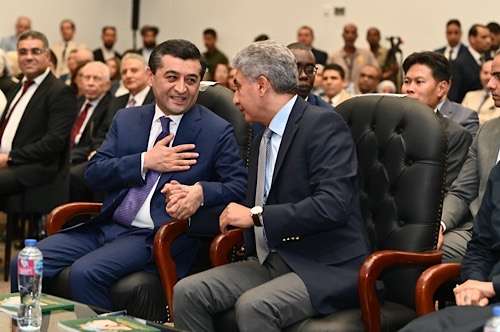
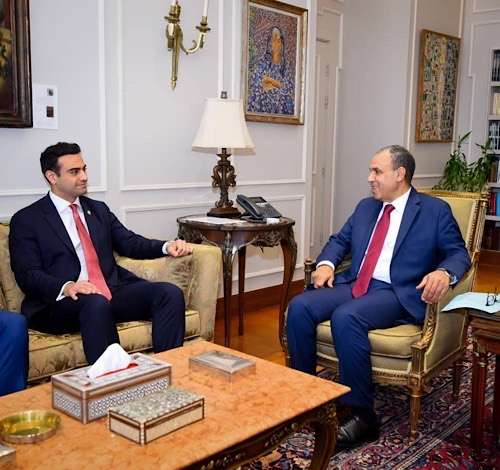
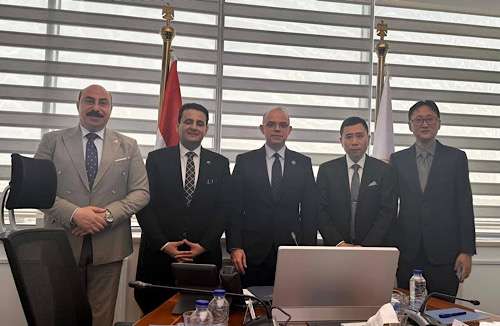
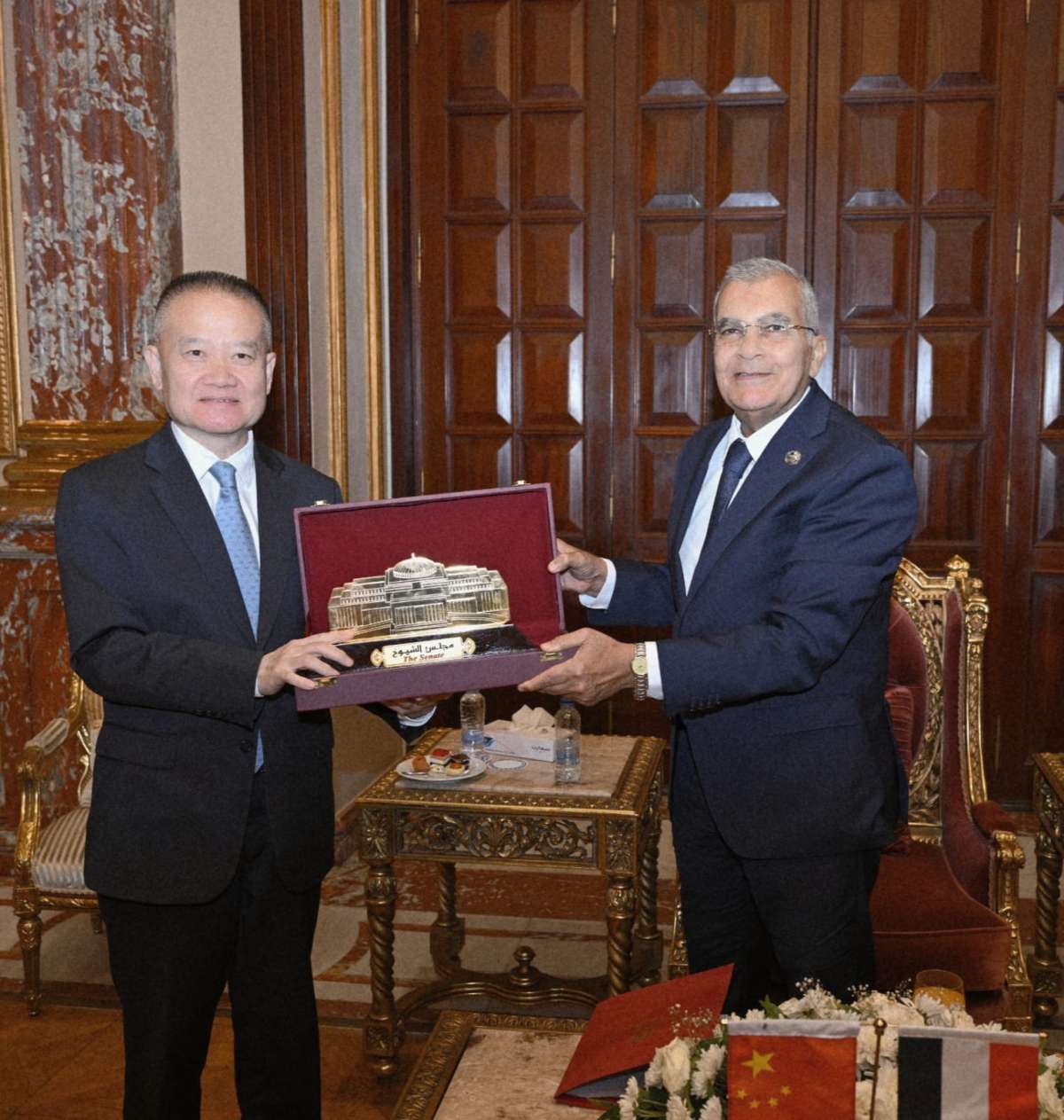
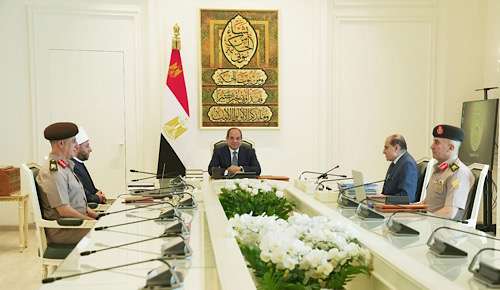
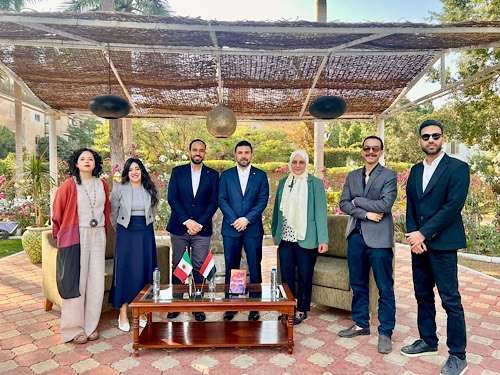
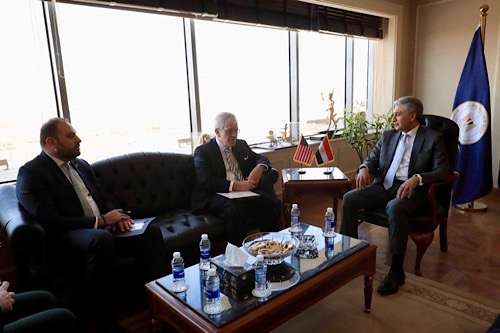
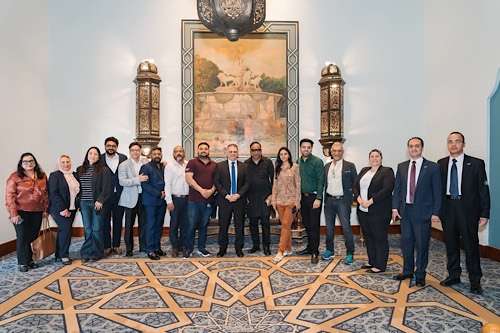
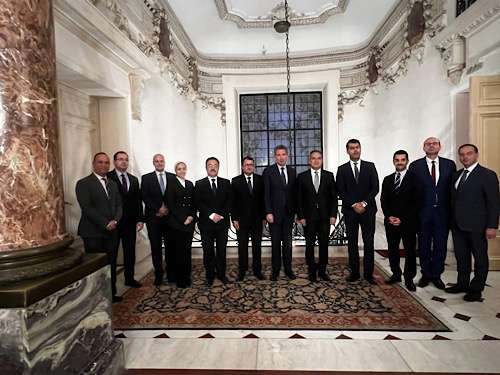
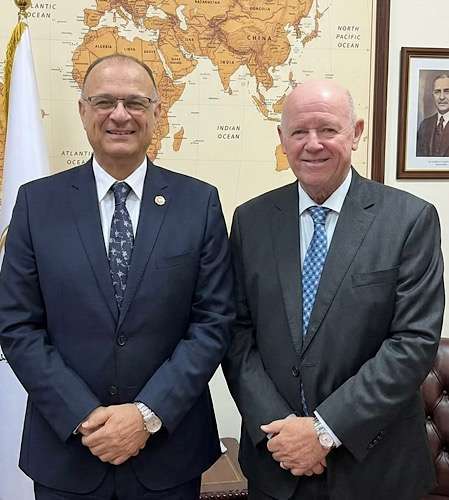
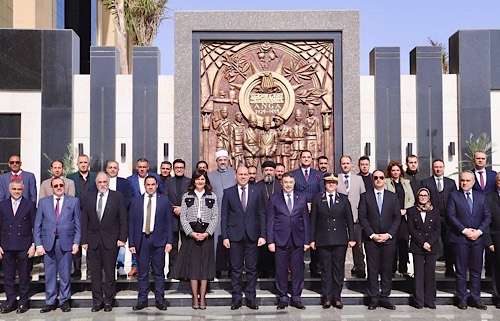
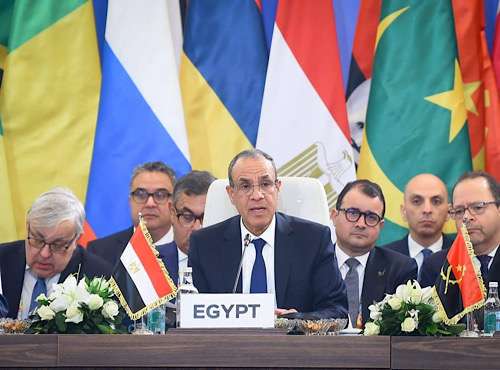
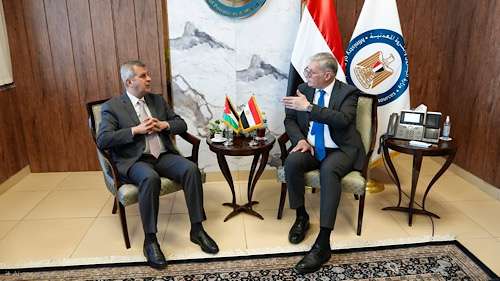
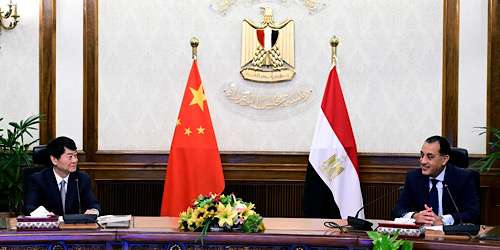
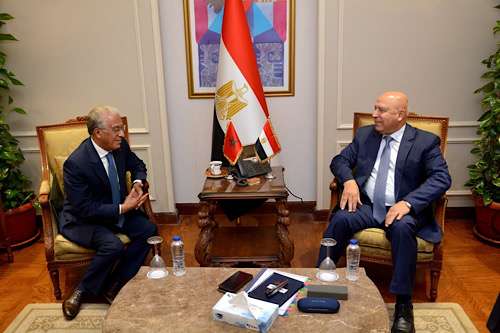
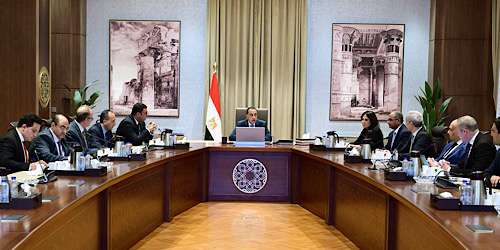
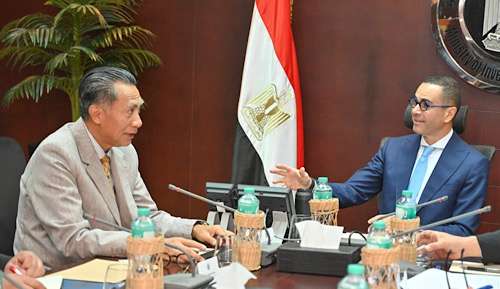
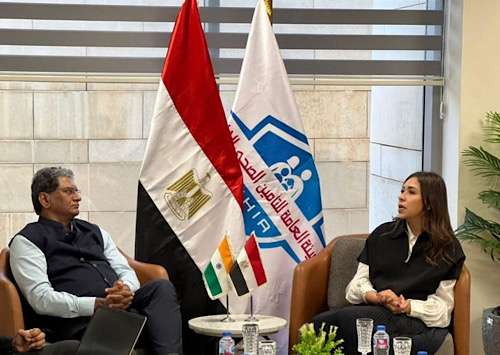
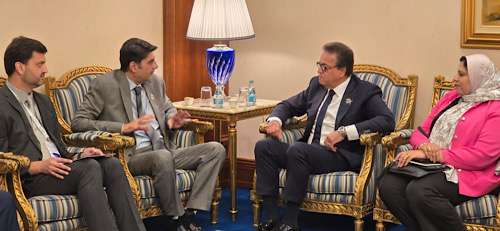
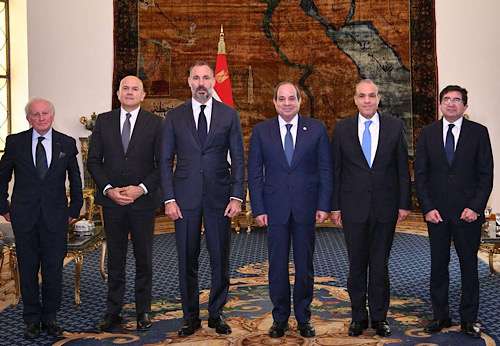
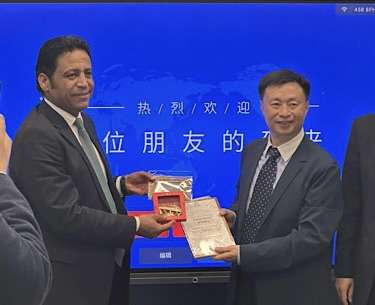
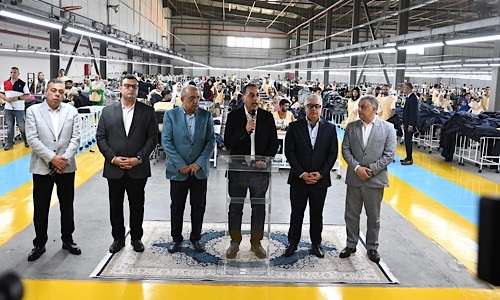
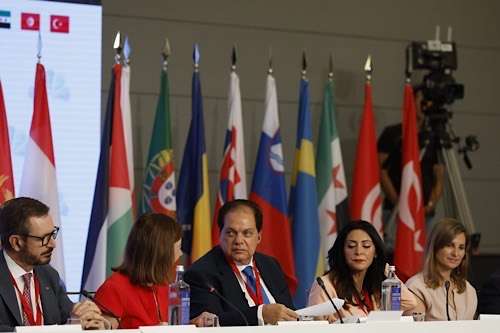
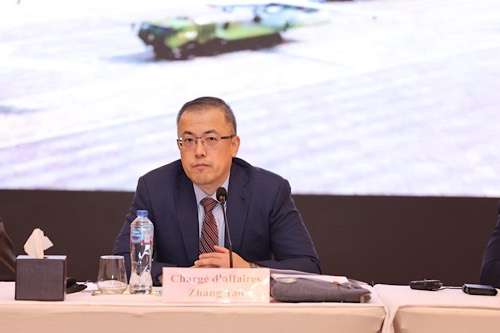
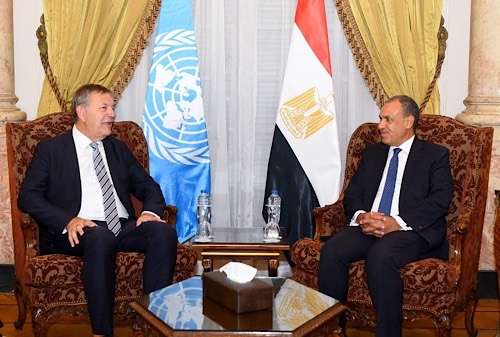
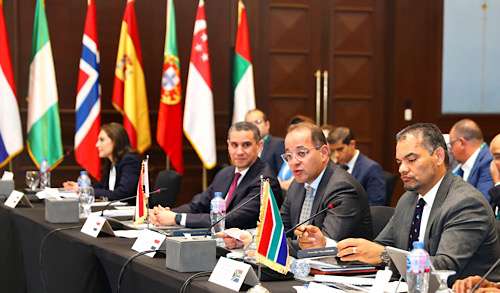
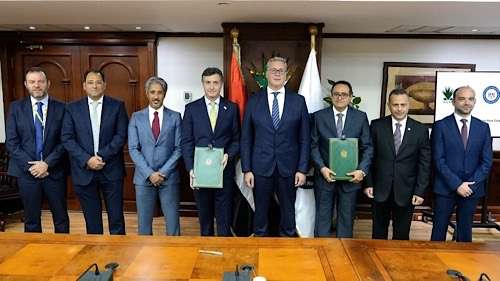
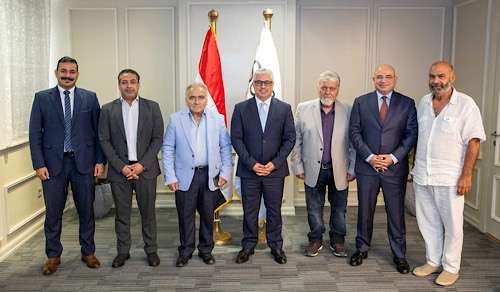
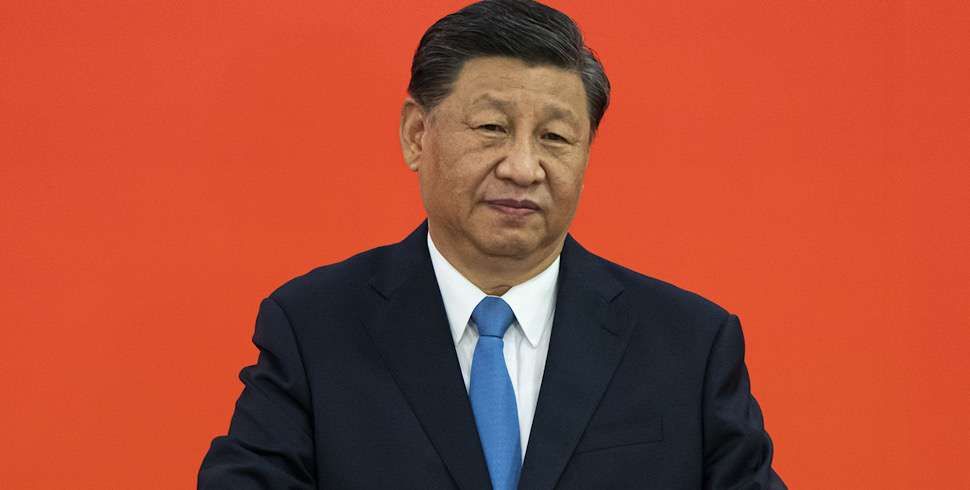
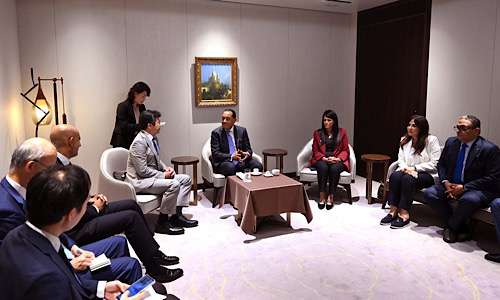
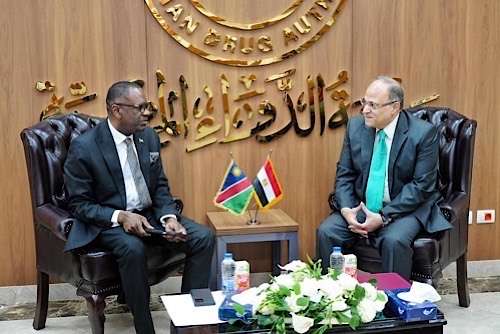
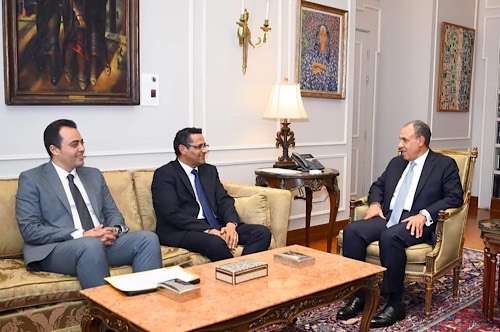
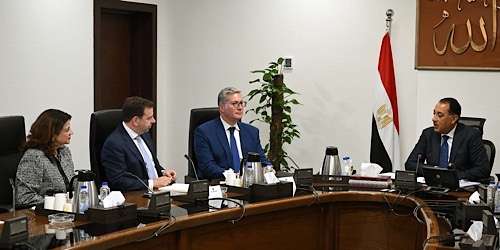
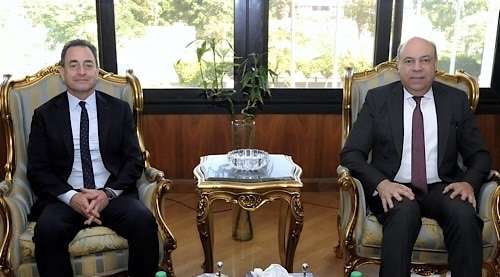
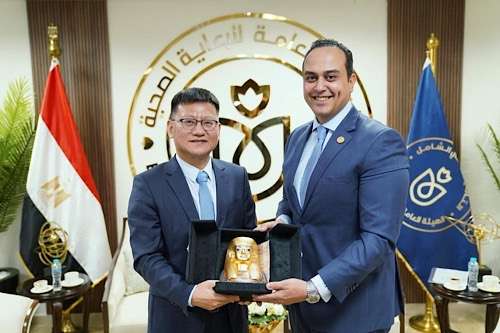
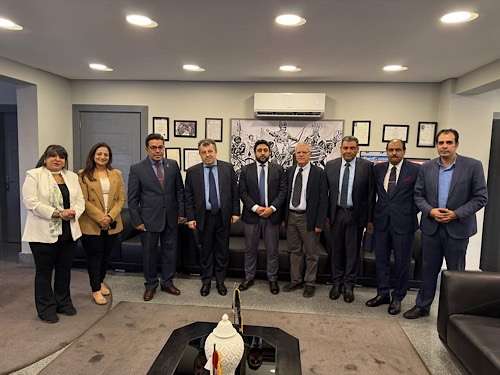
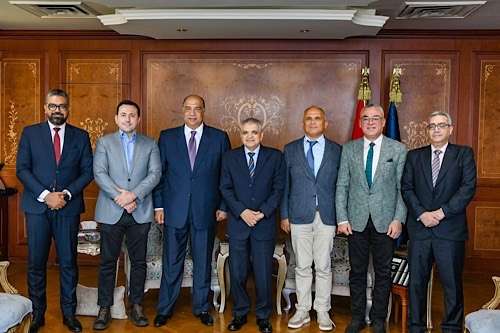
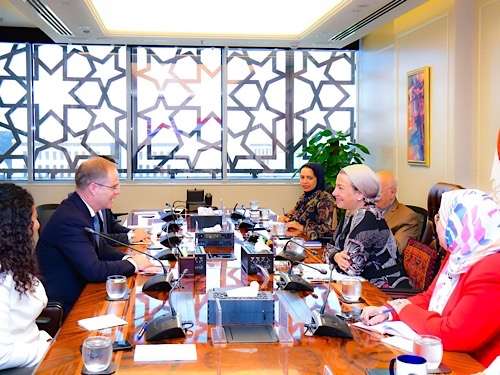
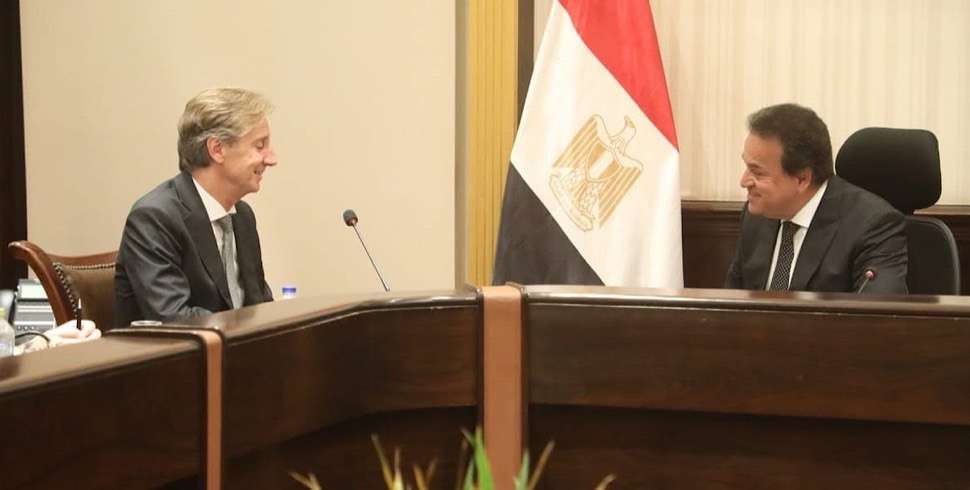
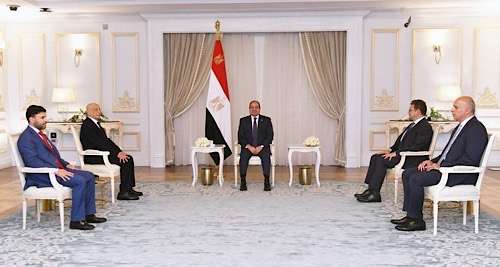
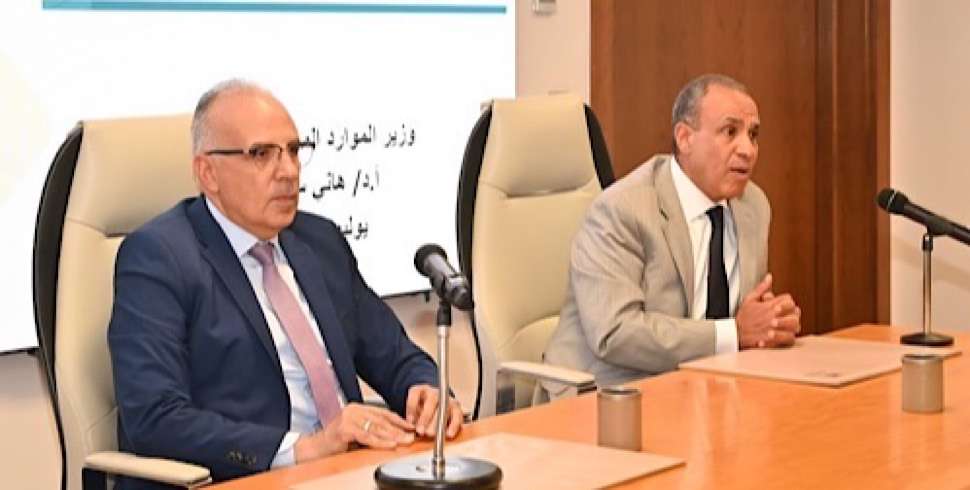
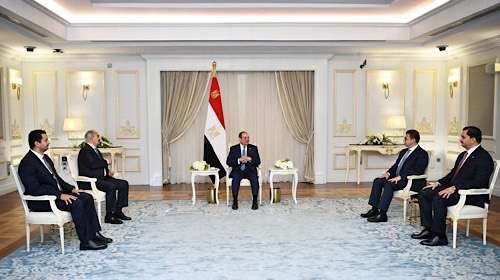
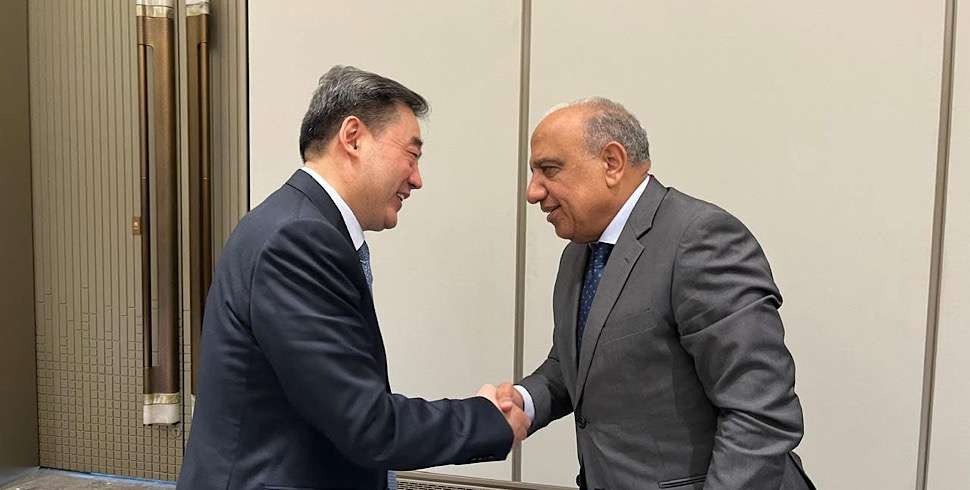
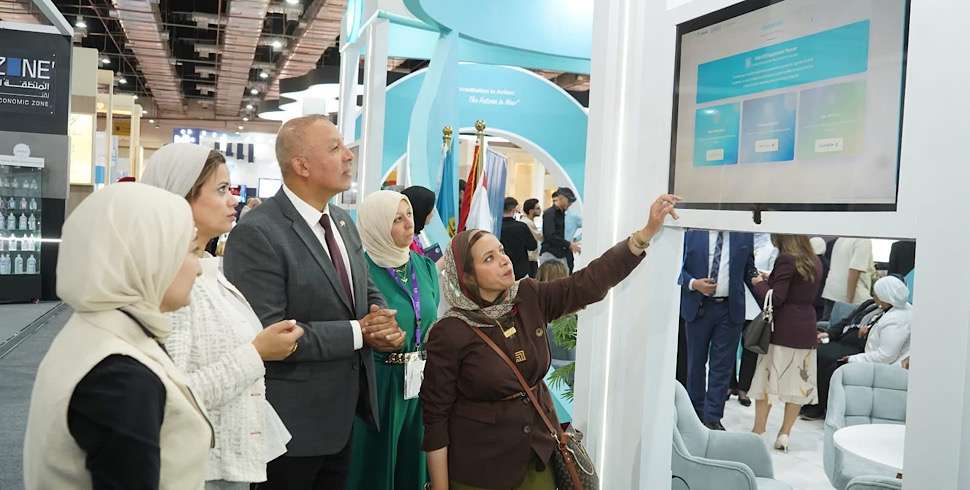
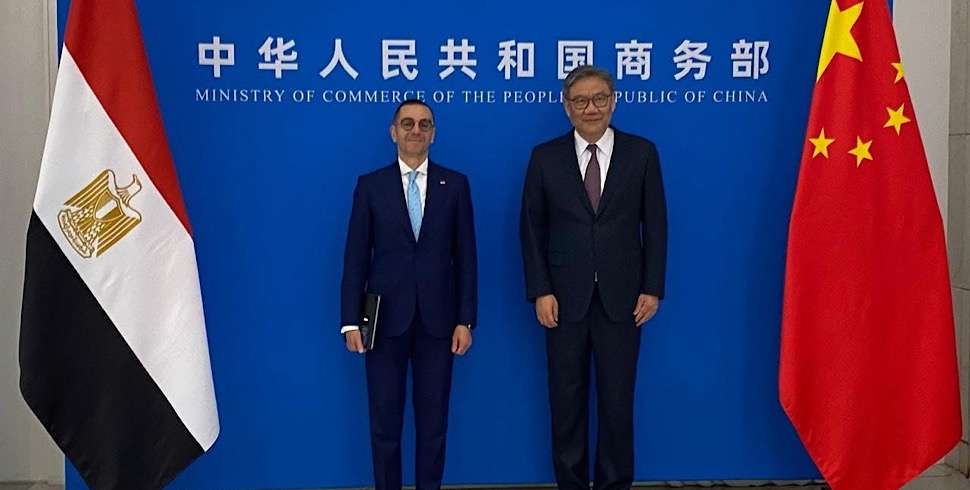
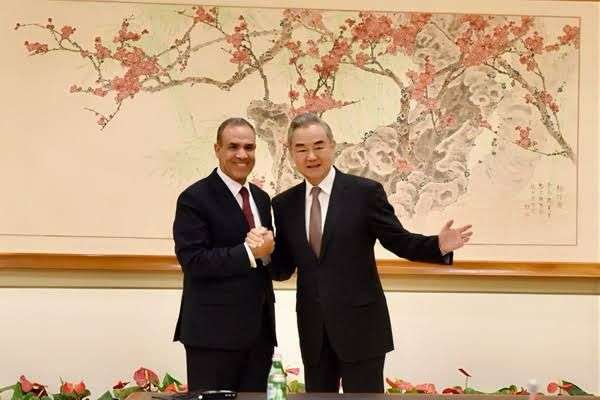
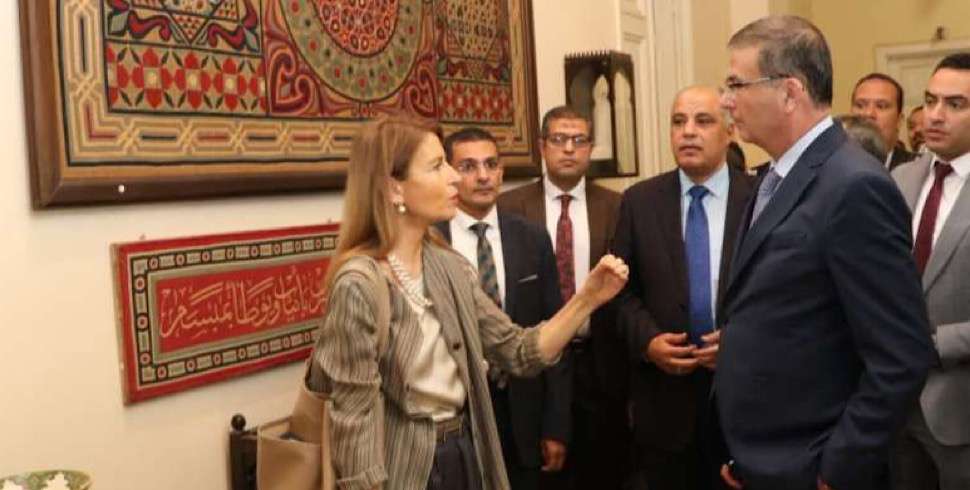
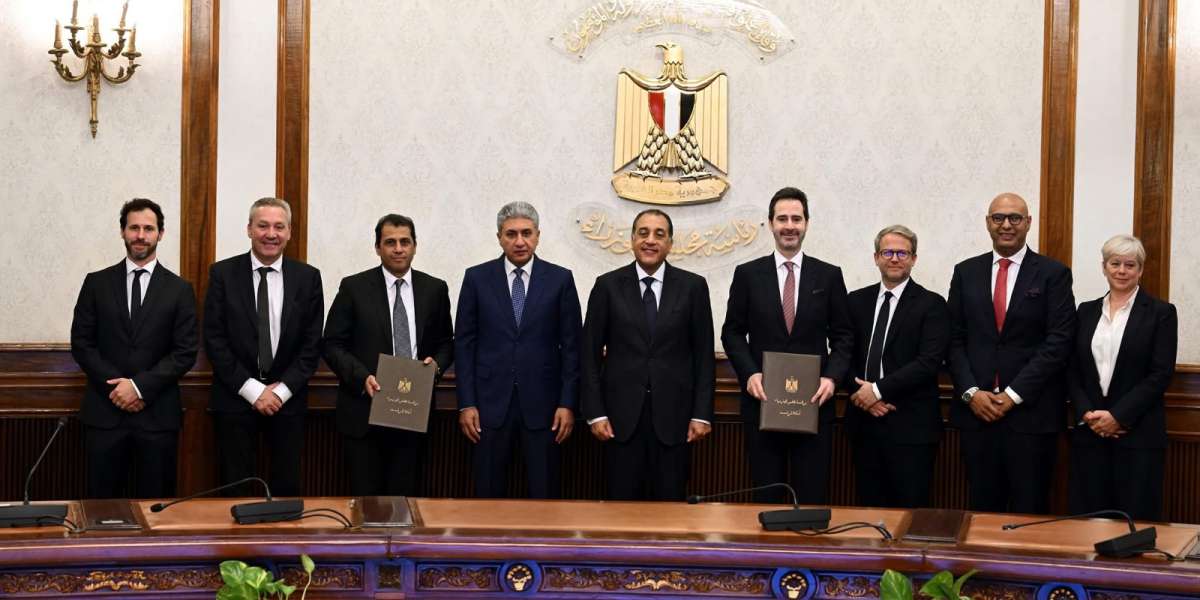
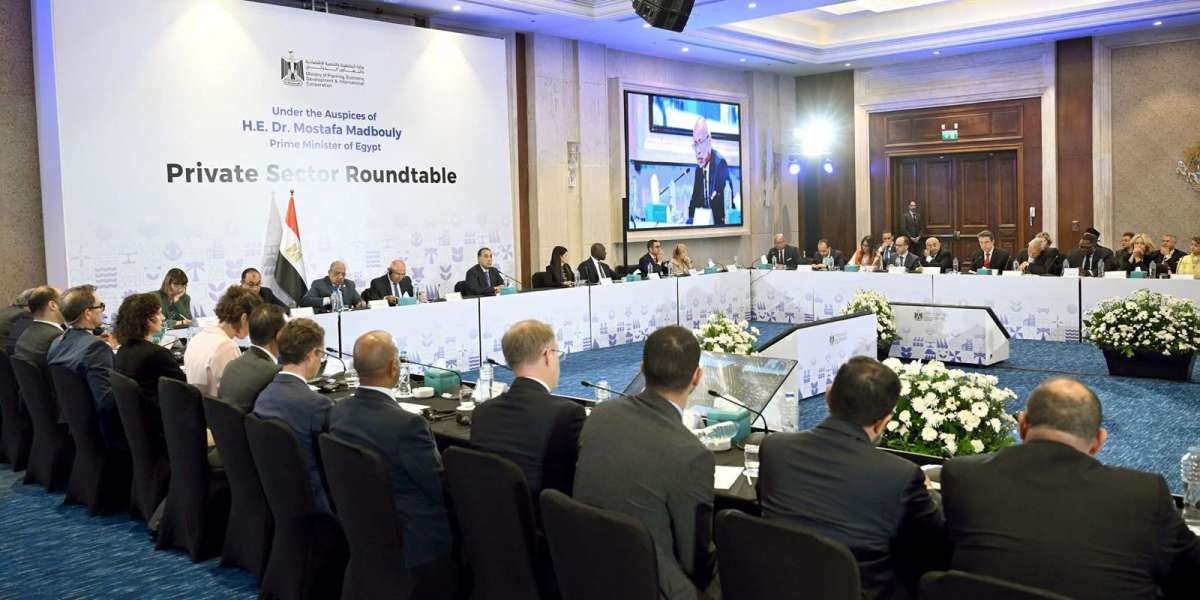
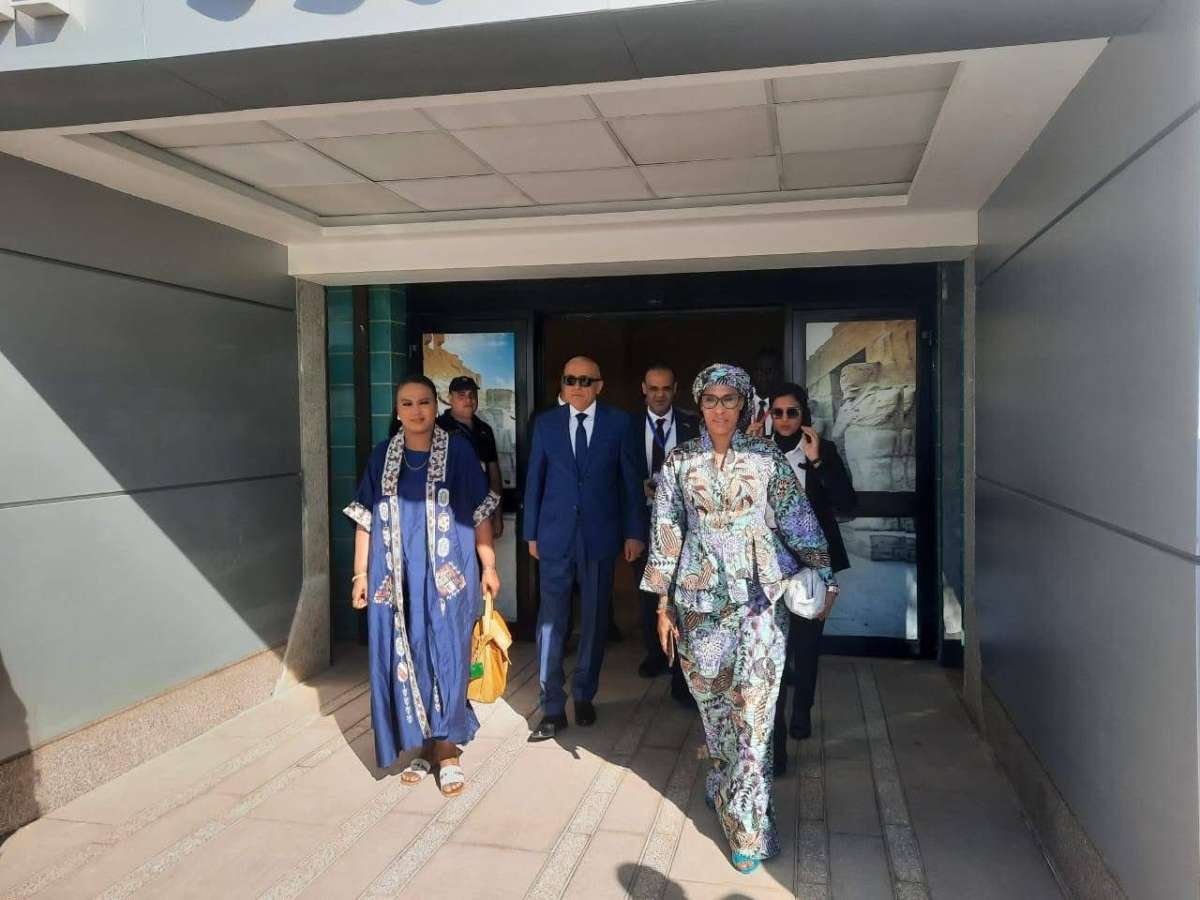
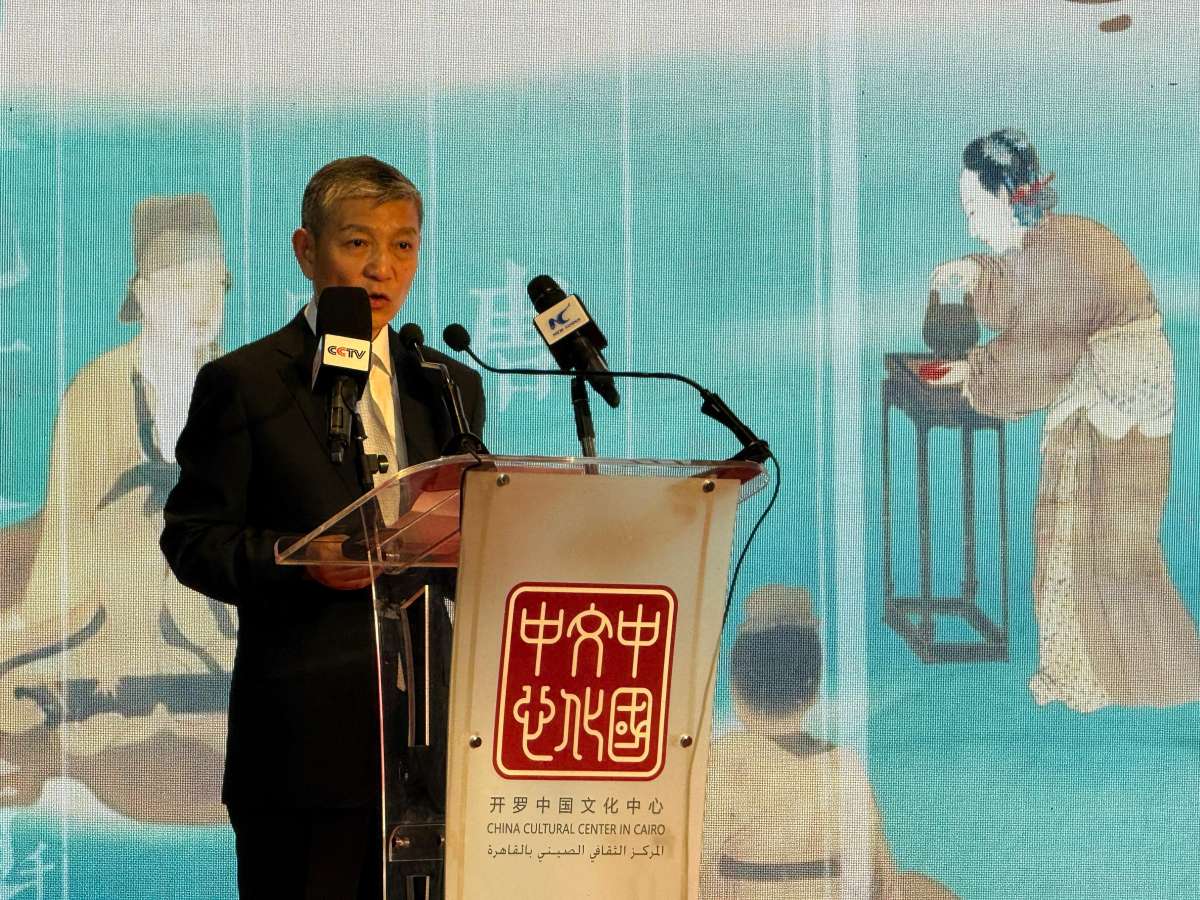
Attendees included leaders from Egypt’s antiquities and heritage sectors, and a high-level Chinese delegation led by Mr. Li Yong, Secretary of the Communist Party Committee in Fuling, alongside the Chinese Cultural Counselor in Cairo and other officials.
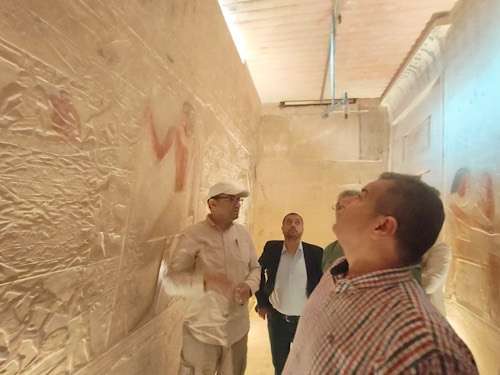
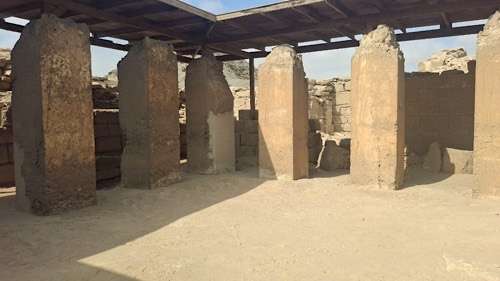
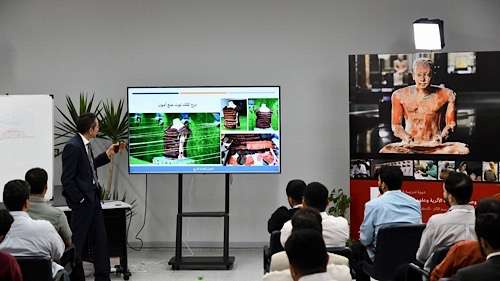
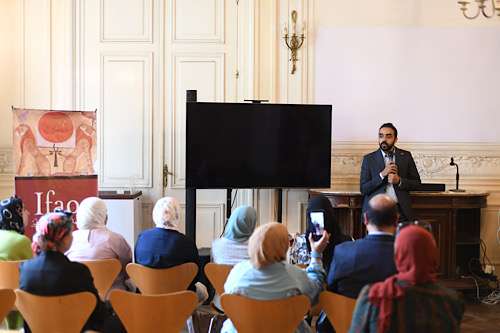
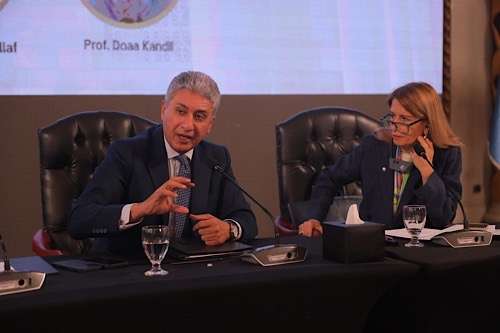
Presentations covered each site’s geographic, architectural, and historical features; conservation status; and management and visitor plans. Dr. Ahmed Rahema, Egypt’s Assistant Minister of Tourism and Antiquities, highlighted the fascinating evolution of Nilometers over the centuries and their parallels with Baiheliang, which has been on the UNESCO tentative list since 2008. Both sites are prized for their excellent state of preservation and valuable insights into ancient methods of water measurement.
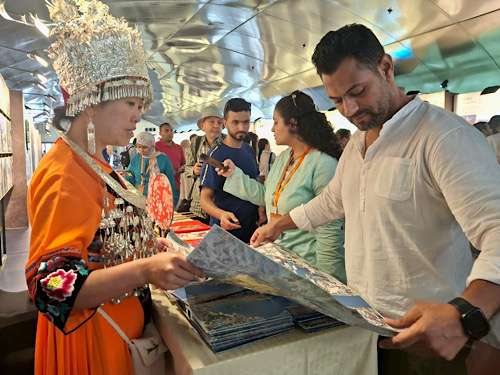
Chinese representatives outlined the distinctive character and economic vitality of Fuling, as well as the Baiheliang nomination’s progress. The meeting concluded with both sides reviewing timelines and remaining steps needed to submit the official application to the UNESCO World Heritage Committee.
The initiative stands as a heartening example of global partnership and shared human heritage, reflecting both countries’ dedication to preserving history for future generations.