














































































































































































































































































































































































































































































































































































































































































































































































































































































































































































































































Friday, 09 October 2026
 A shopping cart is seen in a supermarket as inflation affected consumer prices in Manhattan, New York City, U.S., June 10, 2022. REUTERS/Andrew Kelly/ File Photo
WASHINGTON (Reuters) - U.S. consumer prices increased less than expected in May as cheaper gasoline partially offset higher housing costs, but inflation is expected to accelerate in the coming months on the back of the Trump administration's import tariffs.
The report from the Labor Department on Wednesday also showed underlying price pressures muted last month. Economists say inflation has been slow to respond to President Donald Trump's sweeping tariffs as most retailers are selling merchandise accumulated before the import duties took effect.
Walmart last month said it would start raising prices in late May and June. Inflation was also being curbed by slower price rises for rents and declining airline fares. The Federal Reserve is expected to keep interest rates unchanged next week, with financial markets growing more optimistic of a resumption in monetary policy easing in September.
"This report is another indicator that, before tariffs and economic uncertainty, we were well on our way to inflation falling back to target and that the main impediment to future progress is tariff-related price increases," said Daniel Hornung, a senior fellow at MIT.
The Consumer Price Index (CPI) increased 0.1% last month after rising 0.2% in April, the Labor Department's Bureau of Labor Statistics (BLS) said.
A 0.3% increase in the cost of shelter, mostly rents, was the main driver of the rise in the CPI. Food prices rebounded 0.3% after dipping 0.1% in April. Grocery store prices climbed 0.3%, lifted by strong increases for cereals and bakery products as well as other food consumed at home.
Fruit and vegetable prices also rose, but consumers got a respite with a 2.7% decline in the cost of eggs. Meat, fish, nonalcoholic beverages and dairy products also cost less relative to April. Gasoline prices dropped 2.6%.
In the 12 months through May, the CPI advanced 2.4% after gaining 2.3% in April. Economists polled by Reuters had forecast the CPI climbing 0.2% last month and increasing 2.5% year-on-year.
In addition to pre-tariffs inventory, economists say an uncertain demand environment was likely making some businesses hesitant to raise prices. Most economists expect inflation to heat up through the second half of the year and believe companies will raise prices incrementally to avoid a price shock for consumers and attracting the attention of the White House.
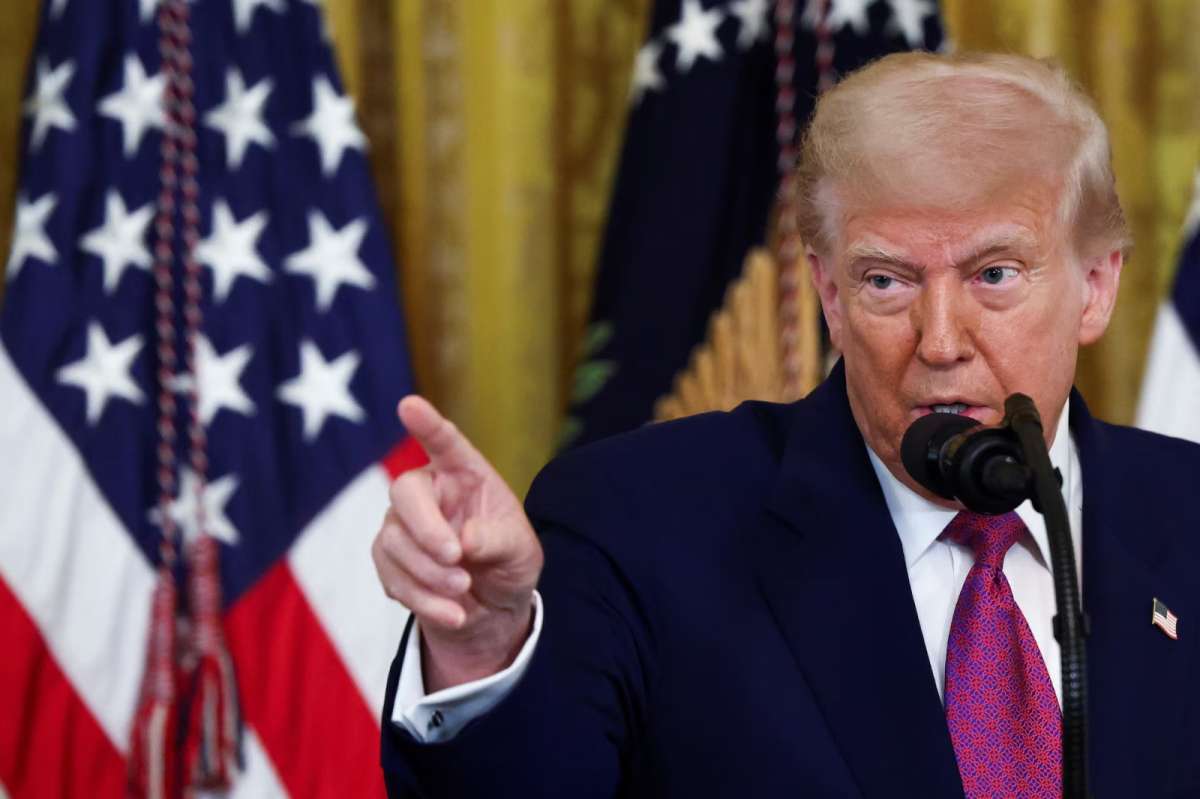
Trump last month told Walmart to "eat the tariffs" instead of raising prices. The administration has maintained that the duties, which are a tax, were paid by the exporting countries.
Excluding the volatile food and energy components, the CPI gained 0.1% after rising 0.2% in April. Shelter costs rose 0.3%, with owners' equivalent rent increasing 0.3%. But the cost of hotel and motel rooms eased 0.1%.