



























































































































































































































































































































































































































































































































































































Friday, 09 October 2026
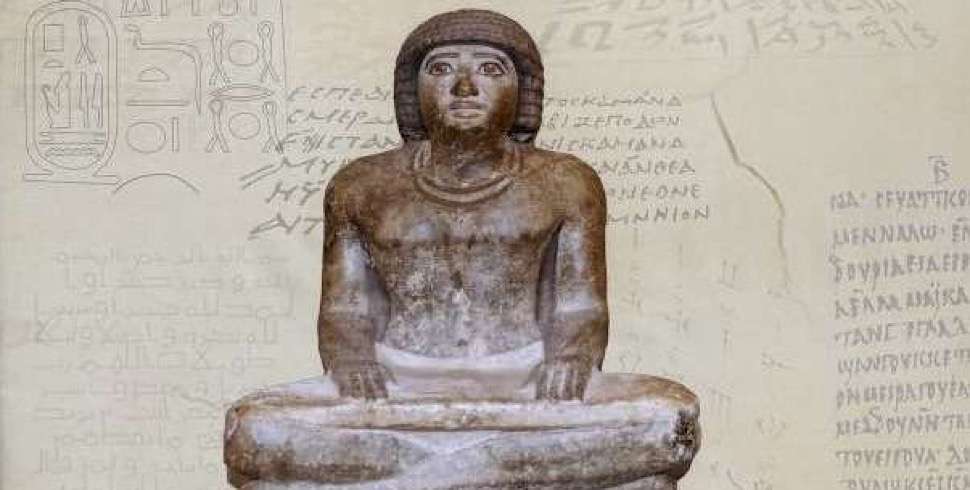
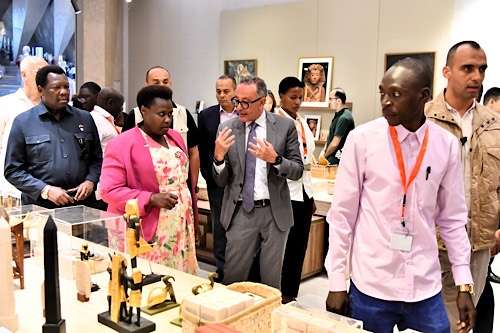
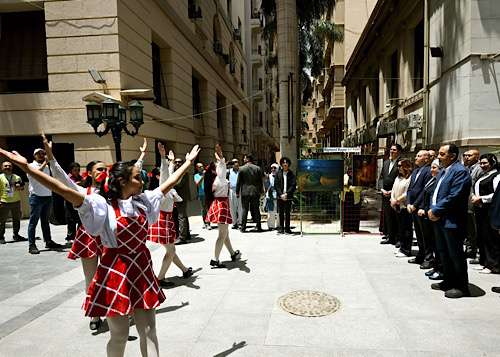
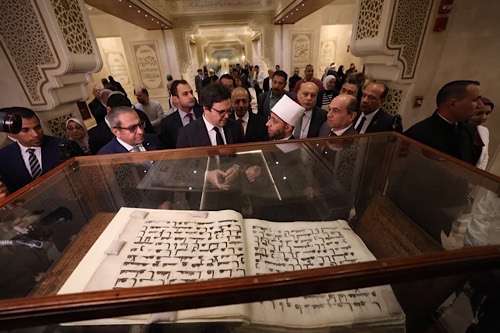
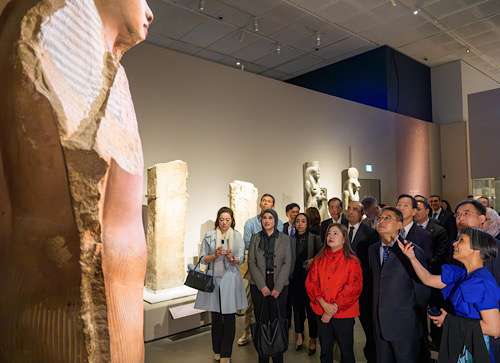
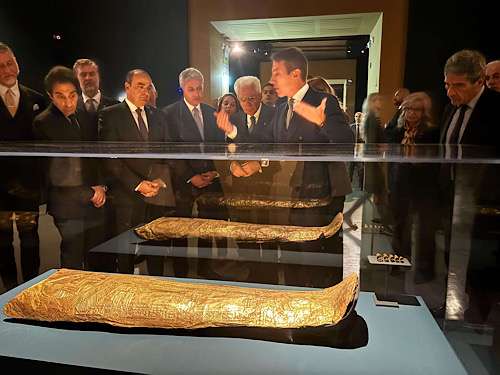
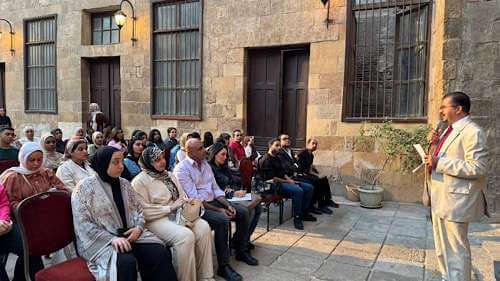
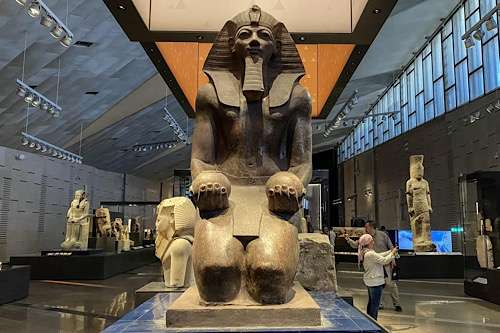
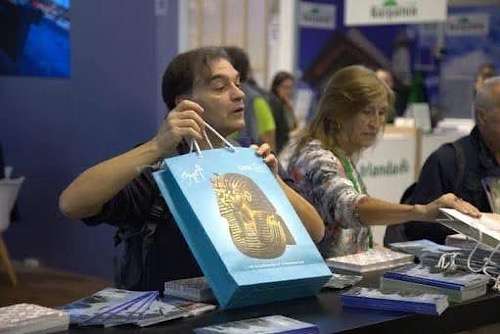
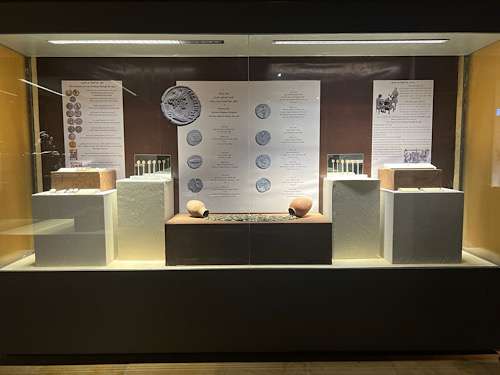
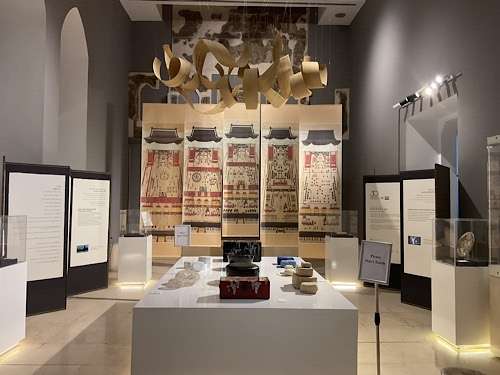
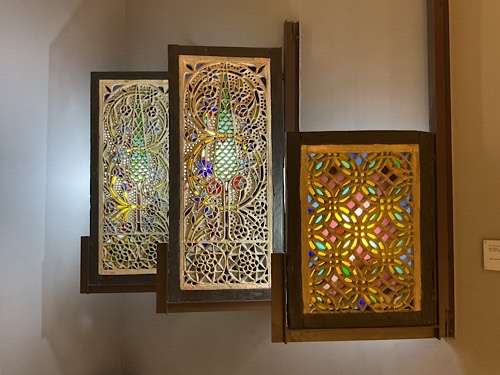
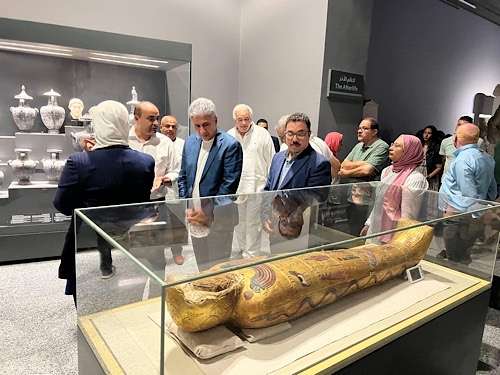
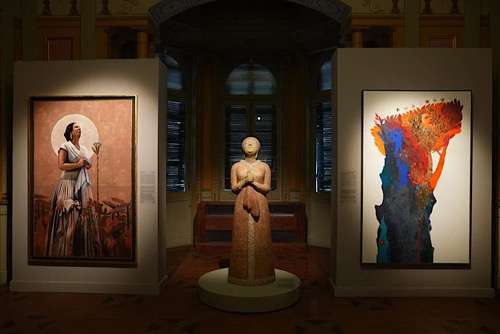
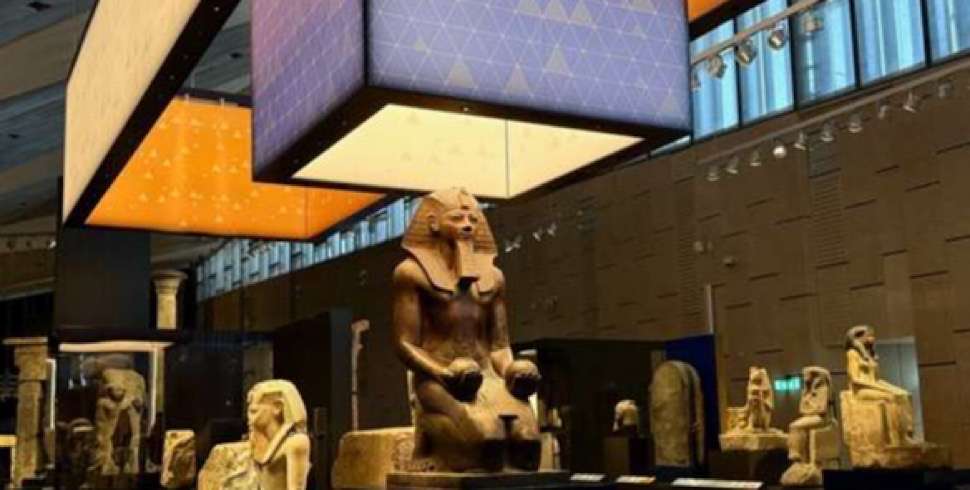
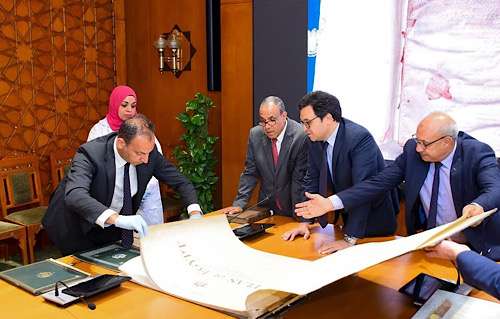
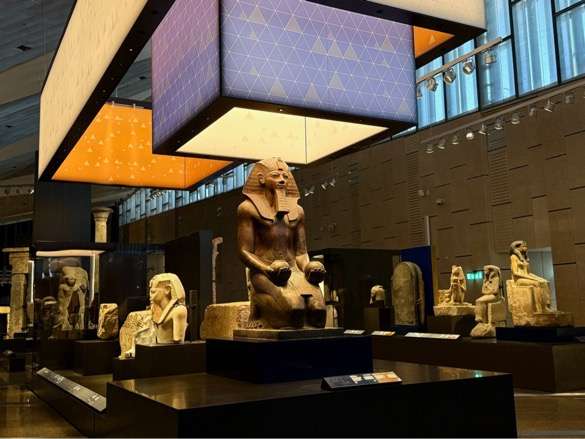
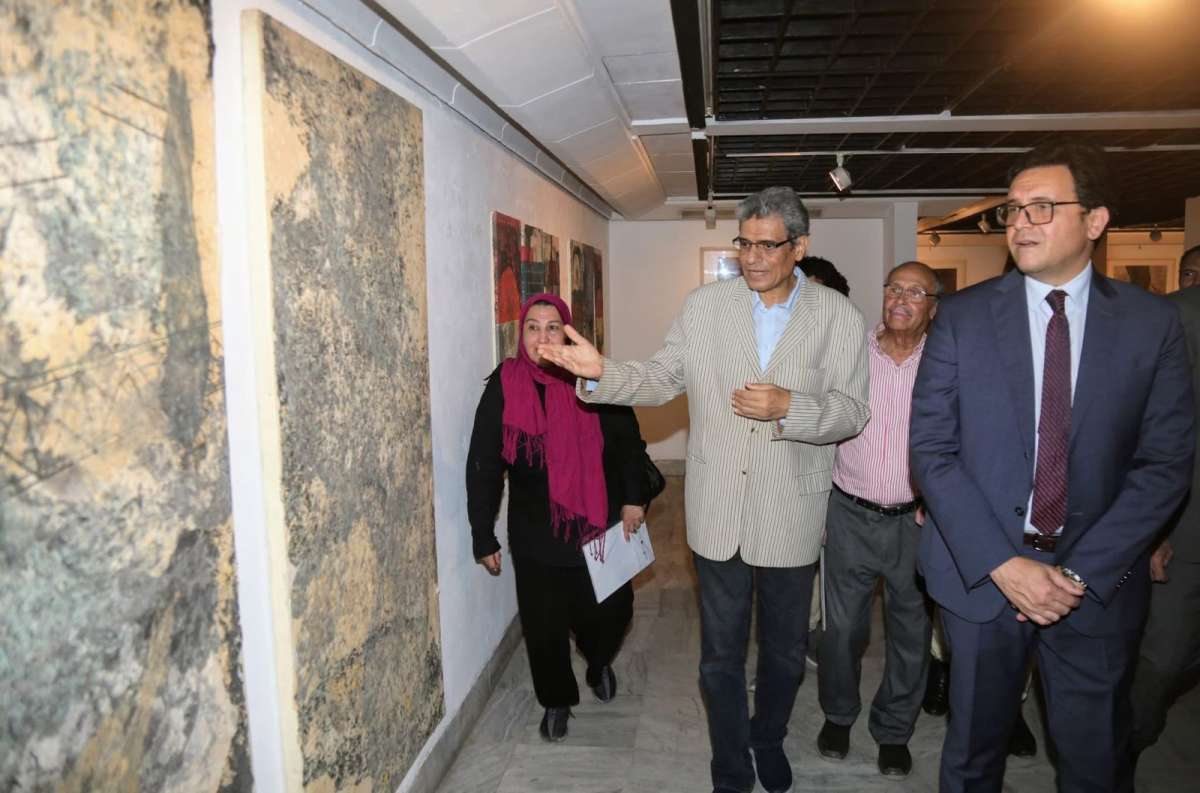
The Egyptian Museum in Tahrir, Cairo is inviting visitors to experience a remarkable journey through the world of ancient Egyptian writing.
The temporary exhibition, “Writing and Calligraphy in Egypt: A Journey from Ancient Inscriptions to Elegant Script”, brings to life the creativity, innovation, and multicultural exchanges that shaped Egypt’s iconic written heritage.
The language of diplomacy and discovery
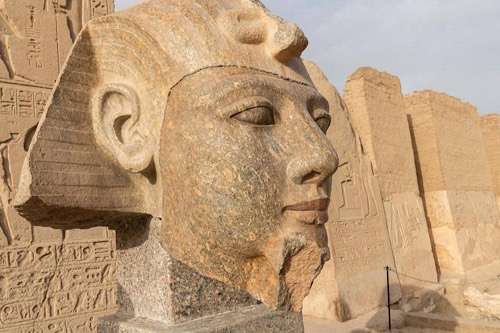
Since the dawn of Egyptian civilization, communication beyond borders was vital. As Egypt expanded its trade, diplomacy, and military horizons, interpreters and translators became key figures. Their work was instrumental during milestone moments, such as drafting the celebrated Egyptian-Hittite peace treaty under Ramses II. Translators not only enabled trade and military cooperation with distant regions like Nubia, Punt, the Levant, and the Aegean, but were also cultural ambassadors. They opened doors to the exchange of ideas, customs, and wisdom, enriching both Egypt and its neighbors.
The evolution of Egyptian writing
Egyptian written language is one of humanity’s great achievements. The exhibition traces its changing forms:
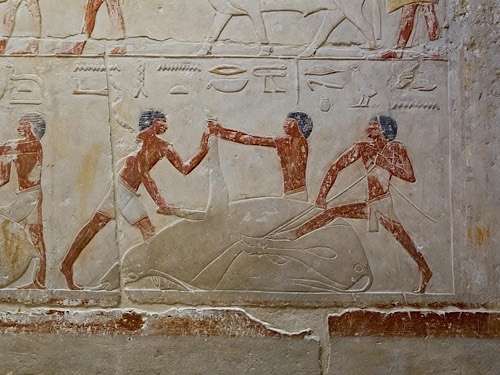
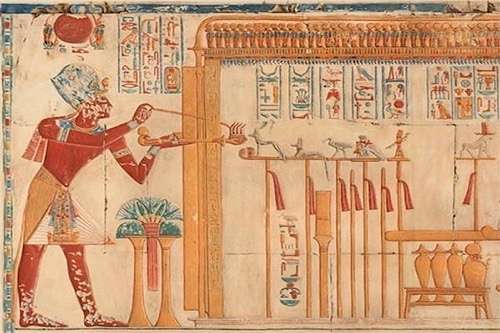
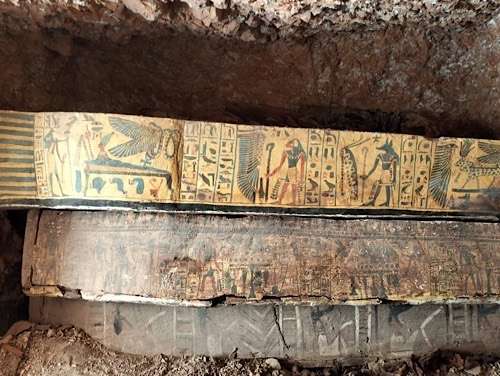
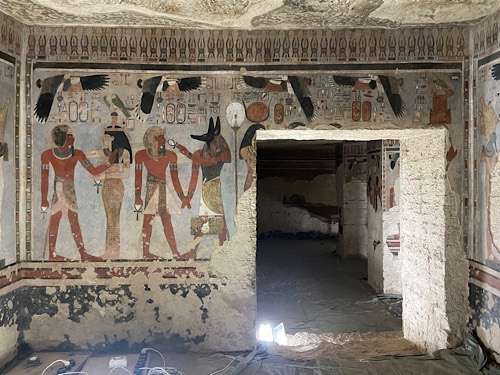
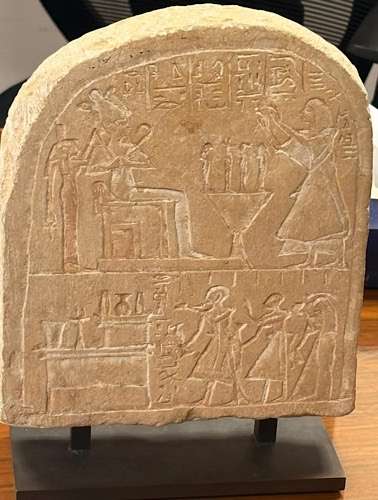
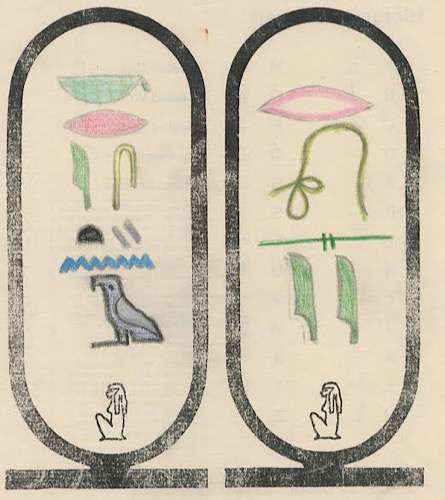
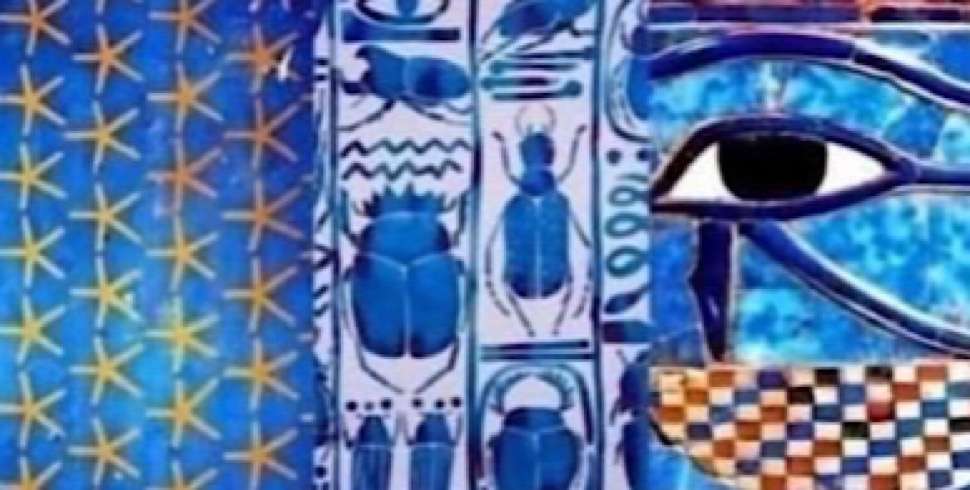
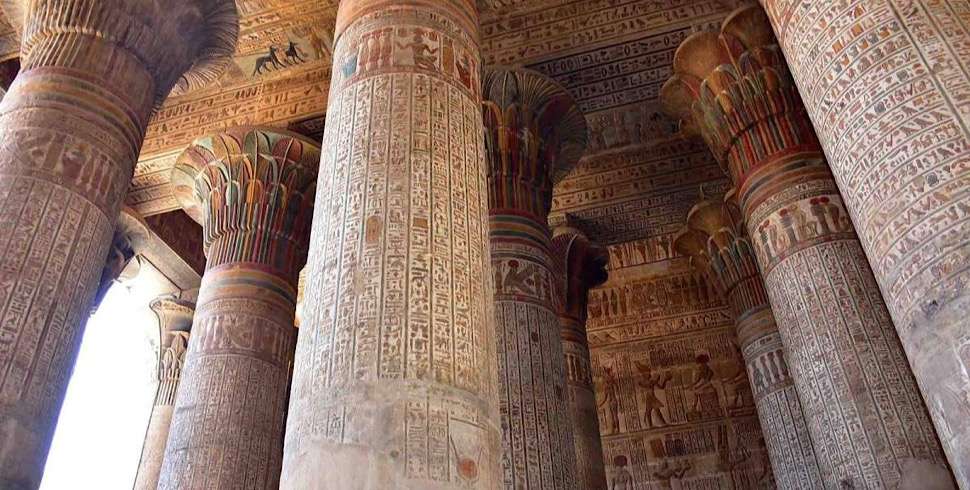
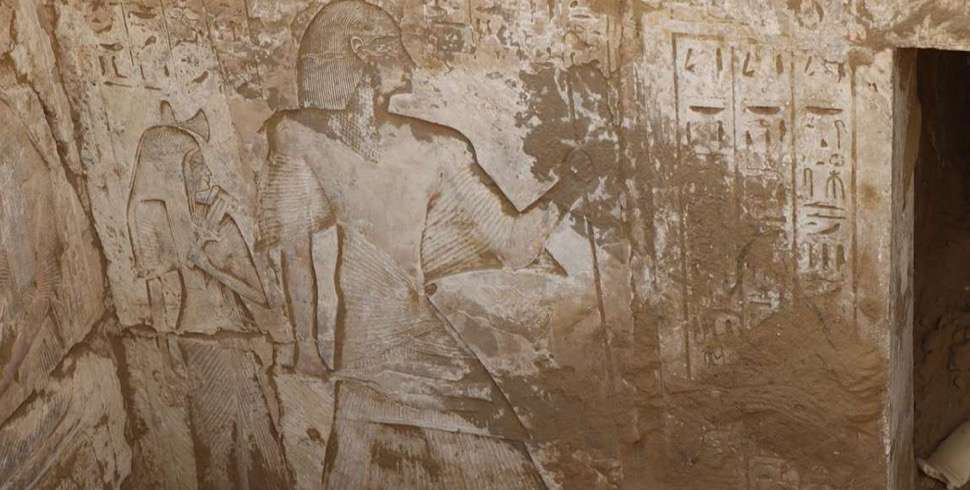
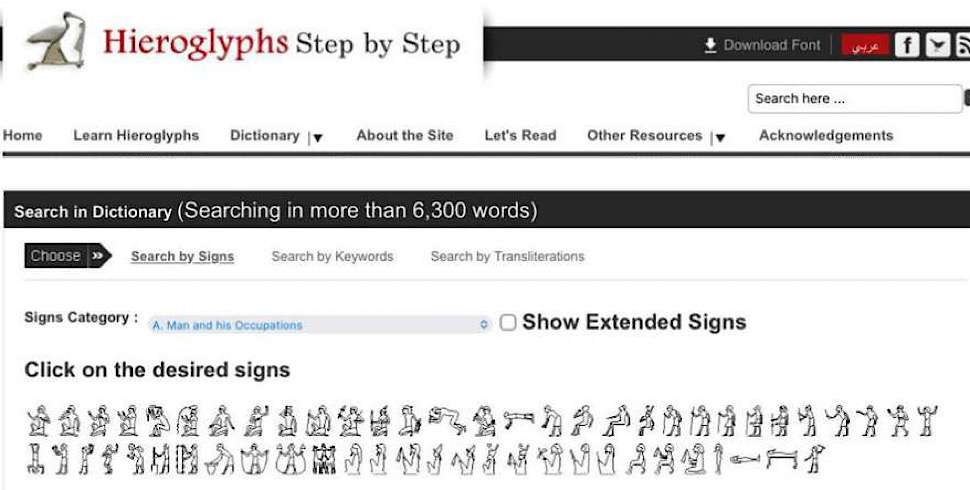
Hieroglyphic was the earliest and most iconic script of ancient Egypt. It used symbolic images to represent words and sounds. These beautiful and precise inscriptions decorated temples and monuments, recording prayers, historical events, and royal decrees.
Hieratic was a practical, cursive version of hieroglyphs. It was created for everyday use on papyrus and pottery. This script allowed for faster writing and was essential for administration, record-keeping, and literature.
Demotic developed from hieratic. This highly abbreviated script became known as the “people’s writing” and was widely used for legal, commercial, and later, literary texts.
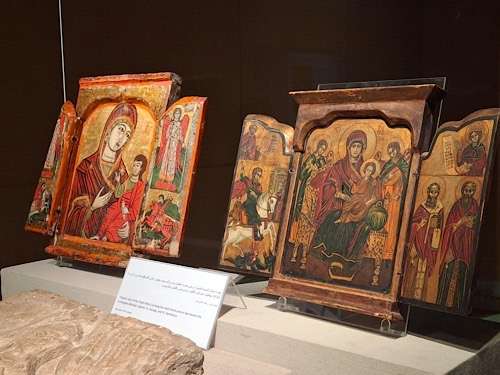
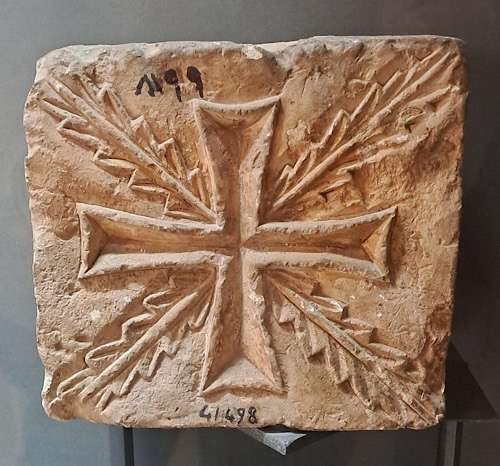
Coptic was the final stage of the ancient Egyptian language. It was written mostly with the Greek alphabet, but also included some demotic characters. Coptic became prominent with the arrival of Christianity and is still used today in the liturgy of the Coptic Orthodox Church.
A highlight of the exhibition is the Rosetta Stone, which famously carries the same message in hieroglyphic, demotic, and Greek. This trilingual key unlocked the mysteries of ancient Egypt for modern scholars.
Rare artifacts and ancient stories
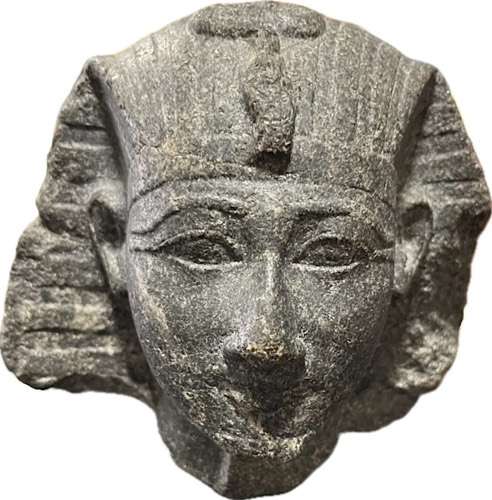
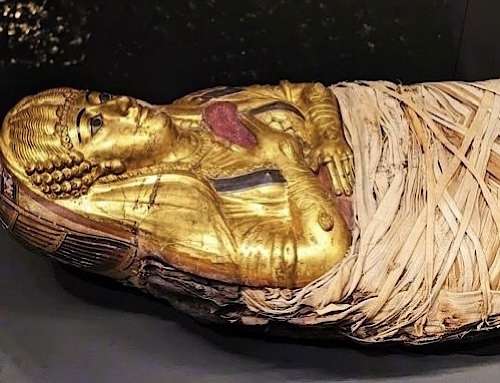
Among the treasures on display the ivory labels of King Narmer, which date back to the early dynasty, are finely carved pieces that show the early use of hieroglyphs. They depict King Narmer protecting the people of the Nile delta.

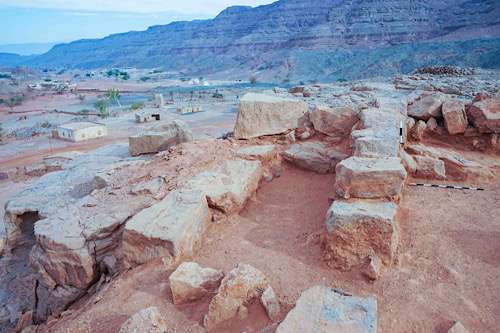
Hieroglyphs eventually led to the development of alphabetic scripts. Rare artifacts with Proto-Sinaitic inscriptions, discovered in the Temple of Hathor in Sinai, demonstrate the early transition toward the world’s first true alphabet. This development later influenced the creation of Phoenician, Aramaic, and Arabic scripts. Notable examples include a sandstone block statue from Serabit el-Khâdim inscribed with Proto-Sinaitic script, as well as a monumental wall fragment that also bears these early alphabetic marks.


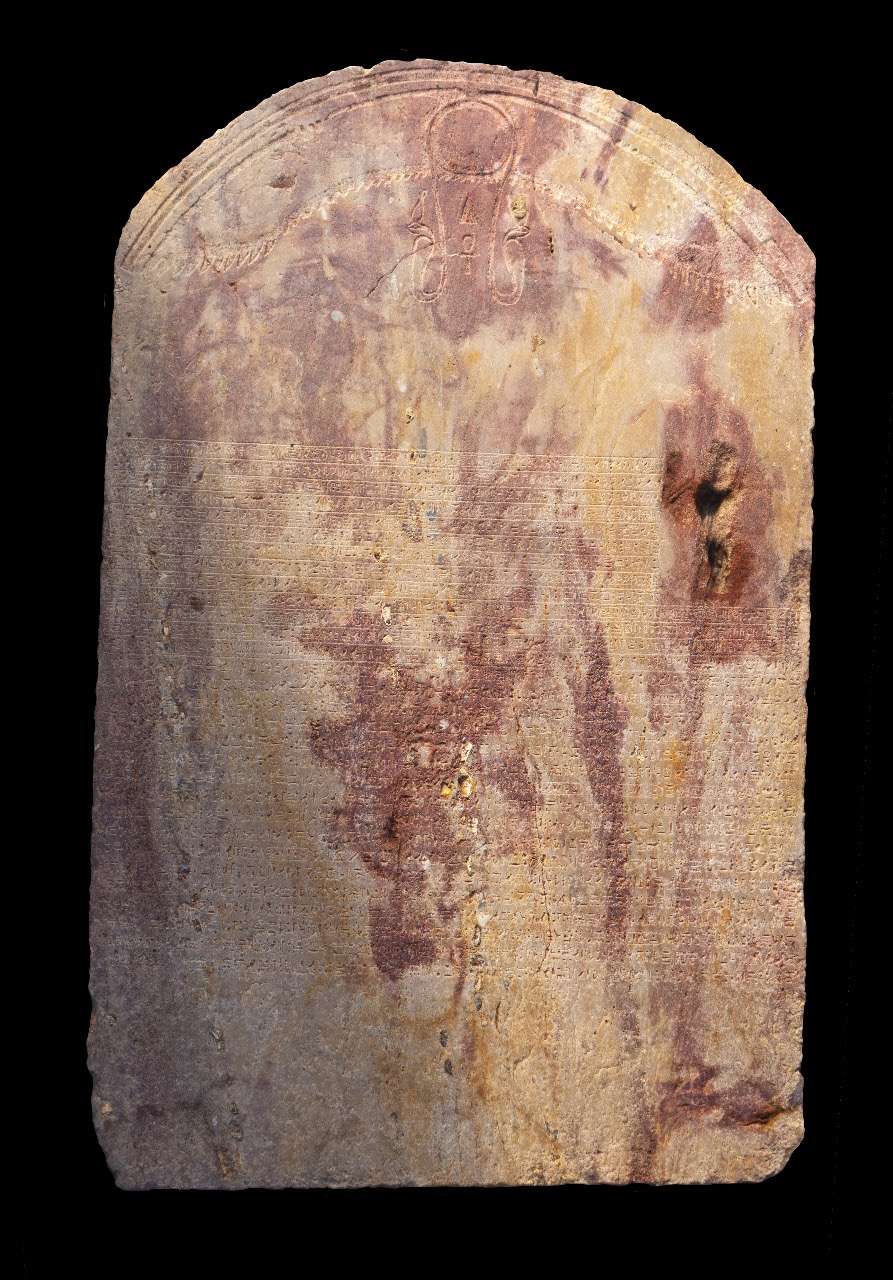
The Raphia Decree of Ptolemy IV, created in 217 BCE, is an impressive trilingual stone monument. It expresses gratitude to the king for a military victory and clearly shows the blending of Egyptian and Greek cultures.
Keepers of knowledge: The scribes
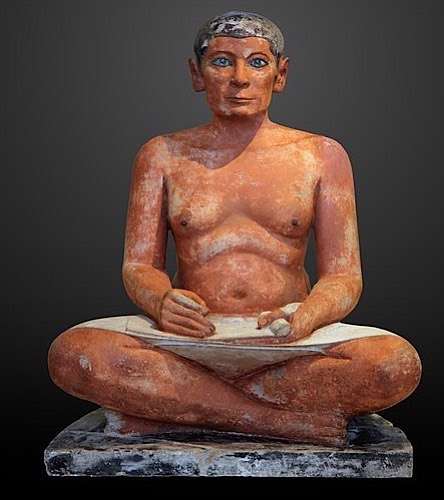
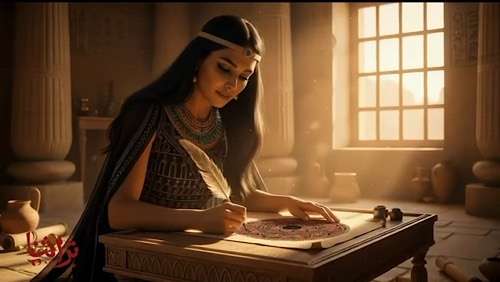
In ancient Egypt, scribes were revered intellects—the bridge between state, society, and the divine. Mastery of writing brought status and influence, as scribes recorded administrative, religious, and literary works. Their artistry and discipline are celebrated throughout the exhibition, with displays of their reed pens, ink palettes, and papyrus scrolls. These tools were the linchpins of Egyptian civilization’s enduring legacy.
Coptic: language of heritage
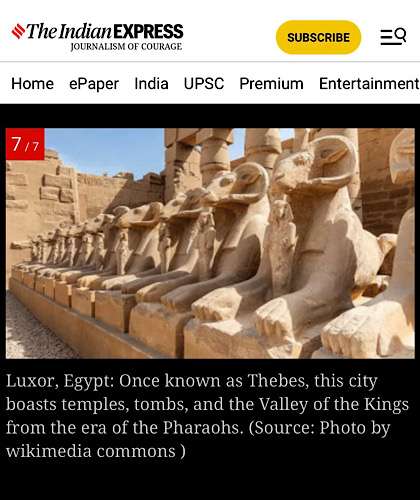
The exhibition also explores the rich tapestry of Coptic language and script. While modern linguists debate whether Coptic is a direct descendant or a new phase, its unique blend of Greek letters and local symbols forms a distinct bridge to Egypt’s Christian heritage. Coptic remains alive in church liturgy and among communities—such as the villagers of Zineyah, Luxor—whose dialect echoes centuries of tradition.

The exhibition is being held in Hall 43 until July.