


































































































































































































































































































































































































































































Friday, 09 October 2026
Recent statements by Israeli Prime Minister Benjamin Netanyahu alluding to the idea of a “Greater Israel” have triggered a wave of official condemnation and public outcry across the Arab world.
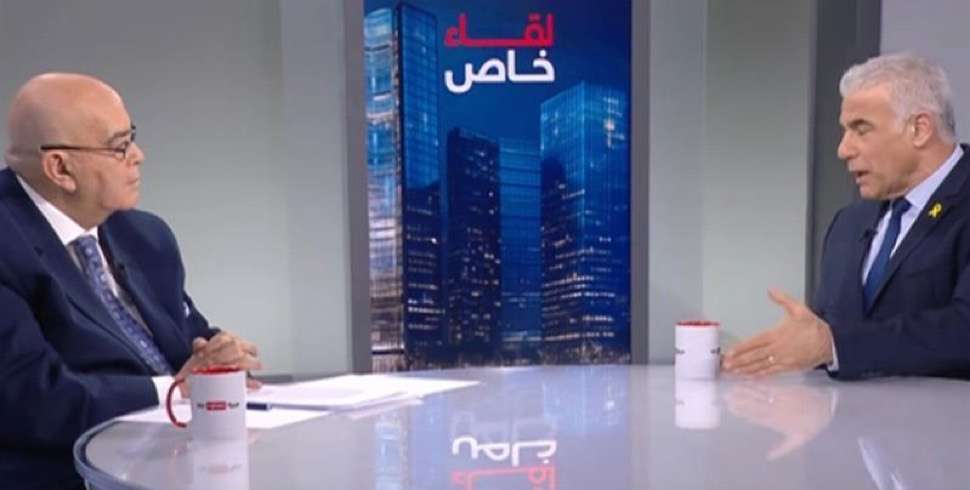
The controversy broke out following an interview aired on Israel’s i24 news channel in which Netanyahu described his premiership as a “historic and spiritual mission for the Jewish people.”
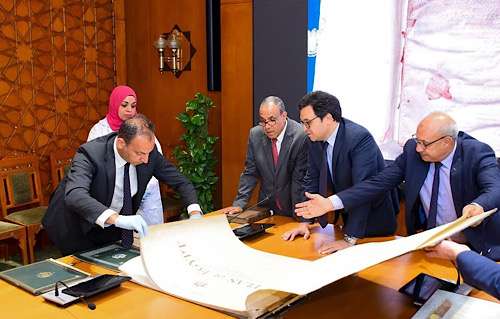
During the segment, he was presented with a symbolic token, a map depicting what is often referred to as “Greater Israel,” a concept that is historically associated with Israeli control extending far beyond its internationally recognised borders.
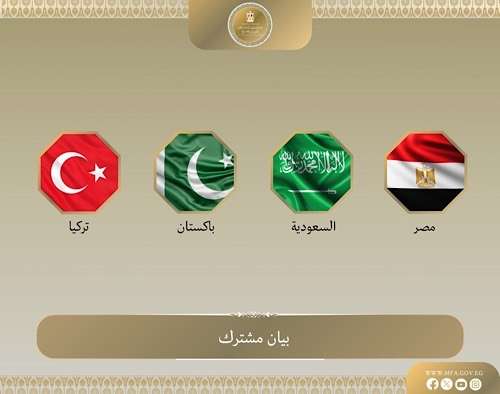
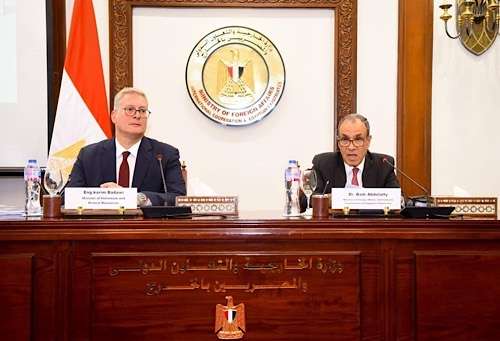
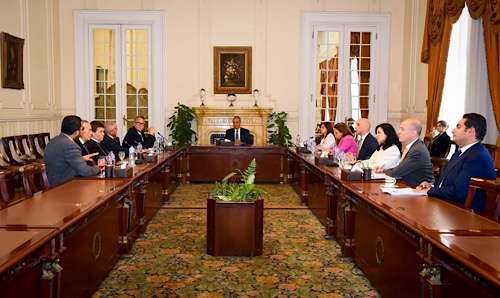
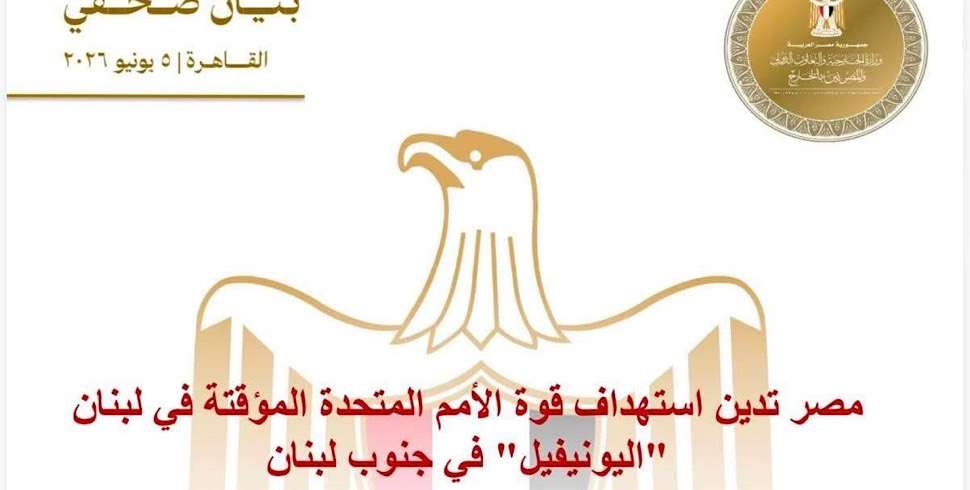
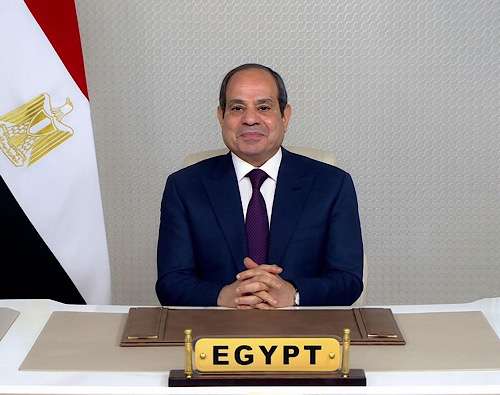
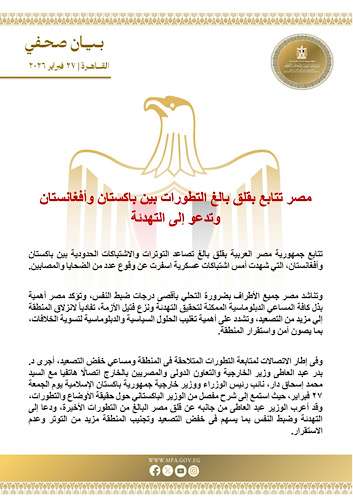
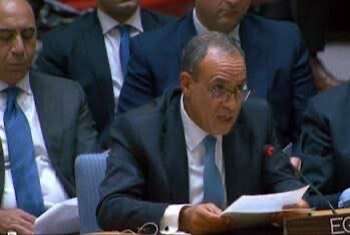
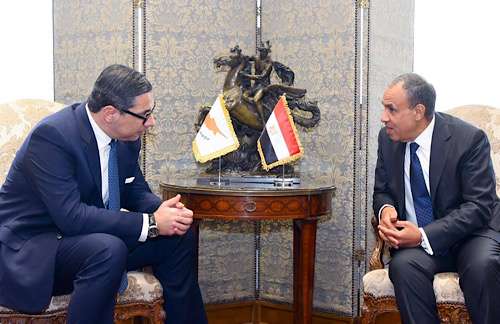
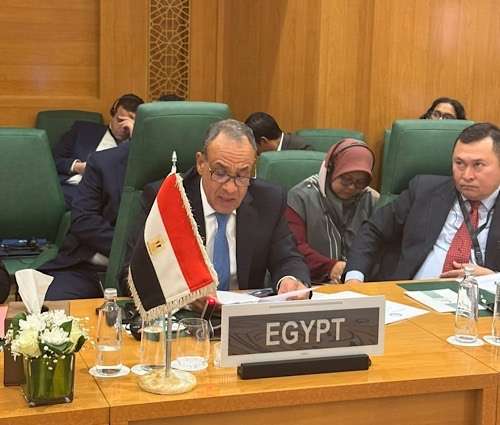
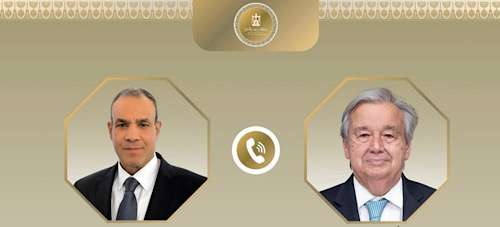
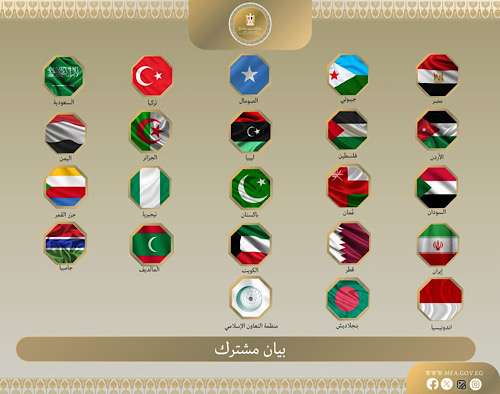
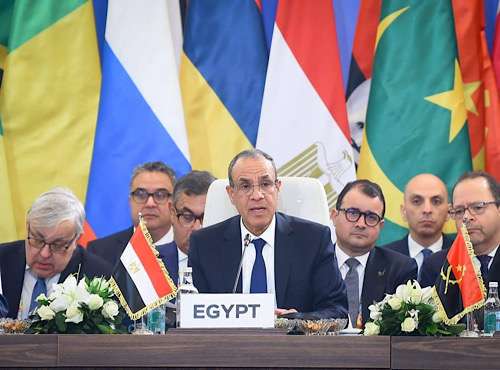
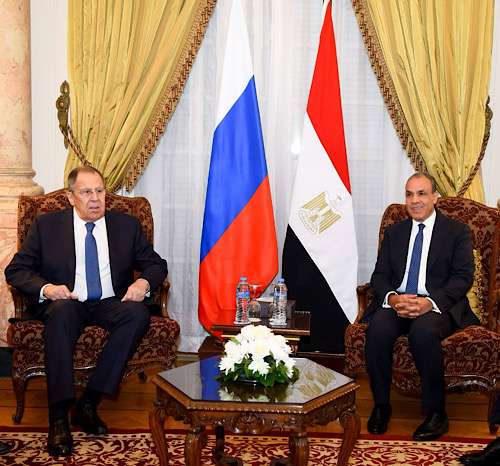
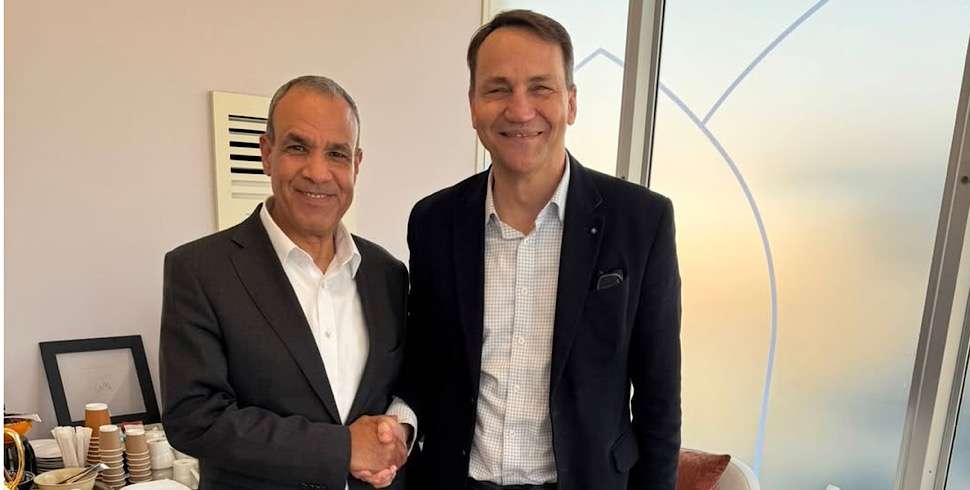
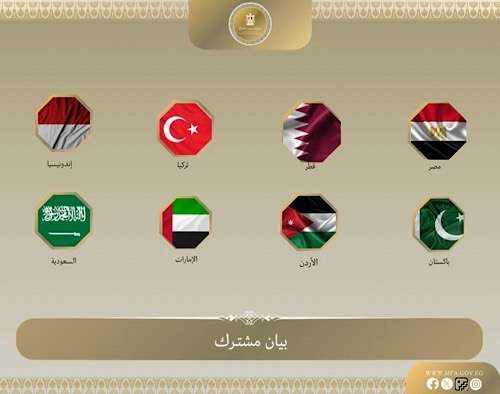
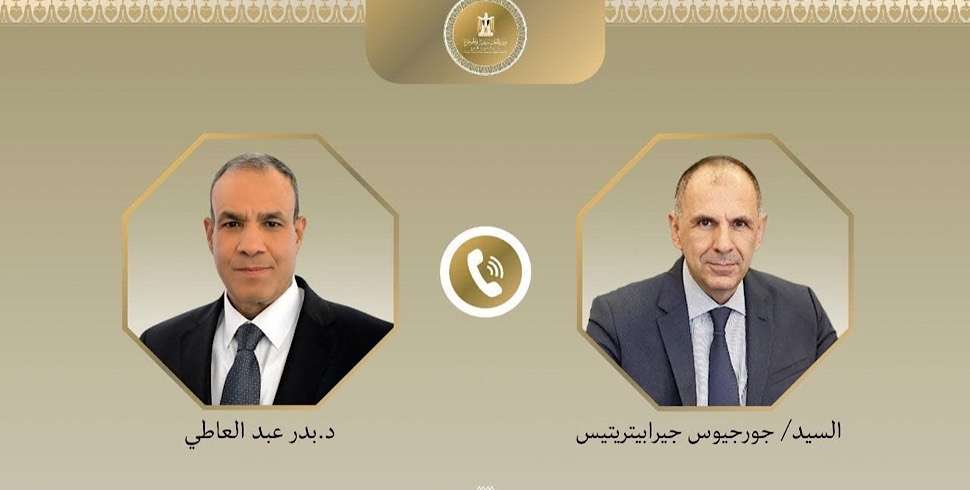
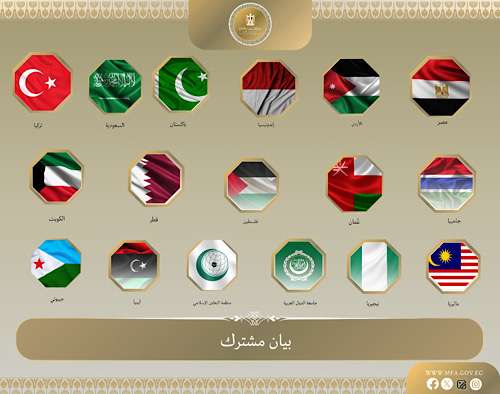
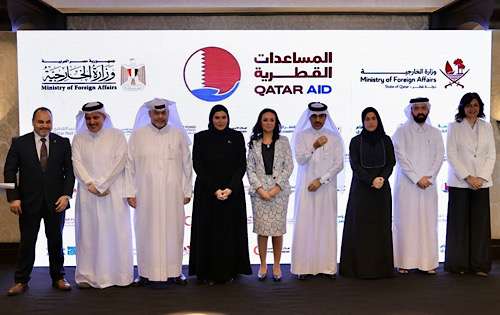
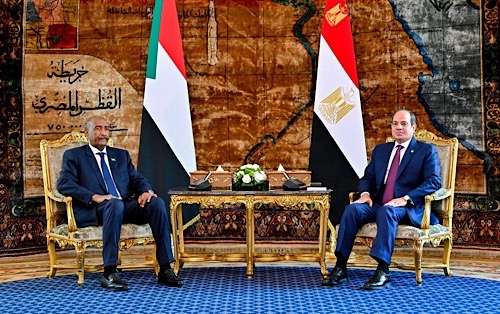
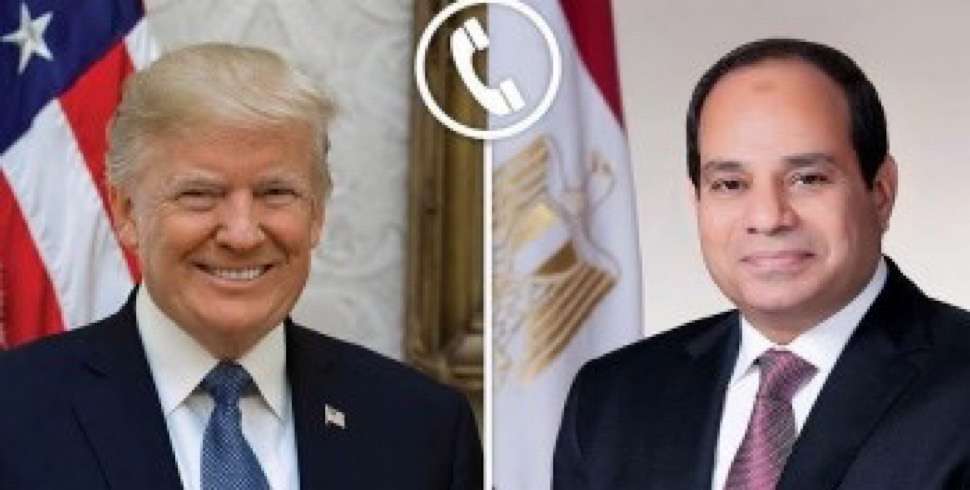
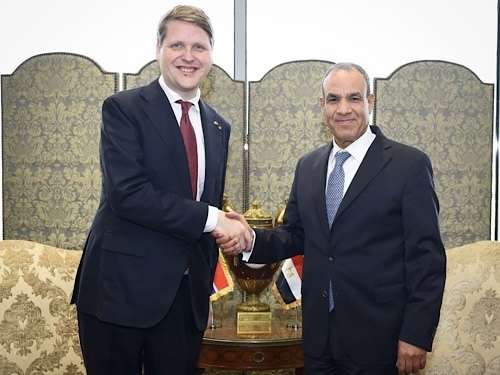
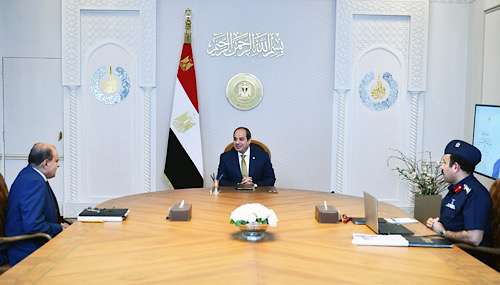
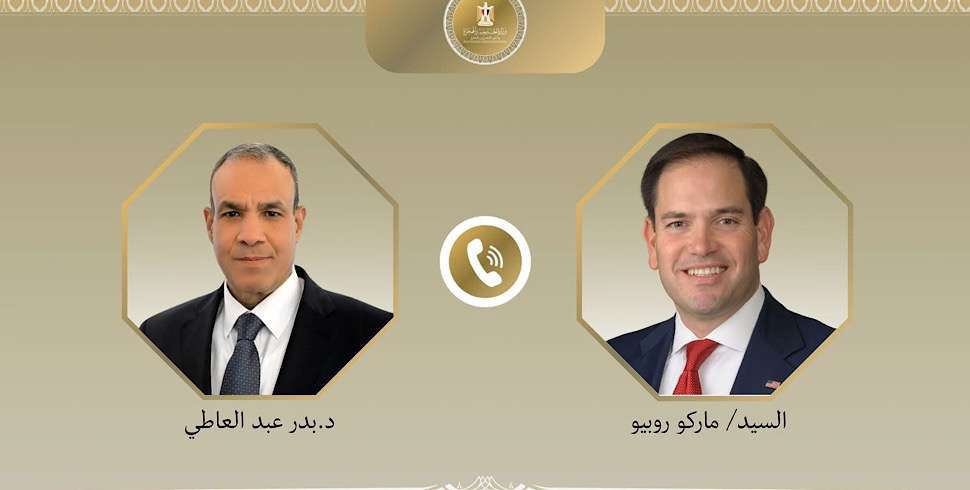
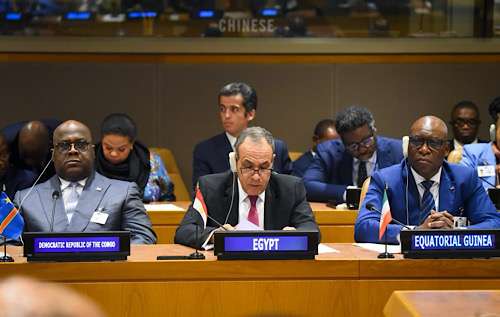
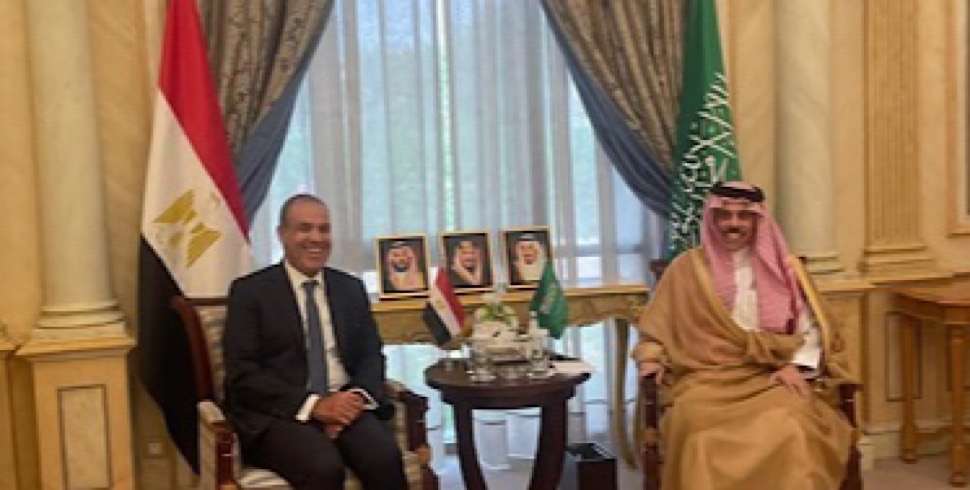
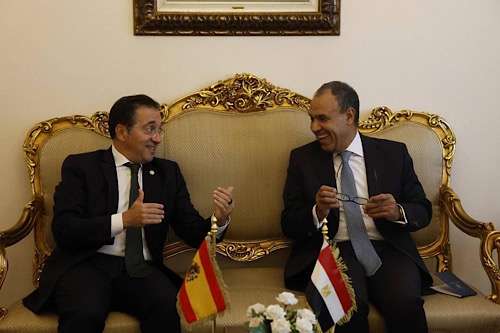
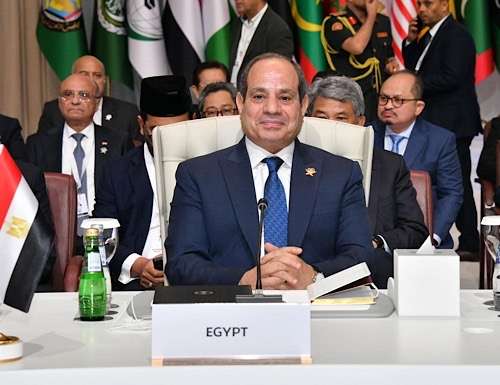
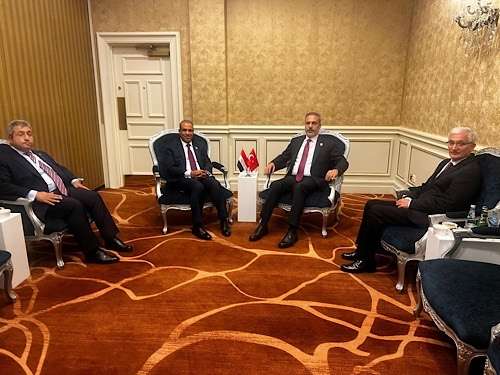
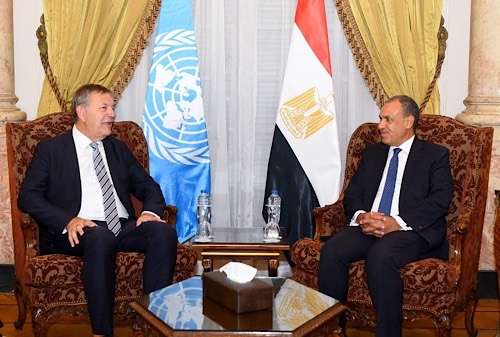
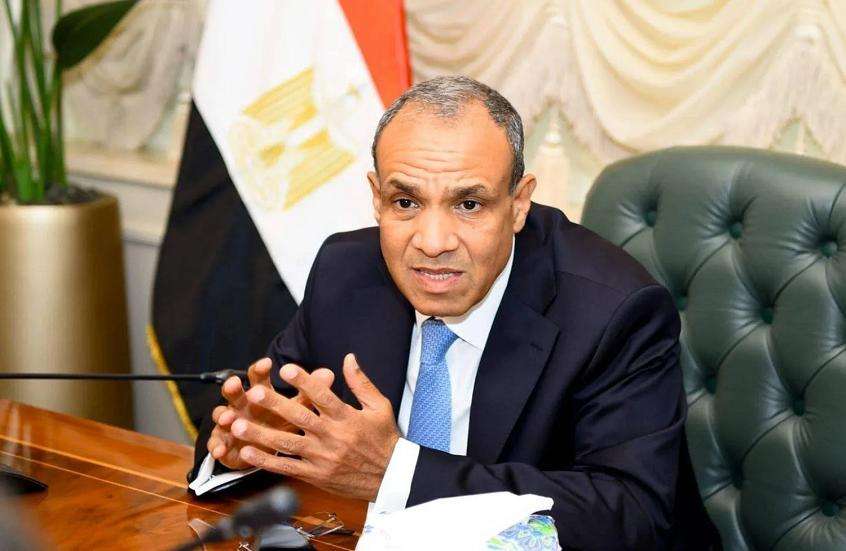
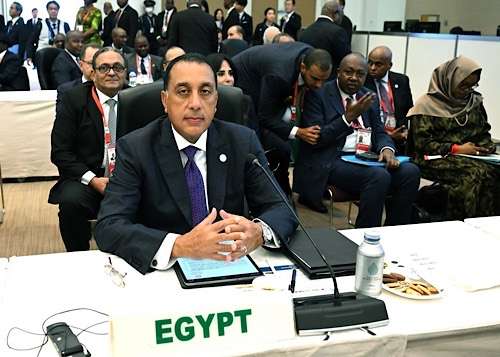
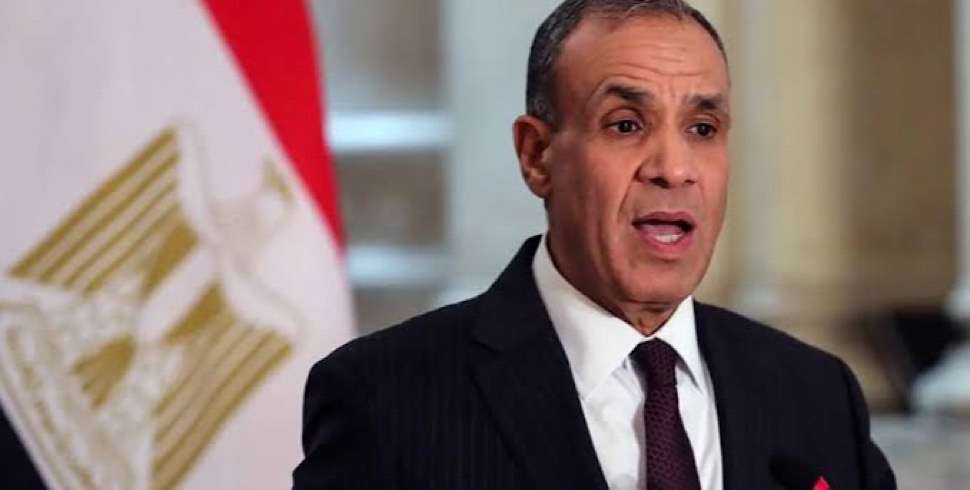
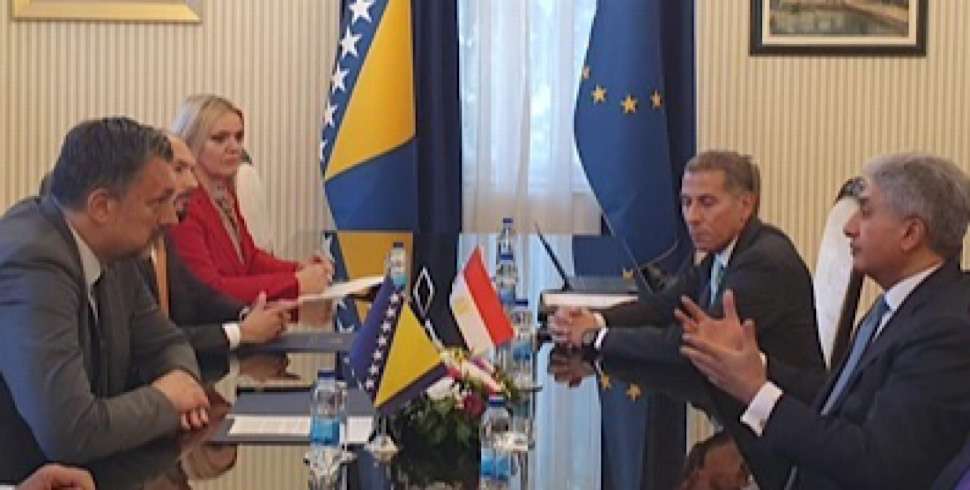
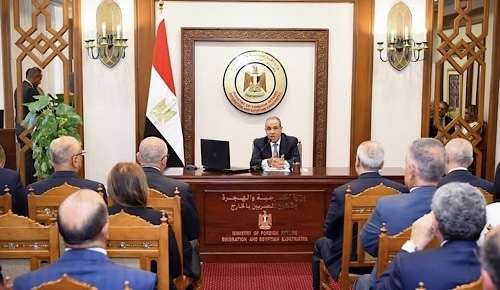
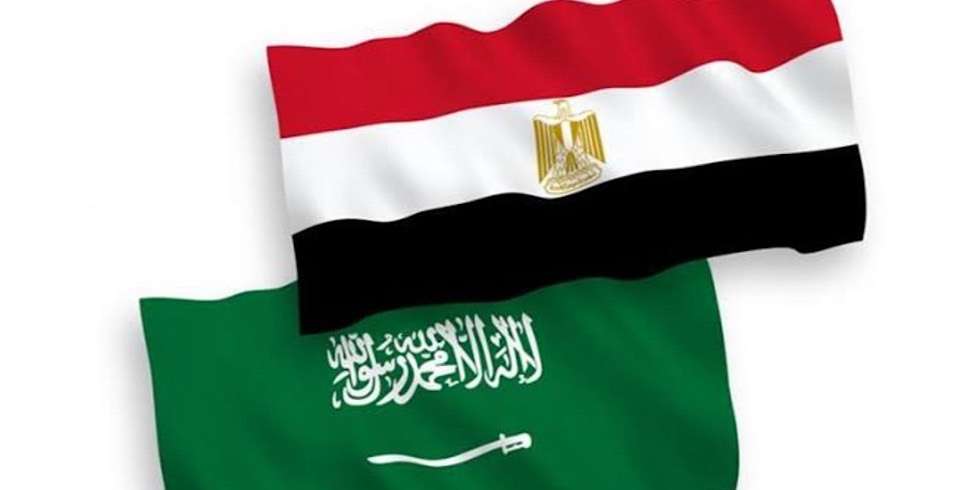
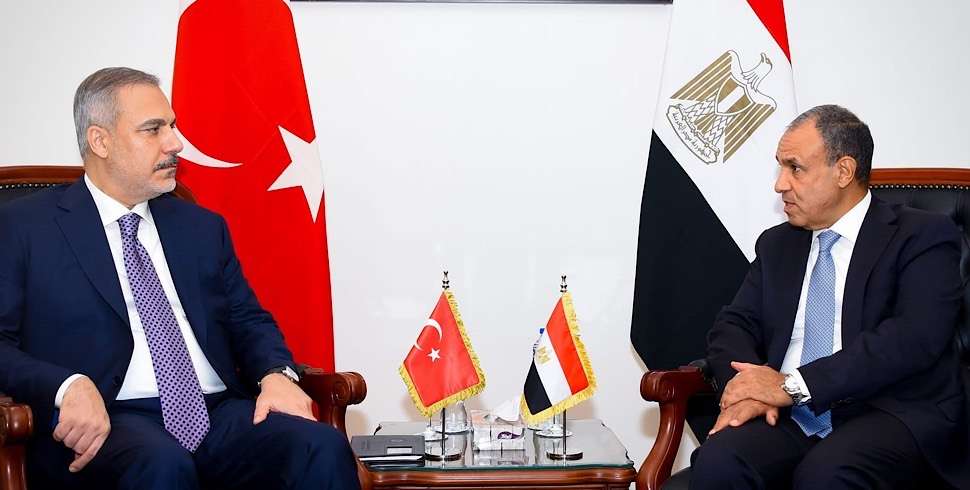
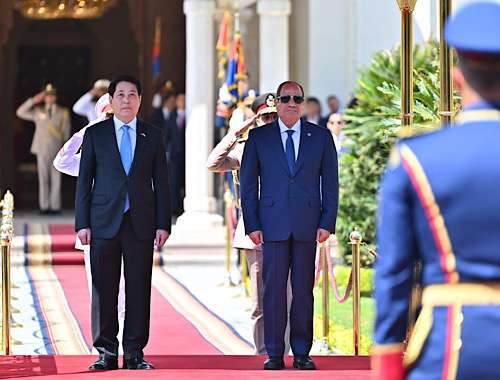
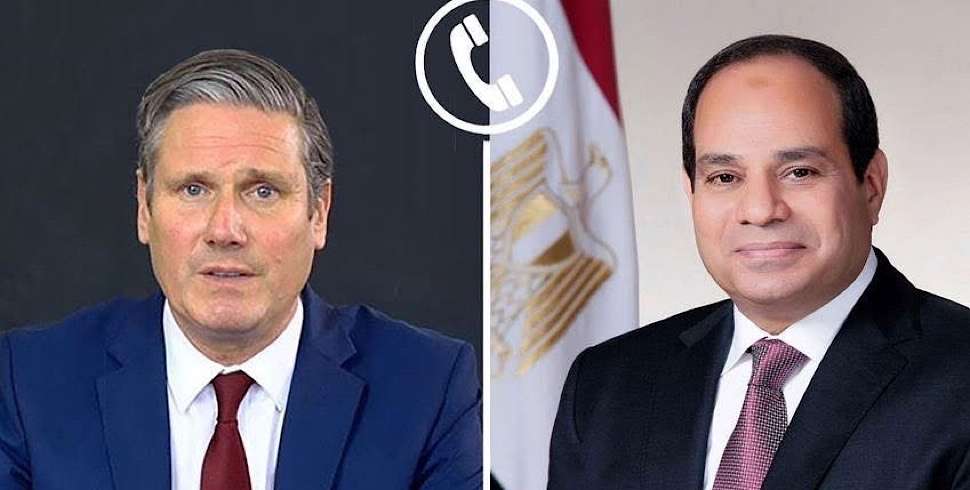
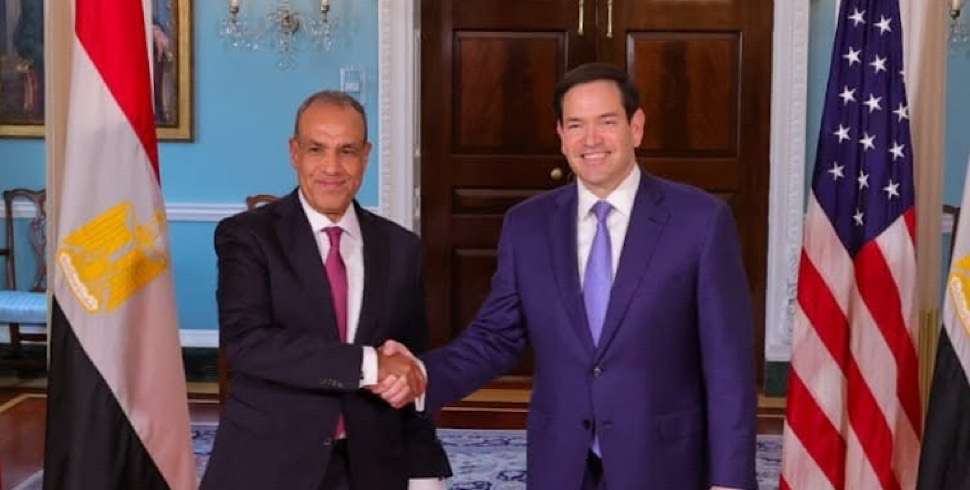
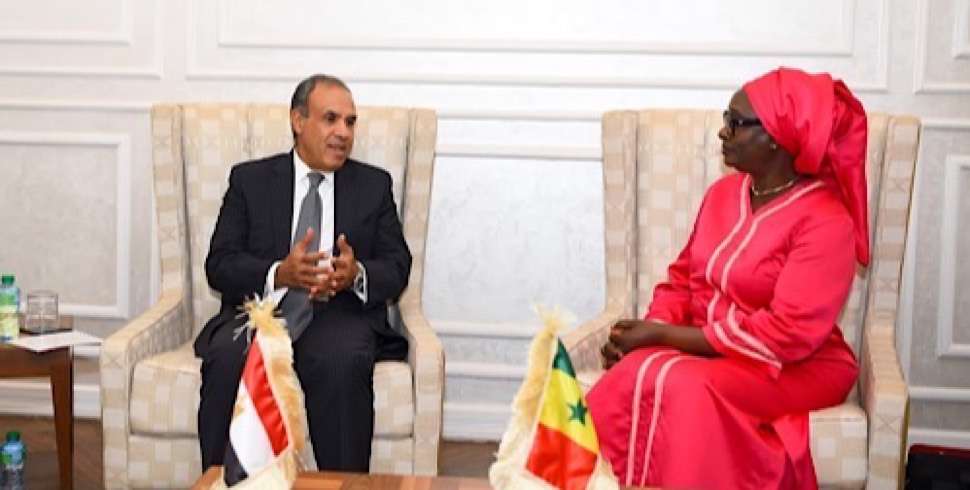
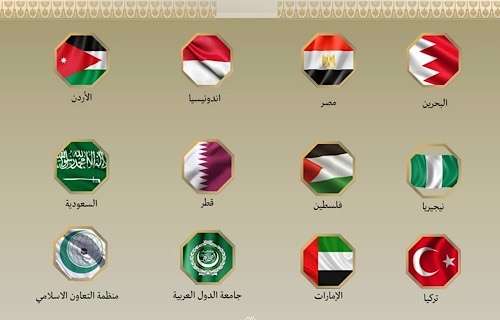
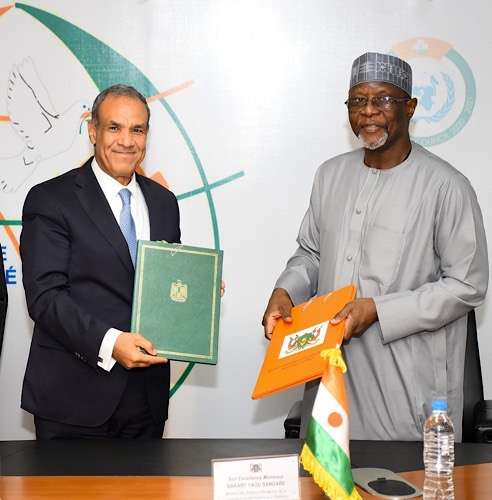
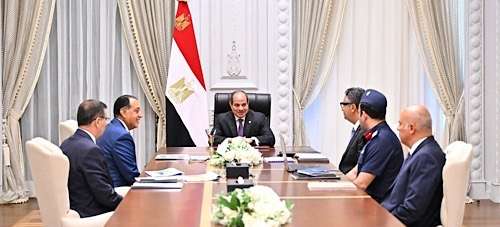
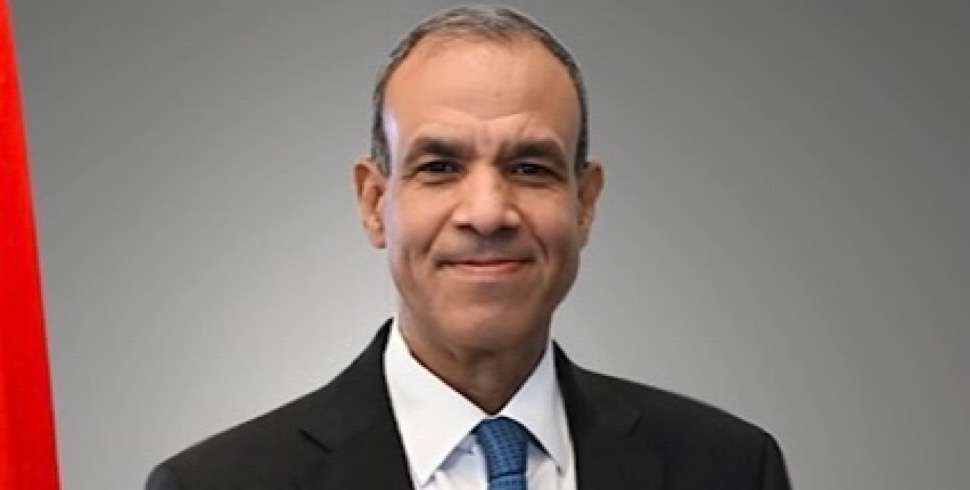
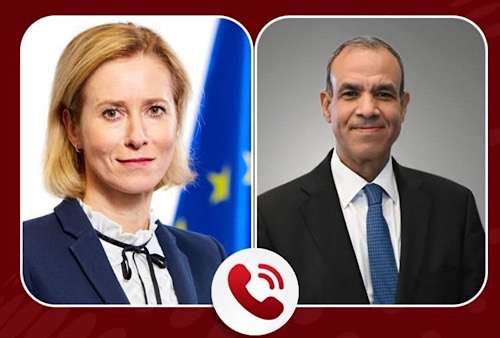
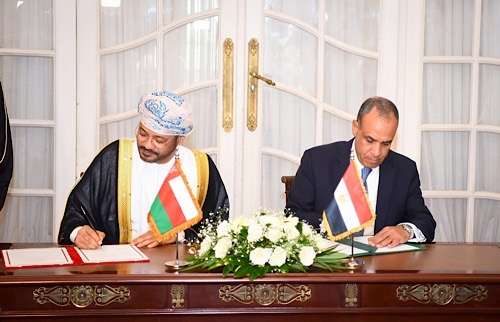
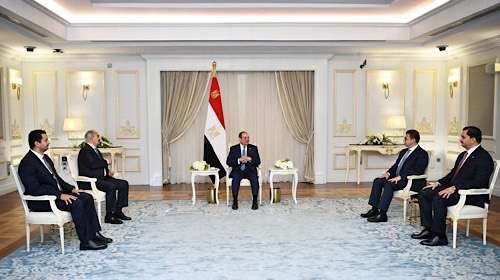
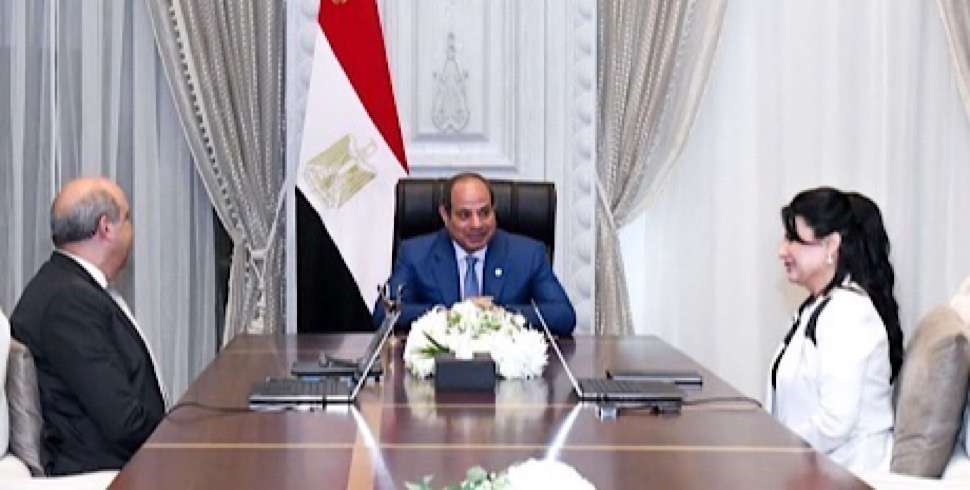
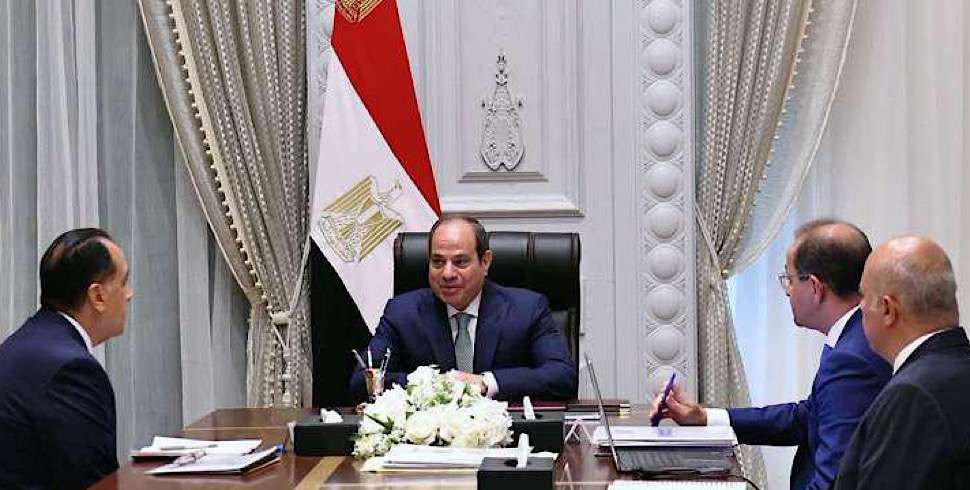
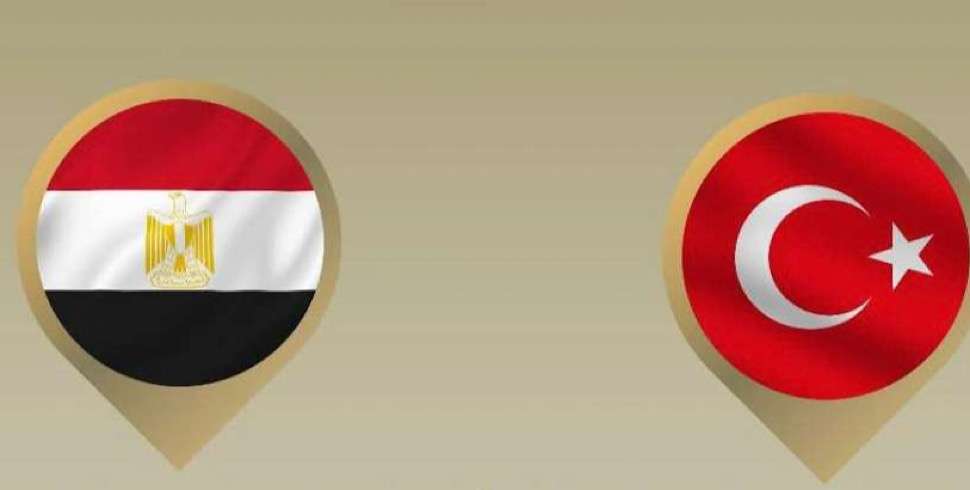
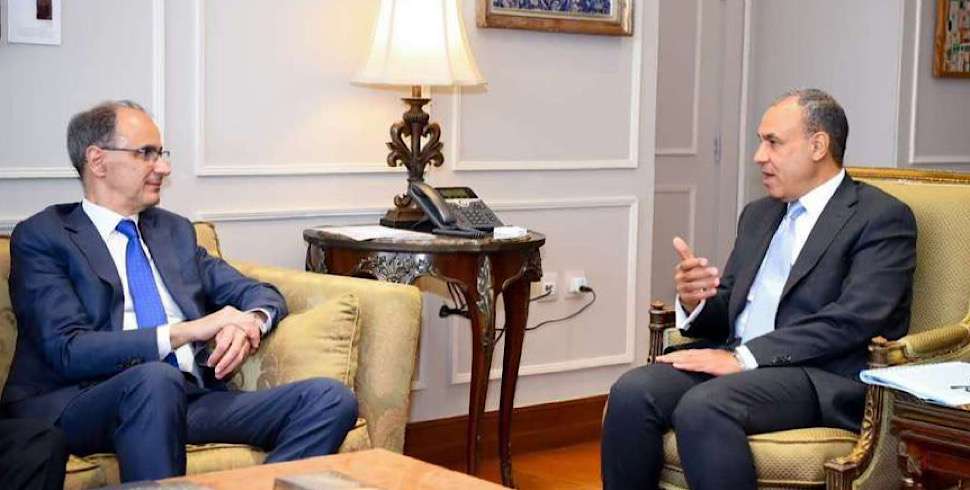
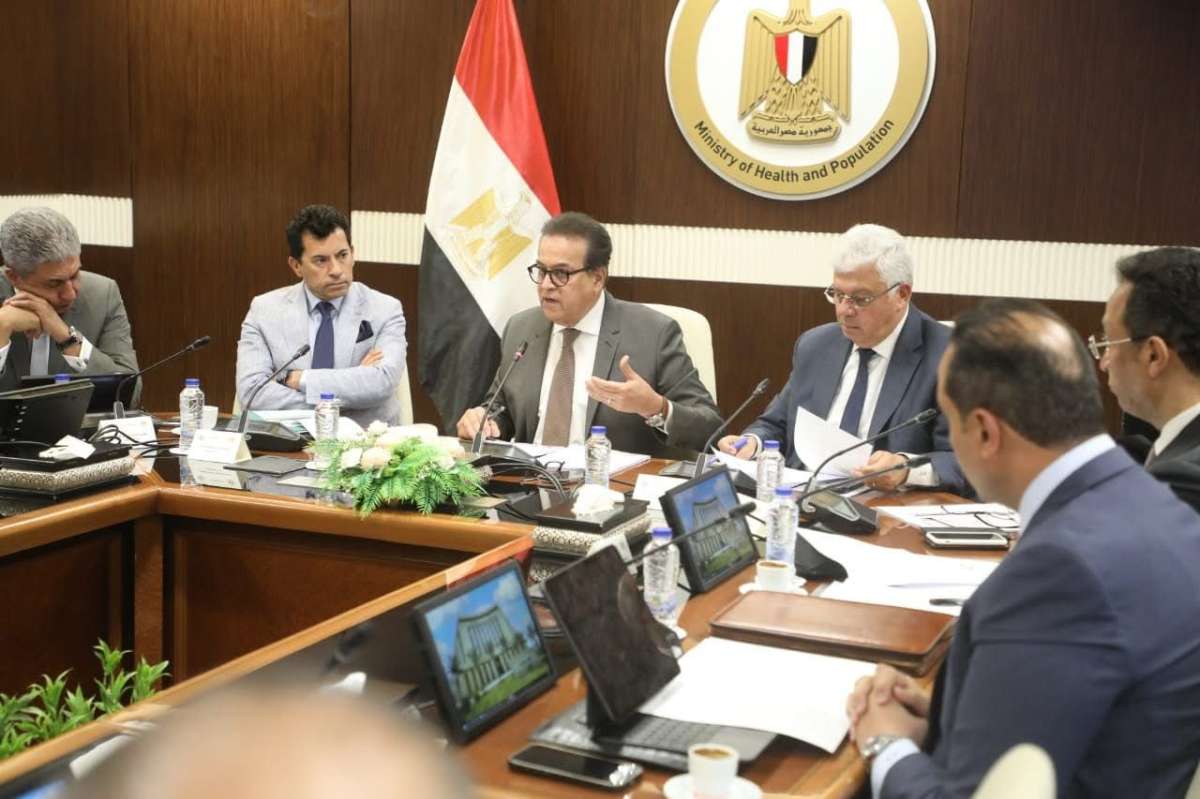
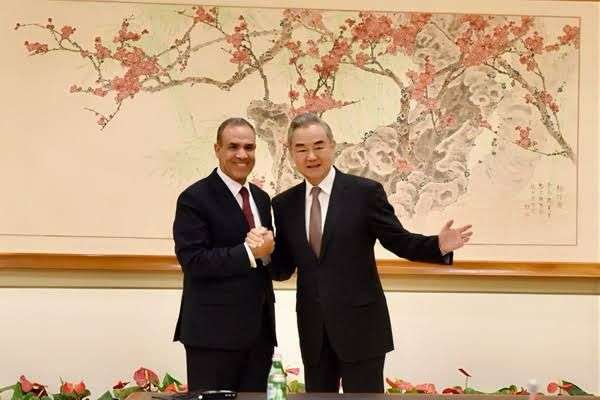
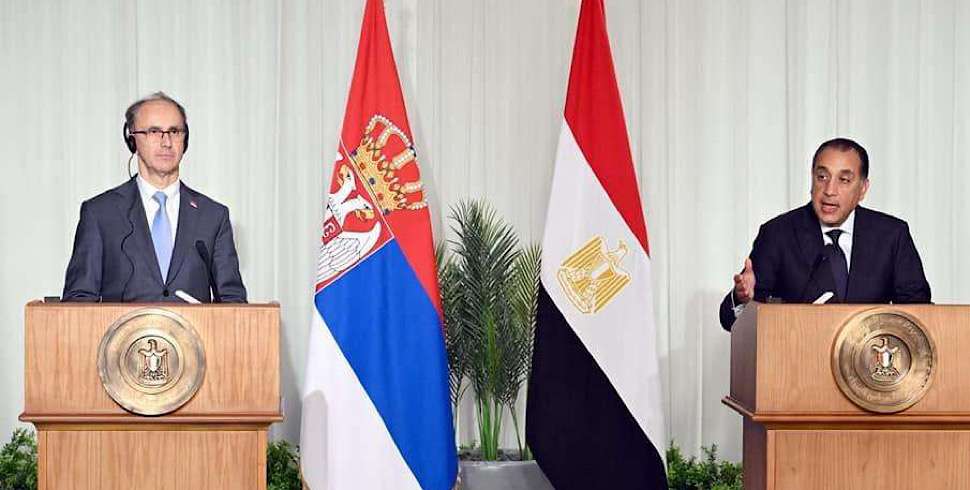
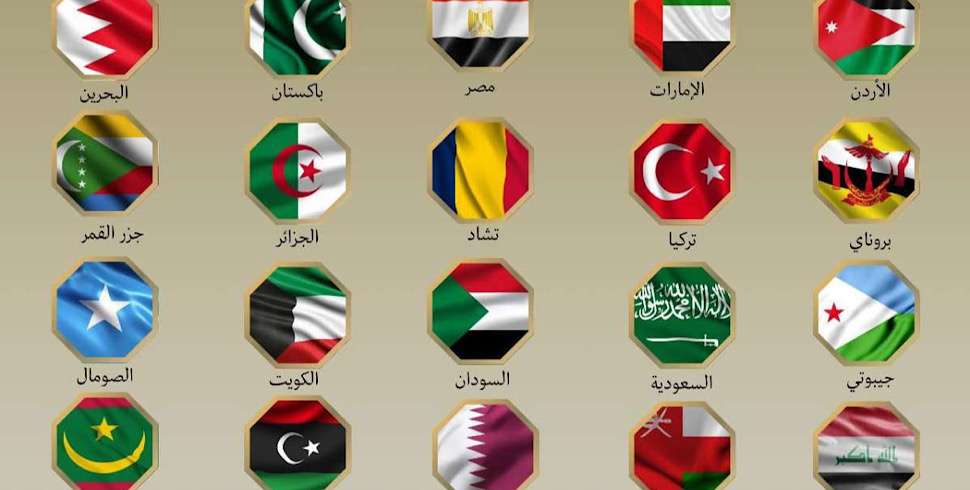
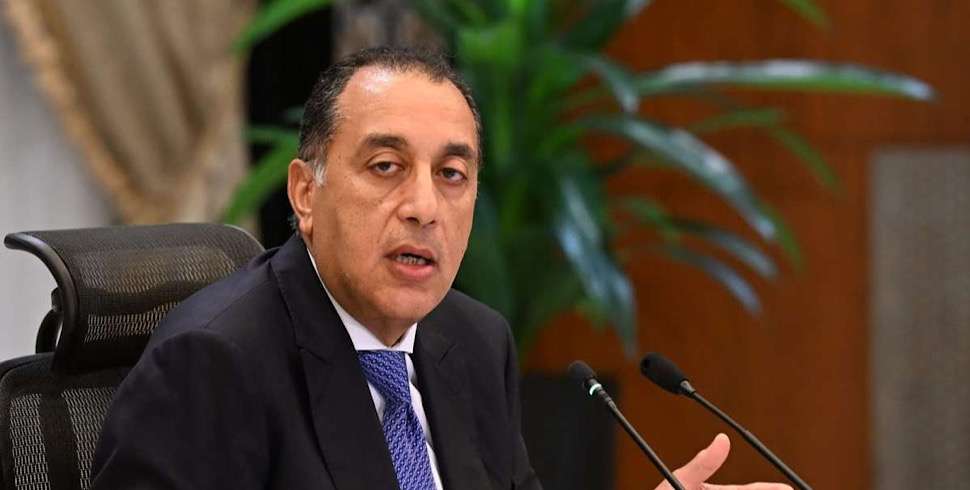
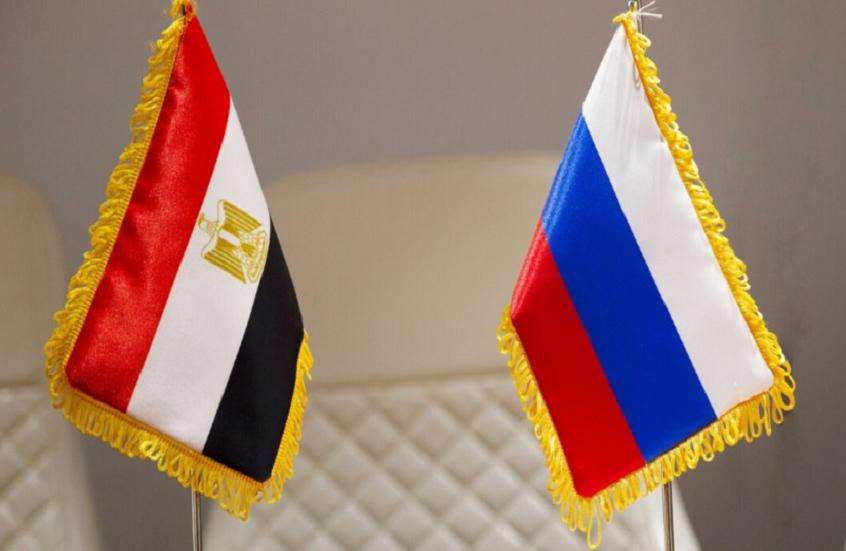
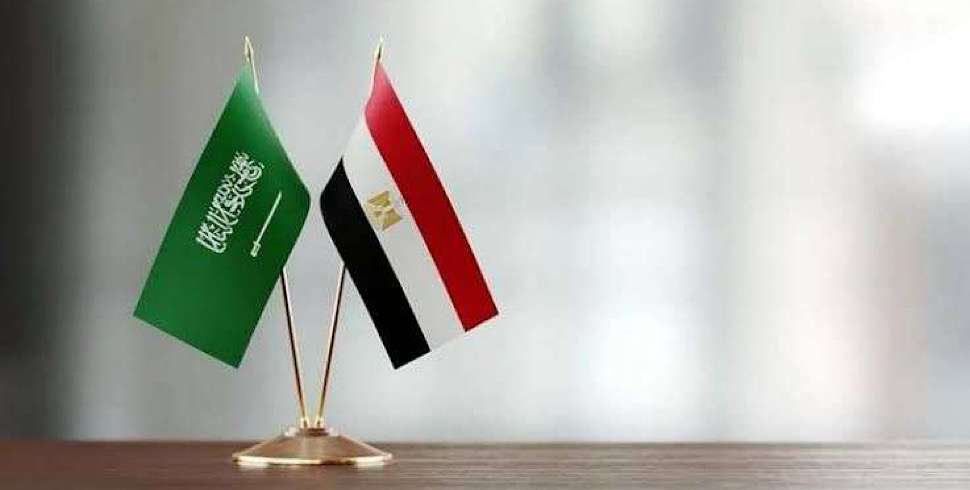
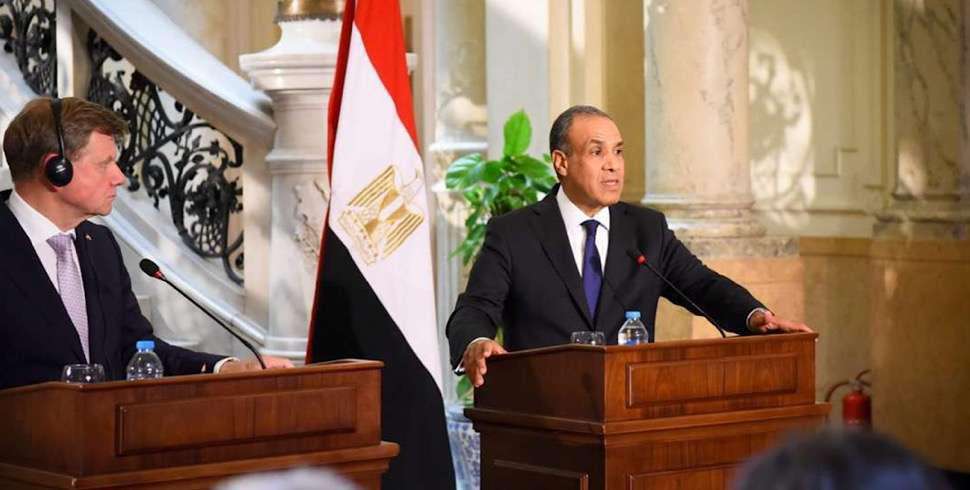
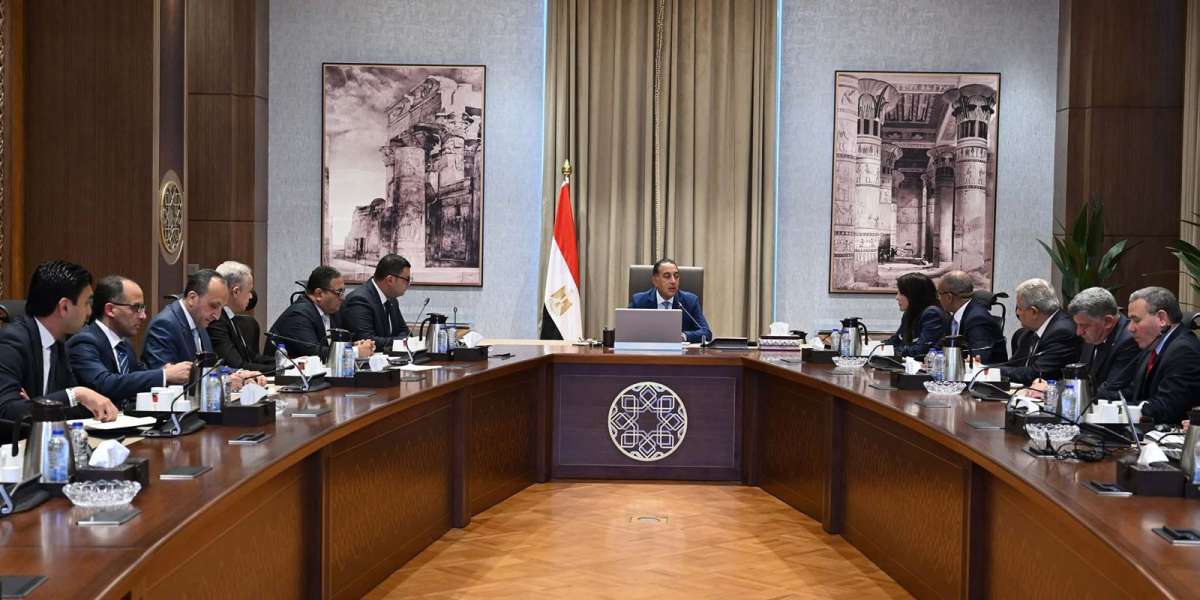
The Ministry of Foreign Affairs moved quickly, issuing a statement strongly condemning Netanyahu’s remarks. The statement demanded clarification, warning that “these statements incite instability and reflect a rejection of peace.” Egypt reaffirmed its commitment to peaceful negotiations and the creation of a Palestinian state as the only path forward.
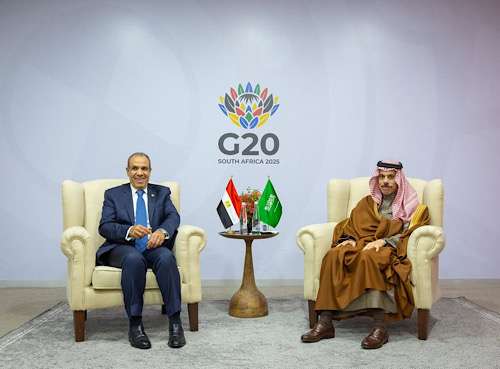
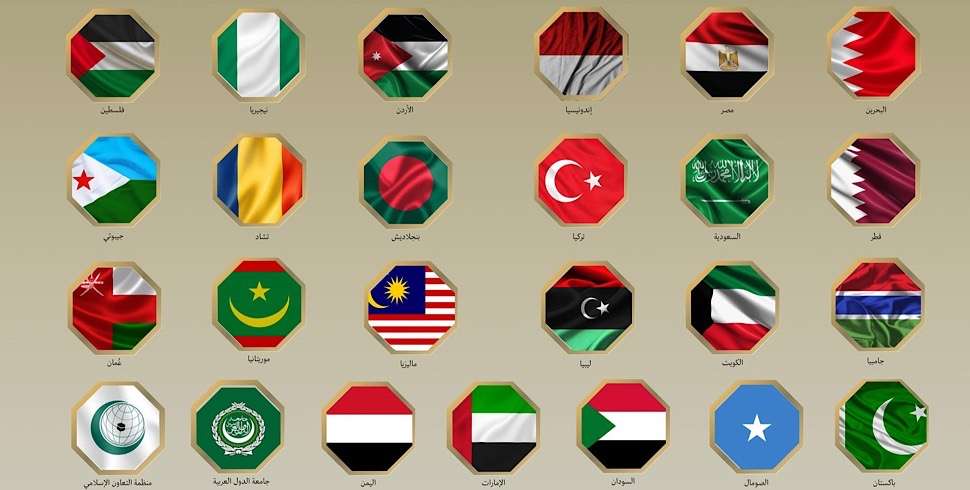
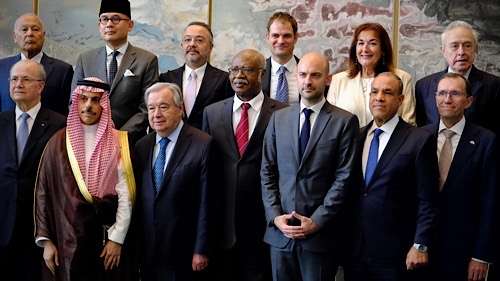
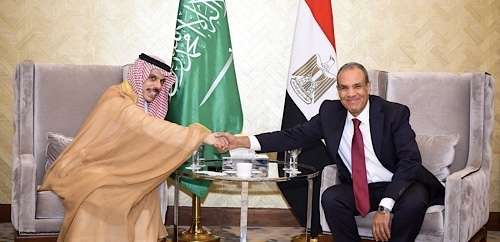
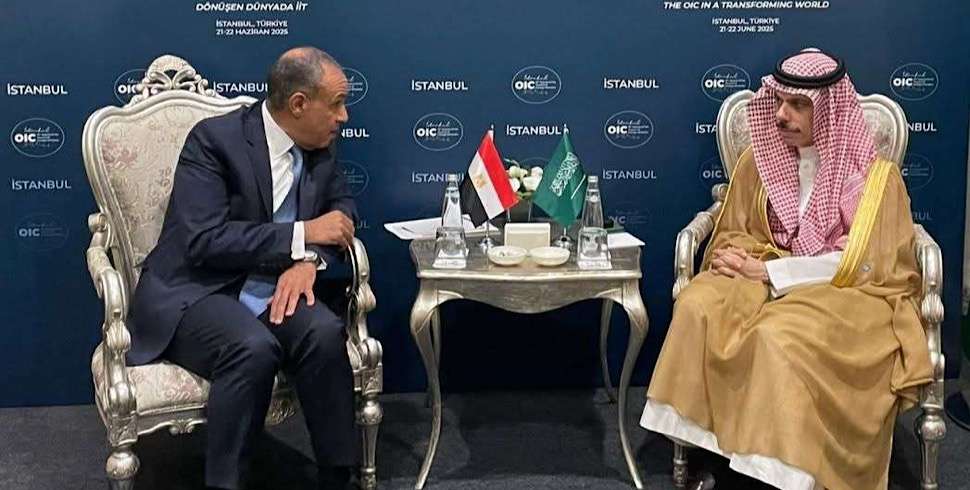
In Saudi Arabia, the Ministry of Foreign Affairs voiced the Kingdom’s “strongest condemnation” of the comments and its “absolute rejection of the settlement and expansionist plans adopted by Israeli occupation authorities.” The Saudis went on to emphasise the “historic and legal right of the Palestinian people to establish their own independent and sovereign state on their territories.”
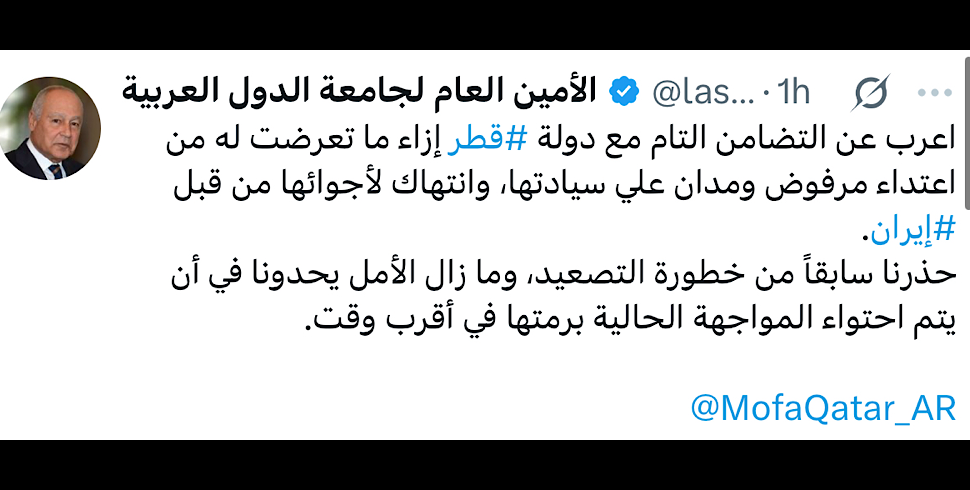
The Arab League echoed this outrage, calling Netanyahu’s remarks “an assault on the sovereignty of Arab countries and an attempt to undermine security and stability in the region.” The League described the vision of “Greater Israel” as “an extremist mentality mired in colonial delusions,” and called upon the United Nations Security Council to “strongly confront these extremist statements that destabilise the region.”
Jasem Mohamed Albudaiwi, Secretary-General of the Gulf Cooperation Council, denounced the comments as “a blatant violation of the UN Charter and the international law, and an explicit assault on the sovereignty and territorial integrity of states.” He stressed that the remarks were a direct threat to both regional and international security, calling on the global community to “take a firm stance to stop these provocative statements and plans.”
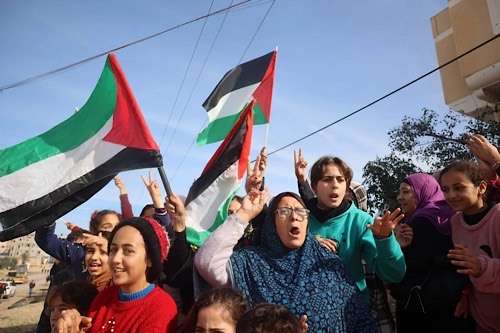
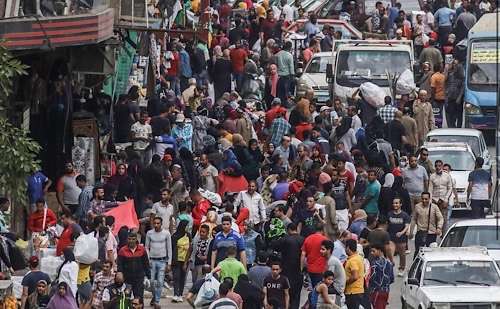
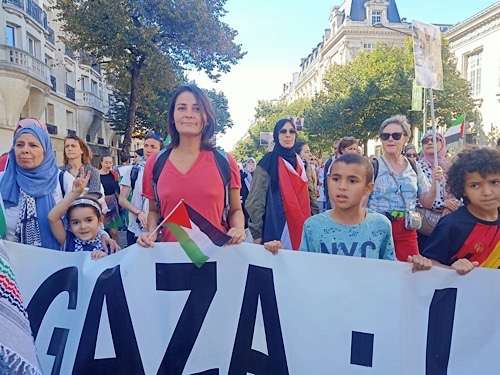
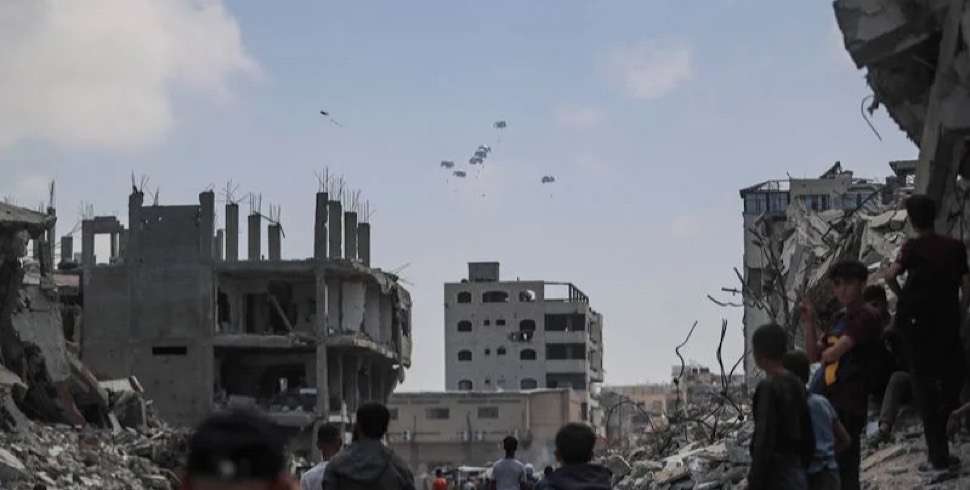
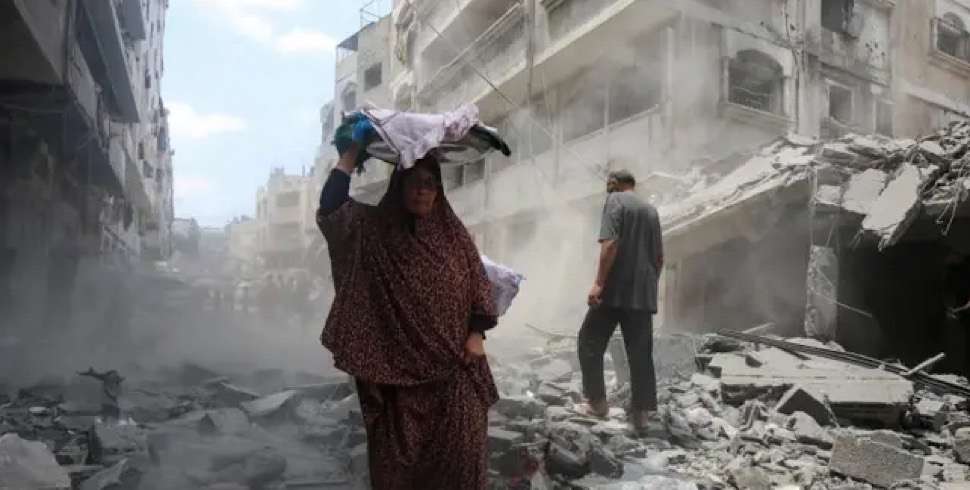
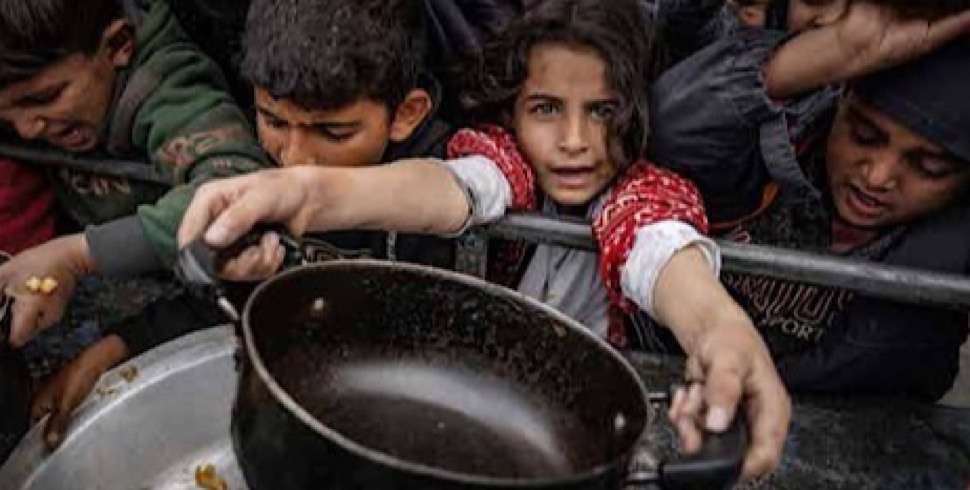
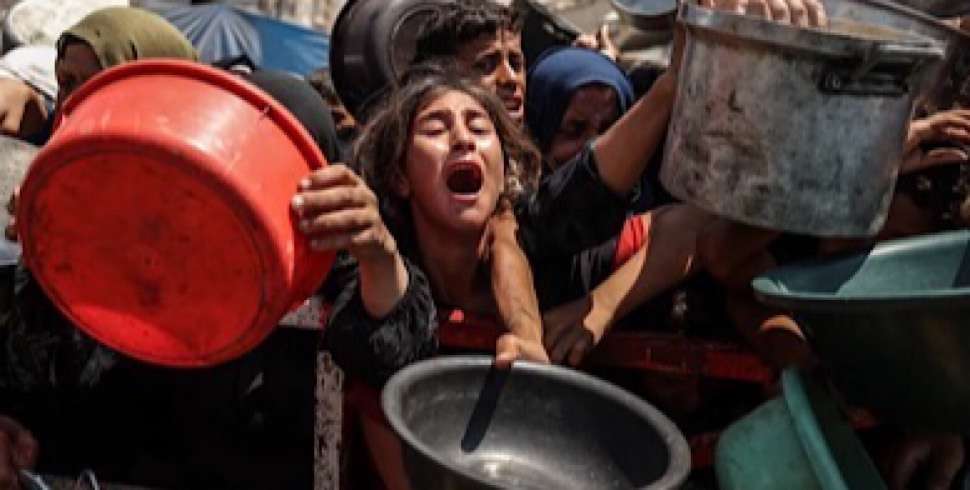
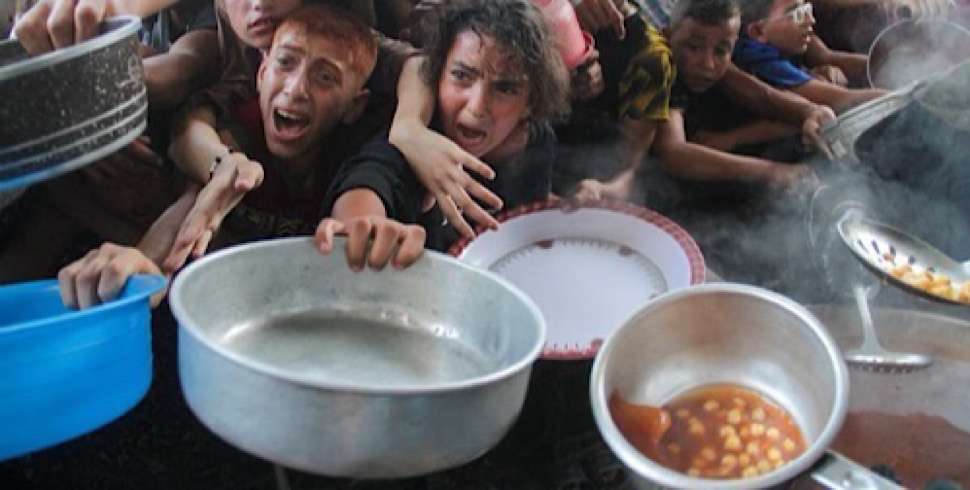
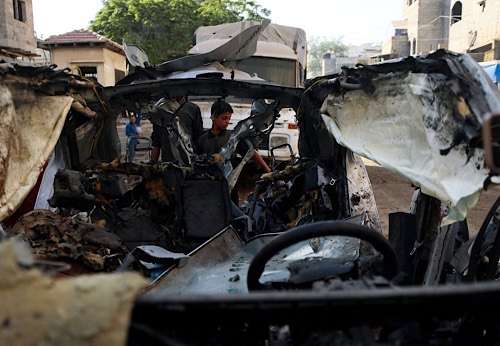
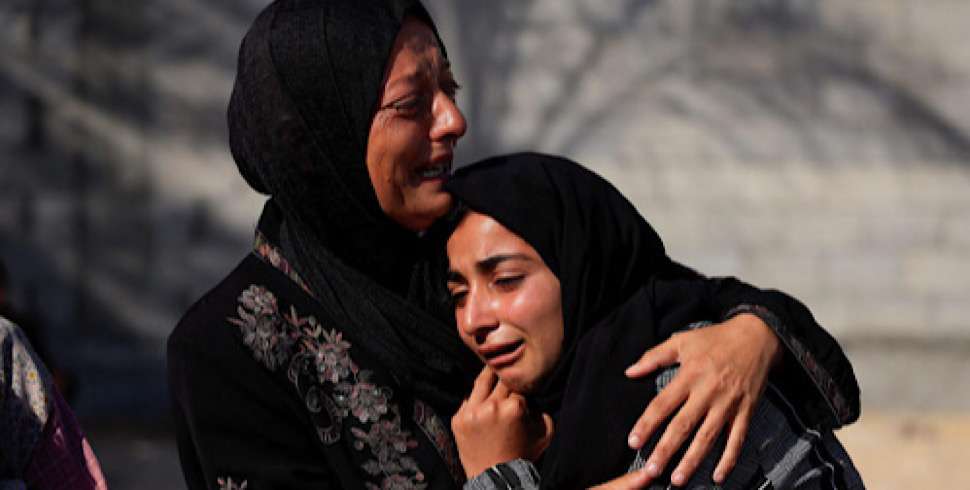
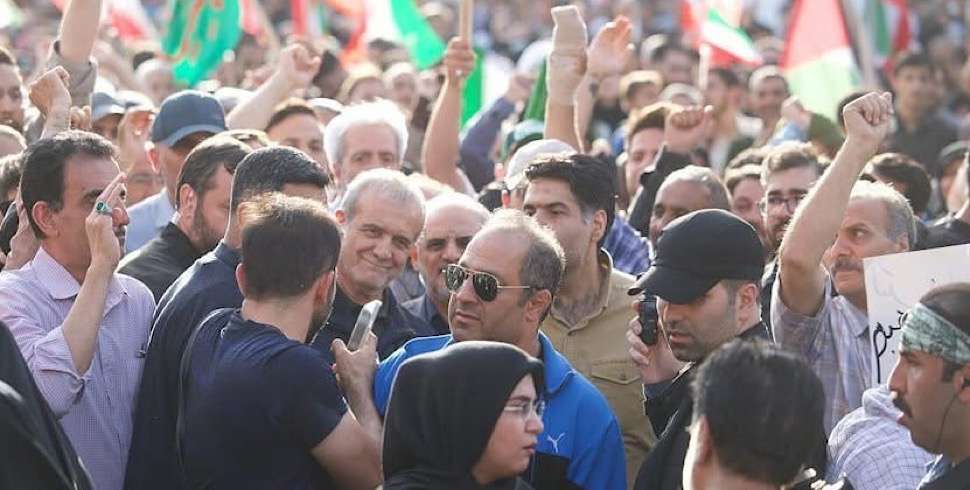
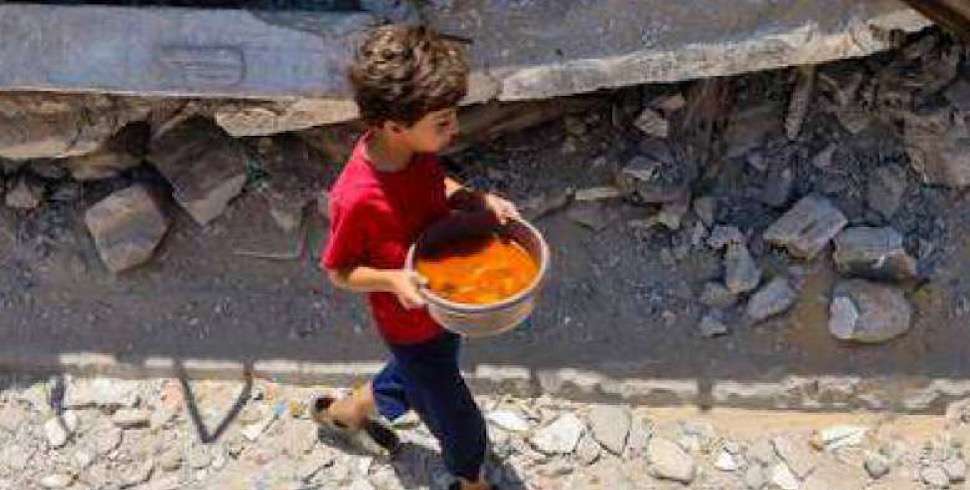
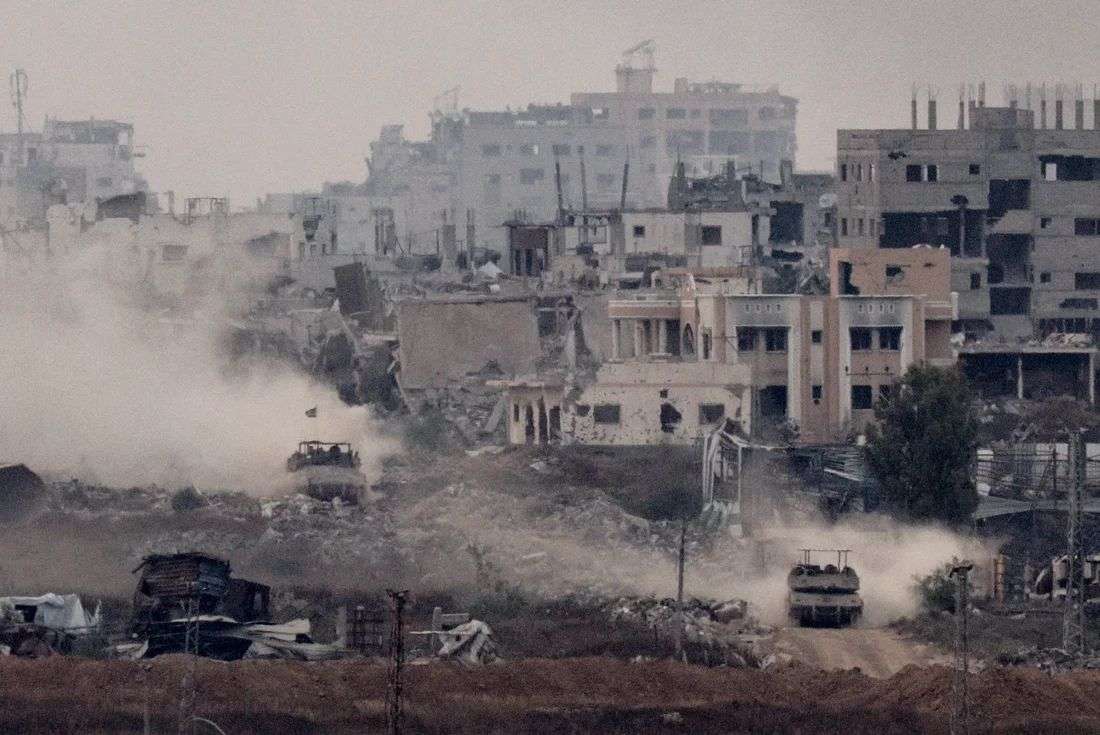
Across Egypt, Jordan, Palestine and beyond, social media platforms saw a surge of critical commentary. Prominent Egyptian media figures described the remarks as reckless and dangerously provocative, while regional analysts voiced concern about the implications for peace, especially amid ongoing conflict in Gaza.
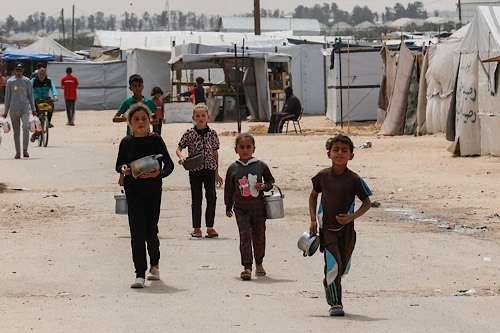
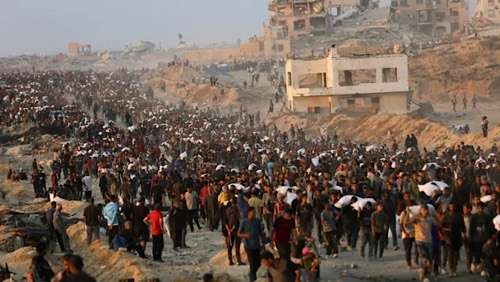
Several commentators have interpreted the remarks as part of a broader strategy to distract international focus from the war in Gaza and from growing support for Palestinian statehood.