





























































































































































































































































































































































































































































































































































































































Friday, 09 October 2026
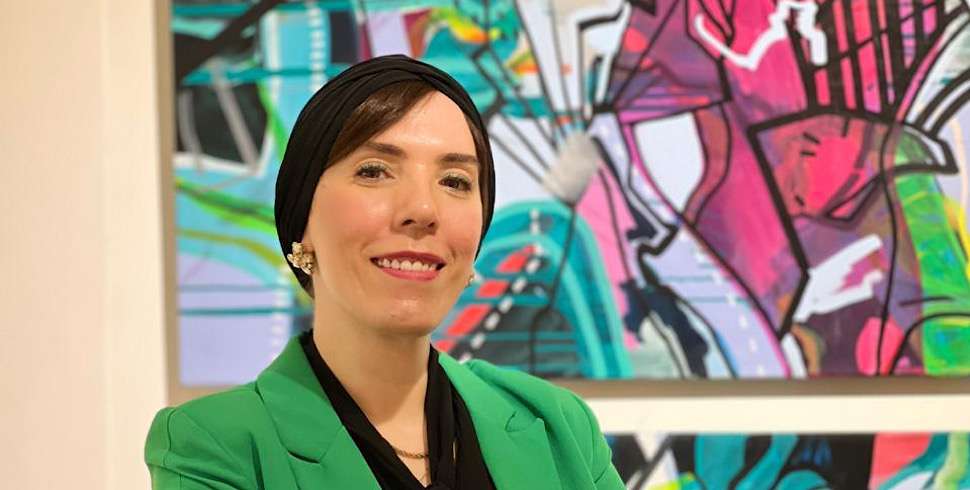
 Nada is on a mission: to reconnect Egyptians with the soul of their homeland.
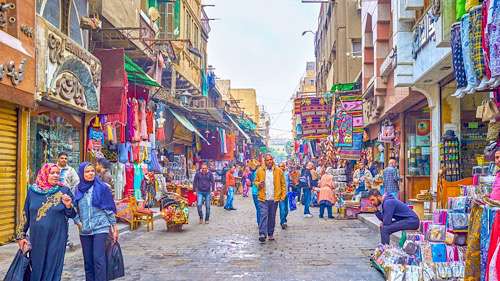
In the labyrinthine streets of Cairo, where the ancient and the modern collide in a symphony of color and sound, Nada Zeineddin is quietly sparking a revolution. But hers isn’t the kind that makes headlines or fills squares with crowds. Instead, it unfolds on winding backroads, in forgotten villages, and among the weathered stones of centuries-old castles. With her initiative, “Ta’alo Ne’raf Masr” (Let’s Explore Egypt), Nada is on a mission: to reconnect Egyptians with the soul of their homeland.
It all began, she recalls, with a simple Facebook group in 2014. “I started by sharing photos I’d taken myself—just snapshots of places I loved, places I wanted people to see with fresh eyes,” Nada tells The Nile Observer. “I’m a geographer by training, so I always saw Egypt not just as a collection of sites, but as a living, breathing landscape with stories to tell.”
By 2016, that modest online community had blossomed into something far greater. Nada’s posts didn’t just showcase Egypt’s famous monuments; they invited followers to imagine what these places looked like in the past, to sense the layers of history beneath the surface.
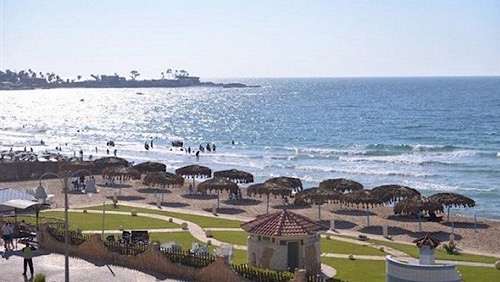
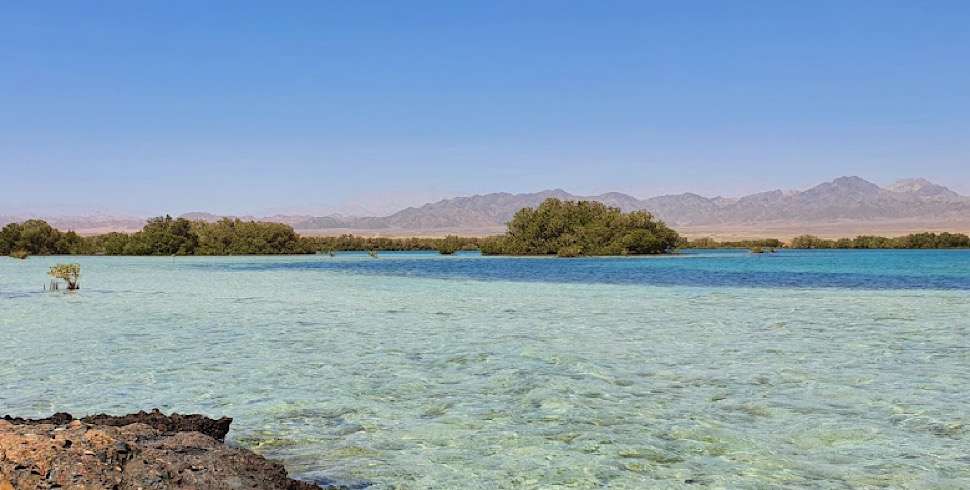
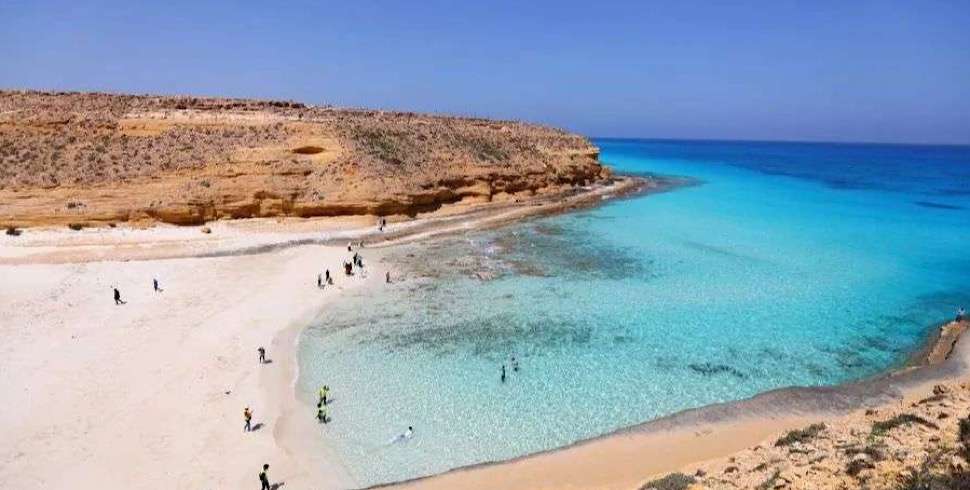
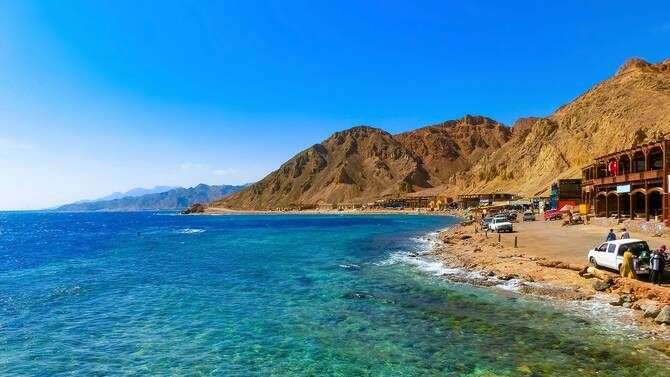
One pivotal moment was a university trip to the Red Sea. “We spent a whole week there, and it changed everything for me,” she remembers. “Every day, we’d discover a new spot along the coast. It taught me the value of truly settling into a place, of letting it reveal itself slowly.”
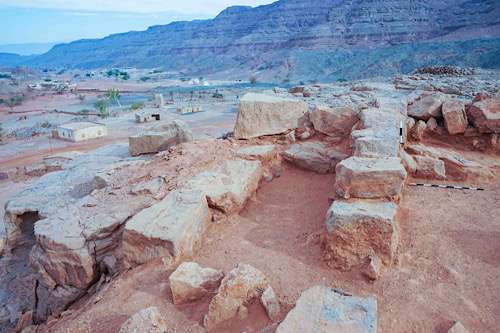
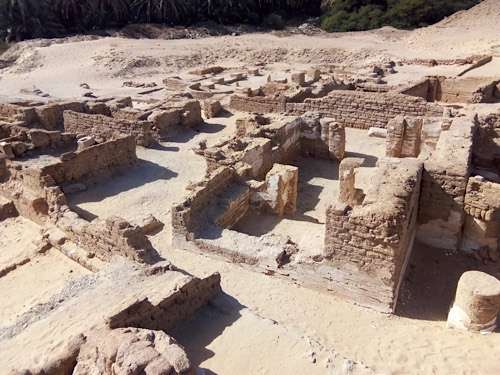
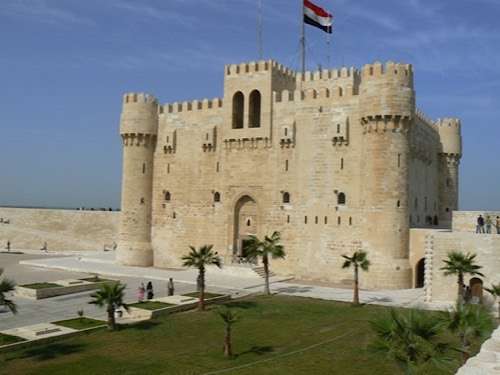
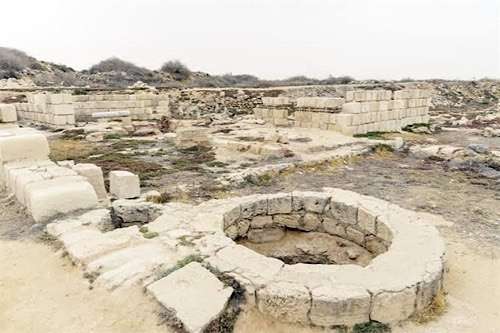
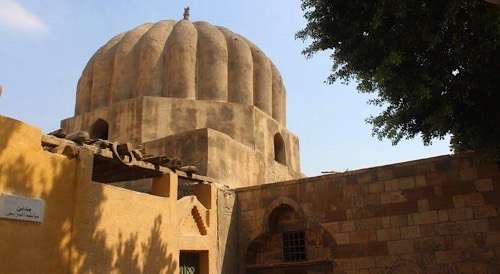
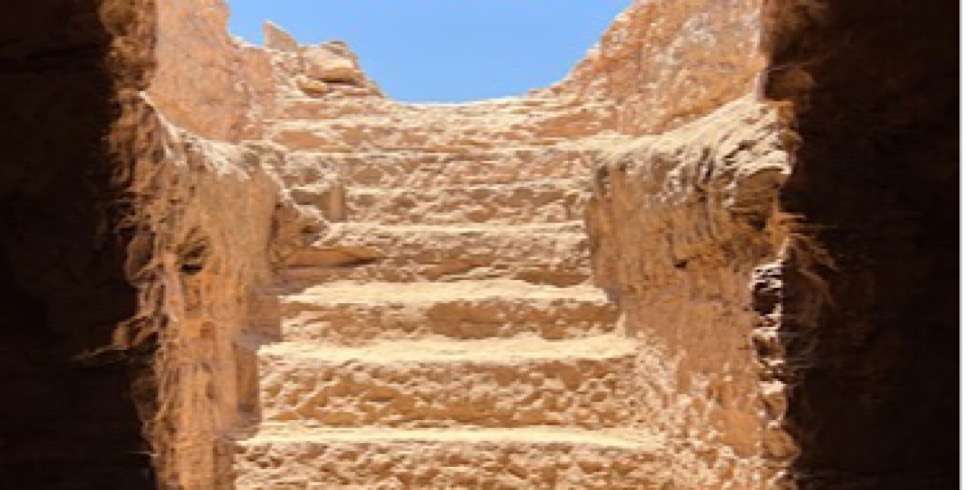
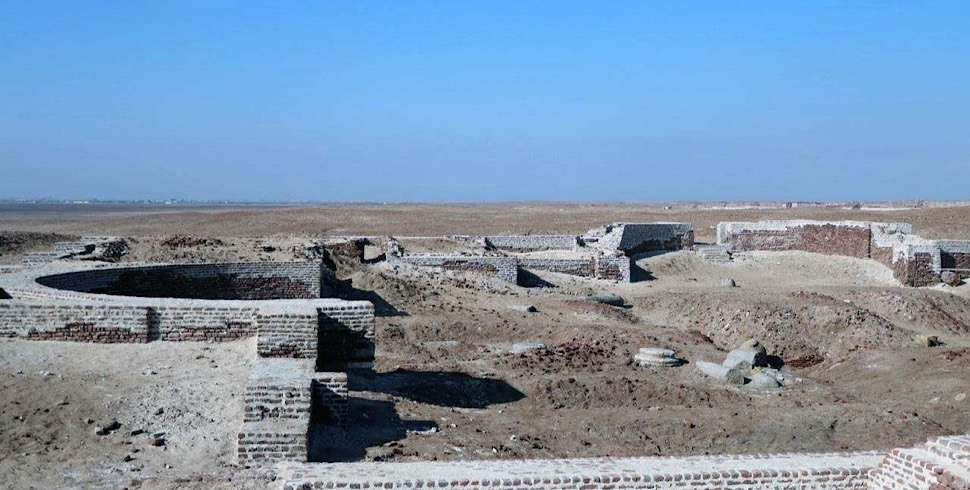
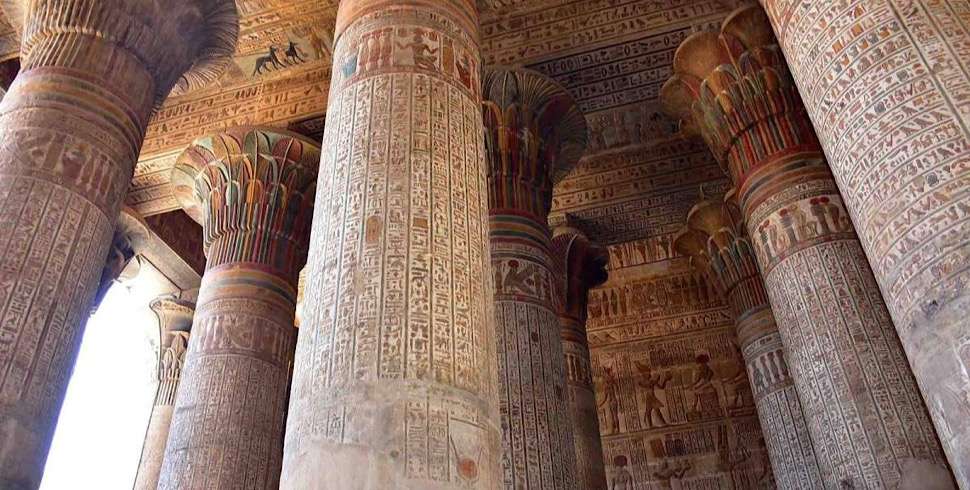
That spirit of slow discovery led her to Al-Qusair, a small Red Sea town with an outsized role in Egypt’s geography. “Al-Qusair means ‘to shorten the distance’—it’s a crossroads, connecting Upper Egypt to the coastline,” Nada explains. The town’s Ottoman-era castle, crumbling cotton gin, and wooden houses whispered stories of pilgrims, traders, and even Italian phosphate miners who left their mark in the 1930s. “I fell in love with Al-Qusair. It’s the kind of place that gets under your skin.”
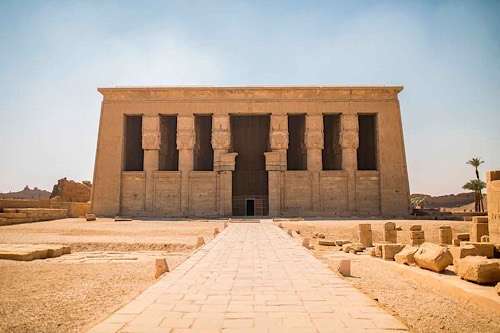
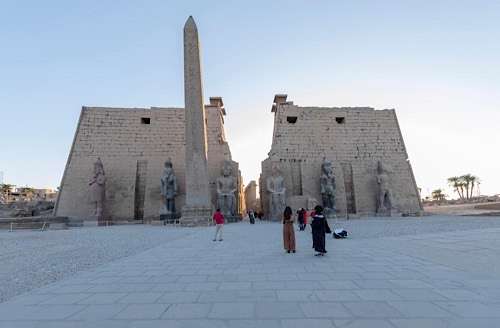
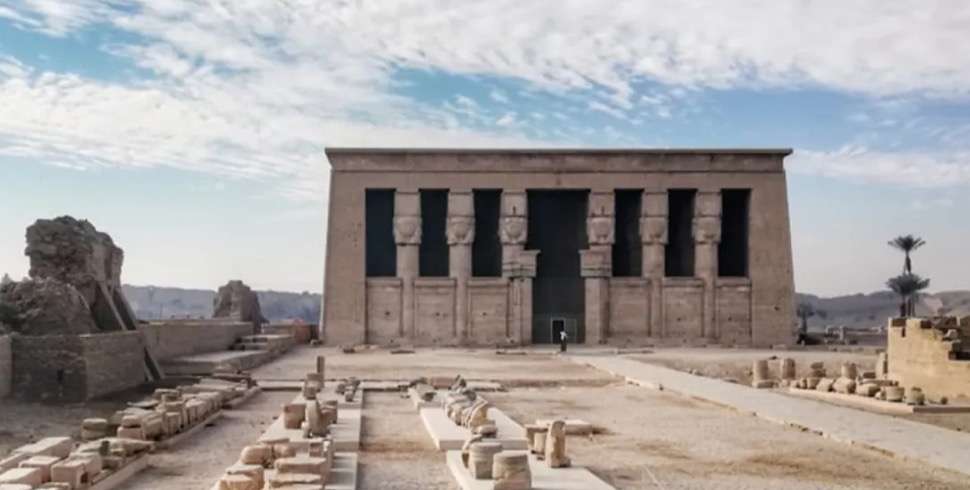
Nada’s trips are never just about ticking off tourist sites. “When I take a group somewhere, I want them to see the connections—how a small town like Al-Qusair links to Luxor, Qena, Dendera. We’d spend a day in each, seeing how the geography shapes the culture and the people.”
But building “Ta’alo Ne’raf Masr” wasn’t easy. “Back then, it was rare for a woman to lead travel groups, and I had no experience with logistics. There was no office, no formal association—just passion and a Facebook page,” Nada laughs. “It was about creating meaningful, educational journeys, not commercial tours.”
Sustainability was the biggest challenge. “Keeping the momentum going, trip after trip, takes real dedication,” she admits. Yet, her academic background in geography and heritage restoration—shaped by research stints in Egypt and even a scholarship in Japan—gave her the tools she needed. While studying termite damage in the wooden houses of Al-Qasr in Kharga Oasis, she saw firsthand how fragile Egypt’s heritage could be. “That was a wake-up call. I realized if we don’t reconnect people with these places, we risk losing them forever.”


Bridging cultures: A journey to China
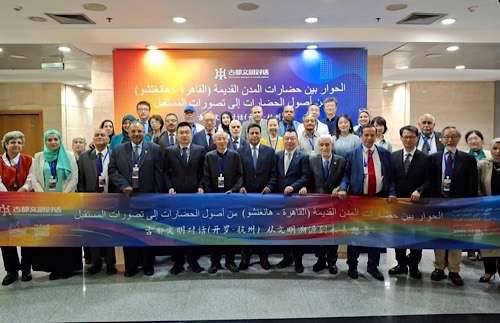
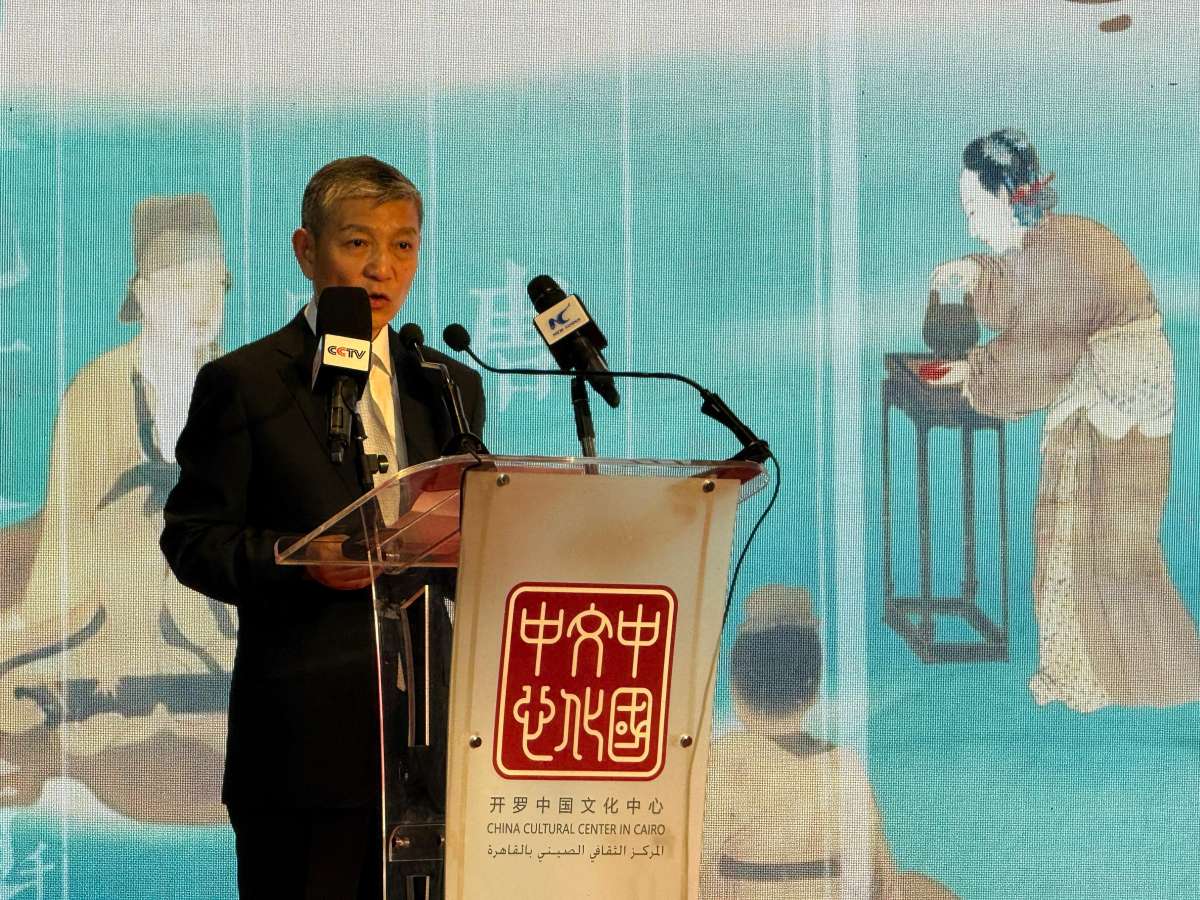
Nada’s passion for heritage recently took her even further afield. “My most recent journey, to China, focused on intangible cultural heritage,” she says, her eyes lighting up. “You were talking about this topic, and I had actually created an informal video about it with my friends.”
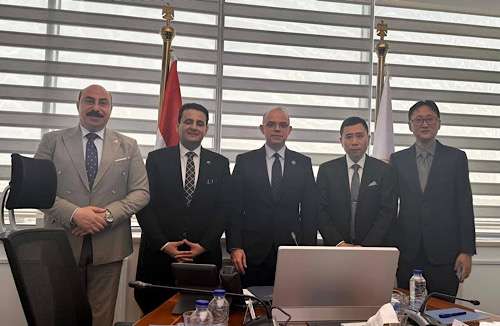
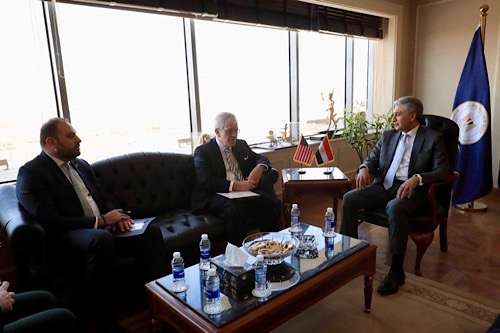
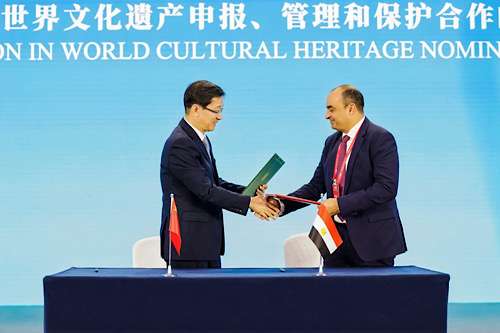
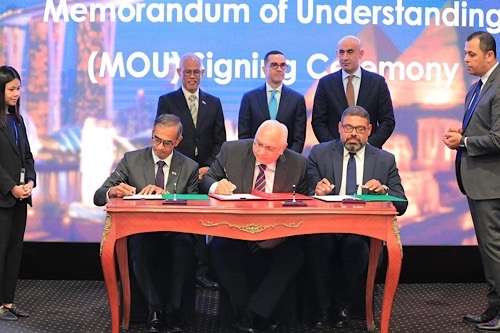
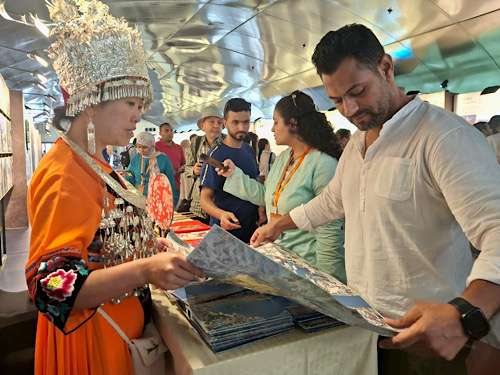
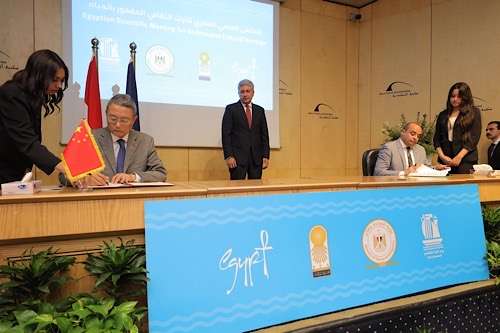
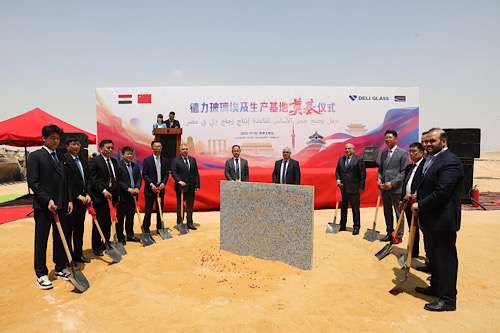
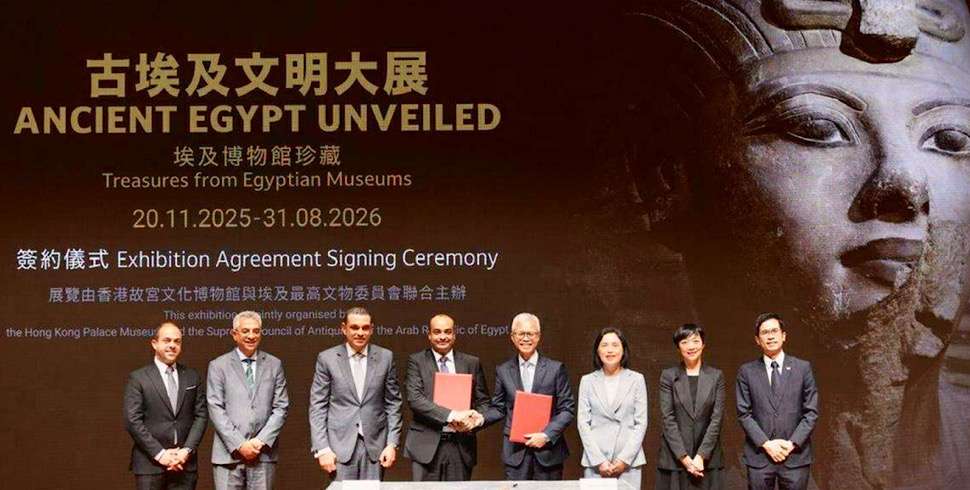
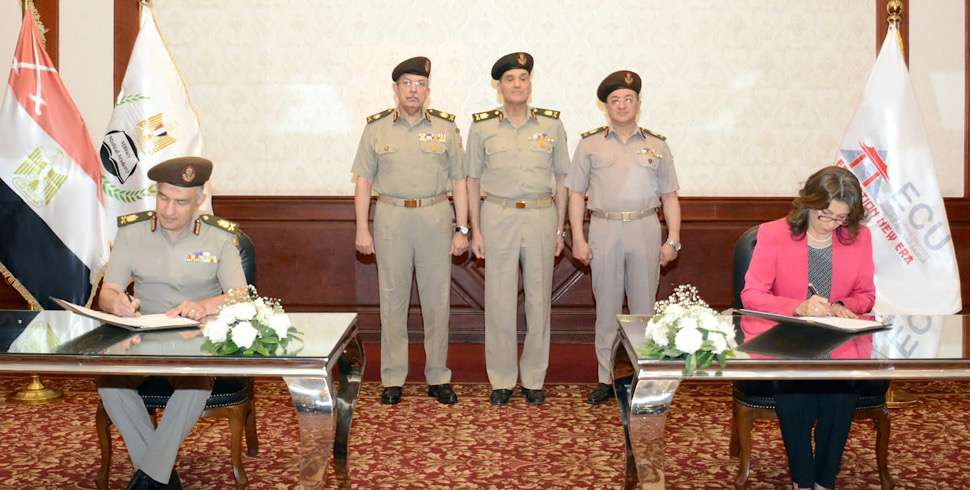
But this was more than a personal adventure. Nada was officially nominated by Egypt’s Cultural Development Fund to join a collaborative initiative between the Egyptian Ministry of Culture and the Chinese Ministry of Commerce, who fully funded the trip. “The people there were incredibly cooperative,” she recalls.
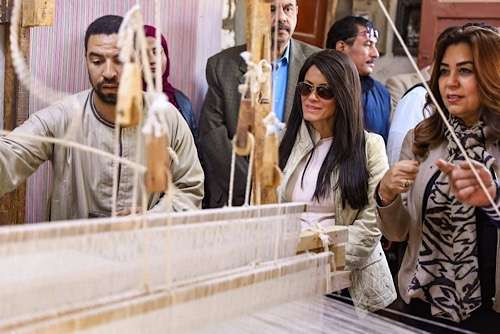
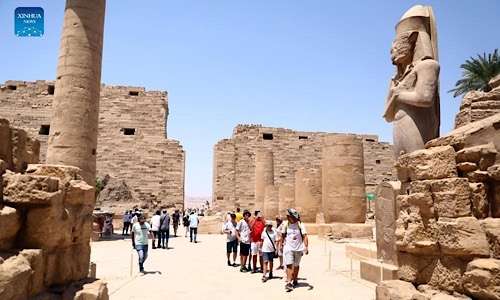
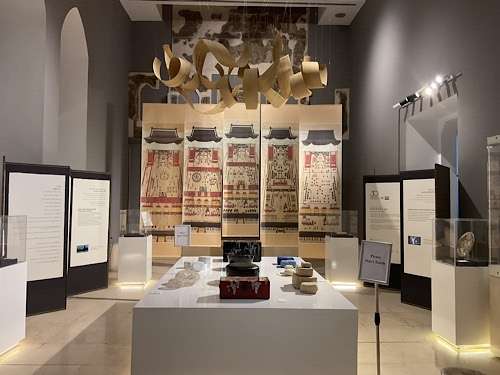
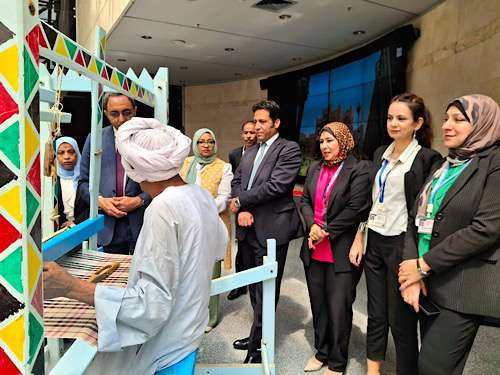
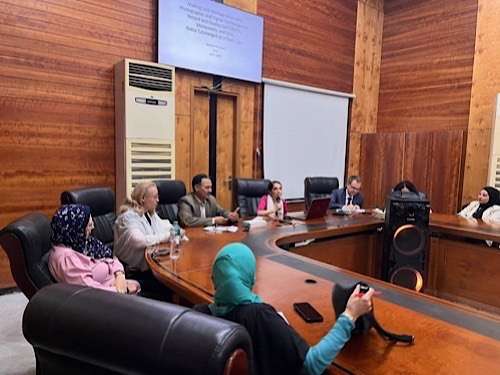
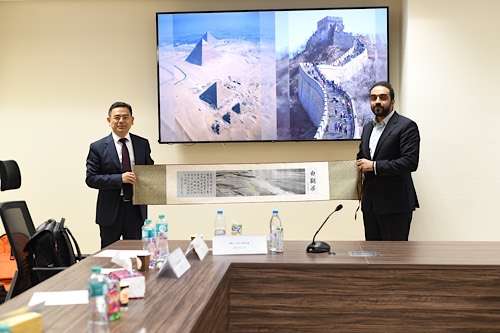
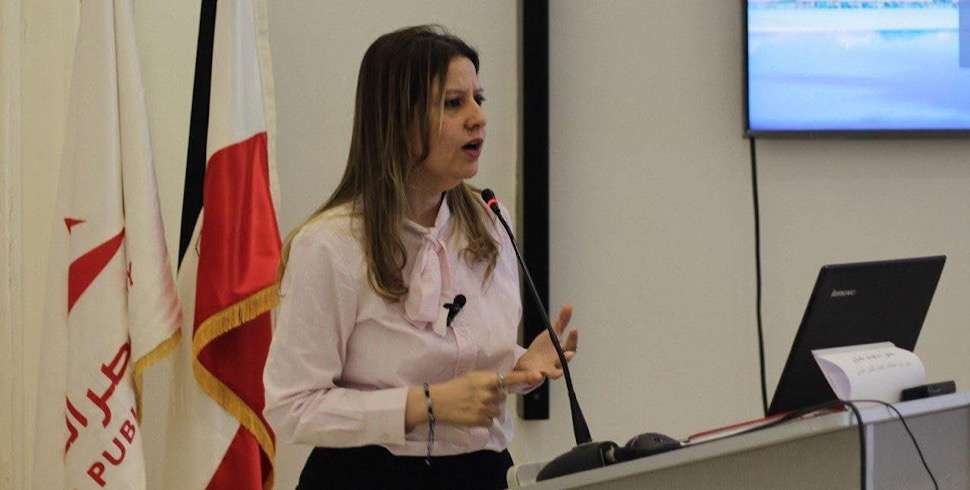
The trip was a resounding success. Nada gave a presentation on traditional crafts in Dahshur, bringing along samples—a kilim rug from Foua, which she gifted to the academy as a keepsake, and a large palm frond basket, presented to the director of the Temple of Heaven, one of China’s most revered temples. “It felt like a bridge between our cultures—almost as if Karnak Temple had sent a message to Beijing,” she smiles.
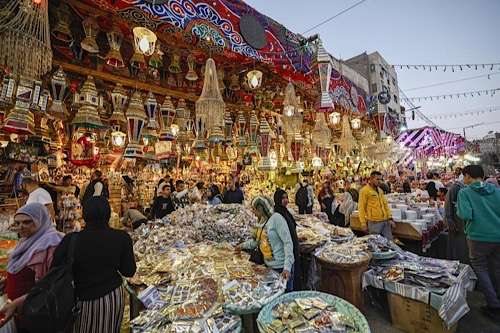
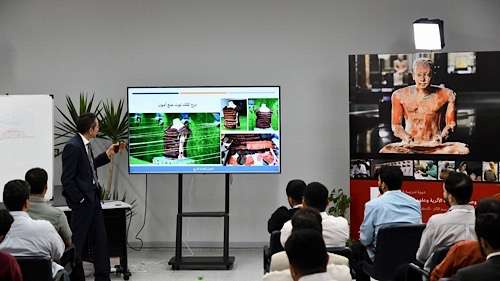
Nada’s presentation was a journey in itself. She explained the origins of “Ta’alo Ne’raf Masr,” then wove together photos and videos, making sure to connect each craft with its historical roots. “When I spoke about ‘Khayamiya’—our traditional tent-making—I showed how it dates back to the Mamluk era. For palm weaving, I explained the difference between ‘khos,’ the palm fiber from the tree’s core, and ‘halfa,’ a papyrus-like plant. ‘Khos’ can’t be soaked in water, while ‘halfa’ can.”

That theme—living heritage—ran through all the sessions. “One session really struck me: the Chinese are so passionate about documenting their traditional crafts. It’s not just about the objects, but about safeguarding the knowledge for future generations.”
Yet, the challenges are familiar. “The rise of the tuk-tuk, for example, has undermined traditional woodworking. Many artisans now look for quick financial returns, and fewer young people are learning these crafts. Preservation is getting harder.”
Her time in China crystallized a conviction: “We need official support in Egypt, a legal framework for artisans to register and protect their crafts. Both Egypt and China have such rich heritages, and there’s so much mutual respect—we should build on that.”
Keeping heritage alive, at home and abroad
Nada’s journeys, she says, are about more than just discovering Egypt’s hidden treasures. “They promote compassion and understanding—participants even start bringing food for stray animals. The impact, both culturally and emotionally, is immense.”
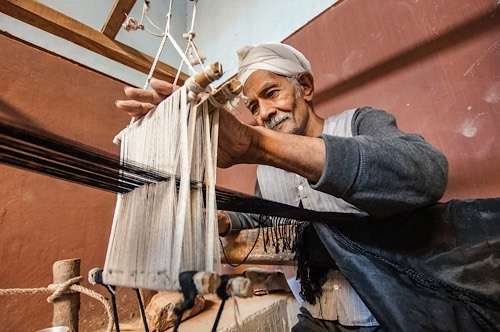
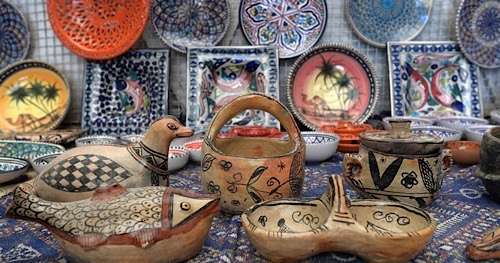
She pours her energy into supporting traditional handicrafts, despite the hurdles. “Sometimes sourcing raw materials is a challenge, and marketing is its own battle. But it’s not just about making crafts—it’s about keeping them alive.”
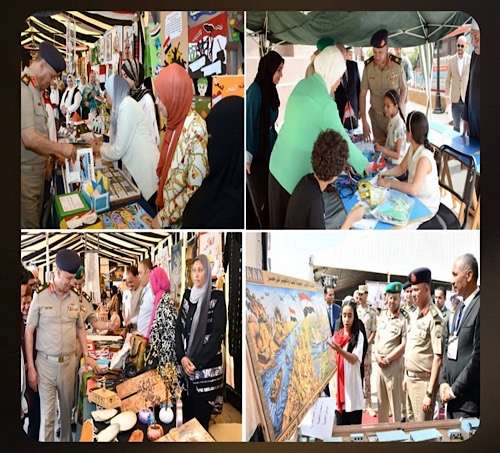
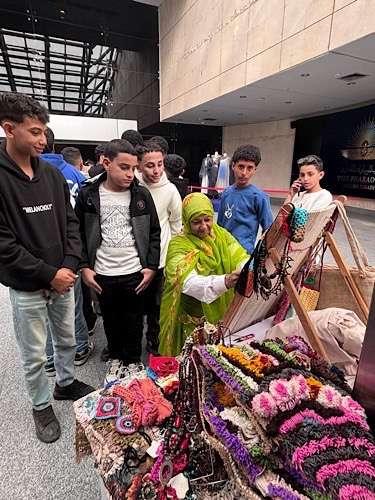
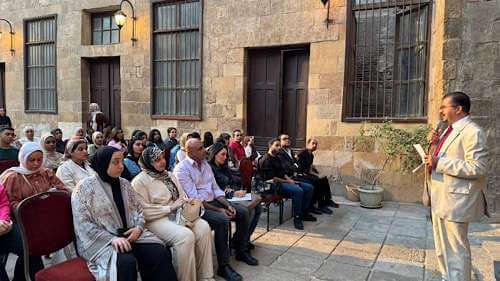
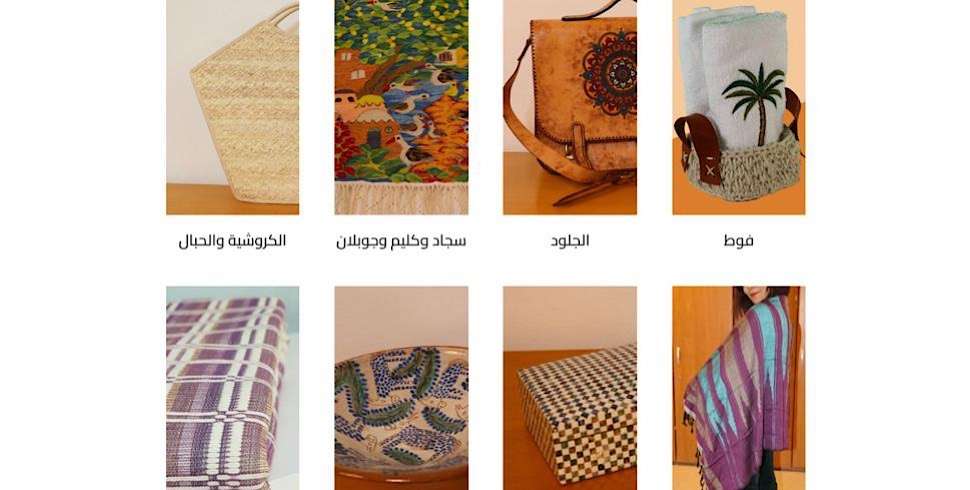
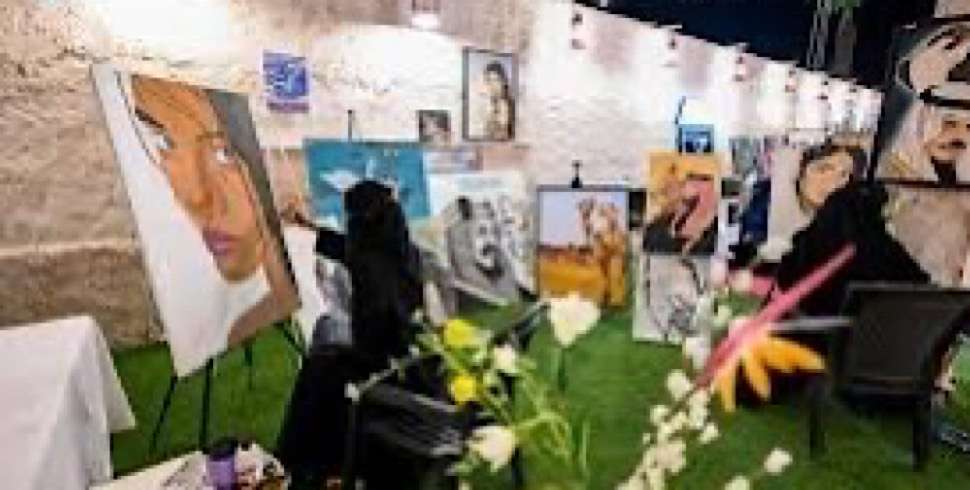
For example, at Takiyyat Musafir, the venue she co-founded with her friend Shaimaa in Historic Cairo, Nada organizes a monthly exhibition on the first Friday. “It’s not just handicrafts—we showcase all kinds of products. It opens doors, creates networking opportunities, and encourages artisans to participate in other exhibitions.”
What matters most to Nada is bringing people together, giving them a platform so their skills and stories are seen. “Handicrafts are especially meaningful to me because I’m based in Historic Cairo. It’s about ensuring these crafts stay part of our living heritage.”
Nada sees the ripple effects firsthand. “Thank God, whenever I share posts about these artisans, I find many people interested and asking about them—sometimes even if they don’t purchase anything, the engagement itself brings value. The beauty of the craftsman’s work is that he doesn’t work from a catalog—if you ask him to make something custom, he will create it for you.”
Heritage, community, and compassion: New frontiers
Nada’s work in historic neighborhoods has inspired her to launch another heartfelt initiative: “Rizq for Dog Vaccination.” “Many of these areas have numerous stray dogs,” she explains. “Part of the proceeds from our trips supports food and treatment for these animals; for example, with recent funds, we treated four dogs for mange.”
She is committed to transparency and careful documentation, especially regarding dog vaccination efforts. “I make sure our exploration activities are well documented, particularly in terms of dog vaccination, to ensure transparency and accountability—although marking vaccinated animals is still a wider challenge.”
For Nada Zeineddin, every adventure—whether in a remote Egyptian village or a Beijing temple—is a step toward a larger goal: rekindling pride, supporting artisans, and weaving a tapestry of community that stretches across continents. “
“There’s so much beauty here,” she says quietly. “Sometimes, we just need someone to show us the way.”