






























































































































































































































































































































































































































































































































































































































































































































































































































































































































Friday, 09 October 2026

By Dr. Hussein Bassir
If you happened to catch the trailer for “Project X,” widely promoted as one of the most ambitious and technologically dazzling films in Egyptian and Arab cinema history, you could be forgiven for thinking that audiences were about to encounter something truly historic—both in scale and in substance.
The production is indeed a marvel on the technical level: filmed in five countries, decked out with real submarines, modern warplanes, and boasting cutting-edge cinematic technology like IMAX, 4DX, Dolby Atmos, and ScreenX. All of this is impressive, and it marks a moment of pride for the regional industry. But as the credits roll and the initial awe fades, a more essential question emerges: does “Project X” truly honor the spirit, legacy, and authenticity of ancient Egyptian civilization?
A sparkling adventure, a dubious historical premise
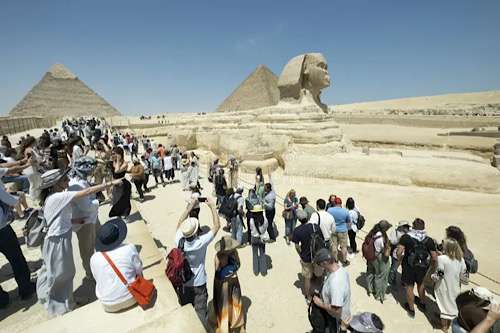
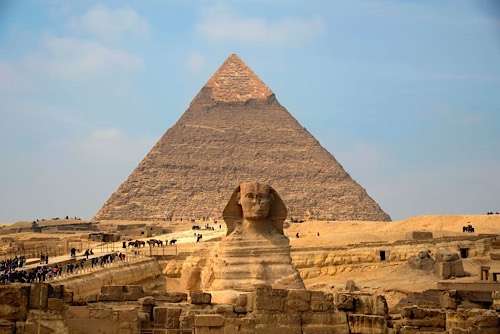
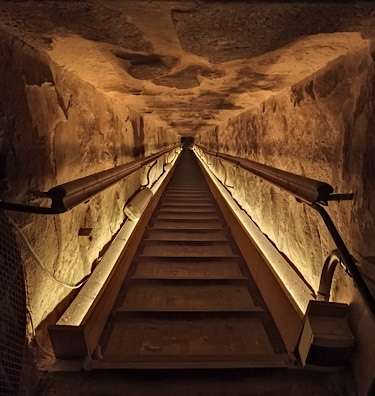
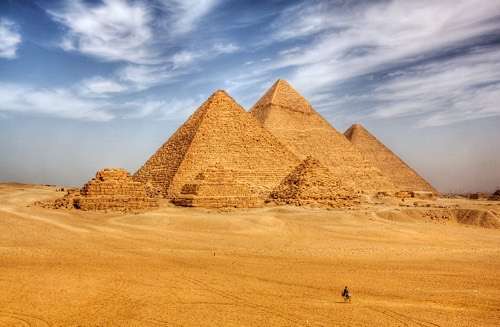
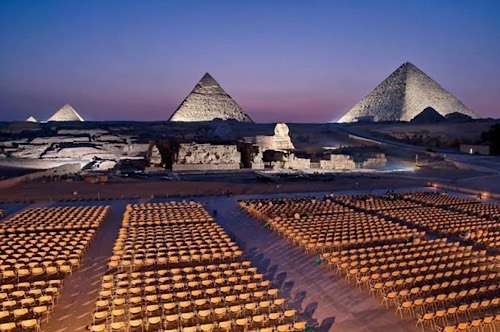
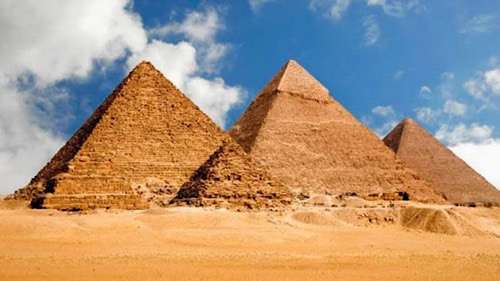
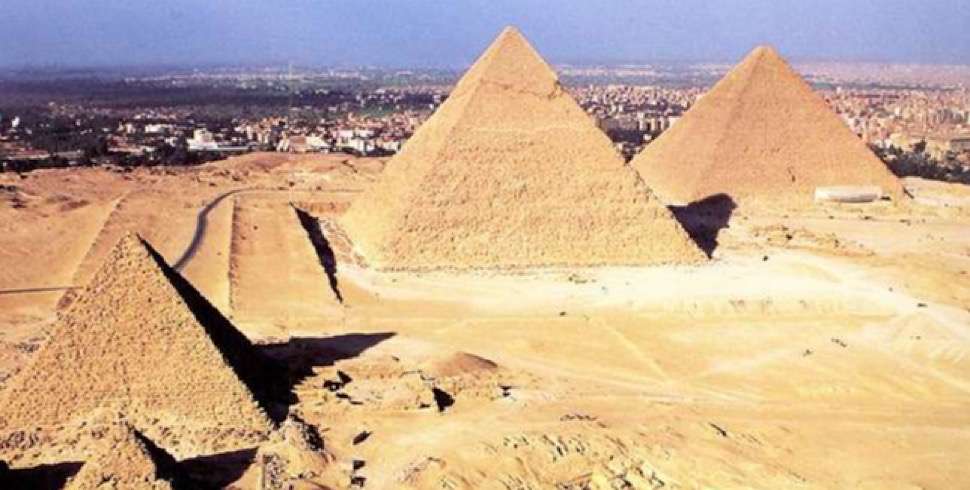
The story, led by the charismatic Karim Abdel Aziz as the Egyptologist “Youssef El-Gamal,” takes us from the bustling heart of Cairo to the mysterious Vatican and even under the ocean’s surface. The narrative pivots around a provocative—if sensational—question: is Egypt’s Great Pyramid simply a grand tomb, or does it house some ancient, mystical source of energy that could change the world?
For all its cinematic flair, this idea springs not from archaeological evidence, but from speculative pseudo-history and conspiracy theories prevalent on the internet’s wildest fringes. The “pyramid energy” trope has long been debunked, and yet here it is, repackaged with million-dollar visuals for a new generation—many of whom may take fiction for fact.
A civilization used as backdrop, not as inspiration
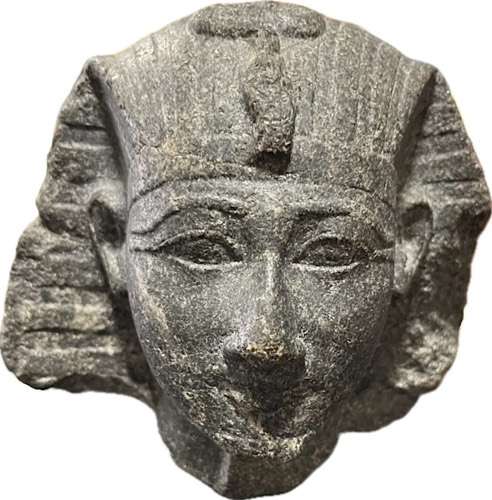
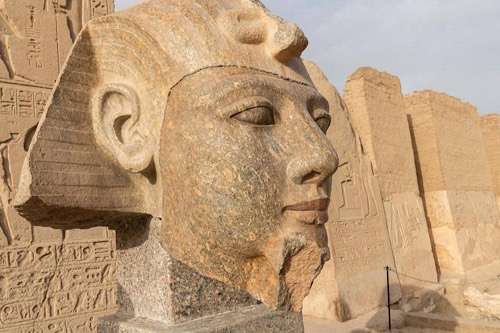
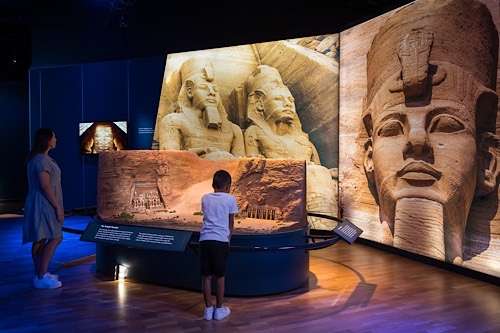
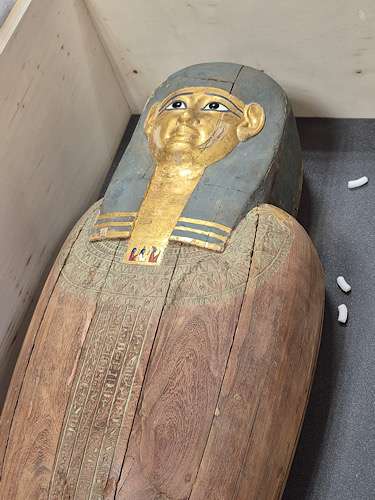
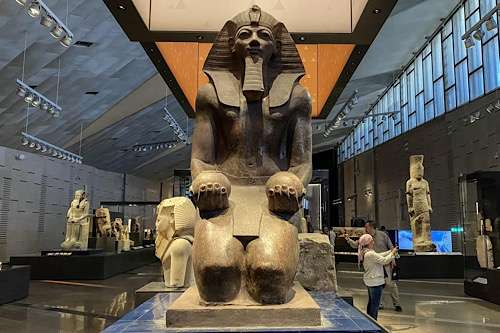
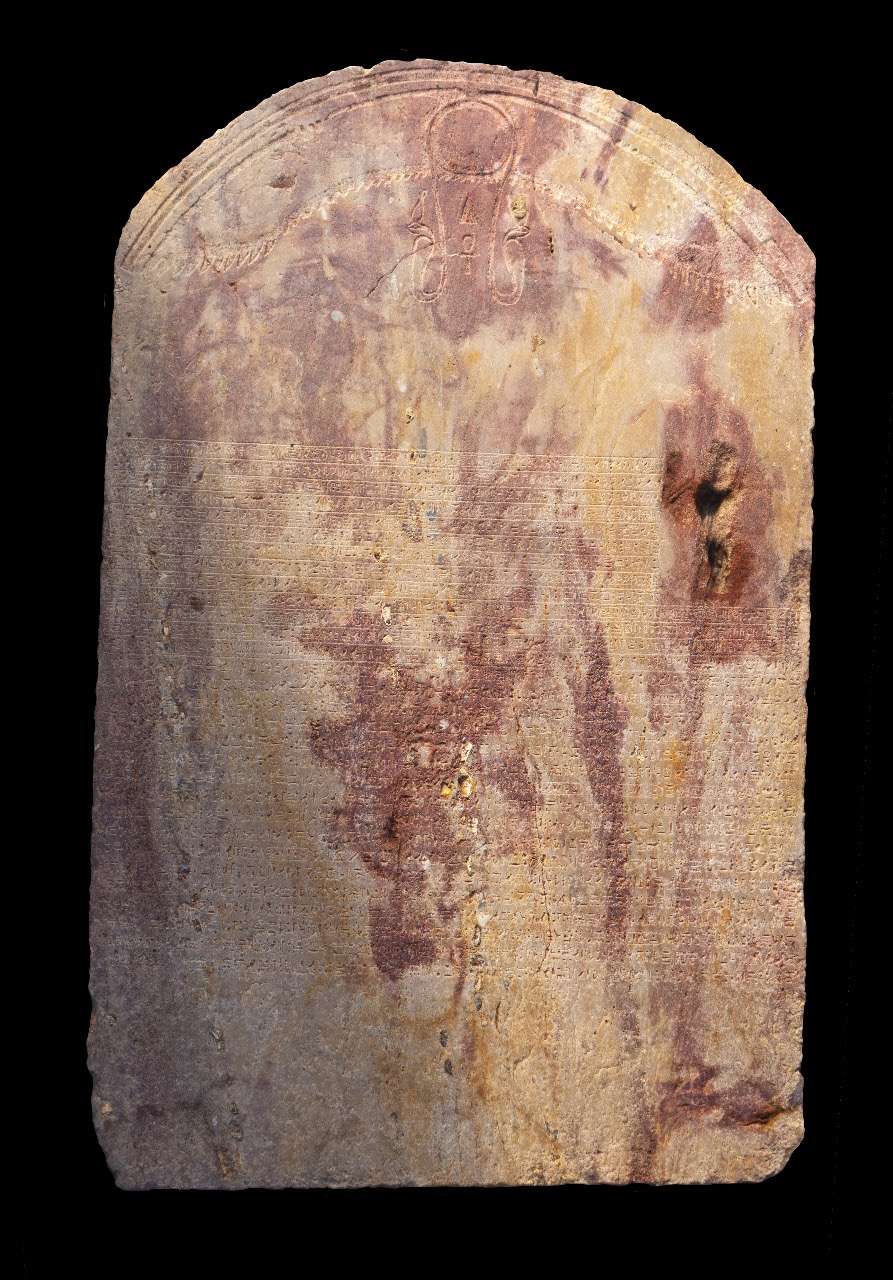
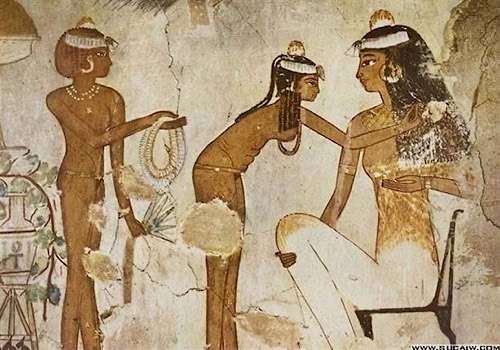
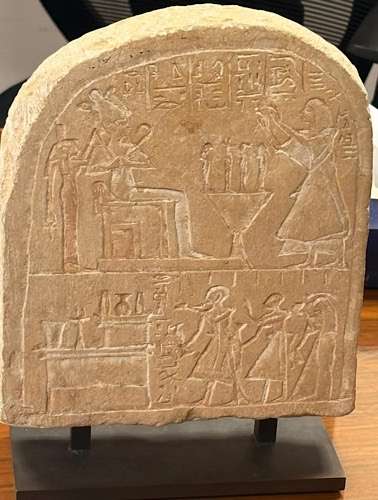
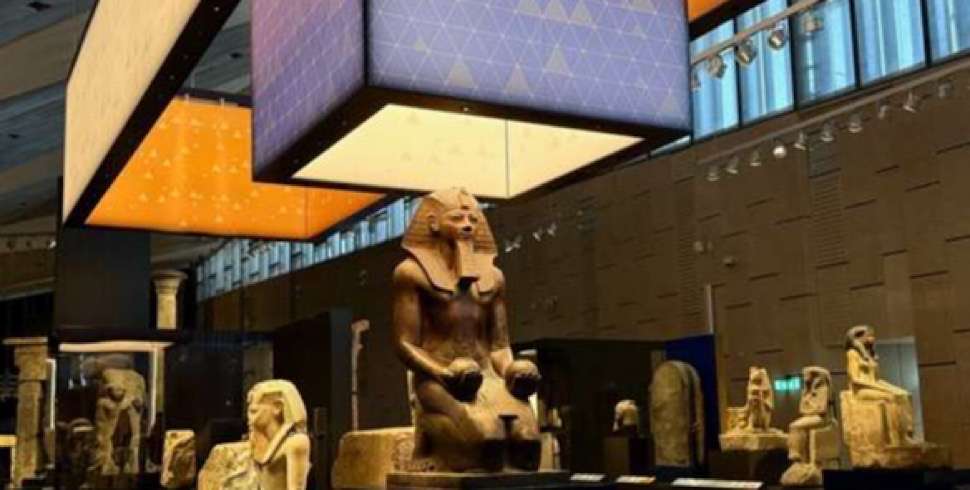
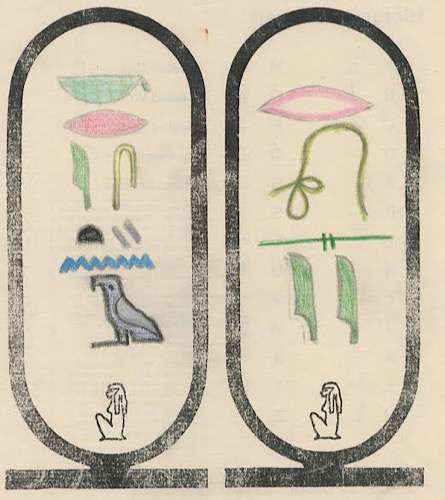
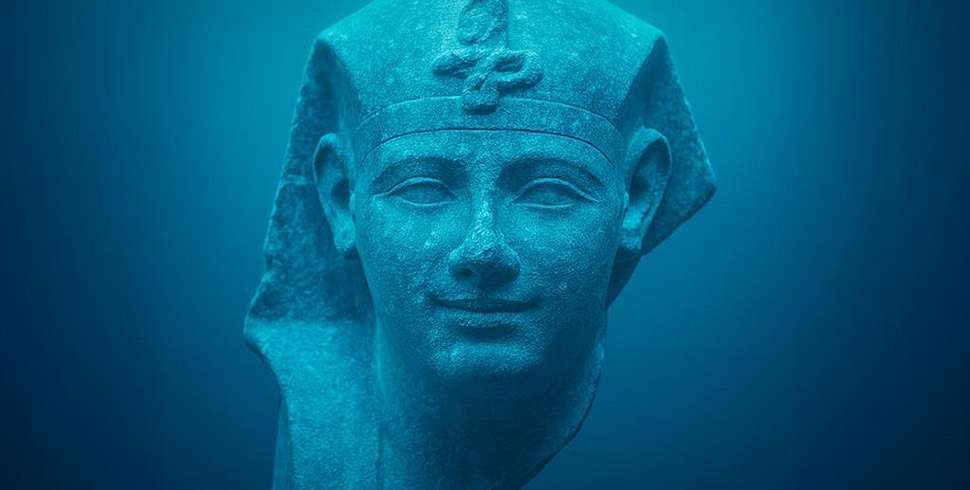
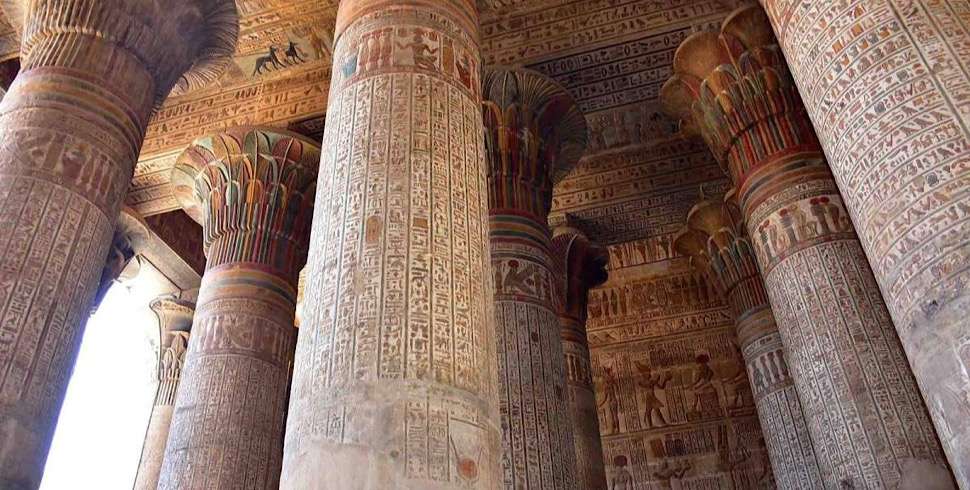
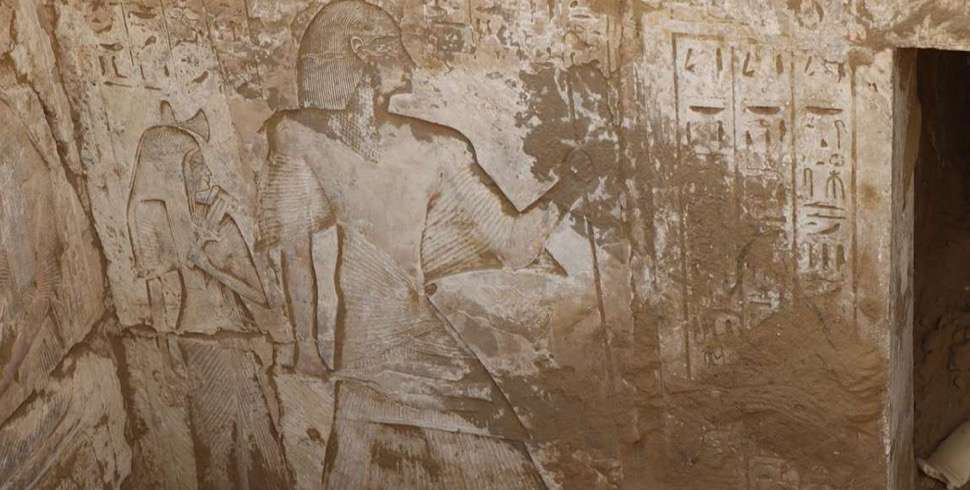
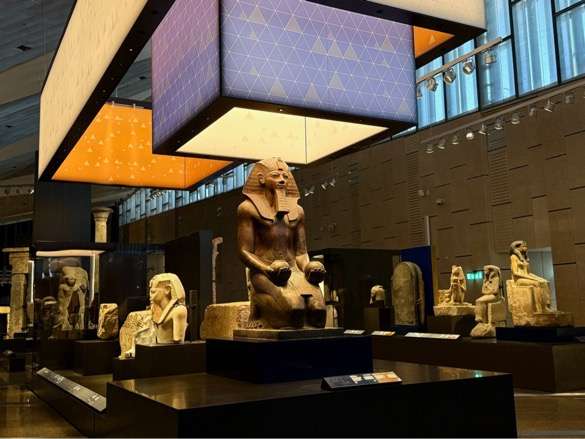
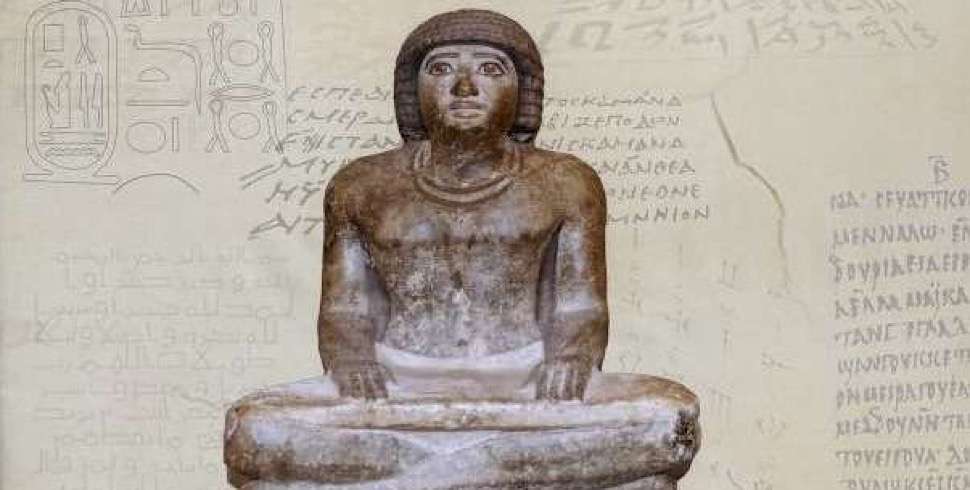
Throughout the film, the wonders of Egyptian heritage serve as exotic scenery rather than the profound heart of the story. Hieroglyphs, statues, and the pyramid itself become little more than mysterious charms and objects to be chased—not windows into the spiritual, philosophical, and scientific achievements of one of humanity’s most extraordinary ancient cultures.
Certainly, the cast bring energy and charisma—Karim Abdel Aziz is joined by Egyptian stars like Yasmin Sabri, Eyad Nassar, Essam El-Sakka, Ahmed Ghazy, Hana El-Zahed, and special appearances by veterans such as Maged El-Kedwany and Karim Mahmoud Abdel Aziz. Yet all play roles shaped by the logic of Hollywood-style adventure, not a nuanced engagement with real archaeology or the mysteries of the Egyptian afterlife.
Stunning visuals, troubling myths
Director Peter Mimi’s ambition should be applauded for pushing the technical boundaries of Egyptian filmmaking. Still, dazzling effects are no antidote to a narrative that blurs fact and fantasy so recklessly. To present the Great Pyramid—the very emblem of human ingenuity and aspiration—as a mere “energy device” not only distorts history, it risks sowing confusion among young viewers about the real wonders of ancient Egypt.
Where, one must ask, are the voices of Egyptologists? The rich legacy of priests, builders, artists, and thinkers whose philosophies on life, death, and rebirth shaped the pyramids? All too often, these are lost amidst the chase scenes and underwater escapades.
A grand film without a cultural compass
In the end, “Project X” is an achievement in production value, but a missed opportunity in cultural storytelling. Instead of inviting the world to marvel at the true genius and eternal spirit of Egyptian civilization, it falls back on sensationalism—reinforcing myths at the expense of reality.
Egypt does not need “superhuman pharaohs” conjured from conspiracy theories. What it deserves—and what audiences everywhere truly crave—is honest, heartfelt drama anchored in the real depth, mystery, and beauty of Egypt’s eternal story.
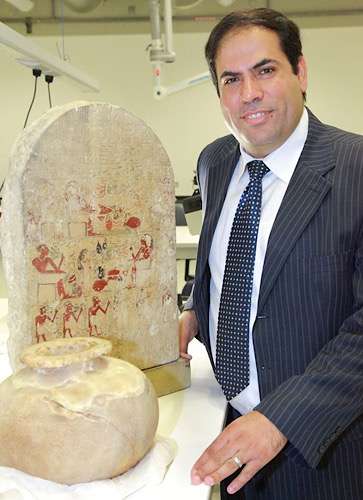
Dr. Bassir is the former General Director of the Giza Pyramids and Director of the Antiquities Museum, Bibliotheca Alexandrina.