


























































































































































































































































































































































































































































Friday, 09 October 2026
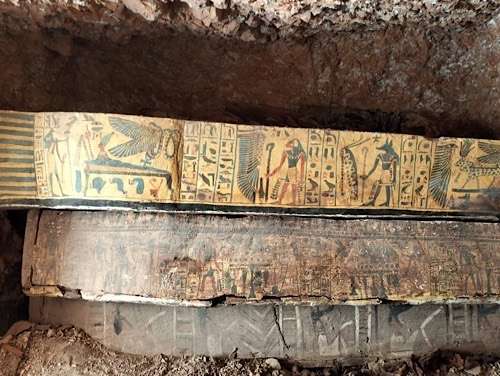
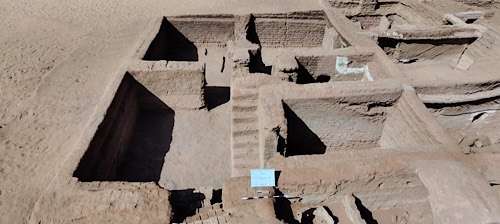
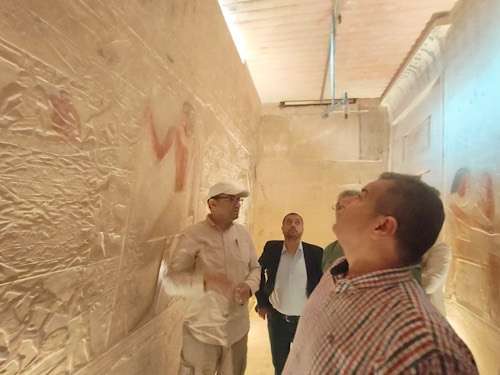
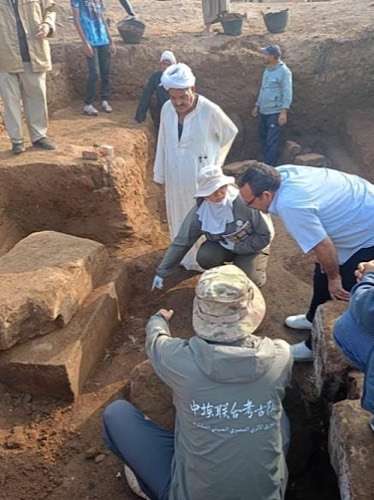
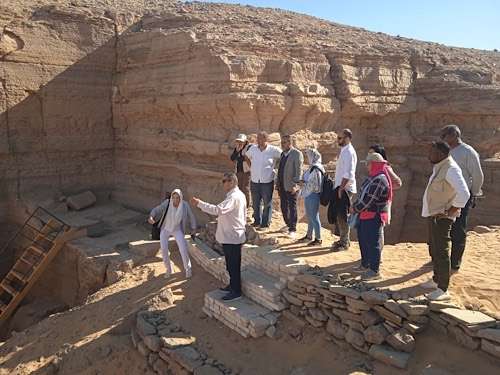
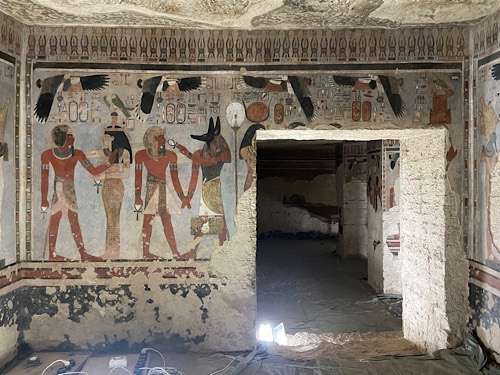
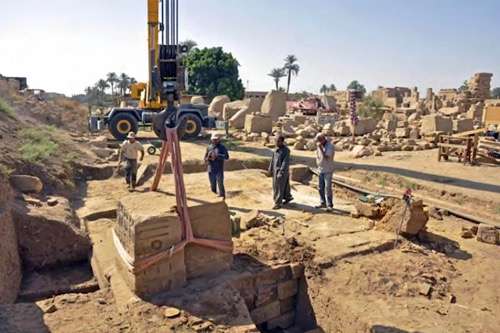
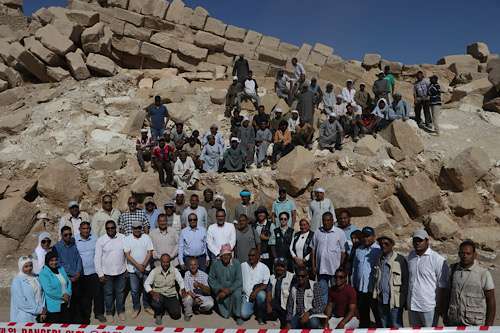
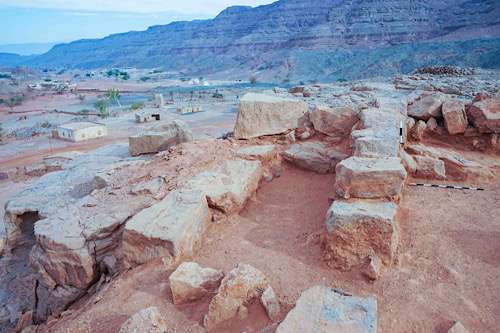
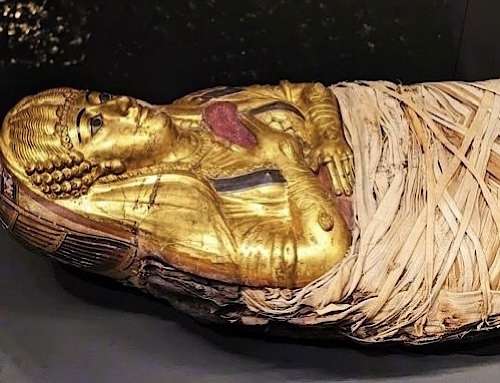
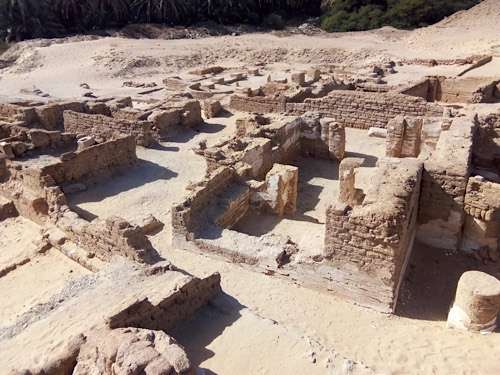
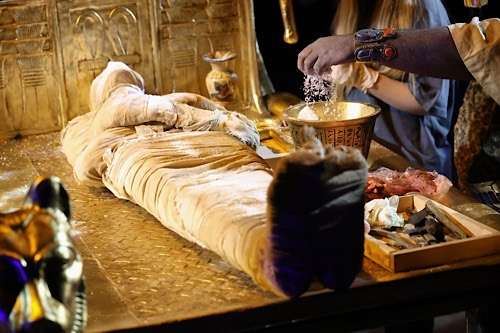
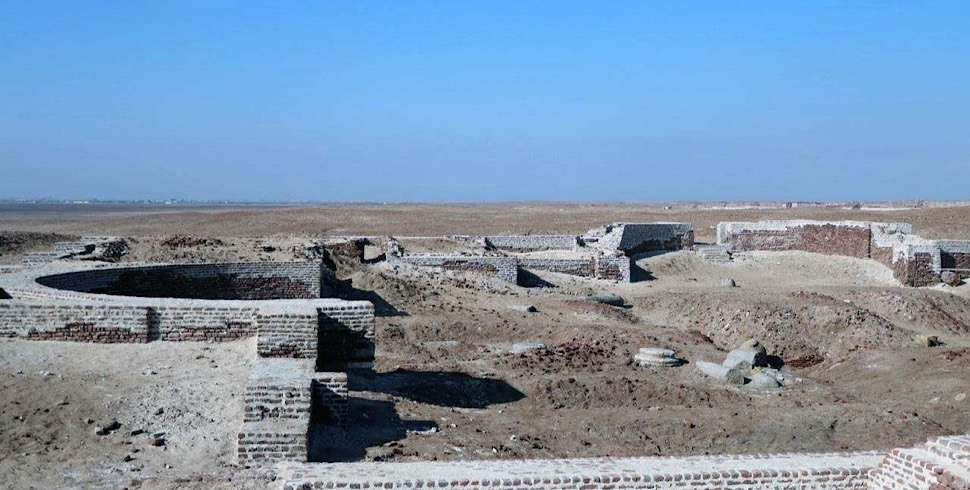
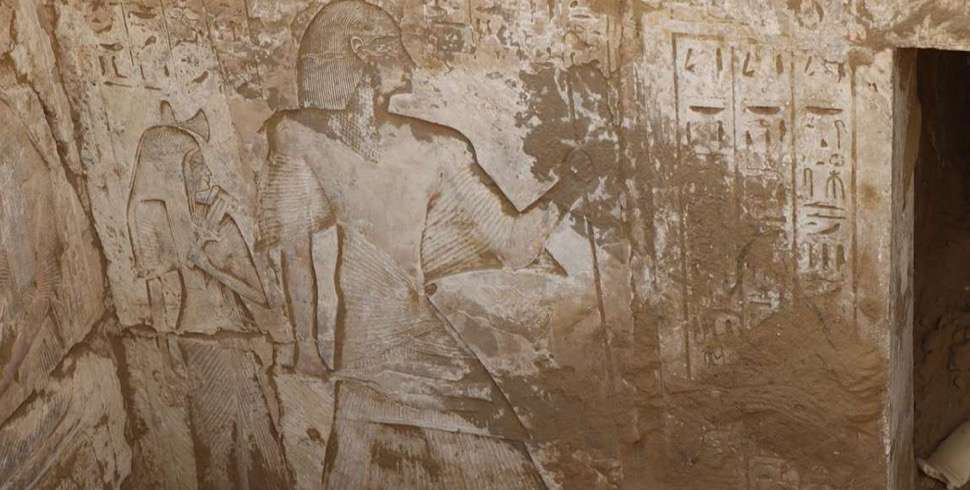
Egyptian archaeologists have uncovered a remarkable cache of brightly painted coffins containing mummies, along with a set of rare papyri dating back to the Third Intermediate Period. The discovery was made by a joint mission from the Supreme Council of Antiquities and the Zahi Hawass Foundation for Archaeology and Heritage during excavation work near the southwestern corner of the tomb of Seneb, in the Qurna area on Luxor’s West Bank.
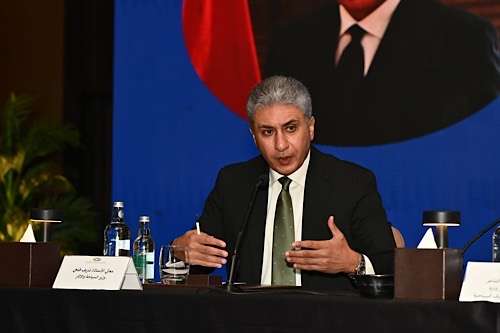
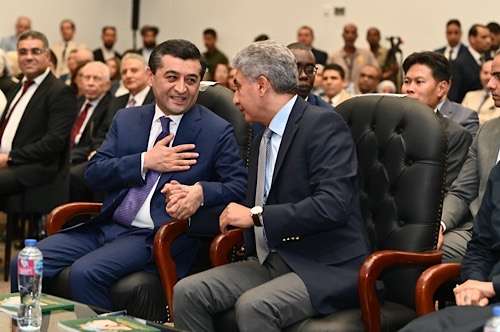
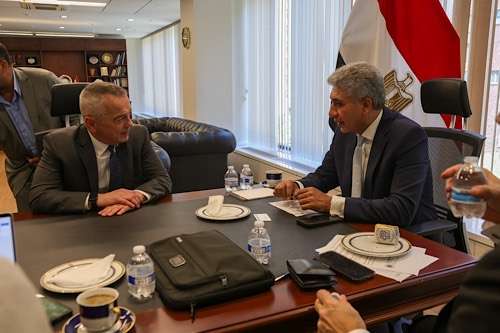
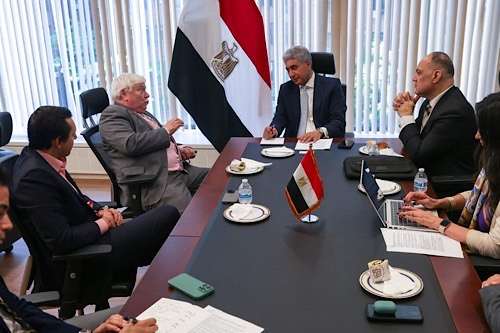
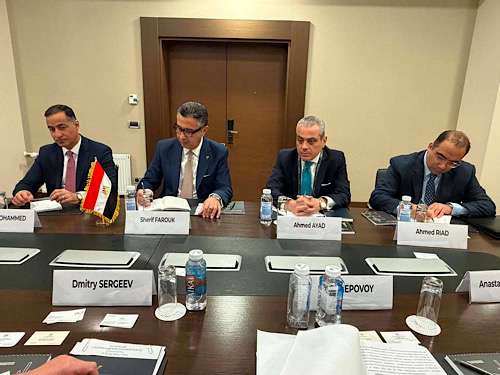
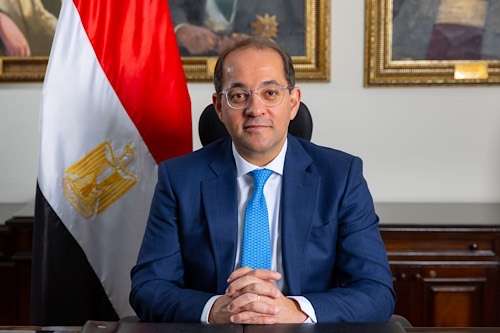
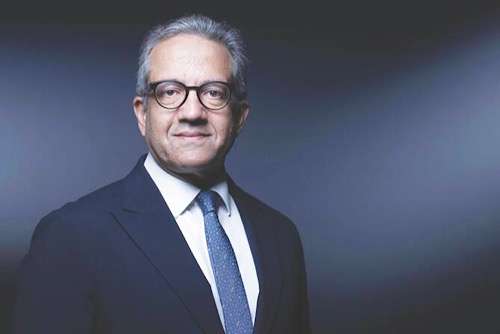
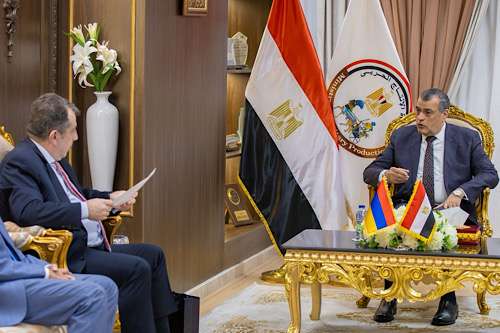
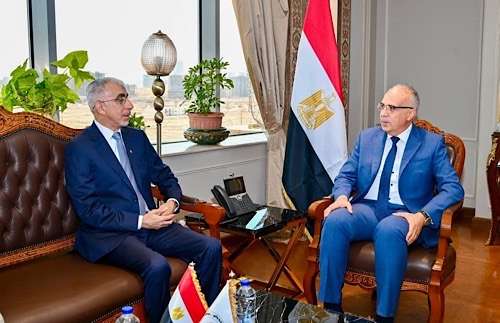
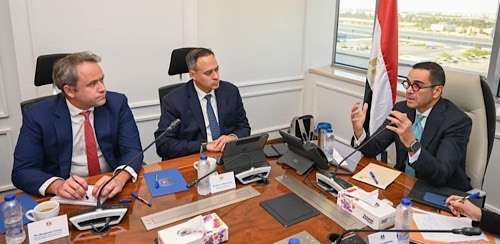
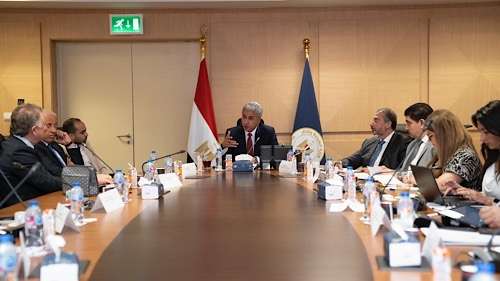
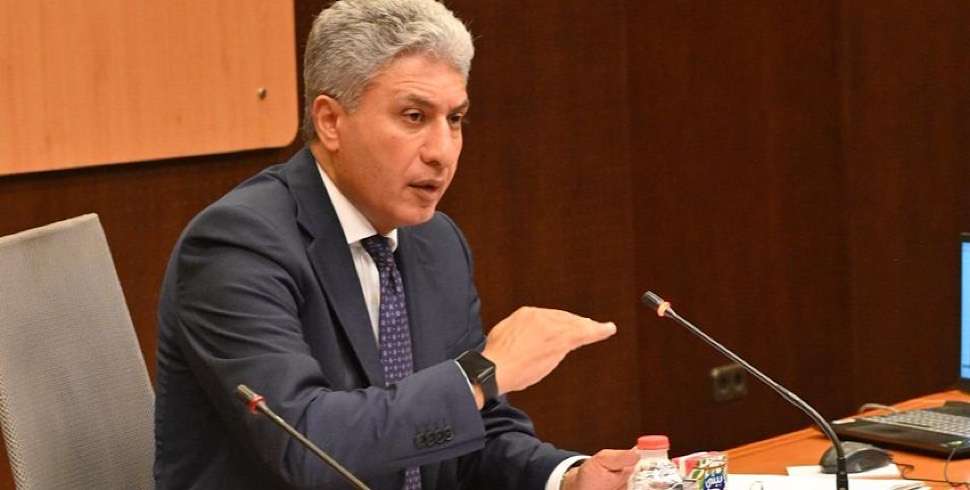
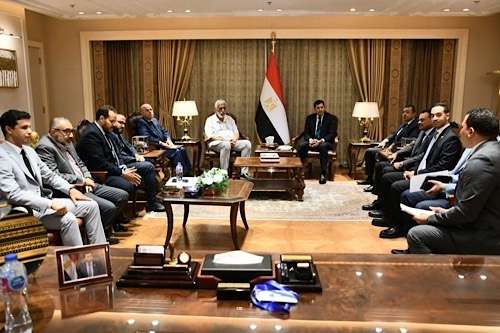
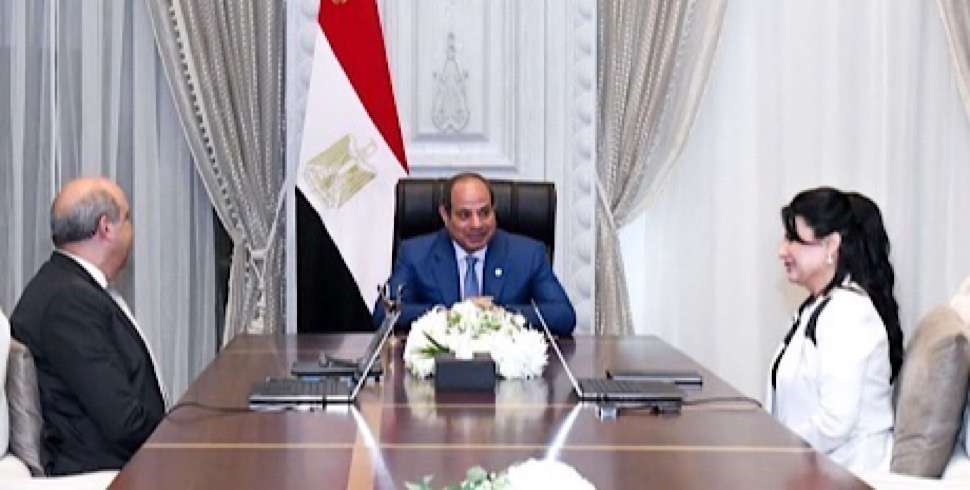
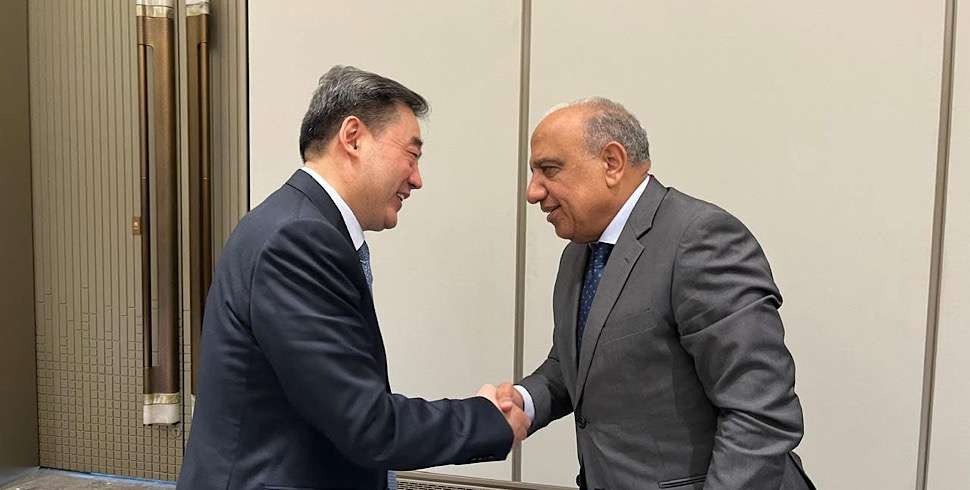
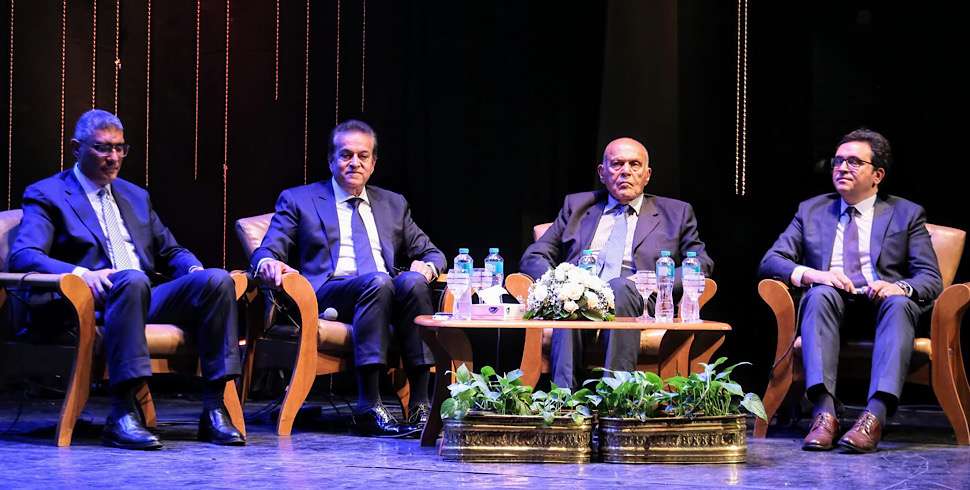
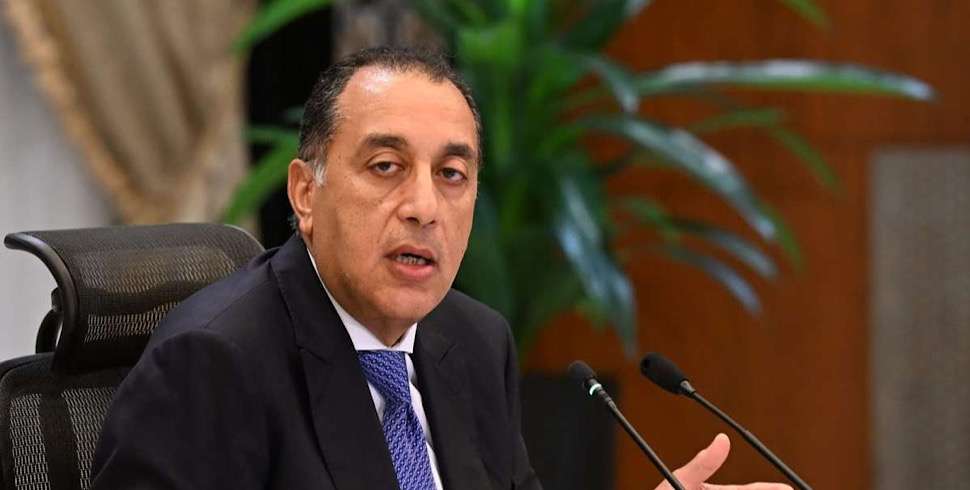
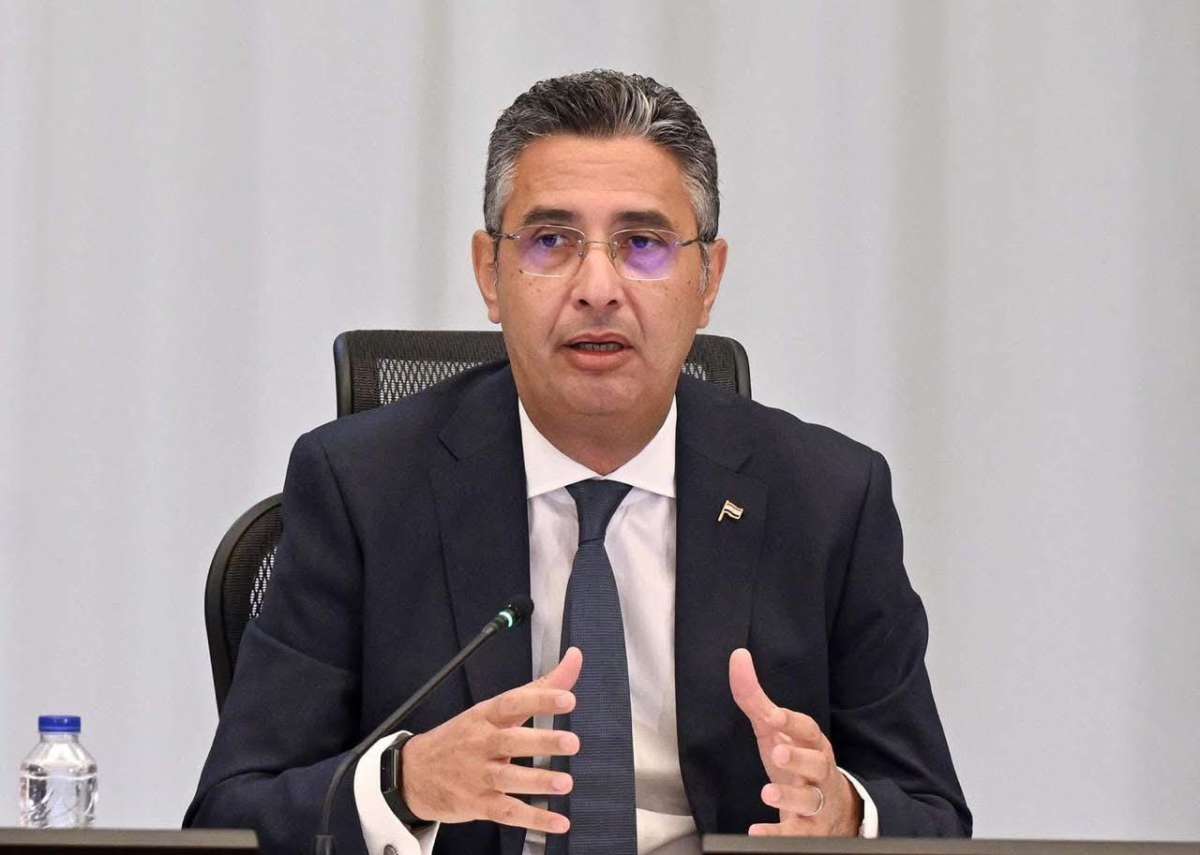
Egypt’s Minister of Tourism and Antiquities, Sherif Fathy, described the finding as a significant addition to Egypt’s growing list of archaeological breakthroughs. He emphasized that the discovery reflects the strong, ongoing support provided by the Egyptian government for archaeological research as part of a national strategy to preserve cultural heritage and highlight its global value.
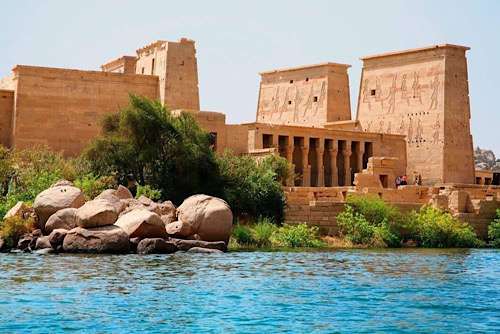
Fathy also noted that the ministry is deeply committed to restoration and scientific study associated with such discoveries, ensuring that each artifact is preserved to international standards. These efforts aim to prepare finds for future public display, enriching Egypt’s cultural tourism offerings—particularly in Luxor, which is often described as an open-air museum of human history.

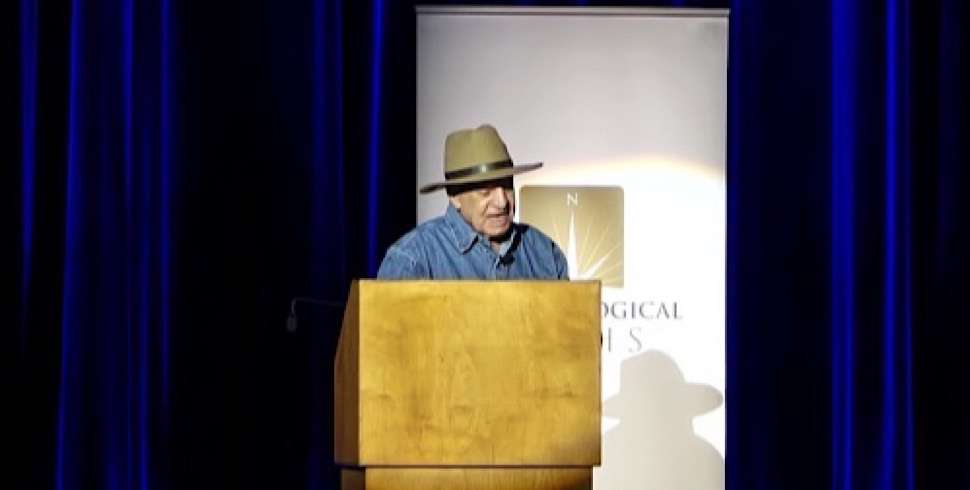
Former Minister of Antiquities and head of the mission, Dr. Zahi Hawass, called the discovery “exceptional,” revealing new insights into the Third Intermediate Period—a time in ancient Egyptian history that still holds many mysteries. He said the find provides a wealth of information about this era.
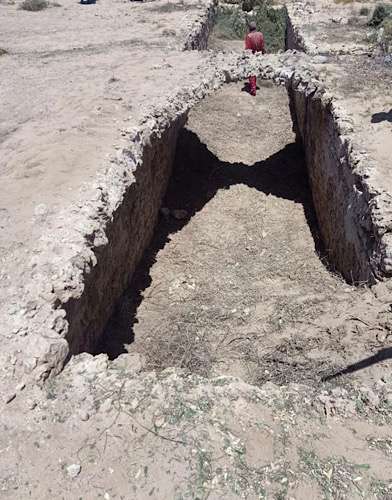
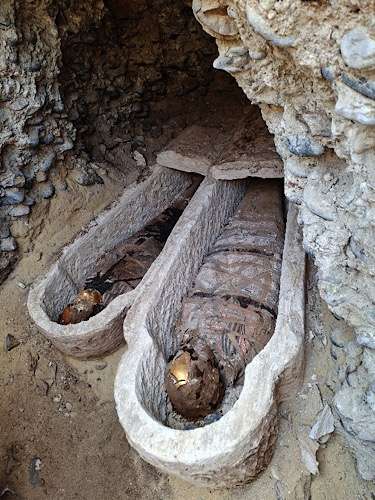
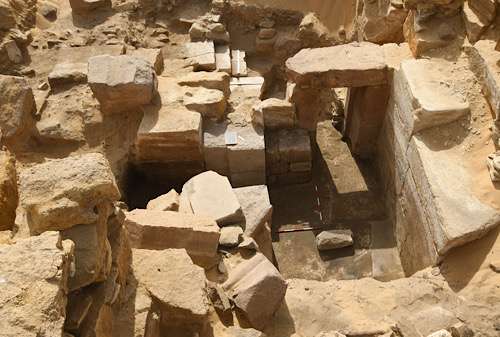
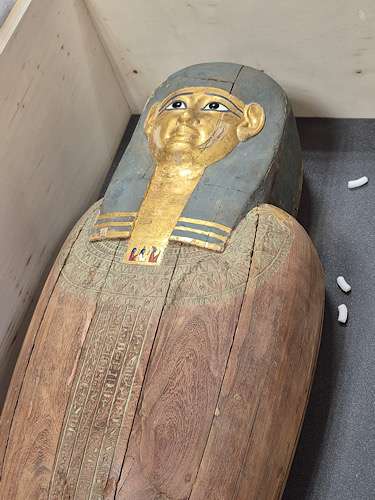
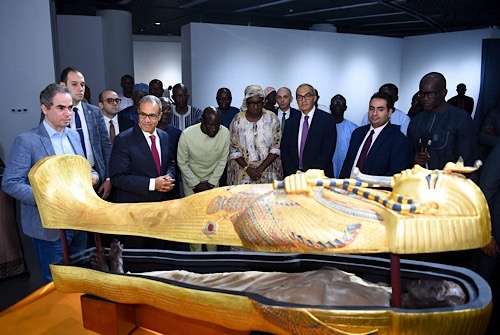
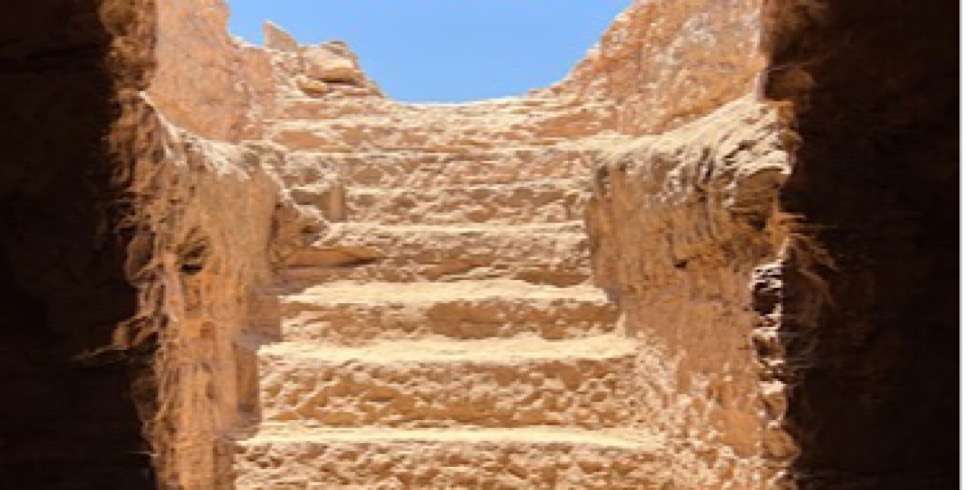
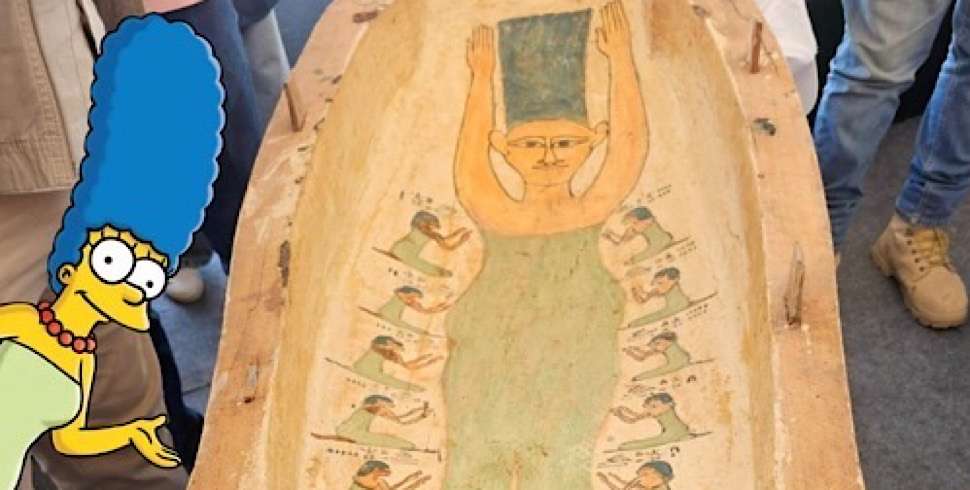
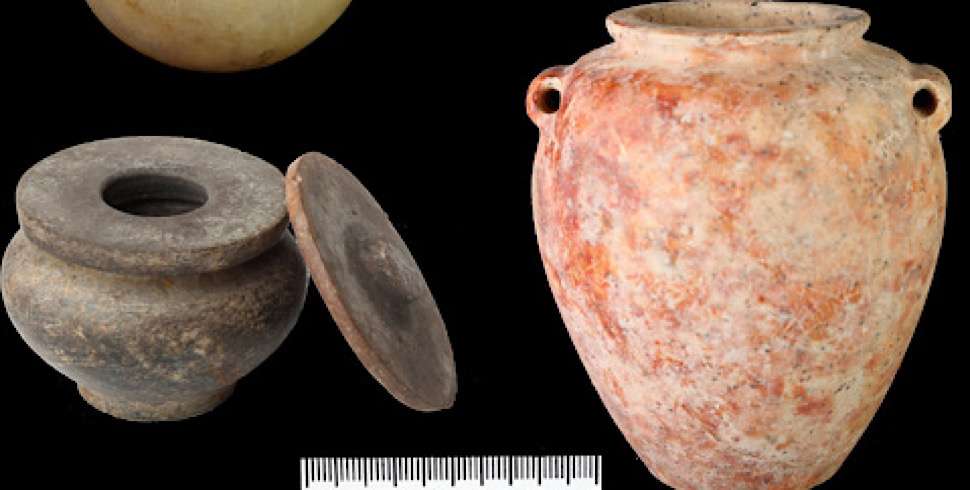
Excavators uncovered a rectangular rock-cut chamber used as a burial cache, containing 22 painted wooden coffins arranged in an unusually organized manner. The coffins were stacked in multiple layers, arranged in ten horizontal rows, and stored with their lids separated from the boxes to maximize space. The mission also found pottery vessels believed to have been used during the mummification process.
Secretary-General of the Supreme Council of Antiquities, Dr. Hesham El-Leithy, said the team is now working to determine the identities of those buried there. Most coffins bear professional titles instead of personal names, with the most common title being “Singer of Amun,” opening new avenues for research into the role and social status of temple singers during that period.
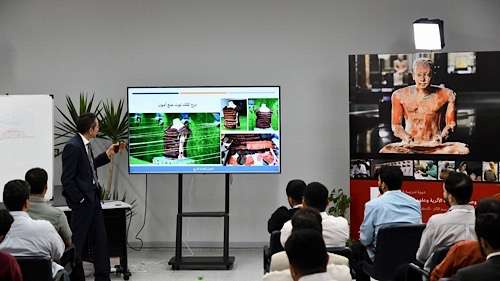
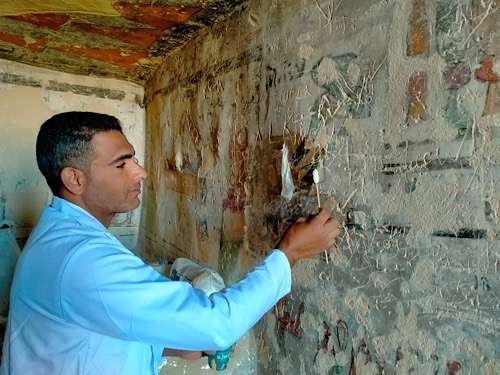
Because of the fragile state of the wood, the mission’s conservation team carried out urgent stabilization work. This included reinforcing deteriorated wooden fibers, securing weakened layers of painted plaster, and performing delicate mechanical cleaning to preserve the vivid colors. Each piece was fully documented both photographically and architecturally before being moved to storage.

Dr. Afifi Rahim, supervisor of the mission, confirmed that the cache dates to the Third Intermediate Period (21st–25th dynasties). Although the coffins lack personal names, many still contain mummies. The team is continuing excavations in pursuit of the original tombs from which the coffins were relocated.
The mission also discovered eight papyri inside a large pottery vessel, some still sealed with their original clay stamps. The papyri vary in size and are expected to provide significant new historical information once conservation and translation are complete.