





















































































































































































































































































































































































































































































































































































































































































































































































































































































































































































































































































































































































































































































Friday, 09 October 2026
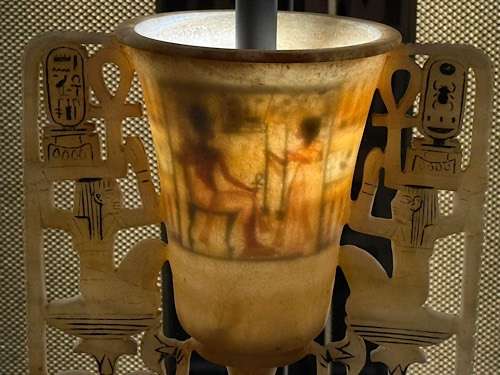
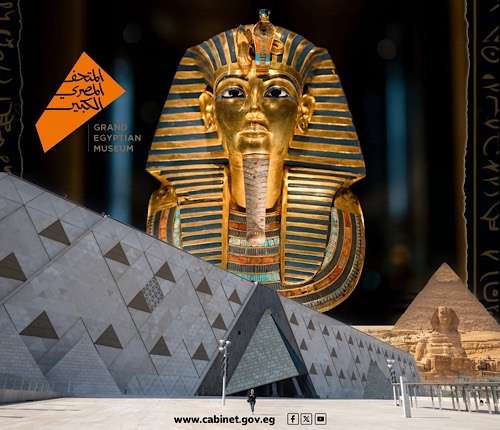
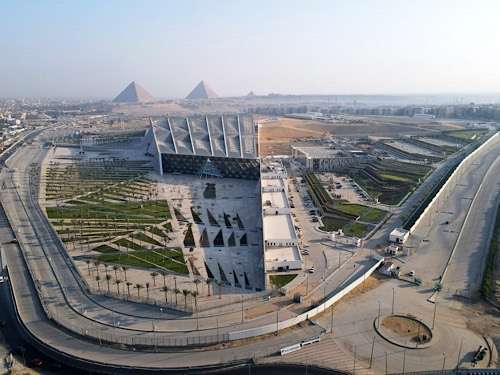
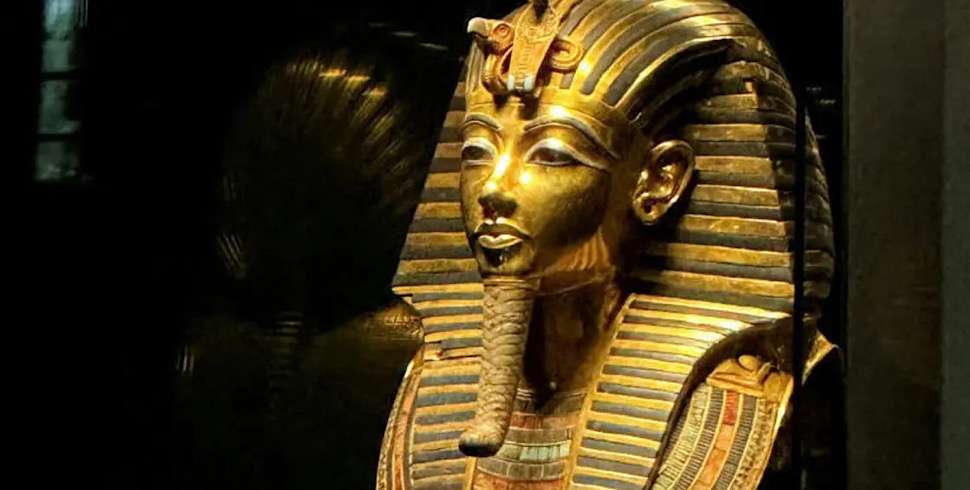
In a truly spectacular display of ancient ingenuity, the Grand Egyptian Museum is showcasing one of the most enchanting treasures from the tomb of King Tutankhamun: the legendary Lotus Lamp. Famed among scholars as the “Magical Lotus Lamp” or the “Goblet of Eternal Love,” this mesmerizing artifact exquisitely embodies the beauty, artistry, and enduring mysteries of ancient Egypt.
Carved from delicate, translucent alabaster, the lamp assumes the form of an open lotus—a powerful symbol in Egyptian culture representing life, rebirth, and the renewal of light with each dawn. But what truly sets this piece apart is its fascinating optical effect: when a gentle light is cast through the alabaster, an intimate scene materializes from within the stone itself. The image, invisible in ordinary circumstances, reveals young King Tutankhamun seated lovingly with his wife, Ankhesenamun—a rare, tender moment captured for eternity.
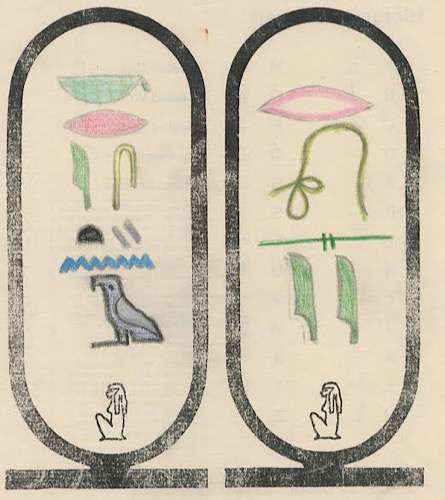
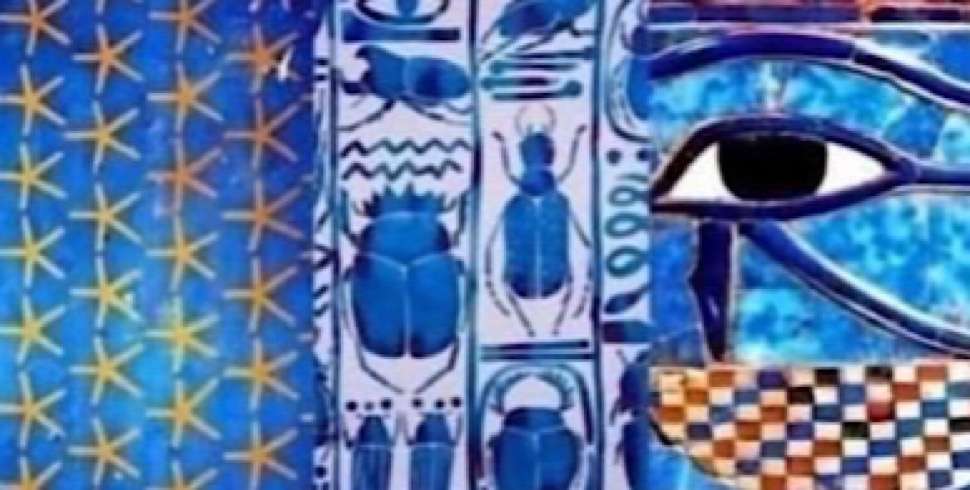
Adorning the goblet are finely incised hieroglyphs, featuring the ankh (key of life), solar scarabs, and the royal cartouches bearing Tutankhamun’s name. Flanking the lamp are two protective goddesses, presenting symbols of everlasting life, as if bestowing their blessings on the king’s journey into the afterlife.
Yet, the most extraordinary aspect lies in the unique way the image of the royal couple only appears when light passes through the lamp. Ancient artisans achieved this effect by sculpting the alabaster with such precision that the hidden scene only becomes visible when illuminated—a process astonishingly reminiscent of a “natural hologram.”
Although the lotus lamp resembles an oil lamp that could have been used for illumination, its function was deeply symbolic. Combining the motifs of light (rebirth), the lotus flower (renewal), and the loving couple (eternal union), the lamp encapsulates ancient Egypt’s profound belief in life after death and the everlasting bond of love and divine power.
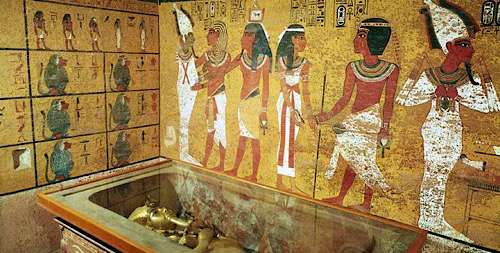
The artifact was discovered in 1922 inside Tutankhamun’s burial chamber (KV62) in the Valley of the Kings, nestled among his daily life objects. After more than three millennia, it is now on display in the dedicated halls of the Grand Egyptian Museum—its translucent beauty carefully restored to allow light to reveal its magic, just as it did for the ancient pharaohs.
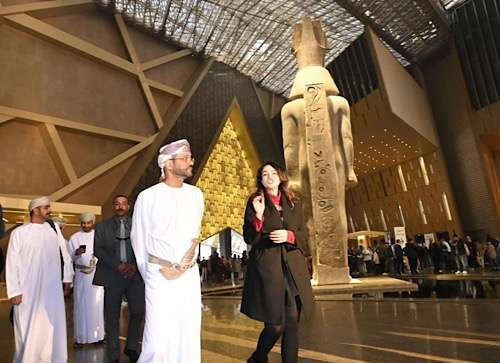
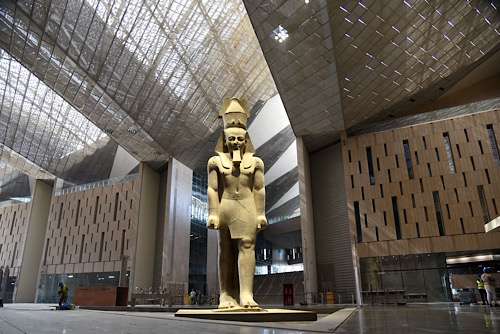
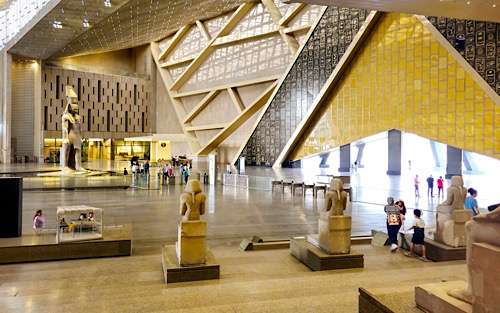
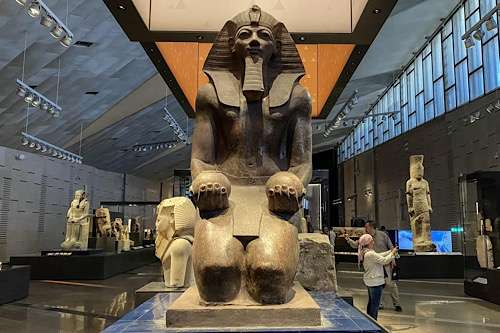
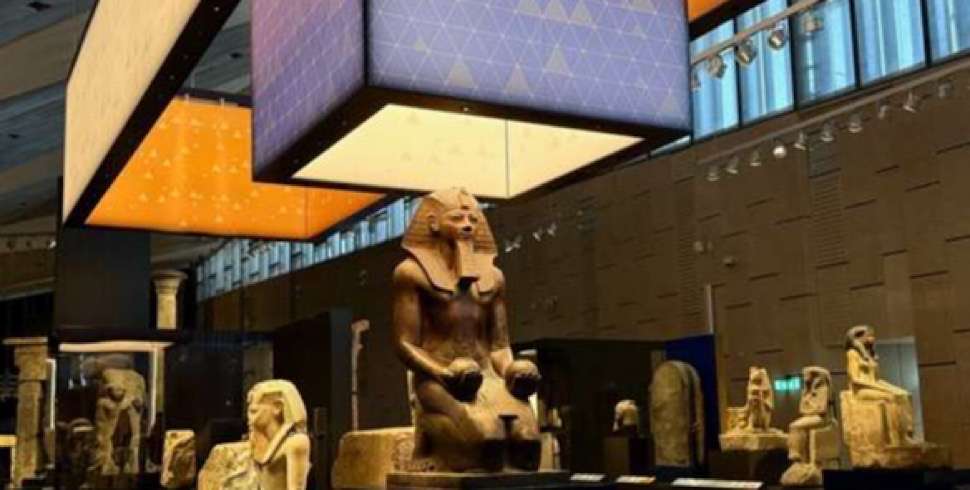
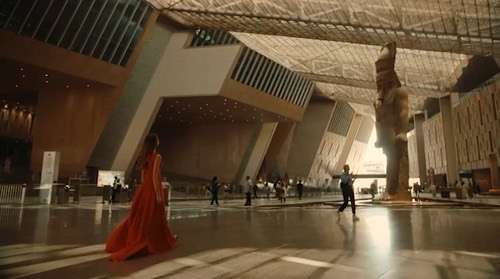
For many years, the lamp sat discreetly in a corner display case in the old Egyptian Museum in Tahrir Square, often overlooked by visitors. Today, it takes pride of place at the Grand Egyptian Museum, where a meticulously designed lighting system brings the secret scene to vivid life. The lamp now gleams with its own ethereal glow, captivating audiences and highlighting the ingenious ways ancient Egyptians intertwined symbolism, art, and science.
The Magical Lotus Lamp of Tutankhamun is more than just a beautiful object; it is a testament to a remarkable civilization that seamlessly blended artistic vision with scientific mastery. By harnessing the unique qualities of alabaster, ancient Egyptians crafted an artifact that comes alive with light, inviting awe across millennia.
As you encounter the Lotus Lamp at the Grand Egyptian Museum, you are invited to step into the luminous heart of an ancient world, where a single beam of light can rekindle stories of love, hope, and immortality.