From bros to foes: how the unlikely Trump-Musk relationship imploded
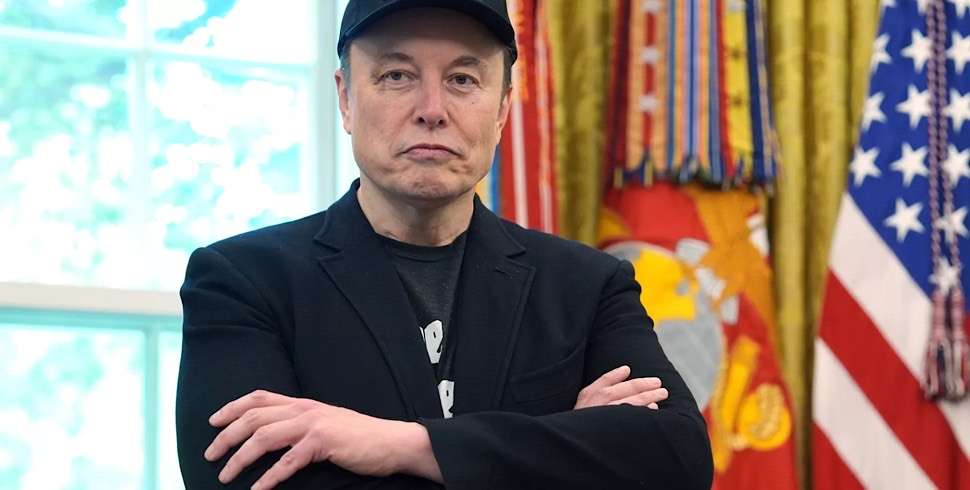
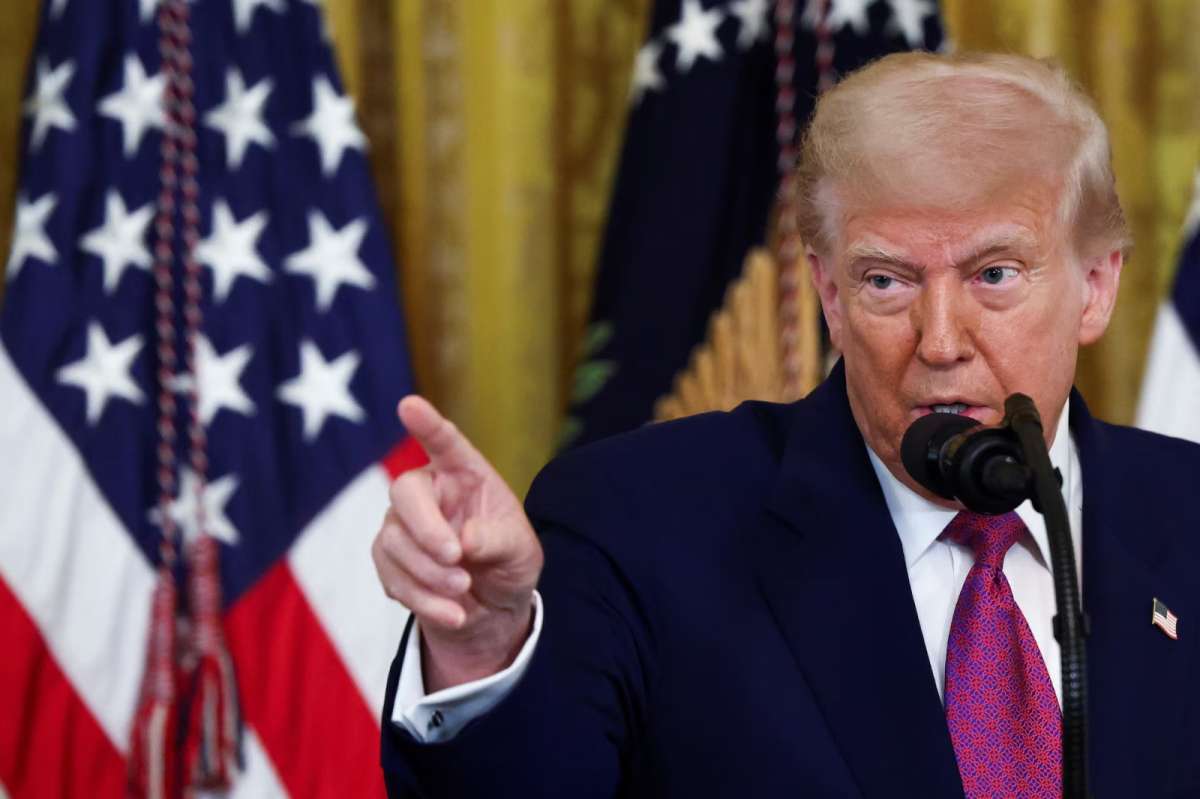
WASHINGTON (Reuters) - When Donald Trump met privately with White House officials on Wednesday, there was little to suggest that the U.S. president was close to a public break with Elon Musk, the billionaire businessman who helped him win a second term in office.
Two White House officials familiar with the matter said Trump expressed confusion and frustration in the meeting about Musk's attacks on his sweeping tax and spending bill. But he held back, the officials said, because he wanted to preserve Musk's political and financial support ahead of the midterm elections.
By Thursday afternoon, Trump's mood had shifted. He had not spoken to Musk since the attacks began and was fuming over what one White House aide described as a "completely batshit" tirade by the Tesla CEO on X, his social media platform.
Musk had blasted Trump's tax bill as fiscally reckless and a "disgusting abomination." He vowed to oppose any Republican lawmaker who supported it. The bill would fulfill many of Trump's priorities while adding, according to the Congressional Budget Office, $2.4 trillion to the $36.2-trillion U.S. public debt.
Privately, Trump had called Musk volatile. On Thursday, he told his team, it was time to take the gloves off.
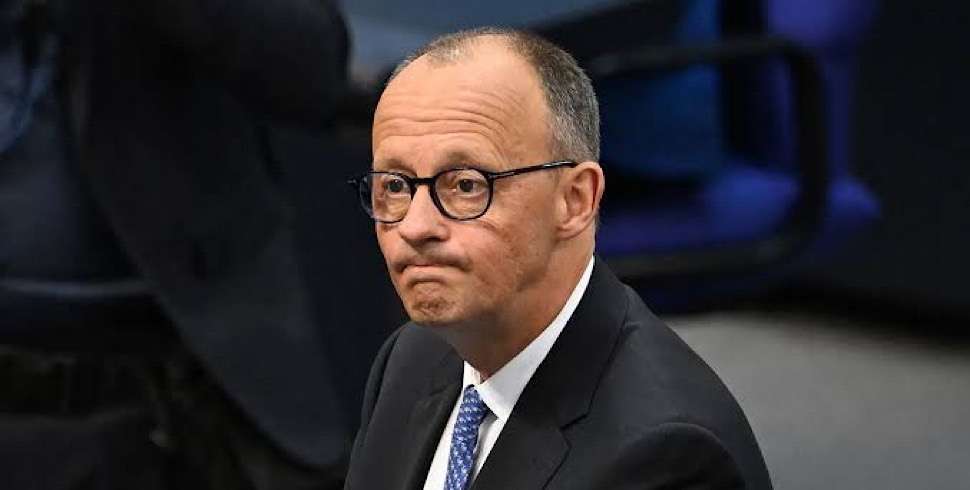
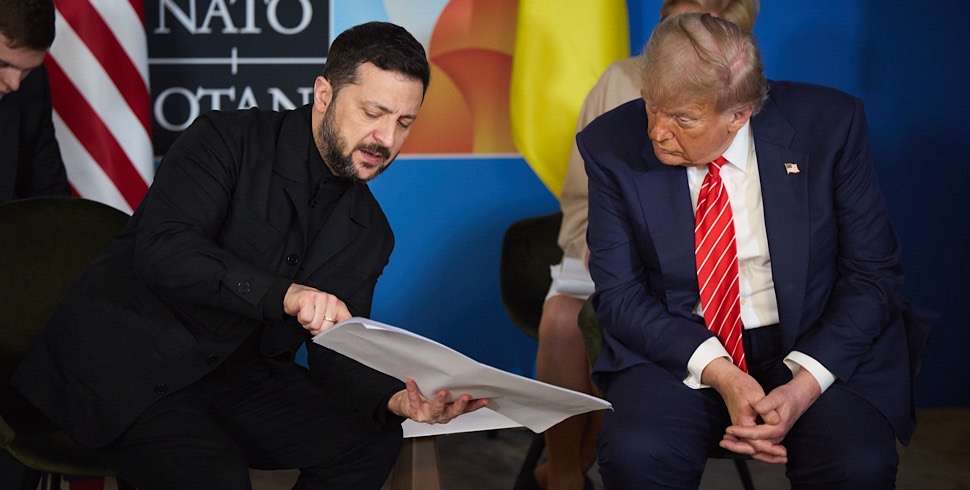
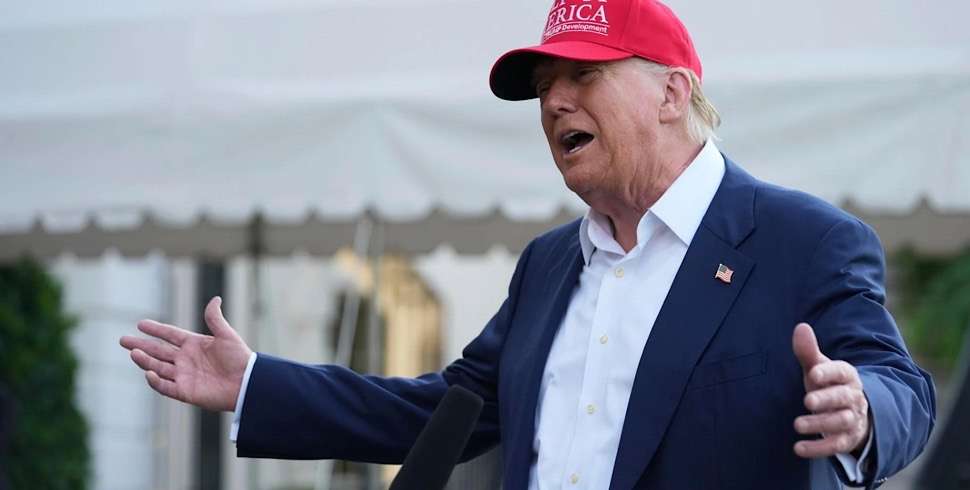
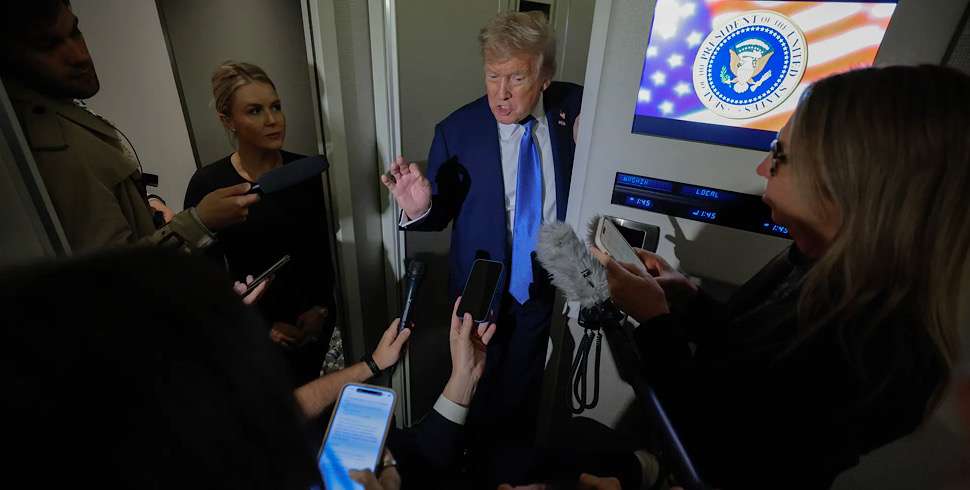
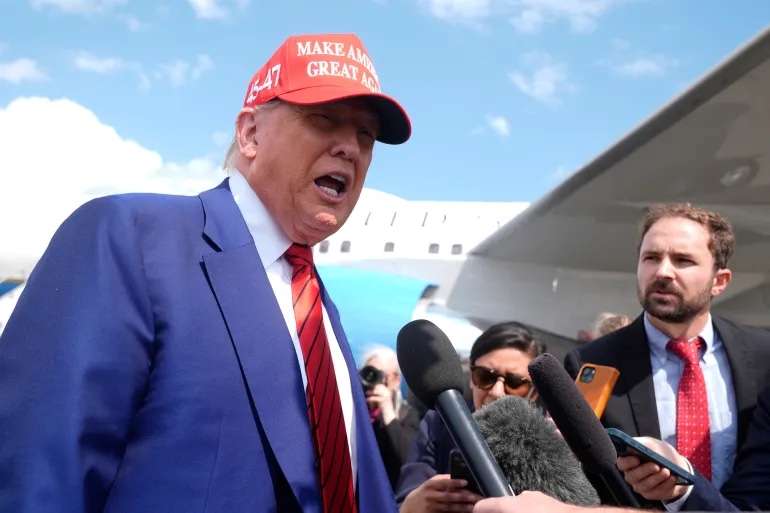
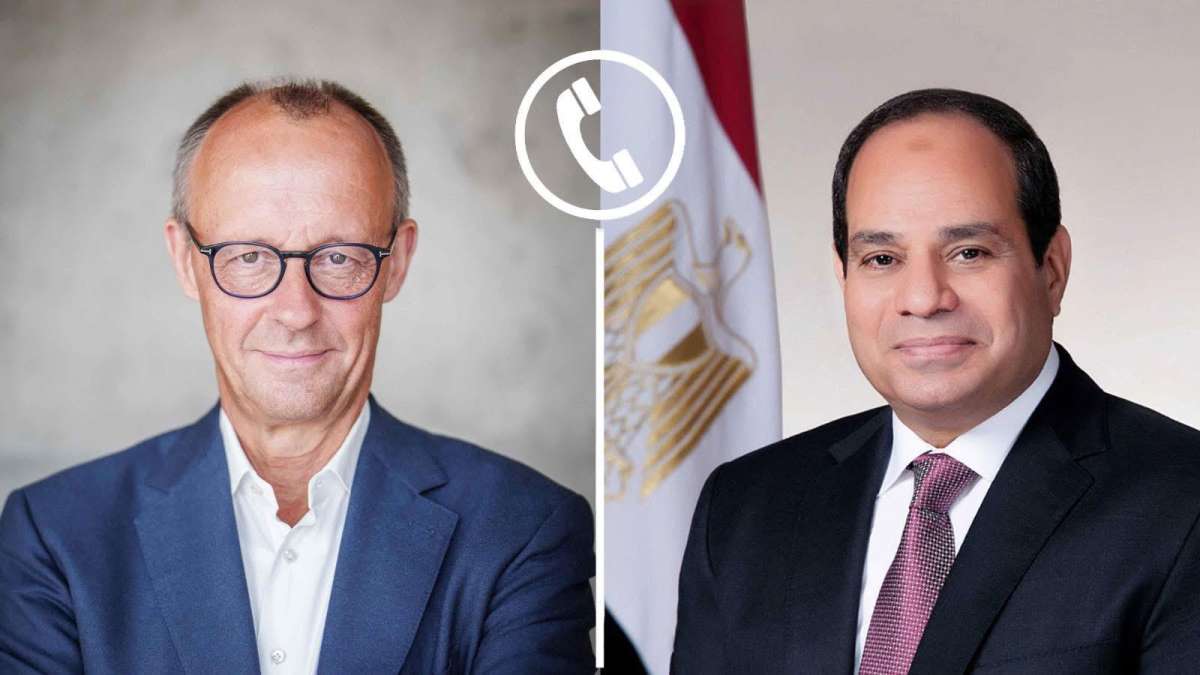
Sitting next to German Chancellor Friedrich Merz in the Oval Office, Trump told reporters he was "very disappointed" in his former adviser. Musk quickly hit back on social media, and the back-and-forth devolved from there.
"The easiest way to save money in our budget, billions and billions of dollars, is to terminate Elon's government subsidies and contracts," Trump posted on Truth Social, his social media site. Within minutes, Musk said it might be time to create a new political party and endorsed a post on X from Ian Miles Cheong, a prominent Musk supporter and right-wing activist, calling for Trump's impeachment.
The Trump-Musk relationship at its height was unprecedented in Washington - a sitting president granting a billionaire tech CEO access and influence inside the White House and throughout his government. Musk spent nearly $300 million backing Trump's campaign and other Republicans last year.
For months, Musk played both insider and disruptor - shaping policy conversations behind the scenes, amplifying Trump's agenda to millions online, and attacking the bureaucracy and federal spending through his self-styled Department of Government Efficiency.
Just last week, Trump hosted a farewell for Musk and declared that "Elon is really not leaving."
Now he had not only left but had turned into a top critic. Hours after Trump's Oval Office remarks, a third White House official expressed surprise at Musk's turnaround. It "caught the president and the entire West Wing off guard," she said.
Musk did not respond to emails seeking comment about the downturn in relations. His super PAC spending group, America PAC, and spokeswoman Katie Miller did not respond to calls and texts requesting comment.
In a statement, the White House called the breakup an "unfortunate episode from Elon, who is unhappy with the One Big Beautiful Bill because it does not include the policies he wanted."