























































































































































































































































































































































































































































































Friday, 09 October 2026
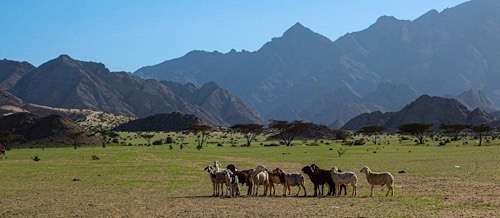
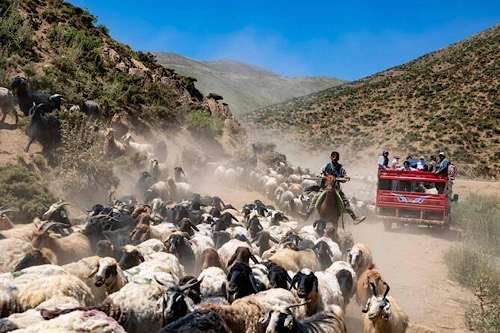 Kurdish workers sit in the back of a truck as it drives past a flock of sheep in the mountains of Turkiye’s southeastern Hakkari province. AFP
TURKIYE – In the remote mountains of southeastern Hakkari province, nestled at the crossroads of Turkiye, Iran, and Iraq, Kurdish livestock farmers are slowly making their way back after decades of unrest between Kurdish militants and Turkish forces, AFP reported.
“For years, we came and went freely. Thirty years ago, we could travel back and forth, but the conflict kept us away. Now we’ve just started coming again, bringing our livestock without fear,” said Selahattin Irinc, 57, who spoke in Kurdish as he steadied a sheep during shearing.
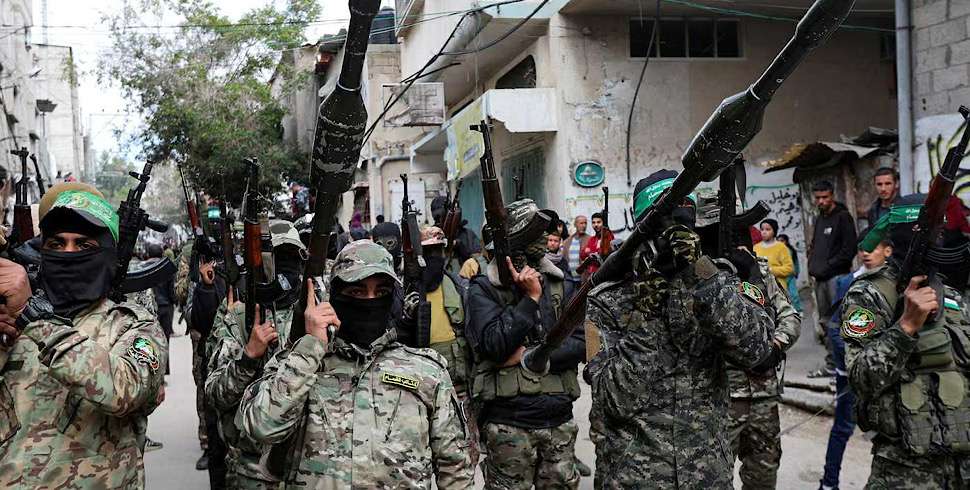
A significant milestone was marked on July 11, when a symbolic arms decommissioning ceremony in Iraqi Kurdistan signaled the Kurdistan Workers’ Party (PKK) shift from armed struggle to political engagement—a major step toward ending one of the region’s lengthiest conflicts.
Founded in 1978 by students from Ankara University, the PKK—labeled a terrorist group by Turkiye and most of the international community—began its armed insurgency in 1984, aiming for Kurdish emancipation.
The long-running violence has claimed the lives of 50,000 civilians and 2,000 soldiers, according to President Recep Tayyip Erdogan.
Alongside fellow farmers, Irinc tends his animals on the verdant plateaus beneath the Cilo Mountains and towering Resko peak, Turkiye’s second-highest summit at 4,137 meters (13,572 feet).
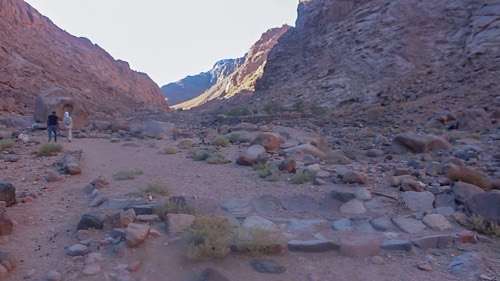
This breathtaking region—adorned with waterfalls, glacial lakes, and trekking paths—has gradually reopened to both herders and tourists, as peace talks have led to an easing of the PKK conflict.
Yet for many years, these stunning mountains were battlegrounds, with PKK fighters exploiting the rugged landscape for cover while clashing with the Turkish military, leaving local Kurdish farmers caught in the crossfire.
“We always faced trouble with Turkish soldiers. They used to accuse us of aiding the PKK with food like milk and meat from our flocks,” said another local livestock owner, who wished to remain anonymous and denied the accusations.
“Things are calmer now,” he added.
While the peace process has brought greater freedom and stability to the area, strains have not disappeared completely.
Checkpoints remain around Hakkari city and along the main trail to the Cilo glacier, a popular spot for trekkers.
“Life here is good, and the scenery beautiful. Tourists often come and camp in the mountains for a day or two, bringing their tents, food, and water,” said farmer Mahir Irinc.
Still, these mountains are as demanding as they are beautiful, and Mahir, 37, worries his generation could be the last to make a living raising livestock in this remote landscape.
“I don’t think another generation will follow in our footsteps. We’d welcome it if they did, but young people today aren’t interested in animal husbandry—they prefer easier jobs,” he said wistfully.