














































































































































































































































































































































































































Friday, 09 October 2026
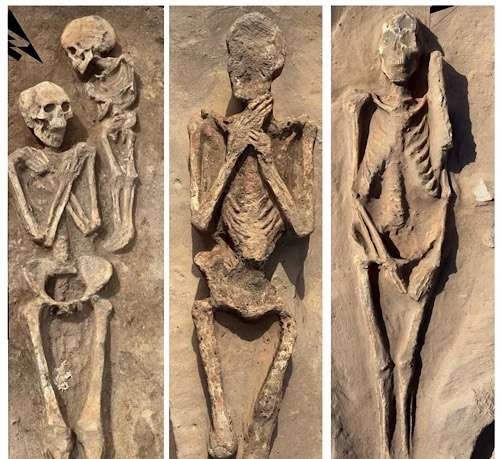
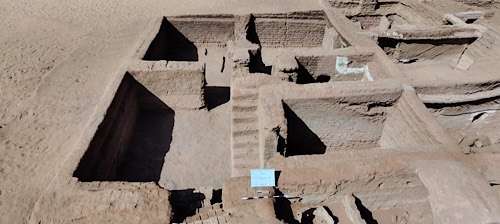
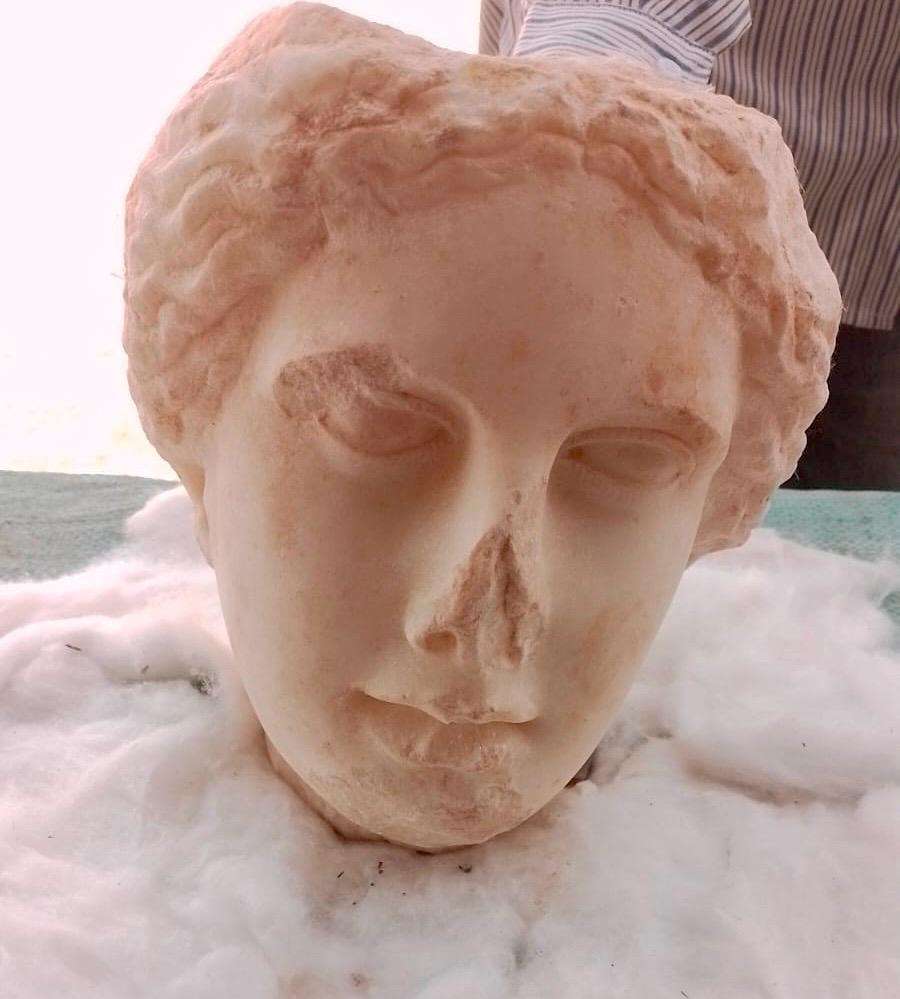
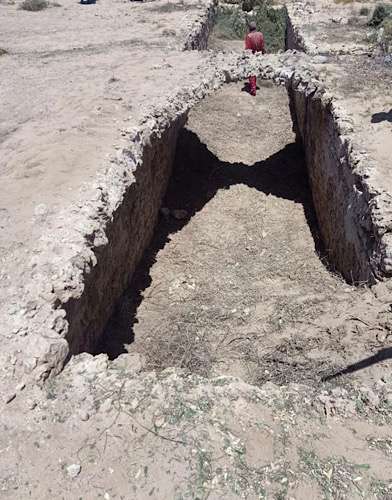
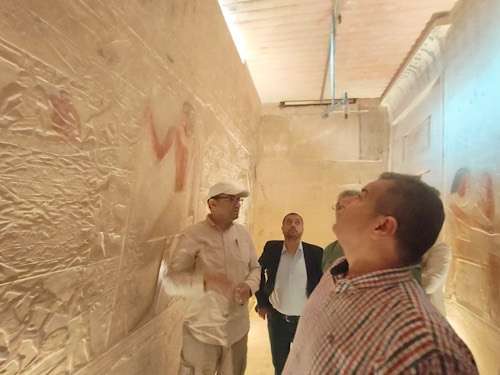
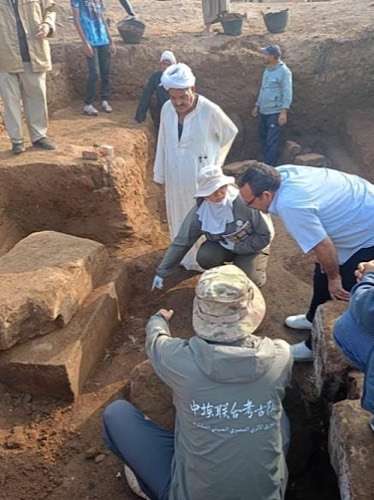
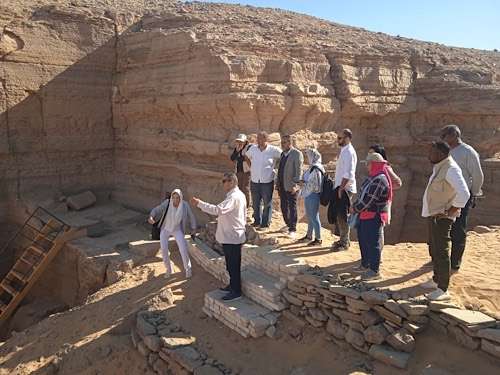
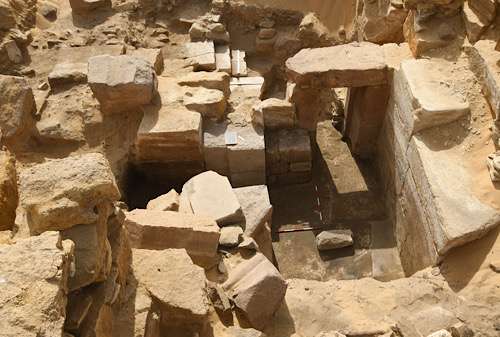
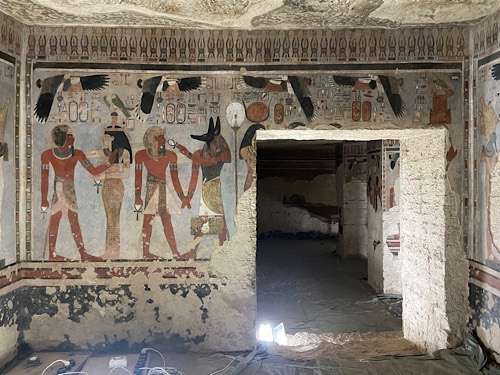
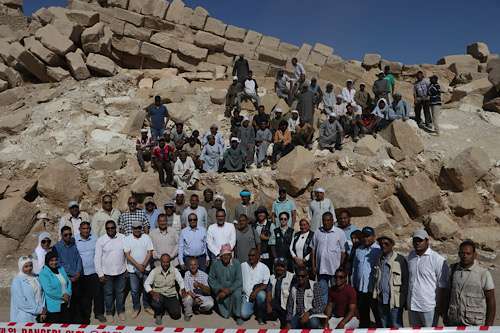
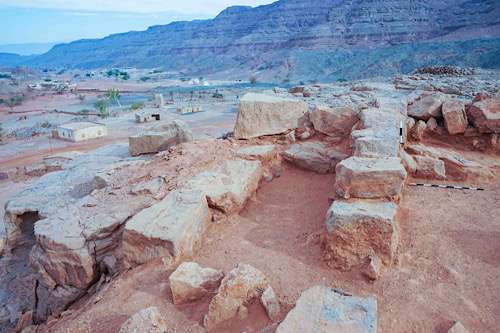
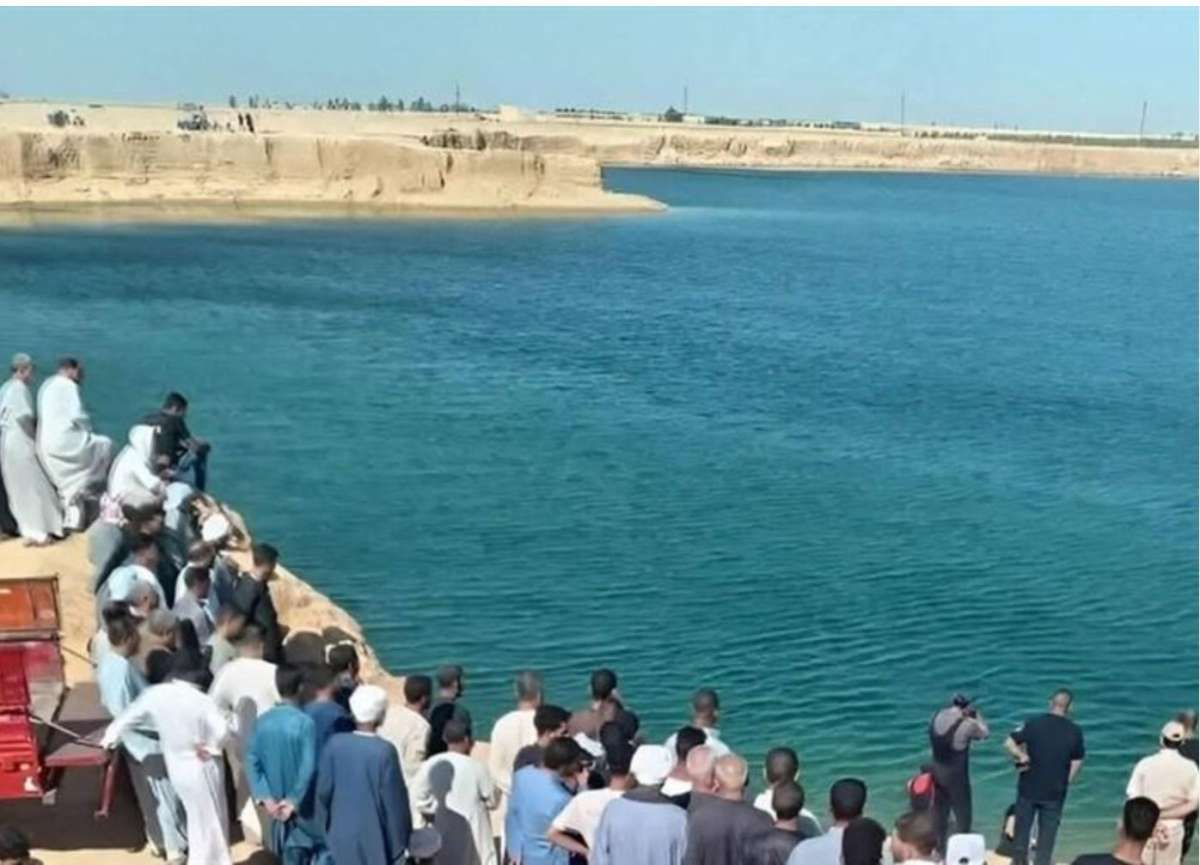
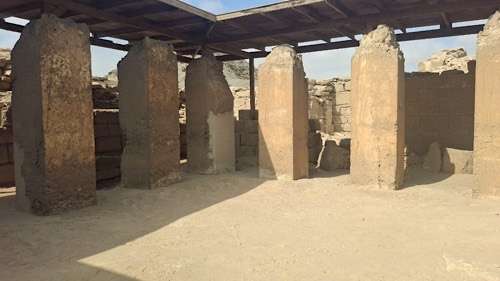
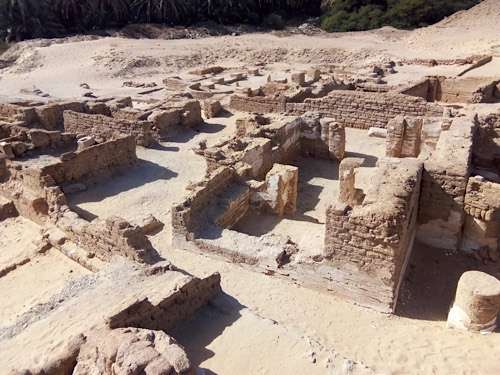
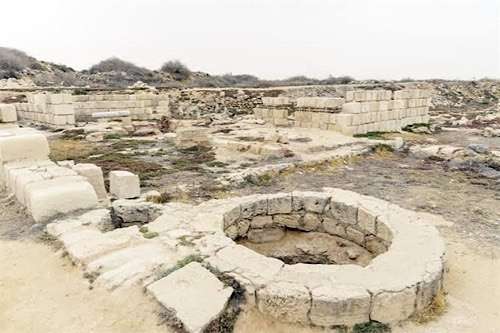
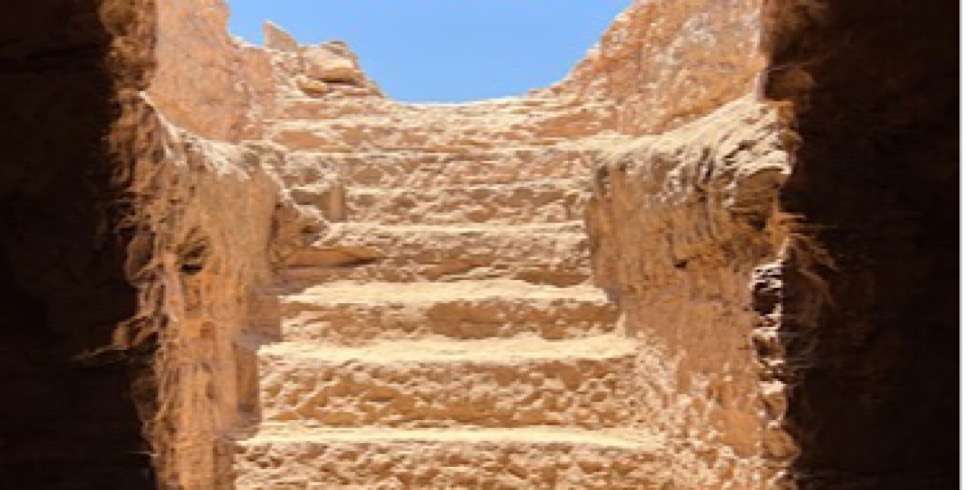
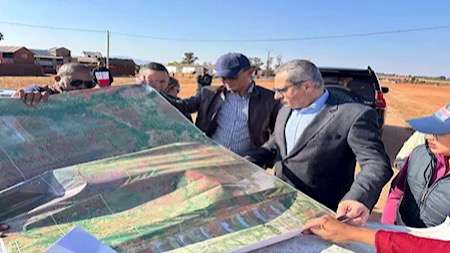
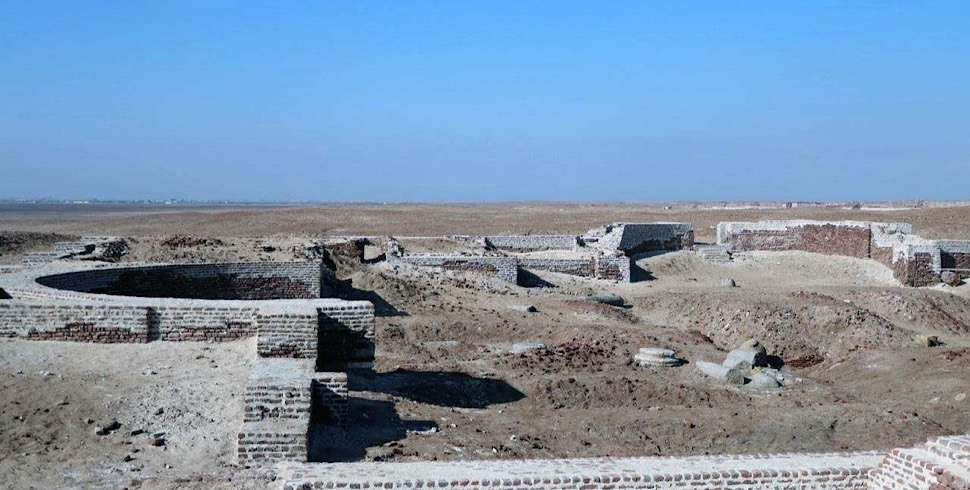
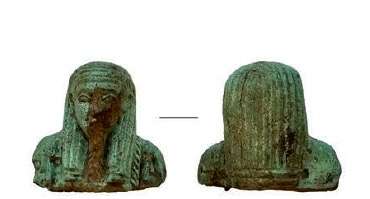
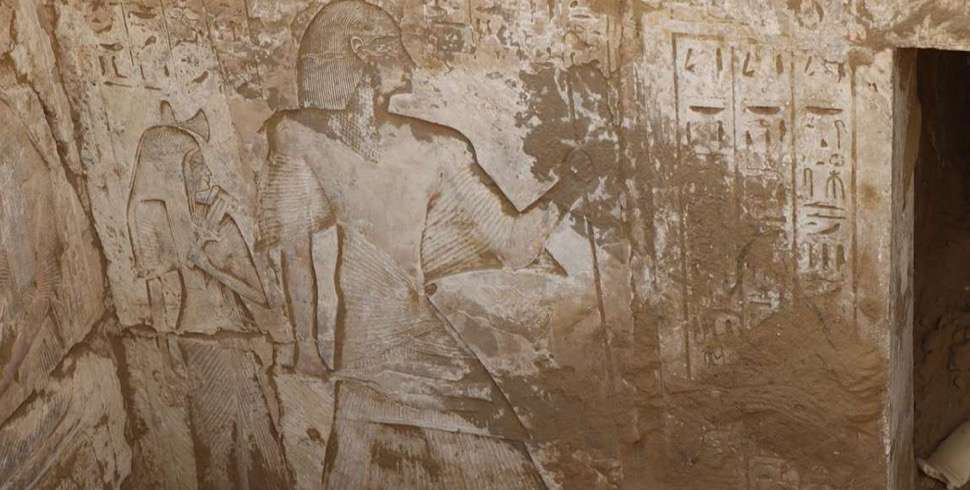
Egypt’s Supreme Council of Antiquities has revealed a section of a Greco-Roman cemetery at the Tel Kom Aziza archaeological site in Beheira Governorate, shedding new light on the area’s long history as a multi-period settlement in the Nile Delta.
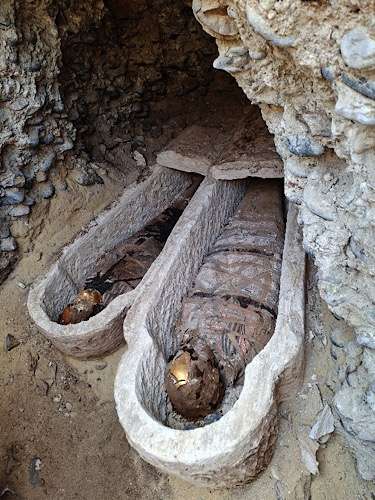
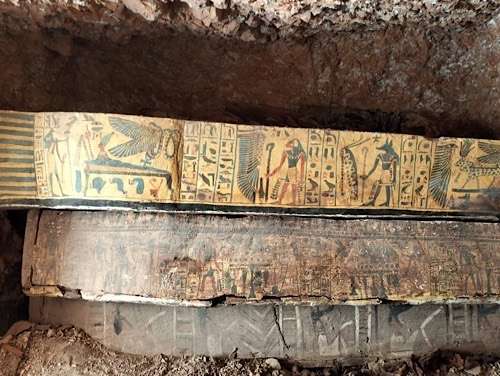
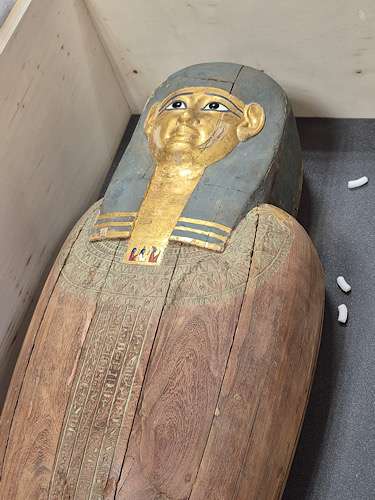
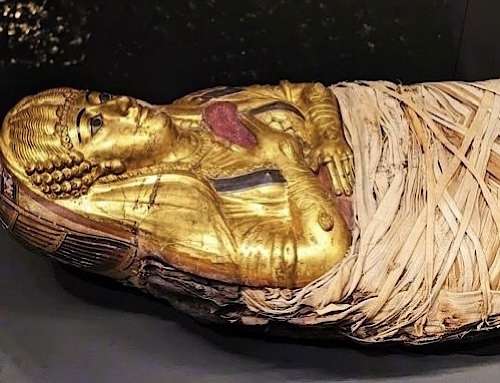
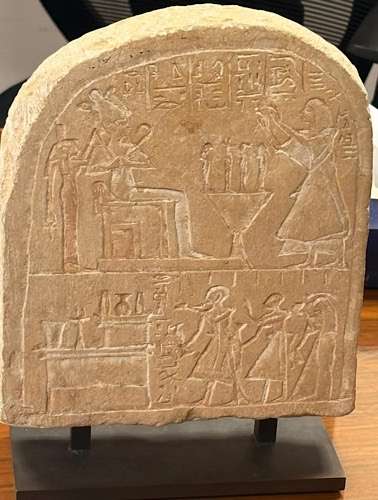
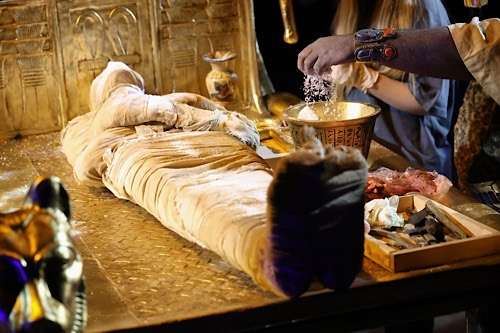
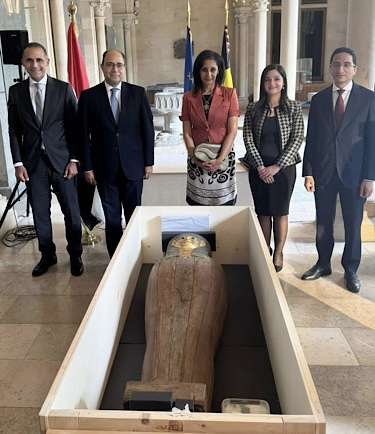
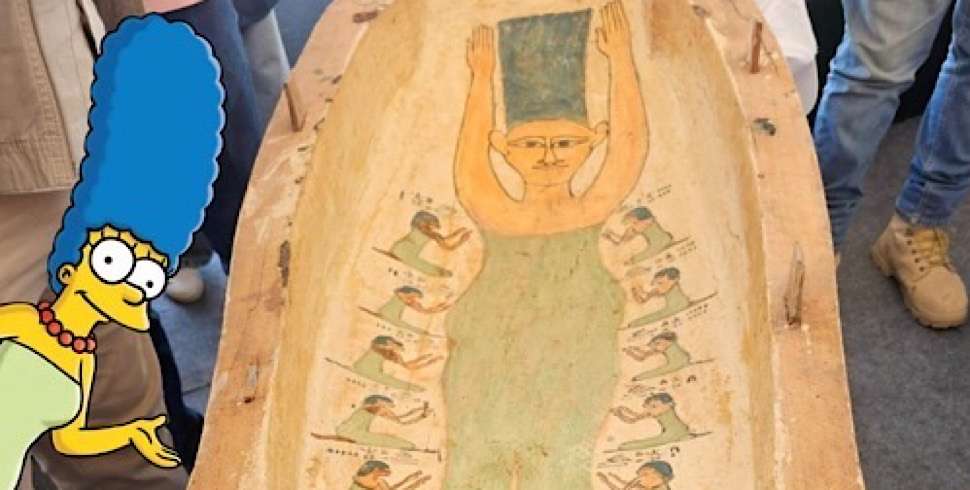
Excavations uncovered a variety of burial practices reflecting evolving funerary rituals over the centuries. These included simple pit graves where the deceased were buried directly in the earth, burials framed with mudbrick structures, interments in painted gypsum coffins, and others in barrel-shaped pottery coffins — a type particularly common during the Ptolemaic period.
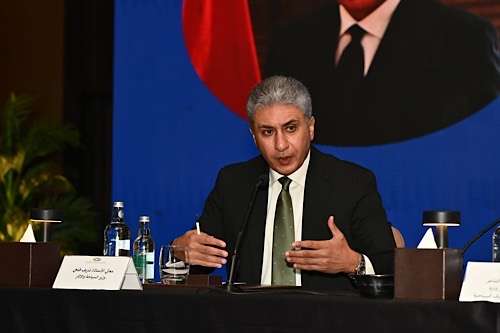
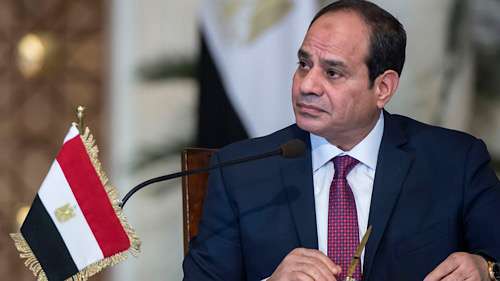
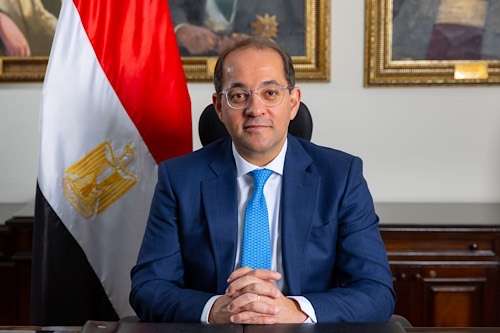
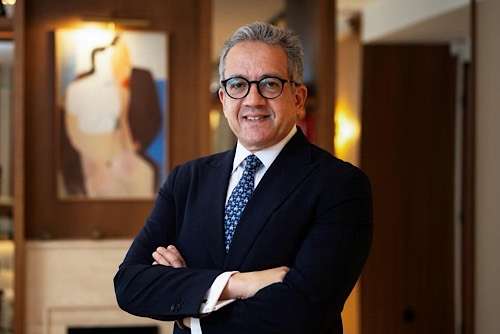
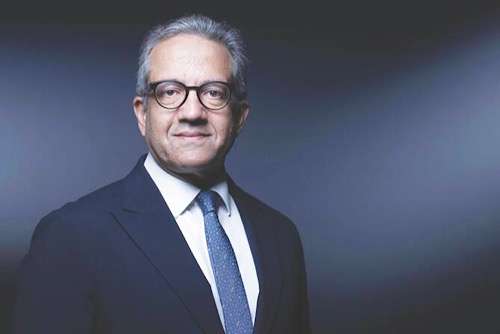
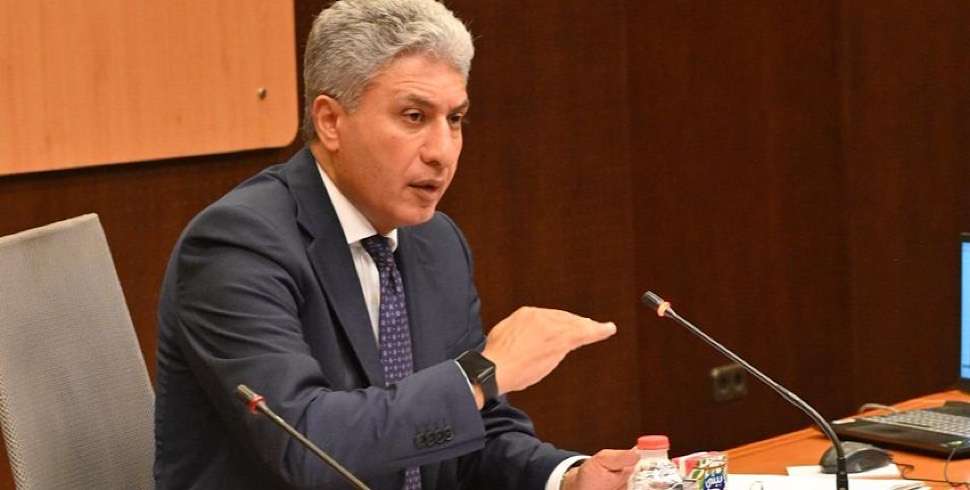
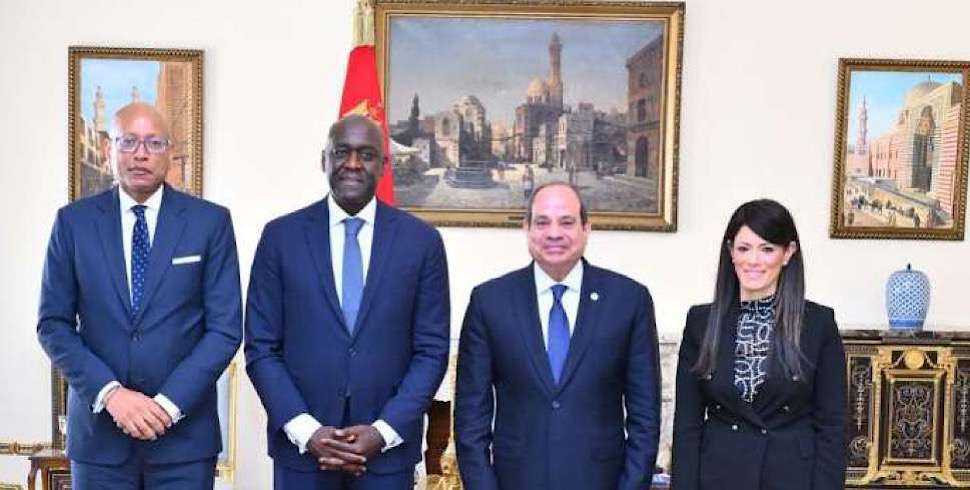
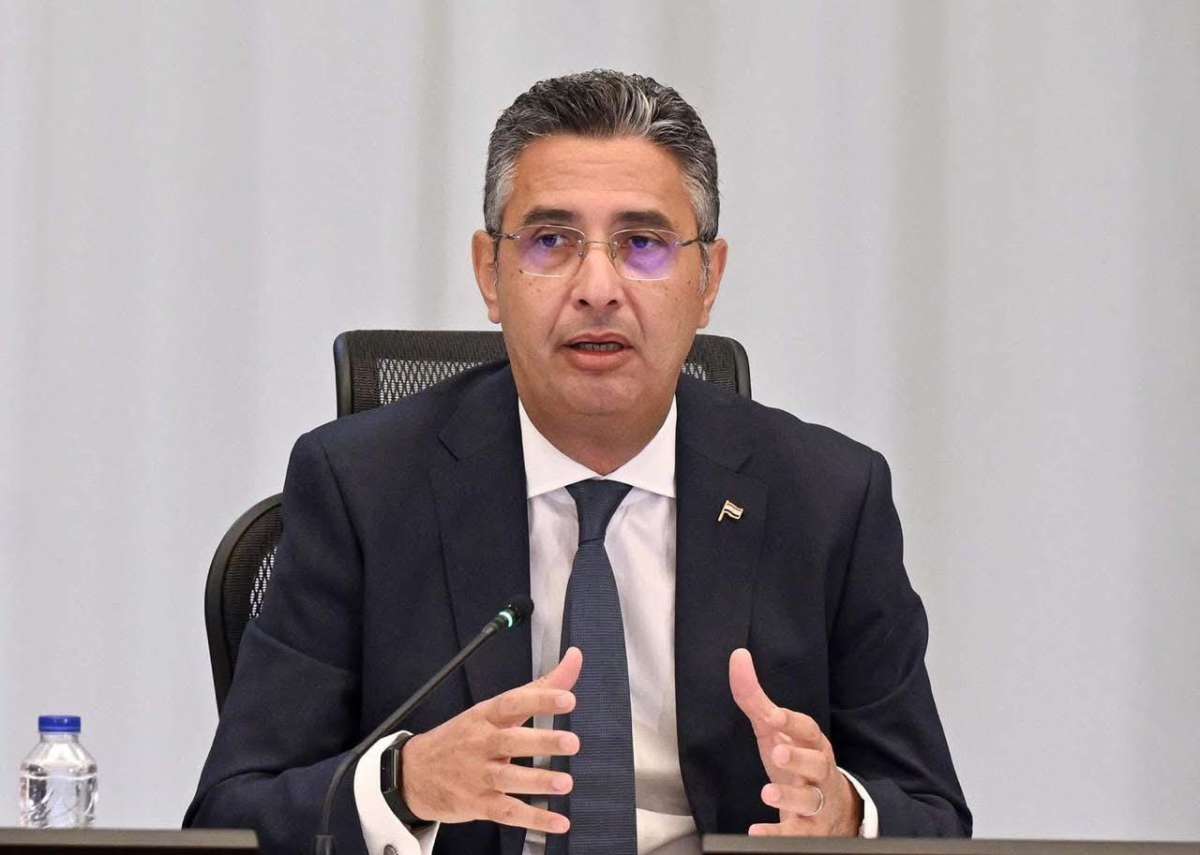
Tourism and Antiquities Minister Sharif Fathi highlighted the significance of the discovery, describing Tel Kom Aziza as one of the promising archaeological sites in the Delta region. He said the finds go beyond funerary evidence to offer a comprehensive picture of settlement patterns, daily life, and human-environment interaction spanning thousands of years.
“The site provides an important contribution to enriching our knowledge of ancient Egyptian civilisation across different eras,” Fathi said.
Dr. Hisham Al-Leithy, Secretary-General of the Supreme Council of Antiquities, noted that preliminary studies of the human remains revealed notable diversity in burial rites, both individual and collective. Orientations varied between north-south and east-west axes, while hand positions ranged from clasped to crossed over the pelvis, around the neck, in the classic Osirian pose with arms crossed over the chest, or extended alongside the thighs.
The cemetery from the Greco-Roman period was built over older settlement layers, with evidence of occupation stretching from the Old Kingdom through the New Kingdom and Late Period into the Greek and Roman eras, Al-Leithy added.
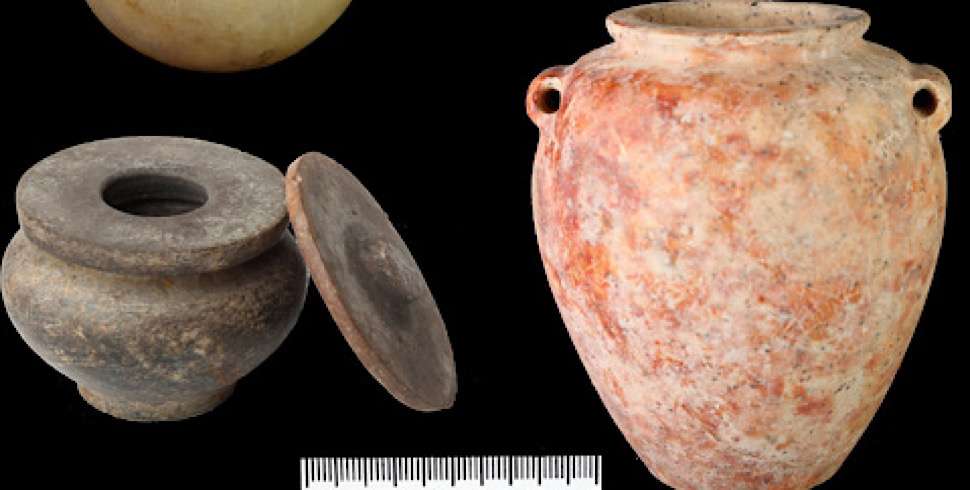
Mohamed Abdel Badei, head of the Egyptian Antiquities Sector, said excavators also recovered a range of everyday artefacts including pottery and stone vessels, bread moulds, multi-purpose stone tools, ovens and storage jars. Large quantities of fish, bird and animal bones provide insights into the dietary habits and social practices of the site’s inhabitants across different periods.
Among the most striking finds was the discovery of complete wild boar burials in one of the archaeological layers, a rare occurrence in ancient Egyptian funerary contexts. Khaled Abdel Ghani Farhat, Director-General of Antiquities in Beheira and head of the excavation mission, linked the phenomenon to the symbolic association of the pig with the god Set in ancient Egyptian beliefs, suggesting it may reflect economic or subsistence activities at the site.
Farhat described Tel Kom Aziza as a unique multi-period archaeological model that transitioned from early settlement and daily life activities to an area of intensive funerary use in later periods.
“The site is not merely a cemetery but a complete archaeological record documenting diverse forms of human interaction with the surrounding environment over successive historical eras,” he said.
Officials indicated that the location still holds many secrets, with future excavation seasons expected to yield further insights into the region’s civilisational development.