






















































































































































































































































































































































































































































































































































































































































































































































































































































































































































































































Friday, 09 October 2026
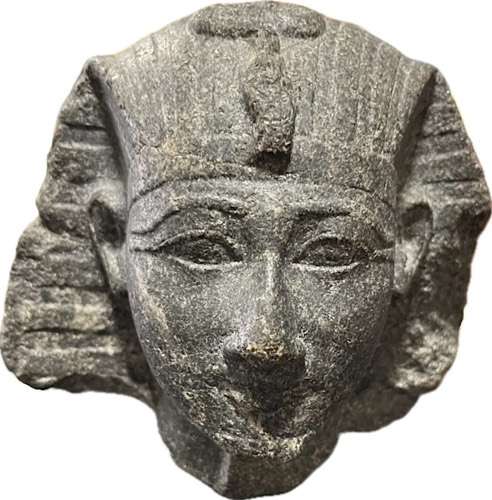
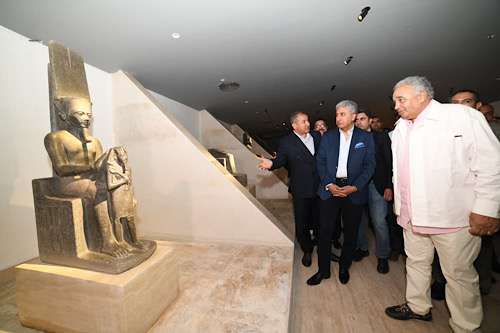
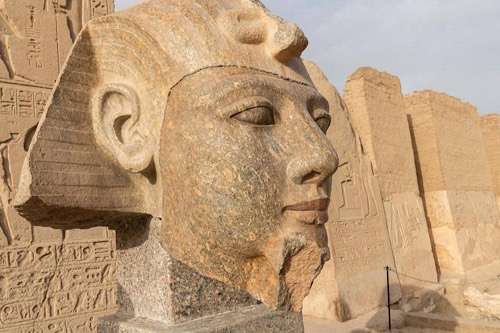
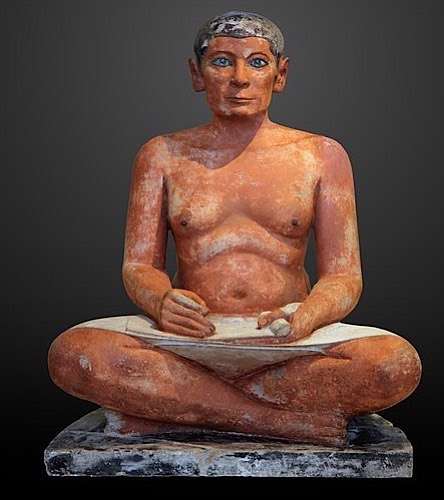
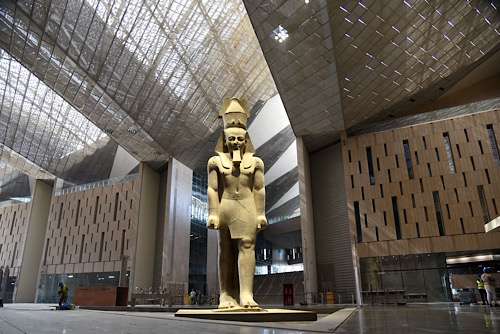
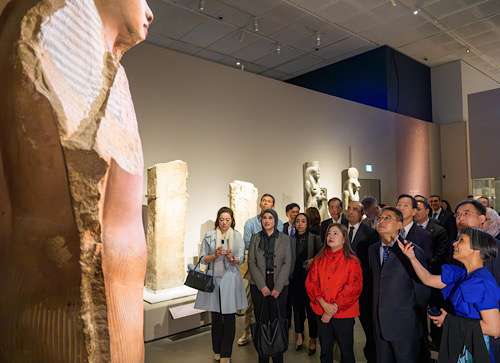
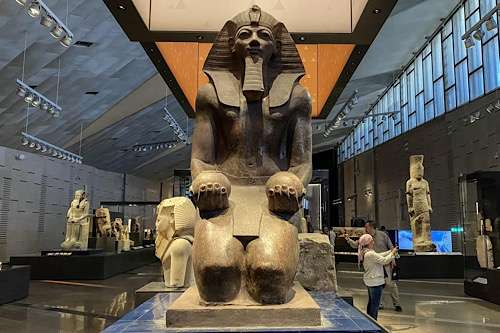
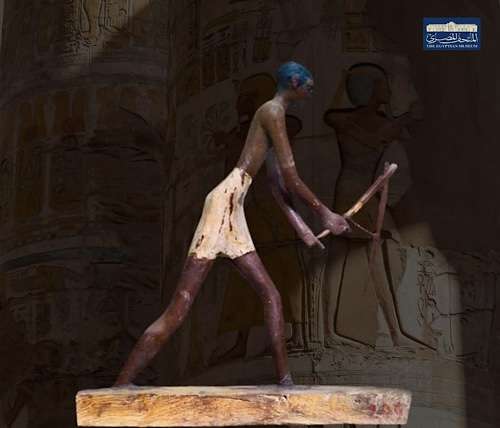
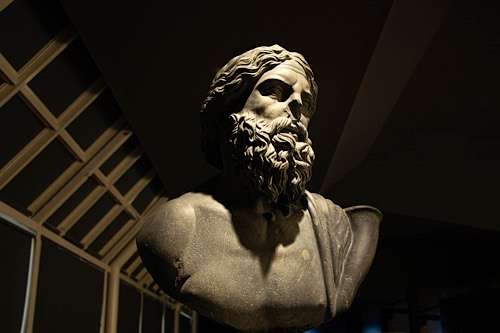
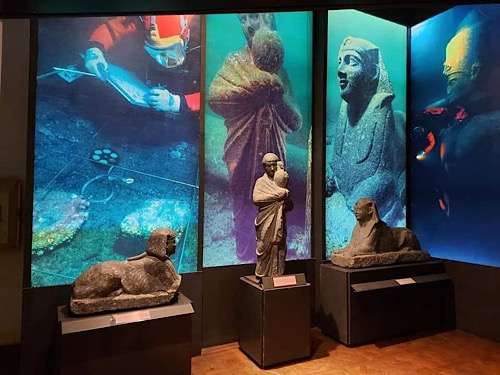
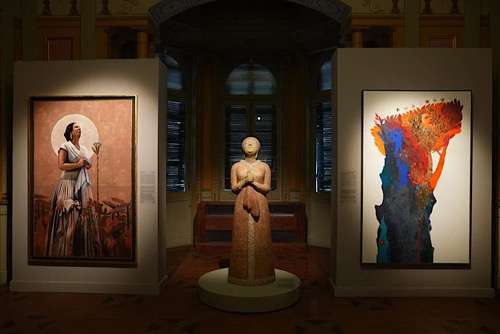
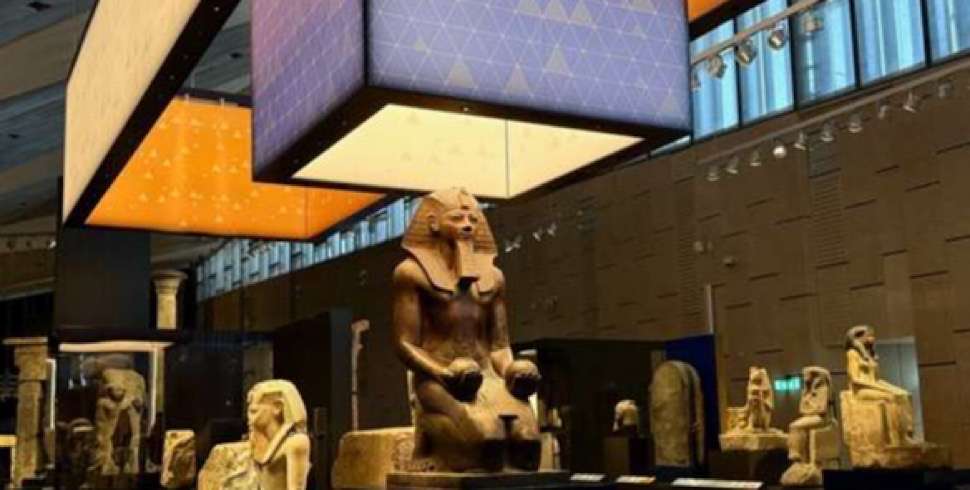
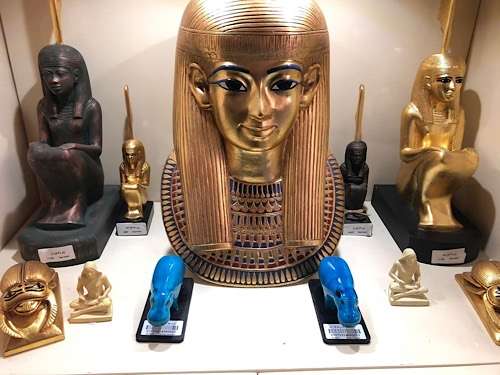
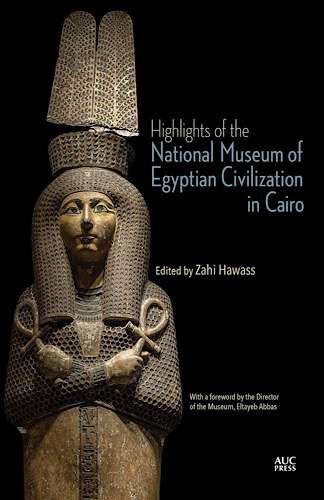
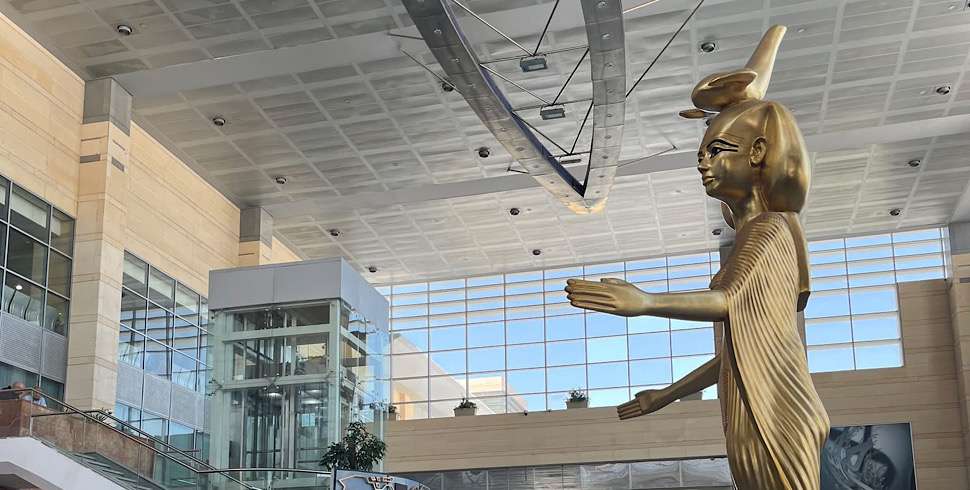
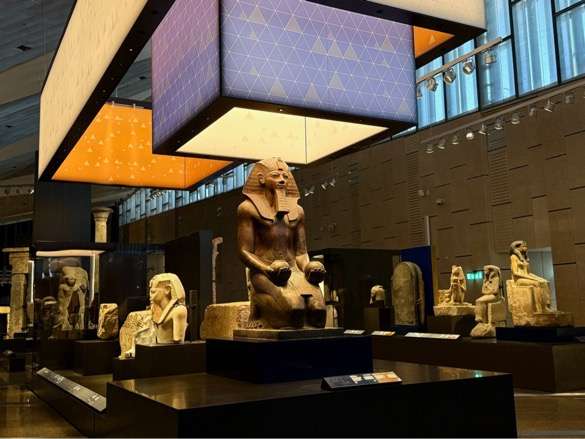
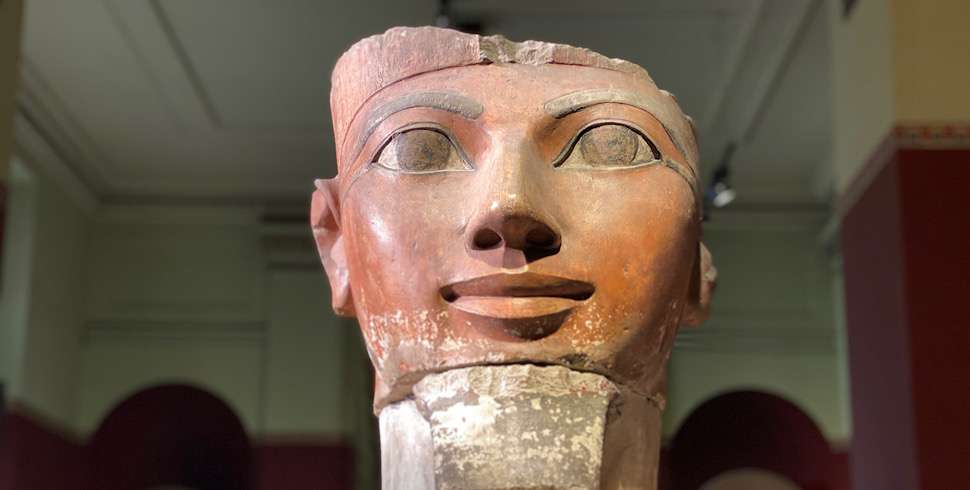 Statue of Hatshepsut at the Egyptian Museum in Cairo. (Photo by The Nile Observer)
For decades, the legacy of Pharaoh Hatshepsut—one of ancient Egypt’s few and most remarkable female rulers—has been overshadowed by the story of her supposed erasure after death. Egyptologists widely believed that her nephew and successor, Thutmose III, ordered a deliberate campaign of destruction against her statues and monuments, motivated by political resentment.
However, new research published in the journal “Antiquity” is rewriting this narrative. Led by Jun Yi Wong of the University of Toronto, the study offers compelling evidence that the treatment of Hatshepsut’s statuary did not substantially differ from the rituals applied to other pharaohs, including her male predecessors.
A second look at Deir el-Bahri
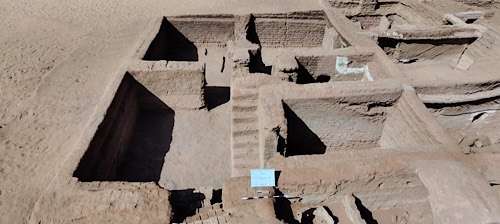
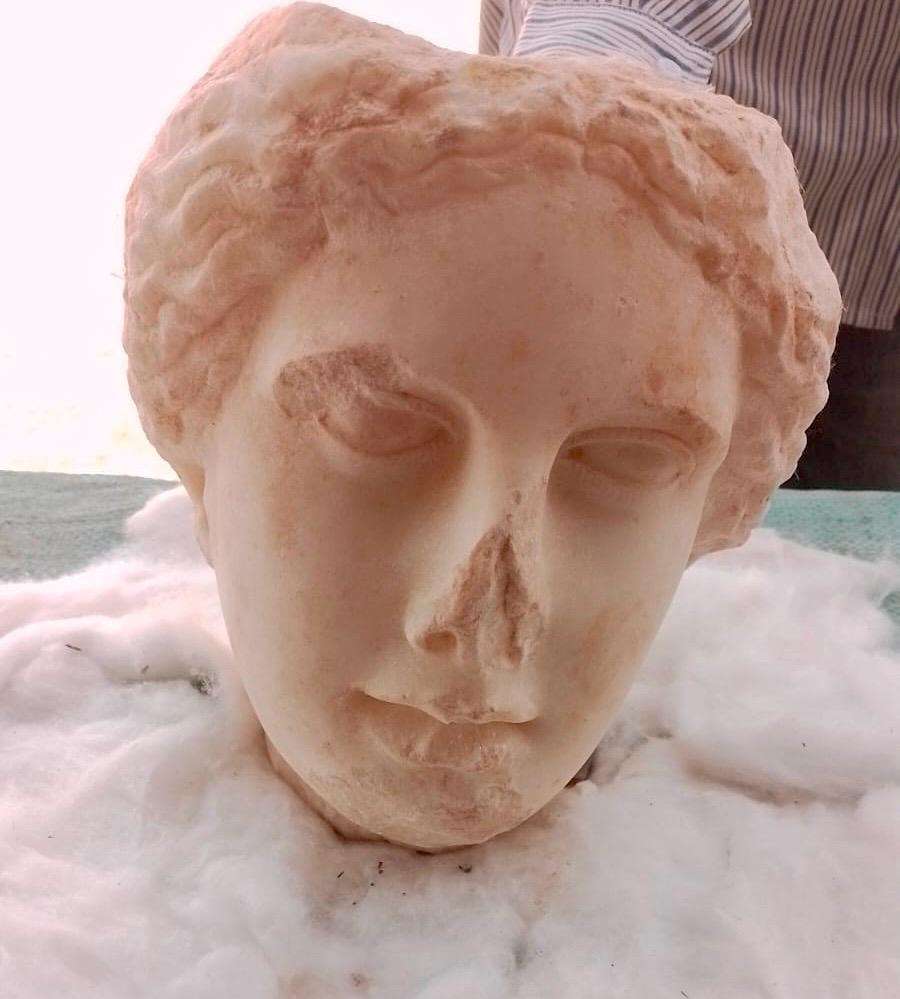
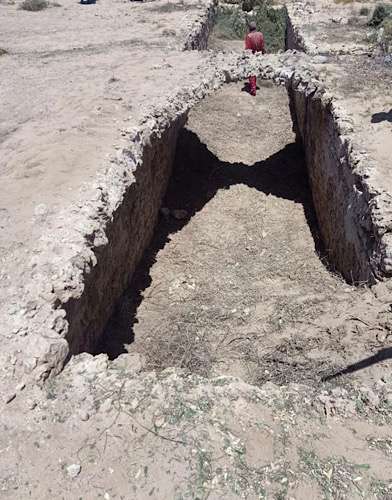
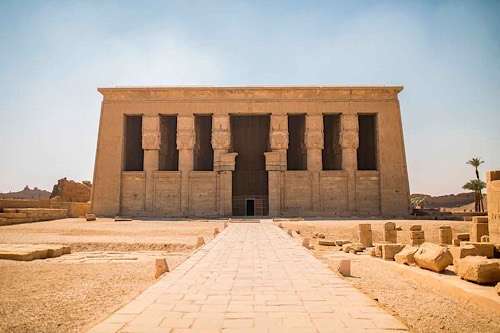
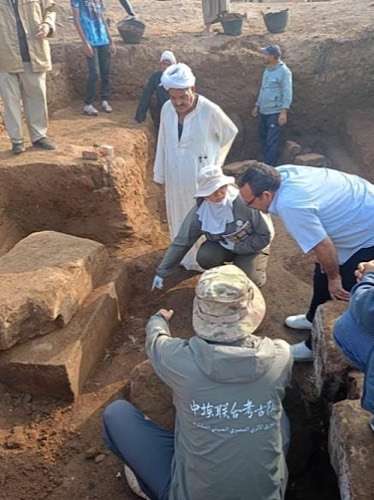
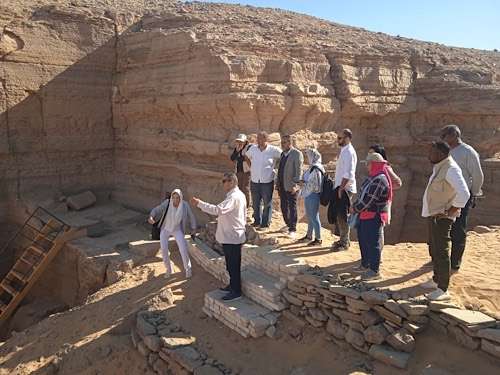
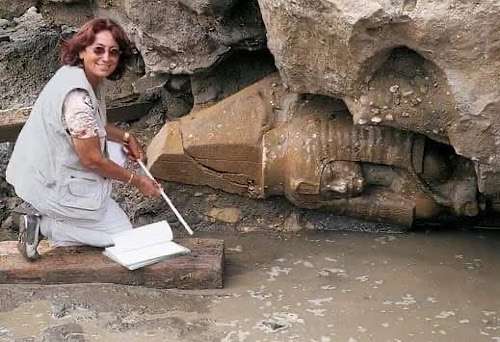
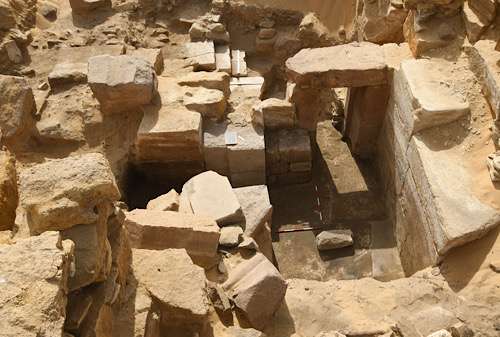
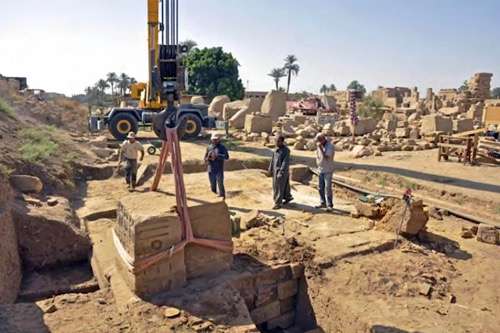
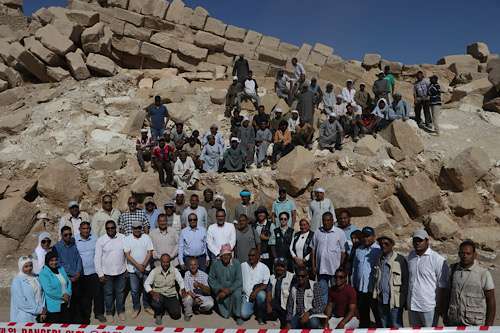
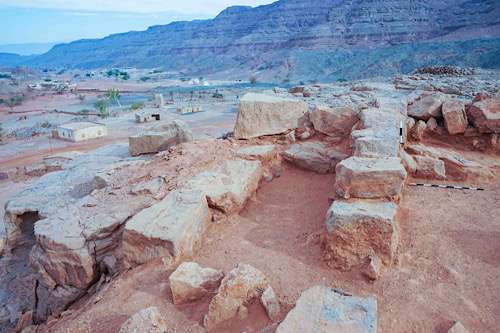
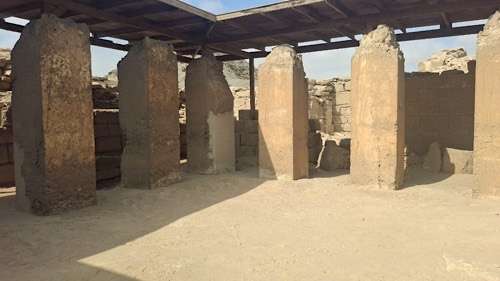
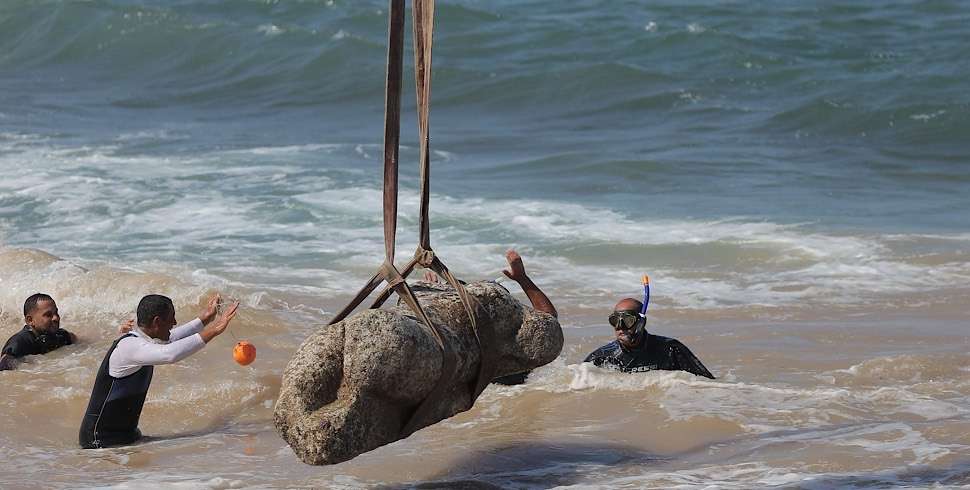
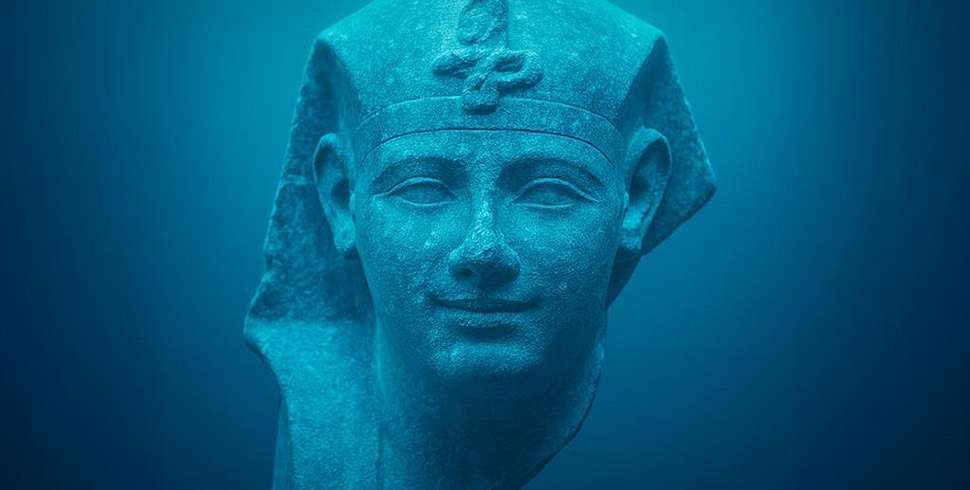
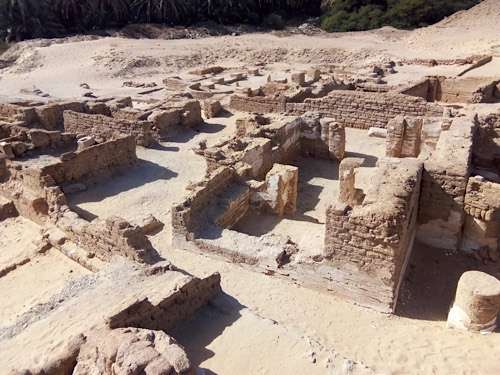
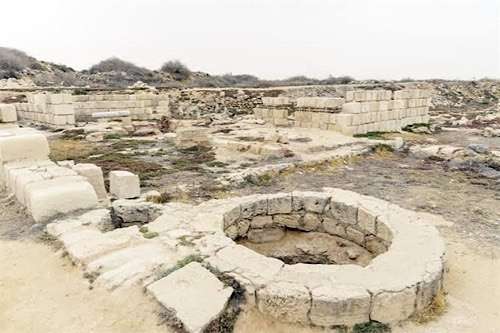
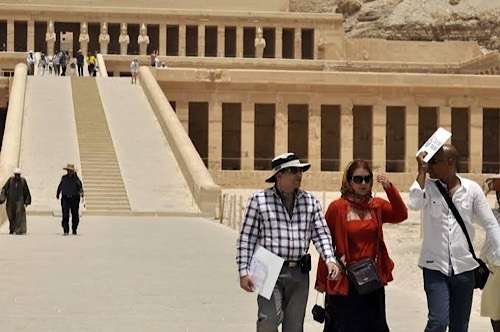
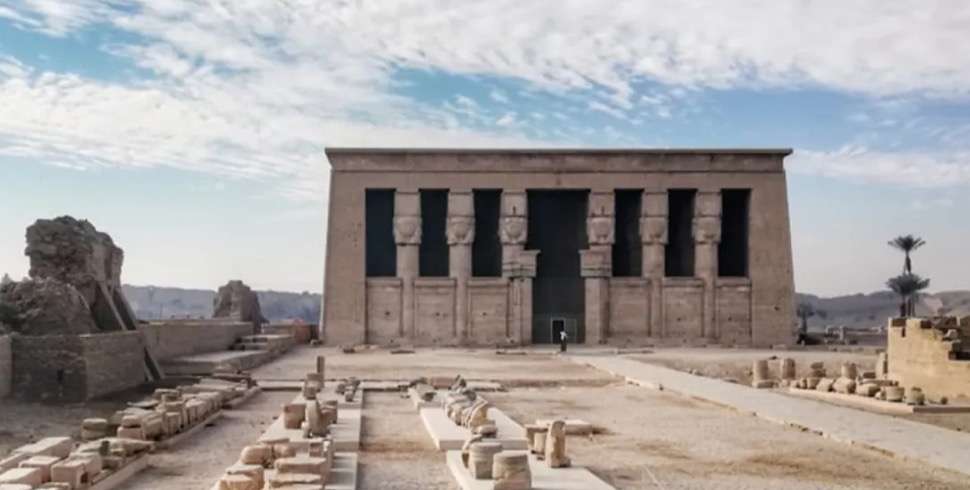
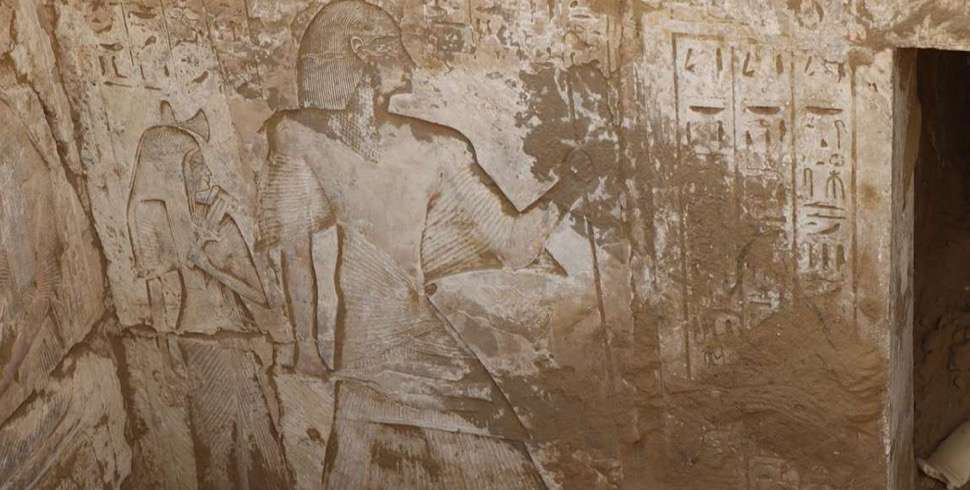
Wong and her team conducted a detailed analysis of unpublished archival material, revisiting notes, photographs, and documents from excavations at Deir el-Bahri—the site of Hatshepsut’s funerary complex near Luxor—which were carried out between 1922 and 1928. Archaeologists then found numerous fragmented statues of the queen, many of which still retained surprisingly well-preserved faces.
Contrary to the widely held theory that Thutmose III orchestrated a violent destruction of Hatshepsut’s likeness out of animosity, the patterns of breakage observed by Wong suggest otherwise. “The fractures typically occur at structural weak points—the neck, waist, or knees,” she explains, “and are consistent with a ritual process known as ‘deactivation.’” This process aimed to neutralize a statue’s symbolic and spiritual power, in line with longstanding Egyptian tradition, rather than to destroy it out of hate.
A more nuanced understanding
Wong’s study also suggests that much of the damage found on Hatshepsut’s statues happened over centuries, as statues were reused or repurposed for construction or other practical uses, especially in later periods. “The traditional explanation assumes all the destruction occurred at one time and for a single reason, but the reality is far more complex,” Wong notes. Factors ranged from religious rituals to practical reuse, with perhaps a limited political motive.
Moreover, such deactivation was not unique to Hatshepsut. Statues of many earlier rulers—male and female—suffered similar fates. “Breaking a statue did not always mean contempt for its subject,” Wong clarifies. “It was often a functional practice rooted in Egyptian religious beliefs.”
Political factors, but not pure malice
The study doesn’t deny that elements of Hatshepsut’s memory were suppressed. After her death, her name was omitted from certain official king lists, and parts of her iconography were altered. There were, undoubtedly, political undertones related to her unprecedented role as a woman pharaoh.
But Wong argues that reducing the story to an act of personal animosity is “simplistic.” Instead, she proposes Thutmose III may have acted from a mix of dynastic concerns and funerary protocol—selectively destroying some representations to affirm his legitimacy, not out of spite.
A cultural reappraisal
These findings encourage a reassessment of both Hatshepsut and Thutmose III, and challenge us to rethink how we view ancient acts of iconoclasm. “We’ve projected modern ideas of conflict onto the past,” Wong reflects. “It’s time we interpret these practices in their own cultural context, where ritual and politics were closely intertwined.”
With this new perspective, Hatshepsut’s legacy becomes even richer—a testament not only to her reign, but also to the vibrant, complex traditions of ancient Egypt.