

















































































































































































































































































































































































































Friday, 09 October 2026
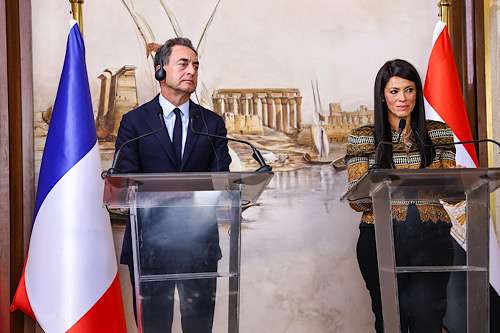
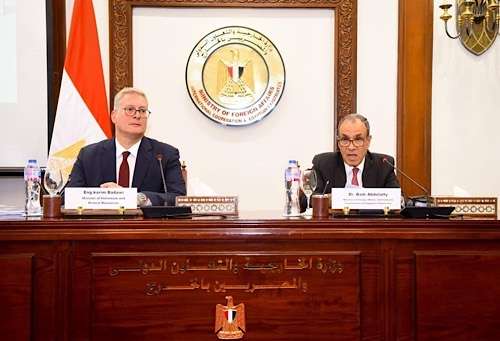
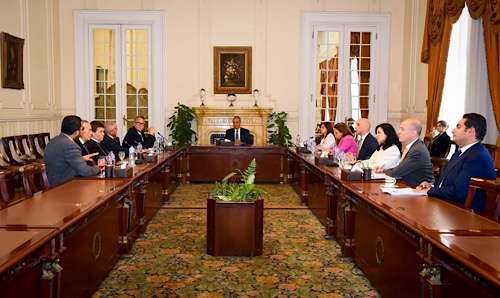
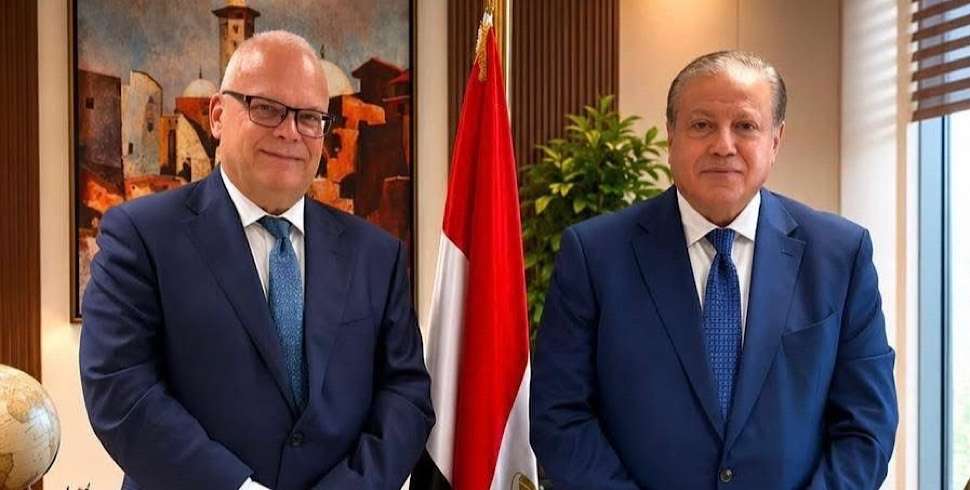
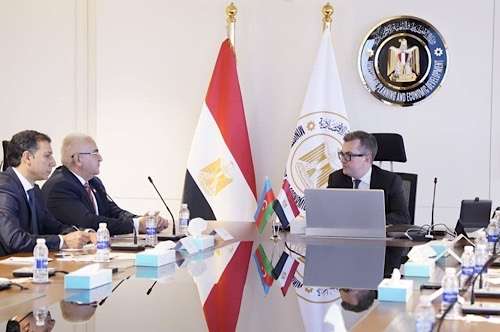
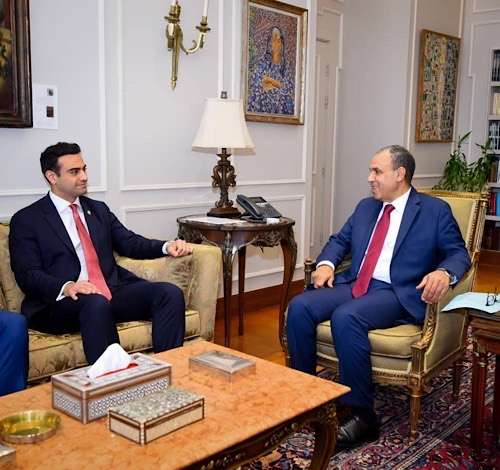
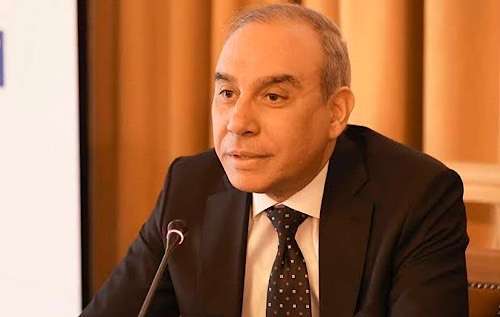
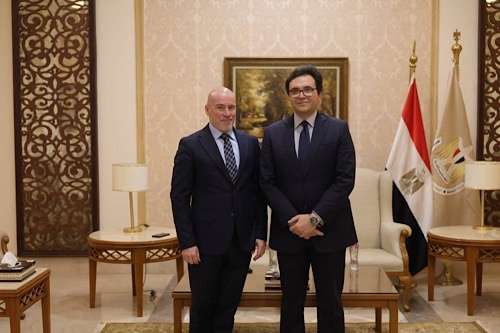
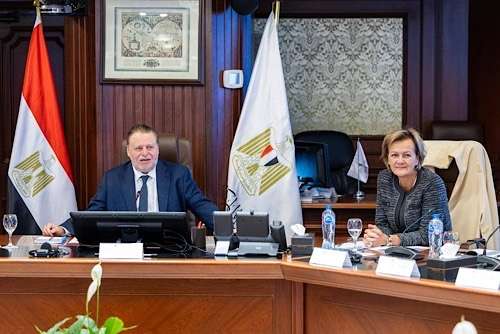
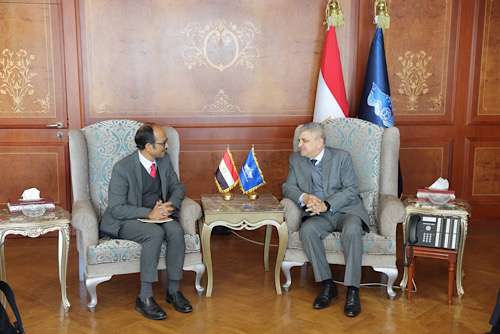
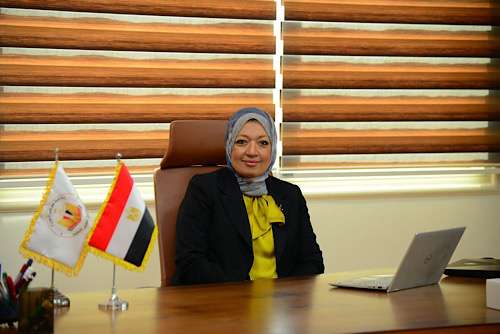
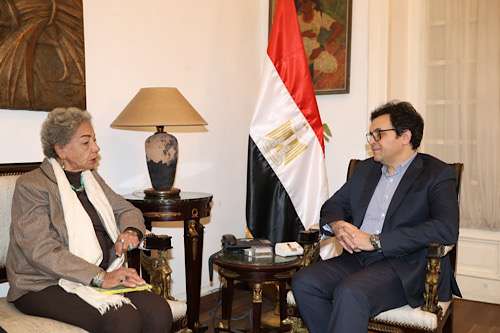
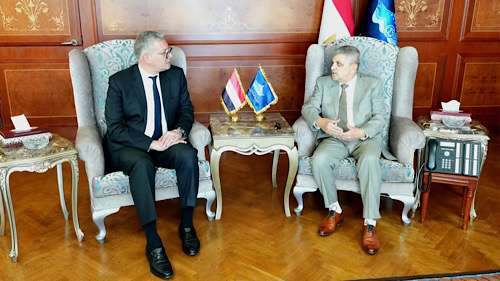
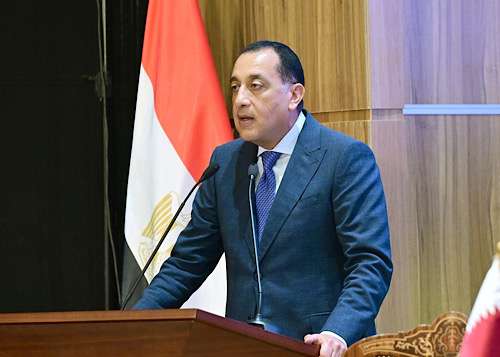
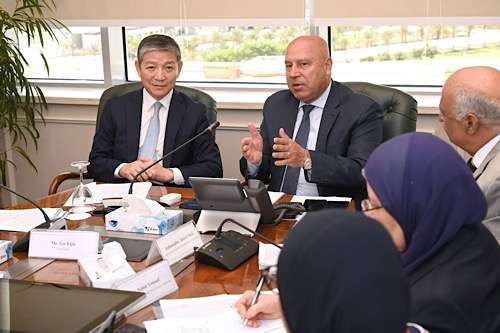
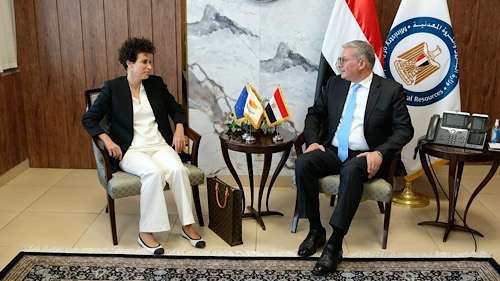
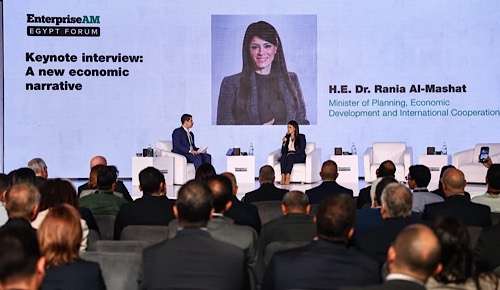
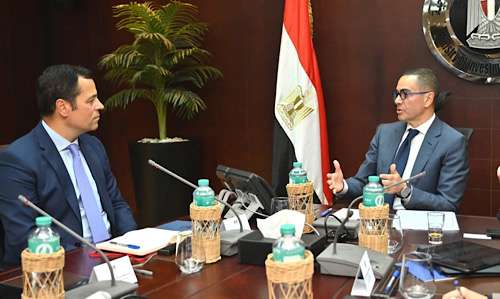
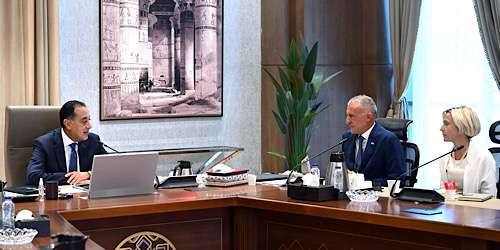
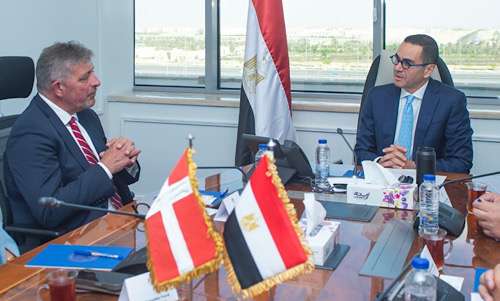
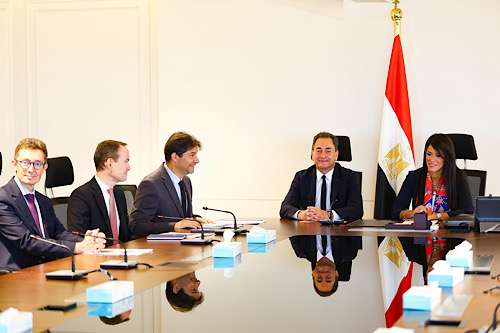
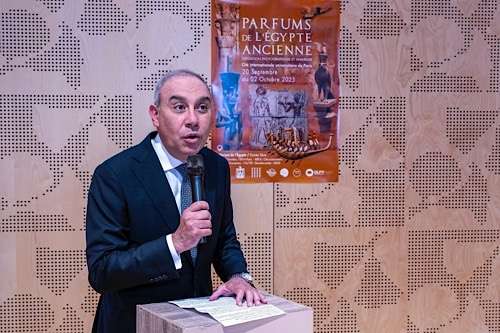
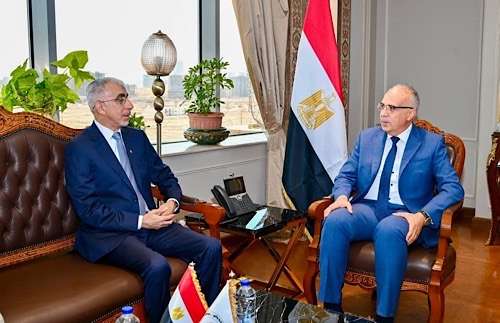
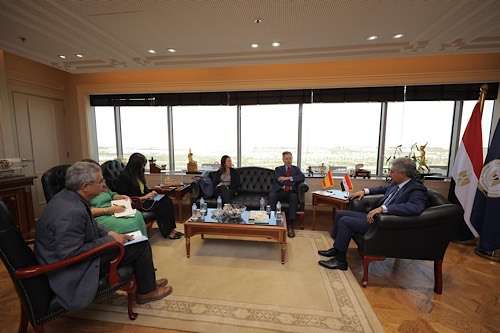
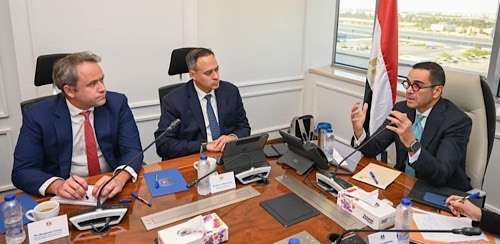
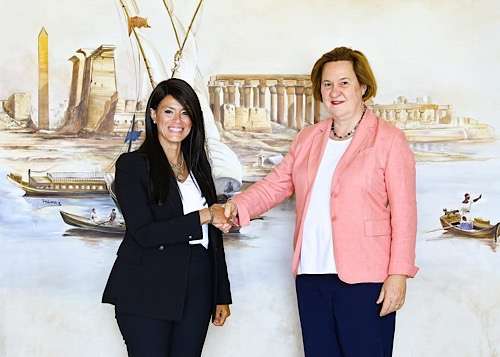
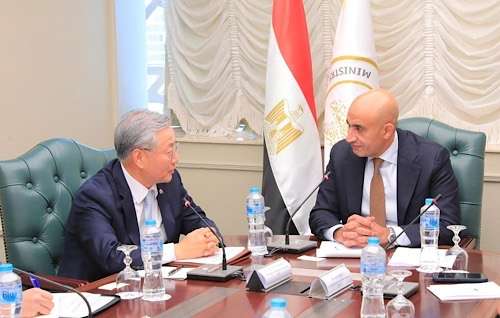
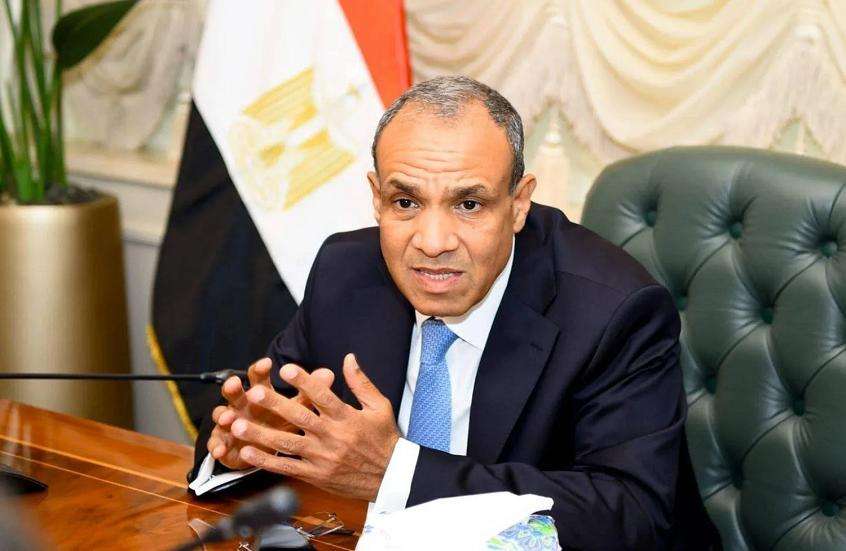
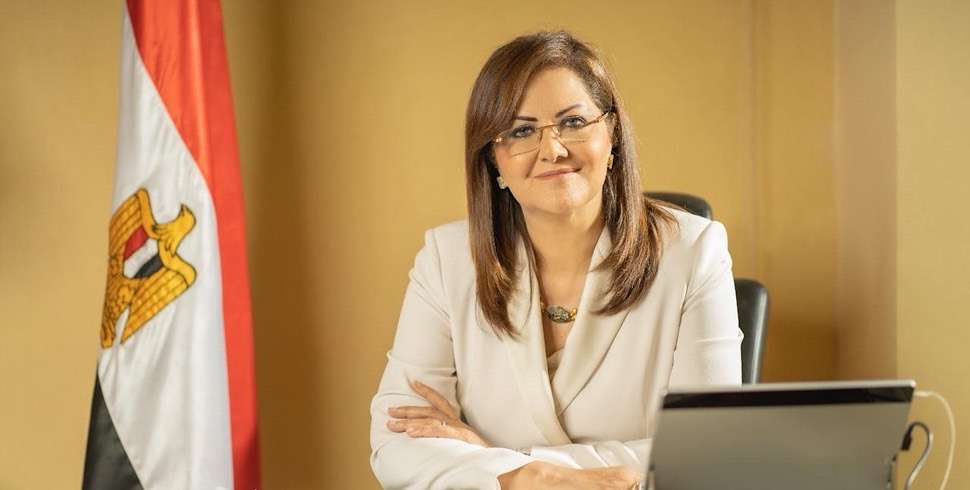
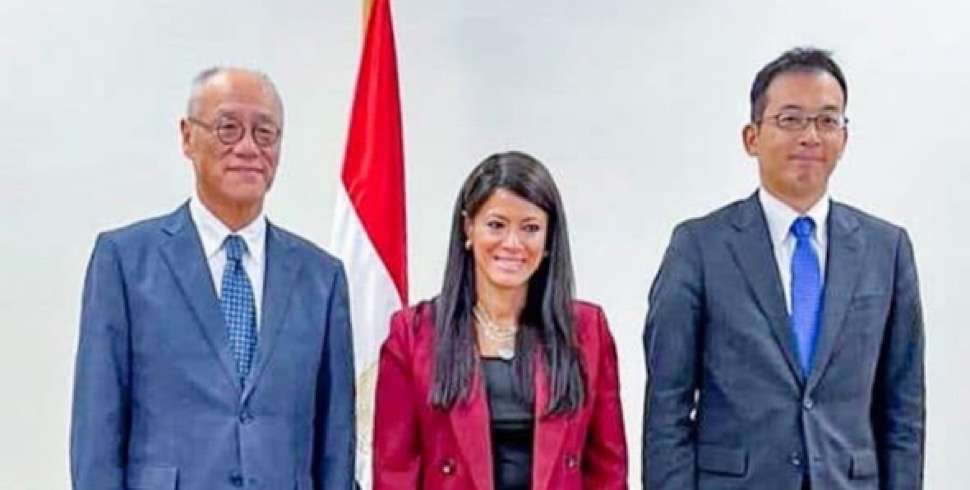
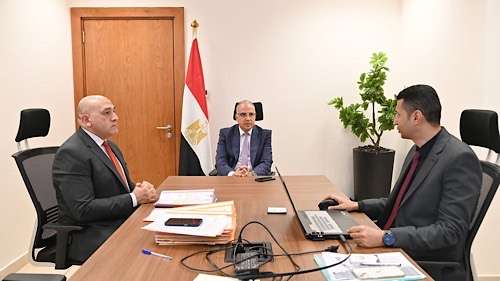
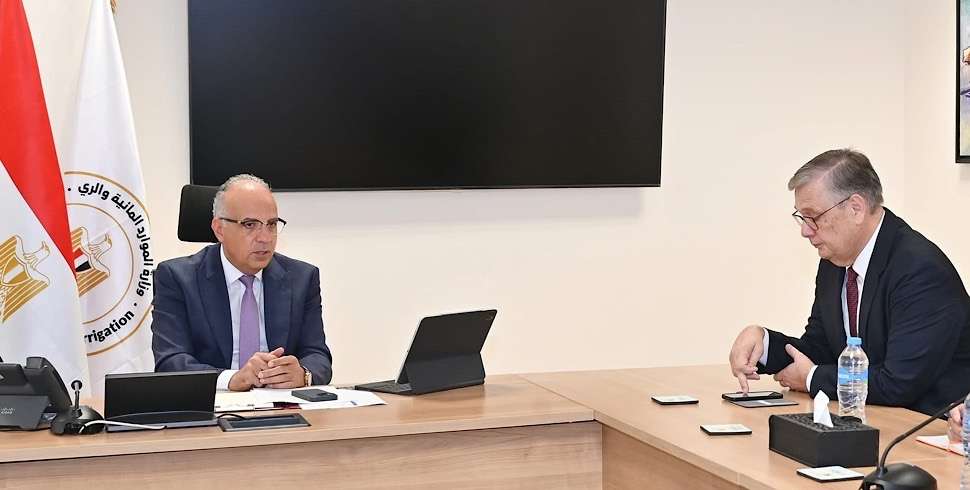
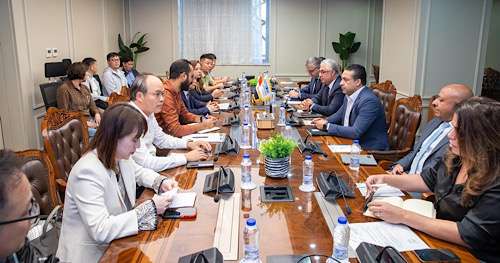
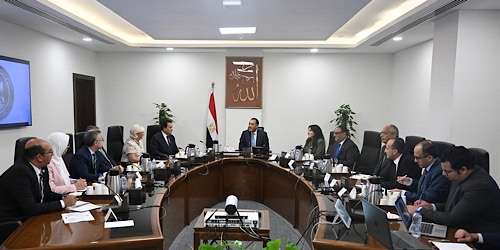
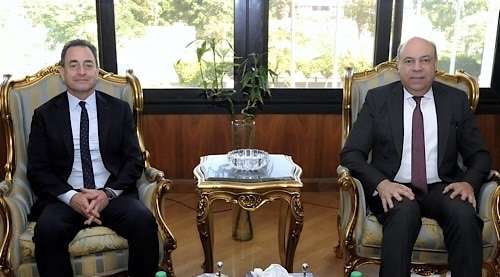
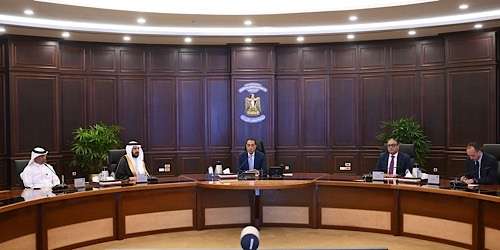
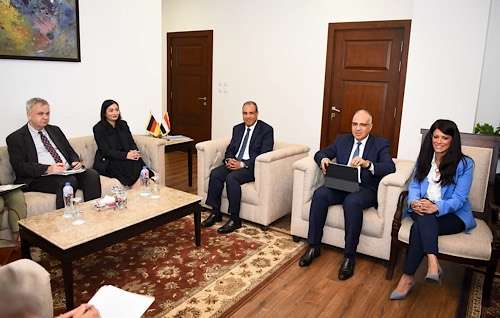
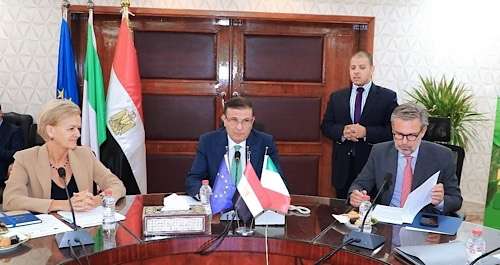
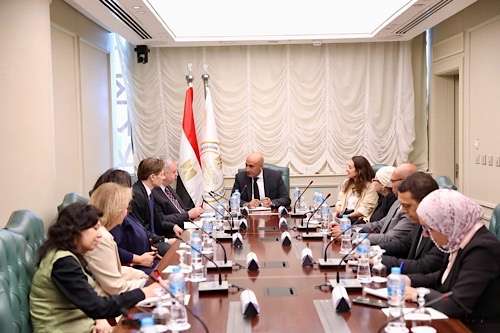
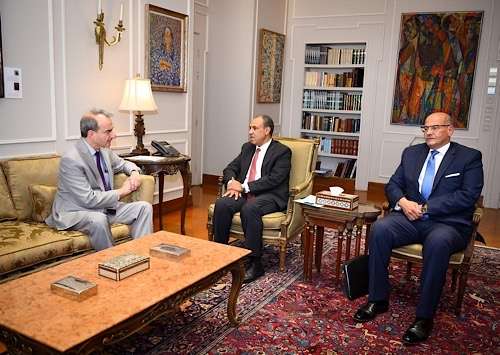
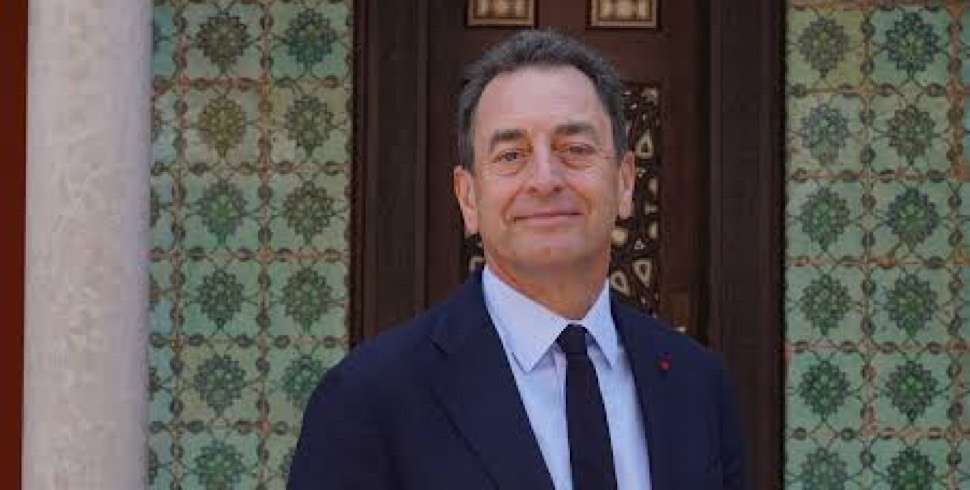
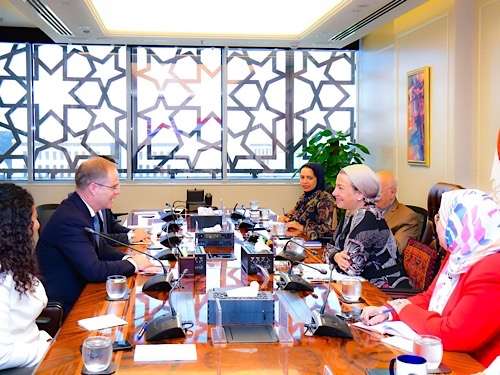
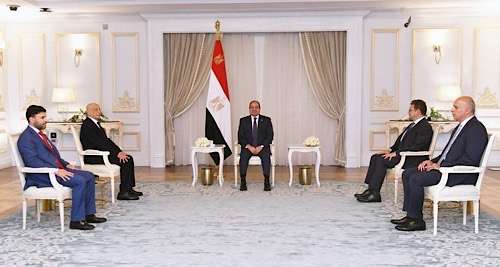
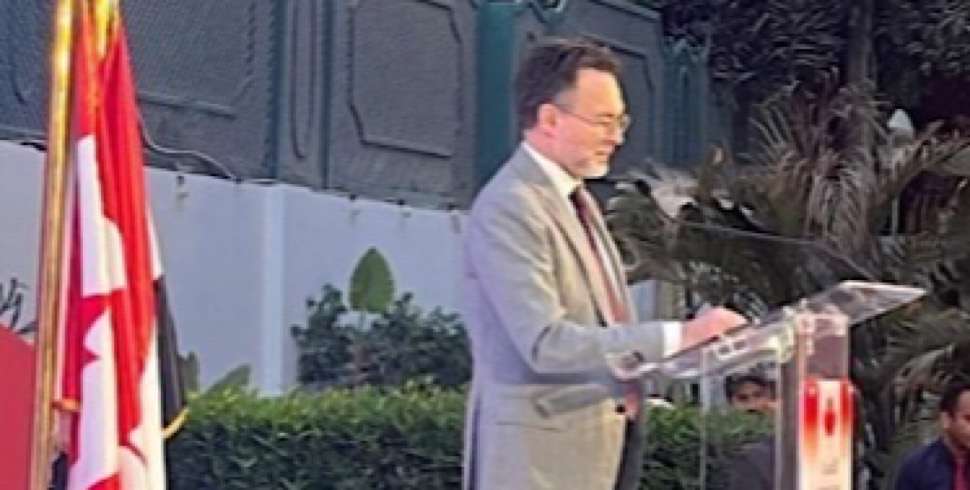
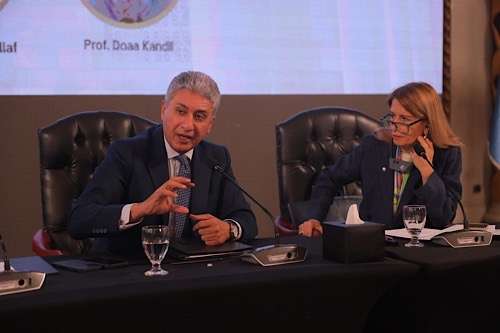
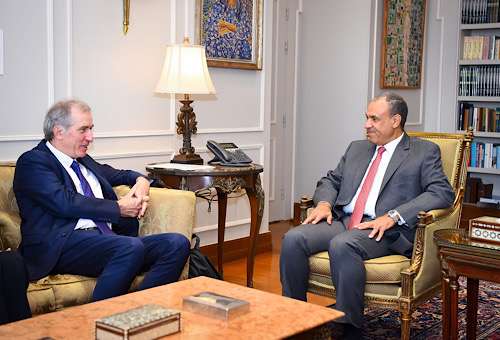
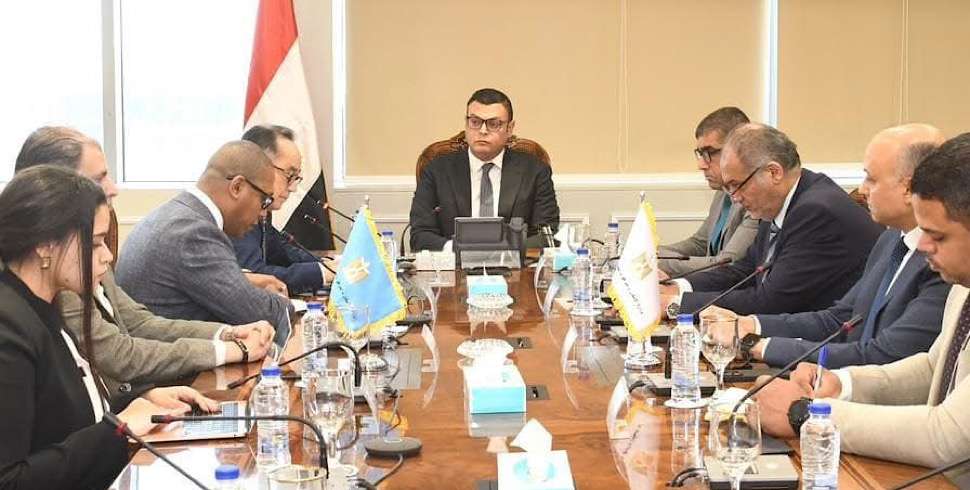
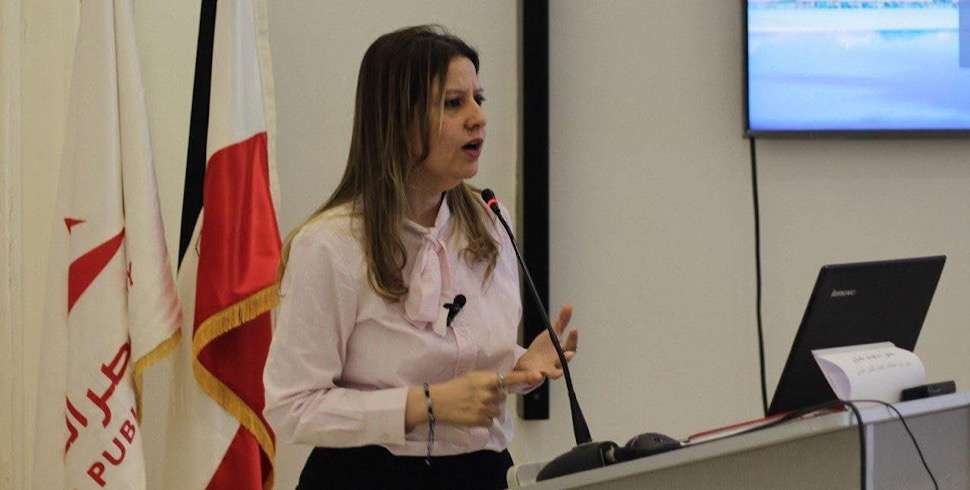
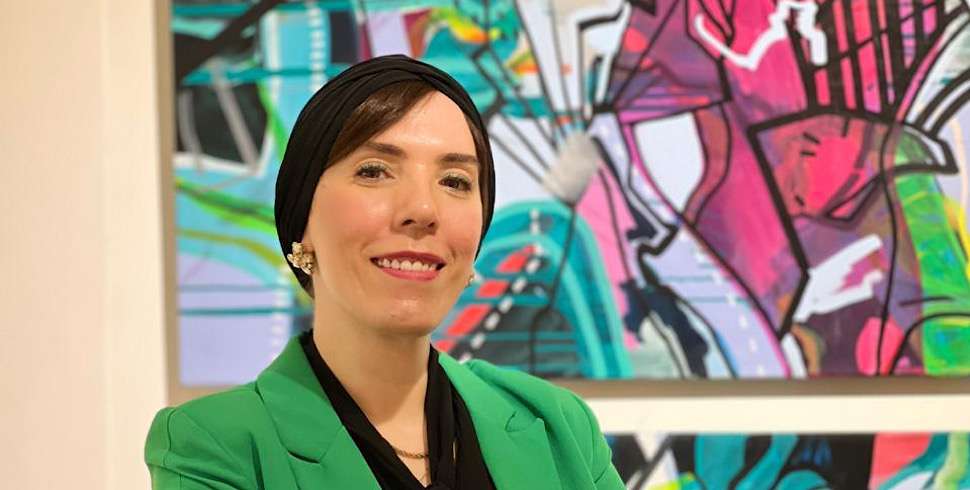
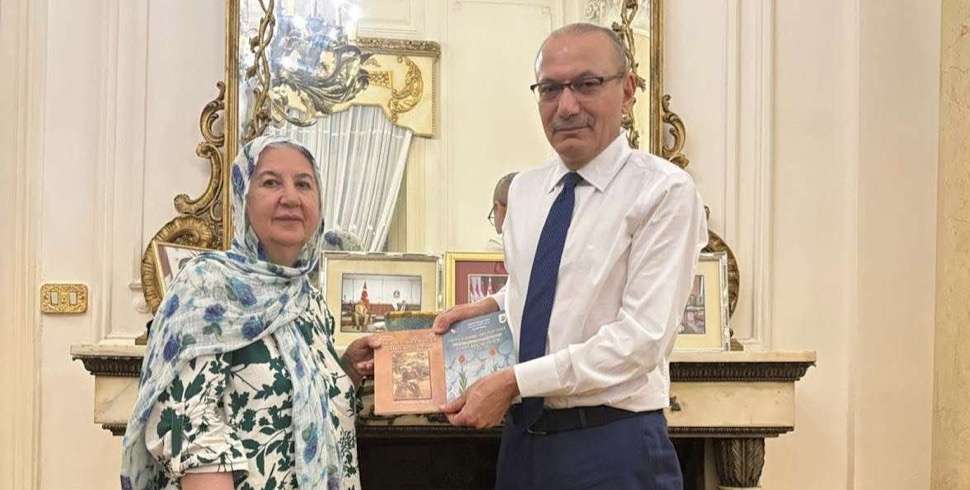
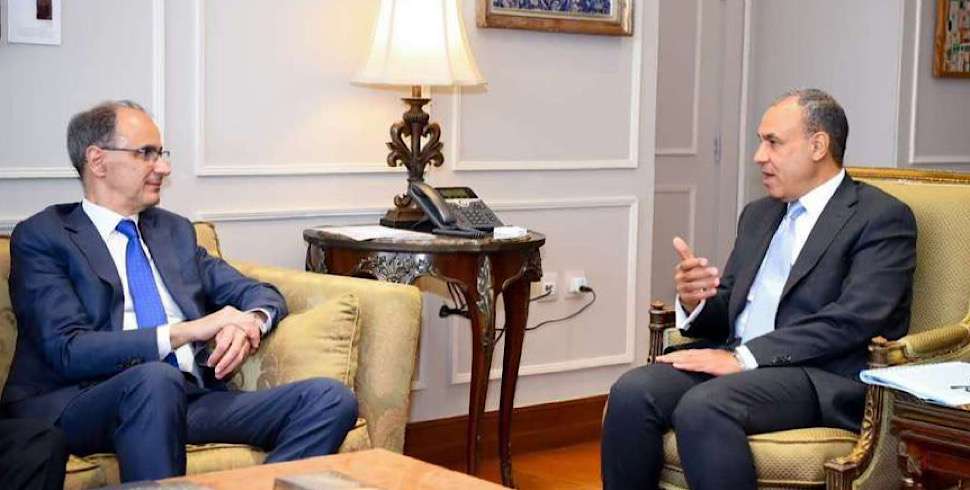
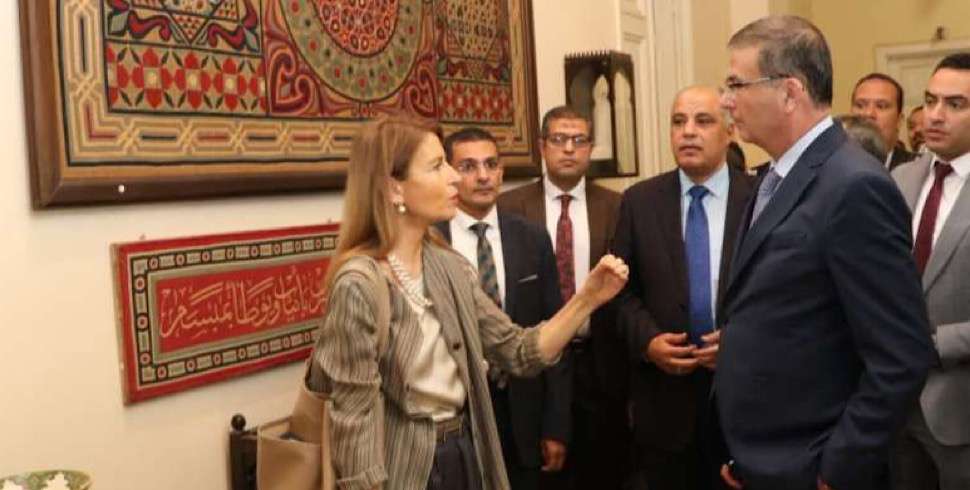
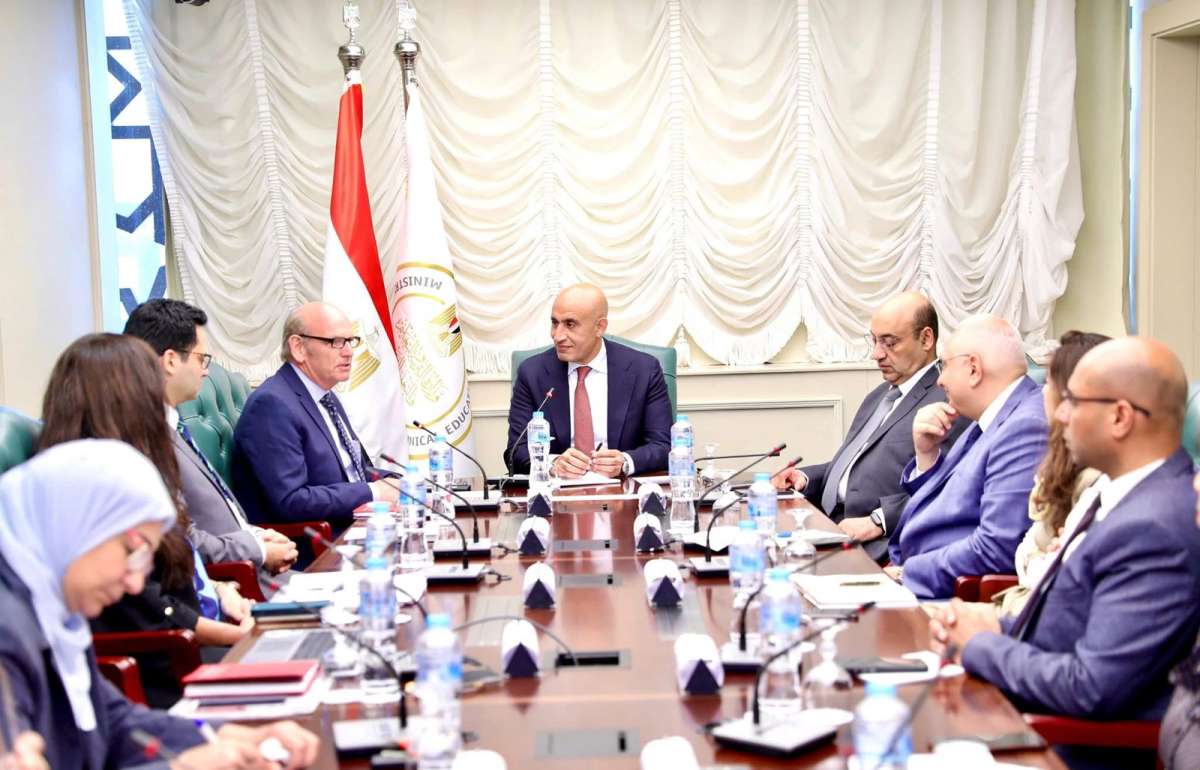
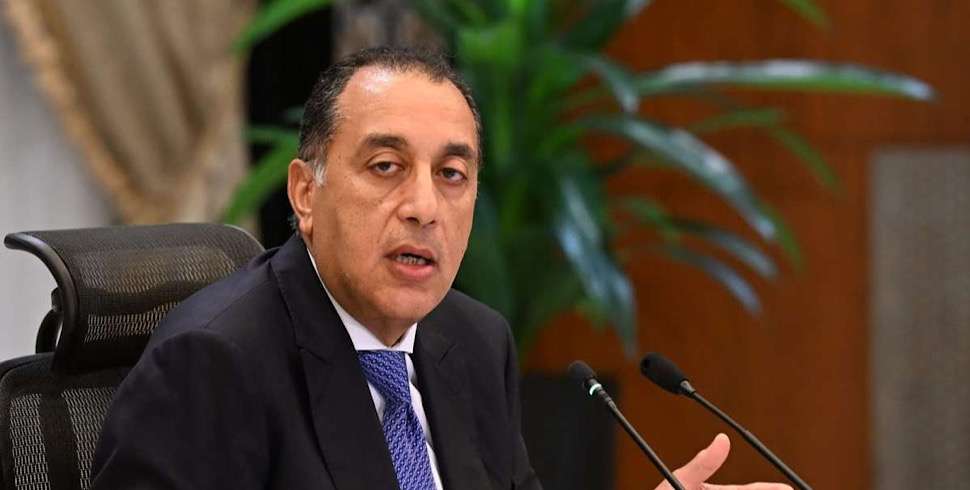
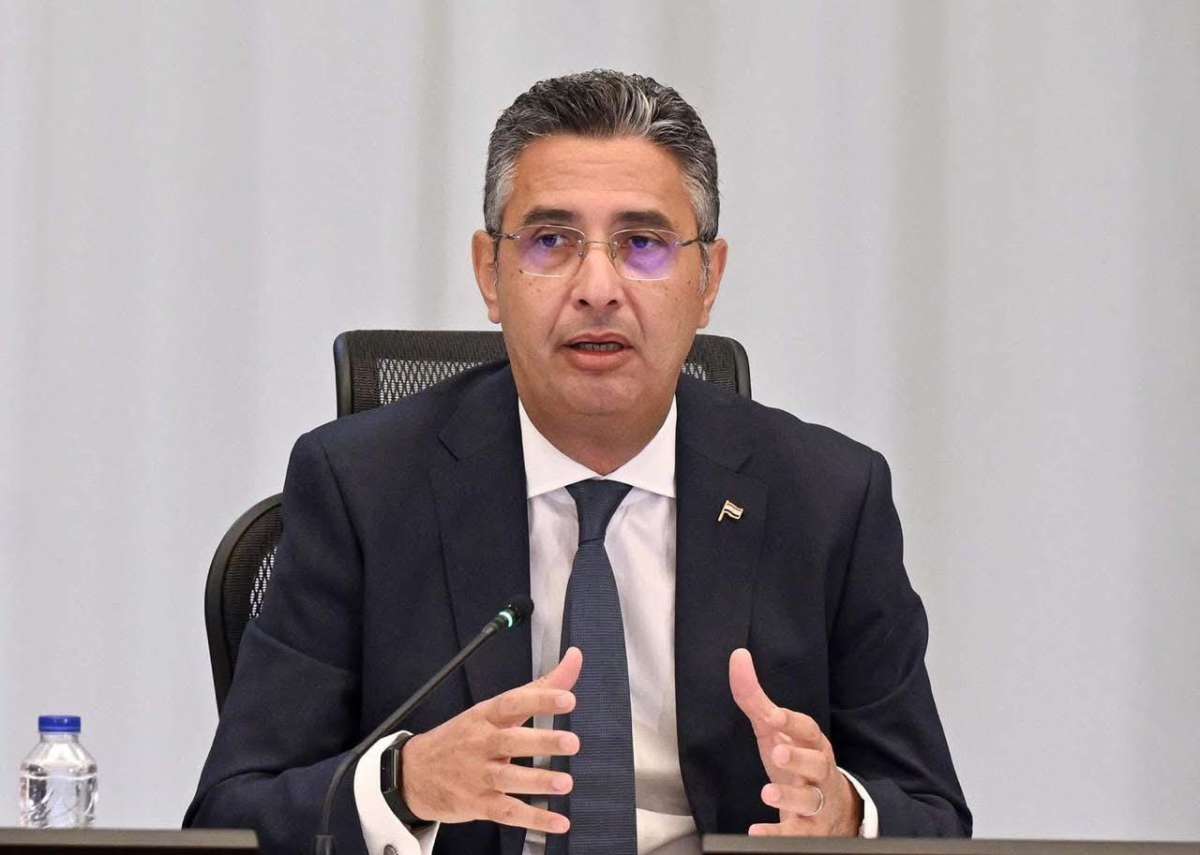
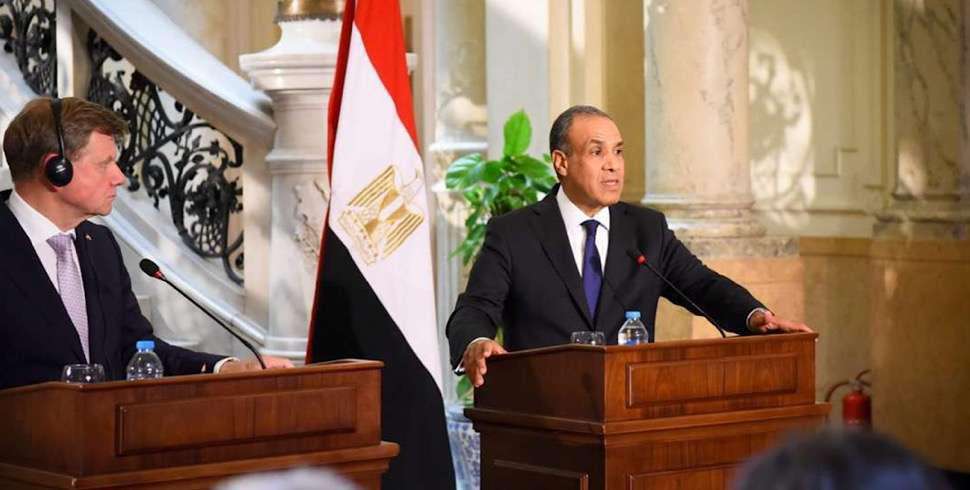
Egypt’s Minister of Planning, Economic Development, and International Cooperation, Dr. Rania Al-Mashat, reaffirmed the commitment to ongoing coordination with the French Ambassador, Eric Chevalier, to implement the strategic partnership between Egypt and France.
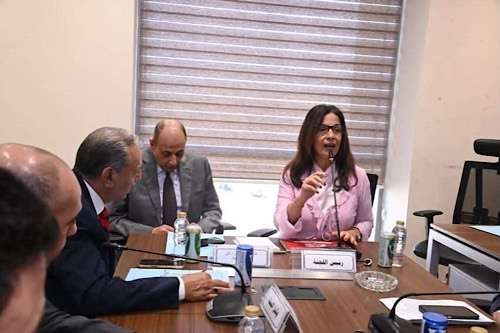
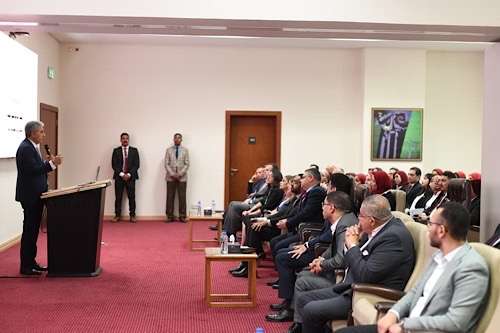
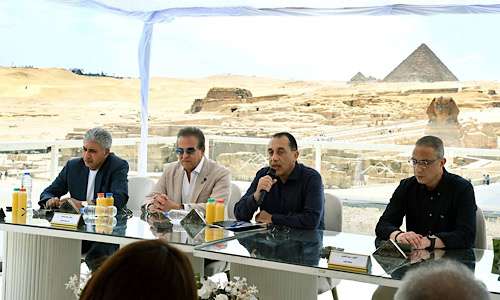
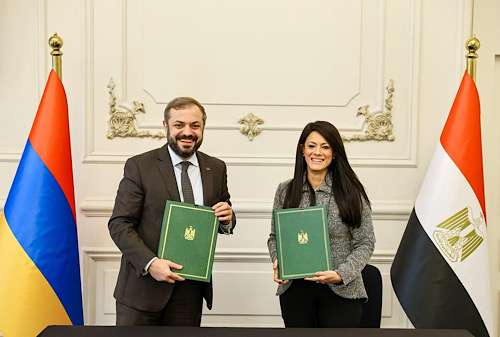
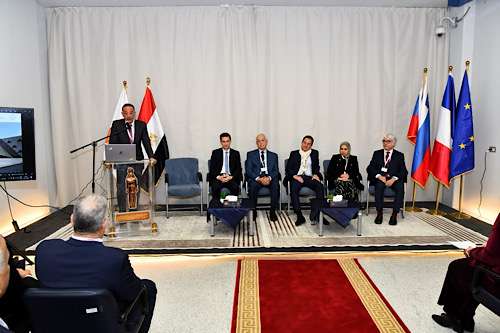
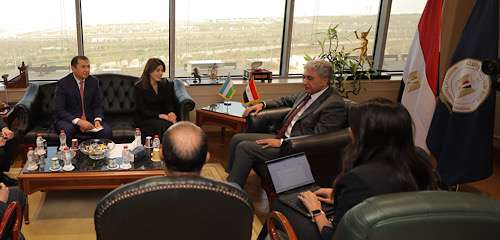
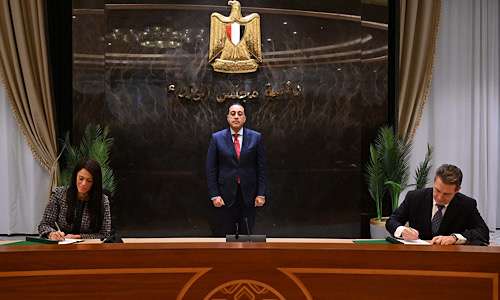
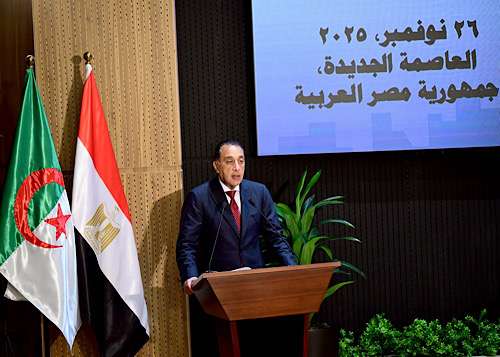
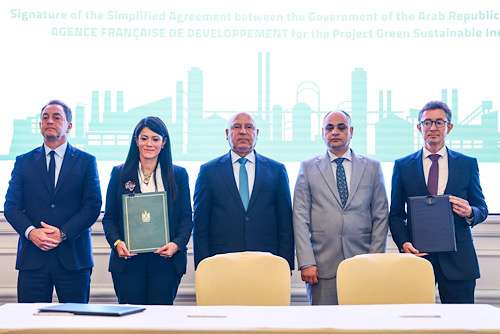
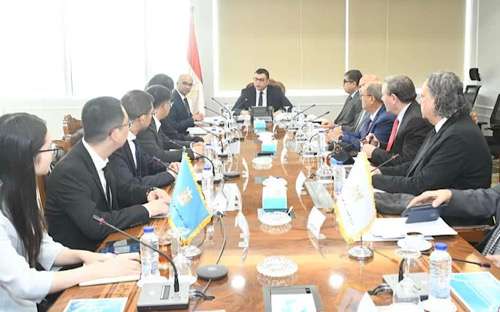
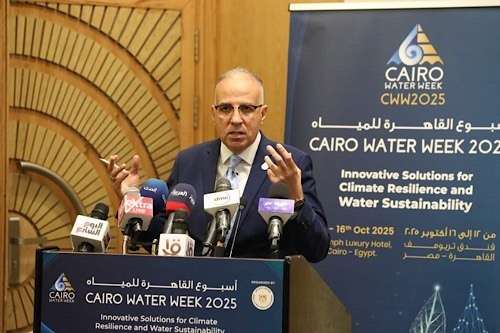
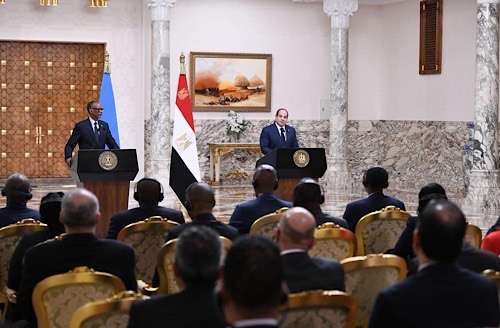
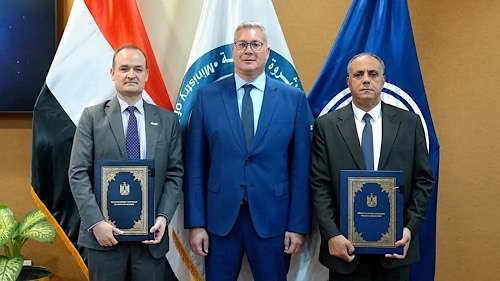
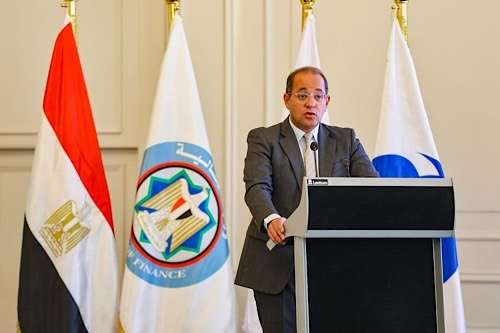
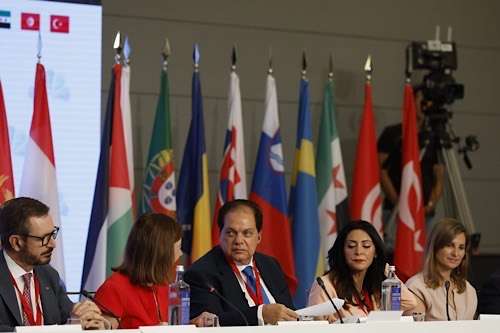
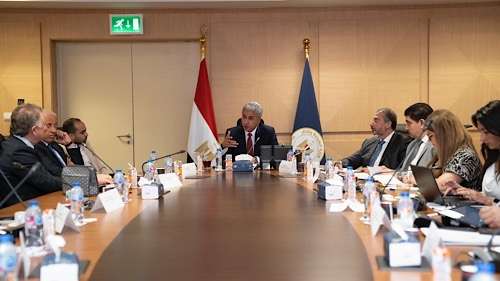
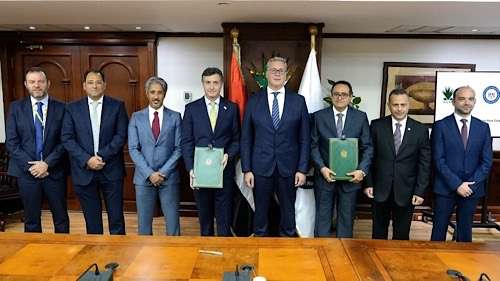
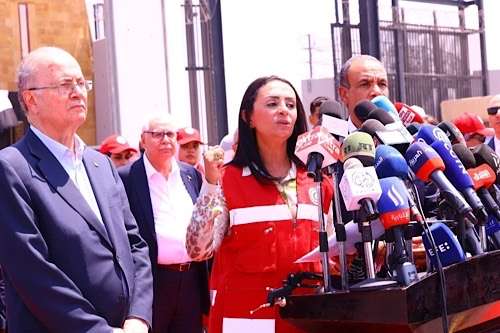
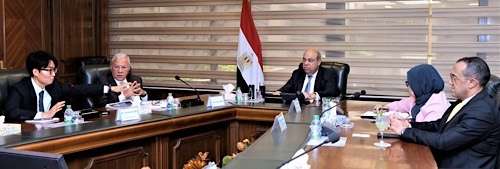
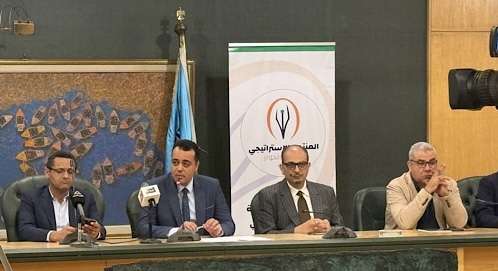
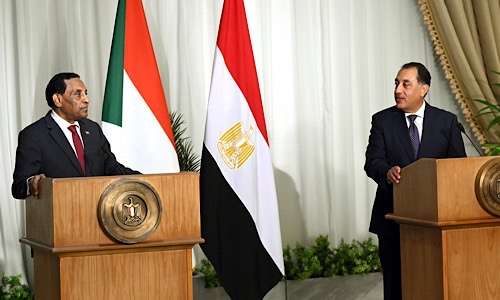
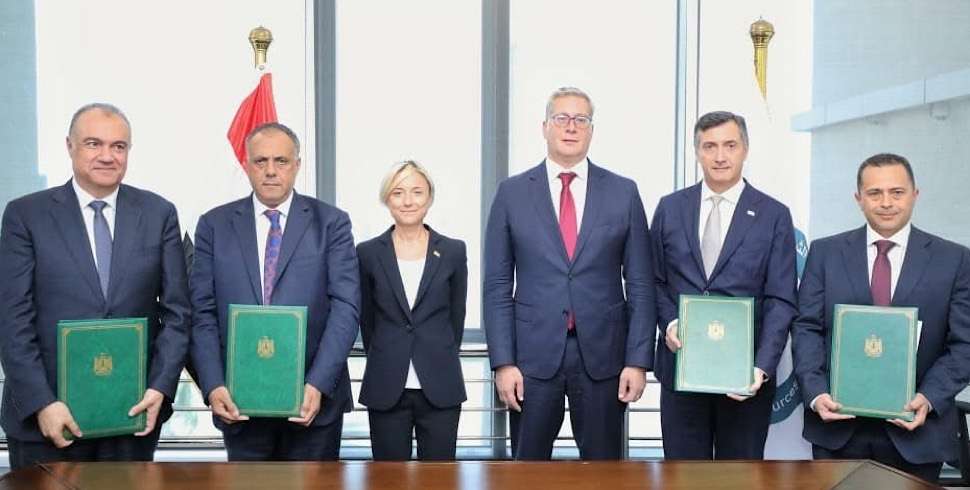
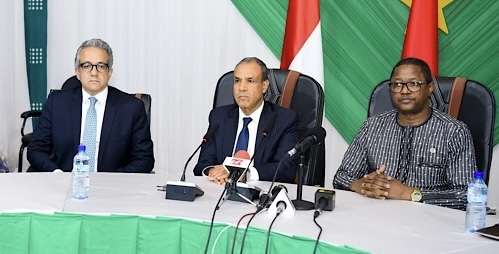
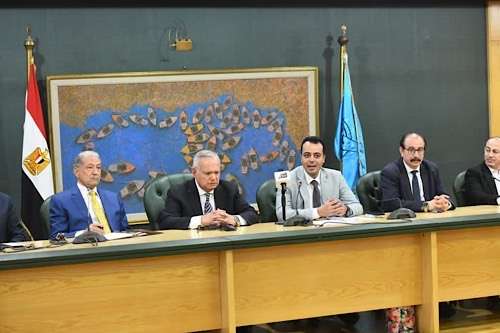
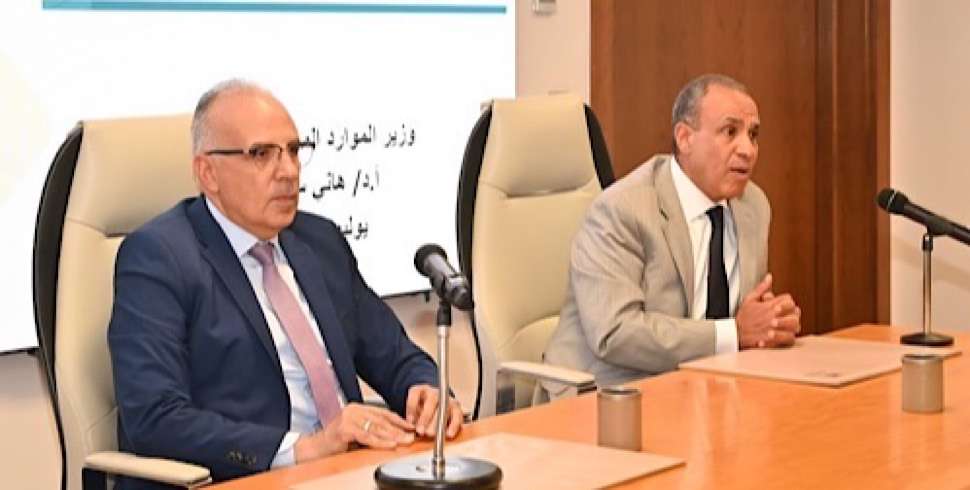
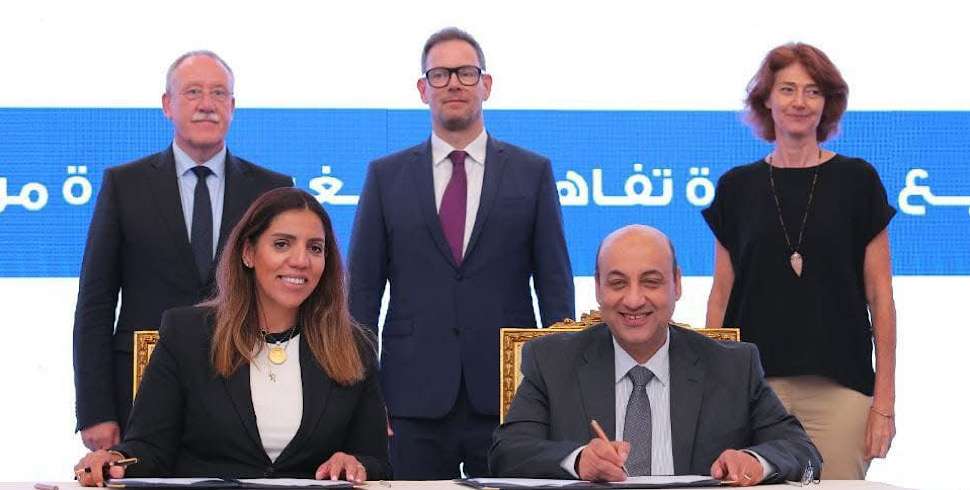
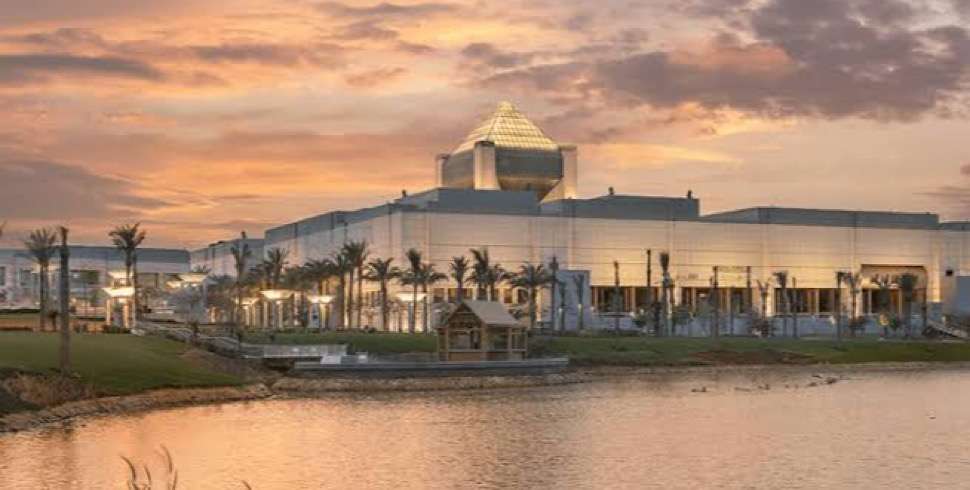
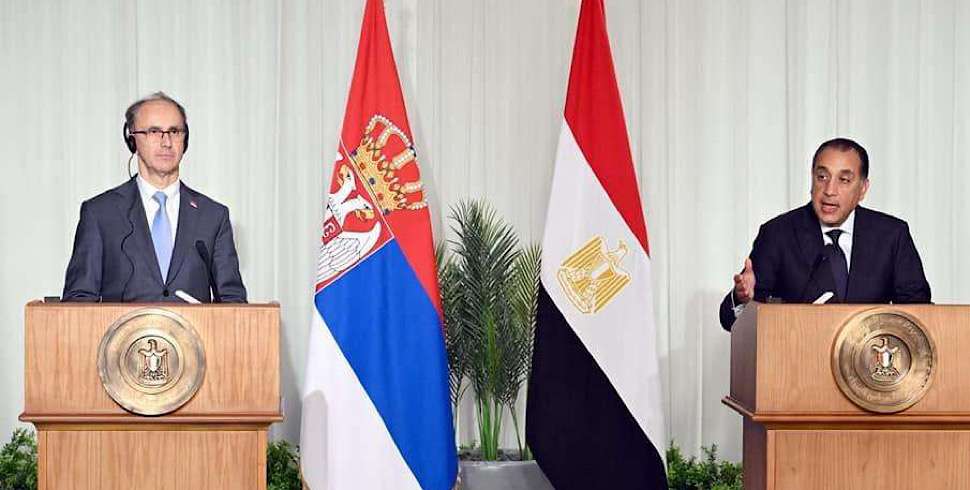
The announcement was made during a joint press conference at the ministry’s headquarters in the New Administrative Capital, where the renewal of a €4 billion technical and financial cooperation agreement was unveiled, set to run until 2030.
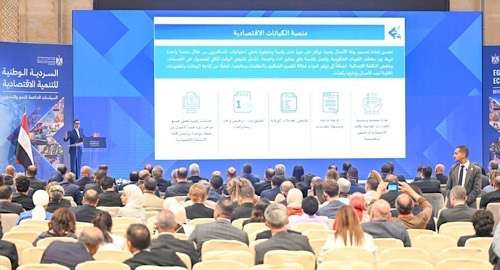
Dr. Al-Mashat highlighted the deep partnership between the two nations, which spans development cooperation, investment, trade, and industrial localization. She emphasized Egypt’s focus on fostering an attractive investment climate and enhancing private sector participation as a cornerstone for economic growth and job creation, aligning with the recently launched National Narrative for Economic Development: Policies Supporting Growth and Employment.
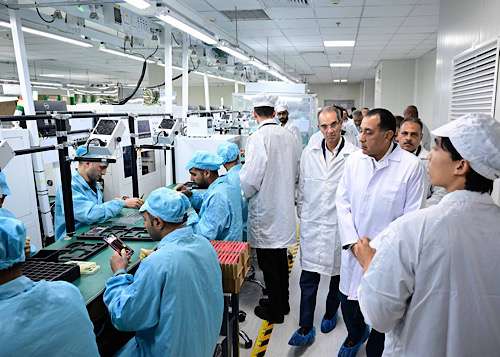
A key pillar of the Egyptian-French partnership is industrial localization, which aligns with the third chapter of the National Narrative for Economic Development. This strategy aims to promote manufacturing, boost local products, and increase value-added production. The ministry is leveraging the comparative advantages of development partners to meet Egypt’s national priorities.
The minister also underscored renewable energy as a central focus of the partnership, with Egypt aiming to increase its renewable energy capacity. The NWFE program, a model for national platforms, supports sustainable infrastructure projects, including Egypt’s metro system, which serves approximately 4 million passengers daily.
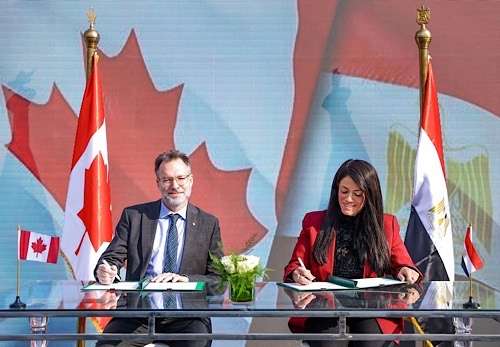
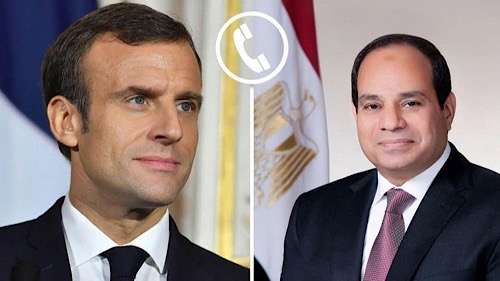
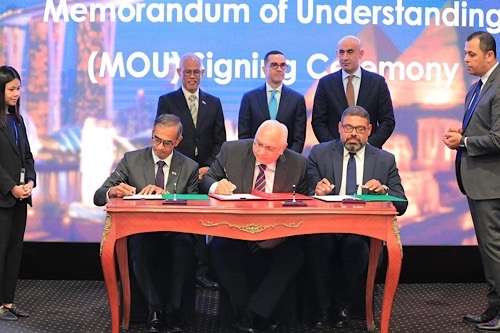
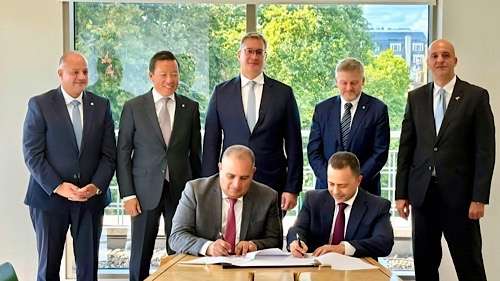
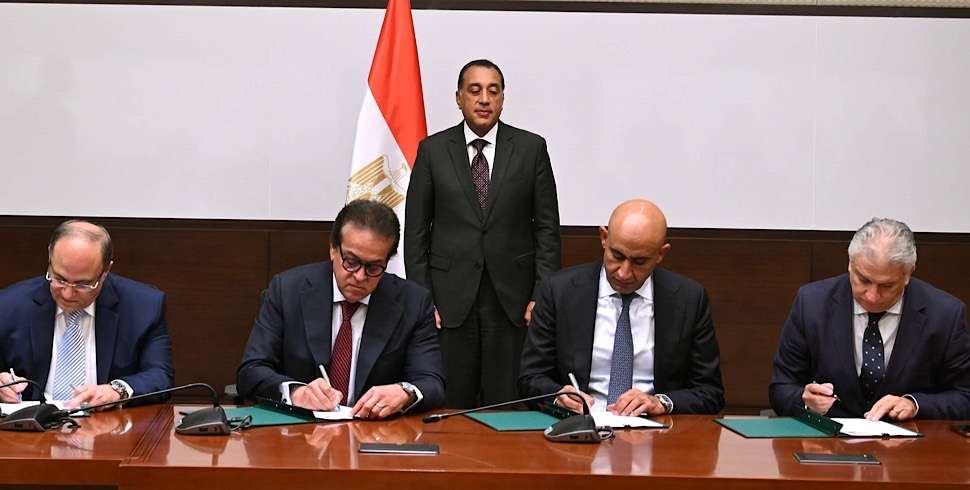
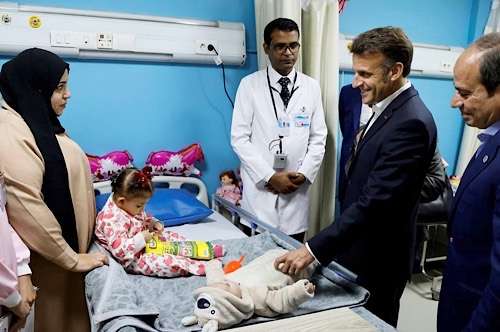
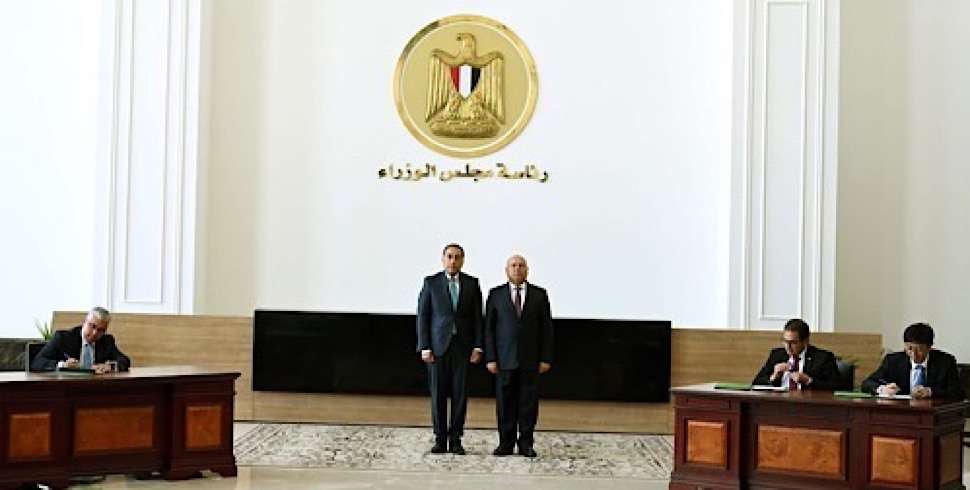
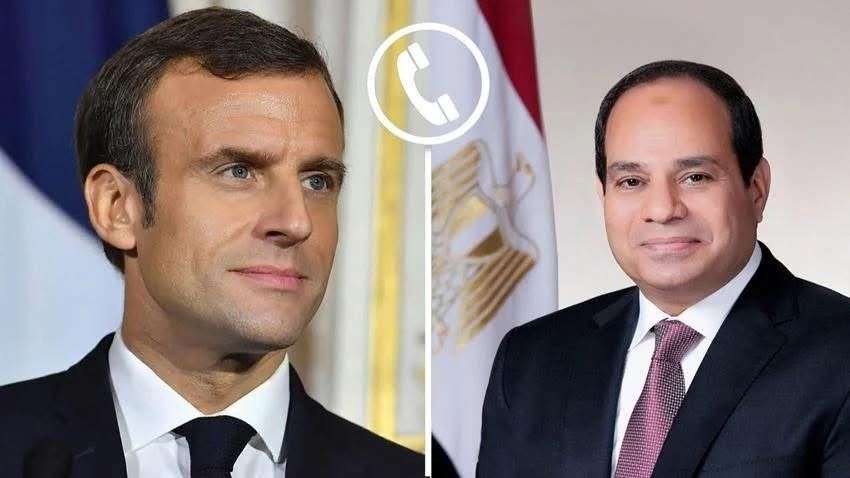
Dr. Al-Mashat referenced the historic visit of French President Emmanuel Macron to Egypt in April, which carried significant political, economic, and cultural dimensions. During the visit, a memorandum of understanding was signed with the French Minister of Economy, translating into €4 billion in financial commitments, including €3.2 billion from the French government and €800 million from the French Development Agency (AFD).
These funds will support priority development projects in Egypt, focusing on human development (health, education, and vocational training), sustainable infrastructure, renewable energy, and private sector financing, including initiatives under the NWFE program.
The National Narrative for Economic Development reflects Egypt’s shift toward a new economic model prioritizing high-productivity sectors with strong export potential. Leveraging advanced infrastructure, the strategy aims to enhance Egypt’s economic competitiveness and private sector engagement. Dr. Al-Mashat noted that last year’s 4.4% economic growth was driven by non-petroleum manufacturing, agriculture, telecommunications, IT, and tourism.
Through the National Strategy for Development Financing, launched last year, the ministry is advancing economic diplomacy to secure development funding, ensuring alignment with national and sectoral development plans. This approach maximizes benefits from various funding sources, including public treasury and concessional financing, to support Egypt’s development goals.
The French Ambassador emphasized the importance of human capital in development, noting Egypt’s youthful population and vast human potential. France supports sectors like comprehensive health insurance and aligns its cooperation with Egypt’s National Narrative for Economic Development and the NWFE program, addressing climate challenges, infrastructure, women’s empowerment, and sustainable development.
In response to a question, the ambassador clarified that France does not impose projects on Egypt but responds to the Egyptian government’s priorities and developmental needs. He highlighted French private sector investments in Egypt, which create tens of thousands of jobs, and reaffirmed France’s commitment to addressing global climate challenges through technical and financial support for Egypt’s climate-related projects.