








































































































































































































































































































































































































































































































































































































































































































































































































































































































































































































































































































































































Friday, 09 October 2026
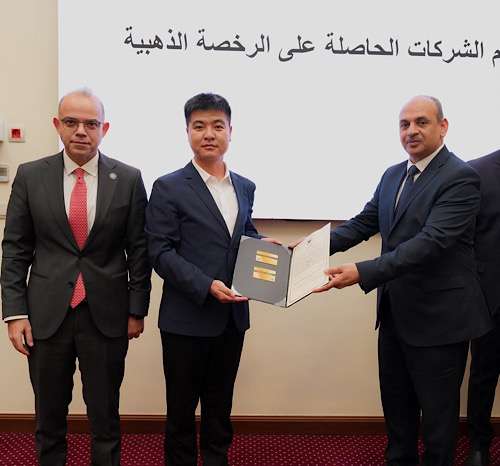
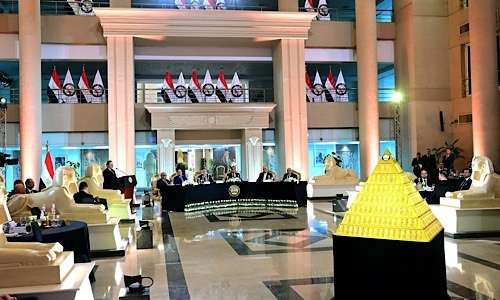
The city of Aswan has been awarded the prestigious title of ‘Tourist City of the Year 2026’ by the Developing Eight (D-8) Organisation for Economic Co-operation.
This accolade, in only its second year of issuance, recognises Aswan’s exceptional efforts in sustainable tourism, heritage preservation, and economic development.
The announcement followed a competitive selection process, with Aswan rising above finalists from Azerbaijan, Iran, and Pakistan to claim the honour.
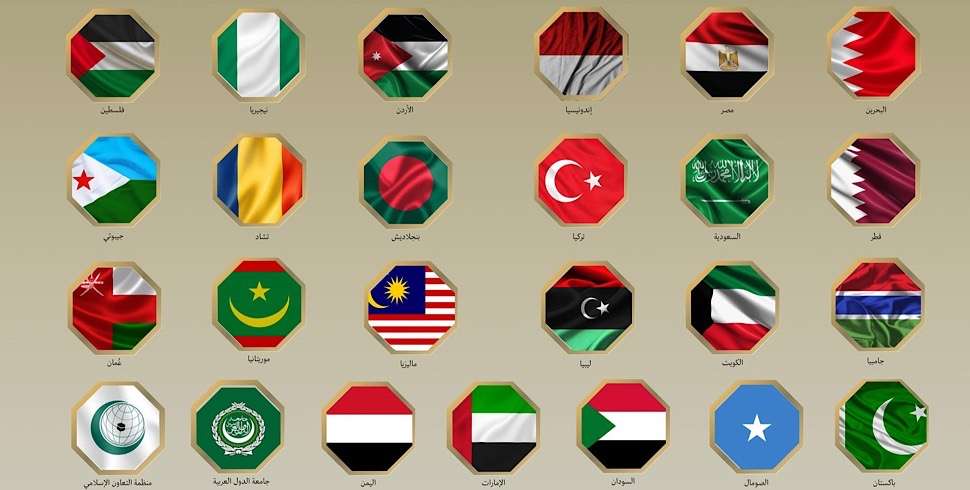
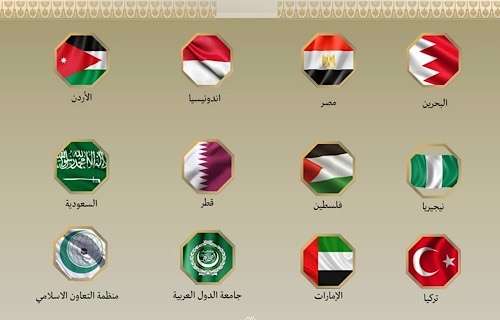
The D8 Organisation represents more than 1.2 billion people across Egypt, Azerbaijan, Bangladesh, Iran, Indonesia, Malaysia, Nigeria, Pakistan, and Türkiye. It assesses candidate cities on the quality of tourist services, promotional initiatives, and sustainability-focused growth.
Backed by a meticulously prepared nomination from Ministries of Foreign Affairs and Tourism and Antiquities, Aswan’s application featured vivid illustrations and compelling narratives spotlighting the city’s world-class tourist assets. The distinction not only celebrates Aswan’s rich legacy but is also poised to elevate Egypt’s allure on the global tourism map.
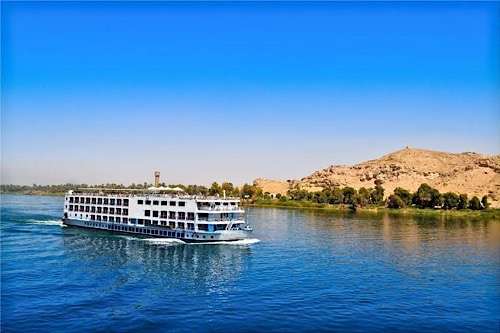
Nestled serenely along the Nile’s southern banks, Aswan is often described as Egypt’s gateway to the Western Desert and the storied lands of ancient Nubia.
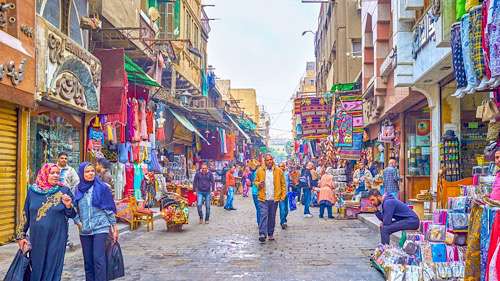
The name Aswan finds its roots in Swenett or Soun ancient Egyptian for market or trade, reflecting its historical status as a vibrant trading post and the southern entry to Egypt.
Blessed with year-round sunshine and a gentle climate, Aswan offers travellers an enchanting blend of history, nature, and hospitality. Its reputation as a premier tourism destination rests on an abundance of awe-inspiring attractions and a deeply felt spirit of local warmth.
Aswan’s reputation as a premier destination is rooted in its abundance of ancient wonders and impressive modern achievements, many of which date back thousands of years.
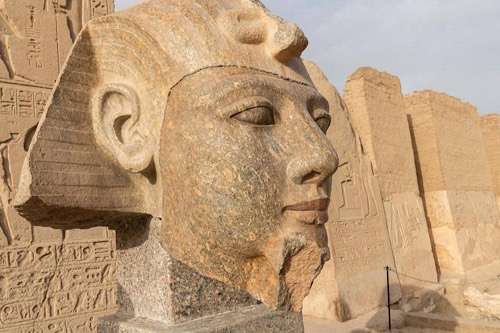
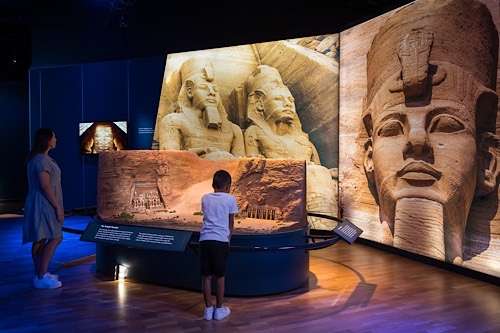
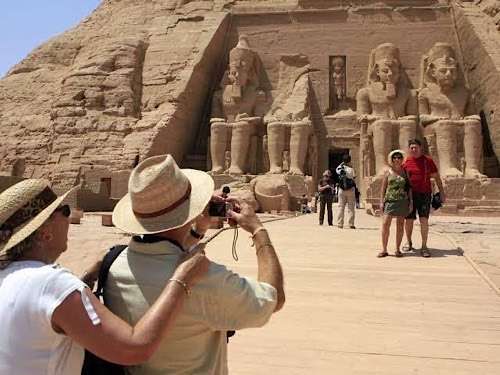
Among its landmarks is the monumental Abu Simbel Temples, carved into a mountainside by Pharaoh Ramses II in the 13th century BC. These remarkable rock-cut temples display both remarkable engineering and artistry, with the Great Temple boasting four colossal statues of Ramses II at its entrance and a smaller temple honoring his queen, Nefertari.
Twice each year, the sun aligns perfectly to illuminate the inner sanctuary, an extraordinary phenomenon that continues to enchant visitors. Located about 280 kilometres south of Aswan, Abu Simbel is a UNESCO World Heritage site and a highlight of any journey along the Nile.
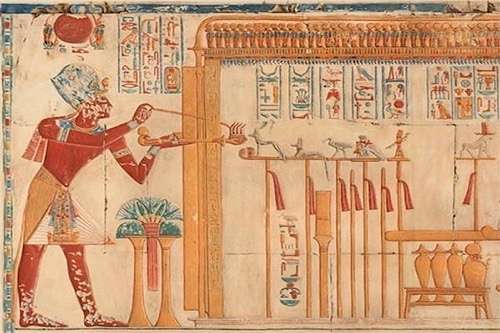
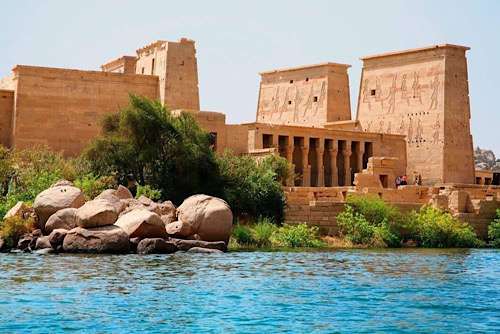
Another awe-inspiring site is the Philae Temple, dedicated to the goddess Isis.
This stunning Greco-Roman complex sits on Agilkia Island in the Nile. The temple was painstakingly relocated in the 1960s to save it from flooding after the construction of the Aswan High Dam.
Its intricate carvings, colonnades, and chapels can be explored by visitors, who can also enjoy breathtaking views of the river and the surrounding islets, a beautiful marriage of natural beauty and historic grandeur.
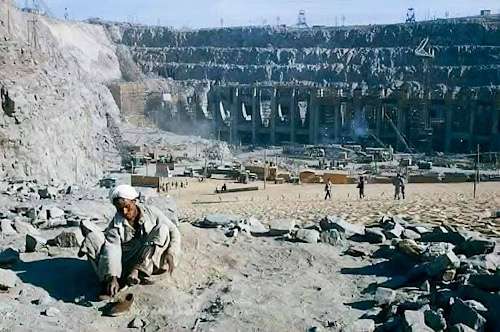
The Aswan High Dam itself is a modern engineering marvel, completed in 1970. It controls the annual floods of the Nile, generates hydroelectric power, and created Lake Nasser, the world’s largest artificial lake. Tours of the dam offer panoramic views and insightful information about its pivotal role in Egypt’s 20th-century development, linking the ancient and the contemporary history of the region.
A unique window into the world of ancient workmanship can be found at the Unfinished Obelisk. Lying in an ancient granite quarry, this massive stone was intended to be the largest obelisk ever erected until a crack appeared and work was halted around 1500 BC. Still partially attached to the bedrock, it offers fascinating insights into ancient Egyptian stone-carving techniques and remains one of Aswan’s most intriguing archaeological sites.
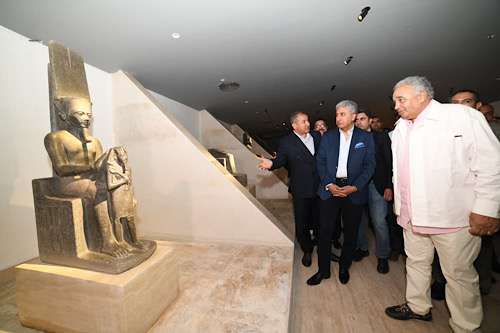
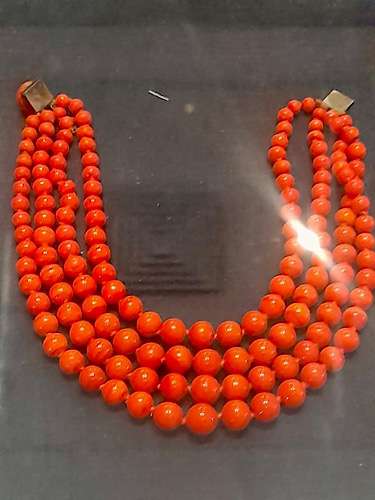
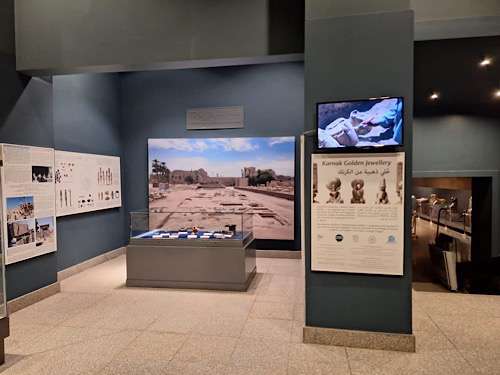
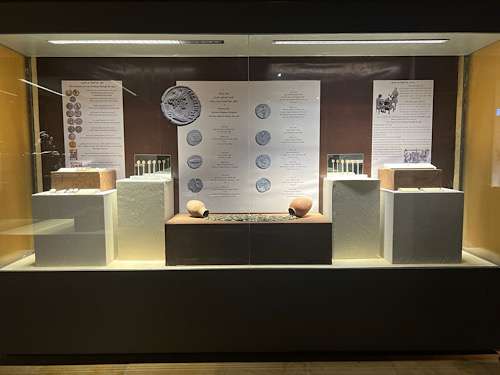
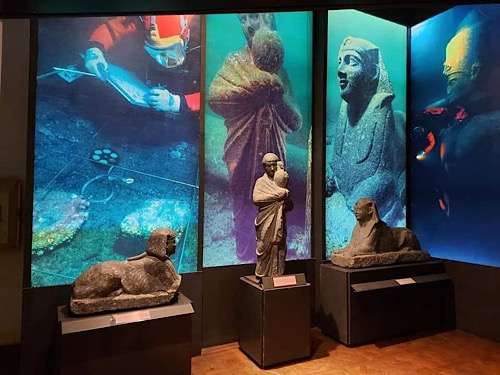
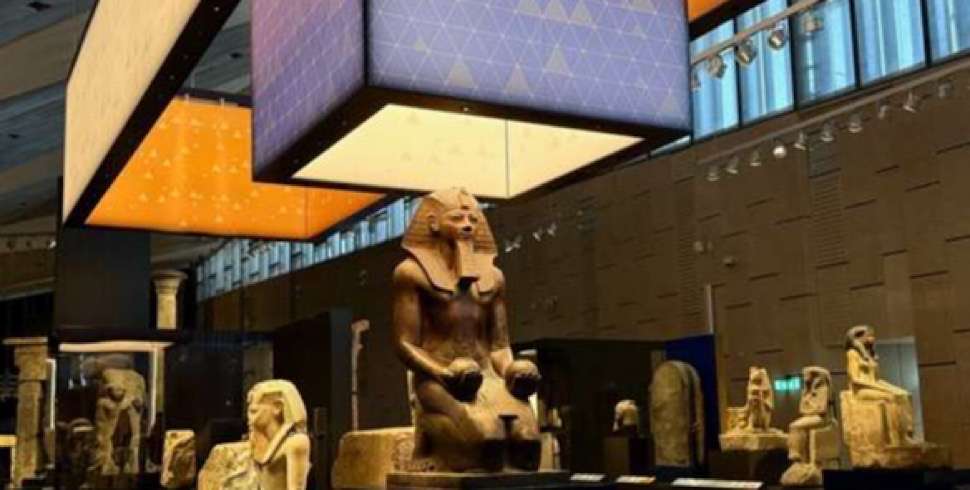
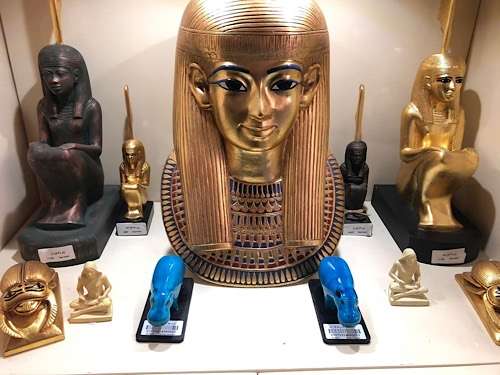
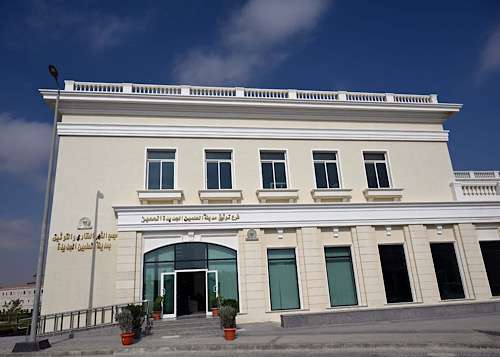
Aswan also celebrates its rich cultural heritage at the Nubian Museum, a modern institution showcasing the history and culture of Nubia, from prehistoric times to the present day.
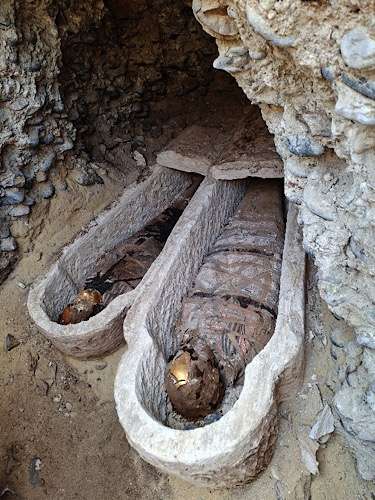
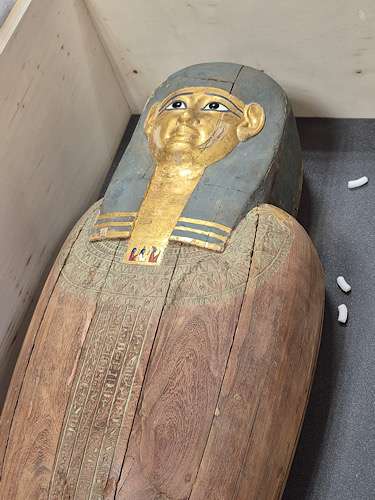
It houses artifacts rescued during the construction of the High Dam, such as statues, jewellery, and mummies, allowing visitors to delve deeply into Nubia’s influence on Egyptian civilisation.
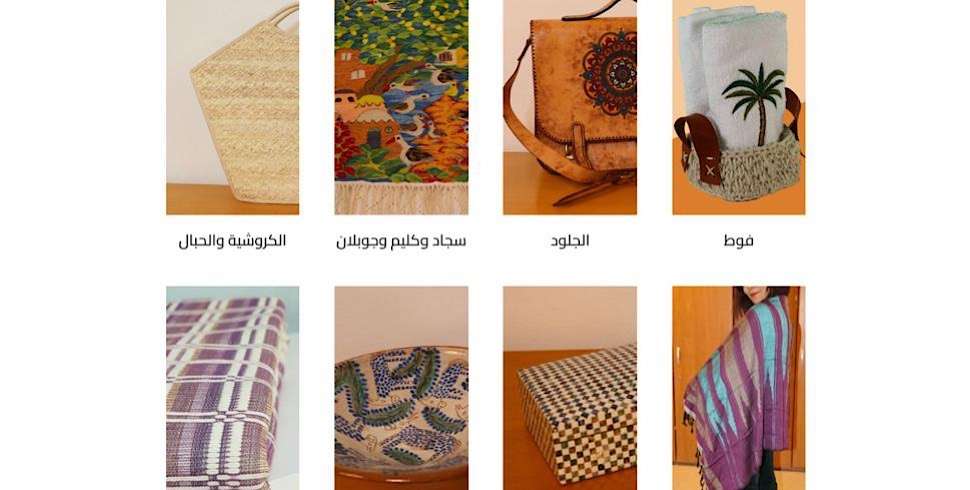
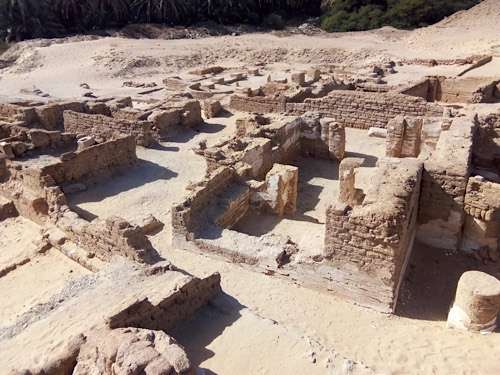
Aswan’s charms extend well beyond its iconic monuments. Elephantine Island invites discovery with its archaeological wonders and lively Nubian villages, where traditional hospitality, music, and artisanal crafts create unforgettable memories.
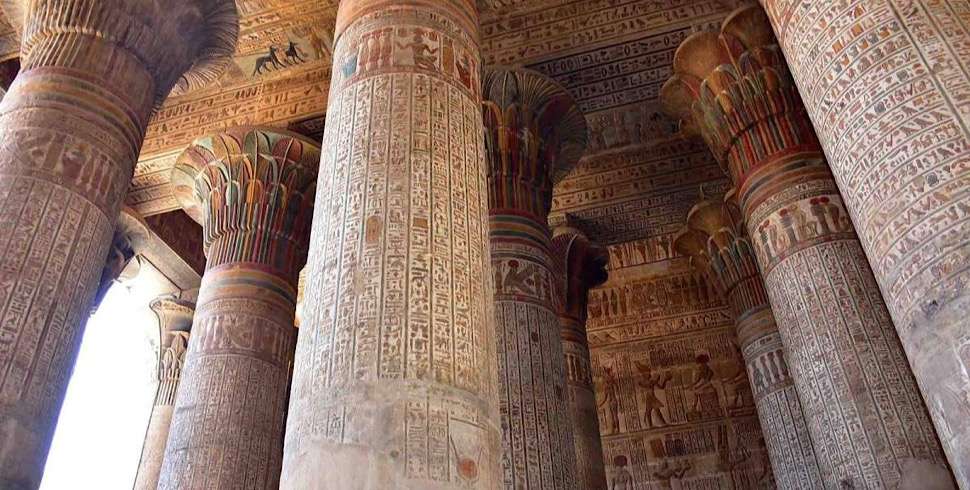
The Kom Ombo Temple, uniquely dedicated to both Sobek (the crocodile god) and Horus, delights visitors with its symmetrical Ptolemaic architecture and unusual displays including ancient medical instruments and mummified crocodiles.
For lovers of nature and tranquility, Kitchener’s Island, home to Aswan’s famed Botanical Gardens presents a serene escape among exotic flora from around the world, making it ideal for peaceful strolls or bird-watching.
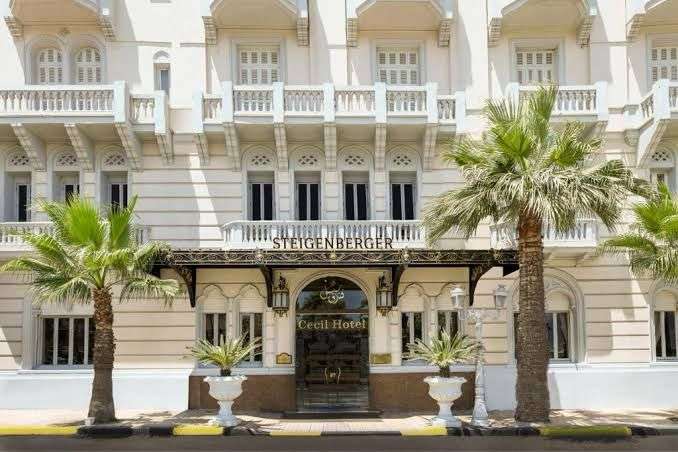
All of these remarkable landmarks, together with Aswan’s ongoing commitment to sustainable development including upgraded hotels, modern services, and eco-friendly projects have firmly established it as a leading destination in the Middle East and North Africa.