








































































































































































































































































































































































































































































































































































































































Friday, 09 October 2026
 Source: https://www.facebook.com/photo.php?fbid=1382644016832472&set=a.545828963847319&type=3
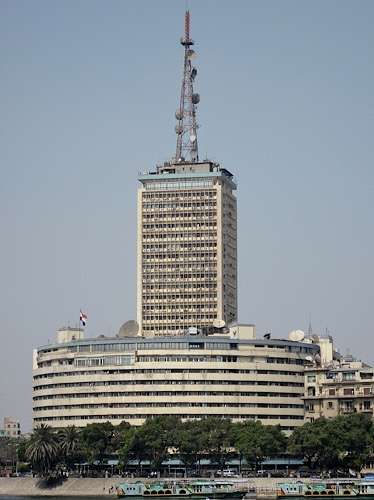
Nestled in the heart of bustling downtown Cairo, the iconic Ramses Telephone Central stands as a silent witness to Egypt’s remarkable journey into modernity.
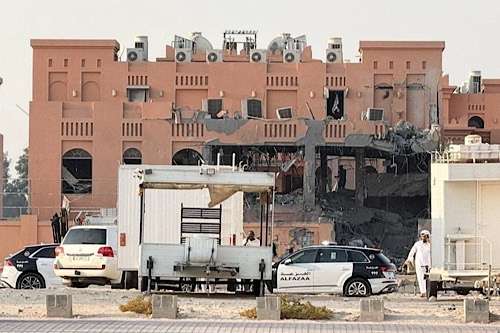
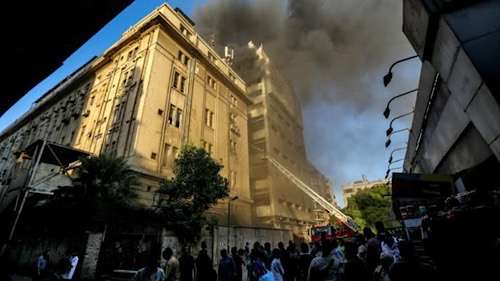
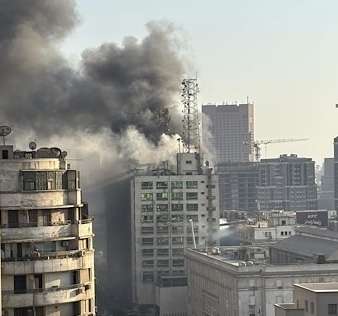
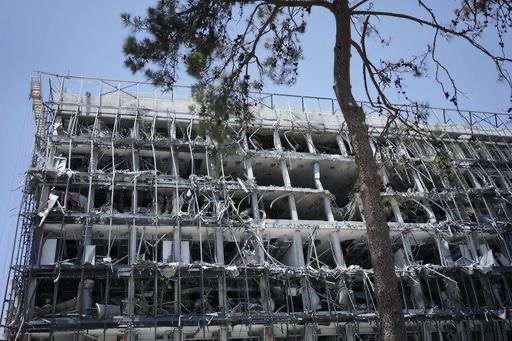
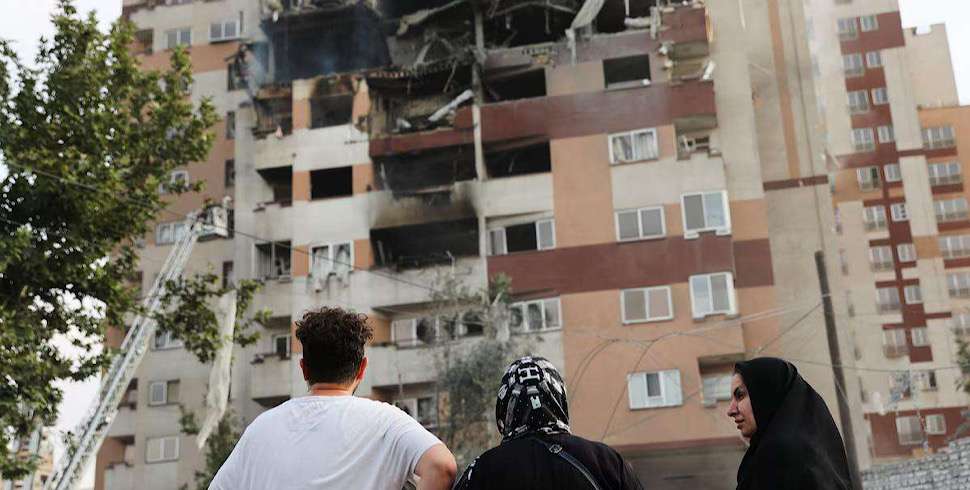
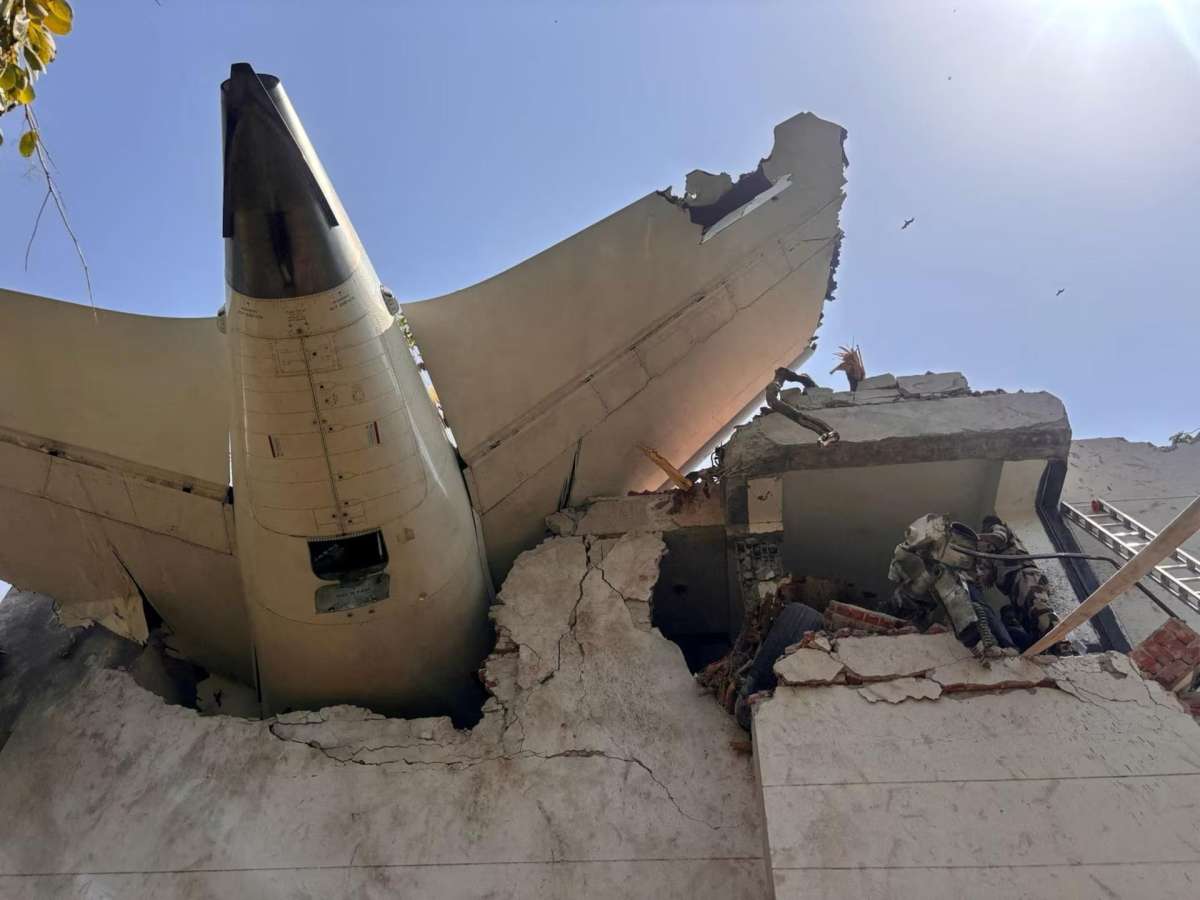
For nearly a century, this Art Deco landmark has pulsed with the rhythms of the city, weaving together stories both local and global. Today, as it faces the threat of destruction following a recent fire, its legacy—and future—invite renewed reflection and hope.
The history of telephone communication in Egypt begins as early as 1881, when the government granted a license to the American company Edison Bell to build the nation’s first telephonic network in Cairo and Alexandria. This pioneering spirit soon made the telephone an integral part of Egyptian life, especially under British occupation, when new lines were stretched across the land, linking cities and facilitating everyday connections.
By 1927, as Cairo’s skyline blossomed with new ambitions, Ramses Telephone Central was born. Its opening marked a milestone: the creation of a six-thousand-line exchange using the latest technology of its day, right in the heart of what was then Queen Nazli Street (now Ramses Street). With the flip of a switch, Egypt joined the world of automatic switching and modern telecommunications, signalling the dawn of a new era.
Over the decades, the Ramses Central led Egypt’s technological evolution. In the 1930s, new accounting systems for local calls were introduced, and by 1947, the building had adopted cutting-edge electromechanical switching. In the late 20th century, it became home to digital exchanges and a node in Egypt’s fledgling internet infrastructure, preserving its role as a vital communications artery.
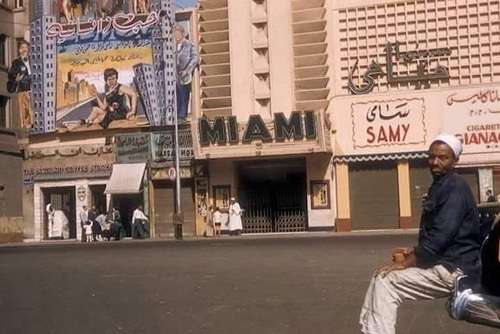
But the Ramses Central has always been more than cables and switches—it played a starring role in Egypt’s cinematic imagination. In the famed film “Playing with the Big Guys” (‘Al-La’ab Ma’a Al-Kibar’), the building becomes the unlikely site of intrigue, as telephone operators overhear whispers of state secrets.
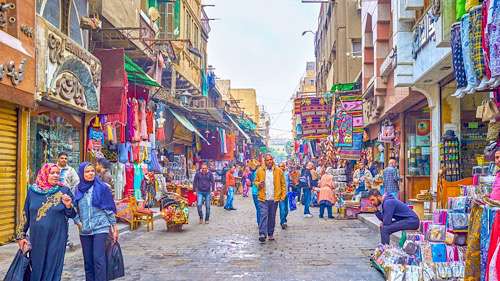
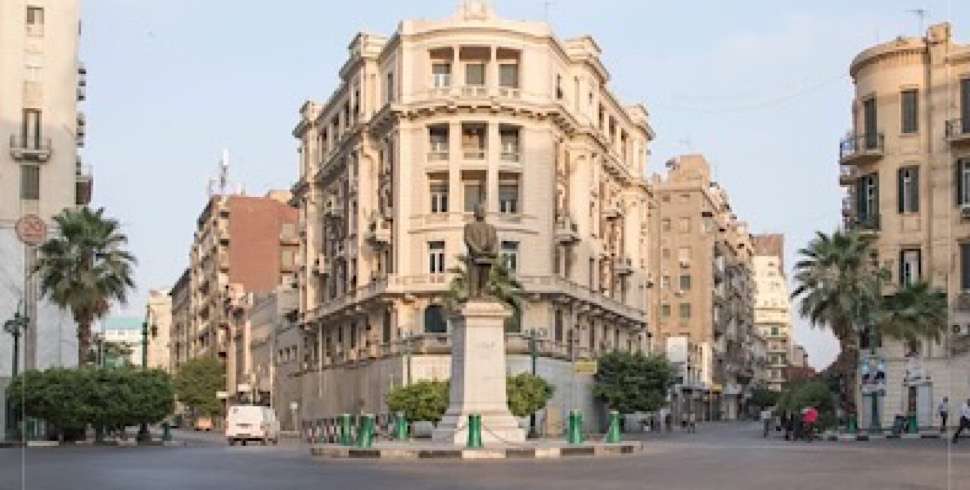
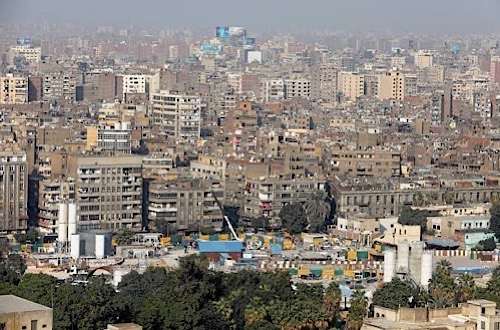
Situated at the intersection of some of Cairo’s most vibrant streets, Ramses Central shares its neighborhood with historic courthouses, hospitals, government ministries, and railway stations. In this teeming, ever-evolving district, the building has long stood as a steady presence—a symbol of the city’s resilience, complexity, and sense of community.
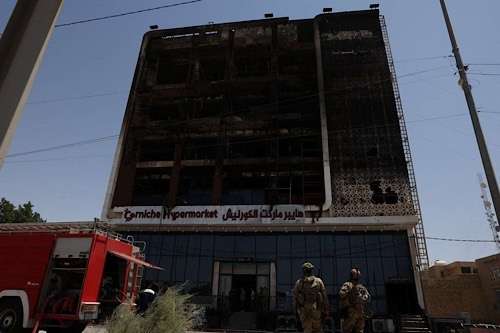
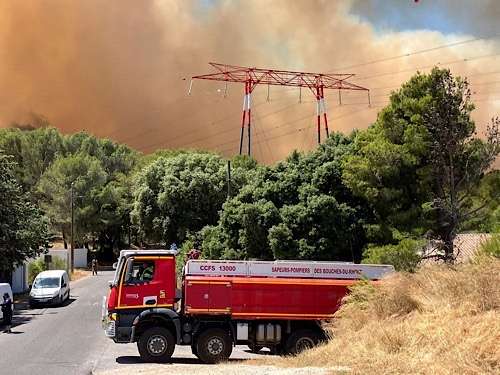
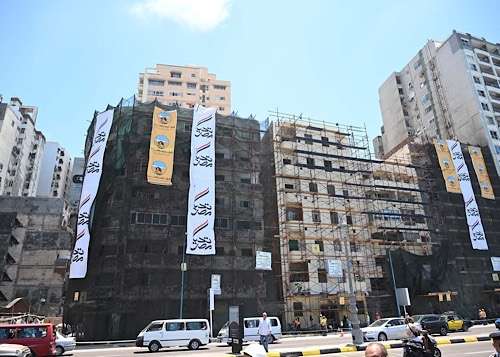
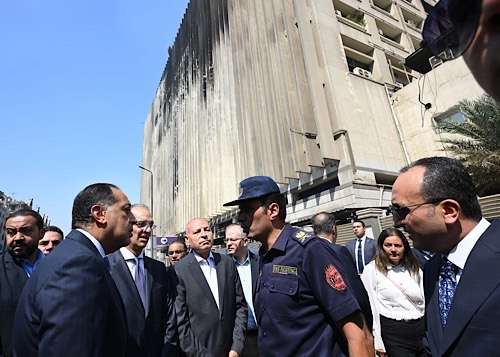
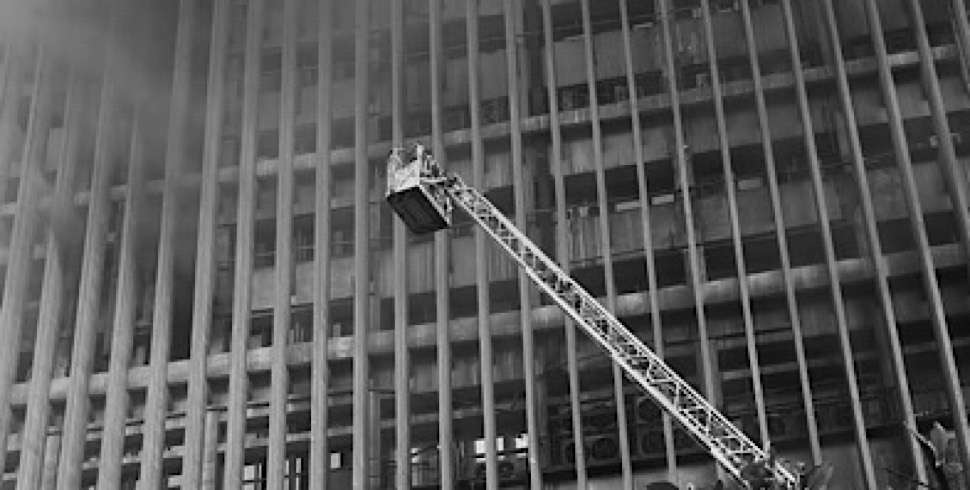
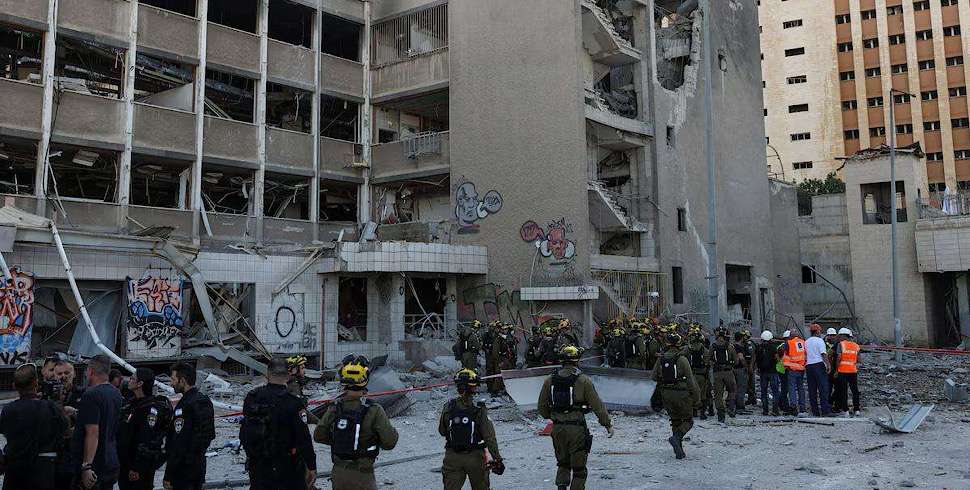
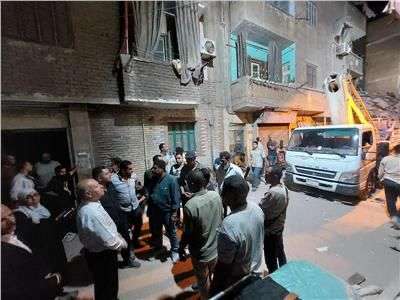
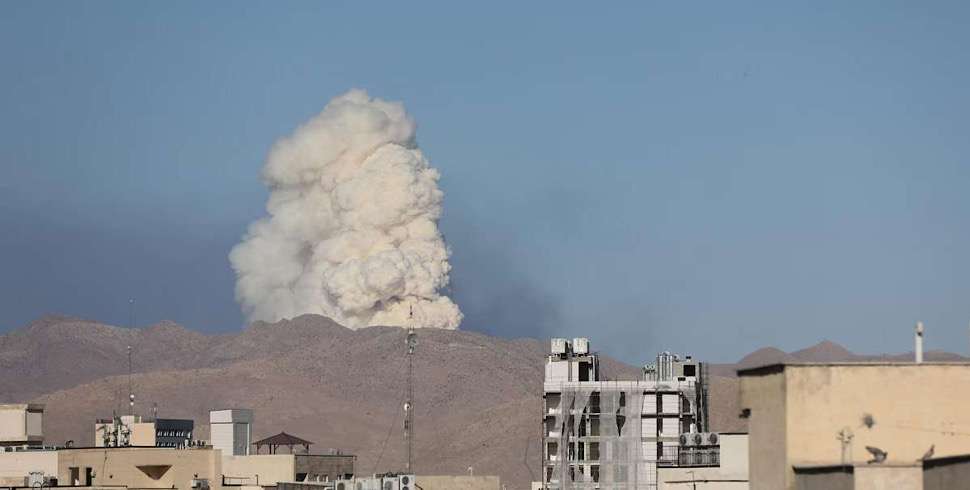
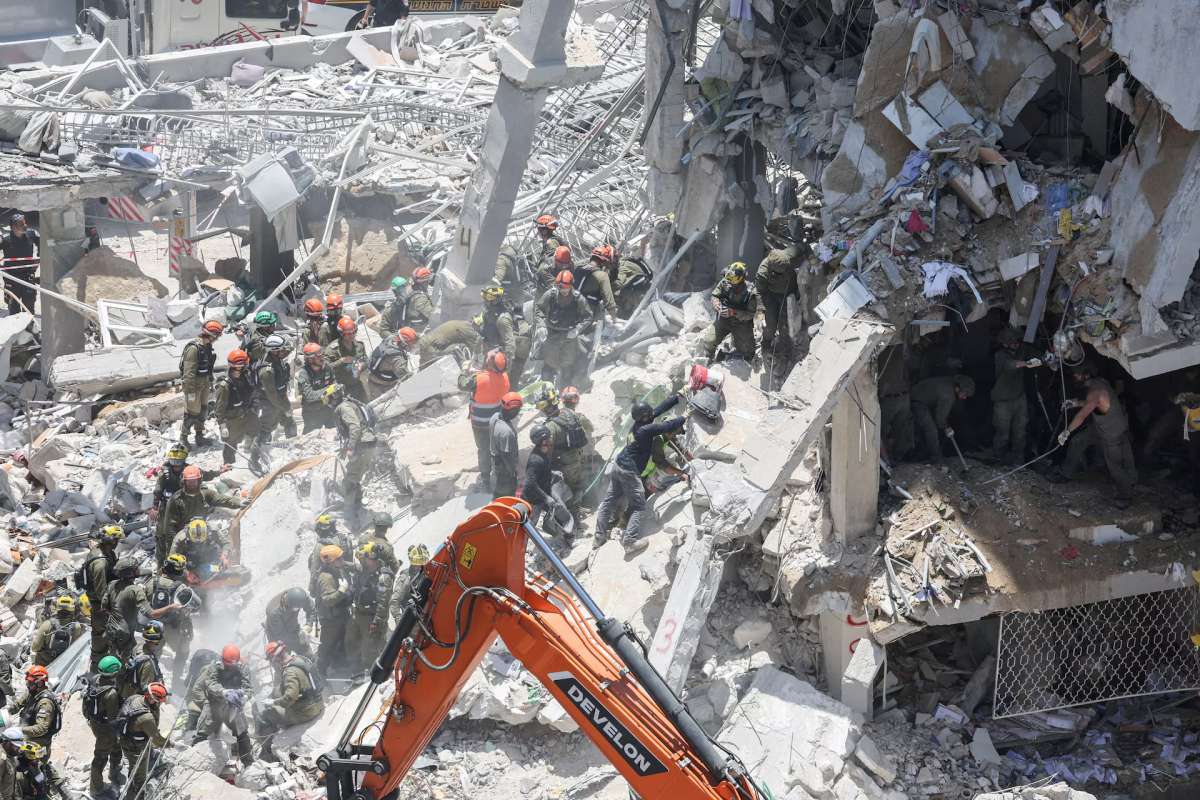
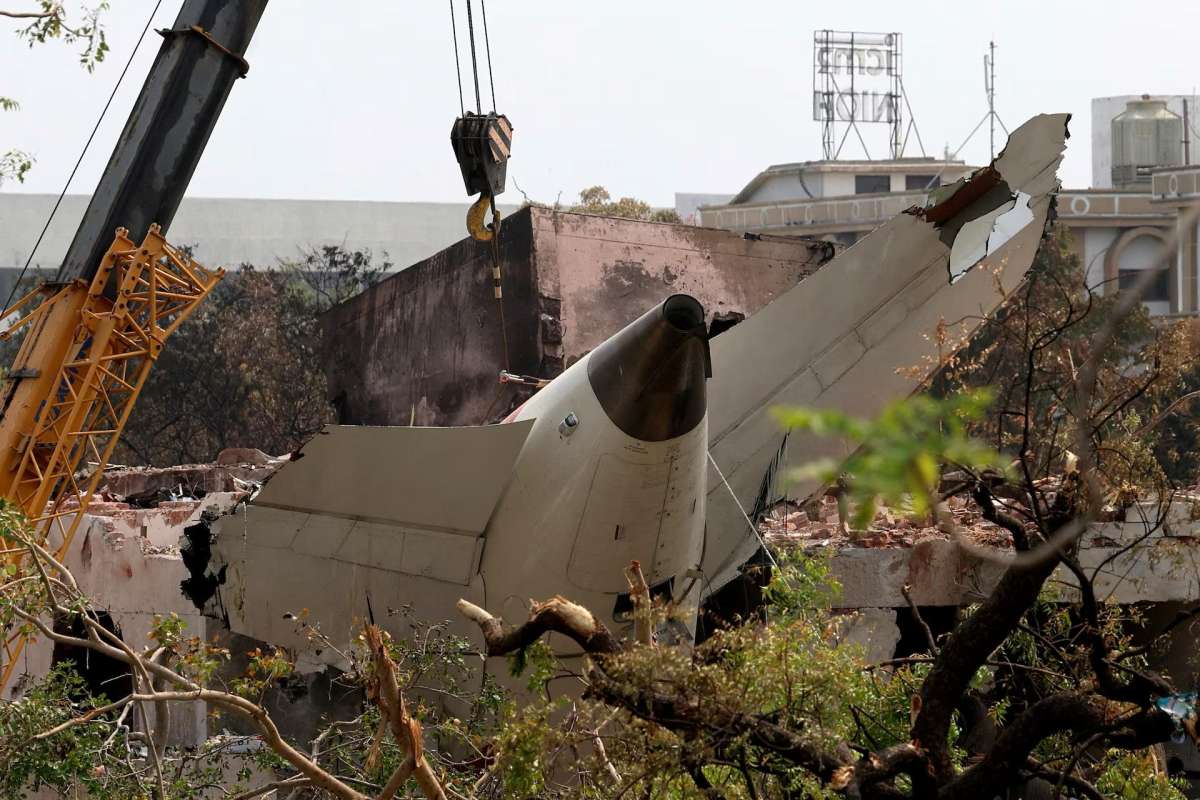
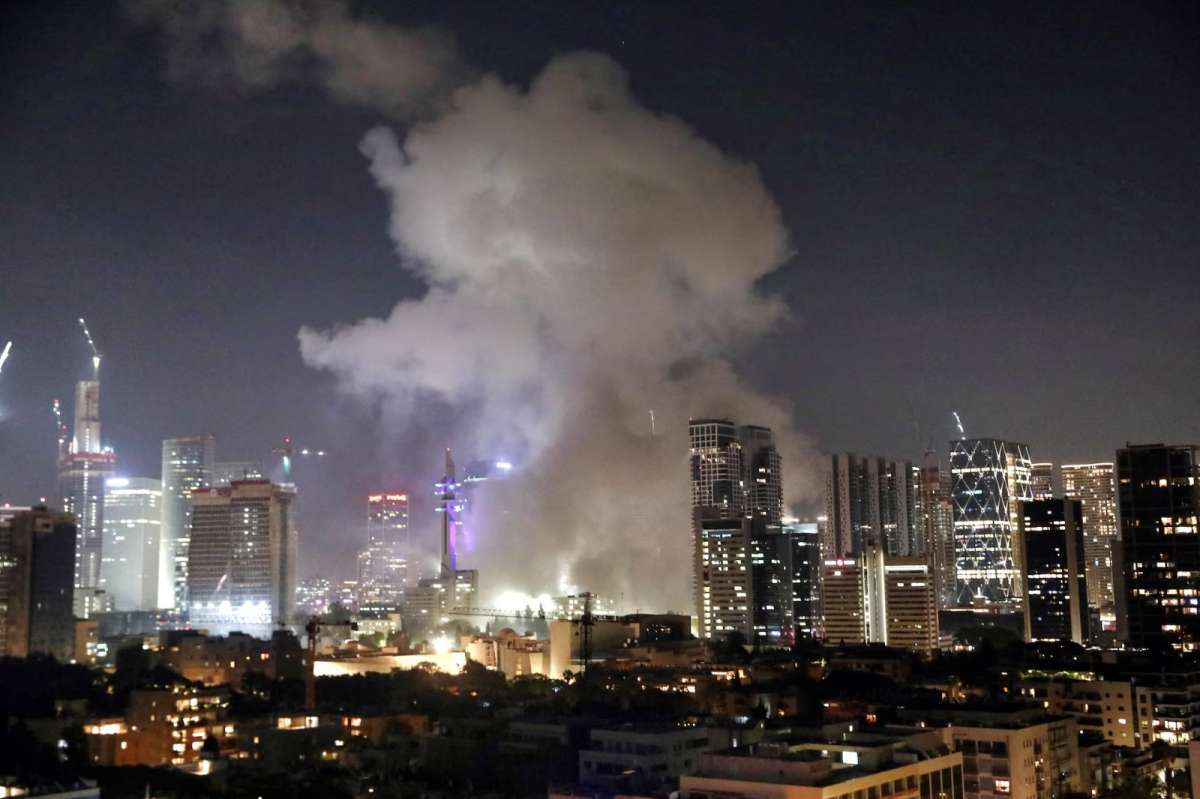
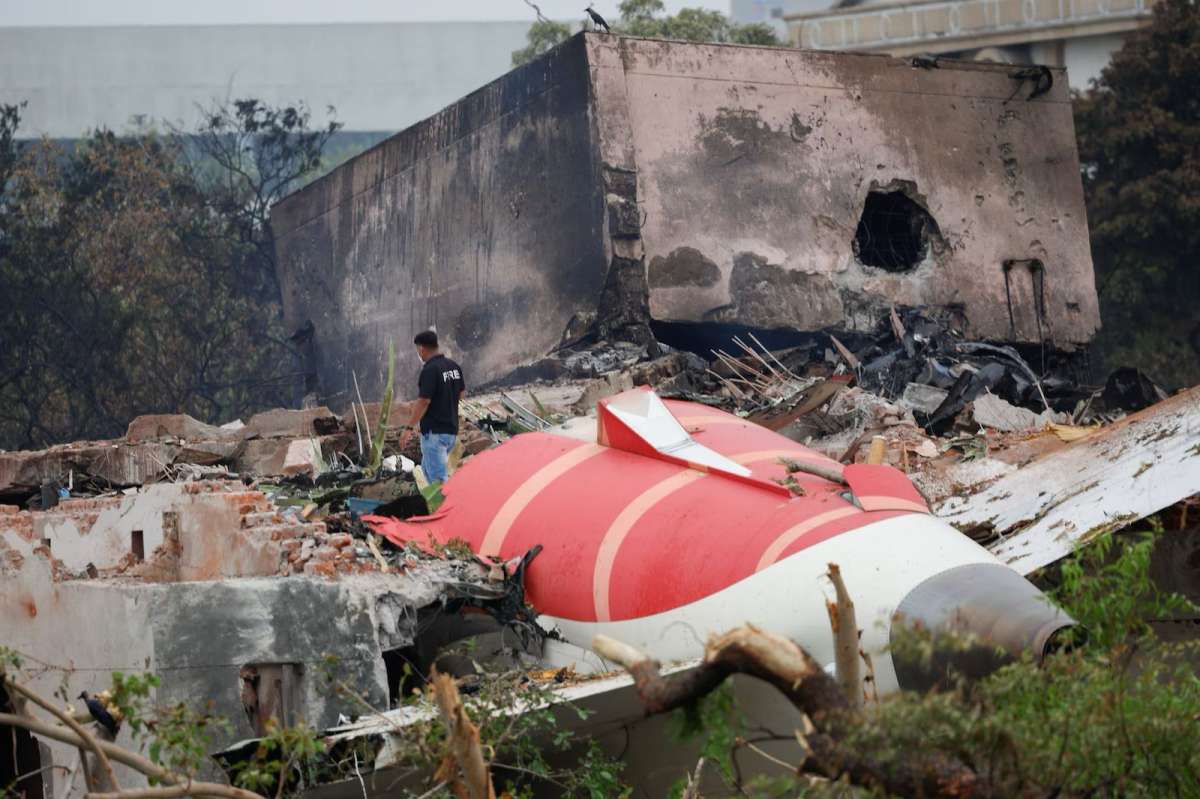
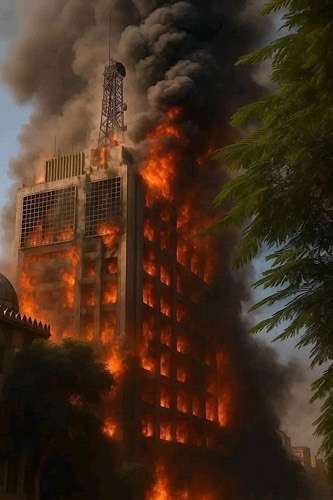
Sadly, a recent fire has damaged parts of the building, casting uncertainty over its future just two years before it becomes eligible for official heritage status—a milestone that requires a structure to be 100 years old. Yet, Egyptian experts remain hopeful: as long as substantial parts can be restored to their original state, Ramses Central might still gain the protection and recognition it deserves.
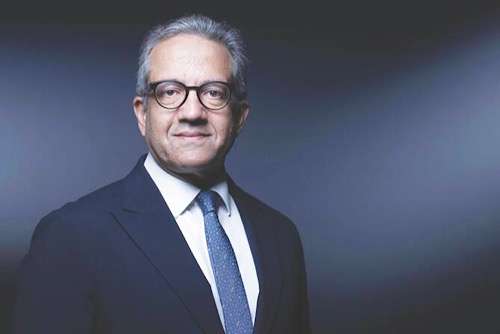
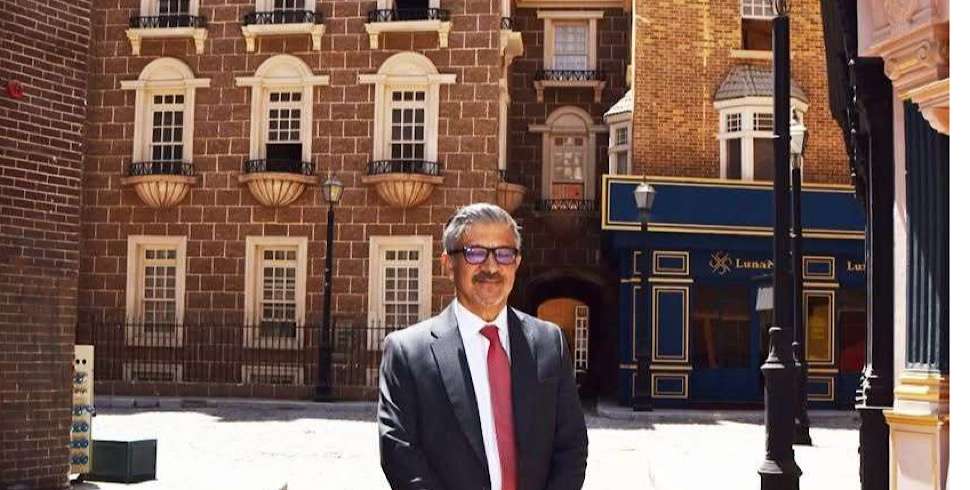
Dr. Abdelhamid El-Kafafy, former Director General of Planning and Monitoring for Restoration of Antiquities, told Babmsr that the building represents not only a masterpiece of architecture but also a vital artery in Egypt’s digital transformation. The possibility of restoration and heritage listing remains, provided key architectural features survive.
For nearly a century, Ramses Telephone Central has formed the backbone of Egypt’s communications—linking millions of conversations, connecting families, shaping business, and facilitating history in the making. Its survival speaks to ongoing debates about urban preservation, technological change, and what it means for a city to remember.
The fate of Ramses Central is not merely a local concern; it is a story that echoes wherever rapid social and technological change confront the need to honor shared heritage. As Egypt considers restoring and preserving this beloved icon, the world, too, is invited to celebrate the enduring ties between people, technology, and city life.