


























































































































































































































































































































































































































































































































































































































































































































Friday, 09 October 2026
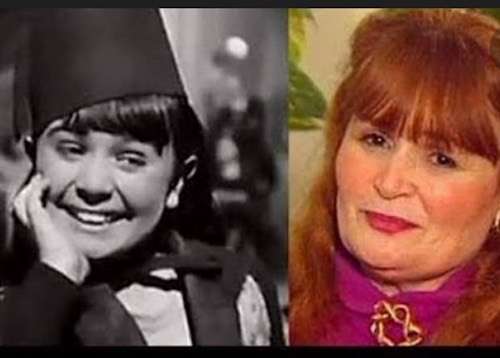
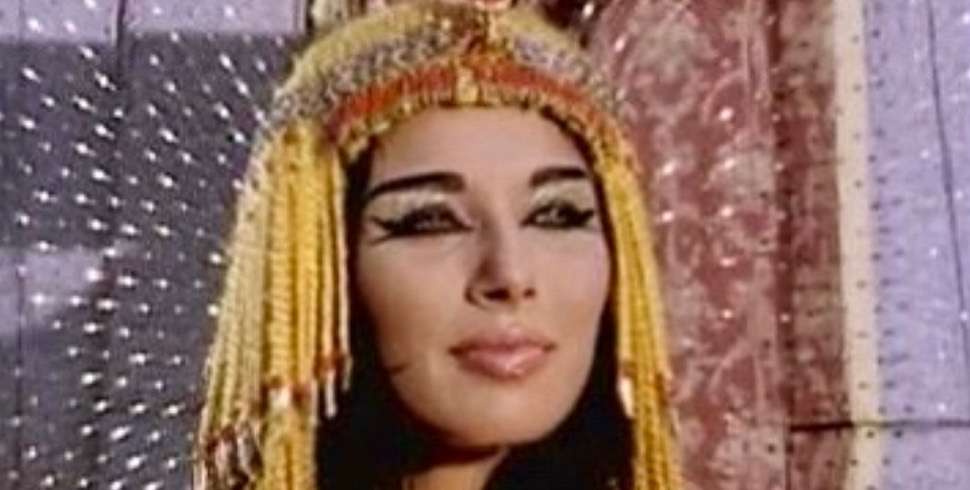 Lobna Abdel Aziz in Bride of the Nile, 1963 . Source: Pinterest
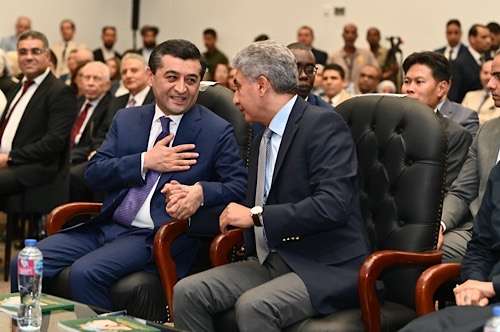
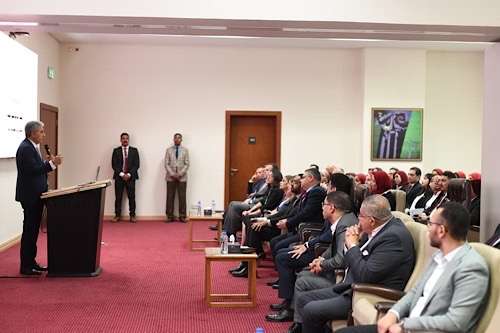
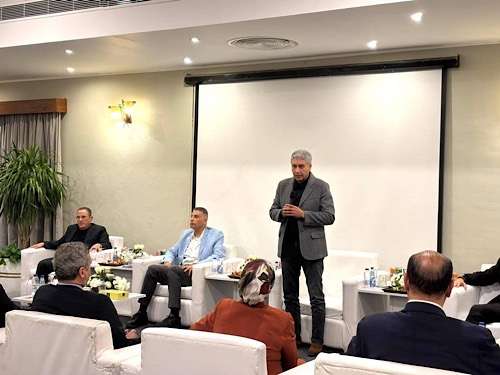
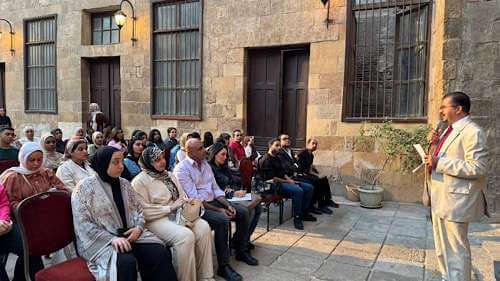
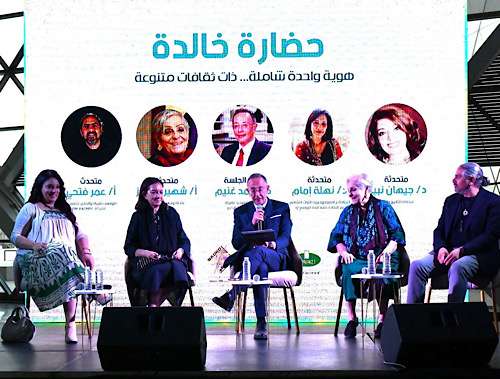
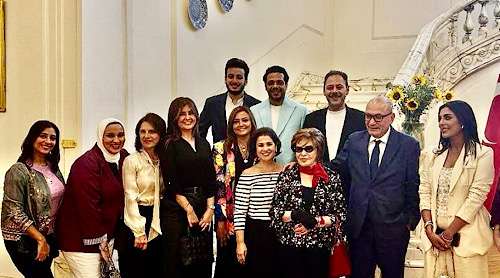
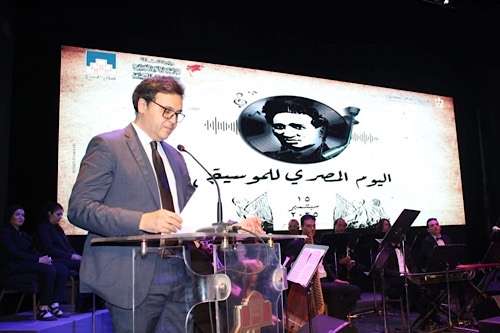
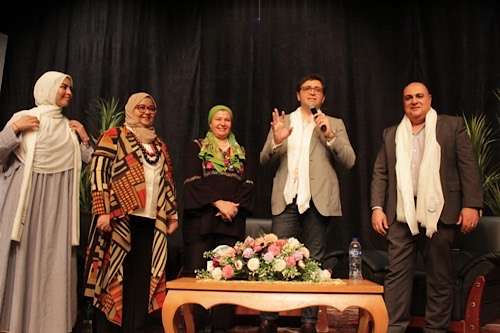
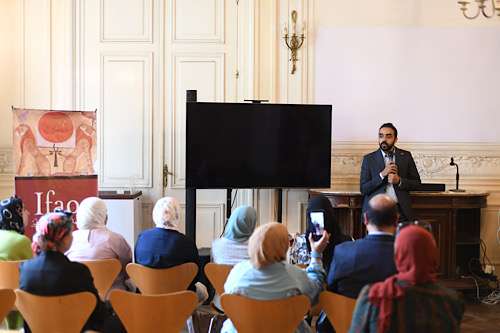
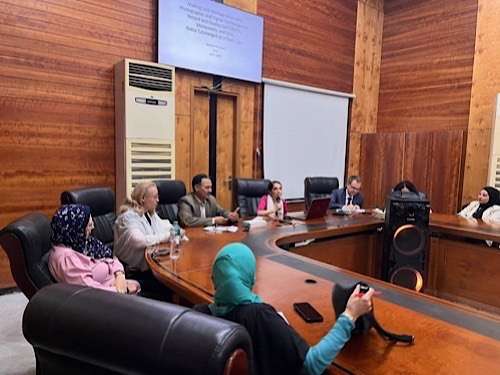
In the heart of Cairo, where history and modernity intertwine, a celebration unfolded that felt like a scene from a classic Egyptian film. At the American University in Cairo’s Ewart Hall, Lobna Abdel Aziz, the silver screen icon of Egypt’s golden cinematic era, marked her 90th birthday. Organized by the Arwah Fi El Madina series, a project launched over two years ago by Mahmoud El Tamimi through the cultural initiative “Cairo Is My Address” in collaboration with several cultural institutions, the event was a vibrant tribute to a woman whose life has been a masterclass in blending art, intellect, and humanity.
Dedicated to preserving Egypt’s national memory, the series brought together admirers to honor Lobna’s legacy, a testament to her enduring influence. With a heart full of gratitude, she stood before the crowd, her voice steady as she declared, “I’m happy to be alive,” wishing “everything good for Egypt and Palestine.” The room, filled with fans, scholars, and storytellers, buzzed with reverence for a legend whose impact refuses to fade.

A childhood of stories, a life of impact
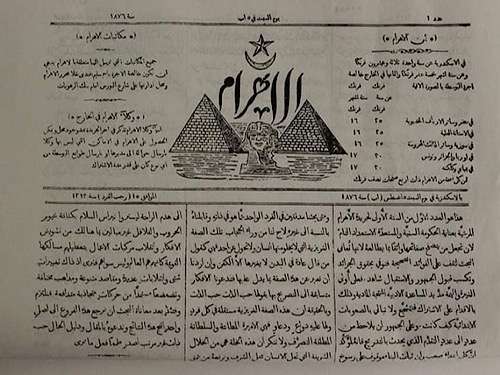
Lobna Abdel Aziz’s journey began in Cairo, cradled in a world of words. Her father, a journalist for Al-Ahram, filled their home with literature and ideas, sparking a fire in young Lobna. By age ten, she was already captivating audiences as “Mama Lulu,” spinning tales in English for a children’s radio program on a European channel. Her voice, even then, carried the promise of a storyteller destined for greatness. This early chapter wasn’t just a prelude—it was the foundation of a career defined by authenticity and purpose.
Unlike many stars of her time, Lobna’s path to the spotlight was deliberate. At AUC, where she honed her intellect, she dazzled in theatrical performances, catching the eye of filmmakers. Yet, she turned down lucrative film offers to pursue her education, earning a degree from AUC, a master’s in performance arts from the University of California, and even chasing a Ph.D. Her peers called her “The University Girl,” a nickname that captured her rare blend of beauty and brains. This commitment to knowledge infused her performances with a depth that set her apart from icons like Faten Hamama and Soad Hosny.

A cinematic legacy that defined an era
When Lobna finally stepped into cinema, she didn’t just act—she reshaped the screen. Her debut in The Empty Pillow (1957), opposite the legendary Abdel Halim Hafez, announced her as a force. Her magnetic presence and emotional nuance made her a star overnight. But it was her role in I Am Free (1959), playing an AUC student fighting for independence, that cemented her as a cultural touchstone. The film, a bold exploration of women’s emancipation, mirrored Egypt’s own evolving identity. Through her lens, audiences didn’t just watch stories—they witnessed Cairo’s streets transform from the 1950s to the 1970s, a visual chronicle of a nation in flux.
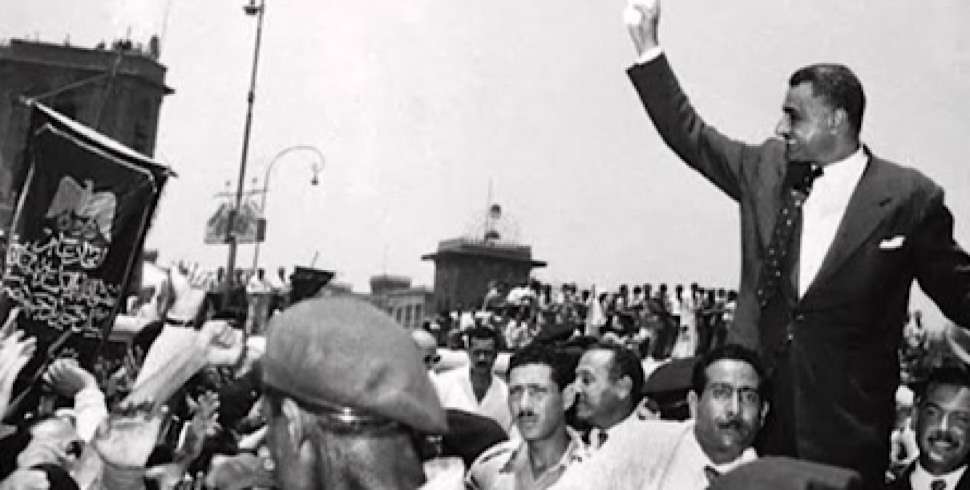
Her filmography, though spanning just over a decade, is a gallery of Egyptian classics. Starring alongside giants like Shukry Sarhan and Ahmed Mazhar, Lobna brought to life characters that were both timeless and revolutionary. Her work earned her a medal from President Gamal Abdel Nasser at a prestigious art festival, a nod to her influence not just as an actress but as a cultural beacon.
A life beyond the spotlight
Lobna’s story didn’t end when the cameras stopped rolling. After a hiatus in the United States, where she worked as a correspondent for Al-Ahram, she returned to Egypt in the late 1980s. Reinventing herself as a columnist for Al-Ahram Weekly, she shared her sharp insights on culture and society, proving her voice was as powerful in print as it was on screen. Her columns, still published today, keep her connected to a new generation, her words a bridge between Egypt’s past and its future.

A fan’s love, A nation’s heart
The 90th birthday celebration was a tapestry of heartfelt moments, none more poignant than the appearance of Abdel Aziz, a fan so devoted he earned the nickname “Lobna Abdel Aziz’s Madman.” Slowly approaching the stage, this elderly man shared a story that hushed the room. He spoke of learning “pure, selfless love” from The Empty Pillow, a film that shaped his life. “Love is a sublime and necessary thing,” he said, his voice trembling with emotion. “A country that has love has nothing bad at all.” In a touching revelation, he shared that he named his daughter Lobna, a living tribute to the actress who inspired him. The moment was a reminder of the human connection Lobna has fostered, her work resonating across generations.

A living legend
Today, while her three daughters live in the United States, Lobna remains a vibrant presence in Egypt. Her weekly columns continue to spark thought, her films remain cultural treasures, and her life stands as a testament to the power of blending intellect with art. At 90, Lobna Abdel Aziz is more than a star of Egypt’s cinematic golden age—she is a symbol of resilience, a scholar who never stopped learning, and a storyteller whose narratives still shape hearts and minds. Her legacy isn’t confined to the past; it’s a living, breathing force, reminding us that true greatness endures through the stories we tell and the lives we touch.