




























































































































































































































































































































































































































































































































































































Friday, 09 October 2026
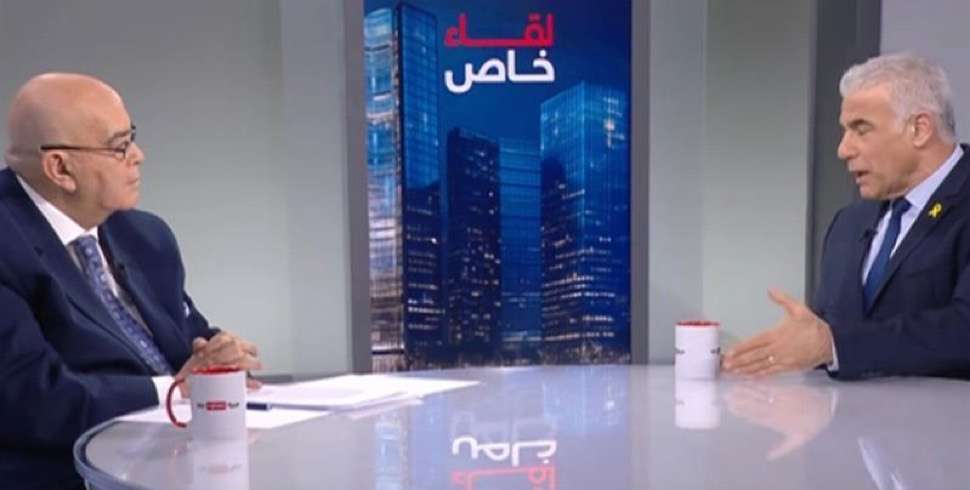
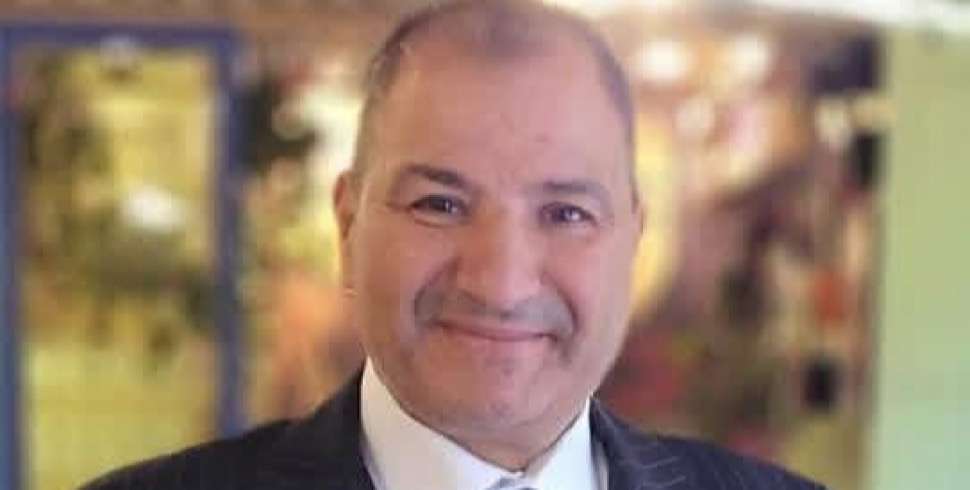
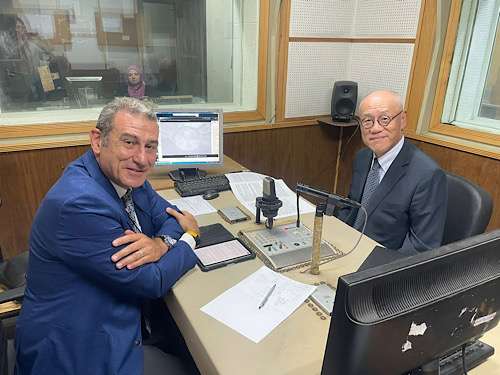
A recent television interview featuring famed Egyptian journalist Emad El-Din Adeeb and Israel’s opposition leader Yair Lapid has triggered significant criticism among Egyptian media circles and beyond.
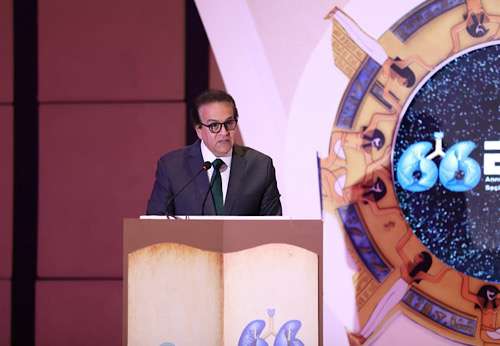
Khaled El-Balshy, president of Egypt’s Journalists Syndicate, issued a strongly worded statement condemning the interview, which aired Thursday on Sky News Arabia, a broadcaster based in the United Arab Emirates.
El-Balshy described the broadcast as a “professional and humanitarian crime,” accusing Adeeb of giving Lapid a platform to justify “war crimes perpetrated by the Israeli occupation army.”
Lapid, the former foreign minister and now leader of Israel’s political opposition, appeared on the show amid heightened tensions and ongoing regional conflict.
El-Balshy used the occasion to underscore the journalists syndicate’s decades-old prohibition on any form of normalization with Israel—a policy dating back to a 1981 resolution that bars Egyptian journalists from interacting with Israeli officials in any capacity.
Adding to the controversy is Adeeb’s own history with the syndicate. He was expelled in 2020 following a disciplinary hearing over his involvement in the dismissal of staff at Al-Alam Al-Youm, a now-defunct newspaper. El-Balshy made it clear that if Adeeb were still a syndicate member, he would face disciplinary actions for the recent interview.
The incident has reignited debates within Egyptian media about professional ethics in times of conflict. El-Balshy called on journalists to respect the syndicate’s anti-normalization policy and warned that current members who violate this rule will face internal investigations.
Social media erupted with criticism after the interview aired. Commentators accused Adeeb of not challenging Lapid’s statements and of implicitly promoting closer ties with Israel. Some observers argued that the interview could be used in journalism schools as a case study in questionable editorial judgment.
Prominent Egyptian investigative journalist Yousri Fouda also voiced concern. While he cautioned that reporters should pursue truth from all parties, including adversaries, he questioned the timing, intent, and editorial purpose behind the interview. “The problem arises when you cannot answer these questions: Why this interview? Why now? And for what purpose?” Fouda said.
The controversy comes at a time when the responsibilities and ethics of journalism in conflict zones are under renewed global scrutiny—raising difficult questions about the platforms given to polarizing figures and the potential consequences for press freedom and public trust.