


























































































































































































































































































































































































































































































































































































































































































Friday, 09 October 2026
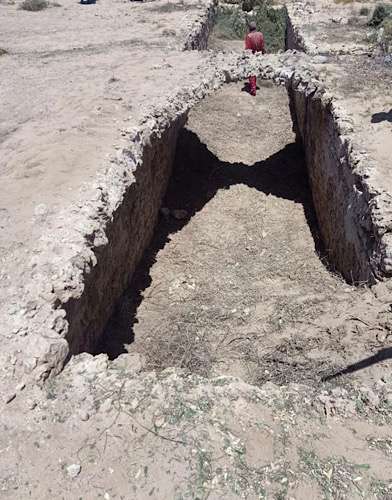
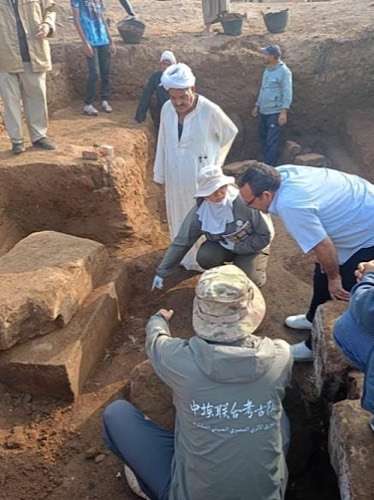
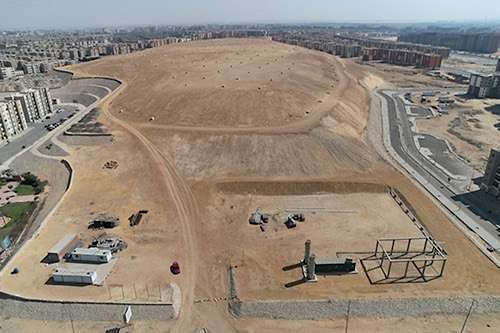
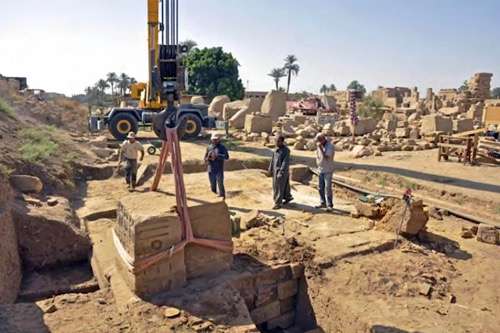
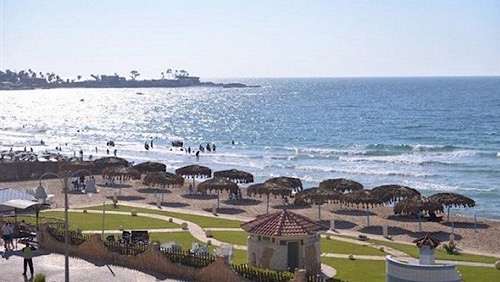
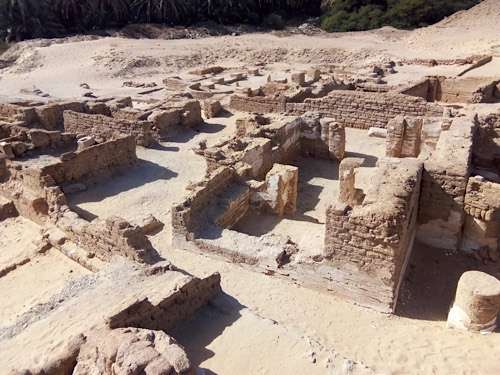
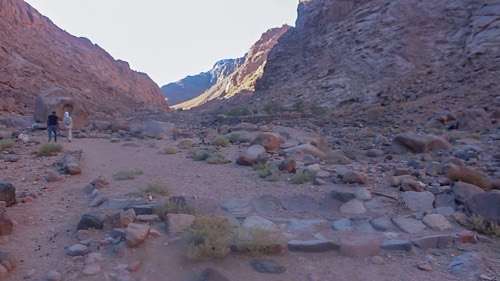
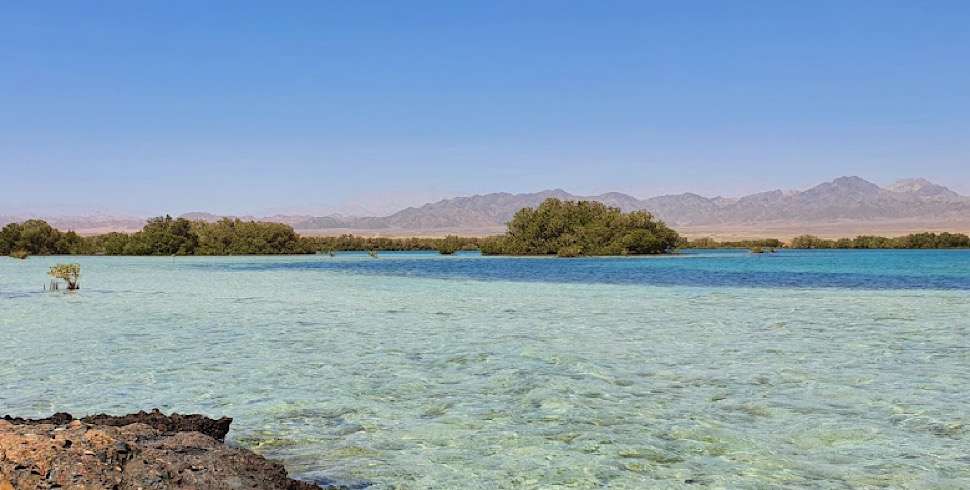
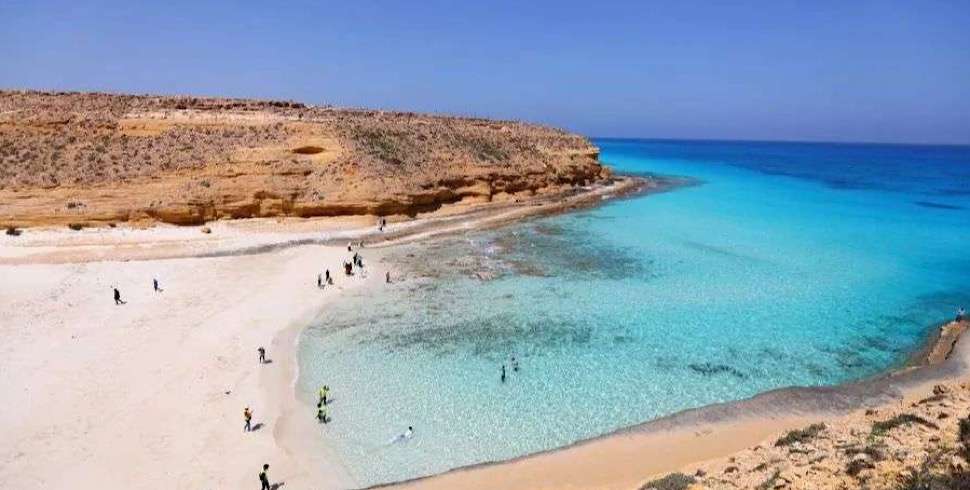
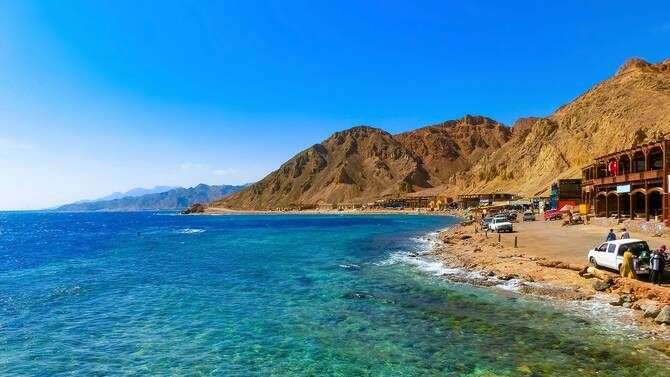
Egyptian archaeologists have uncovered a network of massive water reservoirs and service buildings at the historic Red Sea port of Aidhab, shedding new light on one of the Islamic world's most vital maritime hubs, the tourism and antiquities ministry announced.
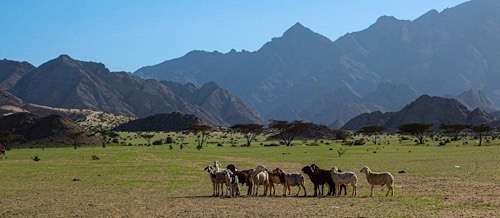
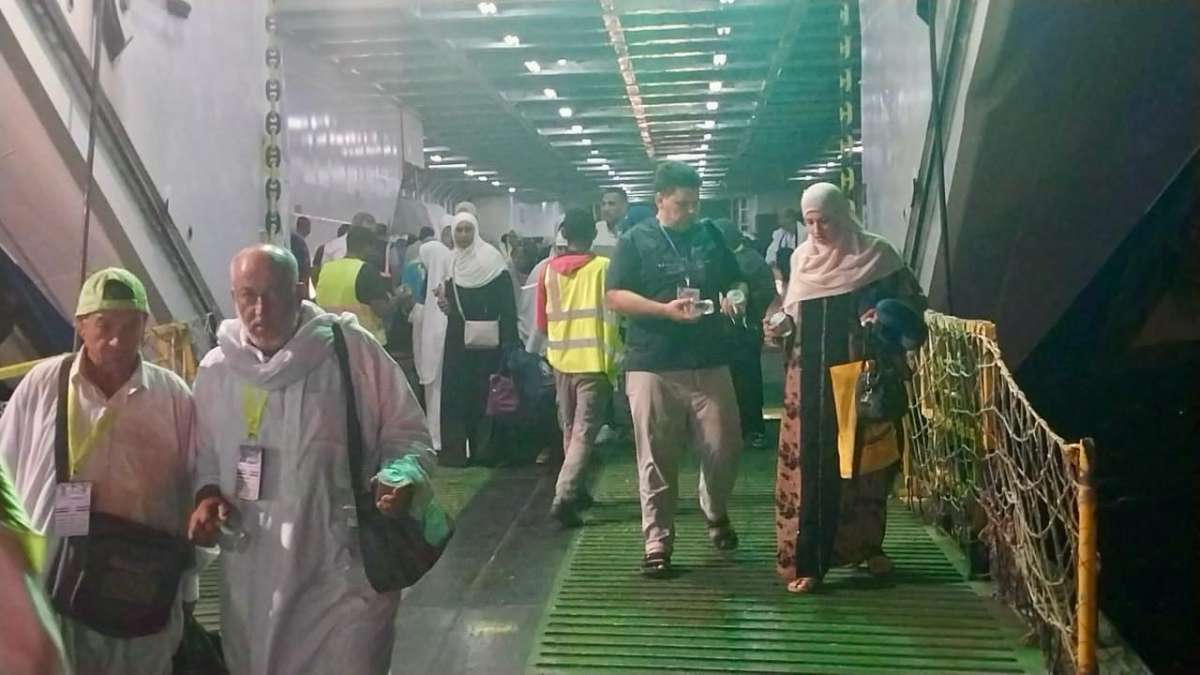
The discoveries in the Halayeb region of southeastern Egypt offer a rare glimpse into the sophisticated infrastructure that once sustained global trade routes and thousands of Muslim pilgrims traveling to Mecca.
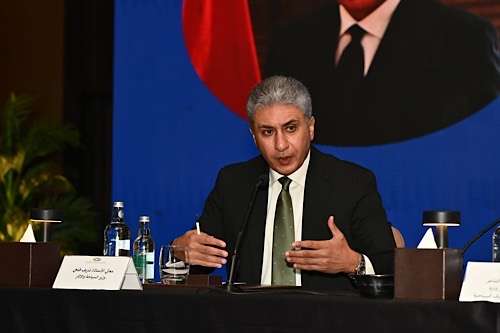
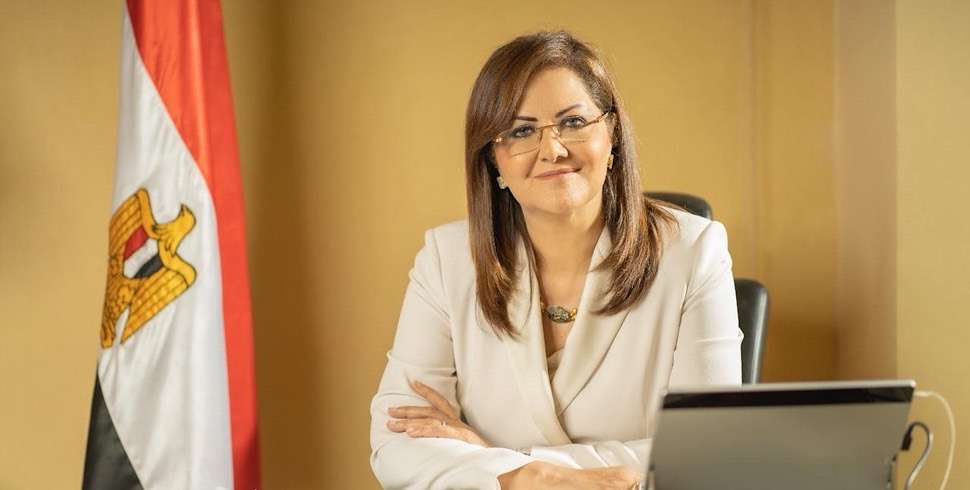
"This discovery highlights the advanced infrastructure developed to support trade and pilgrims, reinforcing Egypt's strategic position as a major cultural and commercial hub throughout history," Tourism and Antiquities Minister Sherif Fathy said.
Fathy added that Cairo is increasingly prioritizing excavations in remote and border regions due to their immense historical value.
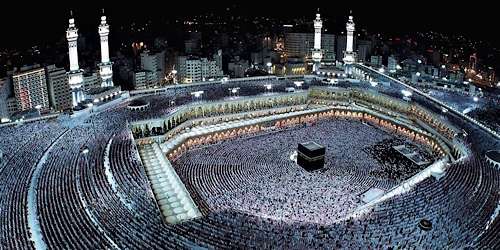
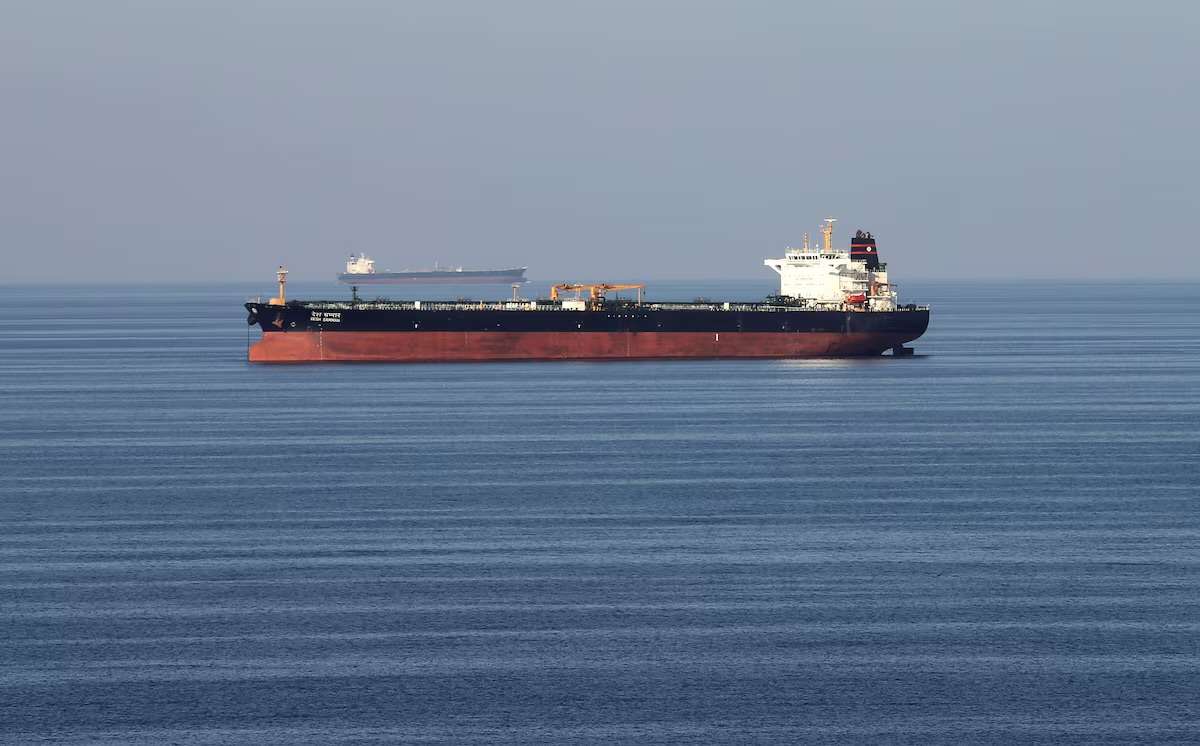
The port of Aidhab was one of the most prominent Red Sea harbors during the Middle Ages, serving as a critical transit point for pilgrims from Egypt and North Africa en route to the holy sites in Arabia, as well as a bustling commercial crossroads.
The newly unearthed water systems were essential to keeping the port viable in the arid coastal region.
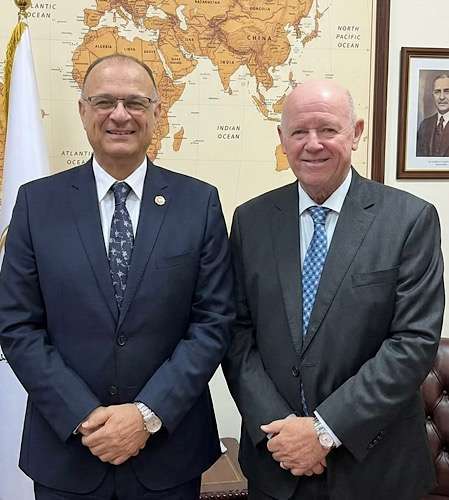
"The water cisterns were a fundamental element in supporting maritime and commercial activity, as well as providing for the needs of pilgrims," said Hisham El-Leithy, Secretary-General of the Supreme Council of Antiquities.
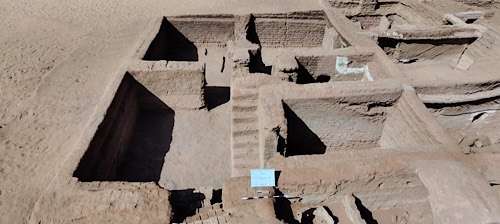
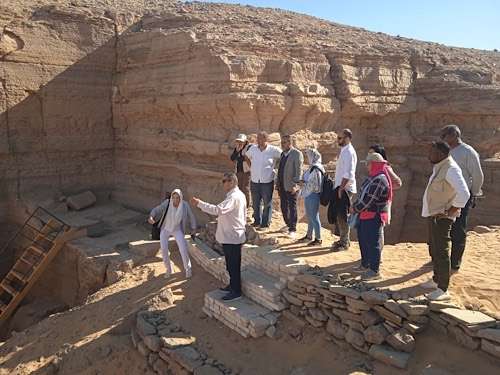
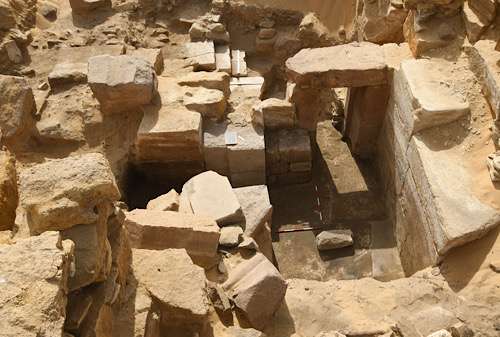
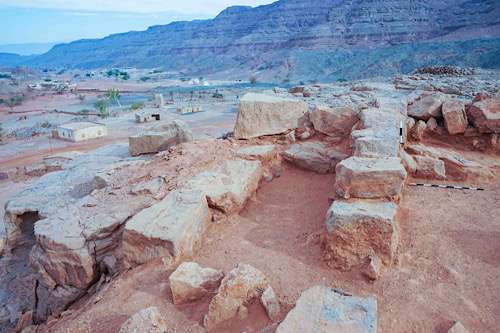
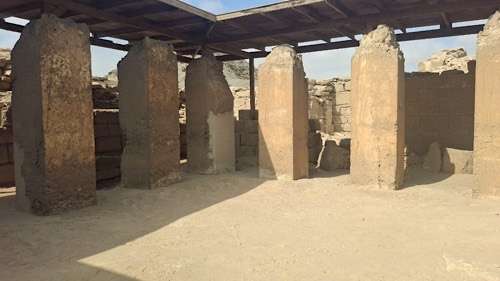
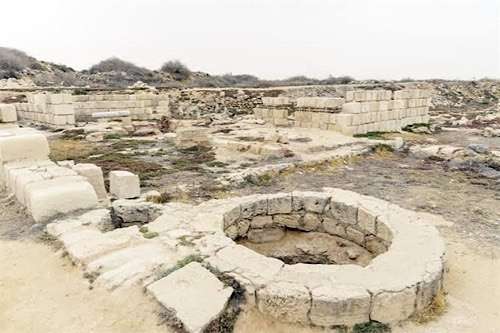
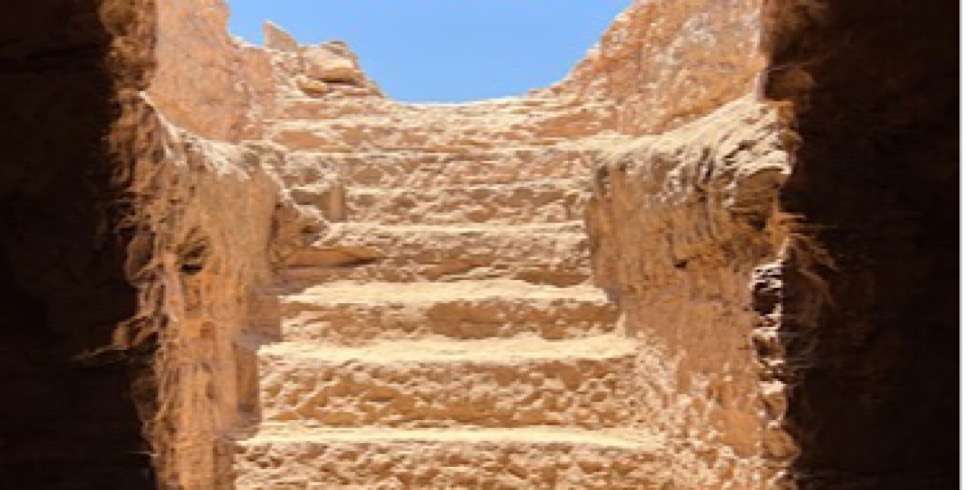
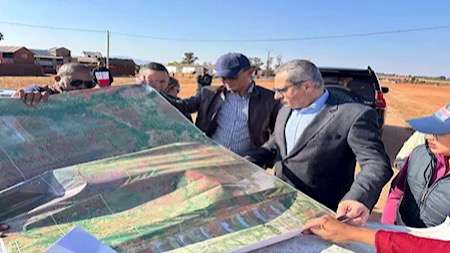
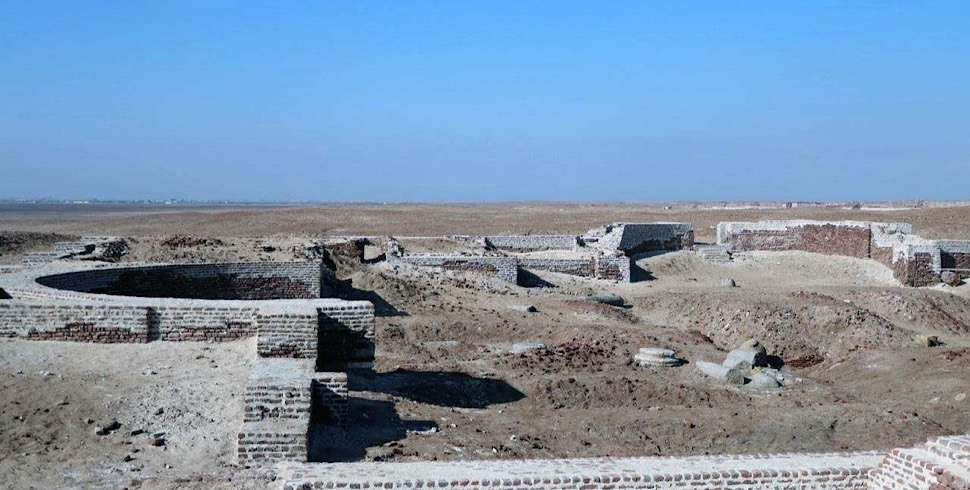
Excavations led by Egyptian archaeologist Mohamed Abu Al-Wafa revealed a massive main reservoir measuring: 15.10 meters in length, 3.15 meters in width and nearly 3 meters in depth.
The cistern was constructed using local sandstone and coral stone, then coated with a thick layer of white lime mortar for waterproofing. Several other smaller reservoirs were also uncovered nearby.
Surrounding the water network, archeologists mapped out the foundations of residential buildings, watchtowers, and administrative facilities, pointing to a highly organized, integrated port management system.

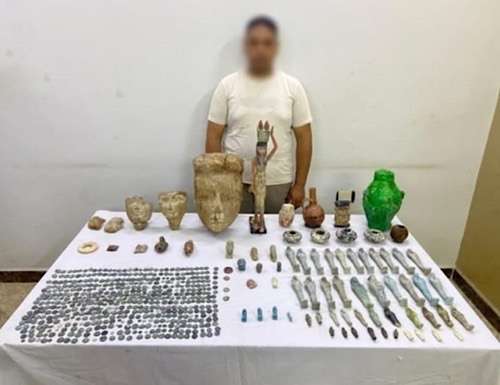
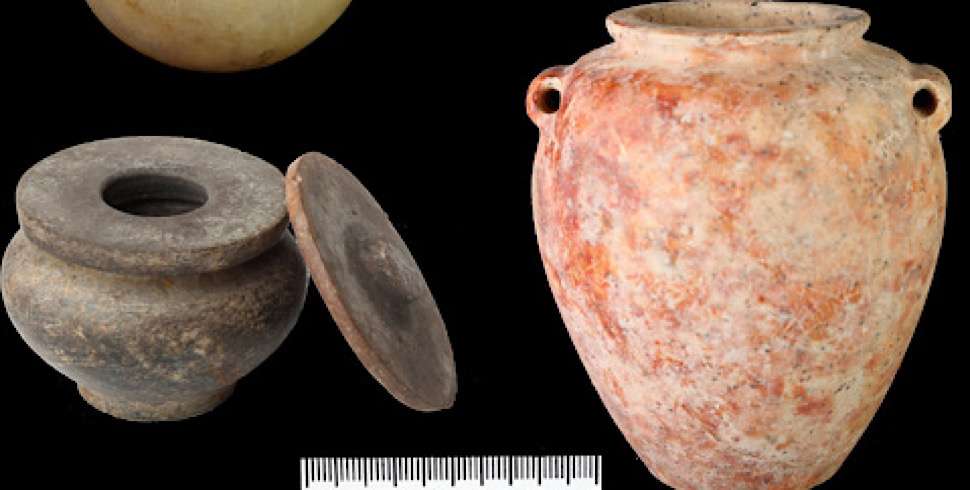
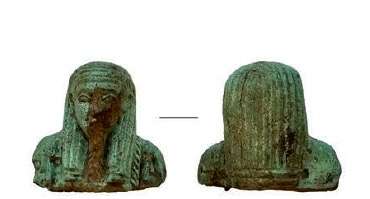
The site also yielded a treasure trove of artifacts that underscore Aidhab’s global connections.
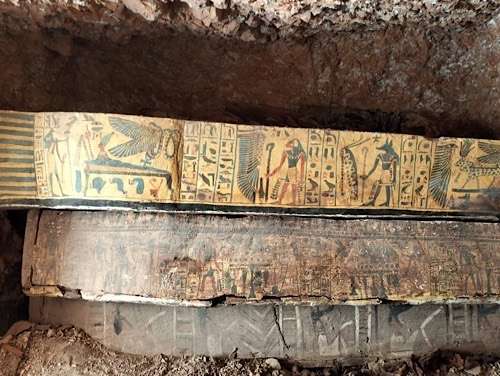
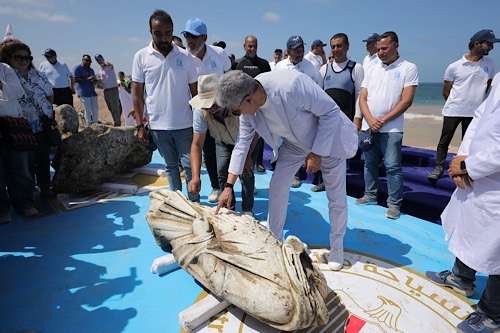
"The mission found important artifacts, including pottery fragments dating back to the Fatimid era—some coated in green glaze—alongside shards of imported Chinese porcelain," said Diaa Zahran, head of the Islamic, Coptic, and Jewish Antiquities sector.
Zahran noted that the findings reflect a booming maritime network that connected Egypt directly to India, Yemen, and East Africa.