


























































































































































































































































































































































































































































































































































































































































































































































































































































































































































































































































Friday, 09 October 2026
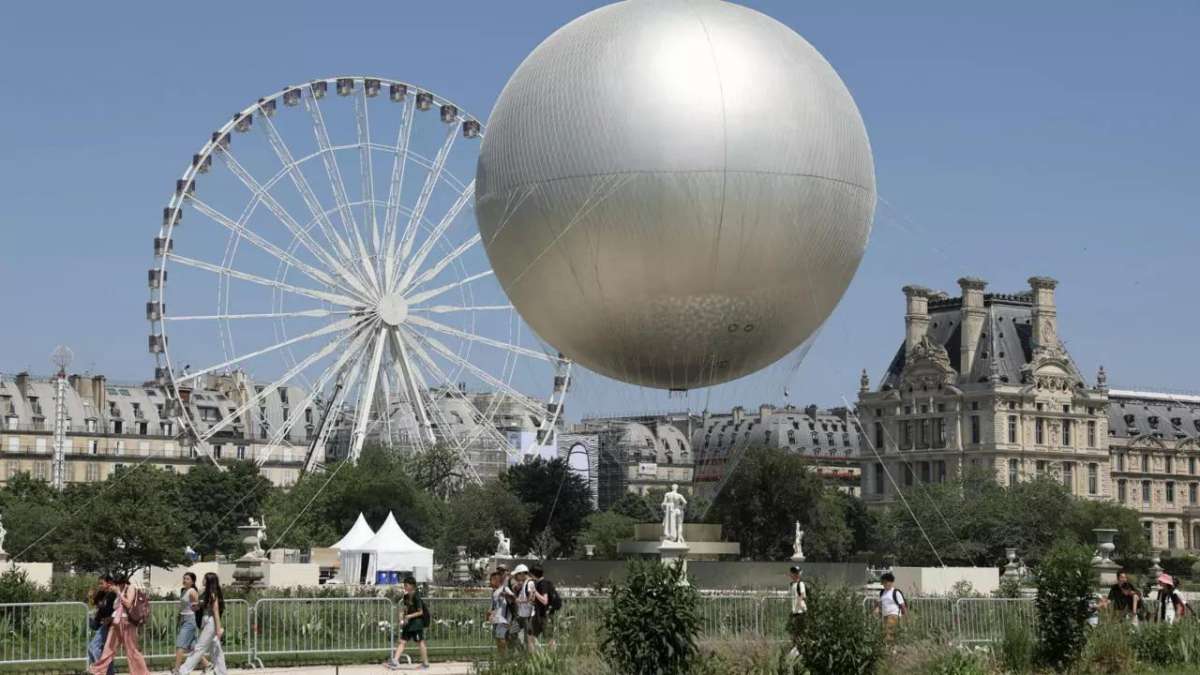 The iconic symbol of the 2024 Paris Olympics will take to the skies during France's annual street music festival and continue doing so until September © Thomas SAMSON / AFP
PARIS – The iconic giant balloon that captivated Paris during the 2024 Olympics is poised to take flight once more, with organizers hoping it will again draw throngs of sightseers to the city.
Throughout the Olympic Games, a unique cauldron suspended beneath a soaring balloon lit up the sky above the Tuileries Garden each evening at sunset, enchanting onlookers with its seven-meter (23-foot) ring of electric flames and drawing thousands to witness the spectacle.
Originally designed to mark only the duration of the Olympic and Paralympic Games, according to creator Mathieu Lehanneur, the installation was meant to be fleeting. “We conceived it as a temporary marvel for the Games,” he explained.
However, after President Emmanuel Macron called for its revival, the team had to revisit every technical detail, Lehanneur told AFP.
Lehanneur said he was “deeply moved” by the return of his creation. “The worst fate would have been for this memory to become nothing more than a static monument, unable to fly again,” he reflected.
The balloon’s grand return will take place Saturday evening during France’s renowned street music celebration, the Fête de la Musique. Each evening until September 14, the balloon will rise above Paris, and what began as a one-time event is set to become a cherished summer tradition—potentially returning annually up to the next Olympic Games in Los Angeles in 2028.
“For its revival, our priority was to keep everything as authentic as possible, ensuring that any changes were completely invisible,” Lehanneur said.
Thanks to French energy leader EDF, the balloon’s patented decarbonated fire remains true to its predecessor, following the same innovative principles, shared Julien Villeret, EDF’s director of innovation.
According to Villeret, the enhanced version will “last ten times longer,” able to operate for “300 days instead of just 30.”
The designers also upgraded the system of lights and mist that brings the flames to life, making the display even more mesmerizing.
Hidden beneath the cauldron, a control room conceals cables, a compressor, and a hydro-electric winch. “This mechanism secures the helium balloon during ascent and gently draws it back down for landing,” explained Jerome Giacomoni, president of Aerophile, the company behind the balloon’s construction.
Filled with 6,200 cubic meters of helium—lighter than air—the Olympic balloon is engineered to lift up to three tonnes, accommodating the cauldron, cables, and all supporting components, Giacomoni noted.
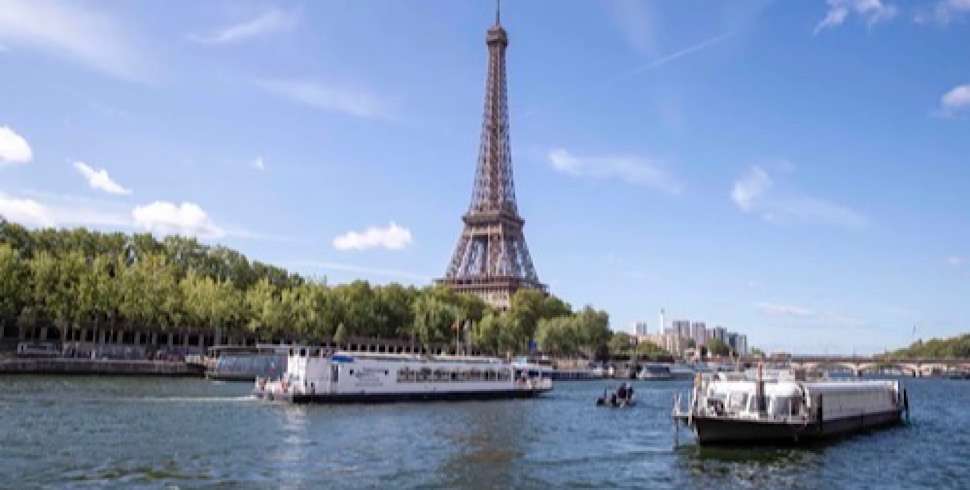
The Tuileries Garden is steeped in ballooning history. It was here, on December 1, 1783, that French inventor Jacques Charles launched his inaugural gas balloon, just days after the famous Montgolfier brothers had first sent a manned balloon into the Parisian sky.
To check daily launch times or stay updated on possible weather-related cancellations, visitors can consult vasqueparis2024.fr.