


































































































































































































































































































































































































































































































































































































































































































































































































































































































































































































































































































































































Friday, 09 October 2026
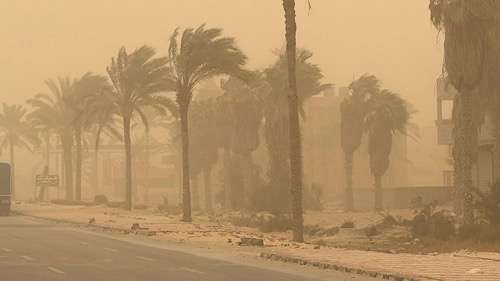
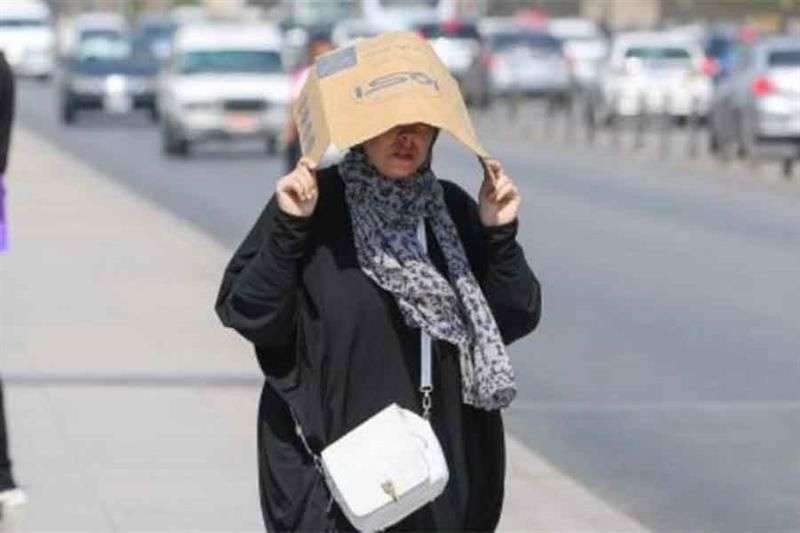
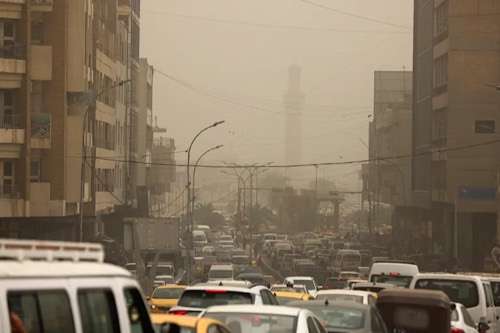 Vehicles are stuck in traffic in al-Senak Square in central Baghdad, Iraq during a dust storm on May 5, 2025 [Ahmad Al-Rubaye/AFP]
UNITED NATIONS - Sand and dust storms now affect approximately 330 million people in over 150 countries, placing growing strain on global health, economic stability, and the environment, reports the World Meteorological Organization (WMO) of the United Nations.
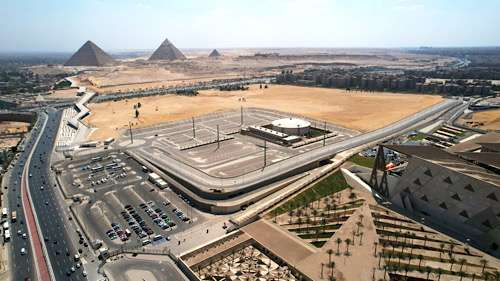
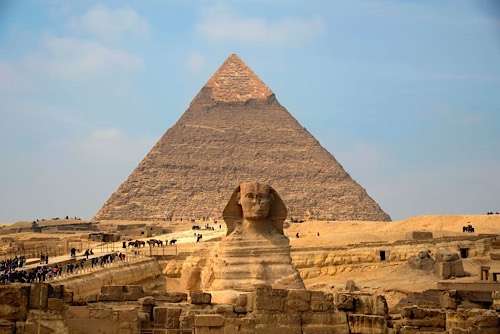
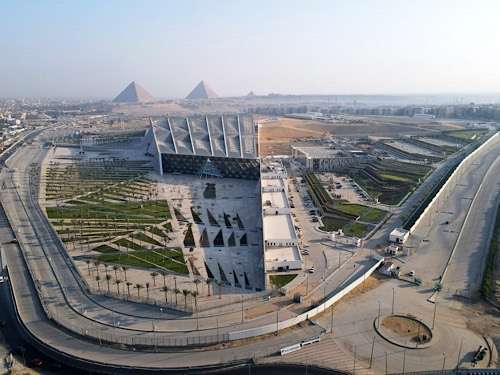
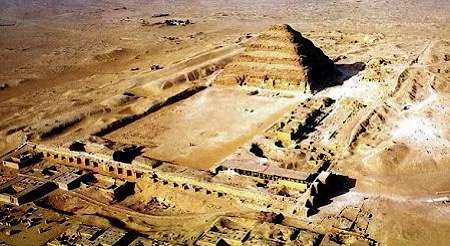
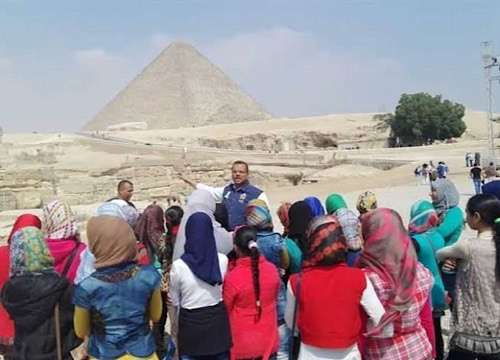
“Every year, some 2 billion tons of dust are emitted—equivalent to the mass of 300 Great Pyramids of Giza,” stated Laura Paterson, the UN representative for the WMO, during an address to the General Assembly.
Over 80 percent of this dust originates in deserts spanning North Africa and the Middle East, AP reported.
Yet, its impact is felt worldwide, as dust particles are carried hundreds or even thousands of kilometers, crossing both continents and oceans.
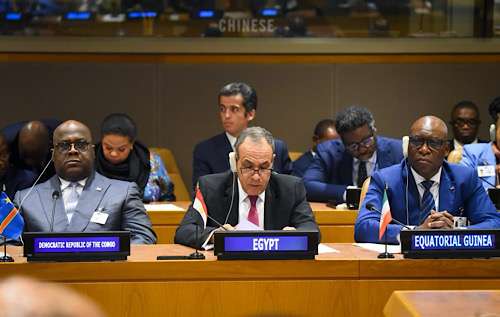
The General Assembly convened to observe the International Day of Combating Sand and Dust Storms and to commemorate the designation of 2025–2034 as the UN Decade on sand and dust storm mitigation.
Assembly President Philemon Yang emphasized the urgent threat these storms pose, describing them as “one of the most overlooked yet far-reaching global challenges of our era.” He highlighted that their frequency and severity are fueled by climate change, land degradation, and unsustainable practices.
In a speech delivered Thursday by an Assembly vice president, Yang also underscored the deadly consequences. Airborne particles from sand and dust storms are linked to 7 million premature deaths annually. These storms provoke respiratory and cardiovascular diseases and can slash crop yields by up to 25 percent, intensifying hunger and displacing populations.
Rola Dashti, Undersecretary-General and Executive Secretary of the UN Economic and Social Commission for Western Asia, addressed the assembly about the immense financial toll. In the Middle East and North Africa, the annual economic burden of sand and dust storms reaches $150 billion, representing about 2.5 percent of the region’s GDP.
“The Arab region faced significant disruption this spring alone,” Dashti noted, referencing severe storms in Iraq that inundated hospitals, as well as events in Kuwait and Iran that forced the closure of schools and businesses. She also pointed out that Sahara Desert dust can travel vast distances, reaching as far as the Caribbean and Florida.
As co-chair of the UN Coalition on Combating Sand and Dust Storms, Dashti explained that more than 20 UN and international organizations are joining forces to enhance early warning systems and address associated health and financial challenges. She called on all nations to prioritize sand and dust storms within both global and national policies.
“We have the necessary tools—from land restoration and sustainable farming to integrated early warning systems,” Dashti concluded. “What we now require is unified determination and sufficient funding to scale these solutions worldwide.”