













































































































































































































































































































































































































































































































































































































































































































































































































































































































































































































































































































































































Friday, 09 October 2026
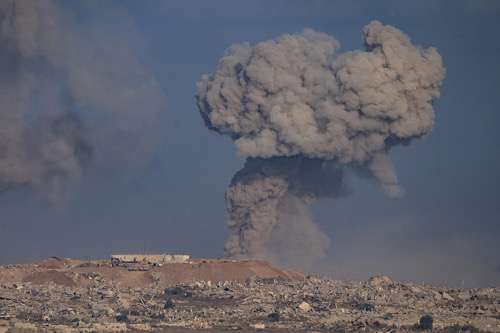
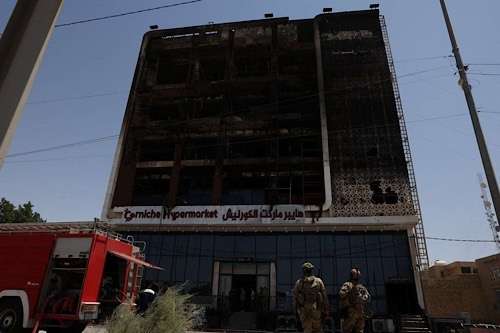
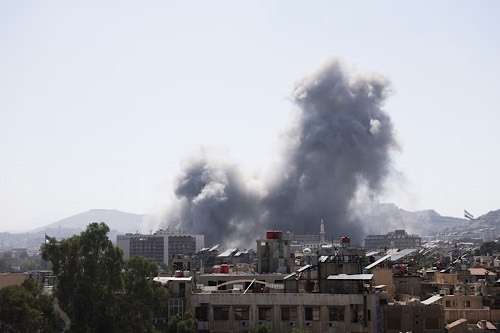
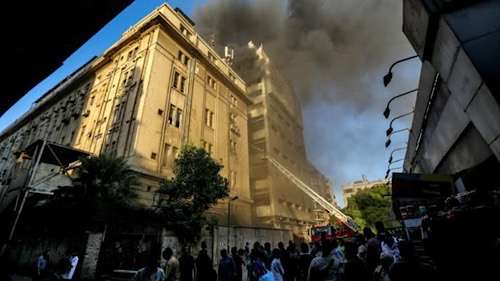
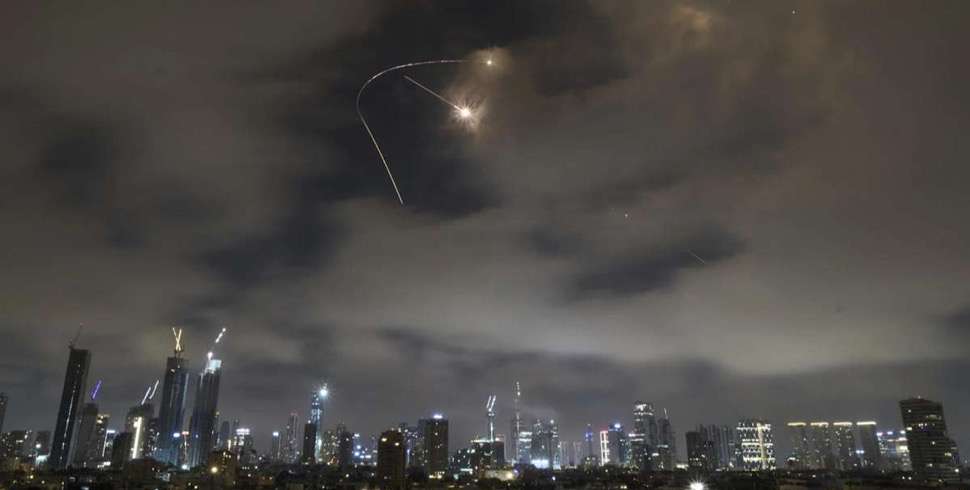
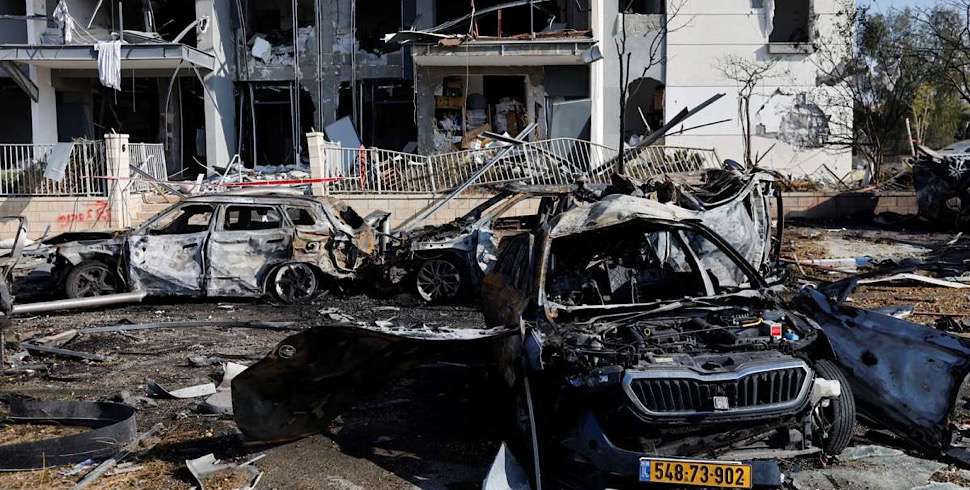
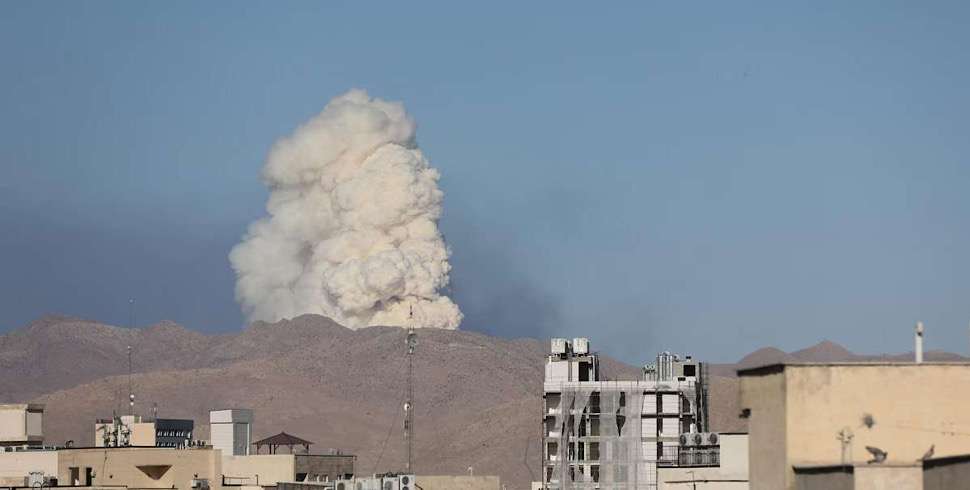
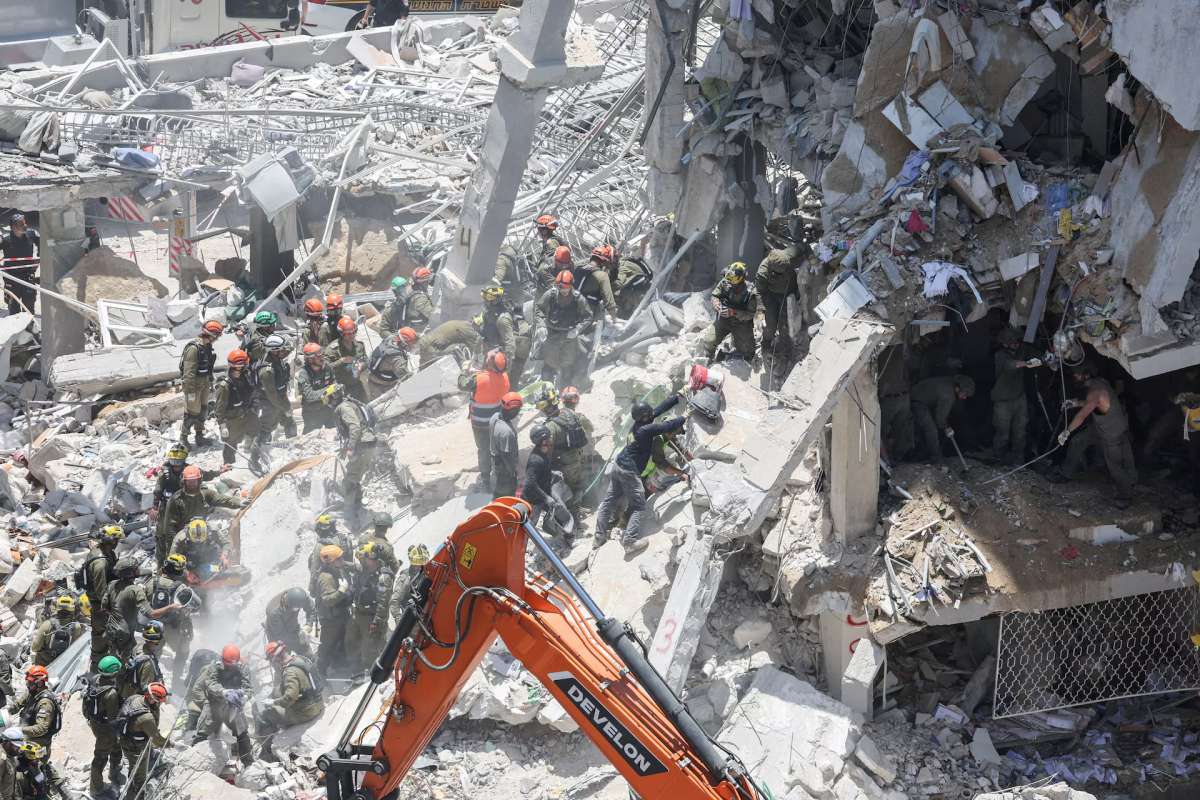
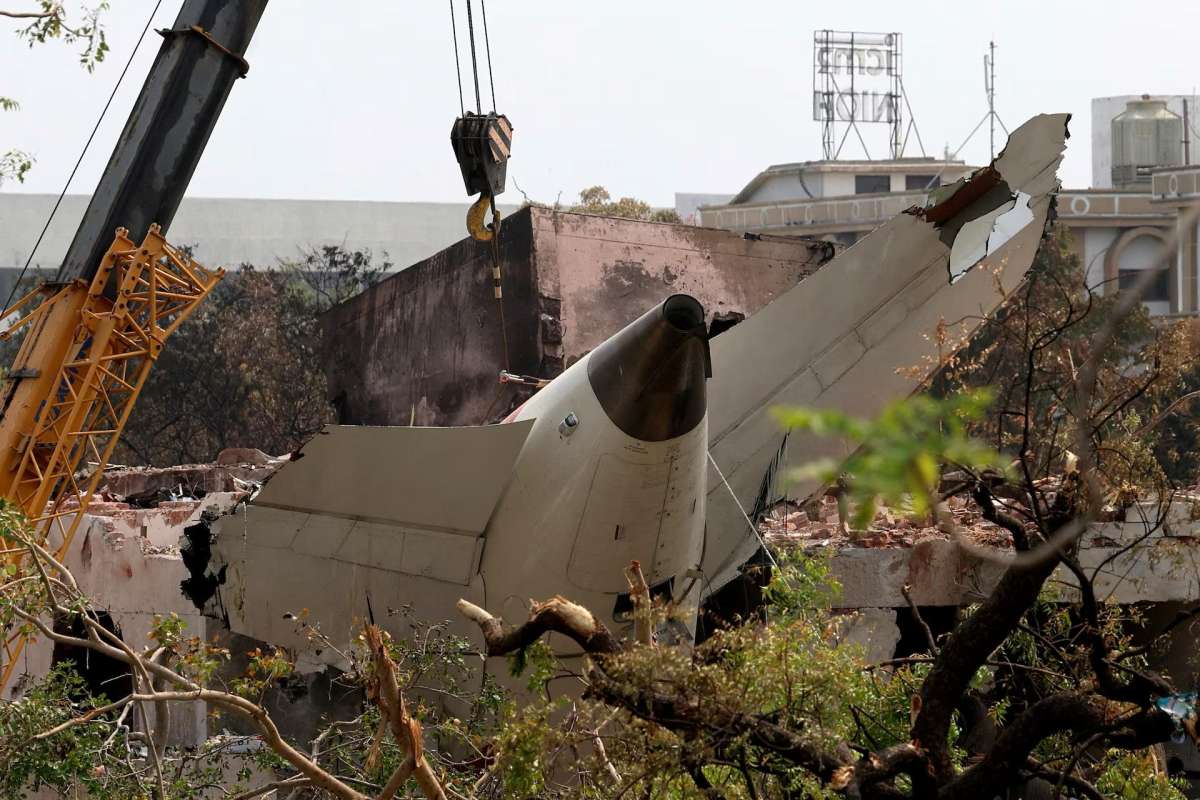
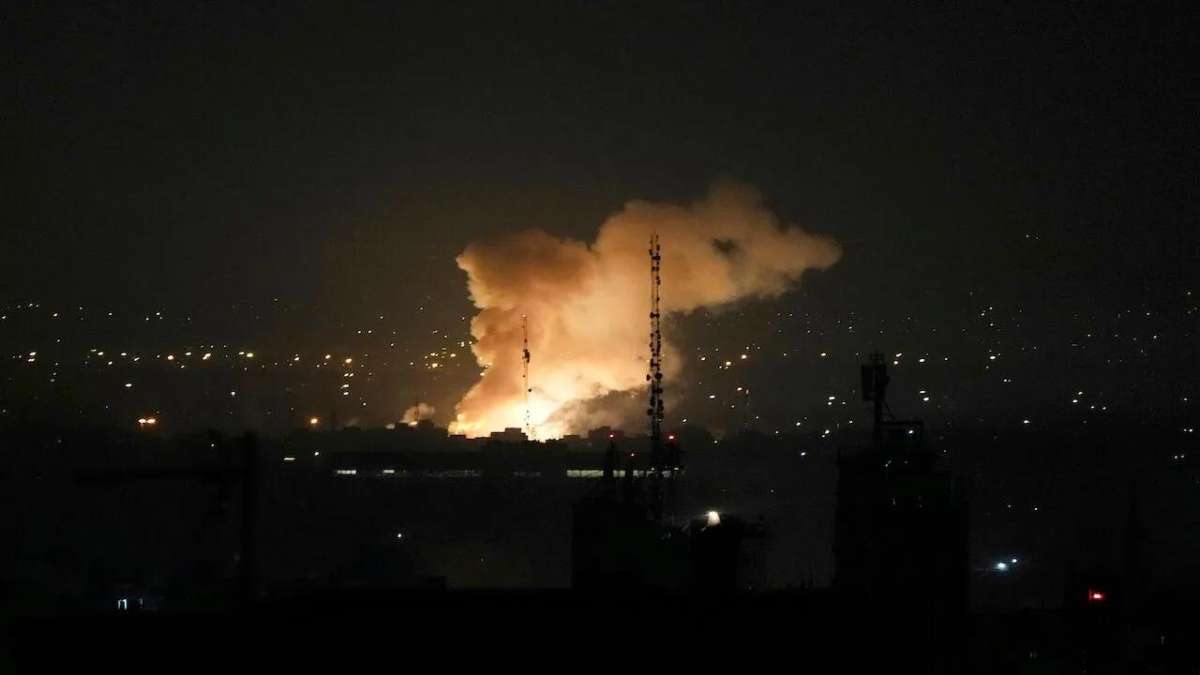
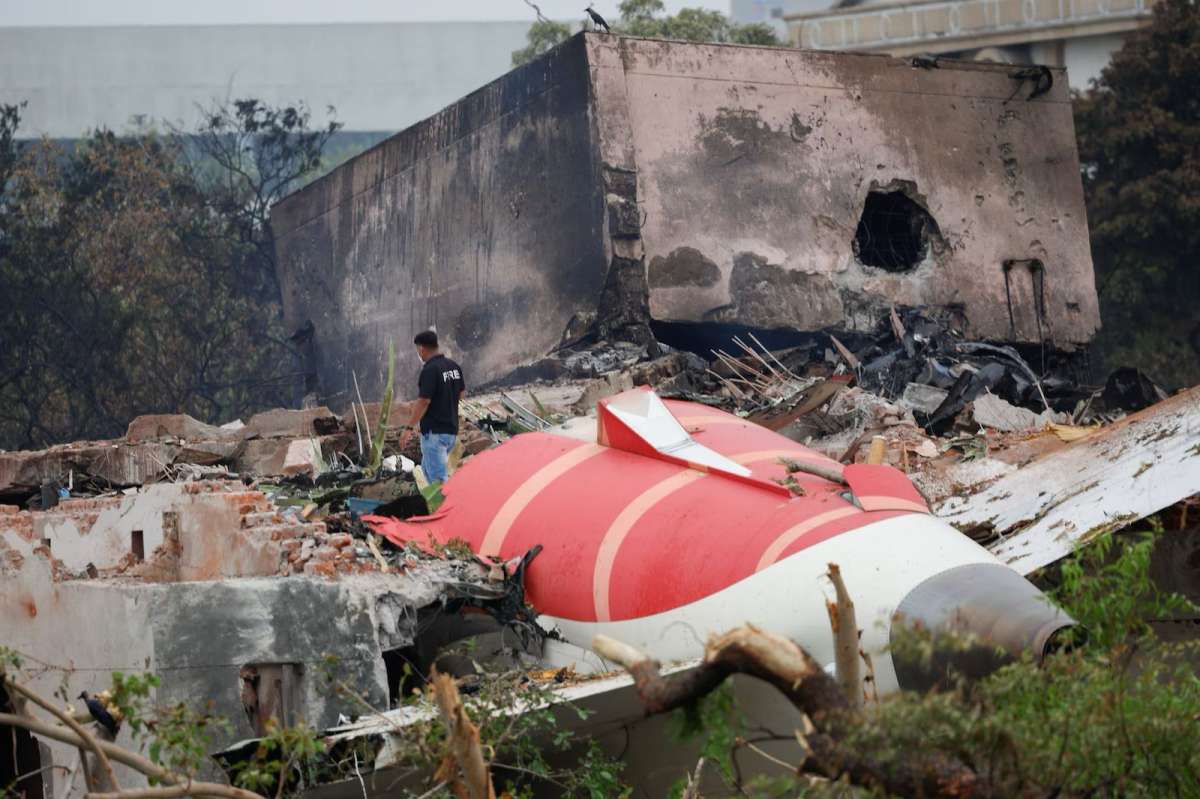
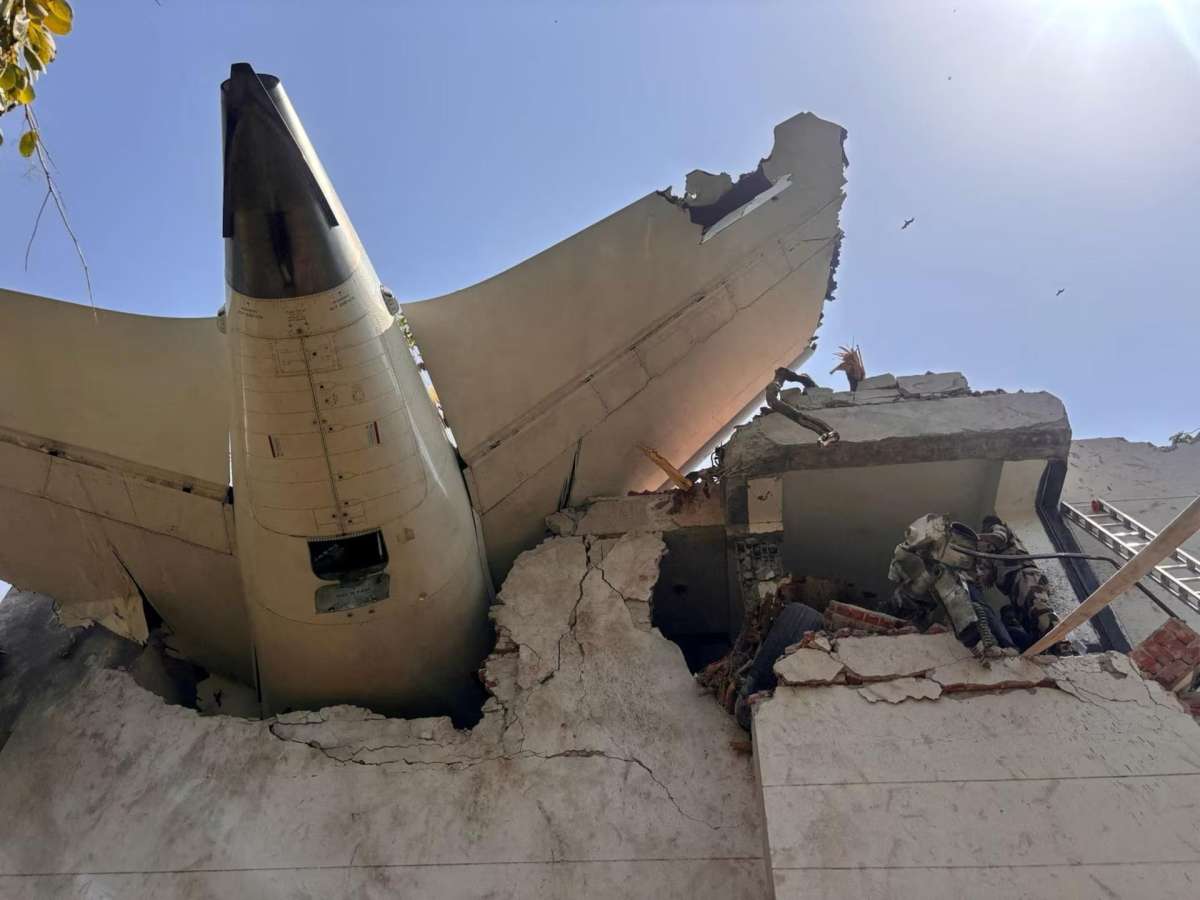
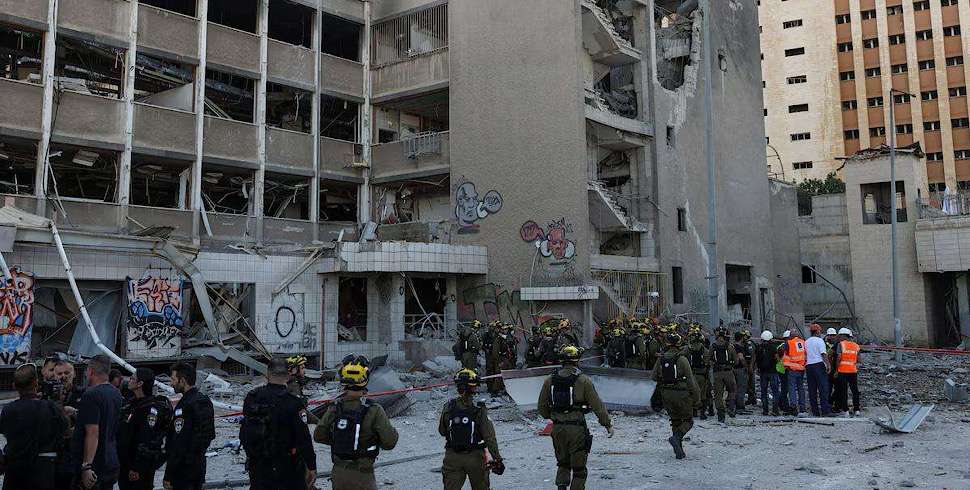 Emergency personnel work at an impact site following Iran's missile strike on Israel, amid the Iran-Israel conflict, in Haifa, Israel, June 20, 2025. REUTERS/Florion Goga/File Photo
NEW YORK – Investors are anxiously evaluating a range of potential market outcomes as the prospect of deeper U.S. involvement in the Middle East looms, Reuters reports.
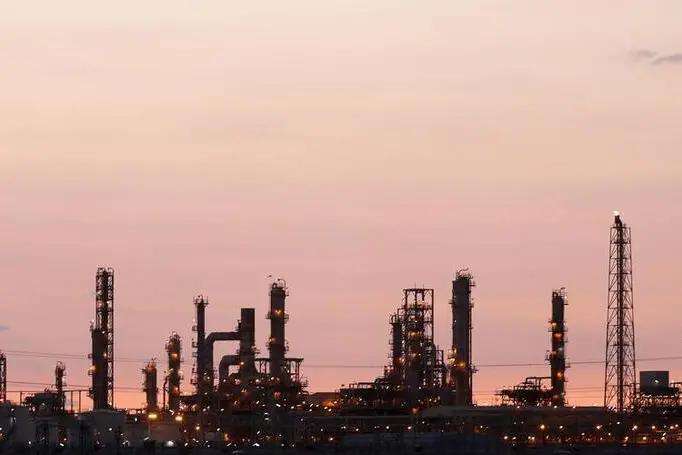
Concerns linger that surges in energy prices could trigger significant ripple effects throughout the global economy.
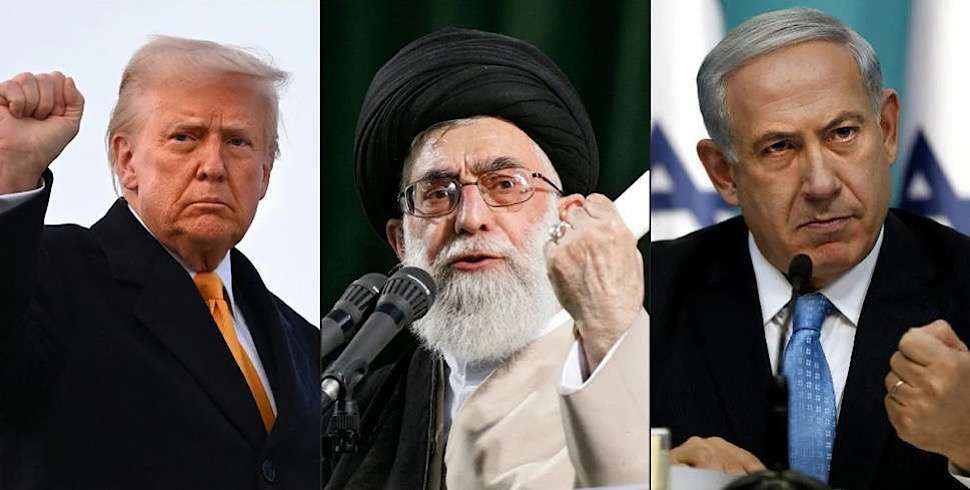
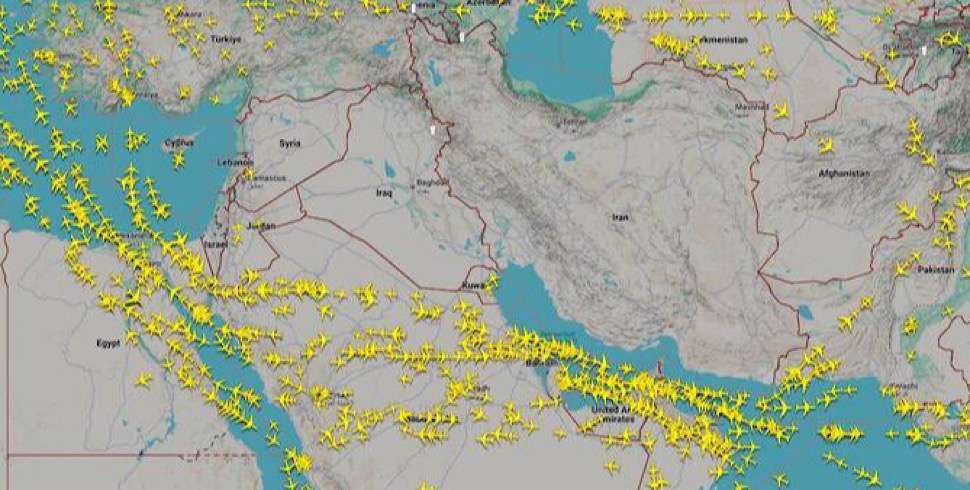
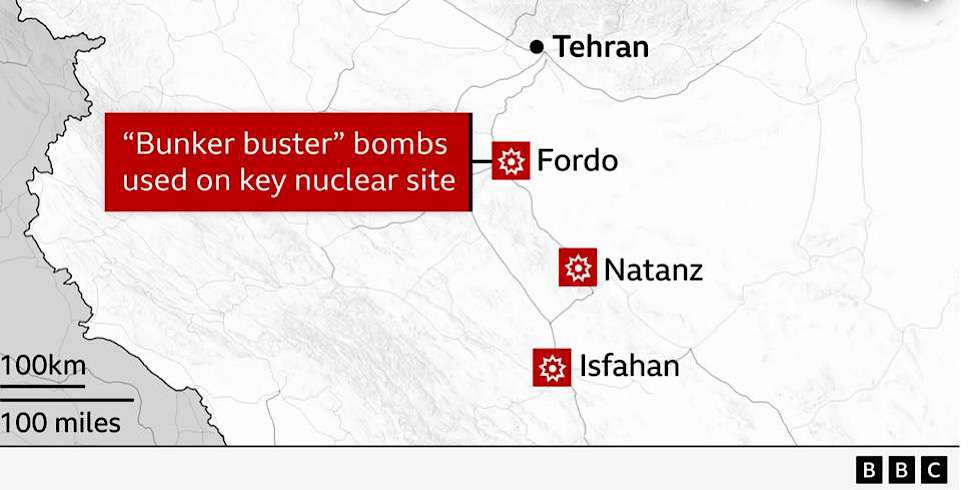
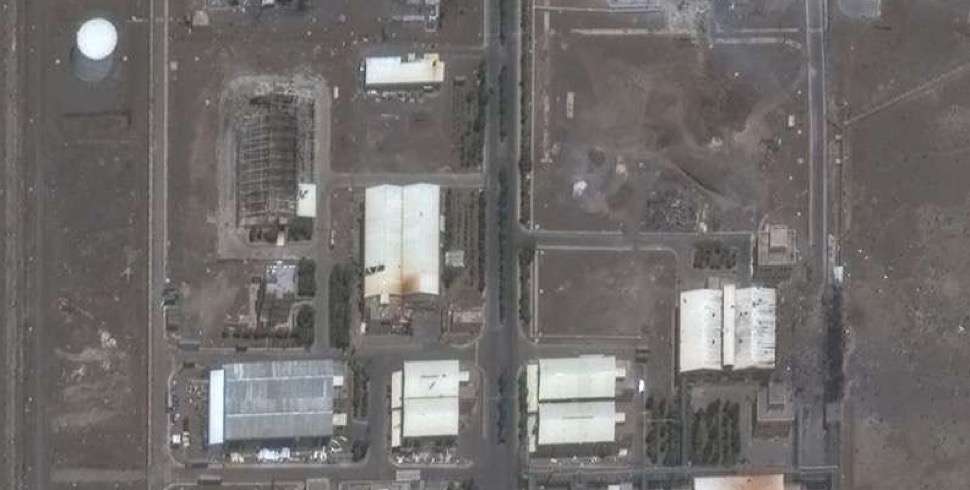
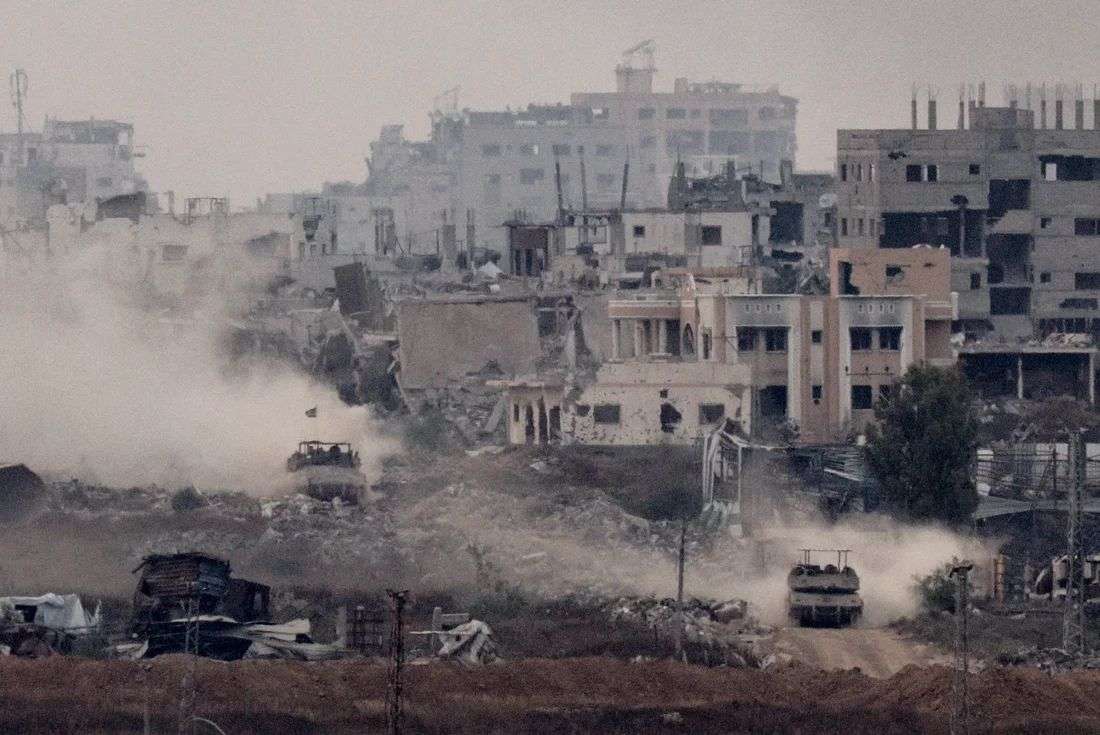
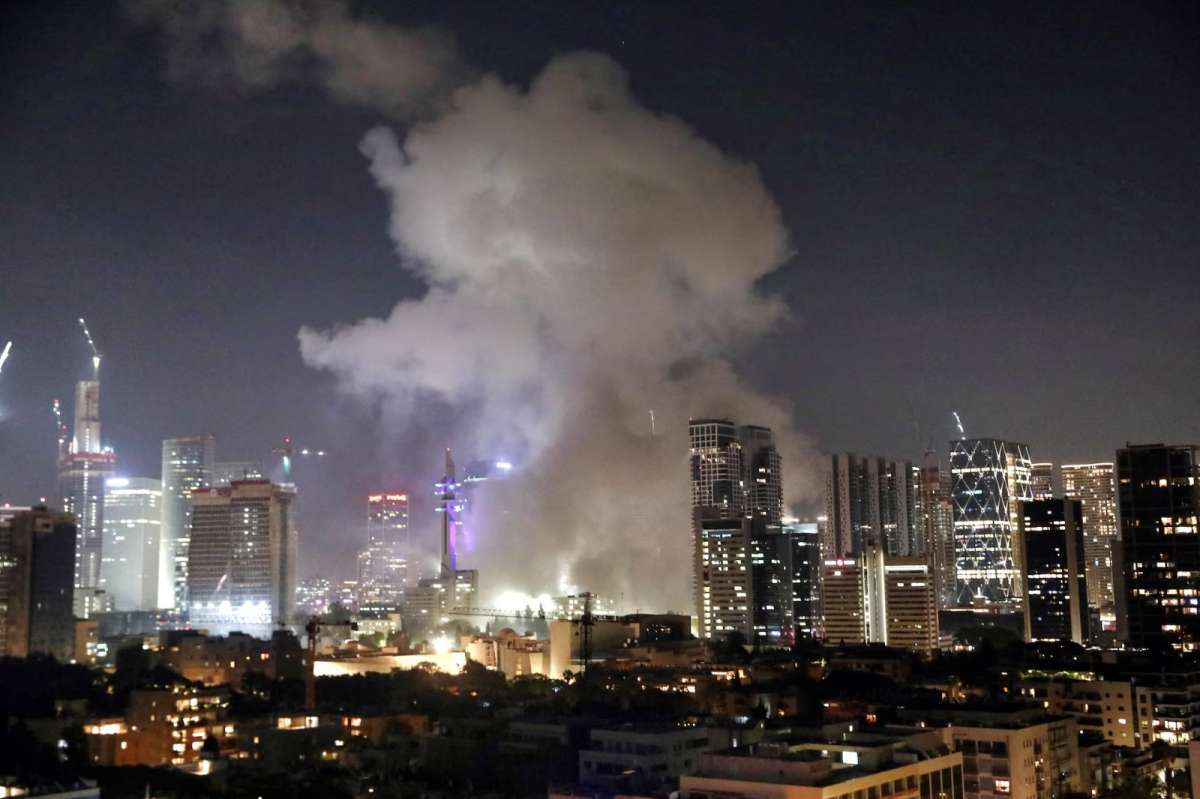
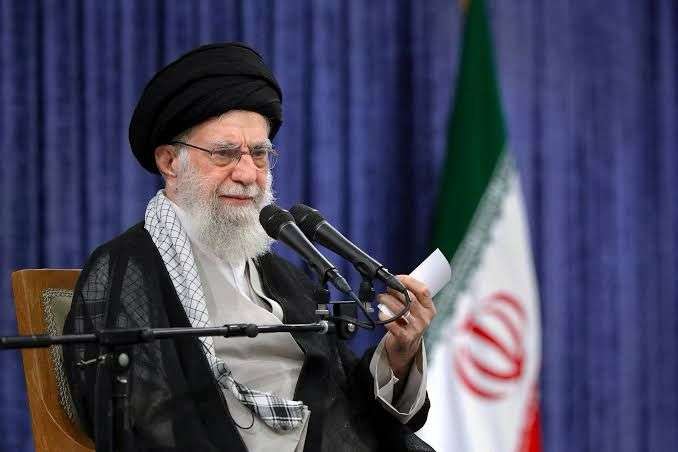
Attention is fixed on the escalating conflict between Israel and Iran, which recently exchanged missile strikes. Investors are watching closely to see if the U.S. will join Israel's military actions, a move that could shake markets.
Any escalation that disrupts energy supplies could stoke inflation, weaken consumer sentiment, and dim hopes for near-term interest rate cuts. Such developments would likely spark a selloff in equities and drive investors toward the U.S. dollar as a safe haven.
Although U.S. crude prices have jumped around 10% over the past week, the S&P 500 (.SPX) has remained relatively steady after its initial decline when Israel began its strikes. However, a significant blow to Iran's oil production could cause markets to react sharply, warned Art Hogan, chief market strategist at B Riley Wealth.
“If oil supplies are disrupted globally—a risk not yet reflected in today’s WTI price—the market will have to pay attention, and that’s when the outlook turns negative,” Hogan said.
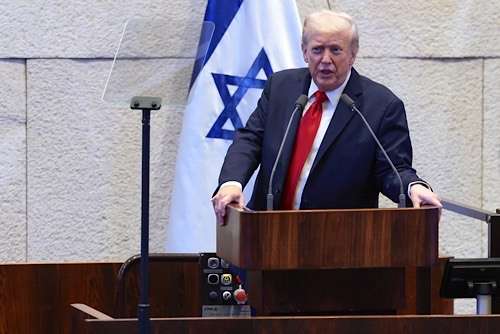
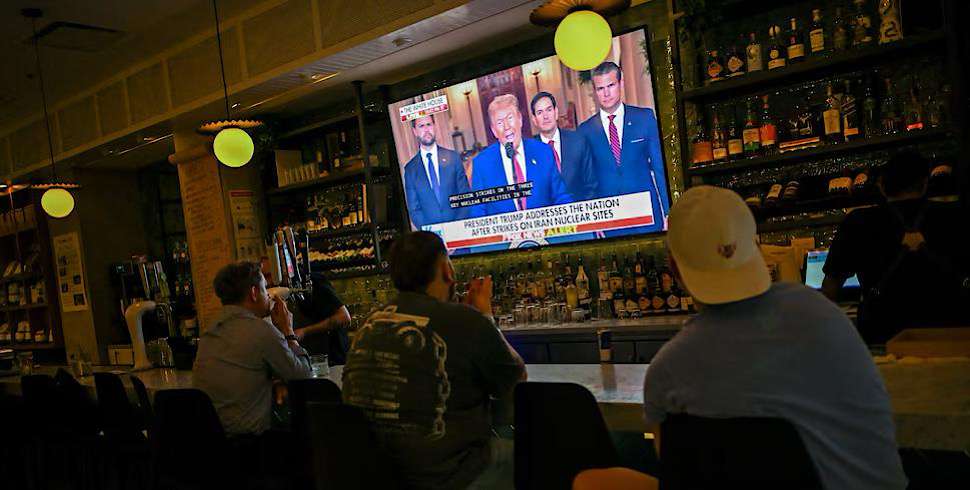
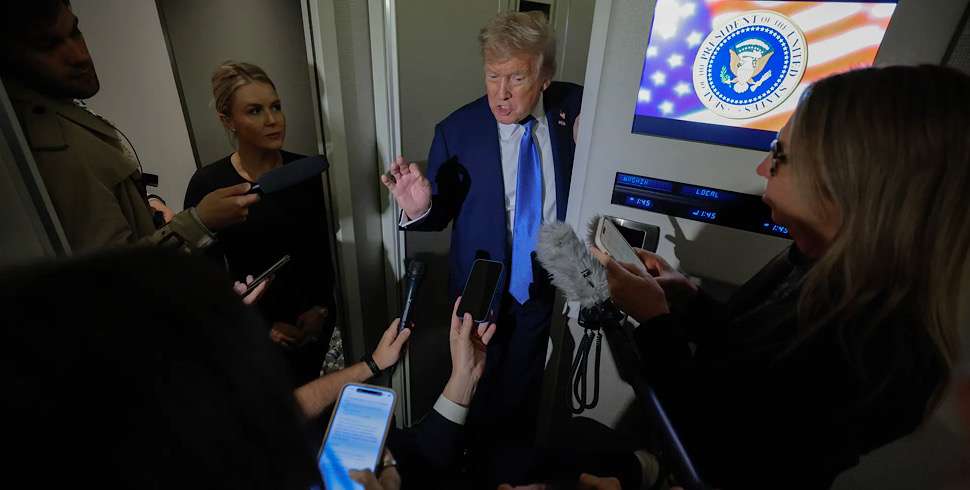
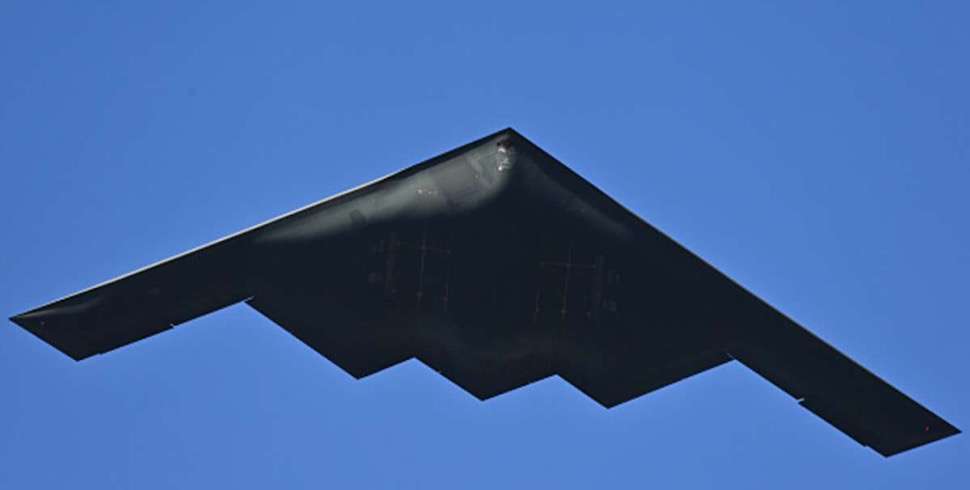
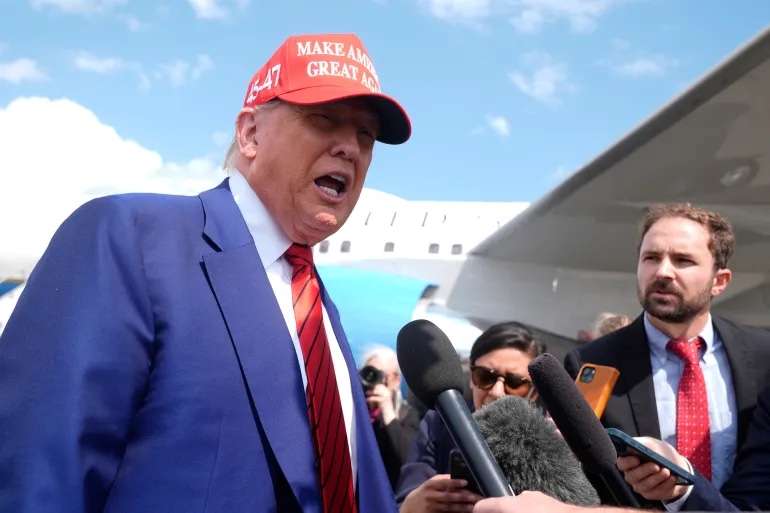
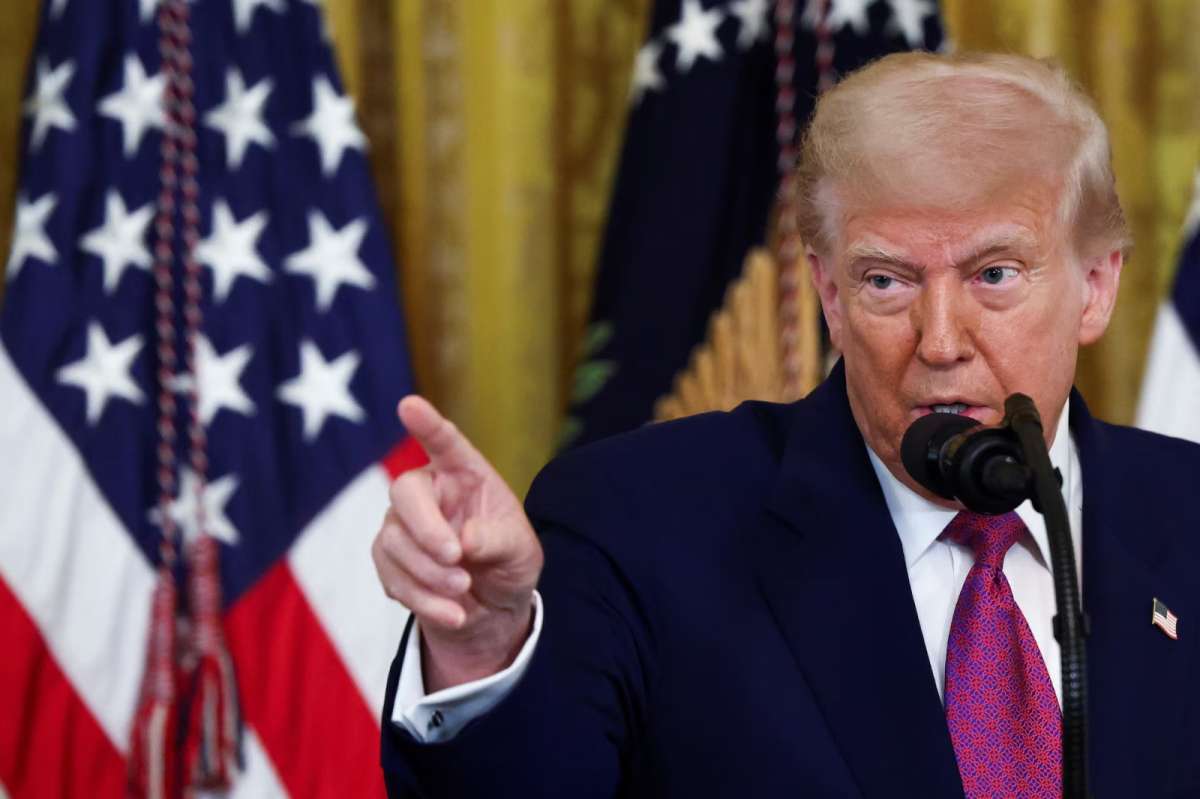
The White House stated Thursday that President Donald Trump will decide within two weeks whether the U.S. will escalate its involvement.
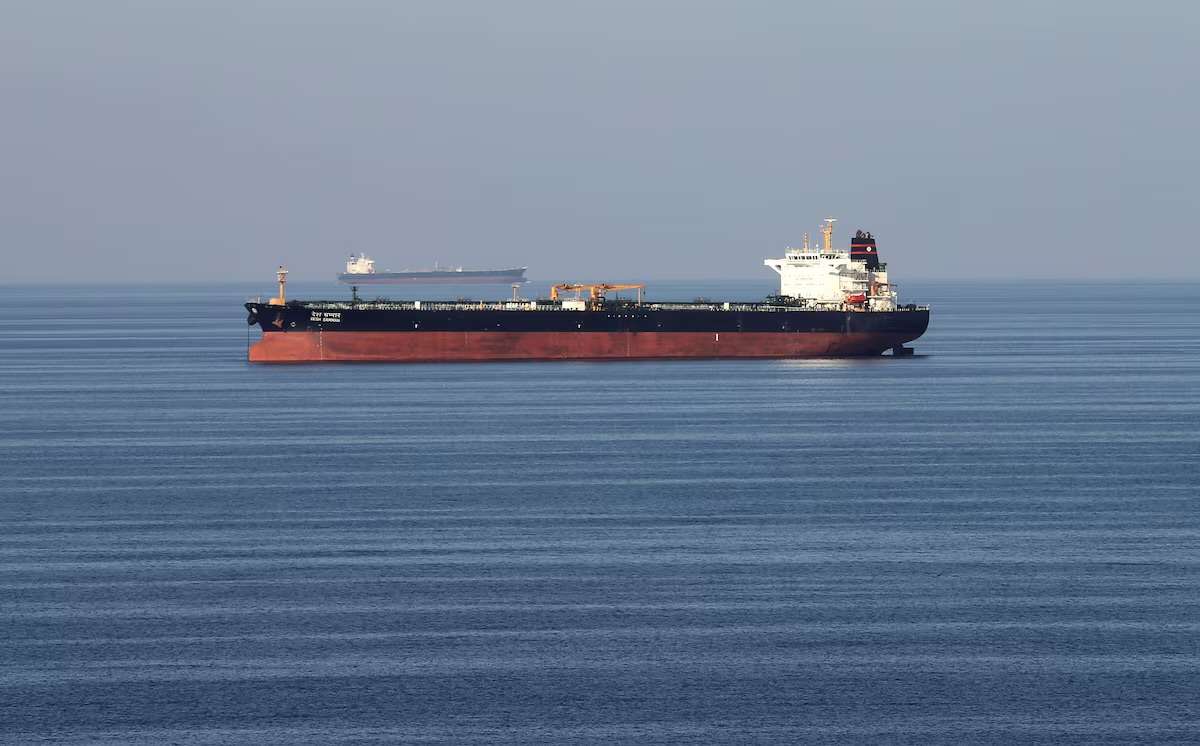
Analysts at Oxford Economics have outlined three possible scenarios: from conflict de-escalation, to a full halt in Iranian oil output, to a closure of the Strait of Hormuz. Each step up in severity brings larger consequences for global oil prices, the firm noted.
Their most severe projection sees oil soaring to roughly $130 per barrel and U.S. inflation approaching 6% by year's end. “Such a price shock would inevitably curb consumer spending by squeezing real incomes. The leap in inflation and worries about second-round effects would likely eliminate any chance for U.S. rate cuts this year,” Oxford Economics wrote.
So far, the main impact has been on oil markets, where prices have surged on fears that the Iran-Israel conflict could crimp supplies. Brent crude futures have climbed as much as 18% since June 10, recently reaching a five-month high of $79.04.
Investor expectations for oil price volatility have risen sharply, outpacing similar expectations across other key asset classes such as equities and bonds.
Still, analysts warn that stocks and other markets could eventually feel the indirect effects of higher oil prices, particularly if supply disruptions intensify.
“Geopolitical tensions have been largely shrugged off by equities, but oil prices are clearly responding,” Citigroup analysts noted. “For equities, the biggest driver now will be developments in energy markets.”
To date, U.S. stocks have weathered Middle East turbulence without significant panic. However, investors suggest that a more direct U.S. intervention could rattle markets.
A U.S. military strike on Iran could prompt knee-jerk selling in financial markets, as economists caution that spiking oil prices would heap further pressure on an already stressed global economy, challenged by Trump’s tariffs. Even so, history suggests market pullbacks tend to be short-lived: in prior crises, like the 2003 Iraq invasion and the 2019 attacks on Saudi oil facilities, stocks initially slumped but rebounded to climb higher in the following months.
On average, the S&P 500 slipped just 0.3% in the three weeks after such conflicts erupted, but traded 2.3% higher two months later, according to data from Wedbush Securities and CapIQ Pro.
A bar chart shows the S&P 500 typically stagnates in the aftermath of major Middle East flare-ups, but recovers in subsequent months.
A broader conflict could have a mixed impact on the U.S. dollar, which has declined this year amid doubts about America’s global economic edge.
Should the U.S. become directly involved in the Iran-Israel conflict, analysts expect the dollar could initially benefit from safe-haven flows.
“Traders will likely worry more about the diminishing trade terms for Europe, the UK, and Japan than the direct economic shock to the U.S., which is a major oil producer,” commented Thierry Wizman, Global FX & Rates Strategist at Macquarie Group.
However, Wizman added, if the U.S. becomes embroiled in protracted overseas ‘nation-building,’ the dollar could weaken over time. “Following the September 11 attacks, and throughout the prolonged U.S. presence in Afghanistan and Iraq, the USD trended lower,” he observed.