





















































































































































































































































































































































































































































































































































































































































































































































































































































































































































































































































































































































































































































































Friday, 09 October 2026
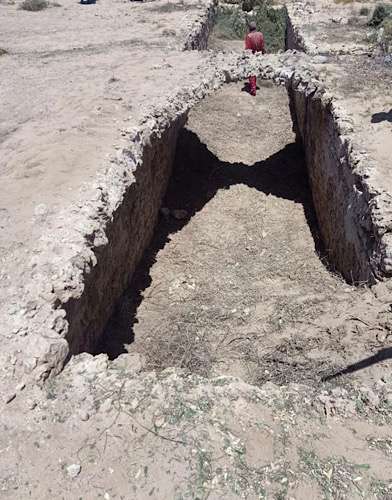
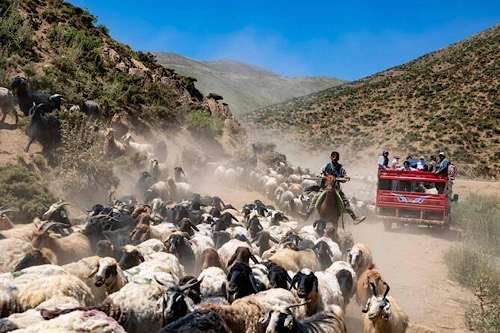
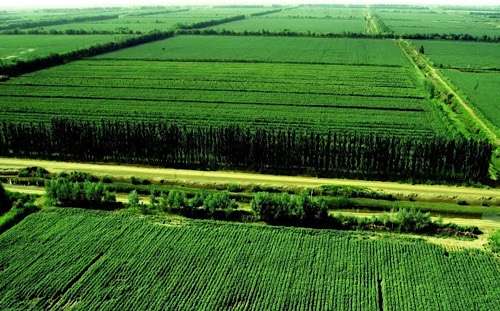
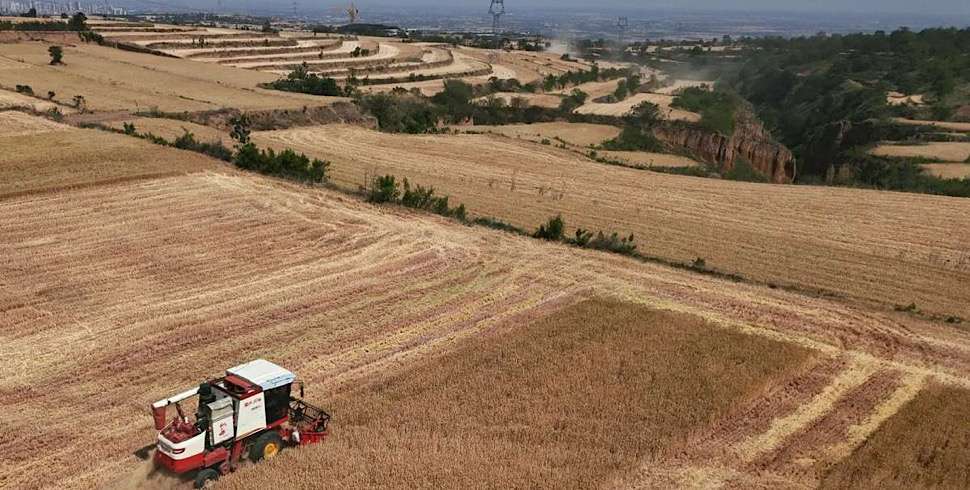 Drought-ravaged Shaanxi Province in China last month. Credit...Florence Lo/Reuters
It’s not just conflict, tariffs, and soaring inflation that are driving up food costs: widespread drought is looming as another major threat to what people eat worldwide, according to The New York Times.
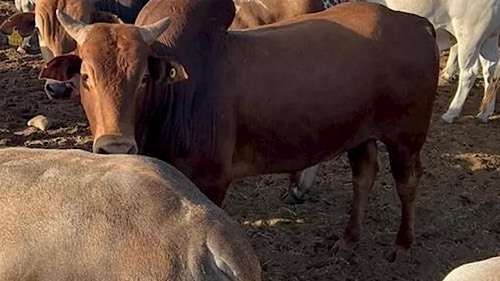
In Brazil, dry conditions have devastated coffee farms, pushing up latte prices everywhere. The Midwestern United States has been hit by several years of insufficient rainfall, forcing ranchers to reduce their cattle herds and sending beef prices to record highs.
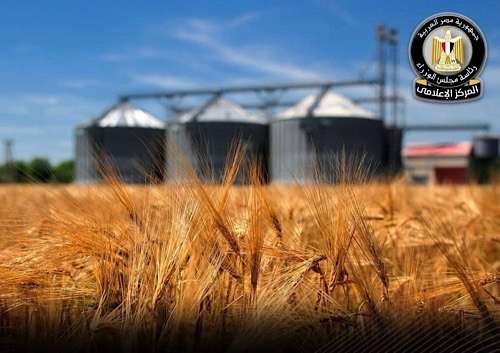
China’s vital wheat-growing Yellow River Basin is suffering from extreme heat and lack of rain. Germany endured its driest spring since 1931, though recent rainfall has eased some concerns for wheat and barley.
In addition to being at war, both Ukraine and Russia are facing droughts in their wheat-producing regions. As major suppliers to the world, these countries play a crucial role in global food security—even Morocco, now in its sixth consecutive year of drought, has increasingly turned to Russia for wheat imports.
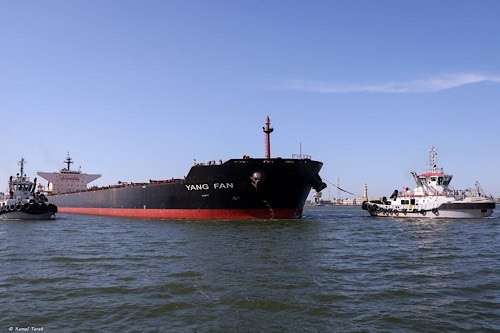
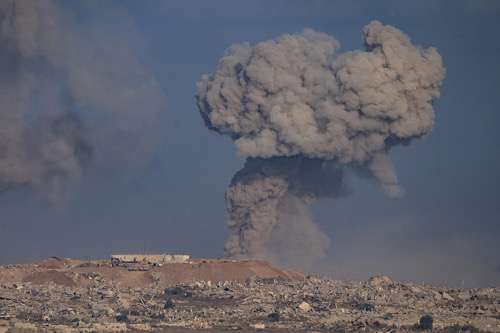
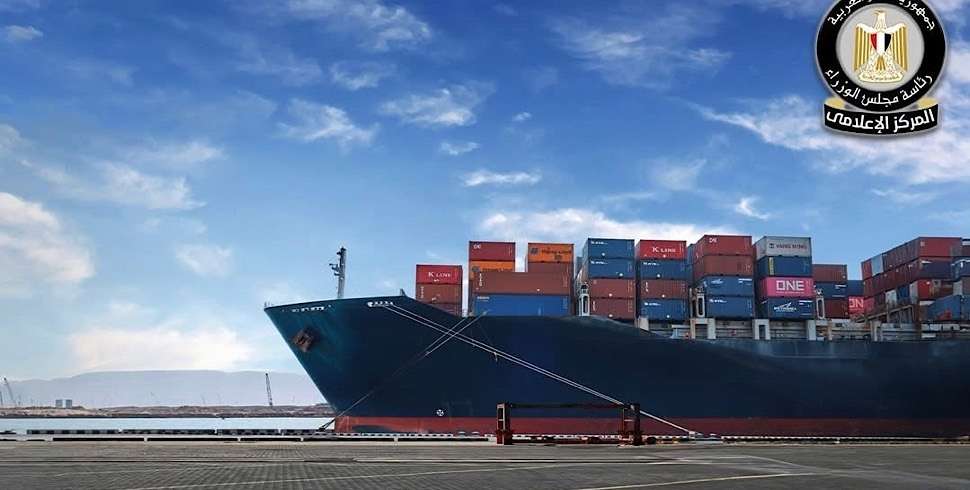
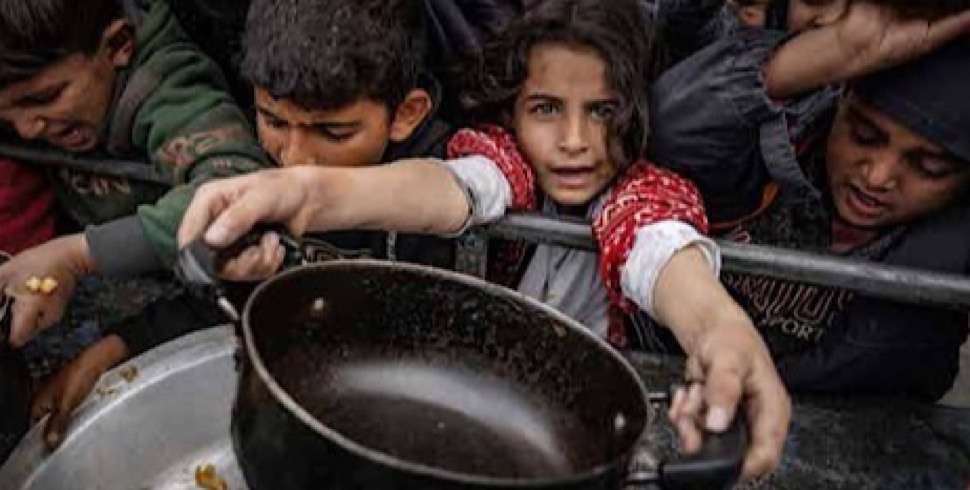
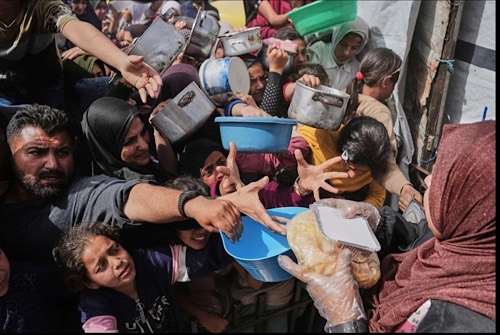
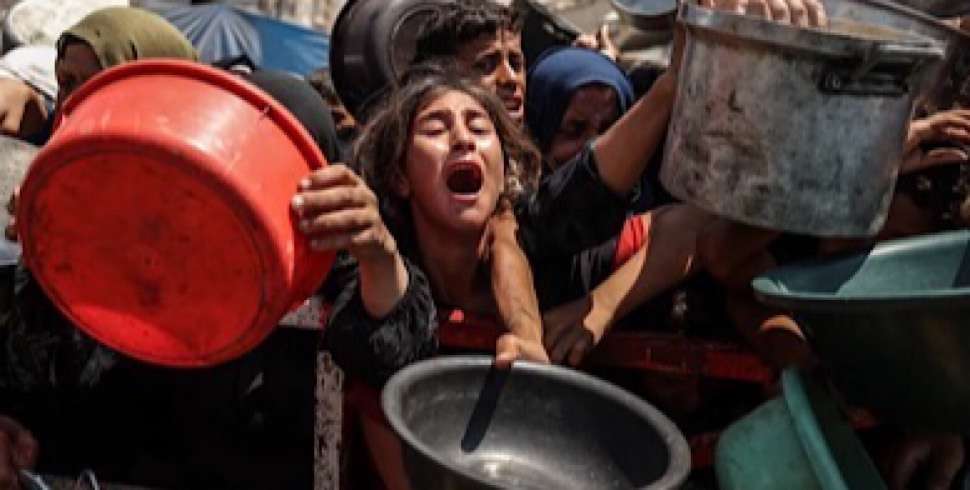
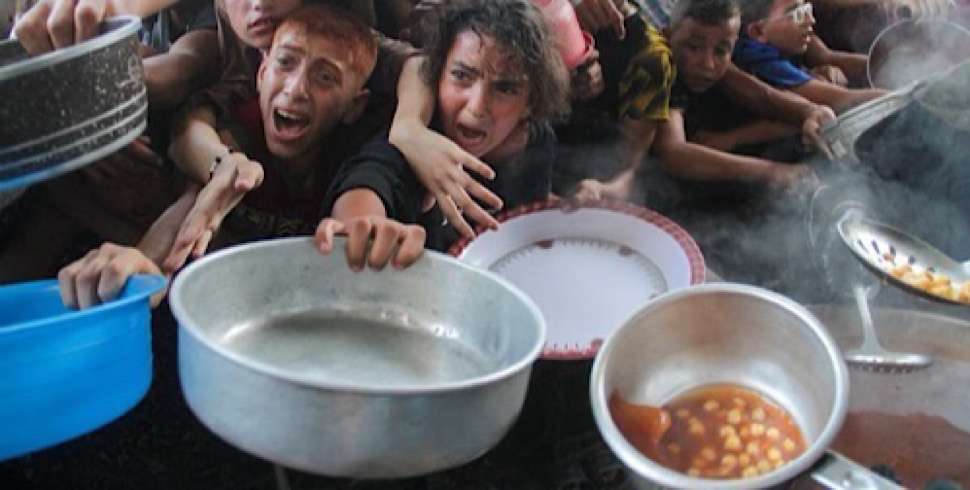
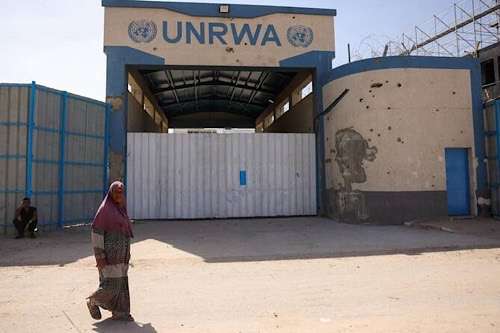
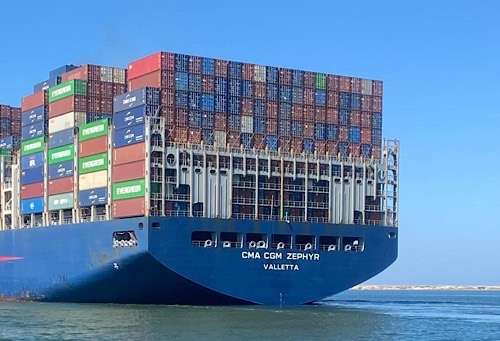
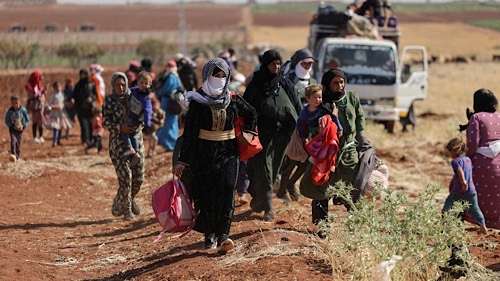
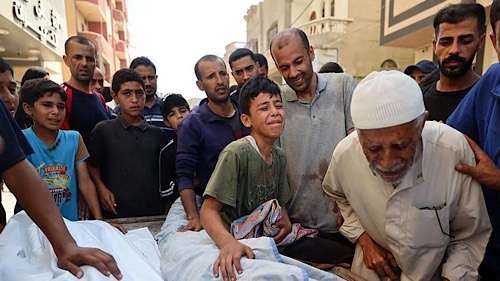
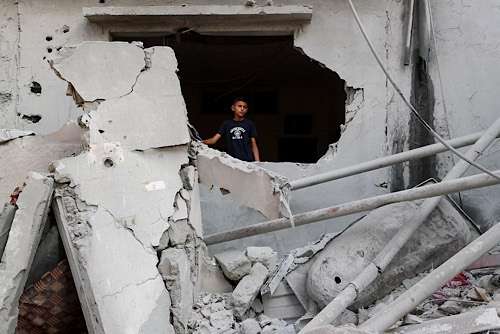
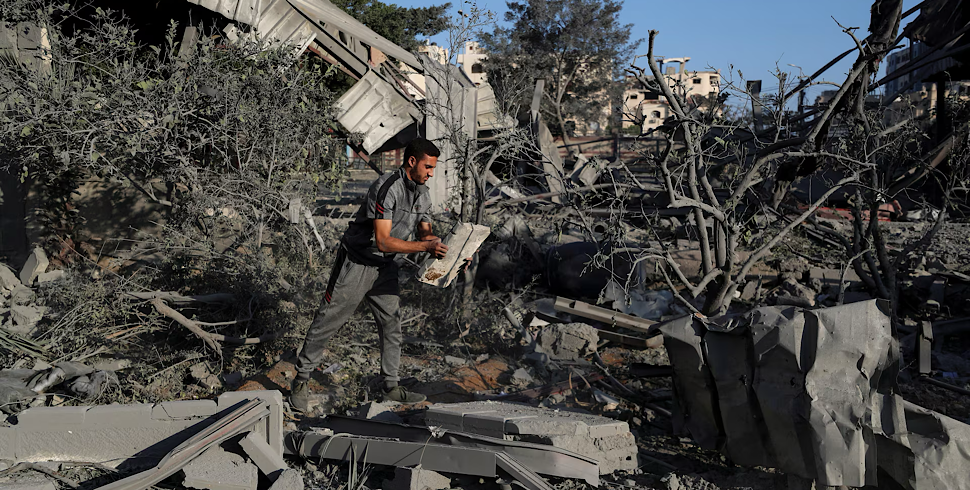
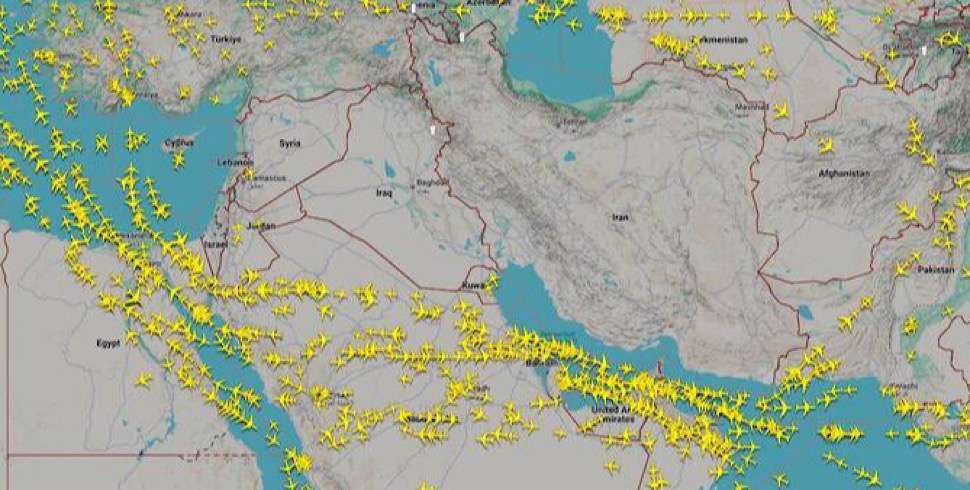
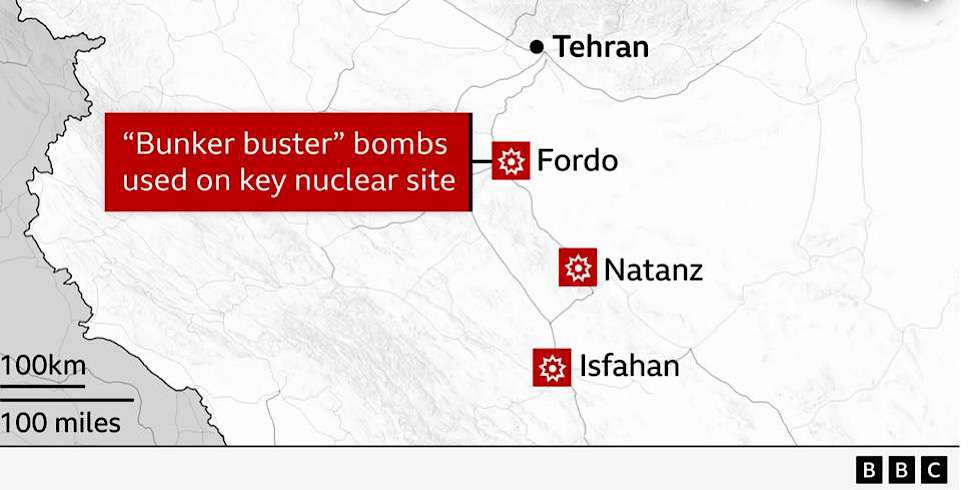
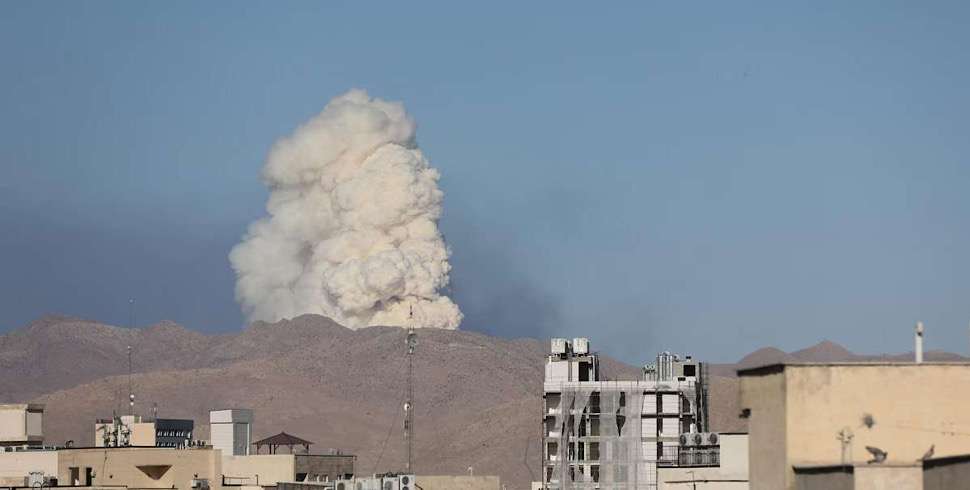
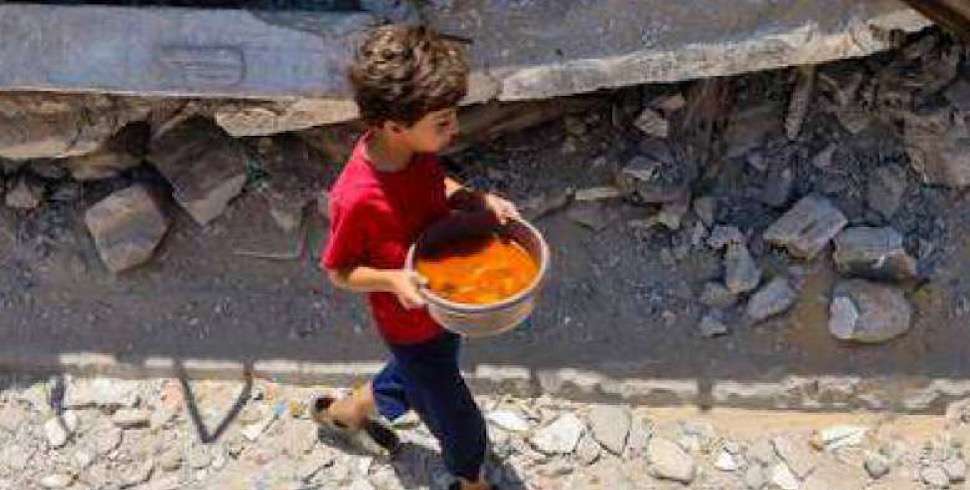
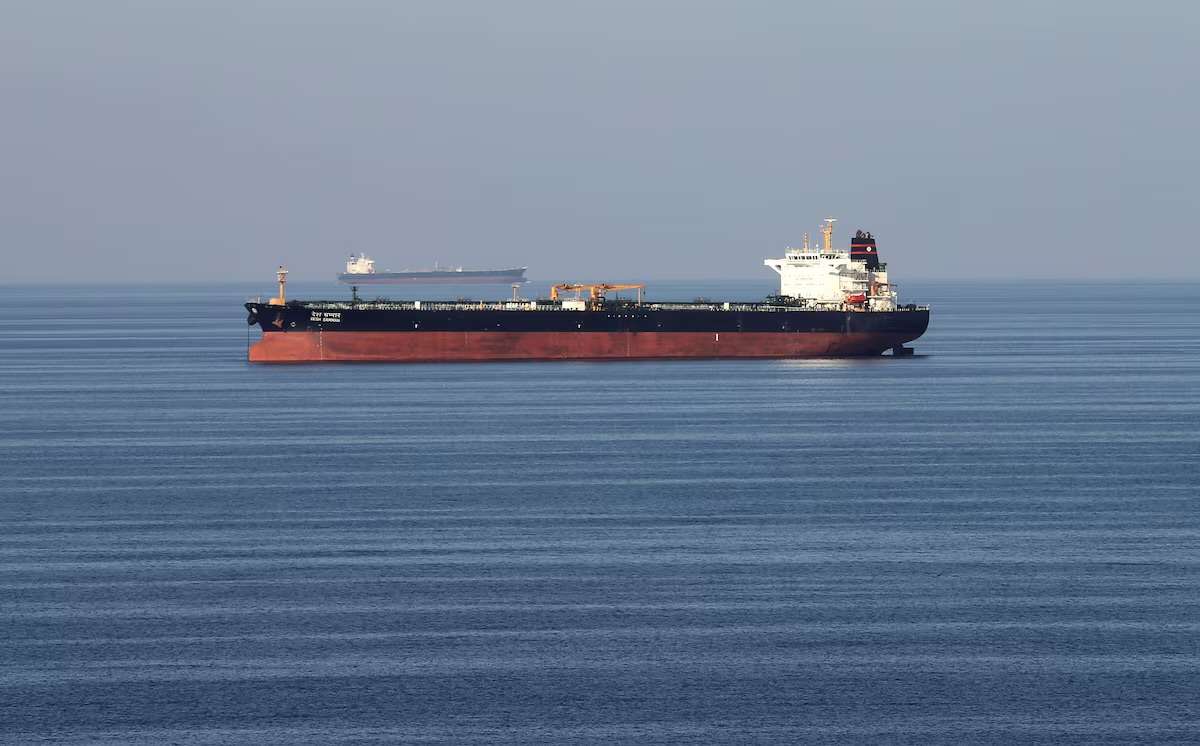
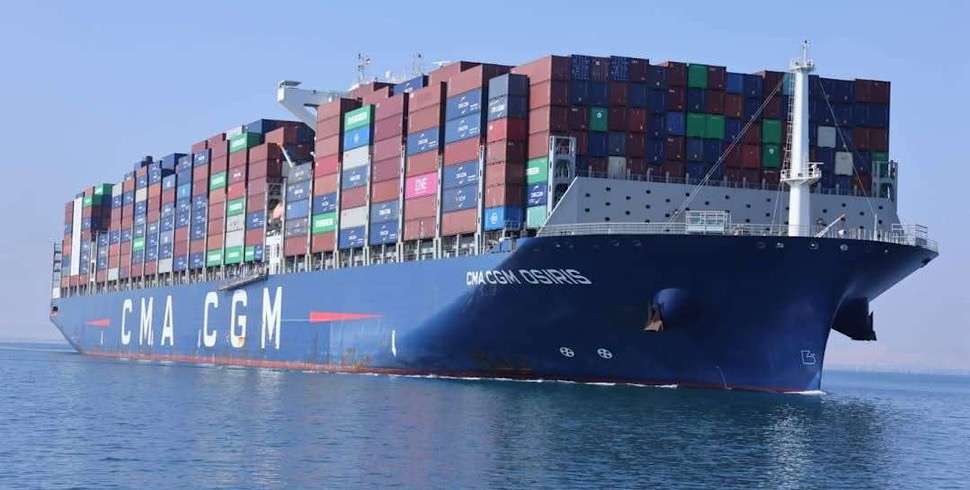
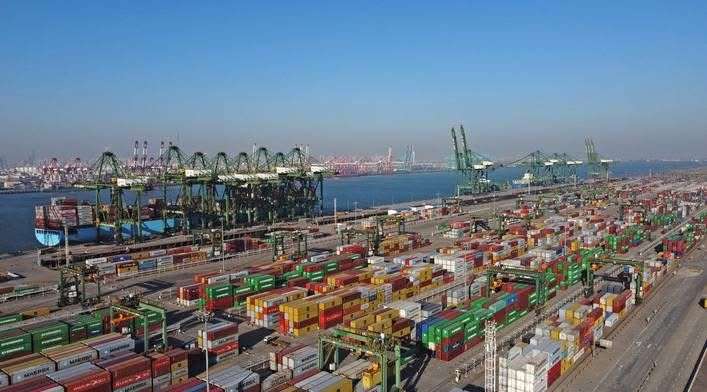
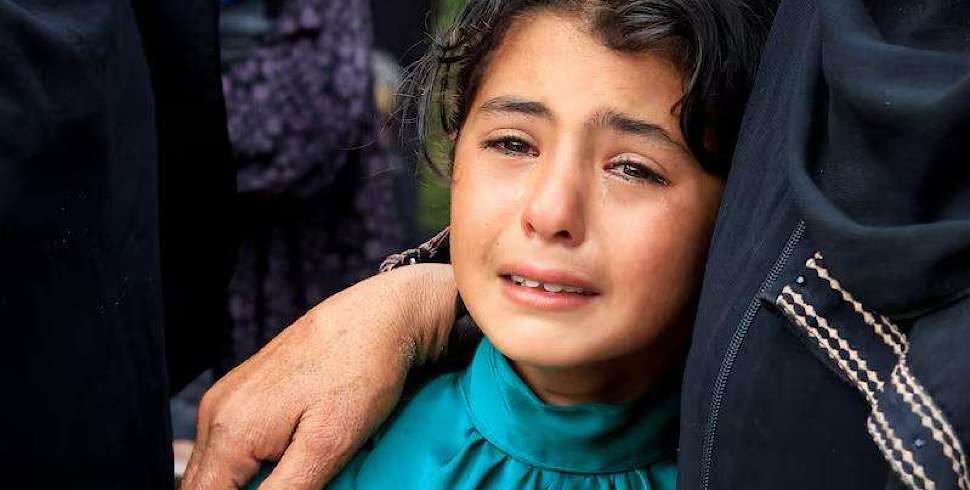
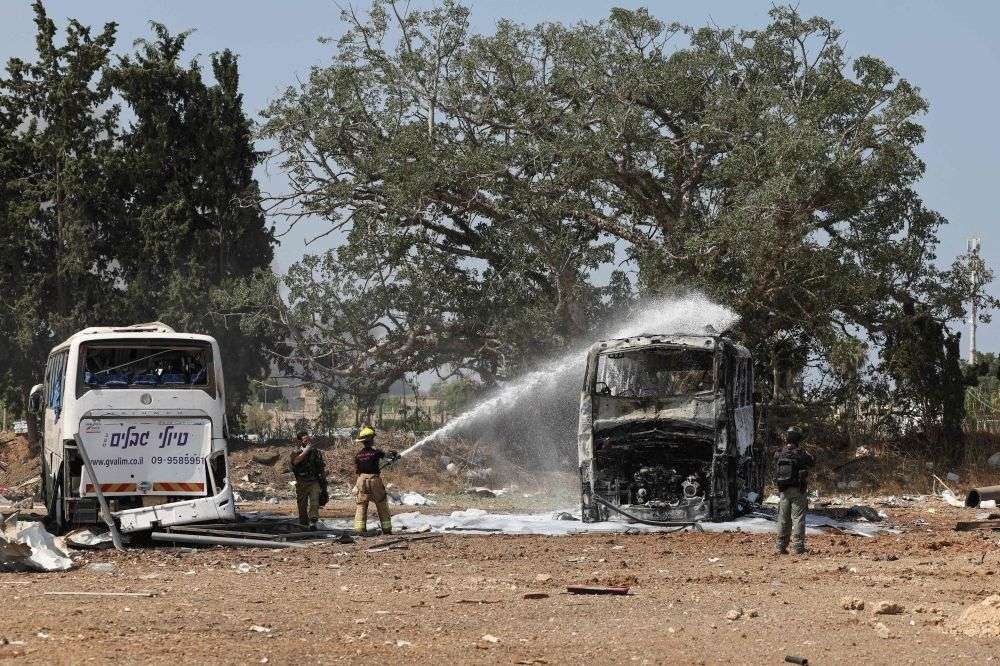
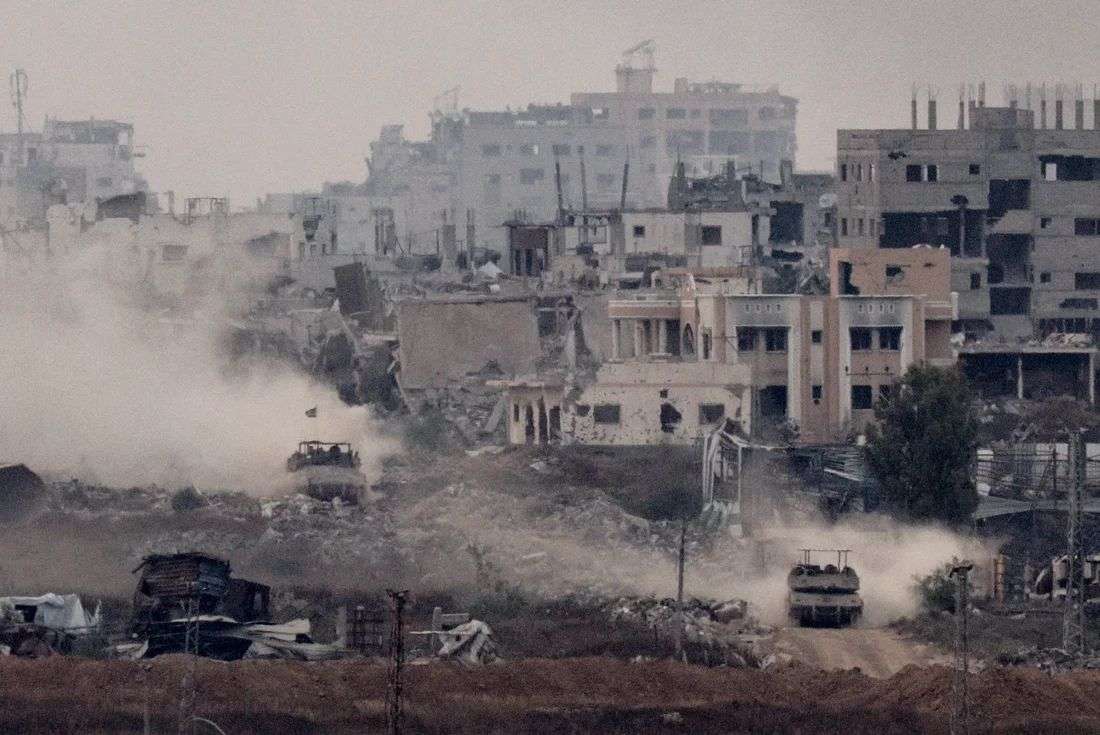
Food supplies are also further strained by conflict in Ukraine, Gaza, and Yemen, all of which have disrupted supply chains and raised shipping costs. Tensions between Israel and Iran are adding to global uncertainty.
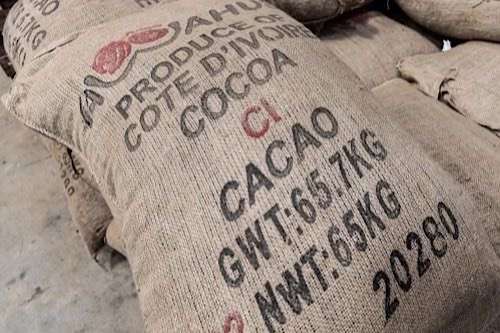
While droughts naturally occur as part of weather cycles, burning fossil fuels is intensifying their frequency and severity, fueling extreme weather events around the world. Droughts are especially dangerous as the cultivation of vital crops becomes more concentrated in specific regions. For example, most of the world’s coffee is grown in Brazil, cacao is primarily produced in West Africa’s Ivory Coast and Ghana, and large portions of corn come from Brazil, China, and the American Midwest.
Globally, the majority of people rely on just three staple grains: rice, wheat, and corn. As a result, weather disruptions in any key producing region can have widespread effects on food security. A drought or other extreme event in even one or two of these areas can shake the stability of the global supply.
A study published by the European Central Bank in late May warned that droughts could erase nearly 15 percent of the European Union’s economic output, with southern European agriculture—the birthplace of the Mediterranean diet—being most at risk. This is not a distant threat: Spain’s olive groves have suffered through intense droughts in recent years, leading to surging olive oil prices, though recent rains in 2024 have offered some relief.
“Any stress on water resources can have cascading impacts across multiple economic activities,” the study’s authors noted.
Ultimately, drought intensifies the underlying vulnerabilities in the modern global food system, and today’s at-risk foods illustrate those weaknesses.